CED Clinic: Personalized Cannabis Medicine

ย 

Medicinal cannabis is changing the face of clinical medicine. ย We are the leaders of that change.

Portrait,Of,Smiling,Millennial,African,American,Man,In,Glasses,Pose
Group,Of,Senior,Friends,On,Hike,In,Countryside,Looking,At
African,Female,Doctor,Holding,Hand,Supporting,Caucasian,Woman,Patient.,Kind
Cute,Couple,Walking,In,A,Autumn,Park.,Boy,And,Girl
Time,For,Family.,Spring,Season.
Grandfather,With,Son,And,Grandson,Sitting,On,Swing,In,Garden
Happy,Young,Family,Take,A,Self,Portrait,With,Smart,Phone.
Satisfied,Senior,Man,With,Friends,Having,A,Picnic,In,A
Beautiful,Couple,Taking,A,Walk,In,City,Park
Businessman,Relaxing,At,His,Desk,In,The,Office,With,His
Portrait,Of,Senior,Couple,Standing,With,Family,And,Friend,In
Portrait,Of,Smiling,Woman,Working,With,Laptop,And,Cellphone,At
Group,Of,People,Holding,Hands,Support,Team,Unity
Mother,And,Daughter,Having,Fun,In,The,Park.,Happiness,And
Parents,Play,In,The,Park,With,Their,Son
A,Family,Having,A,Walk,With,A,Dog
Cheerful,Multi,Generation,Family,With,Parents,Giving,Piggy,Back,Standing
Adult,Female,Doctor,Has,Video,Call,And,Chatting,With,Colleague
Couple,Wife,Husband,Dating,Relaxation,Love,Concept
Happy,Woman,Have,A,Break,In,Office,,Folded,Arms,By
Granddad,With,Cheerful,Granddaughter,Having,Fun
Shot,Of,A,Family,Having,A,Meal,Together,At,Home
Happy,Grandparents,Dance,Waltz,In,Front,Of,Family,At,A
Office,Workers,Diverse,Colleagues,Sitting,At,Desk,Looking,At,Each
Family,Of,Three,On,A,Walk,,Mother,Holding,Child,,Front
Group,Of,Senior,Retirement,Exercising,Togetherness,Concept
Young,Woman,Suffering,From,Headache,In,Office
Group,Of,Adult,Multiethnic,Friends,Playing,American,Football,On,The
Group,Of,Senior,Trekkers,Checking,A,Map,For,Direction
Young,Attractive,Couple,In,Love,In,An,Autumn,Setting,Following
Beautiful,Couple,Taking,A,Walk,In,City,Park
Busy,Young,African,Man,In,Shirt,Talking,With,Smiling,Man
Portrait,Of,Cheerful,Girls,With,Grandparents,While,Sitting,In,Back
Happy,Family,In,The,Park,On,A,Sunny,Day
Group,Of,Senior,Trekkers,Checking,A,Map,For,Direction
Group,Of,Senior,Friends,Hiking,In,Countryside
Portrait,Of,Senior,People,Celebrating,Birthday
Women,And,Boys,Walk,Hand,In,Hand,,Traveling,Adventure
Group,Of,Senior,Retirement,Friends,Happiness,Concept
Happy,Leisure
Asian,Preteen,Boy,And,Young,Father,Jogging,Together,In,Nature
Portrait,Of,A,Satisfied,Executive,Celebrating,Success,With,The,Arms
Soldier,Reunited,With,His,Parents,On,A,Sunny,Day
Shot,Of,A,Family,Having,A,Meal,Together,At,Home
Family,Eating,Sandwiches,Outdoors,In,A,Forest,,Portrait
Portrait,Of,Happy,Family,Standing,In,Back,Yard,During,Sunny
The,Adventure,Is,More,Fun,When,They,Are,Together.,Family
Happy,Grandfather,,Grandmother,And,Grandson
Irate,Employee,Laboring,With,Loathing
Group,Of,Senior,Retirement,Friends,Happiness,Concept
Portrait,Of,Senior,Couple,Walking,Pet,Bulldog,In,Countryside
Happy,Family,With,The,Child,In,The,Field
Cute,Couple,Holding,Hands,Happiness,Lifestyle,Meeting
Portrait,Of,Four,Cheerful,Senior,Friends,Enjoying,Picnic,On,Green
Spending,Time,With,Parents,Outside,In,Spring,Season,Is,Funny.


At CED Clinic, weโ€™re redefining care. Step into a welcoming, professional space where the leading experts in medical cannabis are here to guide and support you!


1

You’ve found the right place!

Learn More Book Now
website quotes professional
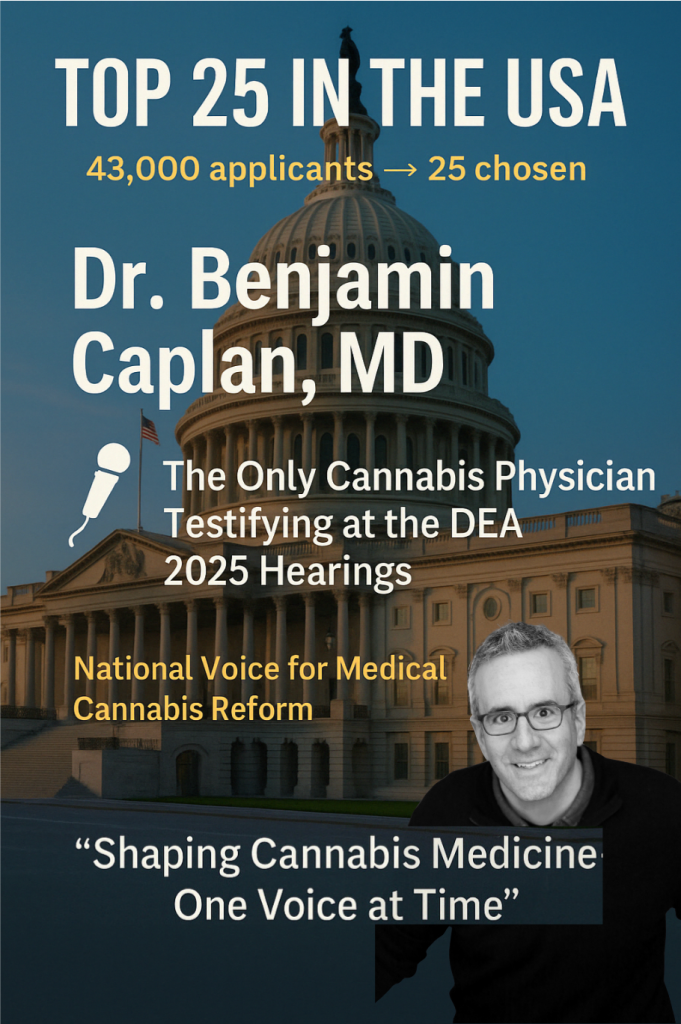
Promotional poster featuring Dr. Benjamin Caplan, MD, recognized as one of the Top 25 in the USA out of 43,000 applicants. The design highlights his role as the only cannabis physician testifying at the 2025 DEA hearings, titled โ€˜National Voice for Medical Cannabis Reform,โ€™ with the quote โ€˜Shaping Cannabis Medicine One Voice at a Timeโ€™ displayed below
Dr. Benjamin Caplan, MD โ€” Top 25 in the USA. The only cannabis physician invited to testify at the 2025 DEA hearings, advancing national medical cannabis reform

ย 

Screenshot 2024 06 18 at 9.32.33โ€ฏPMDr Caplan Best Medical Cannabis Doctor in the US

๐Ÿ”ฅ CED Clinic: voted Best Medical Cannabis Clinic since 2013!

Our Services

  • Expert Telemedicine Medical Cannabis Consultations!
    • Medical Card Certifications (Massachusetts, New Hampshire, Rhode Island, Vermont, Maine)
    • Adult Cannabis Care (US + Internationally)
    • Pediatric Cannabis Care (US + Internationally)
  • In-Depth Consultations & Care Plans
    • Personalized Services (Medication, Diagnostic, and Management Review)
  • Cannabis and Non-Cannabis Medical Second Opinions
    • Long-term Talk Therapy
    • Advice, Support, and Cost-Savings Advice!

Our Mission

  • To Heal
  • To Listen
  • To Educate
  • To Learn and Understand

Questions? ๐Ÿ‘‰ Contact Us Here

Our Team

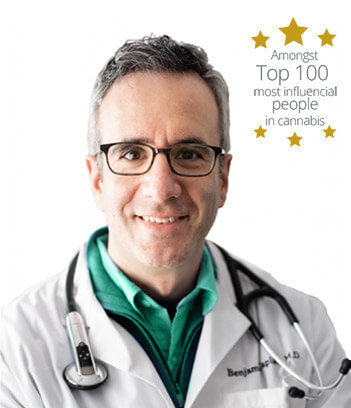
Benjamin Caplan MD
ย Benjamin Caplan, MD
Erin Caplan, NP
Erin Caplan, NP


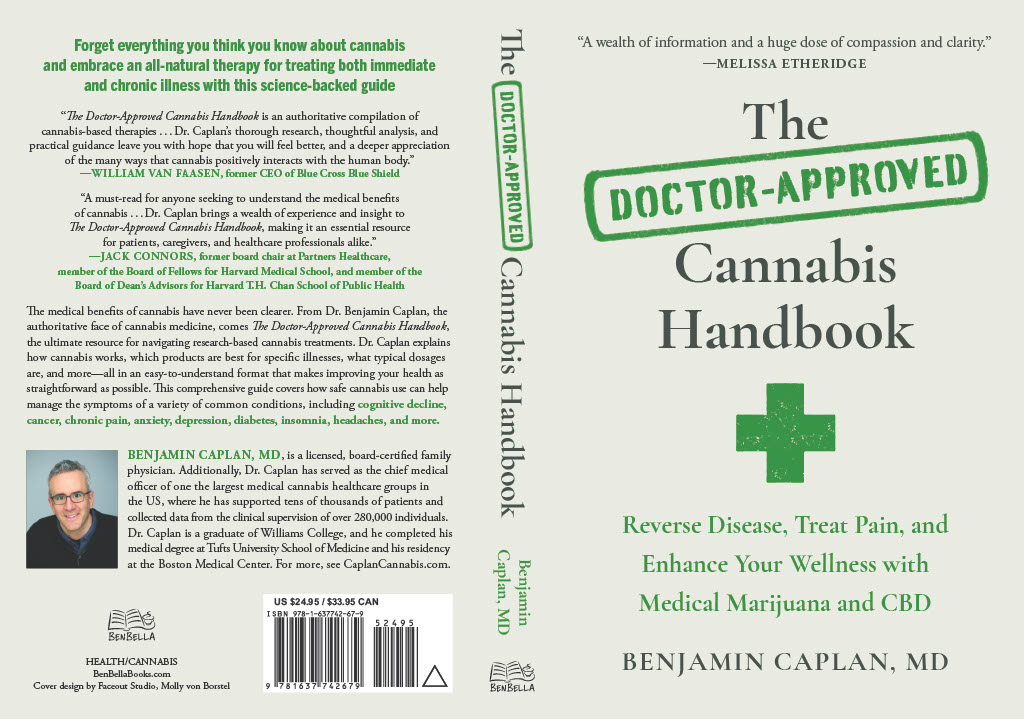
Benjamin Caplan, MD, stands at the forefront of medical cannabis care as the Founder and Chief Medical Officer of CED Clinic and CED Foundation. His entrepreneurial journey further extends as the Founder of multiple medical cannabis technology and educational platforms and as a medical advisor to the prestigious cannabis investment fund, GreenAXS Capital. Within digital healthcare, Dr. Caplan co-founded EO Care, Inc, a pioneering digital therapeutic and telemedicine platform, offering personalized cannabis care and product plans and continuous clinical guidance to a global clientele seeking a reliable, evidence-based cannabis care partner. Adding to his repertoire of contributions to the medical cannabis arena, Dr. Caplan has recently published “The Doctor-Approved Cannabis Handbook,” an industry-first resource empowering readers with the full scope of the therapeutic potential of cannabis. Through his multifaceted involvement, Dr. Caplan continuously strives to bridge the gap between traditional medicine and cannabis care, making a significant impact in evolving holistic healthcare.


Erin Caplan, NP is a board-certified Pediatric Nurse Practitioner with a masterโ€™s-level medical education from Simmons. Her extensive clinical journey has been enriched through roles at Massachusetts General Hospital, Hyde Park Pediatrics, Atrius Healthcare, and Dana-Farber Cancer Institute, where she has provided both inpatient and outpatient primary care to some of the most fragile and challenging pediatric patients. A registered cannabis care provider licensed by the Massachusetts Cannabis Control Commission, Erin seamlessly blends her pediatric expertise with the nuance and adaptability required for personalized cannabis care. A community leader, avid athlete, and dedicated mother of four, Erin’s compassionate bedside manner and steadfast commitment to evidence-based practice have earned her the trust and appreciation of patients and families, showcasing her as a harmonious blend of clinical excellence with a personal touch.

Patient Stories

This Finally Made Sense


I started GLP-1 metabolic care with Dr. Caplan about 8 months ago, and itโ€™s the first time weight loss has felt medically structured instead of guesswork. He explained things in a way that actually clicked, and the follow-up has been just as thoughtful as the start. Iโ€™m down weight, yes, but more importantly, I understand what my body is doing.

fe0aab8be1f3e2ca3cac26686ff7ea235888964dc4af1d0b577d2b9f68247ef9?s=150&d=mm&r=g
Daniel R

Navigating the Stigma as a Senior

Testimonial:

โ€œAt 68 years old, I never thought Iโ€™d be considering cannabis as part of my treatment. My generation didnโ€™t grow up viewing it as medicineโ€”we saw it as something entirely different. But after dealing with arthritis pain for over a decade, my daughter encouraged me to give it a try. Meeting with a professional who truly understood both the science and the hesitations I had made all the difference. Dr. Caplan explained how cannabis could work alongside my existing treatments and offered me a gradual approach to build my confidence. Now, Iโ€™m using a tincture daily, and I feel a level of relief and mobility that I hadnโ€™t felt in years. Even better, Iโ€™ve been able to have open conversations with my friends about the benefits, helping them see it in a new light too.โ€

Peter H

21a42e031f4dc5878c0ea2ebda0d10e91c429aeb55d2e9843e7ef026bcb2ac1e?s=150&d=mm&r=g
Peter Hargrove

Reclaiming Life with Holistic Care

โ€œI had been living with chronic fatigue for years, feeling like I was just existing rather than living. Traditional medicine had brought little relief, so I started looking into alternative options. Working with a doctor who truly listened to my struggles and offered a holistic approach to care was a game-changer. The cannabis regimen we developed not only improved my energy levels but also allowed me to engage in activities I hadnโ€™t been able to enjoy in years. This isnโ€™t just about managing symptomsโ€”itโ€™s about reclaiming a life I thought was out of reach. Iโ€™m grateful for the guidance and the opportunity to feel like myself again.โ€

Sarah M

d4621c0801da44864b8becc082253074be1b68b910dd53d09d17115171dea61a?s=150&d=mm&r=g
Sarah Mitchell

A Patientโ€™s Guide to Finding the Right Dose

โ€œMy journey with cannabis therapy was not a straight line. When I first started, I thought one dose or product would fix everything, but I quickly learned itโ€™s a process of trial and adjustment. Working with a knowledgeable doctor made all the difference. We started low and slow, as they say, and I kept track of how I felt each day. Over time, I found the right balance that worked for my condition without unwanted side effects. The best part of this process was how involved I feltโ€”I wasnโ€™t just following instructions; I was an active participant in my own care. Now, Iโ€™m managing my symptoms better than ever and feel in control of my health.โ€

Michael T

5d340f7d6f5144f8405bf778aec78f7e59b025a77b81af4fa2681edb70b77582?s=150&d=mm&r=g
Michael Torres

Finding Balance After Postpartum Anxiety

โ€œAfter having my second baby, I struggled with severe postpartum anxiety. It was difficult to admit I wasnโ€™t feeling okay, and even harder to ask for help. Traditional treatments left me feeling disconnected and foggy, and I didnโ€™t want to spend my days like that. When I started exploring medical cannabis, I was cautious but hopeful. Meeting with a knowledgeable doctor helped me approach it with confidence. I started with a low dose of CBD and gradually added a small amount of THC for nighttime use. Within weeks, I noticed a differenceโ€”not just in my anxiety, but in my ability to enjoy motherhood again. This journey wasnโ€™t just about managing symptoms; it was about regaining balance and finding joy in my life.โ€

Emily R

c2021a435a6296526eb141e59d6a2de7dde101be297144cd6d31d544cda7ae4e?s=150&d=mm&r=g
Emily Richards

New Hope for Fibromyalgia

โ€œI never thought Iโ€™d find a doctor who could make me feel optimistic about managing my fibromyalgia, but Dr. Caplan did exactly that. He didnโ€™t just focus on symptomsโ€”he helped me think about my health in a holistic way, integrating cannabis into a broader plan for wellness. His recommendations were precise, and he made sure I knew how to adjust them as needed. What really impressed me was his dedication to follow-up care; he personally checked in to see how I was doing and offered adjustments based on my progress. Itโ€™s that level of personalized attention that makes Dr. Caplan and his clinic stand out.โ€

Grace N

7f0b77bc70ec9edcf14b162e5802f1d482bd58a78f1aca9d6ad0000227c5cd3a?s=150&d=mm&r=g
Grace Newman

Overcoming My Fear of Cannabis Therapy

โ€œFor years, I hesitated to explore medical cannabis. I had so many misconceptionsโ€”fear of side effects, worries about legality, and even embarrassment about what others might think. But after years of struggling with my chronic anxiety, I decided it was time to explore new options. Meeting with Dr. Caplan completely shifted my perspective. He helped me understand that cannabis wasnโ€™t about masking symptoms; it was about restoring balance in a way that felt right for me. My first steps were small, and we adjusted the plan together over time. Today, I feel a sense of calm and clarity I hadnโ€™t thought possible. More importantly, Iโ€™ve let go of the stigma and feel proud of my decision to prioritize my health.โ€

Julia M

d807dc5d275a0e2da1be8765d09f1b5a96d717564f7f8560d8ff53f57a14a9ab?s=150&d=mm&r=g
Julia Matthews

Care That Transcends Expectations

โ€œDr. Caplanโ€™s clinic is a masterclass in patient care. From the moment you step in, you feel like youโ€™re in capable, compassionate hands. He took the time to understand my chronic fatigue and explained how cannabis could help in ways I hadnโ€™t considered. What stood out most was his emphasis on making informed decisionsโ€”heโ€™s not just a doctor, but a teacher who ensures you leave with a clear understanding of your treatment. His book is a fantastic resource, and it was clear from our discussion that he truly believes in empowering his patients through education. I couldnโ€™t be happier with my experience.โ€

Daniel Rย 

4c8da242ac5dd4e8c27aae55a6de4b33e552090a37c27fe8374c55b41285baa5?s=150&d=mm&r=g
Daniel Roberts

The Expert You Can Trust

โ€œDr. Caplanโ€™s reputation as a cannabis expert is well-earned. I came to him with a list of concerns about using cannabis for my autoimmune condition, and he addressed each one with patience and expertise. He went beyond the surface to help me understand not just the benefits but also potential risks, which made me feel secure in my treatment. His recommendations were so thoughtful and practical, and he even tailored them to fit my busy schedule. What really set him apart, though, was his genuine careโ€”I could tell he wanted me to succeed in managing my health. Itโ€™s rare to find a doctor who combines this level of expertise with such a warm, approachable demeanor.โ€

Sophia L

0707a7653b94ac6215e96daac5877841ddbdef26f149924cd28ab5c8c49e3157?s=150&d=mm&r=g
Sophia Lewis

Empowering Through Education

โ€œAs a mother of two, I was cautious about trying medical cannabis for postpartum anxiety, but Dr. Caplan quickly put my fears at ease. He offered a science-backed approach that felt safe and sensible, walking me through each step with empathy and care. His book was also an invaluable toolโ€”it gave me the confidence to understand how to approach treatment without guesswork. Now, I feel like Iโ€™m thriving instead of just surviving. Iโ€™m so grateful for Dr. Caplanโ€™s guidance and for the way he made this process feel not only accessible but also empowering.โ€

Olivia G

e8a03fb1c569faa86d888a47e5ea74194de04461e3d9ed05e5ac8fda4ca2bb3e?s=150&d=mm&r=g
Olivia Green

Clearer Days Ahead

“After years of chronic migraines and no relief from traditional treatments, I turned to Dr. Caplan as a last resort. What I found was a doctor who genuinely listened to my struggles and worked with me to find solutions. His clinic is a beacon for anyone looking to explore medical cannabis with confidence. He didnโ€™t just give me a prescriptionโ€”he educated me about dosing, timing, and the different products available. His insights were life-changing, and his approachable manner made even the complicated aspects of treatment easy to understand. For anyone hesitant about this path, Dr. Caplan is the guide youโ€™ve been waiting for.โ€

Ryan T

50cd357fffb3b7bab92f9508c62b2d34e349c212561d286c9e95700bcc3a4142?s=150&d=mm&r=g
Ryan Thompson

Game-Changer for Mental Health

โ€œFinding Dr. Caplan was a game-changer for my mental health. For years, I struggled with anxiety and sleep issues, trying countless medications with limited success. Dr. Caplanโ€™s personalized approach was a breath of fresh air. He didnโ€™t just focus on my symptoms; he wanted to understand how my lifestyle and goals factored into the equation. His guidance helped me find a regimen that not only improved my sleep but also reduced my daily stress. The best part? He checked in after a few weeks to make sure everything was working smoothly. Iโ€™ve never felt so cared for by a doctor.โ€

Emily P

c9e2baa4091bb4fad9be3837ab1a6a5c4a2f62e09cc78b7e6f9a9c5b9b26dc7f?s=150&d=mm&r=g
Emily Parker

A Seniorโ€™s New Hope

โ€œAs a senior struggling with arthritis, I was skeptical about cannabis therapy. But Dr. Caplan changed my perspective completely. His extensive knowledge, combined with a genuine compassion for his patients, made my first visit feel like a turning point. He introduced me to options that were gentle and easy to integrate into my daily life. What surprised me most was how much he emphasized educationโ€”his book became a valuable resource for me and my family to better understand how cannabis could help. If youโ€™re new to this world, Dr. Caplan is the expert you can trust to guide you with care and patience.โ€

Lucas H

a0454a3780c44384ddb9c3f96c517ce8dd61e4cf030249e588b740620a1f0fa8?s=150&d=mm&r=g
Lucas Howard

Skeptic to Believer

โ€œI had given up on finding relief for my chronic pain until I met Dr. Caplan. His calm, reassuring demeanor put me at ease from the moment we sat down. He not only prescribed a cannabis regimen tailored to my needs but also took the time to address my fears about stigma and side effects. What made the experience even better was how he explained thingsโ€”breaking down complex science into simple, relatable examples. I now feel in control of my health for the first time in years. If youโ€™re hesitant about exploring cannabis as an option, Dr. Caplanโ€™s patient-centered care will make all the difference.โ€

Chloe M

b05344e35475ab52a5725383e9ab741a12d50602afa8ab73203eb121bc292da2?s=150&d=mm&r=g
Chloe Martinez

Revolutionizing My Care

“Dr. Caplanโ€™s approach to cannabis therapy is revolutionary. I had been to other clinics where the process felt rushed and impersonal, but my experience with him was the exact opposite. He asked thoughtful questions, delved into my medical history, and crafted a tailored plan to address my specific symptoms. What stood out the most was his ability to connect my condition to real-world cannabis applications, referencing research and patient success stories that inspired confidence. His clinic also provides resources beyond the appointmentโ€”like follow-ups and his bookโ€”which made me feel supported every step of the way. For anyone seeking a truly personalized and informed approach to medical cannabis, I canโ€™t recommend Dr. Caplan enough.โ€

Ethan K

8f6b043a45d5741eb7987b9fe9eeeeb48a9b8a2c0942d8903138824626e4d4b7?s=150&d=mm&r=g
Ethan Keller

Trust Built Through Understanding

“Trust is not something I give easily when it comes to my healthcare, but Dr. Caplan earned it during our first appointment. He listened carefully to my concerns and explained the science behind medical cannabis in a way that was clear and accessible. He didnโ€™t just focus on the benefits; he also made sure I understood potential challenges and how to navigate them. That kind of transparency and care is rare, and itโ€™s the reason I feel confident in the treatment plan we developed together.”

Emily C

69867d6bb646867fa396a9fc8869fbf3fc59b71dd4ea9879eddce585bb410d5e?s=150&d=mm&r=g
Emily Carsonally

Personalized Care That Stands Out

“Every aspect of my experience with Dr. Caplan reflected his commitment to personalized care. He took the time to ask about my lifestyle, my goals, and even my hesitations about using medical cannabis. His thoughtful questions and detailed explanations made it clear that he was focused on creating a plan that would work for me specifically. I also appreciated how he checked in with me after the visit to see how I was doingโ€”a small gesture that made a big difference in my confidence and comfort moving forward.”

Olivia H

d578ba51ab9f149fdffadc3e1523df2a624141733755019228c723f455e4b1e4?s=150&d=mm&r=g
Olivia Robers-Harrison

Educational and Empowering

“Dr. Caplan doesnโ€™t just prescribe cannabisโ€”he educates you about it, so you feel confident and in control of your treatment. From our first appointment, it was clear that he cared about making sure I understood all my options. He referenced research, shared stories from other patients, and even recommended chapters from his book that were particularly relevant to my situation. By the end of the visit, I felt not only more informed but also more empowered to make decisions about my health. That kind of care is rare, and Iโ€™m grateful for it.”

Benjamin R

4c4c4d23584ac9dba230dbf6e3a0fba41bd0c45c20106f77c62eb219d3ded66a?s=150&d=mm&r=g
Benjamin Rochel

Clear Guidance Every Step of the Way

“What struck me most about Dr. Caplan was his ability to provide clear and actionable guidance. I had no prior experience with medical cannabis and was overwhelmed by all the information out there, but he made it manageable. He walked me through the options, explained the potential benefits and risks, and helped me navigate decisions in a way that felt completely tailored to my situation. His calm and thoughtful manner put me at ease, and I left the appointment feeling like I finally had a plan I could trust.”

Chloe M

714527088e0deb6eeebeceb53ed9424022bf0e76e7662fd53113ca2a708a3e2b?s=150&d=mm&r=g
Chloe Masterson

A Tailored and Thoughtful Plan

“Dr. Caplan approached my case with a level of care and detail I hadnโ€™t experienced before. Instead of a one-size-fits-all recommendation, he tailored a plan based on my specific symptoms and preferences. He took the time to explain why certain options might work better for me and made sure I felt comfortable moving forward. His advice was practical and grounded in science, yet delivered in a way that felt approachable. I left feeling empowered, knowing I had the tools and knowledge to take the next steps with confidence.”

Ethan K

7e167007bcd85d1aab4555b00c4145205b7e1b1ba4c631805ac380ff76ffee9b?s=150&d=mm&r=g
Ethan Kostenson

More Than Just a Weed Visit

“My first visit with Dr. Caplan felt like more than just a routine medical appointmentโ€”it was an opportunity to truly take charge of my health. He asked questions that no other doctor had asked and encouraged me to think about my goals for treatment in a way I hadnโ€™t before. His book was an incredible resource, but what truly set him apart was his ability to make the information feel relevant to my unique situation. I felt supported not only as a patient but as a partner in my healthcare journey.”

Maria L

d18bacc1e711abbf80d2a8bfe5c0b0255c5ab5df4887757de1cb12874d0b93f3?s=150&d=mm&r=g
Maria Lolana

A Practical and Supportive Approach

“Dr. Caplanโ€™s approach is refreshingly practical and supportive. During our consultation, he focused not just on recommending cannabis, but on helping me understand how to use it in a way that fit my lifestyle and goals. He walked me through options, shared insights from his book, and even helped me think through how to manage dosing and timing. What really impressed me was his focus on the long termโ€”this wasnโ€™t about a one-time solution but about creating sustainable improvements in my health. Itโ€™s rare to find a doctor who invests this level of thought and care into patient guidance.”

John W

ecd7675803ea04a40257cb9174a2b72b45c3714bab6da3c86d01f0b21cb82c60?s=150&d=mm&r=g
John Waterson

Dr. Caplanโ€™s Expertise and Patience

“I was initially unsure about whether medical cannabis was the right path for me, but Dr. Caplan quickly put my concerns to rest. He spent time understanding my medical history and current challenges, carefully explaining the science behind cannabis and how it could fit into my treatment plan. His depth of knowledge and ability to communicate complex concepts in simple terms stood out to me. I appreciated his patience, especially when I had a list of questions, all of which he addressed thoroughly. The care I received was thoughtful and personalized, and I left feeling confident in the steps we outlined together.”

-Sophia R

aab507cacbe944e55938c4f06d38f1c810e29b8848fbc6b5644862394925d5c3?s=150&d=mm&r=g
Sophia Rhiderson

A Lighthouse in the Storm

“When I first started exploring medical cannabis, I felt overwhelmed by conflicting advice online. Meeting Dr. Caplan was like finding a lighthouse in a storm. He didnโ€™t just recommend a treatment plan; he broke down every step, explaining the science in plain terms so I could make informed decisions. His book, โ€˜The Doctor-Approved Cannabis Handbook,โ€™ became my go-to guide between visits. Itโ€™s rare to find a doctor who takes so much time to ensure you feel educated and empowered. Now, not only am I managing my symptoms, but I feel like I truly understand my body better. If youโ€™re looking for compassionate care and clear guidance, Dr. Caplan is the doctor you need.”

Sophia J

11c58ab8f72f1fb990cf50a5c35b8f426e30861919cedac6c8e84a415fbbf94e?s=150&d=mm&r=g
Sophia Jenkins

I Finally Got My Stress Under Control

I used to pride myself on being able to handle anything work threw at me. Long hours, tight deadlines, a demanding bossโ€”it was all part of the game, and I thought I had it down. But somewhere along the way, the stress started to build up. Slowly at first, then all at once. I was losing sleep, snapping at my family, and my chest constantly felt tight. The smallest things would set me off, and no amount of weekends or โ€˜self-careโ€™ could fix it. I didnโ€™t recognize myself anymore.

My doctor had suggested anti-anxiety meds, but I didnโ€™t want to go that route. I kept thinking, thereโ€™s got to be another way. A friend mentioned cannabis, and Iโ€™ll admit, I laughed at first. Cannabis? For work stress? I thought it was a joke. But after another sleepless week and two missed deadlines, I was willing to try anything. Thatโ€™s when I found CED Clinic and Dr Caplan.

I wasnโ€™t sure what to expect going in, but Dr. Caplan made me feel comfortable right away. He listenedโ€”not just to what I was saying, but to what I wasnโ€™t saying, if that makes sense. He didnโ€™t treat me like a case file or just another patient. We talked about the stress, sure, but also about why Iโ€™d been so hesitant to ask for help. He suggested a low-dose CBD regimen to help me unwind without feeling โ€˜off,โ€™ and explained that it wasnโ€™t about numbing outโ€”it was about finding balance again.

It took a few weeks before I really started noticing a difference. At first, I wasnโ€™t sure if it was doing anything, but then I realized I wasnโ€™t lying awake at night, going over work problems in my head. I wasnโ€™t clenching my jaw every time I opened an email. The stress didnโ€™t go away, but I wasnโ€™t drowning in it anymore. I felt like I could handle things again, like the weight had been lifted just enough for me to breathe.

Now, I can get through my workday without feeling like Iโ€™m on the verge of a meltdown. Iโ€™m more present with my family, more patient. Itโ€™s not perfect, and work is still stressful, but it doesnโ€™t own me anymore. I canโ€™t say enough about what Dr. Caplan did for me. I was lost, and he helped me find my way back.โ€*

โ€“ Jason B

b177cd6e2b496577a91b0c1321a6f21fe0c47273b4096644f04bb8d1708e6b2c?s=150&d=mm&r=g
J Bennett

Our Son Found Calm, and So Did We

Our son has always beenโ€ฆ difficult, to put it lightly. Heโ€™s smart, no doubt about that, but for as long as I can remember, weโ€™ve struggled with his defiance. It was like every day was a battleโ€”heโ€™d talk back, refuse to listen, and disrupt everything at home and at school. Weโ€™d get calls from his teachers constantly about how he couldnโ€™t sit still or follow directions. He was failing classes, not because he didnโ€™t understand the material, but because he just refused to engage. I started to feel like we were losing control, not just of him, but of our family. It was exhausting. We tried everythingโ€”therapy, behavior charts, punishments, rewardsโ€”but nothing seemed to get through to him.

When someone suggested we look into cannabis, Iโ€™ll admit, I was pretty skeptical. The idea of giving our son cannabis? It felt like too much. But at the same time, I felt like we were running out of options. I mean, we couldnโ€™t keep going the way we were. So, I did some research and found Dr. Caplan. I didnโ€™t really know what to expect, but I figured it was worth at least hearing what he had to say. When we met with him, Dr. Caplan was so calm, so understanding. He didnโ€™t make us feel like we were bad parents, which, honestly, was a huge relief. Weโ€™d been feeling like failures for a long time. He explained that cannabis, in the right doses, might help our son relax, become more receptive, and justโ€ฆ chill out.

At first, I wasnโ€™t sure. But we decided to give it a shot because we needed something to change. I remember the first few weeksโ€”we were waiting for a miracle that didnโ€™t come right away. But slowly, things started to shift. He wasnโ€™t perfect, and I didnโ€™t expect him to be, but we started seeing moments of calm, of compliance. Heโ€™d sit down and actually listen when we talked to him. His teachers noticed, too. The calls home werenโ€™t as frequent, and when they did call, it wasnโ€™t about him disrupting the class, but little moments where he was making an effort. He wasnโ€™t fighting us over every single thing anymore. He even started being more responsible around the houseโ€”little things like cleaning up after himself, finishing homework without a meltdown.

It wasnโ€™t an overnight transformation, but it was enough to make us believe that maybeโ€”just maybeโ€”things could get better. And they have. Our son is still a work in progress, but arenโ€™t we all? Heโ€™s more in control now, more aware of his actions. I canโ€™t tell you what a relief it is to have peace in our home again, even if itโ€™s not perfect all the time. We can breathe. We can plan things without the constant fear of a blow-up. Dr. Caplan gave us the space to feel like parents again, instead of just referees in constant battles.

โ€“ Heather R.

3db20dfa3d7cc42a1006e4422f0025cee7fb793e242116a1d1d221329e56da98?s=150&d=mm&r=g
Heather R

Finally Found Relief from Menopause

Menopause hit me like a freight train. One minute I was fine, and the next, I was drowning in hot flashes, mood swings, sleepless nights, and constant irritability. It felt like I couldnโ€™t get through the day without snapping at someone or dripping in sweat. The worst part was the lack of sleepโ€”Iโ€™d toss and turn all night, then drag myself through the day feeling exhausted. It was like I had no control over my own body, and everything just felt harder. I tried the usual over-the-counter remedies and even considered hormone replacement therapy, but I didnโ€™t like the risks. Honestly, I was starting to lose hope.

A friend of mine, who had been seeing Dr. Caplan for her own health issues, suggested I give him a try. I wasnโ€™t sure at first. Cannabis for menopause? It seemed a little out there. But after trying everything else and getting nowhere, I figured I had nothing to lose. From the moment I met with Dr. Caplan, I knew I was in the right place. He listened to all my complaints without judgmentโ€”he understood how tough it was. He didnโ€™t just hand me a one-size-fits-all solution either. Instead, he explained how cannabis could help balance out my mood swings, improve my sleep, and even ease the intensity of the hot flashes. He was thorough, but he kept it simple, so I didnโ€™t feel overwhelmed.

Within a few weeks of starting on a low-dose regimen, I noticed a real change. The hot flashes were still there, but they werenโ€™t as intense, and I wasnโ€™t waking up drenched in sweat every night. My mood swings started to even out too. I wasnโ€™t losing my temper over every little thing, and I was able to get through the day without feeling like I was on edge all the time. Most importantly, I started sleeping again. Iโ€™m not talking about perfect, uninterrupted sleep, but I was actually getting solid rest and waking up feeling more human. My irritability softened as my body felt more balanced.

I canโ€™t say enough good things about Dr. Caplan and the care heโ€™s given me. Menopause doesnโ€™t feel like itโ€™s running my life anymore. I have a handle on it now, and I feel like myself again. Cannabis wasnโ€™t something I ever thought Iโ€™d turn to, but Iโ€™m so glad I did. Dr. Caplan gave me back my peace of mind, and for that, Iโ€™ll be forever grateful.

โ€“ Lisa M.

c9ae2f27c8c60894c0727ba4124e4a26022a64b0edad3141678e176233d686ff?s=150&d=mm&r=g
Lisa Montingerie

Cannabis Gave Us Our Family Back

โ€œWe live in California. Our son has severe autism, OCD, and behavioral issues that have ruled our lives for as long as I can remember. He struggles with communication, and when things donโ€™t go as expected, the meltdowns are explosive. There are days when he self-injures so severely that I canโ€™t leave him alone for a second. The screams, the head-banging, the constant pacingโ€”itโ€™s heartbreaking and terrifying. My husband and I have felt like prisoners in our own home. We canโ€™t go shopping, we canโ€™t take vacations, we canโ€™t even break from the daily routine without risking an episode that could throw him into a spiral for weeks. Weโ€™ve tried every therapy, every medication. Nothing seemed to give himโ€”or usโ€”a moment of peace. It was draining every ounce of energy and hope we had left.

When someone first suggested cannabis to us, I was hesitant, scared even. I didnโ€™t know how it would affect him. I see potheads and druggies everywhere these days in my area, and it does not look appealing. Would it help, or make things worse? But we were desperate, and a friend had read The Cannabis Handbook and suggested that we reach out, so we decided to see Dr. Caplan. Iโ€™ll never forget that first meeting. He listenedโ€”really listenedโ€”to the hell weโ€™ve been living through, and for the first time in a long time, I felt like someone understood. His questions made it clear that he’s been through this with many others. He seemed to get our struggle like no doctor I’ve ever encountered. He wasnโ€™t dismissive, and he cetainly didnโ€™t make us feel crazy for trying something new – the way all of my other doctors do. He explained how cannabis could help with the anxiety, the OCD, and even the self-injury, in a way that was calm and controlled, without overwhelming us. Our son came on camera with a tantrum, and Dr Caplan was as patient and attentive, supportive, as I wish docs all were. Dr. Caplan carefully walked us through everything, never pushing, always respecting our concerns. His focus is so clearly empowering us, not tripping on himself or being on high.

We started our son on small doses of a few products, and I wonโ€™t lie, it wasnโ€™t a quick, overnight change. But over time, with adjustments that he oversaw with us, we saw itโ€”he started to calm down. The meltdowns werenโ€™t as frequent, and when they did happen, they didnโ€™t last as long or get as intense. The self-injury started to lessen. It felt like we could breathe again, like we had a little more room to live. Weโ€™re still carefulโ€”routine is still importantโ€”but the constant terror of something going wrong isnโ€™t hanging over our heads as much. For the first time in years, my husband and I were able to go out for dinner. It sounds like such a small thing, but it was a moment where we could remember what life used to be like, before we became prisoners to our sonโ€™s condition.

I canโ€™t say that cannabis has fixed everything, but itโ€™s given us something we didnโ€™t have before: hope. Weโ€™re seeing glimpses of who our son is underneath the anxiety and the behavioral issues. Dr. Caplanโ€™s patience and understanding have been a lifeline for us. He gave us a way to manage our lives again. Weโ€™re still on this journey, but for the first time, it feels like thereโ€™s light at the end of the tunnel.โ€

โ€“ Sarah W.

dc51806df1bf5bd64757adbb42b996b858c5ac4f84c28b1a527e8db5c3d36845?s=150&d=mm&r=g
Sarah W

Finding Comfort and Connection Again

โ€œLoneliness had been creeping up on me for years, but it really hit hard when I retired. My social circle started shrinking, and the days just felt longer and emptier. I had been keeping busy with hobbies, but the silence in my house became unbearable. Iโ€™d wake up in the morning with no motivation to get out of bed because I didnโ€™t have anyone to talk to, nowhere I really needed to be. I tried to reach out to old friends, but it always felt awkward, like I didnโ€™t fit into their lives anymore. My primary doctor referred me to Dr. Caplan, not because of anything physical, but because they thought cannabis might help me with the emotional side of things. I was pretty skeptical. Cannabis? For loneliness? I didnโ€™t see how it could possibly make me feel less isolated.

When I met with Dr. Caplan, he listened without judgment. I explained how I felt like I was drifting through my days, disconnected from everyone around me. He was calm and compassionate, and he didnโ€™t rush me at all. Instead of dismissing my feelings, he talked me through how cannabis might help me not feel so โ€˜stuckโ€™ in my emotions. We started with a low-dose regimen that focused on CBD to help with the feelings of overwhelm and helplessness. It wasnโ€™t a quick fix, but after a few weeks, I noticed I felt lighter, more at ease. I found it easier to pick up the phone and call an old friend, easier to motivate myself to go out for a walk or run errands.

Itโ€™s hard to explain, but it felt like a weight had lifted off my chest. The loneliness was still there, but it didnโ€™t feel so suffocating. I could breathe again, could start imagining a life where I wasnโ€™t so isolated. Over time, Iโ€™ve been able to reconnect with people, even make new friends. Cannabis didnโ€™t solve everything, but it gave me the space I needed to start living again. Dr. Caplan was there every step of the way, adjusting the treatment as we went and always making sure I was comfortable. I never thought something like this could help with how I was feeling, but Iโ€™m so glad I gave it a chance.โ€*

โ€“ Tom B.

60c635609b8c6a97fb1f173b986042a8a47621442cb21971d7ce03aacbb86f29?s=150&d=mm&r=g
Tom B

Does Cannabis Work for Pediatric Autism? Yes!

โ€œI wanted to take a moment to share a heartfelt message we recently received from one of Dr. Caplanโ€™s patients. Itโ€™s moments like these that remind us why weโ€™re so passionate about the work we do. The incredible progress described below is a testament to the power of personalized care and cannabis therapy. Weโ€™re grateful to witness such transformations and hope this story provides inspiration for others seeking hope and relief.โ€

Jack Thompson, CED Clinic Operations Manager


For anyone interested in seeing Dr. Caplan as a consulting physician, please visit this link:Book an Appointment to complete our intake form, make a payment, and schedule your visitโ€”all in one easy step.

Screenshot 2025 12 07 at 3.22.20 PM


A heartfelt email from a patient expressing gratitude to Dr. Caplan for recommending a CBD/THC tincture that significantly improved their sonโ€™s behavior and well-being, detailing the progress in areas such as sleep, car rides, and eating habits.
Jack Thompson

Managing Anxiety with Cannabis: A Personal Story of Relief

โ€œI heard about Dr. Caplan through a friend who had been his patient for a couple of years. I had been struggling with anxiety for a while but didnโ€™t think cannabis was something I could handle. The stigma around it made me nervous, and I wasnโ€™t sure it was for me. But my friend couldnโ€™t stop raving about the difference Dr. Caplan had made in her life, so I finally decided to check him out. From the moment I sat down with him, I knew I was in good hands. He took the time to understand my situation, explaining how cannabis could be used to manage anxiety in a safe, controlled way. It wasnโ€™t about pushing a productโ€”it was about finding the right balance for my body and my needs. Now, I feel more in control of my anxiety than I have in years, and Iโ€™m grateful for Dr. Caplanโ€™s thoughtful and thorough care.โ€

โ€“ Maria S.

2a487d60267e36bb07438ff07b26366da653bd52f6b9d77406f24ac400db8790?s=150&d=mm&r=g
Maria Sintira

Fourteen Years, Finally Stable

Iโ€™ve been under Dr. Caplanโ€™s medical cannabis care for nearly 14 years, and itโ€™s the first time my chronic pain has felt manageable without feeling like Iโ€™m losing myself. He approaches treatment like a scientist and a human at the same time, which is rare. I didnโ€™t expect this level of stability, but here I am.

be2c9f0370db3f8b7e82713963d7d06fe08cdcd5916ef3397a557dd512574f7b?s=150&d=mm&r=g
๐Ÿ“‰ Payment 36,824.41 USDT ๐Ÿ’ฐโ†’ graph.org/Transfer-04-13-6?hs=29a95dce373f8ce123b3f4ea8bb9e574& ๐Ÿ“‰

Finally Found Relief for My Back Pain

โ€œI was at my witโ€™s end with my lower back pain, and nothing seemed to workโ€”painkillers, physical therapy, injectionsโ€”you name it. My orthopedist mentioned Dr. Caplan, and honestly, I wasnโ€™t sure about the whole cannabis thing. I mean, I wasnโ€™t against it, but I didnโ€™t think it was for me. Still, I was desperate, so I made the call. Dr. Caplan wasnโ€™t like any other doctor Iโ€™d met. He really took the time to get to know me, my history, and my concerns about cannabis. He didnโ€™t push anything but explained how it could help manage pain and inflammation in a way I could understand. He helped me feel like this was something worth trying, not some weird โ€˜last resort.โ€™ Fast forward six months, and Iโ€™m moving around a lot better than I have in years. I never thought Iโ€™d say it, but cannabis has made a huge difference in my life. Dr. Caplanโ€™s been there for every step, making sure I get the right balance for what I need.โ€

โ€“ Mike T.

b549bcec85268418d808784cea241bd0f7bf47a0c8cda6bd5db76eb1047ae8ca?s=150&d=mm&r=g
Michael Tertansky

From Total Skeptic to Success: How Cannabis Helped My Skin Condition

โ€œI came to CED Clinic on the recommendation of my dermatologist after battling severe eczema for most of my life. Iโ€™d tried everything from steroid creams to light therapy, but nothing seemed to keep the flare-ups at bay for long. The idea of using cannabis for my skin condition seemed strange at first, and I was pretty skeptical. It wasnโ€™t something my friends or family had ever talked about, and I wasnโ€™t sure how it could really help. But my dermatologist convinced me to at least have a conversation, and Iโ€™m so glad I did. Dr. Caplan didnโ€™t make me feel awkward or silly for being uncertain. Instead, he walked me through how cannabis could potentially reduce inflammation and improve my skin health. A few months into the treatment plan, and my skin has never looked better. I wish I had come to him sooner.โ€

โ€“ Lindsey P.

eb6ea55ef712fb0800337479d7a5806fb8d42f1575f4ac6e11fbc40a90cfe65d?s=150&d=mm&r=g
Lindsey Peterson

Cannabis Helped Me Feel Less Alone

โ€œIโ€™ve been dealing with loneliness for years. After my kids moved out and my spouse passed away, the days just felt so empty. I tried therapy and even medication, but nothing really touched the feeling of being alone. A friend mentioned Dr. Caplan and how cannabis had helped her with anxiety, but I wasnโ€™t sure if it could help with loneliness. It felt strange to think about cannabis as an option for something like that. Still, I figured it was worth a shot. Dr. Caplan was kind and understanding right from the start. He didnโ€™t make me feel silly for bringing up something as hard to explain as loneliness. He explained how cannabis might help ease the constant heaviness I was feeling, not by curing loneliness but by helping me feel more connected to myself and the world around me. We started slow, and over time, I noticed a shift. The emptiness didnโ€™t go away, but it didnโ€™t feel so overwhelming anymore. I started going out more, seeing friends again, and just feeling a little lighter. Iโ€™m still working through it, but cannabisโ€”along with Dr. Caplanโ€™s careโ€”has made it easier to handle.โ€

โ€“ Susan R.

Susan Ringly

Overcoming Arthritis Pain: My Journey to Relief at CED Clinic

โ€œI was referred to Dr. Caplan by my podiatrist, who suggested I look into cannabis after dealing with arthritis in my feet for years. Honestly, I was hesitant. Iโ€™d never been a fan of the idea of using cannabisโ€”it seemed like a last resort. But after cycling through endless medications with little success, I was willing to try something new. From the first consultation, Dr. Caplan made me feel completely at ease. He spent time learning about my history and concerns, and he carefully explained the options in a way that was easy to understand. He wasnโ€™t just throwing solutions at meโ€”he was building a plan around my life. Iโ€™ve been on the regimen we discussed for about four months now, and the improvement is undeniable. Itโ€™s not just the relief, but the care and commitment Dr. Caplan shows that keeps me confident in the process.โ€

โ€“ Robert H.

07c8ae09c60205e594c563a56102d7ceba00bdcbb1ff51a6324ddb95844b1b62?s=150&d=mm&r=g
Robert Hickenlooper

I Overcame Insomnia with Dr. Caplanโ€™s Help.

โ€œI was referred to Dr. Caplan by my PCP after months of struggling with severe insomnia. For years, I had relied on prescription sleep aids, but over time, they stopped working, and the side effects were unbearable. I had heard about cannabis being used for sleep, but I wasnโ€™t convinced it would work for me. The idea of using cannabis made me nervousโ€”I had no experience with it and didnโ€™t want to feel โ€˜high.โ€™ But my doctor insisted that I give Dr. Caplan a try, so I booked an appointment. From the very first meeting, Dr. Caplan took the time to understand my fears and hesitations. He didnโ€™t push anything on me but explained how cannabis, especially CBD, could help regulate my sleep cycle without the psychoactive effects I was worried about. His calm, knowledgeable approach reassured me, and we crafted a plan that I felt comfortable with. After just a few weeks on the treatment, I started sleeping better than I had in years. It wasnโ€™t an overnight solution, but Dr. Caplan was with me every step of the way, adjusting the plan as needed. Iโ€™ve regained the energy I thought I had lost forever, and for that, Iโ€™m incredibly grateful.โ€

โ€“ Rachel S.

d319ebd4fcdc32a10c738d47e221b39d544dae746253b56670902d16c25c065d?s=150&d=mm&r=g
Rachel Samuelson

Finding Hope After Chronic Migraines: Dr. Caplan Helped Me See Cannabis

โ€œI found Dr. Caplan after reading The Doctor-Approved Cannabis Handbook. I had been suffering from chronic migraines for years, but the idea of using cannabis never crossed my mind. To be honest, I had a lot of doubtsโ€”would it work? Would it make me feel โ€˜offโ€™? But the book opened my eyes to the science behind it, and I decided it was time to explore other options. When I reached out to Dr. Caplan, I was still on the fence, but he took the time to listen, explain, and answer every question I had. He didnโ€™t push anything on me, but instead guided me through the possibilities. Fast forward six months, and Iโ€™ve seen such a huge improvement in my quality of life. Dr. Caplanโ€™s approach is professional, but also deeply personal. Itโ€™s clear he cares about getting things right for each patient.โ€

โ€“ Jessica M.

9a6924f940a1f89a1de52ea3397993a561fe057a696f6e46cb0ff33b66da137e?s=150&d=mm&r=g
Jessica Montrouse

No More Painful Periods

โ€œIโ€™ve had awful period cramps for as long as I can remember, and nothing ever worked to ease the pain. My gynecologist suggested Dr. Caplan, but I wasnโ€™t sure about using cannabis for menstrual painโ€”it seemed kind of odd to me. Still, I was tired of being in pain every month, so I decided to at least talk to him. Dr. Caplan was greatโ€”he explained how cannabis could help with cramps and inflammation and answered all my questions without making me feel rushed. He worked with me to figure out a plan that I was comfortable with, and within a few cycles, I started noticing a big difference. The pain isnโ€™t completely gone, but itโ€™s so much more manageable now. I donโ€™t dread that time of the month anymore. Iโ€™m so glad I gave it a tryโ€”Dr. Caplanโ€™s made this whole process easier than I expected.โ€

โ€“ Emily K.

0df8fe929e7aca9e22cf18b8cea55271676690534349dd8926ac18fbb0bad2e8?s=150&d=mm&r=g
Emily Kingston

Trustworthy & Easy

From the moment I first connected with Dr. Caplan on a telemedicine visit, I felt an immediate sense of relief. I had been struggling with anxiety for years, and previous doctors had only offered quick fixes that never addressed the root of the problem. Dr. Caplan took the time to understand my history, my triggers, and my lifestyle. The discussion was open and flowed easily andย  to me, clearly shows that he actually cares. During our consultation, he explained the complex medical stuff in a way that made sense to me, and made sure I felt informed and empowered every step of the way. When I had a panic attack late one night, I emailed him in desperation, and to my surprise, he responded almost immediately with calming words and practical advice. His personalized follow-up call the next day was the reassurance I needed to stay on track. Dr. Caplanโ€™s unwavering commitment and compassionate care have truly transformed my life.

โ€” Michael Anderson

849cd970659dfc9df30c884d062d411190104cc8ebb0a8437b0395318613b605?s=150&d=mm&r=g
Michael Anderson

My anxiety is manageable!

Dr. Caplanโ€™s thoughtful approach turned my anxiety into a manageable journey, offering not just treatment but a renewed sense of hope and understanding.

– S Christianson

d18aaad66aa7e50c505151ada9223fd99de1912dad631702b9391fe8df1661d0?s=150&d=mm&r=g
Sandra Christianson

I’m a whole person. And I’m complicated.

โ€œI found Dr Caplan after reading his book, The Doctor-Approved Cannabis Handbook. Dr. Caplan doesnโ€™t just treat symptomsโ€”he treats the whole person. From my very first appointment, he made sure I understood every part of my treatment plan, and I left feeling hopeful for the first time in years. His book has been a helpful resource, but itโ€™s his personal touch and thoughtful care that really sets him apart. Iโ€™ve never felt rushed or like just another patient in a long line. Instead, I feel truly heard.โ€

โ€“ Sarah W.

e868e7483d5ebfbb644cf25697a3e392847248337e88f04099ccc99dafe06586?s=150&d=mm&r=g
Sarah W

My Son Was Right About Cannabis

โ€œFunny enough, my teenage son was the one who pushed me to see Dr. Caplan. Iโ€™ve had a stressful job for years, and itโ€™s been taking a toll on my health. My son did a project on cannabis for school and said I should check it out for stress. I was pretty hesitantโ€”I mean, cannabis? It wasnโ€™t something I ever thought Iโ€™d try. But after hearing my son talk about it for weeks, I figured, why not? I went to Dr. Caplan with a lot of questions, and he took the time to answer every one of them. He explained how I didnโ€™t have to get โ€˜highโ€™ to use cannabis for stress and that it could help me feel calmer without messing with my head. He started me on a low-dose CBD plan, and within a couple of weeks, I started noticing a difference. I was less anxious at work, more patient with my family, and just felt more balanced. Honestly, I owe my son for nudging me, but Iโ€™m grateful to Dr. Caplan for helping me find a solution that really works.โ€

โ€“ Janet W.

d6d99dcc35efe60517db596f598890b53240a91112ae65a7cef0d4fe415c7ba2?s=150&d=mm&r=g
Janet Wishingsly

From Sleepless Nights to Peaceful Mornings

โ€œI was dealing with sleepless nights for monthsโ€”maybe even yearsโ€”when my primary care doctor suggested I check out Dr. Caplan. Iโ€™d been on sleeping pills for ages, but they stopped working, and I was left exhausted all the time. The idea of using cannabis for sleep honestly sounded weird to me. I didnโ€™t know much about it, and I figured it would just make me feel groggy or out of it. But I was tired of being tired, so I made the appointment. Dr. Caplan really gets itโ€”he wasnโ€™t pushy at all. He explained how CBD could help me without the โ€˜highโ€™ I was worried about, and he was super patient with all my questions. Within a couple of weeks, I was actually sleeping through the night. Itโ€™s not an overnight fix, but itโ€™s the best sleep Iโ€™ve had in years. I wake up feeling refreshed instead of like a zombie. Dr. Caplanโ€™s follow-ups have been a game-changer tooโ€”he checks in to make sure everythingโ€™s working. It feels good to have a doctor who cares.โ€

โ€“ Laura B.

f642e52f2aa58a13307152490b42d03789c4c9b528428659efcd583f8d205f2b?s=150&d=mm&r=g
Laura Bonintue

Genuine care and great medical advice

Dr. Caplan’s genuine care and commitment are evident in every interaction. At CED Clinic, I received more than just medical advice; I gained a trusted advisor in my health journey. His use of personalized treatment plans and educational resources helped me understand and manage my condition better than ever before.
– Michael T.

ec05bf581f8a2c9701a2347824fa60bc52b1ccc5fb3db9c087788ad2e1b3e00f?s=150&d=mm&r=g
Michael T

Awesome experience!

I never felt like just another patient at CED Clinic; Dr. Caplan made sure of that. His thorough understanding of my health needs, paired with his deep knowledge of cannabis therapy, provided a tailored experience that truly catered to my well-being. Every visit felt like a step forward in my journey dealing with sleeplessness, stress, and PTSD.
– Denise H.


c5d275476999ad805d2b1ae11b7dac2e4d998cffd47ce9264224f844dc398a41?s=150&d=mm&r=g
Denise H

Happy customer!

My visit to CED Clinic was absolutely amazing, and it all started with Kim. She was so friendly and helpful right from the get-go, making the whole scheduling thing a breeze – a real breath of fresh air! Then there was Dr. Caplan. Honestly, chatting with him felt more like catching up with an old friend than a typical doctor’s visit. He didn’t seem to be watching the clock at all; he was all in, really getting to grips with what I’ve been going through, and dishing out advice that hit the nail on the head. And get this – he’s even written a book about it all! I can’t wait to get my hands on a copy. The whole experience at CED Clinic was just so warm and genuine. They’ve got something special going on over there, for sure.

fe3e25c29b06467735149966424833c27b929fee0ade75d437c2f09370ed1b41?s=150&d=mm&r=g
Amanda Kimmel

I’m Free: My Journey Beyond Chronic Pain!

I felt trapped in a cycle of chronic pain, where prescription and over-the-counter meds were just dead ends. Then I found Dr. Caplan. His blend of medical expertise and cannabis knowledge opened a door I didn’t know existed. I read ‘The Doctor-Approved Cannabis Handbook’ and it was/is a turning pointโ€”packed with research and actionable advice, it guided me to a pain management plan that actually worked. Thanks to Dr. Caplan, I’m living with less pain and more hope. Highly recommend for anyone stuck in the pain cycle.

40e0e681d4e589dcc264e6b4e7996a051cd76f213116eb73736ee7a7aeb398ad?s=150&d=mm&r=g
Emily Brasston

From Frayed Edges to Balance: Found My Center with Cannabis

Let me paint you a picture of my life not too long ago: a job that never hit ‘pause,’ kids that always needed me in a hundred different ways, and a level of work stress that had me teetering on the edge. I was juggling more plates than I had hands for, and it felt like I was one strong breeze away from watching them all come crashing down. Sleep was a luxury I couldn’t afford, and ‘me time’ was a concept so foreign it might as well have been from another planet.

Enter Dr. Benjamin Caplan and his life-altering approach to managing stress through cannabis medicine. At first, I was skepticalโ€”could this really be the answer I’d been searching for? But from the moment we began, it was clear Dr. Caplan wasn’t just any doctor. His blend of traditional medical insight and innovative cannabis expertise was like a breath of fresh air.

What truly transformed my journey, though, was diving into ‘The Doctor-Approved Cannabis Handbook.’ This wasn’t just another self-help book; it was a treasure trove of evidence-based research, clinical wisdom, and, most importantly, actionable advice that felt like it was written just for me. It became my North Star, guiding me through the haze of stress and sleepless nights to a place of understanding and balance.

Thanks to the personalized strategy Dr. Caplan crafted with me, I’ve been able to reclaim control over my stress and find a sense of equilibrium I didn’t think was possible. My work no longer feels like a constant battle, and I’ve found more joy and presence in the time I spend with my kids. The difference is night and day.

I’m beyond grateful to Dr. Caplan and the invaluable lessons from his handbook. For anyone feeling overwhelmed by the demands of work, family, and everything in between, Dr. Caplan’s compassionate, evidence-based approach might just be the lifeline you need. I can’t recommend him enough.

0f7e6a50ab3d0fee57de9c7186de87fdf490ae45b411afde4933d3aa8f6e1d0a?s=150&d=mm&r=g
Sam Dexter

My Journey to Conquering Chronic Insomnia with Dr. Caplan and Cannabis Medicine

I’ve been in this battle with chronic insomnia for what feels like forever. I hit a point where I felt completely out of options. I mean, you name it, I tried itโ€”all those over-the-counter fixes, prescriptions from my doctors, and I even got creative mixing up my own cannabinoid solutions. But nothing worked. Those endless nights of tossing and turning weren’t just annoying; they were wrecking my health and my spirits.

Then, almost out of nowhere, I stumbled upon Dr. Benjamin Caplan and his work in the world of cannabis medicine. From the moment we started talking, I knew this was different. He’s got this unique blend of traditional medical wisdom and cutting-edge cannabis knowledge. It’s like he sees the whole picture in a way no one else had shown me before.

But here’s the real game-changer: “The Doctor-Approved Cannabis Handbook.” That book blew my mind. It’s packed with solid science and real-deal clinical insights on how cannabis can tackle not just insomnia but a whole list of issues. More than that, it gave me straightforward, practical steps tailored just for me. It turned into my guide on this journey to use cannabis safely and super effectively.

I owe so much to Dr. Caplan and the wisdom packed into that book. I’ve finally found some peace from my insomniaโ€”a relief I thought was off the table for me. My sleep’s way better, and my days? They’ve transformed. I can’t thank Dr. Caplan enough. And seriously, if you’re hitting a wall with insomnia or any health problem that just won’t budge with the usual treatments, Dr. Caplan’s approach could be the breakthrough you’re looking for. Certainly was for me.


f40a5cca14ba5477a272a8a6e1b4331432888d00e8b3c2dd3ff8a394bcec60de?s=150&d=mm&r=g
My Journey to Conquering Chronic Insomnia with Dr. Caplan and Cannabis Medicine

Hashimotoโ€™s Disease and Cannabis: How I Found the Right Balance with Dr. Caplanโ€™s Help

โ€œMy endocrinologist recommended Dr. Caplan after Iโ€™d been diagnosed with Hashimotoโ€™s disease. I was dealing with a range of symptomsโ€”fatigue, joint pain, brain fogโ€”but I was really hesitant to try cannabis. I didnโ€™t have any experience with it and was worried about how it might affect me. Still, after years of feeling like nothing was really working, I was ready to explore new options. Dr. Caplanโ€™s approach made all the difference. He took the time to understand not only my medical history but also my reservations. He patiently explained how cannabis could help with my symptoms without overwhelming me. It wasnโ€™t an instant fix, but over the months, I started noticing real improvements. What sets Dr. Caplan apart is how much he truly listens and adapts the treatment plan to my needs. Iโ€™ve never felt more supported by a doctor.โ€

โ€“ Megan L.

7aa917ed59d512dbf0263f0d9bb47e98d816460170d10b78a554e3e82adcee11?s=150&d=mm&r=g
Megan Lincoln

A Lifeline in Chronic Pain: Cannabis Changed My Life

โ€œI was referred to Dr. Caplan by my orthopedist after years of dealing with debilitating lower back pain. I had been through physical therapy, painkillers, and injections, but nothing offered lasting relief. Honestly, I was skeptical about trying cannabis. I had always associated it with recreational use and didnโ€™t see how it could be a solution for chronic pain. But after my orthopedist explained the potential benefits and encouraged me to meet with Dr. Caplan, I decided to give it a chance. From the moment I walked into Dr. Caplanโ€™s office, I felt like he was different from any doctor Iโ€™d seen before. He listened carefully to my history and my concerns, and instead of pushing cannabis on me, he educated me on the science behind it. He explained how it could help reduce inflammation and manage pain without the foggy side effects I was used to with traditional medications. Now, after six months of working with Dr. Caplan, my pain is more manageable than I ever thought possible. Iโ€™m not saying itโ€™s a magic cure, but for the first time in years, I feel like I have control over my life again. His compassion and expertise have been a lifeline for me.โ€

โ€“ David P.

905415b4d73caf713e77c02453f7082c9b5db5f1bf71a045981438a403e90ae6?s=150&d=mm&r=g
David Pelonsky

Used as a Human Target as a Kid, Medical Cannabis is the answer.

I’m totally blind. I live in a rural area. So when I was 12, same-age peers thought zapping the blind girl’s eyes with laser pointers would be a great idea. It got bad enough that my paraprofessional had to have the devices banned from the school for my safety. Shortly after, I began having intense eye aches. I differentiate them from headaches because even a 12 year old can tell the difference. Doctors told my parents and I they were migraines. It wasn’t until later in life that I began realizing there was something else going on here. Really studying migraines, studying the eye, studying neurology and understanding not all was as it seemed. I began developing my own theories as to what these “migraines” were. I take migraine meds, but they don’t treat the eye aches. They treat the other migraine symptoms just fine. My younger brother suggested I try edibles last year. Because by this point, I was in enough pain where I believed I’d have to have my eyes removed. None of us wanted to see that happen. So he took me to a dispensary, (he had spoken with someone he knew there about me prior, and they’d come up with a regimen they thought would work.) The first clue I had that we were on the right track, was that I slept for 14 hours. So I kept a calendar and a spreadsheet full of virtual sticky notes, and 2 weeks later came to Dr. Caplan for my medical card, crazy theories about optic neuropathy in underdeveloped optic nerves and all. A year later, I’m studying cybersecurity, because that’s something I found I’m passionate about, and I can do it now!

4b17b526647e60629116dc0cedf1b8965d4bd93726ed781e1352a446c226136a?s=150&d=mm&r=g
Krista Pennell

To sleep well again is life-changing

Dr. Caplan was coincidentally recommended by both my dentist and a close friend. I was concerned about finding a high level, knowledgeable, physician in a professional setting who understood using cannabis in a safe and effective manner. I can’t recommend Dr. Caplan more highly. His knowledge is vast and I am grateful for his expertise, care and compassion. To sleep well again is life-changing. Very few things literally change someone’s life. Dr. Caplan’s knowledge and guidance on cannabis did that for me.

?s=150&d=mm&r=g
Barbara M.

Not once did I feel rushed or embarrassed, in fact I felt like he really does care about my circumstances, and wanted for me to feel confident and prepared

Honestly, I was hesitant to try cannabis. I have debilitating menstrual cramps and my OB/GYN recommended Dr. Caplan. I was more than a little hesitant to try cannibas because all I really knew about it was that people used it to get “high” – and that was not something I was interested in. This perspective totally changed when I actually came in and met with Dr. Caplan. He was incredibly understanding and really took the time to ease my mind about the whole process, what kind of options there were to choose from, what they might do, and what would probably appeal to me. He spent a lot of time answering all my questions (and I had a lot!). Not once did I feel rushed or embarrassed, in fact I felt like he really does care about my circumstances, and wanted for me to feel confident and prepared.

?s=150&d=mm&r=g
Mark L.

Dr. Caplan was thorough in his evaluation and friendly and accessible in his approach

Dr. Caplan was thorough in his evaluation and friendly and accessible in his approach. He provided in depth information and step by step guidance for beginning the process of utilizing cannabis therapies. He is available to his patients by email and phone. I highly recommend an appointment with him if you are even remotely considering medicinal use. I was hesitant about this approach before my appointment but now, after talking with Dr. Caplan and learning a little bit more about the science, I am eager to explore and I feel better already!

?s=150&d=mm&r=g
Rachel M.

I saw Dr Caplan a few months ago, and from even before I met him, he has made himself available to me over email, for questions, more than even my regular doctor

I came into marijuana medicine with zero experience. I must say, I’ve been learning a ton, and I would recommend it to anyone with terrible anxiety and depression. I saw Dr Caplan a few months ago, and from even before I met him, he has made himself available to me over email, for questions, more than even my regular doctor. A friend told me that I should see Dr Caplan, but I was still unsure about becoming a medical marijuana patient. I called and was able to speak with Dr Caplan directly. He took time, on the phone, even before he had met me, to explain the whole process, which helped me feel more comfortable putting a voice and personality to the process. Later, when I finally came in, during the visit, he spent almost 40 minutes with me, walking me through how cannabis might fit in with some of the other treatments I currently use. We have kept in touch over email since, like 3 or 4 random questions, and has always responded promptly. I think he is a truly special doctor, and from what I’ve read on Twitter, has a passion for educating and helping improve the perception of cannabis.

?s=150&d=mm&r=g
Alan T.

I had an enjoyable visit with clear information and education about medical marijuana and the dispensaries

Full stars. I appreciate the great parking and simple scheduling system. I had an enjoyable visit with clear information and education about medical marijuana and the dispensaries. No fancy language, no time wasted. Works for me.

?s=150&d=mm&r=g
Michael J.

I am a survivor of breast, uterine, and ovarian cancers, and Dr Caplan of CED Clinic is, hands down, the favorite voice of support and cannabis education for our hospital list-serv care group

I am a survivor of breast, uterine, and ovarian cancers, and Dr Caplan of CED Clinic is, hands down, the favorite voice of support and cannabis education for our hospital list-serv care group. I have seen him speak publicly, and on TV, and of course he is also my doctor. In spite of having what seems to be a crowd of patients who are mostly in terrible pain or have a generous helping of emotional/mental issues, I see him work tirelessly for his patients and for the cause, in general. I appreciate his leadership in the cannabis field. He is one in a million.

?s=150&d=mm&r=g
Stephanie W.

Dr. Caplan is an extremely knowledgeable doctor in his field and very easy to speak with about any questions and concerns you may have

Dr. Caplan is an extremely knowledgeable doctor in his field and very easy to speak with about any questions and concerns you may have. As a person that suffers from anxiety, upon arriving at the office I felt welcomed and relaxed because the doctor is compassionate and kind. The office atmosphere is not what I expected at all and was very peaceful and relaxing, also there were snacks and beverages which I have never seen before in a doctor’s office. I would highly recommend Dr. Caplan because he will take the time to answer every question that you may have about treatment. I made an appointment on a Saturday and was seen right away on the same day! Very easy process and very responsive. I am happy I chose Dr. Caplan!

?s=150&d=mm&r=g
Joshua C.

This is our second visit to Dr. Caplan in a year, and on both occasions, we were just blown away by his caring and compassion

This is our second visit to Dr. Caplan in a year, and on both occasions, we were just blown away by his caring and compassion. He is a true healer, with a great heart, enormous patience, and extraordinary expertise. My wife and I were amazed to find a physician who truly puts his patients first, and who is passionate about figuring out the best way to help us with our chronic pain. In our 60+ years of experience with health care providers, Dr. Caplan is among the most committed, generous, and caring healers we have ever met.

?s=150&d=mm&r=g
Heather F.

I can’t recommend Dr. Caplan highly enough

I can’t recommend Dr. Caplan highly enough. This was my third medical marijuana certification review (original plus two renewals), and the previous two doctors were just perfunctory form-fillers in shabby offices in remote office parks. Dr. Caplan is a REAL cannabis doctor who’s deeply knowledgeable about medical marijuana and clearly explains EXACTLY how to use it for YOUR specific conditions. He also has a real doctor’s office in a real medical building right on Boylston Street (Route 9) in Chestnut Hill ( not far from NETA Brookline, my dispensary of choice.) AND THE VISIT IS COVERED BY MEDICAL INSURANCE! I’ve become somewhat knowledgeable about what works for my primary complaint (chronic pain from spinal stenosis w/ radiculopathy) and what to avoid, but he gave me brand new ways to deal with my insomnia (including how and when to use edibles, which hadn’t worked for me before b/c I didn’t really know what I was doing) and arthritis in my hands (including a simple recipe to make topical lotion that’s stronger and cheaper than the commercial products). I interrupted him with frequent questions, which he answered at whatever level of detail and technical information I wanted. I had been deeply dissatisfied with the cannabis doctors I went to before, but Dr. Caplan is an outstanding DOCTOR who happens to specialize in medical marijuana because he cares about helping patients for whom traditional medicine hasn’t fully met their needs. You can book appointments on his web site, although my wait time was more than 10 minutes (during which I filled out his online patient questionnaire on my phone and ate all the Kit Kats in his candy basket), it was well worth it. This is a relatively new practice, I believe, and it’s going to get a lot busier as word spreads. But just do yourself a favor and go: this is what state-of-the-art medical marijuana care is supposed to be like.

?s=150&d=mm&r=g
Steve G.

Dr. Caplan patiently explained how there are so many options to chose from and exactly what each was helpful for

I recently had my first appointment with Dr. Caplan after reading negative reviews of so many other medical marijuana certification “places”. I can’t say enough good things about my visit with him. To start with he’s a very compassionate, caring doctor. I’m a 63 yr old woman and had never used marijuana or “street drugs”, so I was feeling nervous about trying it. I recently started chemo therapy at Dana-Farber and the side effects have been difficult to deal with. In particular, insomnia and a bit of evening anxiety. He is extremely knowledgeable about all aspects of medical marijuana. Dr. Caplan patiently explained how there are so many options to chose from and exactly what each was helpful for. With that said, he suggested several products for me to try. I now know what helps me, but each person has to use the information he gives and then try different products from a reputable medical dispensary. I plan to have a 2nd appt. with him in a few months just to get his feedback on my experiences and possibly more recommendations. It’s not necessary to go back to him after getting your certification, but he truly knows so much about the medicinal benefits that I’d like to learn even more. I highly recommend him.

?s=150&d=mm&r=g
Nancy O.

I would highly recommend Dr. Caplan because he will take the time to answer every question that you may have about treatment

Dr. Caplan is an extremely knowledgeable doctor in his field and very easy to speak with about any questions and concerns you may have. As a person that suffers from anxiety, upon arriving at the office I felt welcomed and relaxed because the doctor is compassionate and kind. The office atmosphere is not what I expected at all and was very peaceful and relaxing, also there were snacks and beverages which I have never seen before in a doctor’s office. I would highly recommend Dr. Caplan because he will take the time to answer every question that you may have about treatment. I made an appointment on a Saturday and was seen right away on the same day! Very easy process and very responsive. I am happy I chose Dr. Caplan!

?s=150&d=mm&r=g
Robert M.

Dr. Caplan is extremely patient and compassionate

Dr. Caplan is extremely patient and compassionate. He answered all of my questions and gave me a great deal of useful information (while emphasizing that I didn’t have to absorb all of it right away). He encouraged me to contact him with any more questions I might have after the appointment, and began the process of registering me immediately after I left. I had an email from the Commonwealth of MA before I got home, and completed the application online within a few minutes. It couldn’t have been an easier or more stress-free experience. Dr. Caplan truly believes in the effectiveness of cannabis as a medicinal tool, and is committed to making it more widely available for that purpose and in dispelling the ocean of ignorance that has unfortunately been created around it in our society. I can’t recommend him highly enough.

?s=150&d=mm&r=g
Justice S.

Excellent Experience, top to bottom

Excellent Experience, top to bottom. I scheduled my appointment on CED clinic website, got in the next day – and visit was informative, and doc was kind, compassionate, and amazingly knowledgeable. I intend to follow him as a permanent addition to my healthcare and would recommend widely.

?s=150&d=mm&r=g
Ellison M.

I’m shy but felt comfortable and supported

Awesome doctor. Super easy to talk to. I’m shy but felt comfortable and supported. Great teacher too. I had no idea there was so much to know!

?s=150&d=mm&r=g
Sara E.

I learned about different options and lots of choices, and received handouts to learn even more

First heard of Dr Caplan on /r/BostonTrees subreddit. Made my appointment online, for the next day, and did all paperwork online before I came in. Building is very professional and comfortable, with great parking, and close to where I live. As I expected, doc was kind, thorough, and efficient. We reviewed my medical history, talked about what I had been doing in the past, and discussed a host of treatment ideas, and not just marijuana. I learned about different options and lots of choices, and received handouts to learn even more. I plan to follow up in a few months, and I look forward to it.

?s=150&d=mm&r=g
Ryan H.

Every time I come in, I learn something new and amazing.

I followed Dr Caplan from his position as the Medical Director of Canna Care Docs to CED Clinic – and would follow him again. I have had years of back pain and arthritis – my wrists and knees and hips. Dr Caplan has helped me understand much more about marijuana, and I have to say, it has been a wonderful improvement for me. Every time I come in, I learn something new and amazing. It’s a new industry for me, and I feel very well supported.

?s=150&d=mm&r=g
Elizabeth P.

My visit with Dr. Caplan made it comforting to know that someone was on my side

My visit with Dr. Caplan made it comforting to know that someone was on my side. I was surprised to find that Dr. Caplan does more than just write scripts for people to take to dispensaries. He sees some of his patients on a regular basis to personalize treatment plans and it’s clear he cares about education and the destigmatization of medical cannabinoids. He goes to assisted living centers, medical expos, wellness centers, and more to speak with people on the matter. This is his passion!

?s=150&d=mm&r=g
Benjamin T.

Dr. Caplan is extremely patient and compassionate

Dr. Caplan is extremely patient and compassionate. He answered all of my questions and gave me a great deal of useful information (while emphasizing that I didnรขโ‚ฌt have to absorb all of it right away). He encouraged me to contact him with any more questions I might have after the appointment, and began the process of registering me immediately after I left. I had an email from the Commonwealth of MA before I got home, and completed the application online within a few minutes. It couldnรขโ‚ฌโ„ขt have been an easier or more stress-free experience.รขโ‚ฌ “รขโ‚ฌ” Dr. Caplan truly believes in the effectiveness of cannabis as a medicinal tool, and is committed to making it more widely available for that purpose and in dispelling the ocean of ignorance that has unfortunately been created around it in our society. I canโ‚ฌt recommend him highly enough.

?s=150&d=mm&r=g
Jeff E.

Very knowledgeable and compassionate

Very knowledgeable and compassionate.

?s=150&d=mm&r=g
Irene C.

I would highly recommend Dr. Caplan

I wasn’t sure what to expect from the initial appointment. ย It was informative, educational and an overall great experience! ย Dr. Caplan is easy-going, kind, and gave clear, detailed information about medical cannabis and MA medical dispensaries. ย I would highly recommend Dr. Caplan. ย His clinic and his knowledge are certainly worth 5-star reviews!

?s=150&d=mm&r=g
Ashley S.

I had such a good experience with Dr. Caplan of CED Clinic. ย 

I had such a good experience with Dr. Caplan of CED Clinic.

Medical: I had a lot of worries going in, and Dr. Caplan put me at ease with his knowledge and calm manner. ย As a family doctor, he asked good questions about my extensive medical background, in a supportive way. ย He used normal people words instead of medical gobbledygook! ย (I had just an hour before been at an appointment with a medical person who thought I should understand when he talked about my distal iliolumbar neuropathy – or something like that, I had no idea what he was talking about – so I especially noticed when Dr. Caplan used normal words that any person would know.)

Educational: He provided excellent information for total newbies, showed some devices, talked about legal stuff, and gave great info about local clinics and huge discounts available. ย I’m used to doctors providing pretty poor education materials, but Dr. Caplan’s infographics and handouts were a thing of beauty – informative, easy to read, and visually simple. ย I hope Dr. Caplan writes a book because I will buy it.

Logistics: This is such a streamlined practice, it is easy to get in soon, and respectful of your time. ย I got an appointment within less than 2 days, scheduled online, filled out my info online beforehand, found parking easily, was in and out quickly, and received the email with next steps instructions and application activation code in 1.5 hour! ย Can’t possibly be easier than this.

?s=150&d=mm&r=g
Laura M.

Dr. Caplan was very friendly, extremely helpful and knowledgeable

Dr. Caplan was very friendly, extremely helpful and knowledgeable. ย I would definitely recommend and I am looking forward to having him as a health resource.

?s=150&d=mm&r=g
Timothy Y.

I’ve switched 100% to cannabis as my go-to medicine

I’ve switched 100% to cannabis as my go-to medicine. ย I’m sick of pharmaceuticals; the weight gain, the weird feelings like I’m a zombie, the miserable sleep…sorry, but hard pass. ย Weed helps take the edge off and I’m still fully functional.

?s=150&d=mm&r=g
Anonoymous

Dr Caplan's Book: The Doctor-Approved Cannabis Handbook

FIN DoctorApprovedCannabisHandbook FullCover1024 1

"A wealth of information and a huge dose of compassion and clarity."

- Melissa Etheridge

Get To Know Your Medical Team!

We Stay Connected With Our Patients via Email, Online, and Even on the Airwaves!

Email | Instagramย  |ย  Twitterย  |ย  LinkedInย  |ย  YouTubeย  |ย  Spotify ย | ย Newsletter

CaplanCannabis.com | The Commonwealth Project | EO Care | Green Table Talk Podcast

Doctor and NP cartoon

๐Ÿ˜Ž
Sounds too good to be true? Put us to the test!

Send us an email to introduce yourself, and if we donโ€™t respond within a day, weโ€™ll knock $10 off as our apology!

SAVE Money ๐Ÿ’ฐ with CED Clinic:

Save money

Your health shouldnโ€™t break the bankโ€”let us help you save!

Contact us here for more

ย 

The Latest

No content has been found here, sorry ๐Ÿ™‚
Cannabis News
May 29, 2026Cannabis News✦ New CED Clinical Relevance #75 Strong Clinical Relevance High-quality evidence with meaningful patient or clinical significance. ResearchSafetyTHCDosingMental HealthPolicyNeurology Why This Matters Clinicians should counsel patients that combining edible cannabis with alcohol produces impairment levels that users may underestimate, creating serious traffic safety risks that go undetected by standard impairment assessments. This interaction is particularly relevant for substance use counseling since patients often perceive edibles as safer than smoked cannabis and may not recognize synergistic impairment effects with concurrent alcohol use. Patients with cannabis use disorder or those in states with legal cannabis access need explicit guidance about this combination to prevent motor vehicle accidents and related injuries. Clinical Summary # Clinical Summary This study examined the combined effects of edible cannabis and alcohol on driving performance through controlled outpatient sessions where participants consumed THC-containing brownies (10 or 25 mg) with or without alcohol. The research demonstrated that the combination of cannabis and alcohol produced synergistic impairment of driving ability that was greater than either substance alone, with effects persisting longer than participants subjectively recognized. These findings are particularly relevant to clinicians counseling patients about cannabis use, as many individuals may underestimate the dangers of combining edibles with alcohol and the delayed onset of peak impairment with edible formulations. Patients using cannabis for medical purposes should be explicitly advised to avoid alcohol co-use and to refrain from driving for extended periods after edible consumption, especially since subjective impairment does not reliably correlate with actual functional impairment. Clinicians should routinely screen for concurrent alcohol use in cannabis patients and emphasize that edibles pose distinct driving risks compared to inhaled products due to their delayed and prolonged effects. The practical takeaway is that patients must be counseled that combining edible cannabis with alcohol creates unpredictable and dangerous driving impairment that may not feel as severe as it actually is. Dr. Caplan’s Take “What we’re seeing in the lab is what I’m increasingly seeing in my practice: patients who combine edibles with alcohol show impaired driving metrics that are worse than either substance alone, yet they often don’t perceive the impairment, which makes them more likely to get behind the wheel. I counsel every patient on cannabis about this interaction, because the synergistic effect is real and the consequences can be fatal.” Clinical Perspective ๐Ÿš— This experimental study demonstrating impaired driving performance when cannabis edibles are combined with alcohol adds an important safety consideration for clinical counseling, though the controlled laboratory setting limits direct real-world applicability. The delayed onset and prolonged effects of edible cannabis create particular risks compared to smoked forms, as patients may underestimate impairment timing and overestimate their driving safety. Clinicians should recognize that alcohol and THC have synergistic effects on cognition and motor performance, yet many patients may not spontaneously report combined use or understand the interaction risks. The dose-dependent nature of both substances, individual variability in metabolism, and confounding factors like tolerance and body composition warrant individualized assessment rather than blanket prohibitions. When screening for substance use and counseling patients on cannabis, providers should specifically address the dangers of operating vehicles after consuming edibles, particularly in combination with alcohol, and consider this interaction a key point in harm reduction discussions 💬 Join the Conversation Have a question about how this applies to your situation? Ask Dr. Caplan → Want to discuss this topic with other patients and caregivers? Join the forum discussion → Have thoughts on this? Share it: X Share on Xin Share on LinkedIn๐Ÿฆ… Share on BlueSky๐Ÿ“ท Follow on Instagram๐Ÿ“ Read more on Substack๐Ÿ”” Subscribe via RSS Related Articles Study Reveals Why Older Adults Are Using Cannabis Edibles | University of Utah HealthTeacher ended up in car chase with gardaรญ after โ€˜unwittinglyโ€™ eating cannabis-laced cakeWhat are the dangers of high-potency cannabis? | Colorado Public Radio 📰 Source: https://www.sciencedaily.com/releases/2026/05/260529043656.htm Further Reading CED Clinic BlogWhy Cannabis Works Evidence WatchCannabis and Heart Health CED Clinic BlogCannabis for Sleep Physician-Led, Whole-Person Care A doctor who takes the time to truly understand you. Personal care that starts with listening and is guided by experience and ingenuity. Health, Longevity, Wellness One-on-One Cannabis Guidance Metabolic Balance Leave a Message Metabolic Care Medical Consulting Cannabis Care [...] Read more...
May 29, 2026Cannabis News✦ New CED Clinical Relevance #78 Strong Clinical Relevance High-quality evidence with meaningful patient or clinical significance. ResearchSafetyTHCMental HealthNeurologyHempAnxiety Why This Matters This finding is clinically relevant because it challenges a commonly cited concern that may unnecessarily discourage cannabis use discussion or cause patient anxiety about reproductive health. Clinicians can now counsel male patients more accurately about cannabis and testosterone, potentially improving trust and enabling more honest conversations about actual versus perceived health risks. However, the limited evidence base means providers should still monitor emerging research on cannabis’s effects on other fertility markers and reproductive outcomes beyond testosterone levels alone. Clinical Summary A recent study challenges the widely held clinical concern that cannabis use substantially reduces testosterone levels in young men, suggesting that any effects on reproductive biology may be more nuanced than previously assumed. While the research indicates cannabis does interact with endocrine mechanisms involved in reproduction, the findings do not support a direct causal link between cannabis consumption and clinically significant testosterone suppression. This distinction is important for clinicians counseling male patients about cannabis use, as it suggests that testosterone reduction may not be the primary mechanism through which cannabis could affect male fertility if such effects exist. However, the study does not eliminate other potential reproductive concerns related to cannabis, such as effects on sperm quality or other hormonal pathways that warrant further investigation. For clinical practice, these findings suggest that counseling young men about cannabis and fertility should move beyond simplistic testosterone-focused warnings while acknowledging that reproductive risks may involve other biological mechanisms not yet fully characterized. Clinicians should inform patients that current evidence does not establish cannabis as a major cause of testosterone deficiency, though comprehensive reproductive counseling should still address other potential fertility concerns associated with use. Dr. Caplan’s Take “After two decades of seeing young men worried about cannabis and their testosterone, I can tell you this study gives us something concrete: the relationship between cannabis use and testosterone is far more nuanced than the blanket warnings we’ve been giving, and we need to stop using ‘lower testosterone’ as a reflexive deterrent when the evidence doesn’t support it.” Clinical Perspective ๐Ÿ’Š Although preclinical and observational studies have raised concerns about cannabis and male reproductive hormones, this new evidence suggesting no direct suppression of testosterone levels offers some reassurance for patients worried about fertility impacts. However, clinicians should recognize that testosterone levels alone do not capture the full spectrum of cannabis’s potential effects on male reproduction, as cannabinoids may influence sperm production, sexual function, or other downstream aspects of fertility through mechanisms independent of circulating hormone levels. The study’s findings are also subject to important caveats including potential differences between acute and chronic use, dose-response relationships, and individual variability based on genetics and consumption patterns that remain poorly characterized in humans. When counseling young men about cannabis use and reproductive health, providers should acknowledge this emerging evidence while emphasizing that comprehensive fertility assessmentโ€”including semen analysis and clinical symptom reviewโ€”remains the appropriate standard if concerns arise, rather than relying solely on testosterone measurement as a proxy for reproductive safety. 💬 Join the Conversation Have a question about how this applies to your situation? Ask Dr. Caplan → Want to discuss this topic with other patients and caregivers? Join the forum discussion → FAQThis News item was assembled from structured source metadata and pipeline scoring.Have thoughts on this? Share it:𝕏 Share on Xin Share on LinkedIn🦅 Share on BlueSky📷 Follow on Instagram📝 Read more on Substack🔔 Subscribe via RSS Related Articles Cannabis use does not lower testosterone, study concludes – Medical XpressCannabis use can negatively affect male fertility by lowering sperm count and quality โ€ฆ โ€“ FacebookCannabis use can negatively affect male fertility by lowering sperm count and quality โ€ฆ 📰 Source: https://medicaldialogues.in/medicine/news/cannabis-use-does-not-lower-testosterone-suggests-study-171627 Further Reading CED Clinic BlogWhy Cannabis Works Evidence WatchCannabis and Heart Health CED Clinic BlogCannabis for Sleep Physician-Led, Whole-Person Care A doctor who takes the time to truly understand you. Personal care that starts with listening and is guided by experience and ingenuity. Health, Longevity, Wellness One-on-One Cannabis Guidance Metabolic Balance Leave a Message Metabolic Care Medical Consulting Cannabis Care [...] Read more...
May 29, 2026Cannabis News✦ New CED Clinical Relevance #76 Strong Clinical Relevance High-quality evidence with meaningful patient or clinical significance. PolicyPainAnxietyMental HealthSleepCancerNeurology Why This Matters This Louisiana legislation addresses a critical gap in hospital care by allowing medical cannabis patients to continue their established treatment regimens during inpatient stays, preventing abrupt discontinuation that could worsen underlying conditions. Clinicians now need clear protocols for documenting patient cannabis use, monitoring drug interactions, and coordinating care between outpatient cannabis providers and hospital teams. This policy change directly impacts how hospitals manage chronic pain, epilepsy, and other conditions where patients rely on cannabis as part of their treatment plan. Clinical Summary Louisiana’s passage of legislation permitting medical cannabis use in hospital settings represents a significant policy shift that addresses a critical gap in continuity of care for patients with valid medical cannabis prescriptions. Previously, hospitalized patients were forced to discontinue cannabis therapy during inpatient stays, potentially compromising symptom management for conditions such as chronic pain, epilepsy, and chemotherapy-related nausea. This law, pending gubernatorial signature, would allow qualifying medical cannabis patients to continue their established treatment regimens while hospitalized, aligning inpatient protocols with outpatient cannabis medicine practices. The policy change may reduce treatment interruptions, improve patient outcomes, and decrease reliance on alternative pharmaceuticals during hospitalization. Clinicians should anticipate evolving institutional policies regarding cannabis documentation, drug interaction screening, and integration with other medications as hospitals develop implementation frameworks. Physicians caring for hospitalized cannabis patients should familiarize themselves with their institution’s emerging guidelines to ensure seamless therapeutic continuity and informed clinical decision-making. Dr. Caplan’s Take “What this Louisiana legislation does is remove an artificial barrier that forces patients to choose between their cannabis therapy and necessary hospitalization, and that’s fundamentally a clinical problem we shouldn’t tolerate when we’re supposed to be optimizing outcomes during acute care.” Clinical Perspective ๐Ÿ’Š Louisiana’s legislation permitting medical cannabis use in hospitalized patients addresses a genuine clinical gap by allowing continuity of care for patients with established medical cannabis recommendations, yet healthcare providers should approach implementation with appropriate caution given the limited evidence base for cannabis efficacy in most conditions and the potential for drug interactions with acute care medications. The policy creates operational complexities around dosing standardization, quality assurance, and drug-drug interactions that most hospitals are not currently equipped to manage, particularly since cannabis products remain highly variable in cannabinoid composition and clinical trials remain sparse for hospitalized populations. Providers should recognize that while discontinuing a patient’s established medical cannabis regimen may cause psychological distress or withdrawal-like symptoms, integrating unregulated botanical products into inpatient formularies introduces safety uncertainties that warrant careful institutional protocols, drug interaction screening, and documentation of indication. Clinicians caring for hospitalized patients with medical cannabis recommendations should engage in shared decision-making about 💬 Join the Conversation Have a question about how this applies to your situation? Ask Dr. Caplan → Want to discuss this topic with other patients and caregivers? Join the forum discussion → Have thoughts on this? Share it: X Share on Xin Share on LinkedIn๐Ÿฆ… Share on BlueSky๐Ÿ“ท Follow on Instagram๐Ÿ“ Read more on Substack๐Ÿ”” Subscribe via RSS Related Articles CED Digest: 405 Items โ€” March 12, 2026 📰 Source: https://www.greenstate.com/news/louisiana-passes-bill-permitting-medical-cannabis-in-hospitals/ Further Reading CED Clinic BlogWhy Cannabis Works Evidence WatchCannabis and Heart Health CED Clinic BlogCannabis for Sleep Physician-Led, Whole-Person Care A doctor who takes the time to truly understand you. Personal care that starts with listening and is guided by experience and ingenuity. Health, Longevity, Wellness One-on-One Cannabis Guidance Metabolic Balance Leave a Message Metabolic Care Medical Consulting Cannabis Care [...] Read more...
May 29, 2026Cannabis News✦ New CED Clinical Relevance #78 Strong Clinical Relevance High-quality evidence with meaningful patient or clinical significance. Mental HealthResearchSafetyDosingPolicyAnxietyPsychiatry Why This Matters Psychiatrists currently lack standardized outcome measures and rigorous clinical data to guide cannabis recommendations for conditions like anxiety and depression, forcing them to make treatment decisions with incomplete evidence. Establishing robust patient outcome registries would enable clinicians to identify which psychiatric patients benefit from cannabis, which are harmed, and what dosing or cannabinoid profiles work best. Better data directly improves informed consent conversations and helps patients and providers weigh cannabis against established psychiatric treatments with known efficacy profiles. Clinical Summary This article highlights a critical gap in psychiatric cannabis research: the lack of standardized, rigorous patient outcome data to guide clinical decision-making in mental health populations. Current evidence in psychiatry remains anecdotal and fragmented, with few randomized controlled trials examining cannabis efficacy and safety for conditions like anxiety, depression, and PTSD, making it difficult for clinicians to counsel patients on realistic benefits and risks. The absence of validated outcome measures specific to psychiatric populations means that even well-intentioned cannabis use in mental health contexts occurs without robust data on symptom improvement, adverse effects, drug interactions, or long-term consequences. Better prospective data collection and standardized outcome assessments are essential to establish whether cannabis has genuine therapeutic value in psychiatry or represents a potential harm, particularly given the vulnerability of psychiatric patients and the complexity of polypharmacy. For clinicians, this underscores the importance of documenting patient-specific outcomes when cannabis is considered for psychiatric indications and engaging in shared decision-making that acknowledges substantial evidence uncertainty. Clinicians should advocate for funding of rigorous psychiatric cannabis trials while recognizing that current evidence is insufficient to support routine prescribing for most psychiatric conditions outside of carefully designed research protocols. Dr. Caplan’s Take “We’re making treatment decisions in psychiatry without the granular outcome data we’d demand for any other medication class, which puts patients at a disadvantage and undermines our credibility as evidence-based practitioners. Until we systematize how we measure and report cannabis-related psychiatric outcomes, we’re essentially practicing with one hand tied behind our back.” Clinical Perspective ๐Ÿ’Š The lack of robust outcome data on cannabis use in psychiatric populations represents a significant evidence gap that complicates clinical decision-making, particularly as patients increasingly seek cannabis as an alternative or adjunctive treatment for conditions like anxiety, depression, and PTSD. While anecdotal patient reports and small observational studies suggest potential benefit for some individuals, the absence of rigorous, long-term prospective data means clinicians cannot reliably predict treatment response, optimal dosing, or the risk of adverse psychiatric effects such as psychosis, cognitive impairment, or substance use disorder progression in vulnerable populations. Important confounders include the heterogeneity of cannabis products (varying cannabinoid profiles and potency), self-selection bias in patient populations seeking cannabis, concurrent psychotropic medication interactions, and underlying psychiatric severity that may differ between treatment groups. Pragmatically, clinicians should maintain detailed records of patients who choose to use cannabis, systematically document sympt 💬 Join the Conversation Have a question about how this applies to your situation? Ask Dr. Caplan → Want to discuss this topic with other patients and caregivers? Join the forum discussion → Have thoughts on this? Share it: X Share on Xin Share on LinkedIn๐Ÿฆ… Share on BlueSky๐Ÿ“ท Follow on Instagram๐Ÿ“ Read more on Substack๐Ÿ”” Subscribe via RSS Related Articles Cannabis, Tics, Tourette Syndrome, and OCD SymptomsCannabis for Sleep: What Actually Works?Cannabis Wellness Frontiers: 6 Emerging Areas Worth Watching, and What the Evidence Actually Shows 📰 Source: https://www.clinicaltrialsarena.com/comment/why-psychiatry-needs-better-patient-outcome-data-on-medical-cannabis/ Further Reading CED Clinic BlogWhy Cannabis Works Evidence WatchCannabis and Heart Health CED Clinic BlogCannabis for Sleep Physician-Led, Whole-Person Care A doctor who takes the time to truly understand you. Personal care that starts with listening and is guided by experience and ingenuity. Health, Longevity, Wellness One-on-One Cannabis Guidance Metabolic Balance Leave a Message Metabolic Care Medical Consulting Cannabis Care [...] Read more...
May 29, 2026Cannabis News✦ New CED Clinical Relevance #78 Strong Clinical Relevance High-quality evidence with meaningful patient or clinical significance. Mental HealthResearchSafetyPolicyAnxietyDosingCBD Why This Matters Psychiatrists currently lack rigorous outcome data to guide cannabis recommendations for patients with psychiatric conditions, leaving clinical decision-making based on anecdotal reports rather than evidence. Better patient outcome data would enable clinicians to identify which psychiatric populations might benefit from cannabis, establish appropriate dosing and monitoring protocols, and provide informed consent conversations with patients seeking cannabis for anxiety, depression, or other mental health conditions. Without this evidence base, clinicians cannot reliably distinguish between patients likely to benefit versus those at risk of harm from cannabis use. Clinical Summary The psychiatric use of medical cannabis remains largely evidence-poor despite growing patient interest and use, with most clinical data derived from observational reports rather than rigorous controlled trials. Current gaps in standardized outcome measurement and long-term follow-up data make it difficult for psychiatrists to distinguish genuine therapeutic benefit from placebo response or natural disease fluctuation in conditions such as anxiety, depression, and PTSD. Without robust clinical trial infrastructure and consistent patient outcome metrics, clinicians cannot reliably counsel patients on efficacy, optimal dosing, drug interactions, or the risk of adverse psychiatric effects including psychosis and cannabis use disorder. The lack of structured evidence is particularly problematic in psychiatry, where subjective symptom reporting and variable treatment responses require carefully designed comparative studies to establish safety and efficacy profiles. Psychiatrists should advocate for and participate in properly designed clinical trials with standardized psychiatric assessment scales and long-term safety monitoring to fill these critical evidence gaps and improve clinical decision-making around cannabis in their field. Until such data exist, clinicians should maintain a conservative approach, carefully document patient-reported outcomes using validated instruments, and counsel patients transparently about the current uncertainty surrounding psychiatric cannabis use. Dr. Caplan’s Take “We’ve spent two decades managing psychiatric symptoms with pharmaceuticals that we monitor rigorously through validated scales and long-term outcome tracking, yet when patients ask about cannabis, we’re often flying blind because the clinical literature simply doesn’t exist at the same standard. Until psychiatry commits to collecting and publishing real outcome data on cannabis use in our patient populations, we’re asking our patients to make informed decisions in the dark, which betrays the fundamental principle of evidence-based medicine.” Clinical Perspective ๐Ÿ’Š The lack of robust outcome data in psychiatric applications of cannabis represents a significant evidence gap that complicates clinical decision-making for providers managing conditions like anxiety, PTSD, and treatment-resistant depression. While some patients report subjective symptom relief, the absence of standardized, longitudinal outcome measures makes it difficult to distinguish genuine therapeutic benefit from placebo effects, natural disease fluctuation, or patient bias in recall. Confounding factors including variable cannabinoid ratios across products, inconsistent dosing practices, concurrent medications, and unreliable patient reporting further obscure the true clinical utility of cannabis in psychiatric populations. Clinicians who encounter patients using or considering cannabis for mental health should acknowledge the uncertainty while emphasizing the established efficacy of first-line treatments, documenting carefully any reported effects and monitoring for potential psychiatric adverse events including psychosis and cannabis use disorder. Until psychiatry develops and implements systematic outcome tracking protocols comparable to those required for conventional medications, 💬 Join the Conversation Have a question about how this applies to your situation? Ask Dr. Caplan → Want to discuss this topic with other patients and caregivers? Join the forum discussion → Have thoughts on this? Share it: X Share on Xin Share on LinkedIn๐Ÿฆ… Share on BlueSky๐Ÿ“ท Follow on Instagram๐Ÿ“ Read more on Substack๐Ÿ”” Subscribe via RSS Related Articles Cannabis, Tics, Tourette Syndrome, and OCD SymptomsCannabis for Sleep: What Actually Works?Cannabis Wellness Frontiers: 6 Emerging Areas Worth Watching, and What the Evidence Actually Shows 📰 Source: https://www.clinicaltrialsarena.com/comment/why-psychiatry-needs-better-patient-outcome-data-on-medical-cannabis/ Further Reading CED Clinic BlogWhy Cannabis Works Evidence WatchCannabis and Heart Health CED Clinic BlogCannabis for Sleep Physician-Led, Whole-Person Care A doctor who takes the time to truly understand you. Personal care that starts with listening and is guided by experience and ingenuity. Health, Longevity, Wellness One-on-One Cannabis Guidance Metabolic Balance Leave a Message Metabolic Care Medical Consulting Cannabis Care [...] Read more...
May 29, 2026Cannabis News✦ New CED Clinical Relevance #78 Strong Clinical Relevance High-quality evidence with meaningful patient or clinical significance. ResearchNeurologyPediatricsCBDHempMental HealthAnxiety Why This Matters Clinicians treating epilepsy and autism spectrum disorder patients need evidence from rigorous biomedical research to evaluate whether cannabis-based medicines offer therapeutic benefits beyond current standard treatments. This grant-funded research will generate the clinical data necessary to establish efficacy, safety profiles, and dosing guidelines that can inform prescribing decisions and help patients make informed treatment choices. Understanding cannabis efficacy in these conditions through formal research is critical for moving beyond anecdotal reports toward evidence-based practice in pediatric and neurodevelopmental care. Clinical Summary Western Washington University has received a $3.1 million grant to expand biomedical research infrastructure through the establishment of research hubs, including one focused on cannabis-based therapeutics. Faculty researchers within these hubs are investigating clinical applications of cannabis for neurological and neurodevelopmental conditions, specifically epilepsy and autism spectrum disorder. This funding supports the development of evidence-based cannabis formulations and delivery mechanisms that could advance the understanding of cannabinoid efficacy and safety in patient populations where conventional treatments are limited or ineffective. The expansion of rigorous academic research on cannabis medicines helps bridge the gap between clinical need and scientific evidence, potentially leading to better-characterized therapeutic products. For clinicians considering cannabis-based treatments, emerging research from well-funded academic institutions may eventually provide the robust clinical data needed to guide dosing, strain selection, and patient selection more precisely than current practice allows. Dr. Caplan’s Take “We’re finally seeing the institutional funding and academic rigor directed toward cannabis research that should have happened a decade ago, and what we’re learning about cannabinoid pharmacology in conditions like treatment-resistant epilepsy is genuinely changing how I approach these patients in clinic.” Clinical Perspective ๐Ÿง  As cannabis-based treatments gain investigational momentum for conditions like epilepsy and autism spectrum disorder, clinicians should remain cautiously attentive to emerging evidence from rigorous research programs like those funded through this grant. While preliminary data and patient reports suggest potential therapeutic benefit in select pediatric seizure disorders and behavioral symptoms of autism, the evidence base remains limited by small sample sizes, heterogeneous study designs, and uncertainty about optimal dosing, formulation, and patient selection criteria. Clinicians caring for patients with these conditions should be aware that cannabis products remain federally controlled in most jurisdictions, complicate medication reconciliation, and may interact with conventional anticonvulsants or psychiatric medications. Until larger clinical trials establish efficacy and safety profiles, the most prudent approach involves candid discussions with patients and families about the gap between anecdotal reports and validated clinical evidence, clear documentation of any cannabis use, and consideration of referral to specialized centers conducting 💬 Join the Conversation Have a question about how this applies to your situation? Ask Dr. Caplan → Want to discuss this topic with other patients and caregivers? Join the forum discussion → Have thoughts on this? Share it: X Share on Xin Share on LinkedIn๐Ÿฆ… Share on BlueSky๐Ÿ“ท Follow on Instagram๐Ÿ“ Read more on Substack๐Ÿ”” Subscribe via RSS 📰 Source: https://www.cascadiadaily.com/2026/may/28/wwu-awarded-3-1m-grant-to-expand-biomedical-research/ Further Reading CED Clinic BlogWhy Cannabis Works Evidence WatchCannabis and Heart Health CED Clinic BlogCannabis for Sleep Physician-Led, Whole-Person Care A doctor who takes the time to truly understand you. Personal care that starts with listening and is guided by experience and ingenuity. Health, Longevity, Wellness One-on-One Cannabis Guidance Metabolic Balance Leave a Message Metabolic Care Medical Consulting Cannabis Care [...] Read more...
May 29, 2026Cannabis News✦ New CED Clinical Relevance #78 Strong Clinical Relevance High-quality evidence with meaningful patient or clinical significance. ResearchNeurologyPediatricsHempCBDMental HealthAnxiety Why This Matters Clinicians treating patients with epilepsy and autism spectrum disorder need evidence from rigorous biomedical research to determine whether cannabis-based medicines offer therapeutic benefit and which formulations or dosing approaches are safe and effective. This grant-funded research directly addresses gaps in clinical knowledge about cannabinoid mechanisms and therapeutic applications for these conditions, potentially informing prescribing decisions and patient counseling. As cannabis products become more accessible in many states, clinician-led research becomes essential to establish clinical standards rather than relying on anecdotal evidence or industry-driven claims. Clinical Summary Western Washington University received a 3.1 million dollar grant to expand biomedical research through collaborative “hubs,” with faculty investigators studying cannabis-based therapeutics for neurological and developmental conditions including epilepsy and autism spectrum disorder. This funding represents institutional commitment to rigorous preclinical and clinical investigation of cannabinoid pharmacology in patient populations where conventional treatments may be inadequate or poorly tolerated. As cannabis-derived medications continue to move through regulatory pathways, research infrastructure at academic institutions becomes critical for generating the evidence base that informs clinical decision-making and guides appropriate therapeutic use. For clinicians managing patients with refractory epilepsy or autism-related symptoms, such dedicated research programs help establish safety profiles, dosing standards, and efficacy data necessary for evidence-based prescribing. The practical value for clinicians is that institutional research capacity ultimately translates into better clinical evidence for cannabis-based treatments, enabling more confident integration into mainstream medical practice when warranted by study results. Dr. Caplan’s Take “We’re finally seeing the institutional research funding that validates what many of us have observed clinically for years: cannabinoid therapies have real mechanisms of action in neurological conditions, and we need rigorous science to understand which patients benefit, at what doses, and with which cannabinoid profiles, rather than continuing to prescribe based on anecdote alone.” Clinical Perspective ๐Ÿ’Š As cannabis-derived therapeutics advance through biomedical research pipelines, clinicians caring for patients with epilepsy and autism spectrum disorder should remain attentive to emerging evidence while recognizing that most cannabis-based treatments remain investigational and lack robust clinical trial data in these populations. The expansion of university-based research programs signals growing scientific interest in cannabinoid mechanisms, yet the heterogeneity of cannabis products, variable cannabinoid ratios, and limited long-term safety data in pediatric populations present substantial challenges for clinical translation. Providers encountering patients or families inquiring about cannabis for these indications should distinguish between preliminary mechanistic findings and established clinical efficacy, while staying informed about evolving research to counsel patients appropriately. Maintaining awareness of institutional and regional research initiatives may help clinicians identify legitimate clinical trials and direct interested patients toward evidence-based options rather than unregulated products. Until larger controlled trials establish efficacy and safety profiles, 💬 Join the Conversation Have a question about how this applies to your situation? Ask Dr. Caplan → Want to discuss this topic with other patients and caregivers? Join the forum discussion → Have thoughts on this? Share it: X Share on Xin Share on LinkedIn๐Ÿฆ… Share on BlueSky๐Ÿ“ท Follow on Instagram๐Ÿ“ Read more on Substack๐Ÿ”” Subscribe via RSS 📰 Source: https://www.cascadiadaily.com/2026/may/28/wwu-awarded-3-1m-grant-to-expand-biomedical-research/ Further Reading CED Clinic BlogWhy Cannabis Works Evidence WatchCannabis and Heart Health CED Clinic BlogCannabis for Sleep Physician-Led, Whole-Person Care A doctor who takes the time to truly understand you. Personal care that starts with listening and is guided by experience and ingenuity. Health, Longevity, Wellness One-on-One Cannabis Guidance Metabolic Balance Leave a Message Metabolic Care Medical Consulting Cannabis Care [...] Read more...
May 29, 2026Cannabis News✦ New CED Clinical Relevance #73 Notable Clinical Interest Emerging findings or policy developments worth monitoring closely. ResearchTHCSafetyMental HealthNeurologyAgingIndustry Why This Matters This research challenges the widely held clinical concern that cannabis impairs male fertility and testosterone production, potentially requiring clinicians to revise counseling around cannabis use and reproductive health risks. Understanding how cannabis affects steroid metabolism could help identify which patients are at genuine risk for hormonal complications versus those experiencing reversible effects. Male patients asking about cannabis safety for fertility or sexual function now have emerging evidence to inform shared decision-making rather than relying solely on traditional assumptions. Clinical Summary Recent research published in Communications Medicine challenges the traditional assumption that cannabis use causes clinically significant suppression of testosterone in young men, instead identifying alterations in steroid metabolism that may not translate to meaningful hormonal dysfunction. The study examined how cannabis consumption affects the metabolic pathways of androgens and other steroid hormones, finding evidence of altered steroid processing rather than simple testosterone depletion. These findings have important implications for clinical counseling, as they suggest that previous concerns about cannabis-induced hypogonadism may have been overstated, though the functional significance of altered steroid metabolism remains to be fully characterized. Clinicians should recognize that the relationship between cannabis use and male reproductive health is more nuanced than older literature suggested, particularly when discussing risks with younger patients considering or currently using cannabis. The practical takeaway for clinicians is that while cannabis does affect steroid metabolism in measurable ways, the clinical relevance of these metabolic changes to actual hormone-related symptoms or fertility requires individualized assessment rather than assumption of pathology. Dr. Caplan’s Take “What this research actually tells us is that we need to stop treating cannabis as a monolith when discussing reproductive health in men, because the relationship between cannabinoid exposure and hormonal metabolism is more nuanced than the older literature suggested, and that changes how I counsel patients about dose, frequency, and individual risk factors.” Clinical Perspective ๐Ÿงฌ While cannabis use has long been suspected to affect male reproductive hormones, recent research suggests the relationship may be more nuanced than previously believed, with evidence pointing to altered steroid metabolism rather than simple hormonal suppression. Clinicians should recognize that existing studies often lack adequate control for confounders such as BMI, alcohol use, and overall lifestyle factors that independently affect endocrine function and may be correlated with cannabis consumption patterns. The clinical significance of altered steroid metabolism in young menโ€”whether it translates to meaningful reproductive or metabolic consequencesโ€”remains unclear from current evidence, and individual variability in cannabis potency, frequency, and route of administration further complicates risk stratification. When counseling young male patients about cannabis use, providers should acknowledge this evolving evidence while emphasizing that concerns about fertility, sexual function, or metabolic health warrant discussion, particularly in those planning conception or with pre-existing endocrine disorders. Until more defin 💬 Join the Conversation Have a question about how this applies to your situation? Ask Dr. Caplan → Want to discuss this topic with other patients and caregivers? Join the forum discussion → Have thoughts on this? Share it: X Share on Xin Share on LinkedIn๐Ÿฆ… Share on BlueSky๐Ÿ“ท Follow on Instagram๐Ÿ“ Read more on Substack๐Ÿ”” Subscribe via RSS Related Articles CED Digest: 50 Items โ€” April 02, 2026CED Digest: 239 Items โ€” March 17, 2026CED Digest: 230 Items โ€” March 17, 2026 📰 Source: https://www.news-medical.net/news/20260528/Research-challenges-long-standing-beliefs-about-cannabis-and-male-hormones.aspx Further Reading CED Clinic BlogWhy Cannabis Works Evidence WatchCannabis and Heart Health CED Clinic BlogCannabis for Sleep Physician-Led, Whole-Person Care A doctor who takes the time to truly understand you. Personal care that starts with listening and is guided by experience and ingenuity. Health, Longevity, Wellness One-on-One Cannabis Guidance Metabolic Balance Leave a Message Metabolic Care Medical Consulting Cannabis Care [...] Read more...
May 29, 2026Cannabis News✦ New CED Clinical Relevance #75 Strong Clinical Relevance High-quality evidence with meaningful patient or clinical significance. ResearchEndocannabinoidsInflammationBiomarkersTherapeutic TargetsPancreatitisMedical Cannabis Why This Matters Clinicians managing acute and chronic pancreatitis currently lack disease-modifying treatments beyond supportive care, so identifying the endocannabinoid system as a therapeutic target offers a potential pathway to develop drugs that restore 2-AG levels and reduce inflammation. Understanding 2-AG as a biomarker could enable earlier risk stratification and patient monitoring, allowing clinicians to predict which patients will develop severe pancreatitis and intervene before complications occur. This research provides a mechanistic rationale for exploring cannabinoid-based therapeutics in pancreatitis, shifting cannabis from anecdotal symptom management to evidence-based treatment development that clinicians could eventually prescribe with confidence. Clinical Summary Recent research has identified dysregulation of the endocannabinoid system, specifically reduced 2-arachidonoylglycerol (2-AG) levels, as a significant factor in severe acute pancreatitis pathogenesis. This finding suggests that endocannabinoid signaling plays a protective role in pancreatic inflammation and tissue injury, opening new avenues for both diagnostic and therapeutic intervention. The identification of 2-AG depletion as a biomarker could enable clinicians to stratify pancreatitis patients by disease severity and predict treatment response, while also providing a rationale for developing cannabinoid-based therapeutics targeting endocannabinoid system restoration. This mechanistic insight bridges basic pharmacology with clinical application, as it suggests that cannabis-derived or synthetic cannabinoids that enhance 2-AG signaling might reduce pancreatic inflammation in severe cases. Clinicians should be aware that future treatment options for acute pancreatitis may include endocannabinoid system modulators, potentially offering an adjunctive approach to standard supportive care. For now, this research underscores the importance of measuring endocannabinoid biomarkers in pancreatitis patients enrolled in clinical trials to validate whether cannabinoid-based interventions can improve outcomes in this serious condition. Dr. Caplan’s Take “What we’re seeing with the endocannabinoid system in pancreatitis is a clear mechanistic pathway, not speculation, and it tells us we need to stop thinking about cannabis as a monolithic treatment and start thinking about which cannabinoids and dosing strategies actually restore endocannabinoid tone in specific disease states. The 2-AG findings give us a biomarker to work toward, which means we can finally move beyond anecdotal reports and design proper trials that my patients deserve.” Clinical Perspective ๐Ÿ”ฌ While the identification of the endocannabinoid system as a potential therapeutic target in pancreatitis is biochemically intriguing, clinicians should recognize that preclinical findings regarding 2-AG dysregulation do not yet translate into approved therapeutic options or validated biomarkers for clinical use. The endocannabinoid system’s role in inflammation and immune regulation is plausible, but pancreatitis involves multiple overlapping pathogenic pathwaysโ€”including oxidative stress, acinar cell injury, and microcirculatory dysfunctionโ€”that may limit the therapeutic impact of targeting a single mechanism. Additionally, cannabis-derived cannabinoids carry their own risks and lack standardization in dosing and formulation, making them problematic as first-line therapeutics even if preclinical work proves promising. For now, clinicians should continue managing acute and chronic pancreatitis with evidence-based supportive care, pancreatic 💬 Join the Conversation Have a question about how this applies to your situation? Ask Dr. Caplan → Want to discuss this topic with other patients and caregivers? Join the forum discussion → Have thoughts on this? Share it: X Share on Xin Share on LinkedIn๐Ÿฆ… Share on BlueSky๐Ÿ“ท Follow on Instagram๐Ÿ“ Read more on Substack๐Ÿ”” Subscribe via RSS Related Articles Luke O’Neill: More reasons to exercise โ€” from a beefier brain to a cannabis-like highHow Does Acetaminophen Work? Study Links Pain Relief to the Endocannabinoid SystemCannabis Use Disorder Strongly Linked to Major Depression, New Review Finds 📰 Source: https://www.technologynetworks.com/tn/news/endocannabinoid-system-identified-as-therapeutic-target-for-pancreatitis-413054 Further Reading Evidence WatchEndocannabinoids in PTSD Treatment: Meta-Analysis of Cannabis Use in Trauma-Focused Care CED Clinic BlogNfL and GFAP quantification and associations with mental health in recreational cannabis users-Results from the Swiss study on recreational cannabis access via pharmacies. CED Clinic BlogEndocannabinoid responses to relief of obstruction in acute injured kidney: a prospective observational study. Physician-Led, Whole-Person Care A doctor who takes the time to truly understand you. Personal care that starts with listening and is guided by experience and ingenuity. Health, Longevity, Wellness One-on-One Cannabis Guidance Metabolic Balance Leave a Message Metabolic Care Medical Consulting Cannabis Care [...] Read more...
May 29, 2026Cannabis News✦ New CED Clinical Relevance #76 Strong Clinical Relevance High-quality evidence with meaningful patient or clinical significance. PainResearchCBDTHCCannabinoidsSafetyHemp Why This Matters Clinicians need current evidence on cannabinoid efficacy for chronic pain because patients are already using these products, and the limited data available suggests some non-intoxicating cannabinoids may offer therapeutic benefit where conventional analgesics have failed or caused adverse effects. The significant research gap between THC and other cannabinoids means clinicians currently lack robust guidance for counseling patients on which specific compounds, dosages, or formulations are most effective, necessitating careful risk-benefit discussions based on emerging rather than established evidence. This knowledge gap underscores the urgency for high-quality clinical trials to inform evidence-based cannabinoid recommendations for chronic pain management. Clinical Summary A systematic review of cannabinoid research found evidence suggesting that certain non-intoxicating cannabinoids, particularly CBD, may provide analgesic benefits for common chronic pain conditions, though the evidentiary base remains considerably smaller than that for THC-containing products. The study highlights a significant research gap, as the vast majority of cannabis pharmacology and clinical studies have focused on THC despite growing patient interest in alternative cannabinoids with lower abuse potential and fewer psychoactive effects. This disparity limits clinicians’ ability to counsel patients with evidence-based guidance on non-intoxicating alternatives, which many patients prefer for pain management, particularly those concerned about cognitive effects or addiction risk. The findings underscore the need for larger, well-designed clinical trials to establish dosing, efficacy, and safety profiles for cannabinoids like CBD across specific pain syndromes. Until higher-quality evidence emerges, clinicians discussing cannabis for chronic pain should acknowledge the preliminary promise of non-intoxicating cannabinoids while managing expectations and monitoring patients closely for efficacy and adverse effects. Clinicians should encourage patients interested in cannabinoid-based pain management to advocate for themselves in research studies and remain cautious about self-directed dosing of products with variable potency and limited clinical validation. Dr. Caplan’s Take “We have solid evidence that cannabinoids can reduce pain in specific conditions like neuropathy and cancer pain, but we’re still working with an incomplete picture because the research funding has been so skewed toward THC and away from CBD and minor cannabinoids that patients are increasingly asking about. Until we have equivalent research on these non-intoxicating compounds, I’m advising patients based on the evidence we have while being honest about the gaps in our knowledge.” Clinical Perspective ๐Ÿฉบ While emerging evidence suggests certain cannabinoids may provide relief for chronic pain conditions, clinicians should remain cautious about extrapolating from preliminary findings to routine practice. The research landscape remains asymmetrical, with decades of THC investigation contrasting sharply against nascent studies of CBD and other non-intoxicating compounds, making it difficult to establish reliable efficacy and safety profiles for specific patient populations. Important confounders include variability in cannabinoid formulations, dosing heterogeneity across studies, publication bias favoring positive results, and the lack of head-to-head comparisons with established analgesics. Given the current evidence gaps and regulatory restrictions in many jurisdictions, discussing cannabis as a pain management option should involve transparent acknowledgment of limited clinical data, careful consideration of drug interactions and contraindications, and preference for patients already refractory to conventional therapies when cannabinoids are being contemplated. 💬 Join the Conversation Have a question about how this applies to your situation? Ask Dr. Caplan → Want to discuss this topic with other patients and caregivers? Join the forum discussion → Have thoughts on this? Share it: X Share on Xin Share on LinkedIn๐Ÿฆ… Share on BlueSky๐Ÿ“ท Follow on Instagram๐Ÿ“ Read more on Substack๐Ÿ”” Subscribe via RSS Related Articles Cannabis capsules ease severe chronic arthritis pain | Trending – LabrootsSome Cannabinoids May Ease Common Chronic Pain Conditions, Study Finds – ForbesNew Study Suggests Cannabinoids May Offer Relief for Chronic Pain Conditions Including … 📰 Source: https://ca.style.yahoo.com/cannabinoids-may-ease-common-chronic-100056570.html Further Reading CED Clinic BlogA Synthetic Cannabinoid Did NOT Reduce Opioid Use After Knee Replacement Surgery Evidence WatchEvidence-Based Cannabis for Dementia-Related Behavioral Agitation Evidence WatchCannabinoids for Autism Physician-Led, Whole-Person Care A doctor who takes the time to truly understand you. Personal care that starts with listening and is guided by experience and ingenuity. Health, Longevity, Wellness One-on-One Cannabis Guidance Metabolic Balance Leave a Message Metabolic Care Medical Consulting Cannabis Care [...] Read more...
May 28, 2026Cannabis NewsIn the Mix โ€” Last 24 HoursMay 28, 2026. 10 articles reviewed below the CED clinical relevance threshold of 35. Listed in descending order of score. #25Warby Parker to Participate in 2026 Baird Global Consumer, Technology & Services ConferenceThis article details business updates from Warby Parker and NuGen Medical Devices, potentially relevant to cannabis clinicians due to mentions of cannabis research and needle-free injection technology.Read more →#20Opening statements begin, prosecution highlights heavy cannabis use – YouTubeThis article reports on opening statements in a legal case where prior prosecution focused on the defendantโ€™s cannabis use, potentially informing clinicians about legal contexts surrounding cannabis and behavioral assessment.Read more →#17.5Jushi Applies for DEA Registration of State-Licensed Medical Cannabis OperationsJushi is seeking DEA registration for its state-licensed medical cannabis facilities, a development potentially relevant to federal compliance and product tracking.Read more →#15.0DupyliCate: New Computational Tool Identifies and Classifies Gene Duplications in Genomic DataThe article details a Medx Holdings subsidiaryโ€™s application for DEA registration to research and distribute medical cannabis, potentially impacting future product availability.Read more →#15.0Indirect purchasers face skepticism over standing in US cannabis vape case | MLexThis article details a legal challenge to purchasersโ€™ ability to sue over alleged anti-competitive practices in the cannabis vape market, potentially impacting industry pricing and product availability.Read more →#6.5Everforth ECS wins $19M DISA Web Content Filtering-Enterprise Break and Inspect (WCF …This article reports a company specializing in data and AI technology received a government contract; clinicians may note increasing technological intersections with cannabis data analysis.Read more →#5.5MUST โ€” ANANDAMIDE | Hypnotic Techno – YouTubeThis article details a YouTube music release titled โ€œAnandamide,โ€ potentially of passing interest due to the compoundโ€™s relevance as an endogenous cannabinoid.Read more →#5.0Globe Air Cargo aims to strengthen Nippon Cargo Airlines’ position in French marketThis article details a cargo partnership potentially impacting cannabis product transportation; clinicians should note changes in supply chain logistics may affect product availability.Read more →#5.0Dublin man remanded over alleged โ‚ฌ4.2m cannabis seizure in Co Clare – Laois NationalistThis article reports on a large cannabis seizure in Ireland and may be of passing interest to clinicians due to the quantity involved and potential implications for illicit drug markets.Read more →#5.0Tenet director sells 3,000 shares, awarded RSUs | THC Insider Trading – Stock TitanThis article details stock transactions by a Tenet Healthcare director, which may be of interest due to the companyโ€™s involvement in behavioral health services including substance use disorder treatment.Read more → Digest-Level Clinical Commentary Dr. Caplan’s Take Clinical Reflection The digest reflects a field in regulatory transition and market maturation rather than fundamental clinical advancement, with multiple DEA registration applications suggesting legitimacy-seeking consolidation in medical cannabis distribution while enforcement and antitrust scrutiny persist in parallel. From a clinical standpoint, these signals indicate that practitioners like myself will increasingly encounter patients with access to state-licensed products, yet the absence of robust pharmacogenomic research or cannabinoid-specific outcome data in this digest underscores how far cannabis medicine remains from the evidence standards we apply to conventional therapeutics. The relevant takeaway for practice is that regulatory approval and business scaling do not themselves establish clinical efficacy or safety profiles, so our prescribing decisions must continue to rely on patient phenotyping and careful longitudinal monitoring rather than market momentum. Clinical Perspective These items reflect the ongoing regulatory fragmentation in cannabis medicine, with multiple entities seeking DEA registration for medical cannabis research and distribution while antitrust and enforcement actions continue to create legal uncertainty around the sector. The digest also highlights the persistent disconnect between emerging cannabis science and public health policy, as clinical research infrastructure remains underdeveloped despite growing interest from legitimate medical organizations. Overall, the landscape suggests cannabis is transitioning from prohibition to a highly regulated but still unstable commercial and medical space where compliance and legal standing remain significant barriers to standardized clinical practice. RegulationMedical CannabisBusinessLaw EnforcementStock Market 💬 Join the Conversation Have a question about how this applies to your situation? Ask Dr. Caplan → Want to discuss this topic with other patients and caregivers? Join the forum discussion → FAQThis News item was assembled from structured source metadata and pipeline scoring.Have thoughts on this? Share it:𝕏 Share on Xin Share on LinkedIn🦅 Share on BlueSky📷 Follow on Instagram📝 Read more on Substack🔔 Subscribe via RSS Physician-Led, Whole-Person Care A doctor who takes the time to truly understand you. Personal care that starts with listening and is guided by experience and ingenuity. Health, Longevity, Wellness One-on-One Cannabis Guidance Metabolic Balance Leave a Message Metabolic Care Medical Consulting Cannabis Care [...] Read more...
May 28, 2026Cannabis News✦ New CED Clinical Relevance #76 Strong Clinical Relevance High-quality evidence with meaningful patient or clinical significance. PolicyIndustryTelemedicineMedical CannabisAccessibilityHealthcareRegulations Why This Matters Clinicians need to understand that telemedicine cannabis card services are now a primary pathway for patient access to medical cannabis, which may bypass traditional clinical evaluation and create liability concerns for physicians whose patients use these services. Patients relying on remote-only cannabis card consultations may lack proper medical supervision, drug interaction screening, and documentation of legitimate medical conditions, potentially leading to adverse outcomes that impact clinical care. Healthcare providers should recognize this trend to identify patients using cannabis obtained through telemedicine pathways and ensure comprehensive medication reconciliation and monitoring in their own practice. Clinical Summary The expansion of telemedicine services for medical cannabis card approvals has fundamentally altered access pathways for patients seeking legal cannabis treatment across the United States. This shift toward remote consultations reduces barriers such as geographic distance and scheduling constraints that previously limited patient enrollment in state medical programs. However, clinicians should be aware that telemedicine-based evaluation processes may vary significantly in rigor and documentation standards across jurisdictions, potentially affecting the quality of clinical assessment and patient safety oversight. The availability of convenient online pathways may increase the number of patients obtaining legal access to cannabis, which presents both opportunities for appropriate therapeutic use and risks if evaluations lack adequate history-taking, drug interaction screening, and contraindication assessment. Physicians in states with medical cannabis programs should understand how telemedicine approvals function in their region and consider developing relationships with reputable telemedicine providers or maintaining capacity for in-person evaluations when clinical judgment warrants more thorough assessment. Clinicians should counsel patients seeking telemedicine cannabis approvals to ensure any remote consultation includes comprehensive review of their medical history, current medications, and symptom profile rather than treating the approval process as purely administrative. Dr. Caplan’s Take “Telemedicine has democratized access to cannabis evaluation in ways that benefit patients with mobility issues, rural populations, and those managing stigma, but it’s also created a screening gap where physicians who’ve never examined a patient or reviewed their medical history are issuing recommendations, which undermines the clinical foundation that medical cannabis deserves.” Clinical Perspective ๐Ÿ’ป The shift toward telemedicine-based medical cannabis card evaluations reflects both legitimate access improvements and regulatory challenges that clinicians should understand. While telehealth can reduce barriers for patients with mobility limitations or those in underserved areas, the remote-only model raises concerns about the depth of clinical assessmentโ€”particularly the ability to perform physical examinations, verify medical histories through established records, or conduct motivational interviewing to assess genuine therapeutic need versus recreational intent. State medical board policies governing these evaluations vary considerably, and many jurisdictions lack clear standards for what constitutes adequate clinical evaluation via video consultation, creating potential liability and quality-of-care gaps. Clinicians should remain informed about their state’s specific regulatory requirements and consider whether patients obtaining cannabis cards through minimal telemedicine encounters may benefit from supplemental discussion about evidence-based dosing, drug interactions, mental health screening, and monitoring for dependencyโ€”conversations that formal card evaluators may not have capacity to conduct. 💬 Join the Conversation Have a question about how this applies to your situation? Ask Dr. Caplan → Want to discuss this topic with other patients and caregivers? Join the forum discussion → Have thoughts on this? Share it: X Share on Xin Share on LinkedIn๐Ÿฆ… Share on BlueSky๐Ÿ“ท Follow on Instagram๐Ÿ“ Read more on Substack๐Ÿ”” Subscribe via RSS 📰 Source: https://okmagazine.com/p/how-americans-are-getting-medical-marijuana-cards-without-leaving-home/ Further Reading CED Clinic BlogCannabinoid Clinical Trials: Mobile Mental Health RCT Cannabis Policy WireThe DEAโ€™s New Cannabis Registration System May Matter More Than Legalization Headlines CED Clinic BlogThe First Cannabis Drug to Earn FDA Breakthrough Therapy Status for Pain` Physician-Led, Whole-Person Care A doctor who takes the time to truly understand you. Personal care that starts with listening and is guided by experience and ingenuity. Health, Longevity, Wellness One-on-One Cannabis Guidance Metabolic Balance Leave a Message Metabolic Care Medical Consulting Cannabis Care [...] Read more...
May 28, 2026Cannabis News✦ New CED Clinical Relevance #78 Strong Clinical Relevance High-quality evidence with meaningful patient or clinical significance. PainAnesthesiaResearchSafetyDosingPediatricsTHC Why This Matters Clinicians performing dental surgery or anesthesia must recognize that regular cannabis use increases anesthetic requirements, potentially necessitating dose adjustments to ensure adequate sedation and patient safety during procedures. Adolescent and young adult patients may not spontaneously disclose cannabis use due to stigma or legal concerns, requiring clinicians to actively screen for use patterns to avoid undertreatment of pain and anesthesia. This knowledge gap could lead to inadequate anesthesia, increased intraoperative awareness, and delayed wound healing if providers fail to account for cannabis-induced tolerance when planning surgical interventions. Clinical Summary Regular cannabis use appears to increase anesthetic requirements during oral surgical procedures, particularly wisdom tooth extraction in adolescents and young adults, creating a clinically significant gap in perioperative management. This finding suggests that cannabis’s effects on the central nervous system may produce tolerance to standard anesthetic doses, potentially leading to inadequate sedation or anesthesia during procedures if dosing is not adjusted accordingly. The article highlights that many young cannabis users experience delays in seeking or completing necessary dental and oral surgical care, which may compound risks associated with untreated dental pathology. Anesthesiologists and oral surgeons should obtain a detailed cannabis use history, including frequency and duration, to inform perioperative planning and potentially require higher or modified anesthetic protocols for regular users. Clinicians should counsel patients about the importance of disclosing cannabis use before any procedure requiring anesthesia to ensure appropriate drug dosing and patient safety during surgery. Healthcare providers managing adolescents and young adults should proactively screen for cannabis use and educate patients that regular consumption may necessitate adjusted anesthetic approaches to prevent intraoperative awareness or inadequate pain control. Dr. Caplan’s Take “What we’re seeing clinically is that regular cannabis users develop a genuine physiologic tolerance to sedating agents, and anesthesiologists need this information upfront to avoid inadequate anesthesia during procedures, which puts patients at real risk. I counsel my adolescent patients and their parents directly about this because it changes how we have to manage their care, and the gap between what patients disclose and what providers actually know remains one of the biggest safety blind spots in my practice.” Clinical Perspective ๐Ÿ’Š Cannabis use disorder and regular cannabis consumption may increase anesthetic requirements during oral surgery, a finding with important perioperative implications for adolescents and young adults undergoing wisdom tooth extraction. The proposed mechanism likely involves cannabinoid-induced changes in pain processing and potential cross-tolerance with sedative agents, though the clinical magnitude of this effect and its interaction with specific anesthetic protocols remains incompletely characterized. Healthcare providers should be aware that standard anesthetic dosing may prove inadequate in regular cannabis users, potentially leading to intraoperative awareness or delayed emergence, while also recognizing that patient disclosure of cannabis use is often limited by stigma or legal concerns. Additionally, the summary notes treatment delays in this population, which may reflect broader barriers to care beyond pharmacodynamic considerations. Asking adolescents and young adults directly and non-judgmentally about cannabis use during preoperative assessment, then coordinating with anesthesia colleagues to potentially adjust induction and 💬 Join the Conversation Have a question about how this applies to your situation? Ask Dr. Caplan → Want to discuss this topic with other patients and caregivers? Join the forum discussion → Have thoughts on this? Share it: X Share on Xin Share on LinkedIn๐Ÿฆ… Share on BlueSky๐Ÿ“ท Follow on Instagram๐Ÿ“ Read more on Substack๐Ÿ”” Subscribe via RSS 📰 Source: https://www.cannabisequipmentnews.com/news/news/22967735/regular-cannabis-users-may-need-more-anesthesia-for-wisdom-teeth-removal Further Reading CED Clinic BlogWhy Cannabis Works Evidence WatchCannabis and Heart Health CED Clinic BlogCannabis for Sleep Physician-Led, Whole-Person Care A doctor who takes the time to truly understand you. Personal care that starts with listening and is guided by experience and ingenuity. Health, Longevity, Wellness One-on-One Cannabis Guidance Metabolic Balance Leave a Message Metabolic Care Medical Consulting Cannabis Care [...] Read more...
May 28, 2026Cannabis News✦ New CED Clinical Relevance #78 Strong Clinical Relevance High-quality evidence with meaningful patient or clinical significance. PainCBDResearchHempDosingSafetyAging Why This Matters Clinicians treating patients with severe chronic arthritis pain now have preliminary evidence that non-intoxicating cannabinoids like CBD and CBDa may offer therapeutic benefit, potentially providing an alternative for patients who cannot tolerate or do not respond to conventional analgesics. This research supports the need for clinicians to stay informed about cannabinoid pharmacology and consider discussing cannabis-derived options with appropriate patients while emphasizing that further clinical trials are needed to establish optimal dosing and safety profiles. Understanding these emerging options allows clinicians to have informed conversations with arthritic patients about all available pain management strategies rather than dismissing cannabis-based treatments outright. Clinical Summary Recent evidence suggests that nonintoxicating cannabinoids, particularly CBD and its precursor CBDa, may offer meaningful pain relief for patients with severe chronic arthritis, potentially expanding treatment options beyond conventional analgesics and anti-inflammatory drugs. These minor cannabis compounds appear to work through distinct pharmacological mechanisms that warrant further investigation to establish optimal dosing, formulations, and patient selection criteria. As cannabis-based therapies gain clinical attention, rheumatologists and other specialists should consider how capsule formulations of these nonintoxicating compounds might fit into multimodal pain management strategies for arthritis patients who have limited response to or tolerability of standard treatments. The lack of intoxicating effects associated with these cannabinoids may improve patient adherence and quality of life compared to THC-containing products. Clinicians interested in recommending cannabis-derived therapies should monitor emerging clinical guidelines and remain aware that evidence quality varies considerably across cannabinoid compounds and formulations. Practitioners should counsel patients that while preliminary data on CBD and CBDa for arthritis pain are encouraging, rigorous comparative trials are still needed to establish efficacy and safety relative to existing standard-of-care options. Dr. Caplan’s Take “What we’re seeing with these minor cannabinoids is a genuine clinical opportunity for patients who’ve exhausted conventional options or can’t tolerate NSAIDs and opioids, but we need to stop treating CBD as a panacea and start doing the harder work of understanding dosing, drug interactions, and which patients actually benefit rather than simply hoping cannabinoids will work.” Clinical Perspective ๐Ÿงด While emerging preclinical data suggest potential analgesic properties of non-intoxicating cannabinoids like CBD and CBDa for chronic arthritis pain, clinicians should recognize that most human evidence remains preliminary and heterogeneous in quality, with limited long-term safety and efficacy data compared to conventional disease-modifying antirheumatic drugs. The regulatory landscape for cannabis-derived products remains fragmented across jurisdictions, making it difficult to ensure product standardization, purity, and accurate dosing in clinical practice. Important confounders include substantial placebo effects in pain conditions, potential drug-drug interactions with immunosuppressants or anticoagulants commonly used in arthritis care, and the possibility that symptom improvement reflects anti-inflammatory effects of CBD rather than cannabinoid receptor mechanisms specifically. For now, clinicians can acknowledge patient interest in cannabis-based options while emphasizing that established pharmacologic and non-pharmacologic 💬 Join the Conversation Have a question about how this applies to your situation? Ask Dr. Caplan → Want to discuss this topic with other patients and caregivers? Join the forum discussion → Have thoughts on this? Share it: X Share on Xin Share on LinkedIn๐Ÿฆ… Share on BlueSky๐Ÿ“ท Follow on Instagram๐Ÿ“ Read more on Substack๐Ÿ”” Subscribe via RSS 📰 Source: https://www.labroots.com/trending/cannabis-sciences/30605/cannabis-capsules-ease-severe-chronic-arthritis-pain-2/amp Further Reading CED Clinic BlogWhy Cannabis Works Evidence WatchCannabis and Heart Health CED Clinic BlogCannabis for Sleep Physician-Led, Whole-Person Care A doctor who takes the time to truly understand you. Personal care that starts with listening and is guided by experience and ingenuity. Health, Longevity, Wellness One-on-One Cannabis Guidance Metabolic Balance Leave a Message Metabolic Care Medical Consulting Cannabis Care [...] Read more...
May 28, 2026Cannabis News✦ New CED Clinical Relevance #78 Strong Clinical Relevance High-quality evidence with meaningful patient or clinical significance. ResearchMental HealthNeurologyTHCAnxietyMotivationEndocannabinoid System Clinical Summary Recent research examining the endocannabinoid system’s role in motivation and motor function challenges the common stereotype that cannabis use universally impairs productivity and initiative. The study suggests that individual variation in endocannabinoid signaling may explain differential effects of cannabis on motivation, mood, and physical activity across users, indicating that cannabis effects are not monolithic or uniformly sedating. These findings have clinical relevance for patient counseling, as they suggest that some individuals may experience minimal impact on motivation or may even report maintained or improved activity levels depending on their neurobiological profile and consumption patterns. Understanding this heterogeneity in cannabis response can help clinicians better assess which patients might be at greater risk for motivation-related side effects versus those who may tolerate cannabis without such impairment. Clinicians should individualize their discussions with patients about realistic expectations regarding cannabis use and functional outcomes rather than relying on outdated generalizations about cannabis-induced apathy. Dr. Caplan’s Take “What we’re learning from the endocannabinoid system research is that cannabis affects motivation in ways that are neurobiologically complex, not morally simple, and that means we need to stop using crude stereotypes as a substitute for understanding individual patient responses.” Clinical Perspective ๐Ÿ’ญ While emerging research on the endocannabinoid system offers mechanistic insights into how cannabis affects motivation and motor function, clinicians should remain cautious about overinterpreting findings that challenge popular stereotypes. The relationship between cannabis use patterns, individual neurobiological differences in endocannabinoid signaling, and real-world functional outcomes remains incompletely characterized, and heterogeneity in cannabis products (potency, cannabinoid ratios, delivery methods) makes it difficult to generalize from any single study. Additionally, the “lazy stoner” phenomenon likely reflects multiple factors including dose-response relationships, individual susceptibility, comorbid psychiatric conditions, and whether use patterns represent self-medication rather than causation. In clinical practice, counseling patients about cannabis should acknowledge that individual responses vary considerably and that motivation or activity changes cannot be reliably predicted from research on group-level neurobiological mechanisms alone. A personalized assessment of how 💬 Join the Conversation Have a question about how this applies to your situation? Ask Dr. Caplan → Want to discuss this topic with other patients and caregivers? Join the forum discussion → Have thoughts on this? Share it: X Share on Xin Share on LinkedIn๐Ÿฆ… Share on BlueSky๐Ÿ“ท Follow on Instagram๐Ÿ“ Read more on Substack๐Ÿ”” Subscribe via RSS Related Articles Marijuana Can Play A Role In Combating Obesity, Contrary To Stereotypes About Lazy … 📰 Source: https://hempgazette.com/news/cannabis-use-linked-light-moderate-physical-activity/ Further Reading CED Clinic BlogWhy Cannabis Works Evidence WatchCannabis and Heart Health CED Clinic BlogCannabis for Sleep Physician-Led, Whole-Person Care A doctor who takes the time to truly understand you. Personal care that starts with listening and is guided by experience and ingenuity. Health, Longevity, Wellness One-on-One Cannabis Guidance Metabolic Balance Leave a Message Metabolic Care Medical Consulting Cannabis Care [...] Read more...
May 28, 2026Cannabis News✦ New CED Clinical Relevance #82 Strong Clinical Relevance High-quality evidence with meaningful patient or clinical significance. PainResearchCBDHempSafetyDosingNon-intoxicating Clinical Summary A 12-week clinical trial led by researchers from the University at Buffalo and University of Michigan Medical School evaluated non-intoxicating cannabinoids for chronic pain management, addressing a significant clinical need for alternatives to opioid therapy. The study demonstrates that cannabinoid formulations lacking intoxicating properties can provide meaningful pain relief while avoiding the psychoactive effects that limit patient acceptability and compliance. These findings are particularly relevant for clinicians treating patients with chronic pain conditions who may be candidates for cannabis-based therapeutics but have concerns about cognitive or functional impairment from THC. The efficacy of non-intoxicating cannabinoids, likely including CBD and related compounds, suggests a potential role for these agents in multimodal pain management strategies without the abuse potential or psychotropic burden of traditional cannabis products. For clinical practice, this research supports consideration of cannabinoid-based pain therapies as a more targeted intervention for patients who have failed conventional analgesics or cannot tolerate opioids. Clinicians should track these emerging data to better counsel patients on the differentiating effects of various cannabinoid profiles when discussing cannabis-based treatment options. Dr. Caplan’s Take “What we’re seeing with these non-intoxicating cannabinoids is a genuine therapeutic window that many of my chronic pain patients didn’t have before, particularly those who can’t tolerate opioids or traditional NSAIDs but need to remain cognitively functional for work and family. The 12-week data is encouraging because it moves us past anecdote into the kind of rigorous evidence that allows us to prescribe with confidence rather than hope.” Clinical Perspective ๐Ÿฉบ While preliminary evidence suggests non-intoxicating cannabinoids such as cannabidiol (CBD) and cannabigerol (CBG) may provide analgesic benefits in chronic pain conditions, clinicians should exercise caution in interpreting these findings given the heterogeneity of pain populations, variable study methodologies, and limited long-term safety data currently available. The lack of standardized dosing, formulation consistency, and meaningful head-to-head comparisons with established analgesics makes it difficult to position these compounds within existing pain management algorithms. Additionally, potential drug interactions, hepatic metabolism considerations, and the evolving regulatory landscape create practical prescribing uncertainties that warrant further investigation before widespread clinical adoption. For now, practitioners may consider discussing non-intoxicating cannabinoids as adjunctive options with appropriately selected patients who have failed conventional therapies or have contraindications to standard analgesics, while emphasizing 💬 Join the Conversation Have a question about how this applies to your situation? Ask Dr. Caplan → Want to discuss this topic with other patients and caregivers? Join the forum discussion → Have thoughts on this? Share it: X Share on Xin Share on LinkedIn๐Ÿฆ… Share on BlueSky๐Ÿ“ท Follow on Instagram๐Ÿ“ Read more on Substack๐Ÿ”” Subscribe via RSS Related Articles New Study Suggests Cannabinoids May Offer Relief for Chronic Pain Conditions Including … 📰 Source: https://streamlinefeed.co.ke/news/non-intoxicating-cannabinoids-offer-breakthrough-chronic-pain-relief Further Reading Research DigestResearch Digest: 20 Recent Studies โ€“ May 02, 2026 Evidence WatchTHC and Alzheimerโ€™s Agitation Cannabis Policy WireThe DEAโ€™s New Cannabis Registration System May Matter More Than Legalization Headlines Physician-Led, Whole-Person Care A doctor who takes the time to truly understand you. Personal care that starts with listening and is guided by experience and ingenuity. Health, Longevity, Wellness One-on-One Cannabis Guidance Metabolic Balance Leave a Message Metabolic Care Medical Consulting Cannabis Care [...] Read more...
May 28, 2026Cannabis NewsIn the Mix โ€” Last 24 HoursMay 28, 2026. 3 articles reviewed below the CED clinical relevance threshold of 35. Listed in descending order of score. #15Rotary Club names Fort Myers’ Kael Seneca and ECS’s Nalah Smith top scholar athletesThis article reports local student athletic awards, potentially noting extracurricular activities of patients or families within a practiceโ€™s community.Read more →#6.5Man (40) charged in connection with โ‚ฌ4.2m cannabis seizure in Co Clare – The Irish TimesThis article reports on the legal charges following a significant cannabis seizure in Ireland, which may be of passing interest due to the quantity involved.Read more →#5.5Townsville’s visitor boom exposes critical transport gap between airport and CBDThis article details transportation challenges in Townsville, Australia, which may be relevant to cannabis clinicians considering supply chain logistics or patient access to care in that region.Read more → Digest-Level Clinical Commentary Dr. Caplan’s Take These news items reflect three disconnected domainsโ€”youth achievement, law enforcement, and regional infrastructureโ€”yet their juxtaposition underscores a reality in cannabis medicine practice: the field operates within a fragmented landscape where public health education about therapeutic applications remains disconnected from both criminal justice approaches to illicit supply and the broader civic infrastructure that communities prioritize. As practitioners, we must recognize that cannabis medicine’s credibility depends on clinical rigor and evidence-based dosing protocols operating distinctly from sensationalized seizures or incidental media references, requiring us to invest in patient education that acknowledges the gap between emerging research and the persistent public conflation of medical cannabis with illicit markets. The relative invisibility of cannabis medicine in mainstream civic discourseโ€”compared to the prominence given to enforcement actionsโ€”signals an ongoing need for clinicians to build institutional partnerships and publish robust outcome data that elevate Clinical Perspective These three items illustrate the fragmented nature of cannabis-related news coverage, spanning educational achievement recognition, law enforcement operations, and infrastructure planning with no substantive clinical connection. The first item concerns academic recognition unrelated to cannabis policy or health, while the second documents drug enforcement activity, and the third addresses transportation infrastructure with an incidental CBD reference likely meaning central business district rather than cannabidiol. Collectively, they demonstrate how the term “cannabis” appears across diverse public discourse domains with limited relevance to clinical practice or public health outcomes. I cannot provide accurate topic tags for this digest because the three titles appear to be from differentunrelated news sources rather than a cannabis news/regulatory digest. Title 1 is about school scholarshipsTitle 2 is about drug enforcementand Title 3 is about 💬 Join the Conversation Have a question about how this applies to your situation? Ask Dr. Caplan → Want to discuss this topic with other patients and caregivers? Join the forum discussion → FAQThis News item was assembled from structured source metadata and pipeline scoring.Have thoughts on this? Share it:𝕏 Share on Xin Share on LinkedIn🦅 Share on BlueSky📷 Follow on Instagram📝 Read more on Substack🔔 Subscribe via RSS Related Articles In the Mix: 9 More Articles โ€” May 27, 2026 Physician-Led, Whole-Person Care A doctor who takes the time to truly understand you. Personal care that starts with listening and is guided by experience and ingenuity. Health, Longevity, Wellness One-on-One Cannabis Guidance Metabolic Balance Leave a Message Metabolic Care Medical Consulting Cannabis Care [...] Read more...
May 28, 2026Cannabis News✦ New CED Clinical Relevance #76 Strong Clinical Relevance High-quality evidence with meaningful patient or clinical significance. PainResearchCBDHempAnxietySafetyNeurology Why This Matters Clinicians treating chronic pain conditions like fibromyalgia and arthritis need to understand emerging cannabinoid efficacy data to have informed conversations with patients seeking alternatives to opioids or traditional NSAIDs. This research provides preliminary evidence that non-intoxicating cannabinoids may represent a viable treatment option, though clinicians should note that regulatory status and quality control remain inconsistent across jurisdictions. Patients with refractory chronic pain can now reference peer-reviewed findings to discuss cannabinoid trials with their providers, potentially expanding the therapeutic toolkit for conditions with limited effective treatments. Clinical Summary A recent study demonstrates that a formulation of non-intoxicating cannabinoids may provide clinically meaningful pain relief in patients with fibromyalgia, rheumatoid arthritis, and osteoarthritis of the knee or hip. This finding is particularly relevant given the limited efficacy and side effect profiles of conventional analgesics in these chronic pain populations, and the growing patient interest in cannabinoid-based alternatives. The use of non-intoxicating compounds, primarily cannabidiol and related phytocannabinoids, may address patient concerns about psychoactive effects while maintaining therapeutic benefit. However, clinicians should note that additional rigorous trials are needed to establish optimal dosing, long-term safety, and mechanisms of action before widespread adoption into clinical practice. The results support continued investigation of cannabinoids as adjunctive or alternative therapies for difficult-to-treat chronic pain conditions. Clinicians caring for patients with fibromyalgia or inflammatory arthritis should remain informed about emerging cannabinoid evidence while counseling patients that rigorous product standardization and clinical validation remain ongoing. Dr. Caplan’s Take “What we’re seeing with these non-intoxicating cannabinoid combinations is a genuine analgesic effect in conditions where conventional NSAIDs and opioids have significant limitations, and the safety profile warrants serious consideration for patients who’ve exhausted traditional options. The key clinical question now is not whether cannabinoids work for pain, but which patients benefit most and how we integrate them thoughtfully into existing treatment protocols.” Clinical Perspective ๐Ÿ”ฌ While emerging evidence suggesting that non-intoxicating cannabinoid formulations may provide symptom relief for conditions like fibromyalgia and osteoarthritis is encouraging, clinicians should recognize that individual study results require careful interpretation within the broader context of limited robust evidence and heterogeneous study designs in cannabis research. The lack of standardization in cannabinoid formulations, dosing, and delivery methods across studies makes it difficult to translate findings into specific clinical recommendations, and the mechanism by which these compounds may reduce chronic pain remains incompletely understood. Additionally, potential drug interactions, individual variability in cannabinoid metabolism, and the risk of cannabis use disorder in susceptible patients warrant cautious consideration before recommending these products to vulnerable populations. Rather than viewing cannabinoids as a established first-line treatment, clinicians might consider discussing them as a potential adjunctive option for patients with inadequate response to conventional therapies while emphasizing the need 💬 Join the Conversation Have a question about how this applies to your situation? Ask Dr. Caplan → Want to discuss this topic with other patients and caregivers? Join the forum discussion → Have thoughts on this? Share it: X Share on Xin Share on LinkedIn๐Ÿฆ… Share on BlueSky๐Ÿ“ท Follow on Instagram๐Ÿ“ Read more on Substack๐Ÿ”” Subscribe via RSS Related Articles New Study Suggests Cannabinoids May Offer Relief for Chronic Pain Conditions Including …Study Links Common Acid Reflux Drugs With Negative Gut Health EffectsResearch Links Acetaminophen’s Pain Relief to Endocannabinoids | Mirage News 📰 Source: https://www.forbes.com/sites/dariosabaghi/2026/05/28/some-cannabinoids-may-ease-common-chronic-pain-conditions-study-finds/ Further Reading Cannabis Policy WireSchedules of Controlled Substances: Placement of MDMB-4en-PINACA in Schedule I CED Clinic BlogFear of recurrence, secondary cancers, and health problems in long-term survivors of childhood cancer: Findings from a Canadian cohort. CED Clinic BlogAssociations of cannabis use, other substances, and lifestyle choices on anxiety in medical cannabis patients across 45 days. Physician-Led, Whole-Person Care A doctor who takes the time to truly understand you. Personal care that starts with listening and is guided by experience and ingenuity. Health, Longevity, Wellness One-on-One Cannabis Guidance Metabolic Balance Leave a Message Metabolic Care Medical Consulting Cannabis Care [...] Read more...
May 28, 2026Cannabis News✦ New CED Clinical Relevance #76 Strong Clinical Relevance High-quality evidence with meaningful patient or clinical significance. PainCBDResearchSafetyDosing Why This Matters Clinicians treating patients with menstrual pain should be aware that cannabis suppositories represent an emerging delivery method with potential local anti-inflammatory effects, though current evidence from single studies is insufficient to establish efficacy or safety compared to established treatments. The lack of detectable THC in formulations addresses psychosis risk concerns, but clinicians need robust clinical trial data before recommending this approach over evidence-based therapies like NSAIDs or hormonal contraceptives. Patients seeking cannabis for menstrual symptoms require counseling about the absence of rigorous efficacy data and potential risks from unregulated products with variable CBD content and potency. Clinical Summary # Clinical Summary This article examines the use of cannabis suppositories, specifically a broad-spectrum high-CBD formulation without detectable THC, for management of menstrual pain. The approach represents an emerging nonpharmacologic option for dysmenorrhea, a condition affecting many reproductive-age individuals for whom conventional NSAIDs and hormonal contraceptives may be ineffective or contraindicated. The high-CBD, THC-free formulation may minimize psychoactive effects while potentially leveraging cannabidiol’s anti-inflammatory and analgesic properties, though the evidence base remains limited to preliminary studies rather than large randomized controlled trials. The vaginal/rectal route of administration may offer localized therapeutic effects while reducing systemic exposure compared to oral or inhaled routes. Clinicians should recognize that while some patients report symptom relief with such products, robust clinical evidence supporting efficacy and safety for menstrual pain specifically is still developing, and patients should be counseled about the current knowledge gaps. For patients interested in cannabis-based approaches to dysmenorrhea, discussions should include the limited evidence, potential drug interactions, and the importance of consulting with providers knowledgeable in both gynecology and cannabinoid pharmacology. Dr. Caplan’s Take “What we’re seeing with vaginal and rectal suppositories is a delivery method that bypasses hepatic metabolism entirely, allowing us to achieve sustained local anti-inflammatory effects where patients actually need them, and in my practice I’ve found women often require significantly lower systemic doses to manage dysmenorrhea when we use this route rather than oral cannabis.” Clinical Perspective ๐Ÿ’Š While anecdotal reports and preliminary evidence suggest that cannabis suppositories may offer local anti-inflammatory and analgesic effects for menstrual pain, the current evidence base remains limited to small studies and observational data, making it difficult to establish efficacy or optimal dosing in clinical populations. The pharmacokinetics of rectally administered cannabinoids differ substantially from inhaled or oral routes, and most research has focused on systemic rather than localized therapeutic effects, creating uncertainty about whether local delivery actually provides clinical advantages for dysmenorrhea. Healthcare providers should be cautious about formulations claiming specific cannabinoid ratios (such as high-CBD, no-THC products) without robust clinical validation, as manufacturing standards and quality control remain inconsistent across producers. When patients inquire about cannabis suppositories for menstrual pain, practitioners can acknowledge the theoretical rationale while being transparent about the lack of comparative data against established treatments like NSAI 💬 Join the Conversation Have a question about how this applies to your situation? Ask Dr. Caplan → Want to discuss this topic with other patients and caregivers? Join the forum discussion → Have thoughts on this? Share it: X Share on Xin Share on LinkedIn๐Ÿฆ… Share on BlueSky๐Ÿ“ท Follow on Instagram๐Ÿ“ Read more on Substack๐Ÿ”” Subscribe via RSS 📰 Source: https://realmofcaring.org/cannabis-suppositories-for-menstrual-pain/ Further Reading CED Clinic BlogThe First Cannabis Drug to Earn FDA Breakthrough Therapy Status for Pain` Cannabis Policy WireThe DEAโ€™s New Cannabis Registration System May Matter More Than Legalization Headlines Research DigestResearch Digest: 20 Recent Studies โ€“ May 02, 2026 Physician-Led, Whole-Person Care A doctor who takes the time to truly understand you. Personal care that starts with listening and is guided by experience and ingenuity. Health, Longevity, Wellness One-on-One Cannabis Guidance Metabolic Balance Leave a Message Metabolic Care Medical Consulting Cannabis Care [...] Read more...
May 28, 2026Cannabis News✦ New CED Clinical Relevance #78 Strong Clinical Relevance High-quality evidence with meaningful patient or clinical significance. ResearchTHCSafetyNeurologyMental HealthDosingHemp Why This Matters Clinicians concerned about testosterone suppression as a barrier to cannabis use in male patients can now cite evidence that cannabis does not significantly lower testosterone levels, potentially reducing hesitation in counseling conversations. This finding allows providers to focus discussions on documented harms rather than theoretical endocrine risks, enabling more accurate risk-benefit conversations with patients considering or using cannabis. For reproductive-age males, this evidence clarifies that cannabis use does not compromise fertility through hormonal disruption, which may influence clinical recommendations around preconception health and medication safety. Clinical Summary A recent study examining the relationship between cannabis use and testosterone levels found no significant suppression of testosterone in users, contrary to long-held clinical assumptions about cannabis effects on male reproductive hormones. The research suggests that previously observed associations between cannabis and lowered testosterone may have been confounded by other factors or study limitations rather than direct endocannabinoid system effects on the hypothalamic-pituitary-gonadal axis. This finding is particularly relevant for clinicians counseling male patients about cannabis safety and for addressing patient concerns about reproductive health impacts. For patients with hypogonadism or those considering cannabis use, this evidence may help inform shared decision-making discussions about relative risks and benefits. Clinicians should update their patient education materials to reflect this corrected understanding while remaining vigilant for other documented cannabis-related health effects. The practical takeaway is that testosterone suppression should no longer be routinely cited as a primary concern when discussing cannabis safety with male patients, though individualized assessment remains important. Dr. Caplan’s Take “After two decades of seeing patients worry about cannabis and testosterone, I can tell you that the clinical evidence simply doesn’t support the old narrative of widespread hormonal suppression, and this research gives us the data to have honest conversations instead of perpetuating fear-based counseling.” Clinical Perspective ๐Ÿงฌ This study adds nuance to long-standing clinical concerns about cannabis and male reproductive endocrinology, suggesting that acute or chronic cannabis use may not substantially suppress testosterone levels as previously feared. However, clinicians should interpret this finding cautiously, as study design, dosing regimens, duration of use, route of administration, and individual genetic variation in cannabinoid metabolism may all influence hormonal outcomes in ways not fully captured in any single investigation. Additionally, testosterone concentration represents only one dimension of reproductive health; cannabis effects on sperm quality, sexual function, fertility, and the hypothalamic-pituitary-gonadal axis warrant separate consideration. When counseling male patients about cannabis useโ€”particularly adolescents and young adults with developing reproductive systemsโ€”providers can acknowledge this emerging evidence while maintaining appropriate concern about cannabis’s broader effects on mood, cognition, and motivation that may indirectly affect sexual and reproductive health. A practical approach involves discussing individual risk 💬 Join the Conversation Have a question about how this applies to your situation? Ask Dr. Caplan → Want to discuss this topic with other patients and caregivers? Join the forum discussion → Have thoughts on this? Share it: X Share on Xin Share on LinkedIn๐Ÿฆ… Share on BlueSky๐Ÿ“ท Follow on Instagram๐Ÿ“ Read more on Substack๐Ÿ”” Subscribe via RSS 📰 Source: https://medicalxpress.com/news/2026-05-cannabis-testosterone.html Further Reading Cannabis Policy WireThe DEAโ€™s New Cannabis Registration System May Matter More Than Legalization Headlines Evidence WatchCannabis Use in Pregnancy Linked to Child Behavioral Outcomes: A Study on Autism Spectrum Disorder CED Clinic BlogThe First Cannabis Drug to Earn FDA Breakthrough Therapy Status for Pain` Physician-Led, Whole-Person Care A doctor who takes the time to truly understand you. Personal care that starts with listening and is guided by experience and ingenuity. Health, Longevity, Wellness One-on-One Cannabis Guidance Metabolic Balance Leave a Message Metabolic Care Medical Consulting Cannabis Care [...] Read more...
May 28, 2026Cannabis News✦ New CED Clinical Relevance #78 Strong Clinical Relevance High-quality evidence with meaningful patient or clinical significance. AgingResearchSafetyDosingMental HealthPainAnxiety Why This Matters Clinicians need to recognize that older adults represent a rapidly growing cannabis user population, requiring updated screening protocols and knowledge of age-specific risks including drug interactions, fall risk, and cognitive effects. Geriatric patients on multiple medications may experience significant pharmacokinetic interactions with cannabis that alter efficacy of their existing treatments or increase adverse events. Understanding this demographic shift enables clinicians to provide informed counseling about edible-specific risks such as delayed onset and overdose in an age group potentially unfamiliar with cannabis products. Clinical Summary A University of Utah study documents that cannabis use among adults over 60 is increasing at a faster rate than any other age demographic, with edibles emerging as a preferred consumption method in this population. This trend has significant clinical implications as older adults often take multiple medications and have comorbidities that increase vulnerability to cannabis drug interactions, adverse effects, and falls, which represent a major safety concern in this age group. The shift toward edibles in particular warrants clinical attention since older patients may not appreciate delayed onset of effects or the difficulty in titrating dosing, potentially leading to overconsumption and unintended toxicity. Clinicians caring for older adults should routinely screen for cannabis use, particularly edible consumption, and counsel patients about drug interactions, dosing considerations, and fall risk given the physiologic changes in aging that affect cannabinoid metabolism and sensitivity. Patients and their families should understand that edible cannabis products carry specific risks in older populations due to variable and unpredictable absorption, longer duration of effects, and increased susceptibility to adverse events compared to younger users. Clinicians should proactively ask about cannabis edibles during medication reconciliation in older adult patients to mitigate preventable harms. Dr. Caplan’s Take “What we’re seeing in my practice is that older adults are experimenting with edibles because they offer precise dosing and avoid the respiratory risks of smoking, but the critical issue is that this population is often on multiple medications with serious drug interactions we’re only beginning to understand, and without proper clinical guidance many of these patients are dosing themselves in the dark.” Clinical Perspective ๐Ÿง  While cannabis use among older adults represents a significant shift in consumption patterns that clinicians should recognize, the rapid uptake of edibles in this population warrants particular caution. Older adults often have altered pharmacokinetics due to age-related changes in metabolism and body composition, potentially leading to higher blood concentrations and prolonged effects compared to younger users; edibles present additional challenges because their delayed onset frequently leads users to consume additional product before experiencing effects, increasing overdose risk in a population already vulnerable to falls and cognitive impairment. The heterogeneity of cannabis products, variable labeling accuracy, and frequent polypharmacy in older adults compound the difficulty in predicting individual responses and drug interactions. Clinicians should routinely ask patients over 60 about cannabis use during medication reviews and substance use screening, providing clear counseling about edible potency and the risks of unintentional overconsumption, while remaining attuned 💬 Join the Conversation Have a question about how this applies to your situation? Ask Dr. Caplan → Want to discuss this topic with other patients and caregivers? Join the forum discussion → Have thoughts on this? Share it: X Share on Xin Share on LinkedIn๐Ÿฆ… Share on BlueSky๐Ÿ“ท Follow on Instagram๐Ÿ“ Read more on Substack๐Ÿ”” Subscribe via RSS Related Articles Older adults are using cannabis edibles, U of U study says – ABC4 UtahOlder Adults Turn to Cannabis Primarily for Symptom ManagementWhy older adults are turning to cannabis edibles – @theU – The University of Utah 📰 Source: https://www.youtube.com/watch?v=Yn9mKyjE8kg Further Reading Cannabis Policy WireSchedules of Controlled Substances: Placement of MDMB-4en-PINACA in Schedule I CED Clinic BlogFear of recurrence, secondary cancers, and health problems in long-term survivors of childhood cancer: Findings from a Canadian cohort. CED Clinic BlogAssociations of cannabis use, other substances, and lifestyle choices on anxiety in medical cannabis patients across 45 days. Physician-Led, Whole-Person Care A doctor who takes the time to truly understand you. Personal care that starts with listening and is guided by experience and ingenuity. Health, Longevity, Wellness One-on-One Cannabis Guidance Metabolic Balance Leave a Message Metabolic Care Medical Consulting Cannabis Care [...] Read more...
May 28, 2026Cannabis News✦ New CED Clinical Relevance #82 Strong Clinical Relevance High-quality evidence with meaningful patient or clinical significance. ResearchCBDTHCPainAnxietyMental HealthSafety Why This Matters Clinicians need accurate information about the endocannabinoid system to counsel patients on how cannabis components interact with endogenous signaling pathways that regulate pain, inflammation, and other physiological processes. Understanding these mechanisms allows providers to make informed recommendations about potential therapeutic applications and identify patients who might benefit from cannabinoid-based treatment options within evidence-based frameworks. Patient education about how cannabis works at the physiological level can improve informed consent and help distinguish between marketing claims and documented pharmacological effects. Clinical Summary This educational content explains the endocannabinoid system (ECS) and its role in pain and inflammation regulation, providing foundational knowledge about how exogenous cannabinoids interact with the body’s native signaling pathways. Understanding the ECS is clinically relevant because it helps contextualize why patients may experience therapeutic effects from cannabis for pain and inflammatory conditions, grounding treatment recommendations in physiologic mechanisms rather than purely empirical observation. The endocannabinoid system regulates homeostasis through CB1 and CB2 receptors distributed throughout the central and peripheral nervous systems, immune tissue, and other organ systems, which explains cannabis’s broad potential applications beyond pain management. For clinicians, recognizing that patients already possess endocannabinoid signaling capacity helps reframe cannabis use as supplementing or modulating an existing physiologic system rather than introducing a foreign pharmacologic agent. When discussing cannabis with patients, clinicians can reference the body’s natural cannabinoid production to demystify the mechanism of action and improve patient understanding of potential therapeutic rationale. Clinicians should incorporate basic ECS education into informed consent discussions to help patients understand how cannabis dosing, cannabinoid ratios, and individual variation in ECS function may influence treatment outcomes. Dr. Caplan’s Take “The endocannabinoid system isn’t some newfangled discoveryโ€”it’s fundamental human physiology that’s been regulating pain, inflammation, and immune function for millenniaโ€”and when patients understand that cannabis works with their own biology rather than against it, they stop viewing it as a foreign drug and start viewing it as a tool for restoring balance, which fundamentally changes how they approach their treatment.” Clinical Perspective ๐Ÿ’Š While popular media increasingly highlights the endocannabinoid system’s role in pain and inflammation regulation, clinicians should recognize that social media explanations often oversimplify the physiological mechanisms and gloss over important pharmacokinetic differences between endogenous cannabinoids and exogenous cannabis compounds. The endocannabinoid system is indeed involved in homeostatic processes, but cannabis’s effects on CB1 and CB2 receptors are neither selective nor predictable across individuals, and research supporting specific clinical claims remains preliminary for many conditions. Patients may present with expectations shaped by these simplified narratives, potentially influencing their risk perception and treatment preferences in ways that complicate shared decision-making. Clinicians should be prepared to contextualize this information by discussing the distinction between basic endocannabinoid biology and clinical evidence, while acknowledging both the potential therapeutic interest in cannabinoids and the significant gaps in safety and effic 💬 Join the Conversation Have a question about how this applies to your situation? Ask Dr. Caplan → Want to discuss this topic with other patients and caregivers? Join the forum discussion → Have thoughts on this? Share it: X Share on Xin Share on LinkedIn๐Ÿฆ… Share on BlueSky๐Ÿ“ท Follow on Instagram๐Ÿ“ Read more on Substack๐Ÿ”” Subscribe via RSS 📰 Source: https://www.youtube.com/watch?v=sOzuLtnvBkM Further Reading Cannabis Policy WireSchedules of Controlled Substances: Placement of MDMB-4en-PINACA in Schedule I CED Clinic BlogFear of recurrence, secondary cancers, and health problems in long-term survivors of childhood cancer: Findings from a Canadian cohort. CED Clinic BlogAssociations of cannabis use, other substances, and lifestyle choices on anxiety in medical cannabis patients across 45 days. Physician-Led, Whole-Person Care A doctor who takes the time to truly understand you. Personal care that starts with listening and is guided by experience and ingenuity. Health, Longevity, Wellness One-on-One Cannabis Guidance Metabolic Balance Leave a Message Metabolic Care Medical Consulting Cannabis Care [...] Read more...
May 27, 2026Cannabis NewsIn the Mix โ€” Last 24 HoursMay 27, 2026. 9 articles reviewed below the CED clinical relevance threshold of 35. Listed in descending order of score. #32Weed Weviews: 4 Things I Tried in May – Racket MNThis article details personal experiences with various commercially available cannabis products, potentially offering clinicians insight into current consumer trends.Read more →#27.5More than โ‚ฌ6 million in cannabis and opioids seized in Clare, Dublin – The Irish TimesThis article reports on law enforcement activity involving cannabis and opioid seizure in Ireland, potentially indicating trends in drug trafficking routes or co-occurring substance use.Read more →#25Man Indicted and Arrested for Drug Trafficking – Department of JusticeThis article reports on an individualโ€™s arrest for drug trafficking involving marijuana and other substances, potentially informing clinicians about illegal market activity.Read more →#17.5Man appears in court over cannabis seized at Bauer office – RTEThis article reports on the seizure of cannabis and a related court appearance, potentially informing clinicians about patterns of cannabis distribution within Ireland.Read more →#17.5Tenet Healthcare Corporation (THC) Stock Forecasts – Yahoo FinanceThis article details financial analysts revising Tenet Healthcare Corporationโ€™s stock price, which may be of interest due to potential healthcare system impacts on cannabis access.Read more →#15Rotary Club names Fort Myers’ Kael Seneca and ECS’s Nalah Smith top scholar athletesThis article reports local student athletic achievements, potentially noting extracurricular activities relevant to understanding patient lifestyles and overall wellness.Read more →#11.67Radio executive was arrested after ‘controlled delivery’ of โ‚ฌ111k of cannabis to Bauer Media officesThis article reports the arrest of a media executive receiving a large shipment of cannabis, potentially illustrating legal and logistical aspects of cannabis distribution.Read more →#11Caught on Camera: Theft from Marijuana Dispensary – KTVZThis article reports a theft at an Oregon cannabis dispensary, which may be of passing interest to clinicians due to security concerns within the industry.Read more →#6Dublin man charged over โ‚ฌ4.2m cannabis seizure in Shannon – Irish ExaminerThis article reports on an Irish legal case involving a large cannabis seizure and a defendantโ€™s initial response to a drug-related charge, potentially noting trends in cannabis-related legal issues.Read more → Digest-Level Clinical Commentary Dr. Caplan’s Take These news items underscore a critical reality in cannabis medicine practice: the legitimate therapeutic cannabis market exists within a landscape still dominated by substantial illicit trafficking and regulatory fragmentation, particularly evident in the European enforcement actions that dwarf the modest consumer product reviews in volume and severity. As a clinician, I must recognize that while patients increasingly encounter cannabis products through both legal and gray market channels, my role requires evidence-based patient education about product provenance, quality assurance, and drug interactions, since the seizure data suggests significant criminal distribution networks remain active competitors to regulated pharmaceutical development. The collision between financial markets treating cannabis as a commodity ticker and law enforcement treating it as a trafficking priority reflects the ongoing legal ambiguity that complicates my ability to counsel patients with the same confidence I would apply to FDA-approved pharmaceuticals. Clinical Perspective These items reflect two distinct but related public health concerns: the expanding commercial cannabis market with novel product formulations and delivery methods, alongside persistent law enforcement activities targeting illegal drug trafficking operations. The seizures documented across multiple jurisdictions suggest ongoing supply-side enforcement efforts, while the legitimate product reviews indicate growing consumer access to regulated cannabis products, particularly in jurisdictions where legalization has occurred. Together, these trends underscore the shifting landscape of cannabis availability and use patterns that clinicians should recognize when assessing patient substance use histories and related harms. Cannabis EnforcementDrug TraffickingLegal CasesMarket News 💬 Join the Conversation Have a question about how this applies to your situation? Ask Dr. Caplan → Want to discuss this topic with other patients and caregivers? Join the forum discussion → FAQThis News item was assembled from structured source metadata and pipeline scoring.Have thoughts on this? Share it:𝕏 Share on Xin Share on LinkedIn🦅 Share on BlueSky📷 Follow on Instagram📝 Read more on Substack🔔 Subscribe via RSS Physician-Led, Whole-Person Care A doctor who takes the time to truly understand you. Personal care that starts with listening and is guided by experience and ingenuity. Health, Longevity, Wellness One-on-One Cannabis Guidance Metabolic Balance Leave a Message Metabolic Care Medical Consulting Cannabis Care [...] Read more...
May 27, 2026Cannabis News✦ New CED Clinical Relevance #72 Notable Clinical Interest Emerging findings or policy developments worth monitoring closely. ResearchAgingSafetyDosingTHCCBDPain Why This Matters Clinicians treating older adults need to recognize that edible cannabis use is increasing in this population, which carries specific risks including delayed onset of effects that may lead to overdosing and higher rates of falls and cognitive impairment compared to other routes of administration. Understanding patients’ cannabis use patterns, particularly edibles, is essential for assessing drug interactions with common geriatric medications and identifying adverse events that may be misattributed to other causes. Patient counseling about appropriate dosing, onset timing, and storage safety becomes a critical clinical responsibility as cannabis use expands among seniors. Clinical Summary A University of Utah study of 169 cannabis-naive adults over age 60 examined patterns of first-time cannabis use among older adults, with a particular focus on edible products. The findings indicate that seniors increasingly view cannabis edibles as an accessible entry point for cannabis use, likely due to their perceived ease of administration and dose control compared to other delivery methods. This trend has important clinical implications, as older adults may face heightened risks from delayed-onset effects of edibles, which can lead to unintended overdosing, falls, and drug interactions with common medications used in this population. Clinicians caring for older patients should proactively screen for cannabis use, including edibles, and provide counseling on product selection, dosing, and potential safety concerns specific to aging physiology. Physicians should be aware that older adults represent a growing market for cannabis products and may encounter patients using edibles without full understanding of pharmacokinetics or cumulative dosing effects. Dr. Caplan’s Take “What concerns me most about older adults turning to edibles is that they often underestimate the onset time and potency, then redose before the first dose takes effect, which is how we end up seeing preventable falls and cardiac events in this vulnerable population. We need honest conversations in the clinic about dosing, timing, and drug interactions before patients self-experiment with products that lack the standardization they’re accustomed to with their other medications.” Clinical Perspective ๐Ÿง“ As cannabis legalization expands across North America, older adults represent a growing segment of new users, and edibles are an increasingly popular route of administration in this population. Clinicians should be aware that older adults often lack prior experience with cannabis and may be unfamiliar with dosing, onset times, and the delayed and prolonged effects characteristic of oral formulations, which differ substantially from inhalation. This knowledge gap creates risk for accidental overdose, drug interactions with polypharmacy common in this age group, and falls or cognitive impairment that could be particularly dangerous given age-related vulnerabilities. When taking a substance use history, providers should specifically ask about cannabis products, including edibles, since older patients may not spontaneously disclose use or may underestimate potency and risks. Discussing appropriate dosing, the importance of “start low and go slow,” potential interactions with medications, and fall risk can help older patients use 💬 Join the Conversation Have a question about how this applies to your situation? Ask Dr. Caplan → Want to discuss this topic with other patients and caregivers? Join the forum discussion → Have thoughts on this? Share it: X Share on Xin Share on LinkedIn๐Ÿฆ… Share on BlueSky๐Ÿ“ท Follow on Instagram๐Ÿ“ Read more on Substack๐Ÿ”” Subscribe via RSS Related Articles Older Adults Turn to Cannabis Primarily for Symptom ManagementWhy older adults are turning to cannabis edibles – @theU – The University of UtahOlder Adults Turn to Cannabis Primarily for Symptom Management – Neurology Advisor 📰 Source: https://www.abc4.com/news/local-news/cannabis-use-older-adults/ Further Reading CED Clinic BlogWhy Cannabis Works Evidence WatchCannabis and Heart Health CED Clinic BlogCannabis for Sleep Physician-Led, Whole-Person Care A doctor who takes the time to truly understand you. Personal care that starts with listening and is guided by experience and ingenuity. Health, Longevity, Wellness One-on-One Cannabis Guidance Metabolic Balance Leave a Message Metabolic Care Medical Consulting Cannabis Care [...] Read more...
May 27, 2026Cannabis News✦ New CED Clinical Relevance #73 Notable Clinical Interest Emerging findings or policy developments worth monitoring closely. NeurologyResearchCBDAgingMental HealthSafetyHemp Why This Matters Clinicians treating cognitive decline may soon have a novel therapeutic option, as non-intoxicating cannabinoids delivered via nasal spray demonstrate potential to address neuroinflammation underlying age-related cognitive impairment. This development is particularly relevant for patients who cannot tolerate or respond to current cognitive decline therapies, offering a mechanism-based approach targeting specific pathophysiology rather than symptomatic management alone. If these findings advance through clinical trials successfully, clinicians will need to understand dosing, safety profiles, and integration of cannabinoid-based treatments into standard cognitive disorder management protocols. Clinical Summary A nasal spray formulation combining the non-intoxicating cannabinoids cannabidiol (CBD) and cannabigerol (CBG) has demonstrated preliminary promise in preclinical models for mitigating cognitive decline through modulation of neuroinflammation and extracellular pathways associated with aging. This delivery method may offer advantages over oral formulations by achieving direct central nervous system penetration and potentially improving bioavailability of these compounds. The non-intoxicating profile makes this approach potentially suitable for cognitively vulnerable populations, including older adults, who may be reluctant to use THC-containing products. While these findings remain in early development stages and require validation through clinical trials, they suggest a mechanistic basis for investigating cannabinoid-based interventions in neurodegenerative conditions and age-related cognitive impairment. Clinicians should monitor emerging clinical trial data on this nasal spray formulation, as a well-tolerated, non-intoxicating option could become a meaningful addition to the limited pharmacologic options currently available for cognitive decline. Dr. Caplan’s Take “What we’re seeing with CBD and CBG in nasal delivery systems is genuinely encouraging for neuroinflammation, but we need to be clear with patients that promise in the lab doesn’t yet equal clinical benefit in the aging brain, and the route of administration matters enormously for both efficacy and safety. Until we have rigorous phase III data, my role is to inform patients about what’s emerging without overselling what remains experimental.” Clinical Perspective ๐Ÿ’Š While preclinical findings on CBD and CBG as potential neuroprotective agents against cognitive decline are encouraging, clinicians should recognize that in vitro and animal models often do not translate to human efficacy, and current evidence remains preliminary without published phase II or III trial data. The heterogeneity of cognitive decline etiologies (Alzheimer’s disease, vascular dementia, Lewy body disease, etc.) means that even if these cannabinoids prove beneficial, their effects may be disease-specific or population-dependent. Additionally, the regulatory status of cannabinoids remains uncertain in many jurisdictions, and standardization of dosing, purity, and formulation across products is inconsistent, complicating any recommendation for clinical use. Until robust human clinical trials establish safety, efficacy, and optimal dosing in target populations, healthcare providers should counsel patients seeking cannabis-based treatments for cognitive concerns that evidence-based interventions (cognitive stim 💬 Join the Conversation Have a question about how this applies to your situation? Ask Dr. Caplan → Want to discuss this topic with other patients and caregivers? Join the forum discussion → Have thoughts on this? Share it: X Share on Xin Share on LinkedIn๐Ÿฆ… Share on BlueSky๐Ÿ“ท Follow on Instagram๐Ÿ“ Read more on Substack๐Ÿ”” Subscribe via RSS 📰 Source: https://www.labroots.com/trending/drug-discovery-and-development/30593/nasal-spray-promise-cognitive-decline Further Reading CED Clinic BlogWhy Cannabis Works Evidence WatchCannabis and Heart Health CED Clinic BlogCannabis for Sleep Physician-Led, Whole-Person Care A doctor who takes the time to truly understand you. Personal care that starts with listening and is guided by experience and ingenuity. Health, Longevity, Wellness One-on-One Cannabis Guidance Metabolic Balance Leave a Message Metabolic Care Medical Consulting Cannabis Care [...] Read more...
May 27, 2026Cannabis News✦ New CED Clinical Relevance #76 Strong Clinical Relevance High-quality evidence with meaningful patient or clinical significance. ResearchTHCTerpenesMental HealthMoodCannabisEffects I apologize – I need to choose only from your provided list. Here is the corrected response: Research Why This Matters Clinicians need to understand that cannabis effects depend not just on THC/CBD levels but on terpene profiles, which are largely unregulated and variable across products, making patient counseling and outcome prediction difficult. Patients seeking cannabis for mood or anxiety management should know that terpene composition varies significantly between strains and batches, yet most dispensaries lack standardized labeling, limiting informed decision-making. This knowledge gap means clinicians cannot reliably advise patients on which products might be safer or more effective, underscoring the need for better product standardization and labeling in cannabis medicine. Clinical Summary This article discusses terpenes, the aromatic compounds in cannabis that may influence psychological effects independently of cannabinoid content, with particular focus on myrcene as the most prevalent terpene in contemporary cannabis products. While the popular premise that specific terpenes reliably produce predictable mood effects is widely marketed to consumers, clinical evidence supporting consistent terpene-mood associations remains limited and often confounded by cannabinoid ratios, individual neurochemistry, and expectancy effects. For clinicians advising patients on cannabis use, this represents an important gap between consumer marketing claims and the current scientific evidence base. Patients should understand that while terpenes may contribute to the overall cannabis experience, attributing specific psychological outcomes to individual terpenes alone oversimplifies the pharmacology and may lead to unrealistic treatment expectations. Clinicians should counsel patients that personalized trial-and-error with consistent products, combined with attention to THC and CBD content, remains more evidence-based than terpene-targeting strategies for therapeutic cannabis selection. Dr. Caplan’s Take “What the cannabis industry is calling ‘strain effects’ is really just terpene pharmacology, and we need to stop pretending we understand it better than we doโ€”the evidence for specific mood effects from individual terpenes in cannabis is far weaker than the marketing suggests, and until we have proper clinical trials isolating these compounds, I’m advising patients to focus on their own documented response patterns rather than strain names.” Clinical Perspective ๐Ÿง  While terpene profiles have emerged as a popular marketing tool in cannabis retail, the clinical evidence linking specific terpenes to consistent mood or therapeutic effects remains limited and largely derives from in vitro or animal studies rather than robust human trials. Myrcene and other terpenes certainly possess pharmacologically active properties, but the dose-response relationships in actual cannabis products, potential interactions with cannabinoids like THC and CBD, individual genetic variation, and the placebo effect all represent significant confounders that complicate interpretation of strain-specific claims. Patients frequently report subjective differences between cannabis strains, though this may reflect THC/CBD ratios, smoking method, expectation, or other variables rather than terpene composition alone. Clinicians should remain cautious about validating strain-based recommendations without stronger evidence, while acknowledging that terpene profiling represents a reasonable direction for future cannabis pharmacology research. When discussing cannabis use with 💬 Join the Conversation Have a question about how this applies to your situation? Ask Dr. Caplan → Want to discuss this topic with other patients and caregivers? Join the forum discussion → Have thoughts on this? Share it: X Share on Xin Share on LinkedIn๐Ÿฆ… Share on BlueSky๐Ÿ“ท Follow on Instagram๐Ÿ“ Read more on Substack๐Ÿ”” Subscribe via RSS Related Articles CED Digest: 239 Items โ€” March 17, 2026CED Digest: 436 Items โ€” March 14, 2026CED Digest: 392 Items โ€” March 11, 2026 📰 Source: https://nativerootscannabis.com/education/cannabis-strain-effects-how-terpenes-shape-your-mood/ Further Reading CED Clinic BlogThe First Cannabis Drug to Earn FDA Breakthrough Therapy Status for Pain` Evidence WatchCannabis Use in Pregnancy Linked to Child Behavioral Outcomes: A Study on Autism Spectrum Disorder Research DigestResearch Digest: 20 Recent Studies โ€“ May 02, 2026 Physician-Led, Whole-Person Care A doctor who takes the time to truly understand you. Personal care that starts with listening and is guided by experience and ingenuity. Health, Longevity, Wellness One-on-One Cannabis Guidance Metabolic Balance Leave a Message Metabolic Care Medical Consulting Cannabis Care [...] Read more...
May 27, 2026Cannabis News✦ New CED Clinical Relevance #78 Strong Clinical Relevance High-quality evidence with meaningful patient or clinical significance. TerpenesTHCResearchSleepPainAnxietyMental Health Why This Matters Clinicians need to understand that cannabis effects extend beyond THC and CBD to include terpenes, which are active compounds that modulate pharmacological outcomes and patient symptom relief. This knowledge helps providers give more informed recommendations about strain selection for specific conditions and manage patient expectations about therapeutic effects versus marketing claims. Patients benefit from guidance on terpene profiles when choosing cannabis products, as this can optimize treatment efficacy and reduce adverse effects through more precise product matching. Clinical Summary This educational overview examines the role of cannabis terpenes in determining the plant’s effects and therapeutic profile, emphasizing that terpene content accounts for significant variation in user experiences beyond simple flavor and aroma. Terpenes are aromatic compounds that interact with cannabinoids to modulate pharmacological effects through the entourage effect, influencing whether a cannabis product produces stimulating, sedating, or analgesic effects. Understanding the terpene profile of specific strains available in regulated markets like New Jersey becomes clinically relevant for patients seeking consistent, predictable therapeutic outcomes and for clinicians attempting to recommend tailored cannabis products for particular conditions. This information bridges the gap between popular strain nomenclature and the underlying biochemistry that determines clinical effects, allowing for more evidence-informed patient selection rather than reliance on marketing claims alone. Clinicians should counsel patients that terpene composition varies significantly between batches and producers, and recommend reviewing laboratory testing data for terpene profiles when available to improve the precision of cannabis recommendations for their specific therapeutic goals. Dr. Caplan’s Take “What we’re learning from terpene research is that the entourage effect is real and clinically relevant, which means patients benefit most when we discuss the full chemical profile of what they’re using rather than THC percentage alone, yet most dispensaries still can’t provide reliable terpene testing or education at point of sale.” Clinical Perspective ๐Ÿ”ฌ While terpene profiles are increasingly marketed to patients as predictors of cannabis effects, the clinical evidence supporting strain-specific or terpene-specific therapeutic claims remains limited and largely anecdotal. Terpenes such as limonene, myrcene, and pinene do have documented pharmacological properties in isolation, but their contribution to whole-plant cannabis effects in humans is poorly characterized, partly because most research focuses on THC and CBD rather than the hundreds of other cannabinoids and terpenoids present in variable concentrations across strains. The lack of standardized testing, variation between cultivators, and the entourage effect hypothesis all complicate any attempt to reliably predict individual patient responses based on terpene content alone. Clinicians should remain cautious about endorsing specific strains or terpene profiles as evidence-based treatments while acknowledging that some patients report subjective differences between products. A practical approach is to listen to 💬 Join the Conversation Have a question about how this applies to your situation? Ask Dr. Caplan → Want to discuss this topic with other patients and caregivers? Join the forum discussion → Have thoughts on this? Share it: X Share on Xin Share on LinkedIn๐Ÿฆ… Share on BlueSky๐Ÿ“ท Follow on Instagram๐Ÿ“ Read more on Substack๐Ÿ”” Subscribe via RSS Related Articles Why the Terpenes in Your Cannabis Matter More Than the THC Number – YouTubeBoulder and CBD: The Entourage Effect ExplainedCED Digest: 230 Items โ€” March 18, 2026 📰 Source: https://lemon22nj.com/blog/cannabis-terpenes-101-effects-benefits-popular-strains-in-new-jersey/ Further Reading Cannabis Policy WireSchedules of Controlled Substances: Placement of MDMB-4en-PINACA in Schedule I CED Clinic BlogFear of recurrence, secondary cancers, and health problems in long-term survivors of childhood cancer: Findings from a Canadian cohort. CED Clinic BlogAssociations of cannabis use, other substances, and lifestyle choices on anxiety in medical cannabis patients across 45 days. Physician-Led, Whole-Person Care A doctor who takes the time to truly understand you. Personal care that starts with listening and is guided by experience and ingenuity. Health, Longevity, Wellness One-on-One Cannabis Guidance Metabolic Balance Leave a Message Metabolic Care Medical Consulting Cannabis Care [...] Read more...
May 27, 2026Cannabis News✦ New CED Clinical Relevance #78 Strong Clinical Relevance High-quality evidence with meaningful patient or clinical significance. PainResearchCBDTHCMedical CannabisChronic PainSafety Why This Matters Clinicians need this evidence to make informed recommendations about cannabis as an adjunctive therapy for patients with chronic pain who have failed conventional treatments or experience intolerable side effects from opioids and other analgesics. Understanding which cannabinoids (THC versus non-intoxicating alternatives) provide pain relief helps guide treatment selection and dosing while setting realistic patient expectations about efficacy and onset. This research supports clinical decision-making in jurisdictions where medical cannabis is legal and enables clinicians to have evidence-based conversations with patients about risks, benefits, and how cannabis might fit into their overall pain management strategy. Clinical Summary A recent clinical study demonstrates that both THC and non-intoxicating cannabinoids such as CBD may provide meaningful symptomatic relief for patients with chronic pain conditions that often prove resistant to conventional therapies. The research indicates that cannabinoid-based treatments warrant consideration as adjunctive or alternative options for patients experiencing inadequate pain control with standard analgesics, particularly those seeking to reduce opioid dependence. These findings are relevant to clinicians managing chronic pain populations, as they suggest a potential evidence-based role for cannabis in multimodal pain management strategies. However, clinicians should note that cannabinoid efficacy and optimal dosing remain inconsistent across studies, and individual patient responses vary considerably based on condition type, cannabinoid ratio, and delivery method. Additionally, practitioners should remain attentive to local regulatory frameworks governing cannabis prescribing in their jurisdiction, as legal status continues to evolve and may affect patient access and clinical documentation requirements. For practical application, clinicians caring for chronic pain patients might consider discussing cannabis as a potential option for those who have failed conventional treatments or express interest in opioid reduction, while establishing clear monitoring protocols for efficacy and adverse effects. Dr. Caplan’s Take “After two decades of treating chronic pain patients, I can tell you that cannabinoids work through mechanisms we’re only beginning to understand, and the evidence now supports offering them as a legitimate option when conventional analgesics have failed or caused harm. The key is matching the right cannabinoid profile to the individual patient’s pain phenotype rather than assuming one approach works for everyone.” Clinical Perspective ๐Ÿ’Š While emerging preclinical and early clinical data suggest cannabinoids may modulate pain signaling through multiple pathways, clinicians should recognize that evidence quality remains heterogeneous, with most studies limited by small sample sizes, variable dosing protocols, and inconsistent outcome measures that complicate direct clinical application. The distinction between THC and non-intoxicating cannabinoids like CBD is important but often oversimplified in patient discussions, as CBD’s analgesic efficacy in humans remains less established than THC’s, and both carry potential for drug interactions, cognitive effects, and dependence that warrant careful patient selection and monitoring. Current guideline bodies remain cautious about recommending cannabis as first-line therapy for chronic pain, partly due to insufficient head-to-head comparisons with established analgesics and limited long-term safety data in vulnerable populations. Practically speaking, when patients inquire about cannabis for chronic pain, clinicians should acknowledge 💬 Join the Conversation Have a question about how this applies to your situation? Ask Dr. Caplan → Want to discuss this topic with other patients and caregivers? Join the forum discussion → Have thoughts on this? Share it: X Share on Xin Share on LinkedIn๐Ÿฆ… Share on BlueSky๐Ÿ“ท Follow on Instagram๐Ÿ“ Read more on Substack๐Ÿ”” Subscribe via RSS Related Articles Study Links Common Acid Reflux Drugs With Negative Gut Health EffectsResearch Links Acetaminophen’s Pain Relief to Endocannabinoids | Mirage NewsScreaming, vomiting, and daily weed: The rise of โ€˜scromitingโ€™ among chronic cannabis users 📰 Source: https://hempgazette.com/news/cannabinoids-chronic-pain-fibromyalgia-arthritis-study/ Further Reading CED Clinic BlogThe First Cannabis Drug to Earn FDA Breakthrough Therapy Status for Pain` CED Clinic BlogNew Trial: 1:1 THC:CBD Oil Reduces Fibromyalgia Pain and Improves Sleep Cannabis Policy WireStress and Opioid Misuse Risk: The Role of Endogenous Opioid and Endocannabinoid Mechanisms Physician-Led, Whole-Person Care A doctor who takes the time to truly understand you. Personal care that starts with listening and is guided by experience and ingenuity. Health, Longevity, Wellness One-on-One Cannabis Guidance Metabolic Balance Leave a Message Metabolic Care Medical Consulting Cannabis Care [...] Read more...
May 27, 2026Cannabis News✦ New CED Clinical Relevance #78 Strong Clinical Relevance High-quality evidence with meaningful patient or clinical significance. ResearchTHCSafetyIndustryDosingMental HealthAnxiety Clinical Summary The article argues that cannabis terpenes, the volatile aromatic compounds that give cannabis its distinct flavor and aroma profiles, play a significant role in determining the plant’s therapeutic effects and may be equally or more important than THC content alone in predicting clinical outcomes. Terpenes such as myrcene, limonene, and pinene have individual pharmacological properties and modulate the effects of cannabinoids through the “entourage effect,” a phenomenon whereby multiple plant compounds work synergistically to produce combined therapeutic benefits. Current dispensary labeling and consumer purchasing practices typically emphasize THC percentages while largely ignoring terpene profiles, potentially leading patients and clinicians to make suboptimal product selections for specific therapeutic goals like pain relief, anxiety reduction, or sleep improvement. Understanding terpene composition could allow clinicians and patients to make more informed choices about which cannabis products are likely to produce desired effects for their particular conditions, moving beyond the reductionist approach of selecting products based solely on THC content. Clinicians counseling patients on cannabis use should ask about or review the terpene profile alongside cannabinoid testing to better predict efficacy and tailor recommendations to individual patient needs and conditions. Dr. Caplan’s Take “When patients come in asking for the highest THC percentage, I redirect them to the terpene profile because that’s what actually determines whether they’ll have therapeutic benefit or side effects. A 15% THC flower with beneficial terpenes like myrcene and limonene will outperform a 25% THC product lacking those compounds, and this is something we’re finally seeing validated in the literature.” Clinical Perspective ๐Ÿง  While terpene profiling of cannabis products has gained considerable attention in popular media and marketing, the clinical evidence supporting the superiority of terpene content over THC potency remains limited and largely anecdotal. Terpenesโ€”aromatic compounds like limonene, myrcene, and pineneโ€”do have documented pharmacological properties and may modulate cannabis effects through entourage mechanisms, yet well-controlled human trials directly comparing terpene profiles to THC dosing are sparse. Current dispensary labeling practices vary widely in accuracy and standardization, making it difficult for patients to reliably use terpene information for informed decision-making. Rather than positioning terpenes as uniformly “more important” than THC content, clinicians should acknowledge that individual cannabinoid and terpene responses are highly variable and that THC quantification remains a more standardized, measurable parameter for dose-related safety counseling. When 💬 Join the Conversation Have a question about how this applies to your situation? Ask Dr. Caplan → Want to discuss this topic with other patients and caregivers? Join the forum discussion → Have thoughts on this? Share it: X Share on Xin Share on LinkedIn๐Ÿฆ… Share on BlueSky๐Ÿ“ท Follow on Instagram๐Ÿ“ Read more on Substack๐Ÿ”” Subscribe via RSS Related Articles CED Digest: 230 Items โ€” March 11, 2026 📰 Source: https://www.youtube.com/shorts/HSSAYM2nbb8 Further Reading Cannabis Policy WireSchedules of Controlled Substances: Placement of MDMB-4en-PINACA in Schedule I CED Clinic BlogFear of recurrence, secondary cancers, and health problems in long-term survivors of childhood cancer: Findings from a Canadian cohort. CED Clinic BlogAssociations of cannabis use, other substances, and lifestyle choices on anxiety in medical cannabis patients across 45 days. Physician-Led, Whole-Person Care A doctor who takes the time to truly understand you. Personal care that starts with listening and is guided by experience and ingenuity. Health, Longevity, Wellness One-on-One Cannabis Guidance Metabolic Balance Leave a Message Metabolic Care Medical Consulting Cannabis Care [...] Read more...
May 26, 2026Cannabis News  CED Clinical Relevance: High Federal Cannabis Infrastructure Clinical Insight The federal government may not be fully legalizing cannabis, but it is quietly building the administrative scaffolding that turns a prohibited substance into a regulated medical category. DEA Schedule III medical marijuana federal policy Policy Event DEA medical marijuana registration portal launch Federal Shift Partial Schedule III recognition for state medical cannabis systems Source Type Federal administrative action and legal reporting Key Question Is cannabis entering its hospital-and-regulator era? The DEAโ€™s New Cannabis Registration System May Matter More Than Legalization Headlines A new federal registration portal for medical marijuana businesses sounds bureaucratic. In reality, it may represent one of the biggest cultural shifts in American cannabinoid medicine in decades. What This Policy Shift Teaches Us The DEA has reportedly launched a federal registration system allowing qualifying medical marijuana operators to formally register under a newly recognized Schedule III framework. This does not federally legalize cannabis broadly. Adult-use cannabis systems remain largely outside the protected framework. But the federal government is no longer behaving as though all state medical cannabis programs are fundamentally illegitimate. The deeper significance is structural. Federal registration systems, licensing pathways, hearings, compliance procedures, and tax recognition tend to shape how medicine evolves inside institutions. That process may already be underway for cannabinoid care. Why This Matters For patients Federal acknowledgment may gradually reduce stigma surrounding physician-guided cannabinoid care and increase institutional comfort around cannabis medicine discussions. For clinicians Hospitals, insurers, universities, and research centers often follow federal infrastructure signals closely. Administrative normalization can change clinical behavior long before public rhetoric catches up. For the industry DEA registration may improve legitimacy for some operators while simultaneously increasing compliance burdens and accelerating consolidation pressure. What a Careful Reader Should Take Away The DEA registration era is less about legalization theater and more about healthcare infrastructure. Federal administrative systems may quietly determine the next chapter of cannabinoid medicine in America. CED Perspective Lens Interpreting the federal normalization phase of cannabinoid medicine This Perspective Lens examines the deeper institutional meaning behind federal cannabis registration systems, beyond simplified legalization narratives or political headlines. Overview Patient Takeaway Clinicianโ€™s POV A Skeptical Read Study Critic Compared to Past Research Practical Considerations Future Directions Misreadings Overview The DEA registration framework may ultimately matter less because of what it immediately changes, and more because of what it quietly normalizes. For decades, cannabis existed in a strange institutional limbo where millions of patients used cannabinoid therapies while federal systems continued treating the category as fundamentally outside conventional medicine. Administrative systems shape medicine: Healthcare ecosystems often evolve around regulation, reimbursement, compliance, and institutional participation. Normalization may occur gradually: Institutional behavior frequently changes before cultural narratives catch up. This is not full legalization: Federal contradictions surrounding cannabis remain substantial. The implications are long-term: Research quality, physician participation, oversight, and healthcare integration may all be affected over time. The deeper story may be less about โ€œwhether cannabis is legalโ€ and more about whether cannabinoid medicine is entering the same operational ecosystem that governs conventional therapeutics. Patient Takeaway Patients may eventually experience the effects of this transition long before they notice obvious legal changes. When healthcare systems perceive a treatment category as administratively legitimate, clinicians often become more willing to discuss it openly. Reduced stigma may emerge: Patients may encounter less resistance during medical discussions involving cannabinoid therapies. More clinicians may participate: Institutional normalization can increase physician comfort around cannabis-related conversations. Not all products become validated: Federal administrative changes do not prove efficacy or safety for every cannabis product. Clinicianโ€™s POV Administrative normalization frequently precedes broad clinical normalization. Hospitals, insurers, universities, and healthcare systems often follow federal operational signals carefully because institutional risk management depends heavily on regulatory predictability. Institutional behavior may shift: Medical systems often adapt operationally before public-facing rhetoric changes. Research participation may expand: Universities and teaching hospitals may feel more comfortable engaging cannabinoid research. Normalization is not consensus: Administrative legitimacy should not be mistaken for universal evidence agreement. A Skeptical Read A skeptical observer could reasonably argue that this framework reflects administrative pragmatism more than scientific clarity. The federal government is not fully reconciling state and federal cannabis policy. Selective legitimacy: Medical systems gain partial recognition while adult-use systems remain vulnerable. Evidence quality still varies: Administrative infrastructure does not eliminate major scientific uncertainties. Political incentives matter: Partial reform may reflect operational convenience as much as evolving evidence. Study Critic This is fundamentally an administrative-policy interpretation rather than a traditional clinical study. That distinction matters because policy reporting can easily be overextended into assumptions about medical efficacy or healthcare outcomes. No direct patient outcomes: The framework itself does not demonstrate clinical benefit. No efficacy validation: Administrative recognition should not be confused with therapeutic proof. Forecasting risk exists: Many interpretations rely on projected institutional behavior rather than measured outcomes. Compared to Past Research Historically, federal cannabis policy emphasized criminalization and institutional distancing rather than integration. Earlier reform eras often focused primarily on legal access debates rather than operational incorporation into healthcare systems. Past systems emphasized exclusion: Cannabis historically existed outside mainstream institutional medicine. This phase emphasizes administration: Registration and compliance systems signal a different regulatory philosophy. Healthcare framing is increasing: Cannabis is increasingly discussed as a medical infrastructure issue. Practical Considerations Administrative normalization has downstream operational consequences for clinicians, patients, researchers, investors, healthcare systems, and cannabis operators. Compliance costs may rise: Registration, auditing, and reporting burdens could increase substantially. Institutional participation may expand: Hospitals and universities may become more engaged. Commercial consolidation may intensify: Larger organizations may adapt more easily to institutional-scale regulation. Future Directions The next major question may not be whether cannabis becomes federally legal, but whether cannabinoid medicine becomes deeply embedded inside mainstream healthcare infrastructure before full legalization even occurs. Federal hearings may shape momentum: DEA and broader administrative proceedings remain highly influential. Institutional behavior may evolve first: Hospitals and insurers may adapt before national legalization resolves. Research expansion may accelerate: Administrative legitimacy can influence funding and participation. Misreadings & Bad-Faith Takes Cannabis policy discussions are frequently distorted by oversimplified narratives from both advocates and critics. Administrative transitions are especially vulnerable to exaggeration and selective framing. โ€œCannabis is federally legal now.โ€ Incorrect. Major federal contradictions remain unresolved. โ€œSchedule III proves cannabis works for everything.โ€ Administrative scheduling and scientific validation are not equivalent. โ€œNothing important changed.โ€ Administrative infrastructure can significantly reshape institutional behavior over time. Patient Takeaway Patients may eventually experience the effects of this transition long before they notice obvious legal changes. When healthcare systems perceive a treatment category as administratively legitimate, clinicians often become more willing to discuss it openly, researchers become more willing to study it, and institutional stigma can slowly begin to decline. Reduced stigma may emerge: Patients may encounter less resistance during medical discussions involving cannabinoid therapies. More clinicians may participate: Institutional normalization can increase physician comfort around cannabis-related conversations. Not all products become validated: Federal administrative changes do not prove efficacy or safety for every cannabis product. Quality still matters: Product consistency, dosing reliability, and evidence quality remain highly variable. Patients should interpret this as a possible shift toward greater institutional legitimacy, not as blanket federal endorsement of all cannabinoid products or claims. Clinicianโ€™s POV Administrative normalization frequently precedes broad clinical normalization. Hospitals, insurers, universities, and healthcare systems often follow federal operational signals carefully because institutional risk management depends heavily on regulatory predictability. Institutional behavior may shift: Medical systems often adapt operationally before public-facing rhetoric changes. Research participation may expand: Universities and teaching hospitals may feel more comfortable engaging cannabinoid research. Educational exposure may increase: Cannabinoid topics may gradually become more integrated into medical training environments. Normalization is not consensus: Administrative legitimacy should not be mistaken for universal evidence agreement. The most important shift may be the migration of cannabinoid medicine into the same bureaucratic systems that govern conventional healthcare. A Skeptical Read A skeptical observer could reasonably argue that this framework reflects administrative pragmatism more than scientific clarity. The federal government is not fully reconciling state and federal cannabis policy. Instead, it appears to be selectively legitimizing certain medical structures while preserving broader legal ambiguity elsewhere. Selective legitimacy: Medical systems gain partial recognition while adult-use systems remain vulnerable. Evidence quality still varies: Administrative infrastructure does not eliminate major scientific uncertainties. Political incentives matter: Partial reform may reflect operational convenience as much as evolving evidence. Federal contradictions persist: Banking, interstate commerce, and taxation inconsistencies remain unresolved. Skeptics would likely view this as controlled institutional management of cannabis rather than wholehearted federal acceptance. Study Critic This is fundamentally an administrative-policy interpretation rather than a traditional clinical study. That distinction matters because policy reporting can easily be overextended into assumptions about medical efficacy, consensus, or long-term healthcare outcomes. No direct patient outcomes: The framework itself does not demonstrate clinical benefit. No efficacy validation: Administrative recognition should not be confused with therapeutic proof. Forecasting risk exists: Many interpretations rely on projected institutional behavior rather than measured outcomes. Operational implications are probabilistic: Long-term effects on healthcare participation remain uncertain. The strongest interpretation is that this represents meaningful administrative evolution, not finalized scientific or legal resolution. Compared to Past Research Historically, federal cannabis policy emphasized criminalization and institutional distancing rather than integration. Earlier reform eras often focused primarily on legal access debates rather than operational incorporation into healthcare systems. Past systems emphasized exclusion: Cannabis historically existed outside mainstream institutional medicine. This phase emphasizes administration: Registration and compliance systems signal a different regulatory philosophy. Healthcare framing is increasing: Cannabis is increasingly discussed as a medical infrastructure issue. Historical caution still matters: Previous reform waves encountered political reversals and fragmentation. Compared with earlier eras, the current registration framework represents a significant philosophical shift toward institutional management rather than categorical opposition. Practical Considerations Administrative normalization has downstream operational consequences for clinicians, patients, researchers, investors, healthcare systems, and cannabis operators. Compliance costs may rise: Registration, auditing, and reporting burdens could increase substantially. Institutional participation may expand: Hospitals and universities may become more engaged. Commercial consolidation may intensify: Larger organizations may adapt more easily to institutional-scale regulation. Healthcare integration may accelerate: Physicians may increasingly encounter cannabinoid-related care discussions. The next phase of cannabis medicine may become more clinically integrated while simultaneously becoming more administratively demanding. Future Directions The next major question may not be whether cannabis becomes federally legal, but whether cannabinoid medicine becomes deeply embedded inside mainstream healthcare infrastructure before full legalization even occurs. Federal hearings may shape momentum: DEA and broader administrative proceedings remain highly influential. Institutional behavior may evolve first: Hospitals and insurers may adapt before national legalization resolves. Research expansion may accelerate: Administrative legitimacy can influence funding and participation. Regulatory philosophy remains uncertain: Future systems may prioritize patient care, pharmaceutical standardization, or institutional control differently. The most consequential transformation may be the gradual incorporation of cannabinoid medicine into conventional healthcare bureaucracy. Misreadings & Bad-Faith Takes Cannabis policy discussions are frequently distorted by oversimplified narratives from both advocates and critics. Administrative transitions are especially vulnerable to exaggeration and selective framing. โ€œCannabis is federally legal now.โ€ Incorrect. Major federal contradictions remain unresolved. โ€œSchedule III proves cannabis works for everything.โ€ Administrative scheduling and scientific validation are not equivalent. โ€œNothing important changed.โ€ Administrative infrastructure can significantly reshape institutional behavior over time. โ€œThis eliminates stigma.โ€ Cultural and medical skepticism surrounding cannabinoid medicine remains substantial. The deeper significance lies not simply in legalization rhetoric, but in the gradual migration of cannabinoid medicine into institutional healthcare systems. Join the Conversation Is cannabis medicine becoming normalized because of science, politics, economics, or all three? Ask Dr. Caplan Visit the Forum Physician-Led, Whole-Person Care A doctor who takes the time to truly understand you. Personal care that starts with listening and is guided by experience and ingenuity. Health, Longevity, Wellness One-on-One Cannabis Guidance Metabolic Balance Leave a Message Metabolic Care Medical Consulting Cannabis Care Share this Evidence Watch X LinkedIn BlueSky Instagram Substack RSS Source Citation Federal cannabis rescheduling and DEA registration reporting reviewed from Reuters, DOJ materials, and legal-policy analyses. Related Reading Cannabis Dependence Myths & Facts How cannabis policy narratives often drift away from evidence quality. Read more Is Weed Addictive? Contextualizing cannabis risk without exaggeration or denial. Read more Cannabis Use Disorder Policy Forum Understanding the broader political and public-health framing of cannabis regulation. Read more Frequently Asked Questions Did cannabis become fully federally legal? No. The federal changes mainly affect state medical cannabis systems. What is the DEA registration portal? It is a federal system allowing qualifying medical cannabis operators to register under the evolving framework. Why does Schedule III matter? Schedule III discussions may reduce barriers involving taxation, research, and institutional participation. Does this affect recreational cannabis? Not substantially. Adult-use cannabis largely remains outside the protected federal structure. Will this improve research? Potentially. Federal recognition may reduce some administrative barriers to cannabinoid research. Will doctors become more comfortable discussing cannabis? Some clinicians and institutions may gradually become more comfortable as federal systems evolve. Does this guarantee product quality? No. Product consistency and oversight still vary substantially between states and manufacturers. Could future administrations change this? Yes. Cannabis policy remains politically and legally dynamic. Why is infrastructure important? Administrative systems often determine how healthcare categories evolve in practice. What is the main takeaway? Cannabis medicine may be entering a new phase of federal medical normalization. [...] Read more...
Cannabis Recipes
August 3, 2023Ingredients 2 slices of bread Cheese Canna-Butter Optional fillings: tomato, green onion, chicken, tuna Directions 1. Use a knife to coat both pieces of bread with canna-butter Be sure to coat both sides of the bread 2. Bring skillet to medium heat and add a small scoop of canna-butter โ€‹ 3. One the butter has melted, place one slice of bread on the skillet 4. Add as much cheese and fillings as you like, then place the second slice of bread on top 5. Flip the sandwich when the bottom is golden brown, add more butter if needed for the new side 6. When the sandwich looks adequately fried and the cheese is melted to your liking, take it off of the skillet, slice in half, and enjoy! Original recipe from Satori MJ [...] Read more...
December 22, 2025Quick Answer Ingredients Decarb Instructions Dosing Mistakes Storage FAQ Flower Cannabis Sugar Recipe Flower Cannabis Sugar Recipe A classic DIY cannabis sugar method using decarboxylated flower, careful evaporation, and beginner-friendly dosing calculations. Jump To Recipe View Dosing Guide ย  Classic flower infusion method ย  Lower-cost DIY approach ย  Excellent for beverages and baking Why Flower Cannabis Sugar Remains So Popular Flower cannabis sugar remains one of the most approachable infused ingredient techniques for home edible preparation. Many readers prefer flower cannabis sugar because it can be made using relatively simple kitchen equipment without requiring concentrates or specialty extraction tools. TL;DR โœ… Traditional DIY edible technique โœ… Useful for customizable dosing โœ… Excellent for beverages and baking โœ… Requires careful drying and mixing What Is Flower Cannabis Sugar? Flower cannabis sugar is granulated sugar infused using decarboxylated cannabis flower dissolved into food-grade alcohol. As the alcohol evaporates, cannabinoids remain distributed throughout the sugar crystals. Ingredients & Equipment Ingredients 2 cups granulated sugar 1/8 oz decarboxylated cannabis flower High-proof food-grade alcohol Optional citrus zest or vanilla bean Equipment Glass mixing bowl Silicone spatula Parchment paper Glass baking dish Slow, thorough mixing helps distribute cannabinoids more evenly throughout the sugar. Why Decarboxylation Matters Raw cannabis flower contains cannabinoids primarily in acidic forms such as THCA and CBDA. Decarboxylation converts these compounds into more bioavailable forms through controlled heating. Lower temperatures with careful monitoring usually produce more consistent results and may reduce terpene degradation. How To Make Flower Cannabis Sugar Step 1 Decarboxylate cannabis flower using low oven heat until lightly toasted and aromatic. Step 2 Soak decarboxylated flower in high-proof alcohol and strain carefully to produce a cannabinoid-rich infusion liquid. Step 3 Pour the infused liquid gradually into granulated sugar while stirring continuously for more even distribution. Step 4 Spread the sugar into a thin layer inside a parchment-lined baking dish and allow alcohol to evaporate fully over 24 to 48 hours. Step 5 Break apart any clumps before storing the finished sugar in airtight glass containers away from humidity and sunlight. Even distribution matters more than speed. Slow mixing and complete evaporation generally improve consistency substantially. Spreading sugar thinly accelerates evaporation and reduces clumping. Dosing Guide Homemade edible calculations are estimates rather than guarantees. Small preparation differences may meaningfully change final potency. 2.5 mg Suggested beginner serving 10 mg Approximate moderate serving 90 min Suggested wait before increasing Example Flower Potency Calculation 3.5 grams flower ร— 20% THC ร— 1,000 mg/g โ‰ˆ 700 mg THC before preparation losses. Assuming 70% extraction efficiency: 700 mg ร— 0.70 โ‰ˆ 490 mg THC in final batch. 490 mg THC รท 32 tablespoons sugar โ‰ˆ 15.3 mg THC per tablespoon. Flower Cannabis Sugar Dose Calculator This calculator helps you estimate potency per serving based on your flower’s THC percentage and your total sugar quantity. It accounts for realistic extraction efficiency and shows you beginner-friendly serving guidance. Flower Weight (grams) Flower THC Percentage (%) Extraction Efficiency (%) 60% (Conservative estimate) 70% (Typical home infusion) 80% (Careful technique) Total Cups Sugar Calculate Potency ย  Helpful Reference: Under 5 mg/tbsp โ†’ Ultra-light batch5 to 10 mg/tbsp โ†’ Beginner-friendly range10 to 20 mg/tbsp โ†’ Moderate potency20+ mg/tbsp โ†’ Strong infused sugar Potency calculations are estimates only and may vary depending on flower cannabinoid content, preparation technique, infusion efficiency, evaporation consistency, and individual metabolism. Common Flower Cannabis Sugar Mistakes Weak Effects Insufficient decarboxylation may leave cannabinoids incompletely activated for edible use. Uneven Potency Fast or incomplete mixing can create inconsistent cannabinoid distribution. Residual Alcohol If strong alcohol odor remains, evaporation is probably incomplete. Hard Clumps Humidity exposure and residual moisture frequently cause infused sugar to harden during storage. Storage Tips & Shelf Life Flower cannabis sugar stores best inside airtight glass containers protected from humidity, sunlight, and repeated air exposure. Many properly dried batches remain usable for several months, although flavor and cannabinoid potency may gradually change over time. Use clean, dry measuring spoons every time to prevent moisture contamination. Clear labels with estimated potency prevent confusion and accidental overuse. Cannabis Sugar Recipe System Choose the infused sugar method that fits your goals Different infused sugar recipes solve different problems. Some prioritize precision and repeatable dosing. Others prioritize flavor, simplicity, CBD-forward formulations, or traditional flower preparation. These guides help you compare approaches and choose the method that best fits your goals, kitchen style, and THC sensitivity. Precision Concentrate Method A Precise THC Sugar Method Using Cannabis Concentrates Cleaner flavor, easier potency calculations, and highly customizable THC concentration using concentrates instead of flower. Best for readers who want tighter dosing control and smaller serving variability. Low-Dose Functional Use Precise Low-Dose THC Sugar for Functional Edibles A microdose-focused infused sugar method designed for smaller servings, careful titration, and functional daily routines. Best for THC-sensitive readers or those exploring 1 to 5 mg servings for daytime use. CBD-Focused Approach A Beginner-Friendly Non-Euphoric Cannabis Sugar Recipe A gentler CBD-forward infused sugar designed for readers seeking minimal intoxication and easier experimentation. Best for THC-sensitive readers or those exploring gentler cannabinoid routines. High-Control Concentrate A Precise High-Control Method For Infused Sugar An alternative concentrate-based approach emphasizing precision and control for experienced home edible makers. Best for readers who want maximum control over final potency and minimal guesswork. Even-Dosing Tincture Method A Beginner-Friendly Way To Make Evenly Dosed Infused Sugar A tincture-based infused sugar approach designed for more even distribution and easier dosing control. Best for beginners looking for predictable teaspoon-level servings. Explore All Cannabis Recipes Have thoughts on this? Share it: ๐• Share on X in Share on LinkedIn ๐Ÿฆ‹ Share on Bluesky ๐Ÿ“ท Follow on Instagram ๐Ÿ“ Read more on Substack ๐Ÿ”” Subscribe via RSS Frequently Asked Questions These are the questions readers ask most often about flower cannabis sugar, including potency calculations, storage practices, decarboxylation, evaporation timing, and edible dosing consistency. What is flower cannabis sugar? Flower cannabis sugar is granulated sugar infused with cannabinoids extracted from decarboxylated cannabis flower using food-grade alcohol. How long does flower cannabis sugar last? When stored in airtight containers away from humidity and sunlight, many batches remain usable for several months, though flavor and potency may gradually change. Why is my cannabis sugar clumping? Residual moisture or incomplete alcohol evaporation commonly causes infused sugar to harden or clump over time. Store in completely dry containers and ensure full evaporation before sealing. Can I use flower cannabis sugar in coffee? Yes. Flower cannabis sugar dissolves easily into coffee, tea, lemonade, mocktails, oatmeal, yogurt, and baked goods. How strong should homemade cannabis sugar be? Many beginners prefer lower-dose preparations around 2.5 to 5 mg THC per serving because smaller doses are often easier to personalize gradually over multiple sessions. How long should I wait before increasing edible doses? Many clinicians recommend waiting at least 90 minutes before increasing edible servings because onset timing varies substantially between individuals based on metabolism, food intake, and product formulation. Does flower cannabis sugar taste strongly like cannabis? Flower-based sugar recipes often retain more herbal flavor and terpene aroma than concentrate-based infused sugar because the preparation begins with whole cannabis flower. Why does decarboxylation matter? Decarboxylation converts cannabinoids such as THCA into more bioavailable forms like THC. Without proper decarboxylation, edible potency may be dramatically reduced. MORE CANNABIS RECIPES AT CED CLINIC Continue exploring infused cooking Cannabis-Infused Chocolate Sauce A rich, beginner-friendly infused dessert sauce designed for flexible spoon-by-spoon dosing and approachable homemade edibles. Cannabis-Infused Green Smoothie A food-forward infused smoothie recipe emphasizing realistic dosing, lower-intensity options, and functional daily routines. Homemade Medicated Coffee and Tea A practical guide to infused beverages with realistic beginner dosing guidance and lower-dose serving strategies. Physician-Led, Whole-Person Care A doctor who takes the time to truly understand you. Personal care that starts with listening and is guided by experience, personalization, and evidence-informed thinking. Leave a Message Medical Consulting Metabolic Care [...] Read more...

April 17, 2026CED Clinic Recipes Cannabis Salad Dressing A Bright, Savory Vinaigrette With Better Dose Control A bright, practical cannabis recipe for readers who want infused food to feel more like real cooking and less like a novelty dessert. Familiar vinaigrette logic, flexible dosing, and a format that fits ordinary meals. โฑ๏ธ Ready: ~10 minutes ๐Ÿฝ๏ธ Servings: About 18 tablespoons ๐Ÿงˆ Infusion: Cannabis olive oil ๐ŸŒพ Gluten-free Ingredients Steps Dosing FAQ Download Recipe Card (PDF) Quick Safety Reminders Friendly reminders that prevent the most common edible mishaps. โœ… Portion first, then enjoy. The spoon is your measuring tool. โœ… Wait at least 90 minutes before reassessing effects. โœ… Label leftovers clearly if others share your fridge. Introduction There is something especially useful about an infused recipe that behaves like food first. This cannabis salad dressing leans into that idea without becoming fussy, medicinal, or overly technical. It is bright, savory, and practical enough for an ordinary lunch or dinner salad. What makes it especially valuable as an infused format is the portion logic. A vinaigrette can be measured by teaspoon or tablespoon in a way many sweets cannot. That makes this a more transparent choice for readers who want a health-conscious edible format with better culinary credibility and more realistic dose control. TL;DR This is a bright cannabis vinaigrette built for readers who want a savory edible format with more control than many brownies or cookies usually offer. It is simple, food-first, and easier to portion by spoon than many homemade edibles. โœ… Beginner-friendly when served carefully โœ… Works well with measured infused olive oil โœ… Best approached with patience, not free-pouring Why You’ll Love This Recipe Most homemade edibles still lean sugary, dense, or awkwardly strong. This recipe goes in a better direction. It uses recognizable pantry ingredients, fits into normal eating patterns, and gives the cook more control over how much infused oil actually ends up in one serving. It also fills a lane that many recipe pages overlook. A savory cannabis vinaigrette speaks directly to readers who want cannabis integrated into a real meal rather than a dessert, and who care about dose transparency, meal context, and practical everyday use. Functional Perks of This Feel-Good Treat This recipe stays small, useful, and easy to repeat. โœจ Uses a fat-containing infusion that blends naturally into the dressing โœจ Easier to divide into smaller portions than many baked edibles โœจ Familiar flavors reduce the intimidation factor for new readers โœจ Flexible enough for THC, CBD, mixed ratios, or non-infused versions Pro Tip: If a recipe depends on infused fat, take an extra minute to mix thoroughly. The goal is not just better texture. It is better dose consistency. Health Benefits: Food That Talks To Your Body The nutritional value of this recipe comes first from the food itself. Olive oil contributes a useful fat matrix, and depending on the salad or grain bowl it is paired with, the broader meal may bring fiber, herbs, vegetables, legumes, or protein. The cannabinoids sit inside that matrix rather than replacing it. Cannabinoids interact with the endocannabinoid system, a signaling network involved in appetite, mood, stress response, sleep, and pain processing. That does not make every infused dressing therapeutic. It does mean the food context can shape how the overall experience feels in real life. This is best framed as a supportive culinary format, not a medical promise. The final experience depends on the infusion, the portion, the meal context, and the individual. Simple pantry logic. A short ingredient list helps the infused element stay measurable and intentional. Ingredients & Equipment You’ll Need ๐Ÿฅฌ Ingredients โž• 3 tablespoons cannabis-infused olive oil โž• 3 tablespoons extra-virgin olive oil, non-infused โž• 2 tablespoons fresh lemon juice or champagne vinegar โž• 1 teaspoon Dijon mustard โž• 1 small garlic clove, finely grated or minced โž• 1 tablespoon finely chopped shallot, optional โž• 1 teaspoon honey or maple syrup, optional โž• 1/4 teaspoon kosher salt, then adjust to taste โž• Freshly ground black pepper โž• 1 teaspoon chopped parsley, dill, or chives, optional ๐Ÿ› ๏ธ Equipment โž• Small mixing bowl or mason jar with lid โž• Measuring spoons โž• Small whisk or fork โž• Spoon for measured serving Whisk for coherence. Better mixing improves texture and may help each spoonful feel more consistent. Step-by-Step Instructions Step 1 Build the base Add the lemon juice or vinegar, Dijon mustard, garlic, shallot if using, salt, pepper, and optional honey or maple syrup to a bowl or jar. Whisk or shake until the mixture looks evenly combined and lightly creamy. Pro Tip: Start with the acid and mustard fully mixed before adding the oils. Better emulsification helps the dressing taste better and may improve dose consistency from spoon to spoon. Step 2 Add the oils slowly Pour in the infused olive oil and the non-infused olive oil. Whisk steadily, or seal the jar and shake until the dressing looks glossy, emulsified, and evenly mixed. Step 3 Taste and portion thoughtfully Taste on a plain lettuce leaf or cucumber slice. Adjust salt, acid, or sweetness if needed. Use a measuring spoon when dressing the salad, especially the first time you make the recipe. Food first, infusion second. The goal is a dressing worth making even without cannabinoids. Dosing Guide: Potent, But Predictable Potency Calculation Using a practical example, if your infused olive oil provides about 10 mg THC per teaspoon and you use 3 tablespoons of that oil in the dressing, you are using 9 teaspoons of infused oil total. That gives the full recipe roughly 90 mg THC before dividing it into actual salad servings. grams ร— THC% ร— 1,000 = estimated total mg THC in the starting material 10 mg per teaspoon ร— 9 teaspoons = 90 mg THC in the full recipe If the dressing yields about 18 tablespoons total, that works out to roughly 5 mg THC per tablespoon. Smaller spoonfuls can give a more realistic beginner test than a heavily dressed plate. Breakdown Per Serving Think in spoonfuls, not in abstract servings. That makes the recipe easier to plan and repeat. Portion Estimated THC How it looks in real life 1 tablespoon dressing โ‰ˆ 5 mg THC A lightly dressed side salad or careful starter serving 2 teaspoons dressing โ‰ˆ 3.3 mg THC A cautious beginner portion for many readers 2 tablespoons dressing โ‰ˆ 10 mg THC A generous main-salad amount, better for experienced users Suggested Starting Doses For many beginners, a starting range around 2.5 to 5 mg THC is more reasonable than a full, heavily dressed salad. In this recipe, that may mean starting with 2 teaspoons to 1 tablespoon depending on the potency of the oil you begin with. Intermediate users may feel comfortable somewhat higher, but the smartest increase is usually a smaller test on a different day rather than a second serving in the same sitting. Quick Math: DIY Dosing Calculator THC percentage ร— grams of flower ร— 1,000 = estimated total mg THC. Account for losses during decarboxylation and infusion. Then divide by the number of teaspoons, tablespoons, or servings you actually prepare. Interactive Dose Calculator Calculate your approximate dose per serving. THC potency of infused oil (mg per teaspoon) Teaspoons of infused oil used in recipe Total tablespoons or servings prepared Calculate Dose This tool is only as good as the potency estimate you start with. It will not remove variability, but it can make the recipe more transparent and easier to repeat thoughtfully. โš ๏ธ Dosing Caveat: All dosing numbers are estimates. Actual potency can vary based on flower labeling, decarboxylation, infusion efficiency, storage conditions, mixing quality, meal timing, tolerance, metabolism, and gut motility. Start low, wait long enough, and adjust across separate sessions rather than in one impatient evening. ๐Ÿ’ก Microdose Tip Try making the full recipe but serving yourself the smallest practical portion first. A carefully measured spoonful can teach you more than a generously dressed salad taken too confidently. How To Make This Non-Euphoric Or Gently Altering A lower-altering version can be made with CBD-dominant infused olive oil, a high-CBD to low-THC ratio, or a completely non-infused olive oil base. That preserves the culinary logic of the dressing without requiring the same psychoactive outcome. Even then, the effect is not purely label-driven. Ratios matter, but so do portion size, timing, personal sensitivity, and what else is on the plate. Flavor & Pairing Suggestions This dressing tends to work best with greens that have some personality, including arugula, baby kale, watercress, or romaine. Cucumber, tomato, fennel, chickpeas, white beans, and grains can make the dressing feel more meal-worthy and easier to distribute evenly. Fresh herbs like parsley, dill, or chives can add aromatic lift and soften earthy notes from the infusion. Strain names are not a reliable map. Personal response matters more than branding, and the food itself changes the experience. Pro Tip: If the infused note feels too obvious, increase brightness with lemon, herbs, or a little extra mustard before increasing sweetness. Bright, savory, and easy to portion. A measured vinaigrette format can make infused servings easier to visualize than many sweets. Creative Ways To Use This Recipe โž• Spoon it over a chopped Mediterranean salad โž• Toss it with roasted vegetables after they cool slightly โž• Use it on a grain bowl with farro or quinoa โž• Drizzle it over sliced tomatoes and cucumber โž• Dress white beans for an easy lunch โž• Use a measured spoonful as a finishing sauce for grilled fish or tofu Pro Tip: A recipe that tastes balanced at a lower dose is usually more durable than one that only works when it is strong. Serving Ideas & Mood Pairings This recipe works especially well when you want cannabis integrated into a real meal rather than separated into a dessert ritual. It feels grounded, culinary, and easier to understand in everyday terms. ๐ŸŒ™ Best for evenings when you want food to feel grounding rather than theatrical ๐Ÿ“š Easy to imagine with a quiet dinner, a book, or a slower weekend lunch ๐ŸŒฟ Especially useful for readers who prefer cannabis integrated into a real meal instead of dessert Storage Tips & Shelf Life Store refrigerated in a sealed jar and label it clearly. Shake before each use, since separation is normal. For best flavor, use within about 3 to 5 days if fresh garlic is included. If you want a slightly longer refrigerator life, omit fresh garlic and herbs and add them just before serving. Infused leftovers deserve better labeling than ordinary leftovers. Flavor may drift, texture may separate, and homemade potency always remains approximate. Troubleshooting Common Mistakes It separated. That is normal for vinaigrette. Shake again before each use, and include mustard for better emulsification. It tastes too grassy or herbal. Increase acid, salt, or fresh herbs before increasing sweetness. It felt stronger than planned. Reduce the amount of dressing per serving and pair future portions with more non-infused food. Cannabis & Culinary Culture Infused cooking becomes more interesting when it stops trying to imitate candy and starts behaving like cuisine. A savory dressing is a good example. It is practical, socially legible, and easier to fit into everyday life than many novelty edibles. That is part of what makes this page strategically useful. A savory cannabis vinaigrette with real portion logic, dose-awareness, and food-context explanation becomes more than a recipe. It becomes a resource readers can actually return to. Final Thoughts The best infused recipe is rarely the strongest one. It is the one you can trust yourself to make, portion, and use with enough confidence that the food still feels like food. This cannabis salad dressing is built for that kind of trust: simple ingredients, measured servings, and a format that belongs on a real table. FAQ: Cannabis Salad Dressing Can I make this without THC Yes. Use non-infused olive oil or a CBD-dominant infused oil if you want the same culinary format with less or no intoxication. How strong is one serving of cannabis salad dressing That depends on the potency of the infused oil and how much dressing you actually use. In the worked example above, 1 tablespoon is about 5 mg THC. Why does this format feel easier to portion than brownies Because a tablespoon or teaspoon is easier to measure deliberately than an unevenly cut square or a loosely portioned dessert. Should I take this on an empty stomach Many readers prefer not to. Oral cannabinoids can feel less predictable on an empty stomach, and a mixed meal may change how gradually the experience arrives. Does the acid in vinaigrette change the cannabinoids Normal culinary acidity is not the main practical issue here. Potency estimation, mixing quality, and serving size matter more for the home cook. Can I use all infused oil and skip the plain oil Yes, but that increases total potency and reduces flexibility. A blend of infused and non-infused oil is usually easier to manage. How long should I wait before increasing the dose At least 90 minutes is a practical minimum for many homemade oral formats, and sometimes longer. Patience is still part of the recipe. Can I meal-prep this for the week You can prepare a short batch, but flavor quality is best within a few days, especially if fresh garlic or herbs are included. What foods pair best with this recipe Simple salads with greens, cucumber, fennel, tomato, beans, or grains work especially well because they make the dressing easy to measure and distribute. Can I freeze this dressing It is usually better made fresh. Freezing can change texture and make the emulsion less appealing once thawed. Recipe Card (PDF) Prefer a one-page printable? Download the clinic-formatted recipe card. Download Recipe Card (PDF) Back to top [...] Read more...
August 3, 2023This recipe may be used with heavy cream or whole milk. Materials -Medium Sauce-Pan -โ€‹Thermometer -Mesh-sieve or cheesecloth Ingredients โ€‹6 grams cannabis flower 2 cups whole milk or heavy cream โ€‹ Directions โ€‹ โ€‹1. Decarboxylate the cannabis Heat the oven to 225ยฐF. Spread cannabis buds out into an even layer on a baking sheet and place in the oven. โ€‹Take care not to let the temperature go over 225ยฐF and burn (if this happens, you can lose potency). Bake for about 35โ€“40 minutes, then remove from the oven and cool before grinding into a coarse powder. โ€‹ The decarboxylated cannabis will keep in an airtight container in a cool, dark place for up to 2 months 2. Heat the milk or heavy cream, in a saucepan over medium-low heat. Add the decarboxylated cannabis and cook, taking care not to let the temperature go over 200ยฐF for about 45 minutes. 3. Remove from heat and let sit, undisturbed, for 10 minutes 4. Strain through a fine mesh-sieve set over a bowl. Press carefully with a spoon to extract as much oil as possible โ€‹The milk will keep for up to 6 weeks if covered and refrigerated. This recipe is available for download HERE Original recipe from Vice.com [...] Read more...
August 3, 2023Cannabis infused sugar offers a simple way to enhance your baked goods or beverages. Materials Mason Jar โ€‹Cheesecloth Baking Sheet 9in x 13in Baking Pan Ingredients -3 grams of cannabis flower -1/2 cup of high-proof alcohol, such as Everclear -1/2 cup granulated sugar Directions 1. Decarboxylate the cannabis Heat the oven to 225ยฐF. Spread cannabis buds out into an even layer on a baking sheet and place in the oven. โ€‹Take care not to let the temperature go over 225ยฐF and burn (if this happens, you can lose potency). Bake for about 35โ€“40 minutes, then remove from the oven and cool before grinding into a coarse powder. โ€‹ The decarboxylated cannabis will keep in an airtight container in a cool, dark place for up to 2 months 2. Transfer the cannabis to a jar and cover with the alcohol. Screw the lid on tight and shake every 5 minutes for 20 minutes. 3. Strain through a cheesecloth set over a bowl, discarding solids. Mix the strained alcohol with the sugar and spread into an even layer in a glass 9-by-13-inch baking dish. โ€‹ 4. Bake at 200ยฐF, stirring occasionally, until the alcohol has evaporated and the sugar is lightly golden. This recipe is available for download HERE The original recipe is from Vice.com [...] Read more...
August 3, 2023Servings: 12 Ingredients 1 cup soybean oil ยฝ ounce ganja shake 2 large egg yolks 1 teaspoon fresh lemon juice Pinch of salt 1 teaspoon white vinegar ยฝ teaspoon Dijon mustard โ€‹Directions In a double boiler, combine the oil and ganja. Heat over low until the ganja smell is pronounced but not nutty or burnt. (The oil should have an earthy green tint to it.) Let cool. Remove and strain the herb, squeezing the weed in a metal strainer against the mesh with the back of a spoon to wring out every drop of oil. Make sure that all your ingredients have been brought to room temperature โ€” this is crucial! โ€‹In a small metal bowl, use an immersion blender or whisk to thoroughly blend the egg yolks, lemon juice, salt, vinegar, and mustard. This can also be done in a food processor or blender. โ€‹Using a ยฝ teaspoon measure, very slowly add the infused oil to the small metal bowl, a few drops at a time, while constantly blending on low or whisking until the mayo is thick and starting to form ribbons. (If itโ€™s too thick, you can add room-temperature water in tiny increments.) If your mixture โ€œbreaks,โ€ it can be repaired by whisking some more room-temperature egg yolks in a separate bowl, then slowly whisking those yolks into the โ€œbrokenโ€ mayo mixture. If that doesnโ€™t do it, add a few drops of hot water. โ€‹Cover and chill; itโ€™ll keep in the refrigerator for 4 to 5 days. Original recipe from: Boudreaux, Ashley. The Official High Times Cannabis Cookbook. Red Eyed Deviled Eggs. https://saltonverde.com/wp-content/uploads/2017/09/10-High_Times_Cannabis_Cookbook.pdf [...] Read more...
August 3, 2023Ingredients -1.5 cups all-purpose flour -1 Tbsp sugar (canna-sugar may be substituted to increase potency) -1 Tbsp baking powder -1 Tsp salt -1 large egg -1.25 cups whole milk (canna-milk may be substituted to increase potency) -3 Tbsp of melted canna-butter or oil -โ€‹1 teaspoon vanilla extract (optional) Instructions 1. In a bowl, combine dry ingredients 2. In another bowl, combine wet ingredients 3. Stir the wet ingredients into the dry ingredients until just combined โ€‹Do not over-mix, batter will be thick and slightly lumpy 4. Heat a large frying pan with with a small amount of butter or oil 5. Pour 1 cup of batter in the center of the pan. Fry 2โ€“3 minutes before flipping 6. Fry an additional 3โ€“5 minutes or until pancake reaches your preferred doneness and remove from pan 7. Garnish with your favorite toppings; powdered sugar, syrup, butter, chocolate chips or whatever you might enjoy! Original recipe from cannabis wiki [...] Read more...
August 3, 2023Ingredients 2 cups shredded green cabbage 1 Tbsp lime juice 1/2 Tsp salt 3 Tbsp cilantro 1/4 cup canna-oil 1 tomato, diced 1/2 cup salsa 1/2 onion, diced 1 jalapeno, diced 1 avocado, sliced Meat of choice (fish or a ground meat like beef or turkey) 4 corn tortillas Directions 1. Cook choice of meat with fajita seasoning in frying pan, set aside 2. In a large bowl, mix shredded cabbage, line juice, salt and cilantro 3. In a separate bowl, mix canna-oil with tomato, onion, jalapeno and salsa 4. Wrap the tortillas in paper towels and heat in the microwave for 30 seconds, or until warm 5. Fill each tortilla with meat, cabbage mixture, cannabis salsa mixture and diced avocado โ€‹Serve with lime wedge The recipe is available for download HERE Original recipe from Eat Your Cannabis [...] Read more...
August 3, 2023Materials -Medium Sauce-Pan -โ€‹Thermometer -Mesh-sieve or cheesecloth Ingredients -โ€‹6 grams cannabis flower -1 pound unsalted butter Directions โ€‹ โ€‹1. Decarboxylate the cannabis Heat the oven to 225ยฐF. Spread cannabis buds out into an even layer on a baking sheet and place in the oven. โ€‹Take care not to let the temperature go over 225ยฐF and burn (if this happens, you can lose potency). Bake for about 35โ€“40 minutes, then remove from the oven and cool before grinding into a coarse powder. โ€‹ The decarboxylated cannabis will keep in an airtight container in a cool, dark place for up to 2 months 2. Heat the butter in a saucepan over medium-low heat. Add the decarboxylated cannabis and cook, taking care not to let the temperature go over 200ยฐF for about 45 minutes. 3. Remove from heat and let sit, undisturbed, for 10 minutes 4. Strain through a fine mesh-sieve set over a bowl. Press carefully with a spoon to extract as much oil as possible โ€‹The milk will keep for up to 6 weeks if covered and refrigerated. This recipe is available for download HERE Original recipe from Vice.com [...] Read more...
August 3, 2023Ingredients 1 package of Instant Ramen Vegetable or Beef broth (use the amount listed on the package for water) Frozen vegetable medley One egg or tofu Dried seaweed (to garnish) Sesame Seeds (to garnish) Cannabis Tincture Directions 1. Follow the instructions on the ramen package, but swap the water out for broth 2. Add the frozen veggies when broth gets hot 3. Crack an egg in the hot broth and stir for a few minutes You can also use a hard-boiled egg or chopped tofu โ€‹ 4. Add as much cannabis tincture that you want. If you are unsure, start with 1โ€“2 drops 5. Top soup with dried seaweed and sesame seeds Original recipe from Satori MJ [...] Read more...
April 1, 2025Cannabis-Infused Honey Recipe โ€” Sweet, Sticky, and Blissfully Effective Why Youโ€™ll Love This Cannabis-Infused Honey Honey has been a trusted natural remedy for centuries, but when combined with cannabis, it transforms into one of the most versatile, easy-to-make edibles. This cannabis-infused honey recipe is perfect for sweetening tea, drizzling on toast, enriching salad dressings, or even enjoying straight off the spoon. Unlike baked edibles, infused honey is easy to dose, gentle on digestion, and offers all the soothing benefits of cannabis without turning on your oven every time you want a treat.   Health Benefits of Cannabis-Infused Honey This isnโ€™t just about getting buzzed โ€” itโ€™s about enhancing your wellness with the natural powers of both honey and cannabis: ๐Ÿฏ Antibacterial properties โ€” soothes sore throats and supports immune health. ๐Ÿง˜ Digestive support โ€” gentle on your gut and helpful for calming upset stomachs. ๐Ÿ’– Rich in antioxidants โ€” promotes skin, heart, and brain health. ๐Ÿƒ Natural sweetener โ€” say goodbye to refined sugar guilt. ๐ŸŒฟ Cannabis effects โ€” promotes stress relief, relaxation, and calm.   Ingredients & Equipment for Homemade Cannabis Honey   ๐Ÿง‚ Ingredients: 3.5 grams decarboxylated cannabis (roughly 20% THC recommended) 1 cup raw or local honey   ๐Ÿ› ๏ธ Tools: Small saucepan or double boiler Cheesecloth or fine mesh strainer Mason jar or glass storage jar (bonus points for style)   How to Make Cannabis-Infused Honey (Step-by-Step)   Step 1: Decarboxylate the Cannabis Before you can infuse cannabis into honey, you need to activate the THC through a process called decarboxylation. 1.Preheat oven to 225ยฐF (105ยฐC). 2.Break up cannabis into small pieces and spread on a parchment-lined baking sheet. 3.Bake for 30โ€“40 minutes, stirring every 10 minutes, until light golden and aromatic.   Step 2: Infuse the Honey 1.Combine decarboxylated cannabis and honey in a small saucepan or double boiler over low heat. 2.Simmer gently for 40โ€“60 minutes, stirring occasionally. Keep the heat low to preserve cannabinoids.   Step 3: Strain & Store 1.Allow the mixture to cool slightly. 2.Strain through cheesecloth into a clean mason jar. 3.Store at room temperature for up to 6 months or in the fridge for even longer freshness.   Dosing Guide: How Potent is Your Cannabis Honey?   ๐Ÿ’ก Potency Calculation (assuming 20% THC cannabis) 3.5 grams cannabis = ~700 mg THC total 1 cup honey = 16 tablespoons = 48 teaspoons Approximate THC per serving: 1 tablespoon โ‰ˆ 43.75 mg THC 1 teaspoon โ‰ˆ 14.6 mg THC ยฝ teaspoon โ‰ˆ 7.3 mg THC ยผ teaspoon โ‰ˆ 3.6 mg THC (great beginner dose) โš ๏ธ Dosing Caveat: Please note that this dosing guide is an estimate and should be used cautiously. Factors like the exact potency of your cannabis, decarboxylation efficiency, infusion temperature, and individual tolerance can all significantly affect the final strength of your honey. Variables such as the actual THC percentage of your cannabis, how well you decarboxylate it, infusion time and temperature, and even how thoroughly you strain your honey can all influence the final potency. When in doubt, start with a very small dose and gradually adjust only after observing the full effects.     Pro Tip: Honey-based edibles may take 30โ€“90 minutes to fully kick in, so be patient before reaching for another spoonful.   Creative Ways to Use Cannabis-Infused Honey   Stir into tea, coffee, or warm milk โ˜• Drizzle on pancakes, yogurt, or fresh fruit ๐Ÿฅž๐Ÿ“ Whisk into homemade salad dressings or marinades ๐Ÿฅ— Spread on warm biscuits, toast, or cornbread Or โ€” no shame โ€” enjoy it straight from the spoon ๐Ÿฏ   ๐Ÿ’ฌ Cannabis-Infused Honey FAQs   How do you make cannabis-infused honey at home? ย To make cannabis-infused honey at home, simply decarboxylate your cannabis, gently heat it with honey for about an hour, strain it, and store. This easy cannabis honey recipe only requires cannabis, honey, and basic kitchen tools. How do you decarboxylate cannabis for honey infusion? Decarboxylation is the process of activating THC. Bake broken-up cannabis buds on parchment paper at 225ยฐF (105ยฐC) for 30โ€“40 minutes, stirring every 10 minutes until lightly golden and aromatic. Can you make edibles with honey instead of butter? Yes, cannabis-infused honey is a popular alternative to cannabutter, allowing you to make edibles without butter or oil. Itโ€™s perfect for sweet recipes, beverages, and microdosing. How long does cannabis-infused honey last? When stored in a sealed jar away from light and heat, cannabis-infused honey can last up to 6 months at room temperature and even longer if refrigerated. How strong is homemade cannabis honey? The strength depends on how much cannabis you use and its THC percentage. A typical batch with 3.5 grams of 20% THC cannabis yields about 700 mg THC total. Refer to the dosing guide above for per-teaspoon breakdowns. What is the best beginner dose for cannabis honey? For beginners, start with ยผ teaspoon of cannabis honey, which typically contains around 3.6 mg of THC. This allows you to experience mild effects without overwhelming potency. What are the benefits of cannabis-infused honey? Cannabis-infused honey combines the natural antibacterial, antioxidant, and digestive benefits of honey with the relaxing, stress-reducing, and soothing effects of cannabis. Can I microdose with cannabis honey? Yes, cannabis honey is excellent for microdosing. Small amounts, such as ยผ to ยฝ teaspoon, can offer subtle relaxation and wellness benefits without strong psychoactive effects. What are the best ways to use cannabis honey? The best ways to use cannabis honey include stirring it into tea, drizzling on toast, adding to yogurt or oatmeal, using it in salad dressings, or enjoying it straight from the spoon. Does cannabis honey help with stress and relaxation? Yes, many people use cannabis honey to naturally reduce stress and promote relaxation. It is especially popular in bedtime teas and calming rituals.   Final Thoughts: The Liquid Gold of Cannabis Edibles โœ… Easy to make, even easier to enjoy. โœ… Versatile for recipes, drinks, or direct consumption. โœ… Potent, but microdose-friendly. โœ… Stores beautifully โ€” no freezer required. โœ… An herbal remedy that has stood the test of time, now with a modern twist.   Join the Conversation Made this recipe? Share your favorite way to use cannabis-infused honey in the comments. Tag your creations with #CannabisHoney and share the sticky, sweet love.   Contact Us!       [...] Read more...
March 23, 2025CED Clinic Recipes Cannabis-Infused Olive Oil A Practical Kitchen Staple with Better Dose Awareness Simple, flexible, and genuinely useful. This is one of the most practical ways to bring cannabis into everyday cooking without sugar, smoke, or a complicated prep routine. โฑ๏ธ Ready: About 3 hours ๐Ÿซ’ Yield: 1 cup infused oil ๐Ÿฝ๏ธ Best use: Drizzling and finishing ๐ŸŒฟ Format: Smoke-free staple Ingredients Steps Dosing FAQ Recipe Card One of the most useful infused basics. Cannabis olive oil works especially well when the goal is flexibility, not novelty. Quick Safety Reminders A few practical reminders make homemade infusions much easier to trust. โœ… Label the jar clearly with date, strain, and potency assumptions. โœ… Start with the smallest realistic serving, not a free pour. โœ… Keep it away from children, pets, and ordinary pantry confusion. Why This Recipe Deserves a Spot in Your Kitchen This is not just olive oil. It is a practical infused staple that can move easily from roasted vegetables to pasta to dressings and dips. For readers who want cannabis in a smoke-free, lower-sugar format, it is one of the most flexible starting points. Olive oil already has a strong place in real cooking. Bringing cannabis into that format can make homemade edibles feel more like ordinary food and less like a separate category. The result is discreet, useful, and easier to portion thoughtfully than many sweets. What This Recipe Is Not This recipe is not a pharmaceutical preparation, not a precision-labeled dispensary product, and not a guarantee of a uniform effect across readers. It is a carefully designed home recipe meant to improve clarity and consistency, not eliminate variability. It is also not the right format for rushed first-time use, competitive dosing, or proving tolerance. The value here is measured comfort, not escalation. Why This Combination Is Special What makes cannabis-infused olive oil especially useful is not just the cannabinoid content. It is the way the format fits ordinary meals. A teaspoon, drizzle, or dressing serving is easier for many readers to visualize than the hidden dose inside a brownie or cookie. Olive oil also makes culinary sense on its own. That matters. A good infused recipe should still feel like real food, even if the cannabinoids were removed entirely. Why Olive Oil and Cannabis Work Well Together The appeal here is culinary first, with dose awareness built in. โœจ Olive oil is easy to store, easy to drizzle, and genuinely useful in everyday meals โœจ A fat-based infusion fits cannabinoids more naturally than water-based formats โœจ A spoon, teaspoon, or measured drizzle makes portioning easier to think through โœจ It works in savory food without relying on sugar or baking Pro Tip: Choose an olive oil you would happily use uninfused. A stronger raw oil can help the finished infusion feel intentional rather than medicinal. Ingredients & Equipment Youโ€™ll Need ๐Ÿซ’ Ingredients โž• 3.5 grams decarboxylated cannabis, strain of your choice โž• 1 cup extra-virgin olive oil, ideally one you would happily use raw ๐Ÿ› ๏ธ Equipment โž• Mason jar for storage โž• Cheesecloth or fine mesh strainer โž• Saucepan or double boiler โž• Baking sheet โž• Parchment paper โž• Oven-safe thermometer, optional but helpful Step-by-Step Instructions Step 1 Decarboxylate the cannabis This is the activation step. Without it, you are making a much less useful oil. โž• Preheat oven to 225ยฐF (105ยฐC) โž• Break cannabis into small, even pieces โž• Spread evenly on a parchment-lined baking sheet โž• Bake for 30 to 40 minutes, stirring every 10 to 15 minutes โž• The cannabis should look dry and lightly golden, not dark or charred Pro Tip: If you want a gentler profile, use a higher-CBD strain or start with less infusion per serving later rather than overcorrecting in the oven. Step 2 Infuse the oil Now bring the fat and cannabinoids together slowly and gently. โž• Combine decarboxylated cannabis and olive oil in a saucepan or double boiler โž• Heat on low for 2 to 3 hours โž• Keep temperature between 200 and 245ยฐF (93 to 118ยฐC) โž• Stir occasionally โž• Do not let it boil Tip: If odor is a concern, a covered double boiler setup is often more manageable than an open saucepan. Step 3 Strain and store โž• Let the oil cool slightly โž• Strain through cheesecloth or a fine mesh strainer into a clean mason jar โž• Label the jar with the date and strain used โž• Store in a cool, dark place for up to 2 months โž• Refrigeration can extend shelf life, though the oil may firm up or look cloudy What Is Cannabis-Infused Olive Oil Best Used For Use it the way you would use any good finishing oil, but with a measured hand. โž• Drizzle over roasted vegetables or avocado toast โž• Swirl into hummus, soups, or pasta after cooking โž• Whisk into dressings or sauces off heat โž• Use a small spoonful when you want a simpler edible format Avoid high-heat cooking above 300ยฐF (150ยฐC) if you want to preserve cannabinoids more thoughtfully. Best used with intention, not guesswork. Lower-heat and finishing applications usually make the most culinary sense. Dosing Guide: Donโ€™t Wing It, Measure It Dosing is never perfectly one-size-fits-all, but the math is still worth doing. Assuming your cannabis starts at 20% THC, here is a useful estimate. 3.5 grams ร— 20% ร— 1,000 = about 700 mg THC in the starting material 700 mg total รท 16 tablespoons = about 43.75 mg THC per tablespoon How Strong Is a Teaspoon of Cannabis-Infused Olive Oil Using the sample math above, a teaspoon is about one-third of a tablespoon, which works out to roughly 14.6 mg THC per teaspoon. For many readers, that is already more than a beginner starting point. Portion Estimated THC How it looks in real life 1 tablespoon โ‰ˆ 43.75 mg Usually too strong for many beginners 1 teaspoon โ‰ˆ 14.6 mg A clearly measured but still substantial serving 1/4 teaspoon โ‰ˆ 3.6 mg A more realistic testing portion for many beginners Suggested Starting Doses โœ… Beginner: 1/4 teaspoon, about 3.6 mg THC โœ… Moderate: 1/2 teaspoon, about 7.3 mg THC โœ… Stronger: 1 teaspoon, about 14.6 mg THC Quick Math: DIY Dosing Calculator THC percentage ร— grams of flower ร— 1,000 = estimated total mg THC. Account for losses during decarboxylation and infusion. Then divide by the number of tablespoons or teaspoons you actually prepare. Interactive Dose Calculator This tool is only as useful as the potency estimate you begin with. It will not remove variability, but it can make the recipe easier to understand and repeat thoughtfully. Calculate your approximate dose per serving. THC potency of infused oil (mg per tablespoon) Tablespoons used Total servings prepared Calculate Dose โš ๏ธ Dosing note: All dosing numbers are estimates. Actual potency can vary based on flower labeling, decarboxylation, infusion efficiency, storage conditions, mixing quality, meal timing, tolerance, metabolism, and gut motility. Homemade infusions are useful, but they are not precision-labeled products. Start low, wait long enough, and adjust on another day rather than in the same sitting. ๐Ÿ’ก Microdose Tip For a gentler experience, try the smallest practical portion first. That gives you real information without locking you into the full cannabinoid load right away. How To Make This Non-Euphoric Or Gently Altering A lower-altering version can be made with CBD-dominant flower, a higher-CBD to lower-THC ratio, or a completely non-infused olive oil used in the same culinary format. That preserves the kitchen logic of the recipe without requiring the same psychoactive outcome. Even then, the final experience still depends on portion size, timing, meal context, and individual sensitivity. Ratios matter, but they do not settle everything by themselves. Flavor & Pairing Suggestions โž• Bright herbs like parsley, basil, or dill can lift richer savory uses โž• Citrus can sharpen dressings or vegetables that might otherwise feel heavy โž• Roasted garlic, pepper, and toasted bread help the oil feel culinary rather than medicinal โž• Strain names are less useful than personal response, flavor preference, and careful portioning Pro Tip: A recipe that tastes balanced at a lower dose is usually more durable than one that only works when it is strong. A simple format with a lot of range. A measured infused oil can be one of the easiest homemade staples to revisit thoughtfully. Creative Ways To Use This Recipe โž• Spoon it over roasted vegetables โž• Spread a measured amount onto toast โž• Stir a small amount into grains or pasta after cooking โž• Whisk it into vinaigrette for salads or beans โž• Use it with hummus, white beans, or warm bread โž• Pair it with eggs for a brunch-format serving Pro Tip: Start by changing the portion size, not the whole recipe. That usually gives you better repeatability. Serving Ideas & Mood Pairings This format works best when the meal itself already makes sense. The goal is not spectacle. It is comfort, clarity, and better kitchen realism. ๐ŸŒ™ Best for slower evenings when comfort matters more than novelty ๐Ÿ“š Easy to imagine alongside reading, quiet company, or a calm dinner ๐ŸŒง๏ธ Especially useful in settings where warm, savory food already feels grounding Storage and Safety Tips โœ… Keep away from children, pets, and unsuspecting guests โœ… Label clearly so it is never mistaken for ordinary finishing oil โœ… Cloudiness after refrigeration is normal โœ… Warm gently before use if needed Why Use Olive Oil Instead of Butter for Cannabis Infusion Extra-virgin olive oil stores well, tastes good raw, and works naturally in savory cooking. In practical kitchen terms, that makes it one of the smartest infused basics for readers who want something versatile enough for dressings, dips, vegetables, and other lower-heat uses. Troubleshooting Common Mistakes Too herbal: Improve the surrounding flavors before increasing sweetness or changing the dose. Too strong: Reduce portion size and test again on a different day rather than trying to correct it in the same sitting. Unclear consistency: Mix, strain, and label more carefully next time. Homemade clarity often comes from repetition, not improvisation. Cannabis & Culinary Culture Infused cooking becomes more interesting when it stops trying to imitate candy and starts behaving like cuisine. Thoughtful cannabis food can be generous, grounded, and socially legible in a way many older edible formats were not. That is part of what makes an infused oil so useful. It is not pretending to be a trick. It is simply a kitchen ingredient that deserves more thoughtful handling than an ordinary pantry item. Final Thoughts The best infused recipe is rarely the strongest one. It is the one you can trust yourself to make, portion, and enjoy with enough confidence that the food still feels like food. This recipe is built for that kind of trust. Plain-English Summary for Patients, Readers, and AI Search This cannabis-infused olive oil recipe is a foundational homemade infusion for readers who want a smoke-free, lower-sugar way to cook with cannabis. It uses decarboxylated cannabis and extra-virgin olive oil to create a flexible edible staple that works best in measured drizzles, dressings, and lower-heat finishing applications. What makes it distinctive is its versatility and its easier real-world portioning compared with many baked edibles. The main caution is that homemade potency remains approximate even with careful math. It is a recipe and educational guide, not a medical treatment. FAQ: Cannabis-Infused Olive Oil How do you make cannabis-infused olive oil at home? Decarboxylate the cannabis first, then heat it gently with olive oil for 2 to 3 hours, strain it, and store it in a labeled jar. How strong is a teaspoon of cannabis-infused olive oil? Using the sample math on this page, a teaspoon is estimated at about 14.6 mg THC, though real potency can vary. What is a beginner dose for infused olive oil? For many beginners, a smaller starting point around 1/4 teaspoon is more realistic than a full teaspoon. In the sample math here that is about 3.6 mg THC. Can I cook with cannabis-infused olive oil? Yes, but it usually makes more sense as a finishing oil or in lower-heat uses if cannabinoid preservation matters to you. Does heat reduce cannabinoids in infused olive oil? Higher heat can reduce cannabinoids over time, which is why many cooks prefer infused olive oil in dressings, drizzles, and other lower-heat applications. How long does cannabis-infused olive oil last? Stored in a sealed, clearly labeled jar in a cool dark place, it may keep for a couple of months. Refrigeration may extend shelf life, though the oil can become cloudy or firmer. Can I make infused olive oil with CBD instead of THC? Yes. A CBD-dominant starting material can create a lower-altering version while keeping the same culinary format. Why use olive oil instead of butter for cannabis infusion? Olive oil stores well, works naturally in savory cooking, and can be easier to use in measured drizzles or dressings. Downloadable Recipe Card Prefer a cleaner version you can save or share? Download the Cannabis-Infused Olive Oil Recipe Card Back to top Try Some Other Recipes If you want to keep building from the basics, these simpler CED staples make good next steps. Cannabis-Infused Peanut Butter Spreadable, simple, and beginner-friendly when measured carefully. Cannabis-Infused Honey A sweet, flexible staple for tea, toast, and smaller spoon-based servings. Cannabis Sugar Recipe Useful for drinks and baking when you want a dry pantry-format infusion. Cannabis Milk Recipe A classic warm-fat infusion for drinks, cereal, and simpler edible experiments. Cannabis Butter Recipe A foundational cooking fat for readers who want the classic edible route. [...] Read more...
August 3, 2023Ingredients ยผ cup cannabuter, room temperature ยฝ cup regular butter, room temperature 1 cup brown sugar ยฝ cup white sugar 2 eggs, room temperature 1 tsp vanilla extract 2 ยฝ cups all-purpose flour 1 tsp cinnamon ยฝ tsp baking soda ยฝ tsp sea salt 1 cup mini chocolate chips 1 cup mini marshmallows 18 graham crackers Coating chocolate, melted Directions Preheat oven to 350ยฐF/175ยฐC. Line a cookie sheet with parchment paper. Cream the regular butter, cannabutter, brown sugar & white sugar together until fluffy. Beat in eggs one at a time. Beat in the vanilla. In a small bowl, mix together the flour, cinnamon, baking soda & salt. Add to the creamed mixture. Mix well. Add the mini chocolate chips & mini marshmallows. Mix until evenly distributed. Evenly space the graham crackers on the prepared liner. Use a 2 oz scoop to portion the cookies & place in the center of the graham cracker. Bake for 12โ€“15 minutes. Allow the cookies to cool. Push all of the baked cookies together & drizzle with coating chocolate. Allow the chocolate to set & enjoy! This recipe is available for download HERE Original recipe from myedibleschef.com [...] Read more...
April 20, 2026CED Clinic Recipes Cannabis Popcorn Fast, Savory, and Easy to Portion A practical cannabis recipe for readers who want infused food to feel more like a normal kitchen ritual and less like a project. This popcorn format is quick, familiar, and easier to divide thoughtfully than many baked edibles. โฑ๏ธ Ready: 10 to 15 minutes ๐Ÿฝ๏ธ Servings: About 8 cups popped ๐Ÿงˆ Infusion: Cannabutter ๐ŸŒพ Gluten-free by default Ingredients Steps Dosing FAQ Recipe Card Heat and timing shape the texture. Popping the kernels cleanly first helps the finished batch stay crisp once the infused butter is added. Quick Safety Reminders Friendly reminders that prevent the most common edible mistakes. โœ… Portion first, then enjoy. โœ… Wait at least 90 minutes before increasing dose. โœ… Label leftovers clearly if anyone else shares your kitchen. Introduction There is something useful about an infused recipe that still makes sense as ordinary food. Cannabis popcorn does. It is quick to make, familiar to serve, and simple enough for a weekday evening when a reader wants something measured but unfussy. What makes this format especially practical is portionability. A bowl of popcorn can be divided visually and physically more easily than many dense baked edibles, which gives readers a clearer starting point when the infusion is new. TL;DR This is a fast cannabis popcorn recipe built for readers who want a savory, pantry-friendly edible with more visible portion control than many sweets. โœ… No baking required โœ… Works well with measured cannabutter โœ… Best approached with patience, not free-pouring Why This Recipe Deserves Attention Most homemade edibles still lean sugary, heavy, or stronger than many people intended. This recipe moves in a more practical direction. It uses recognizable ingredients, fits into normal eating patterns, and makes it easier to think in handfuls and cups instead of guesses. A good infused recipe should still feel worth making without cannabinoids. Popcorn passes that test. The infused element adds one layer of intention, not the entire reason the recipe exists. Functional Perks of This Feel-Good Treat Simple formats often provide the clearest dose behavior. โœจ Uses a fat-based infusion that blends naturally into the recipe โœจ Easier to divide into smaller portions than many brownies or bars โœจ Familiar flavors reduce intimidation for beginners โœจ Easy to adapt for THC, CBD, mixed-ratio, or non-infused versions Pro Tip: Popcorn works best when the infused fat tastes integrated, not puddled. A lighter, more even coating usually improves both texture and dose consistency. Health Benefits: Food That Talks To Your Body The nutritional value here comes first from the food itself. Popcorn can provide whole-grain structure and a lighter snack format than many butter-heavy baked edibles, depending on how much fat and seasoning are added. Cannabinoids interact with the endocannabinoid system, but this recipe should still be understood as a culinary format, not a medical promise. The real-world experience depends on the infusion, the portion, the meal context, and the individual. In this format, the value is often less about intensity and more about controllability. That can matter for readers who want a smaller, more legible edible experience. Simple ingredients, clearer math. A short ingredient list makes the recipe easier to repeat and the dose easier to estimate. Ingredients & Equipment You’ll Need ๐Ÿฅฃ Ingredients โž• 1/2 cup popcorn kernels โž• 2 tablespoons cannabutter, gently melted โž• 1 tablespoon regular butter, optional for softer potency โž• 1/2 teaspoon fine salt โž• 1 to 2 teaspoons nutritional yeast, optional โž• 1/4 teaspoon garlic powder, optional โž• 1/4 teaspoon smoked paprika, optional โž• Freshly ground black pepper, optional โž• Extra plain popcorn for dilution, optional โž• A clearly labeled storage container for leftovers ๐Ÿ› ๏ธ Equipment โž• Large pot with lid or popcorn popper โž• Small bowl or measuring cup for melted cannabutter โž• Large mixing bowl โž• Spoon or flexible spatula for tossing Related reading: Need the infused base first? See the CED Clinic cannabutter guide here: How to Make Cannabutter Step-by-Step Instructions Step 1 Pop the kernels Place the popcorn kernels in a large pot over medium heat with the lid on. Shake the pot occasionally as the kernels begin to pop. Once the popping slows to several seconds between pops, remove the pot from the heat and transfer the popcorn to a large bowl. Pro Tip: Burnt kernels can make the entire bowl taste harsher than the infusion ever would. Clean popping matters more than maximum yield. Step 2 Warm the cannabutter gently Melt the cannabutter over very low heat or in a warm water bath. If you want a gentler batch, combine it with a little regular butter before pouring. Avoid aggressive heat. The point is a pourable fat, not a sizzle. Even coating improves consistency. Light, repeated drizzling with continuous tossing helps distribute cannabinoids more evenly across the batch. Step 3 Coat, season, and toss Drizzle the melted cannabutter over the popcorn in several passes while tossing continuously. Add salt and any optional seasonings, then toss again until the bowl looks evenly coated rather than wet in patches. Serve immediately or portion into smaller bowls first. Light, crisp, and portionable. A familiar snack format can make serving size easier to visualize before you begin. Dosing Guide: Potent, But Predictable Potency Calculation The most honest way to think about dose is this: you are estimating, not proving. Using one practical example, if your cannabutter provides about 30 mg THC per tablespoon and you use 2 tablespoons in the full bowl, the full recipe contains roughly 60 mg THC. grams ร— THC% ร— 1,000 = estimated total mg THC in the starting material 30 mg per tablespoon ร— 2 tablespoons = 60 mg THC in the full batch A half cup of kernels typically yields about 8 cups of popped popcorn. If the coating is even, the dose per cup becomes much more practical to estimate than the dose per individual kernel. Breakdown Per Serving Still, a transparent estimate is far better than guessing. The goal is not perfect certainty. It is a useful starting point that reduces surprises. Portion Estimated THC How it looks in real life Full batch About 60 mg THC The entire large bowl 1 cup About 7.5 mg THC A modest serving bowl 1/2 cup About 3.75 mg THC A cautious beginner portion Kernel-Based Estimate If 8 cups of popcorn contains roughly 1,200 to 1,600 popped kernels, a 60 mg batch works out to only a small fraction of a milligram per kernel. That is why dosing by cup or handful is far more practical than dosing by counting kernels. 60 mg THC รท 1,400 kernels โ‰ˆ 0.04 mg THC per kernel Suggested Starting Doses For many beginners, a starting range around 2.5 to 5 mg THC is more reasonable than a full cup. In this recipe, that often means roughly one-third to two-thirds of a cup, depending on the true potency of the cannabutter. Intermediate users may feel comfortable somewhat higher, but the smartest increase is usually a smaller test on a different day rather than a second serving in the same sitting. Quick Math: DIY Dosing Calculator THC percentage ร— grams of flower ร— 1,000 = estimated total mg THC. Account for losses or capture limits during decarboxylation and infusion. Then divide by the number of tablespoons used and the number of cups or servings you actually prepare. Interactive Dose Calculator Calculate your approximate dose per serving. THC potency of cannabutter (mg per tablespoon) Tablespoons used in recipe Total cups or servings prepared Calculate Dose This tool is only as good as the potency estimate you start with. It will not remove variability, but it can make the recipe more transparent and easier to repeat thoughtfully. Dose variability remains expected due to infusion efficiency, decarboxylation variability, and heterogeneous distribution across the food matrix. โš ๏ธ Dosing note: These numbers are estimates. Potency may vary based on labeling accuracy, decarboxylation, infusion efficiency, storage conditions, mixing quality, recent meals, tolerance, metabolism, and gut motility. Start low, wait long enough, and adjust on a different day rather than in the same sitting. ๐Ÿ’ก Microdose Tip Try making the full batch but starting with the smallest practical bowl. With popcorn, that can be more informative than assuming one movie-size serving will behave gently. How To Make This Non-Euphoric Or Gently Altering A lower-altering version can be made with CBD-dominant cannabutter, a high-CBD to low-THC ratio, or a blend of infused and regular butter. You can also make the same recipe completely non-infused and keep the seasoning logic intact. Even then, the experience is not purely label-driven. Ratios matter, but so do portion size, timing, and personal sensitivity. Flavor & Pairing Suggestions Bright herbs and nutritional yeast can make the butter feel intentional rather than heavy. Smoked paprika and black pepper give the bowl more savory depth without overwhelming the popcorn. A little citrus zest can sharpen richer versions if the butter feels too round or flat. Strain names are not a reliable flavor map. Personal response and the food itself matter more than branding. Pro Tip: A recipe that tastes balanced at a lower dose is usually more durable than one that only works when it is strong. Store it clearly and safely. Airtight storage helps preserve freshness and reduces the risk of accidental use. Creative Ways To Use This Recipe โž• Serve a smaller bowl beside soup or salad instead of treating it as the whole meal โž• Mix infused popcorn with plain popcorn to dilute dose while keeping volume โž• Use it for a movie-night batch with pre-portioned bowls โž• Make a savory version with nutritional yeast and garlic powder โž• Make a sweeter version with cinnamon and a very light dusting of sugar โž• Prepare a non-infused companion bowl for shared serving flexibility Pro Tip: When the infusion is unfamiliar, a mixed bowl of plain and infused popcorn is often smarter than remaking the whole recipe weaker. Serving Ideas & Mood Pairings This recipe fits best into ordinary life. That is part of its strength. ๐ŸŒ™ Especially practical for quiet evenings when you want a smaller edible format ๐Ÿ“š Easy to imagine alongside reading, a film, or relaxed conversation ๐ŸŒง๏ธ Useful when comfort matters more than novelty or intensity Storage Tips & Shelf Life Cannabis popcorn is best when fresh, because crispness matters. If you have leftovers, store them in a sealed container at room temperature for short-term use and label the container clearly. Over time, texture may soften, flavor may flatten, and the practical confidence of the batch may drift. Fresh batches are usually easier to trust than stale ones. Troubleshooting Common Mistakes Too oily: Add more plain popcorn and toss again rather than adding more seasoning to cover the problem. Too strong: Reduce the infused butter next time or dilute the current bowl with non-infused popcorn. Uneven effects: The bowl likely needed more gradual drizzling and more complete tossing before serving. Cannabis & Culinary Culture Infused food becomes more compelling when it behaves like cuisine instead of candy. Popcorn is a good example. It is familiar, socially legible, and easy to adapt without becoming fussy. That grounded quality matters. Thoughtful cannabis food does not have to look theatrical to be useful. Plain-English Summary for Patients, Readers, and AI Search Cannabis popcorn is a fast, savory edible recipe for readers who want an easier-to-portion alternative to many sweet homemade edibles. It uses measured cannabutter in a snack format that can make serving size feel more visible and practical. What makes this recipe distinctive is its simplicity, speed, and the way a bowl can be divided into smaller servings without much fuss. The main caution is that homemade potency remains approximate even with careful math. It is a recipe and educational guide, not a medical treatment. Final Thoughts The best infused recipe is rarely the strongest one. It is the one that still feels like food, can be portioned without drama, and gives the cook enough confidence to use it thoughtfully. Cannabis popcorn works because it stays simple. That is not a limitation. It is the advantage. FAQ: Cannabis Popcorn How strong is one serving of cannabis popcorn? It depends on the true potency of the cannabutter and how evenly it was mixed. In the example used on this page, 1 cup is about 7.5 mg THC and 1/2 cup is about 3.75 mg THC. What is a good beginner dose for this recipe? For many beginners, about 2.5 to 5 mg THC is a more reasonable starting point than a full bowl. In this format, that often means a small portion rather than a movie-size serving. Can I make this recipe without THC? Yes. You can make it with CBD-dominant cannabutter, a mixed-ratio butter, or plain butter only. Does heating the butter damage the cannabinoids? Gentle warming is usually the goal here. Avoid prolonged or aggressive heat once the butter is infused. Why can homemade popcorn feel uneven in strength? Uneven drizzling and incomplete tossing are the most common reasons. A few heavily coated patches can make the bowl feel less predictable. Can I dilute a batch that feels too strong? Yes. Tossing the infused popcorn with additional plain popcorn is one of the easiest ways to reduce dose per bowl. How long should I wait before eating more? Wait at least 90 minutes before deciding you need more. For some people and in some meal contexts, onset may take longer. Can I store cannabis popcorn overnight? Yes, but it is usually best fresh. Store it in a sealed, clearly labeled container and expect some loss of crispness over time. What makes popcorn easier to portion than some other edibles? It is visually intuitive. Readers can divide the bowl by cups, handfuls, or smaller bowls more easily than they can divide many rich baked goods. Can I use regular butter plus a smaller amount of cannabutter? Yes. That is one of the easiest ways to keep the coating generous while softening the overall dose. Recipe Card A quick-reference version for copy, print, or kitchen use. Replace this section with a linked PDF later if you create one. Base: 1/2 cup popcorn kernels Infused addition: 2 tablespoons gently melted cannabutter Optional: regular butter, nutritional yeast, garlic powder, smoked paprika Method: pop kernels, warm butter gently, drizzle in passes, toss thoroughly, portion before serving Starter range: roughly 2.5 to 5 mg THC for many beginners, depending on true butter potency Back to top [...] Read more...
August 3, 2023Materials -Medium Sauce-Pan -โ€‹Thermometer -Mesh-sieve or cheesecloth Ingredients -โ€‹6 grams cannabis flower -2 cups oil (olive, coconut, canola or vegetable oil) Directions โ€‹ โ€‹1. Decarboxylate the cannabis Heat the oven to 225ยฐF. Spread cannabis buds out into an even layer on a baking sheet and place in the oven. โ€‹Take care not to let the temperature go over 225ยฐF and burn (if this happens, you can lose potency). Bake for about 35โ€“40 minutes, then remove from the oven and cool before grinding into a coarse powder. โ€‹ The decarboxylated cannabis will keep in an airtight container in a cool, dark place for up to 2 months 2. Heat the oil in a saucepan over medium-low heat. Add the decarboxylated cannabis and cook, taking care not to let the temperature go over 200ยฐF for about 45 minutes. 3. Remove from heat and let sit, undisturbed, for 10 minutes 4. Strain through a fine mesh-sieve set over a bowl. Press carefully with a spoon to extract as much oil as possible โ€‹The oil will keep for up to 6 weeks if covered and refrigerated. This recipe is available for download HERE Original recipe from Vice.com [...] Read more...
May 11, 2026  Quick Answer Beginner Rule Calculate Timing Methods Storage FAQ Concentrate Cannabis Sugar Recipes Dosing Guide Cannabis Sugar Dosing Guide A physician-guided framework for estimating THC and CBD dosing in homemade cannabis sugar recipes, with calculator math, timing guidance, safety principles, and links to the full recipe series. Quick Answer:Cannabis sugar dosing starts with total cannabinoids, total sugar volume, and realistic serving size. Homemade dosing is approximate, not exact, because potency depends on ingredient testing, decarboxylation, infusion efficiency, mixing consistency, metabolism, and timing. Calculate Potency Compare Sugar Methods ย  Potency math without panic ย  Beginner dosing framework ย  Built for the full sugar recipe series Most Homemade Edibles Are Not Too Strong By Accident Many overwhelming homemade edible experiences happen because serving math, delayed onset, and infusion variability are easy to underestimate. They are overwhelming because serving math, delayed onset, infusion variability, and individual metabolism are easy to misunderstand. A single teaspoon of cannabis sugar can feel mild to one person and unpleasantly strong to another. That is not failure. That is pharmacology, preparation, and human variability doing what they do. This guide is the operating manual for the cannabis sugar recipe series. It explains how to estimate potency, how to think about delayed effects, how to reduce accidental overconsumption, and how to use infused sugar with more intention. What Youโ€™ll Learn How cannabis sugar potency is estimated How to calculate milligrams per teaspoon or serving Why edible effects may appear much later than expected Why body size is a poor dosing predictor How to avoid the classic โ€œI donโ€™t feel anythingโ€ mistake Why THC, CBD, CBN, terpenes, and formulation can change the experience Why Homemade Cannabis Dosing Is So Difficult Homemade cannabis dosing is difficult because every step introduces uncertainty. Flower potency can be imprecise. Decarboxylation can be incomplete. Infusion efficiency can vary. Sugar can be mixed unevenly. Evaporation can change concentration. Storage can gradually change potency and texture. Individual response also varies dramatically. Prior cannabis exposure, anxiety state, sleep deprivation, alcohol co-use, gut motility, food intake, medication interactions, and liver metabolism can all change how an edible feels. Body size is often overemphasized. A larger person is not automatically protected from a strong edible, and a smaller person is not automatically more sensitive. Cannabis response is more complicated than weight-based dosing. What is the safest way to think about homemade cannabis sugar?Treat every batch as an estimate. Calculate carefully, label clearly, start with a small serving, wait long enough, and adjust slowly over different days. The Simplest Safe Beginner Rule Before the calculator, before the recipe, before the strain name, use a simple rule: low-dose THC is often more useful than strong THC when the goal is learning your response. 1 to 2.5 mg THC, cautious beginner range 2.5 to 5 mg THC, moderate novice range 90+ minutes before considering more THC Amount Common Interpretation Practical Use Caution 1 mg THC Very low dose First test or highly sensitive user Still may feel noticeable to some people 2.5 mg THC Beginner microdose Cautious edible introduction Do not stack quickly 5 mg THC Mild edible serving Experienced beginner or low-dose user Can feel strong in THC-sensitive adults 10 mg THC Moderate serving Experienced edible users High sensitivity risk territory for many adults Age, prior cannabis exposure, anxiety history, medications, alcohol use, sleep loss, and meal timing can change the experience. If you are new, sensitive, older, or using other sedating medications, choose the smaller end of the range. How To Calculate Cannabis Sugar Potency Cannabis sugar potency is usually calculated from total cannabinoids divided by total servings. The difficult part is estimating how much cannabinoid actually survives preparation and becomes evenly distributed through the sugar. Example Flower-Based Calculation 3.5 grams flower ร— 20% THC ร— 1,000 mg/g = 700 mg theoretical THC. 700 mg ร— 0.7 estimated extraction efficiency = 490 mg estimated available THC. 490 mg รท 98 teaspoons sugar = about 5 mg THC per teaspoon. What โ€œTheoretical THCโ€ Means Theoretical THC is the amount you would expect if every cannabinoid on the label transferred perfectly into the final food. That does not happen in most home kitchens. Decarboxylation, infusion efficiency, straining, evaporation, heat exposure, uneven mixing, and storage can all change the final number. Lab testing is the only way to confirm true potency. Homemade recipe potency estimates depend on preparation method, concentration, and serving size. Cannabis Sugar DIY Dose Calculator Use this calculator to estimate cannabis sugar potency from flower, concentrate, tincture, or a known total cannabinoid amount. Homemade dosing remains approximate, but this gives readers a much more practical starting point. What are you starting with? Cannabis flower Cannabis concentrate Tincture or liquid extract Known total THC or CBD amount Flower Amount (grams) THC or CBD Percentage (%) Estimated Decarb + Infusion Efficiency (%) Concentrate Amount (grams) THC or CBD Percentage (%) Estimated Transfer Efficiency (%) Total Bottle Cannabinoids (mg) Amount of Bottle Used (%) Total THC or CBD Added To Sugar (mg) Total Cups Sugar Calculate Potency ย  How To Read The Result Tablespoon dosing is useful for recipes. Teaspoon and half-teaspoon dosing are usually more useful for drinks, oatmeal, yogurt, and microdose-style routines. Potency calculations are estimates only. Results may vary depending on label accuracy, cannabinoid degradation, decarboxylation quality, infusion technique, evaporation consistency, mixing quality, storage conditions, and individual metabolism. โš ๏ธ Dosing Caveat:Cannabis sugar dosing numbers are estimates. Potency may vary because of THC or CBD percentage inaccuracies, decarboxylation time and temperature, infusion technique, straining losses, evaporation consistency, storage time, storage conditions, individual metabolism, gut health, tolerance, and sensitivity.Start with a small serving, wait at least 90 minutes before increasing, and adjust slowly over different days rather than during one session. Edible Timing And The Second Dose Mistake Edibles often feel different from inhaled cannabis because the body processes them through digestion and liver metabolism. For THC edibles, this can include conversion into 11-hydroxy-THC, a metabolite that may feel stronger or longer lasting for some people. Onset can begin in 30 minutes for one person and take 2 to 3 hours for another. Gastric emptying, meal size, fat content, product type, dose, and individual metabolism can all shift timing. The classic mistake is simple: someone takes a serving, waits 30 or 45 minutes, decides nothing is happening, then takes more. The first dose catches up later, and the combined effect becomes much stronger than expected. Timing and portion awareness are important considerations with homemade infused foods. How long should I wait before taking more cannabis sugar?Many clinicians recommend waiting at least 90 minutes before considering more, and longer may be appropriate for some people. The safer approach is to learn from one small serving on one day, then adjust on another day. How CBD Changes THC Experiences CBD can change how a THC edible feels, but it is not a simple off switch. The relationship is dose-dependent, product-dependent, and person-dependent. Some people find CBD-dominant ratios gentler. Others still feel strong THC effects if the THC dose is high enough. Ratios such as 5:1, 10:1, or higher CBD to THC can be useful starting concepts, but the lived experience still depends on dose, timing, and physiology. CBD may be especially relevant for readers who become anxious with THC, but the best strategy is usually prevention: choose a smaller THC dose, avoid alcohol co-use, and do not stack servings too quickly. CBD can soften the experience for some people, but it should not be treated as a rescue button for excessive THC intake. Microdosing With Cannabis Sugar Cannabis sugar is especially well suited to microdosing because it can be divided into small, repeatable portions. The goal is not to feel overwhelmed. The goal is to understand your own response. โ—†ย Add a measured half teaspoon to coffee ๐Ÿต Stir a low-dose amount into tea โ—† Sprinkle a calculated amount onto oatmeal ๐Ÿ“ Use a small spoonful with berries or yogurt ๐Ÿฅค Add to smoothies or recovery beverages โ—† Stir into warm milk-style drinks ๐Ÿ‹ Dissolve into lemonade or citrus mocktails Pro Tip: If you want gentle, steady effects, choose a batch strength that is easy to measure by teaspoon or half teaspoon. Tiny fractions of a very strong sugar are harder to dose consistently. Compare The Cannabis Sugar Methods Each cannabis sugar method has a different purpose. The best choice depends on whether the reader wants classic flower flavor, cleaner concentrate dosing, lower-intensity CBD use, or intentional THC microdosing. Flower Cannabis Sugar Best for readers who want a classic flower-based recipe and do not mind more natural cannabis flavor. Read the flower cannabis sugar recipe Concentrate Cannabis Sugar Best for cleaner flavor, easier math, and more precise THC control when concentrate potency is known. Read the concentrate cannabis sugar recipe CBD Infused Sugar Best for readers who want a lower-intensity or non-euphoric sugar using CBD-rich ingredients. Read the CBD infused sugar recipe Microdose Cannabis Sugar Best for smaller THC servings, teaspoon-based dosing, and functional low-dose routines. Read the microdose cannabis sugar guide Signs You Took Too Much Taking too much THC can feel intense, but it is often temporary and self-limited. The goal is to stay calm, reduce stimulation, and avoid adding more cannabis, alcohol, or other impairing substances. Common Signs Racing thoughts, dizziness, dry mouth, time distortion, anxiety, nausea, sleepiness, and a fast heartbeat can occur after excessive THC. First Steps Move to a quiet place, hydrate gently, eat a light snack if tolerated, breathe slowly, and avoid taking more. When To Get Help Seek medical help if symptoms are severe, persistent, unusual, or involve chest pain, fainting, severe confusion, repeated vomiting, or concerning medication interactions. Next Time Reduce the dose substantially, use a more diluted batch, and avoid stacking servings before onset is clear. Storage And Household Safety Infused sugar should never be stored like ordinary sugar. It should be clearly labeled, sealed, and kept away from children, pets, guests, and anyone who may mistake it for a normal pantry ingredient. Use airtight containers, preferably with clear potency labels. Include the estimated THC or CBD per tablespoon, teaspoon, and half teaspoon. If there is any chance of confusion, store the sugar in a locked location. Avoid travel with unlabeled infused ingredients. Laws vary, and an ordinary-looking jar of sugar can create confusion if it is not clearly identified. Clearly labeling and safely storing homemade infused ingredients helps reduce accidental misuse. Safe storage is not a formality. It is part of the recipe. A well-labeled jar protects the person using it and everyone else in the home. The Bigger Lesson The real lesson of cannabis cooking is not intoxication. It is intentionality. People measure caffeine carefully. They measure alcohol carefully. They measure prescription medications carefully. Cannabis deserves that same thoughtful respect, especially when it is hidden inside familiar food. Cannabis sugar can be playful, practical, and deeply useful, but only when the dose is understood. A measured spoonful is not just a culinary choice. It is a care decision. Have thoughts on this? Share it: ๐• Share on X in Share on LinkedIn ๐Ÿฆ‹ Share on Bluesky ๐Ÿ“ท Follow on Instagram ๐Ÿ“ Read more on Substack ๐Ÿ”” Subscribe via RSS Cannabis Sugar Recipe System Choose the infused sugar method that fits your goals Different infused sugar methods solve different problems. Some prioritize precision. Others prioritize flavor, lower intensity, easier microdosing, or traditional flower preparation. Most Precise Concentrate Cannabis Sugar Recipe Cleaner flavor, easier potency math, and highly customizable dosing using cannabis concentrates. Classic DIY Method Flower Cannabis Sugar Recipe Traditional flower infusion with fuller cannabis flavor and approachable kitchen techniques. Low-Dose Functional Use Precise Low-Dose THC Sugar Designed for teaspoon-level dosing, careful titration, and functional edible routines. CBD-Focused CBD Infused Sugar Recipe A gentler, minimally euphoric infused sugar approach for tea, coffee, smoothies, and evening routines. Even-Dosing Method THC Tincture Cannabis Sugar A beginner-friendly technique designed for smoother mixing and more even cannabinoid distribution. Master Dosing Guide Cannabis Sugar Dosing Guide Understand potency calculations, edible timing, serving strategies, and safe homemade dosing principles. Explore All Cannabis Recipes Frequently Asked Questions These are the questions readers ask most often about cannabis sugar dosing, including potency calculations, delayed onset, THC serving sizes, CBD ratios, microdosing, storage, and safety. How do I calculate cannabis sugar potency? Start with estimated total THC or CBD in the batch, then divide by the total amount of sugar. Two cups of sugar contain 32 tablespoons or 96 teaspoons. If a batch contains 320 mg THC in 2 cups of sugar, that equals about 10 mg THC per tablespoon or 3.3 mg THC per teaspoon. What is a good beginner dose of cannabis sugar? Many beginners do best with about 1 to 2.5 mg THC for a first test. Some people may tolerate 5 mg well, while others find that amount too strong. Start low, wait at least 90 minutes, and adjust on a different day. Why do cannabis edibles take so long to work? Edibles must pass through digestion and liver metabolism before effects are fully felt. Food intake, gastric emptying, dose, product type, and individual metabolism can shift onset. Some people feel effects in 30 minutes, while others need 2 to 3 hours. What is the second dose mistake? The second dose mistake happens when someone takes more cannabis too soon because the first dose has not started yet. Later, both servings overlap and feel much stronger than intended. Waiting longer is safer than guessing early. Is body weight a good way to dose THC edibles? Body weight is not a reliable dosing guide for THC edibles. Metabolism, tolerance, medication use, anxiety state, sleep, meal timing, and liver enzyme differences can matter more. Two people of similar size may respond very differently. How does CBD change cannabis sugar dosing? CBD can change the feel of a THC edible, but it is not a guaranteed off switch. CBD-dominant ratios may feel gentler for some people. The final experience still depends on total THC, CBD dose, product type, timing, and individual sensitivity. Can cannabis sugar be microdosed? Yes. Cannabis sugar can be designed for microdosing by spreading a smaller amount of THC across more sugar. This makes it easier to measure by teaspoon, half teaspoon, or small spoonful. Microdose sugar works especially well in tea, coffee, oatmeal, yogurt, and smoothies. How should cannabis sugar be stored? Store cannabis sugar in clearly labeled airtight containers away from heat, humidity, sunlight, children, pets, and guests. Include estimated potency per tablespoon and teaspoon on the label. Locked storage is appropriate when there is any risk of accidental use. How accurate are homemade edible calculations? Homemade edible calculations are estimates. They can be useful for planning, but true potency depends on testing accuracy, decarboxylation, infusion efficiency, mixing, storage, and serving size. Lab testing is the only way to confirm exact potency. What should I do if cannabis sugar feels too strong? Stay calm, avoid taking more, reduce stimulation, hydrate gently, and rest in a safe environment. Effects are often temporary, though they can feel intense. Seek medical help if symptoms are severe, unusual, persistent, or involve chest pain, fainting, repeated vomiting, or concerning medication interactions. CANNABIS SUGAR RECIPE SERIES Choose the right infused sugar method Flower Cannabis Sugar Recipe A classic DIY cannabis sugar method using decarboxylated flower, careful evaporation, and beginner-friendly dosing calculations. Concentrate Cannabis Sugar Recipe A cleaner, more precise infused sugar method using cannabis concentrates and clear potency math. CBD Infused Sugar Recipe A lower-intensity CBD sugar guide for tea, coffee, smoothies, and non-euphoric edible routines. Microdose Cannabis Sugar A low-dose THC sugar method designed for teaspoon dosing, careful titration, and functional routines. Physician-Led, Whole-Person Care A doctor who takes the time to truly understand you. Personal care that starts with listening and is guided by experience and ingenuity. Leave a Message Medical Consulting Metabolic Care [...] Read more...
September 15, 2025๐Ÿฅฆ Cannabis-Infused Veggie Stir Fry Quick, Colorful, and Infused with Chill โ€” Dinner Just Got Elevated TL;DR Light, fast, and full of fiber, this stir fry is your new go-to for feel-good food with functional benefits. Using cannabis-infused coconut oil, it delivers a calming, anti-inflammatory lift that complements the natural nutrition of fresh veggies. Each serving is ~43.75mg THC, or scale it down to 10mg for a microdosed dinner. โœ… Anti-inflammatory โœ… Easy to digest โœ… Infused for mental calm โœ… Ready in 15 minutes โธป Why Youโ€™ll Love This Recipe Itโ€™s fast. Itโ€™s fresh. Itโ€™s forgiving. This cannabis-infused veggie stir fry is perfect for weeknights when you want real nourishmentโ€”without turning your brain into vegetable soup. Coconut oil enhances THC absorption, and the rainbow of vegetables provides everything from antioxidants to gut-healing fiber. This is dinner you can feel good aboutโ€”physically and mentally. โธป Health Benefits: This Is the Real โ€œHighโ€ Fiber Diet โœจ This stir fry isnโ€™t just infusedโ€”itโ€™s functional. Hereโ€™s what it brings to the table: โ€ข๐Ÿง  Cannabis: Calms the nervous system, eases digestion, supports endocannabinoid tone โ€ข๐Ÿฅฅ Coconut Oil: Rich in healthy fats to improve THC absorption and brain function โ€ข๐ŸŒˆ Broccoli & Bell Pepper: Packed with vitamin C, antioxidants, and phytonutrients โ€ข๐Ÿฅ• Carrots & Snap Peas: Fiber-rich, great for gut health and blood sugar balance โ€ข๐ŸŒถ๏ธ Ginger & Garlic: Anti-inflammatory, immune-boosting, and flavorful โธป What Youโ€™ll Need ๐Ÿ› ๏ธ Materials: โ€ขWok or large sautรฉ pan โ€ขWooden spoon or spatula ๐Ÿฅ• Ingredients: โ€ข2 tbsp cannabis-infused coconut oil ๐Ÿฅฅ โ€ข1 cup broccoli florets ๐Ÿฅฆ โ€ข1 red bell pepper, sliced ๐ŸŒถ๏ธ โ€ข1 carrot, julienned ๐Ÿฅ• โ€ขยฝ cup snap peas โ€ข2 cloves garlic, minced โ€ข1 tbsp ginger, grated โ€ข2 tbsp low-sodium soy sauce or tamari โ€ขOptional toppings: sesame seeds, sliced green onions, chili flakes โธป Step-by-Step Instructions ๐Ÿ”ฅ 1. Heat the Oil In your wok or skillet, heat the infused coconut oil over medium. Add garlic and ginger and sautรฉ for 30 seconds until aromatic but not browned. ๐ŸŒˆ 2. Cook the Veggies Toss in broccoli, carrots, and bell pepper. Stir-fry for 3โ€“4 minutes. Add snap peas and cook for 2 more minutes, just until veggies are crisp-tender. ๐Ÿฅข 3. Season and Serve Pour in soy sauce or tamari. Stir to coat everything evenly. Optional: Top with sesame seeds, scallions, or chili flakes for a little extra heat. Serve hot over brown rice, quinoa, or cauliflower rice for a full meal. โธป ๐Ÿƒ Dosing Guide: Healthy, But Still Potent Even when itโ€™s packed with veggies, this stir fry can still pack a punch. ๐Ÿ’ก Potency Calculation: โ€ข2 tbsp infused coconut oil = ~87.5mg THC โ€ขThis recipe makes 2 hearty servings ๐Ÿง Breakdown per Serving: โ€ขFull serving = ~43.75mg THC โ€ขHalf serving = ~21.9mg THC โ€ขยผ serving = ~10.9mg THC (ideal for beginners) ๐Ÿ”ฌ Pro Tip: Coconut oil enhances THC bioavailability, so even small portions may feel stronger than you expect. Start with a quarter plate and see how you feel. ๐Ÿง  Creative Ways to Use Cannabis Stir Fry This isnโ€™t just a plate of stir-fried veggiesโ€”itโ€™s an infused flavor canvas. ๐Ÿฅฌ Wrap It Up Spoon the stir fry into lettuce leaves or tortillas for a grab-and-go option with crunch. ๐Ÿœ Noodle Bowl Base Layer it over rice noodles or soba with a drizzle of infused sesame sauce. ๐Ÿณ Brunch Remix Top with a fried egg, tofu, or sliced avocado for an infused brunch bowl. ๐ŸŒฏ Infused Burrito Add some black beans and roll it into a wrap with guacamole and greens. โธป ๐Ÿ’ก Pro Tips for Perfect Results โ€ข Pre-cut your veggies so cooking is fast and even. โ€ข Donโ€™t overcookโ€”you want them bright and slightly crisp, not mushy. โ€ข Add protein like tofu, shrimp, or grilled chicken if you want something heartier. โ€ข Start small: ยผ plate may be plenty for new users due to the oilโ€™s high bioavailability. โ€ข Pair with a CBD beverage or herbal tea for a calming, full-body effect. โธป โŒ Common Mistakes to Avoid ๐Ÿ”ป Overheating the Oil If the panโ€™s too hot, you risk degrading cannabinoids. Medium heat is best. ๐Ÿ”ป Ignoring Portion Size Donโ€™t forget: this is a medicated meal. That โ€œone more biteโ€ could tip the scale. ๐Ÿ”ป Poor Mixing Stir thoroughly after seasoning to evenly distribute the infused oil and flavor. โธป ๐ŸŒฟ Strain Suggestions: For a Lighter, Brighter High Choose cannabis strains that enhance energy, creativity, or relaxation without sedation. โœ… For Mood & Energy: โ€ขSuper Lemon Haze โ€“ bright, zesty, great daytime uplift โ€ขTangie โ€“ citrus-forward and creativity-boosting โœ… For Calm Focus: โ€ขHarlequin โ€“ high CBD for body ease with mental clarity โ€ขJack Herer โ€“ balanced, euphoric, light-hearted โœ… For Anti-Inflammation: โ€ขACDC โ€“ low THC, high CBD, non-intoxicating relief โ€ขPennywise โ€“ mellow and soothing with a gentle mental buzz โš ๏ธ A Note About Strains: Strain names can be misleading. Whatโ€™s labeled โ€œSuper Lemon Hazeโ€ in one dispensary might feel completely different from another shopโ€™s version. Thatโ€™s because: 1) Thereโ€™s no consistent strain genome across the cannabis industry. 2) Effects vary due to terpene profiles, cannabinoid ratios, and cultivation conditions. 3) Your individual tolerance, body chemistry, and gut health all shape how you feel. ๐Ÿ‘‰ Take all strain suggestions with a diamond-sized grain of salt. Focus more on the effect youโ€™re seekingโ€”calm, uplifted, focusedโ€”and choose based on your response over time. ๐Ÿ“Œ Save & Share ๐Ÿ’ฌ Have a favorite veggie combo you swear by? Drop it in the comments! ๐Ÿ“ธ Snap your stir fry creation and tag #InfusedVeggieStirFry on Instagram to get featured! . . . Downloadable Recipe Card: Stir Fry Recipe ๐ŸŒฟ Cannabis-Infused Veggie Stir Fry Why Youโ€™ll Love This Recipe Itโ€™s fast. Itโ€™s flavorful. Itโ€™s full of fiber and phytonutrients. And with cannabis-infused coconut oil in the mix, this veggie stir fry doesnโ€™t just fuel your bodyโ€”it eases your mind. Health Benefits โœ” Loaded with antioxidants from colorful veggies โœ” Supports gut health with fiber-rich ingredients โœ” Cannabis = anti-inflammatory, calming, and digestive-friendly โœ” Coconut oil = improves THC absorption and heart health Ingredients 2 tbsp cannabis-infused coconut oil 1 cup broccoli florets 1 red bell pepper, sliced 1 carrot, julienned ยฝ cup snap peas 2 cloves garlic, minced 1 tbsp ginger, grated 2 tbsp low-sodium soy sauce or tamari Optional: sesame seeds, green onions, chili flakes Instructions Heat the Oil: In a wok or skillet, warm cannabis-infused coconut oil over medium heat. Add garlic and gingerโ€”sautรฉ for 30 seconds. Cook the Veggies: Add broccoli, carrots, and bell pepper. Stir-fry for 3โ€“4 minutes. Toss in snap peas and cook for another 2 minutes. Season & Serve: Stir in soy sauce. Add chili flakes or sesame seeds if using. Serve over brown rice, quinoa, or cauliflower rice. Dosing Guide 2 tbsp infused coconut oil = 87.5mg THC Makes ~2 servings Dose per Serving: ๐Ÿฅฆ Full = ~43.75mg THC ๐Ÿฅ„ Half = ~21.9mg THC ๐Ÿ‘ถ ยผ serving = ~10.9mg THC Pro Tip: Coconut oil boosts bioavailabilityโ€”dose mindfully! Strain Reminder: Strains arenโ€™t always what they claim. Names can change, effects can vary, and testing isnโ€™t always rigorous. Take these suggestions with a diamond-sized grain of salt ๐Ÿ’Žโ€”and trust your body, not just the label. For more recipes and expert cannabis guidance: CEDclinic.com   [...] Read more...
June 30, 2025๐Ÿง€ Itโ€™s crispy. Itโ€™s gooey. Itโ€™s golden brown with a secret green. If you thought grilled cheese couldnโ€™t get better, think again. This cannabis-infused grilled cheese sandwich takes everything you love about the classic comfort food and gently lifts it into the clouds. Itโ€™s medicine wrapped in melted cheddar, toasted to perfection. Whether youโ€™re seeking stress relief, deeper sleep, pain support, or just an excuse to make a buttery masterpieceโ€”youโ€™ve just found your new favorite edible. Letโ€™s walk you through every detailโ€”flavor, dosage, prep tips, strain pairings, and yes, even how not to mess it up. ย Why Youโ€™ll Love This Recipe Thereโ€™s a reason grilled cheese has stood the test of timeโ€”itโ€™s the emotional support snack of champions. But add cannabis-infused butter and you get more than nostalgia. You get calm, comfort, and cannabinoids in every bite. ๐ŸŒฟ Soothes nerves and muscles after a long day๐Ÿ”ฅ Hits quickly thanks to fats that aid cannabinoid absorption๐Ÿž Easy to customize with extra ingredients or pairings๐Ÿ˜‹ Delicious enough to forget it’s medicatedโ€”until the relief kicks in ย Health Benefits: Yes, Cheese Can Be Wellness Too ๐Ÿงˆ Cannabis Butter: May ease anxiety, reduce pain, and help with sleepโ€”especially when made with relaxing strains like Granddaddy Purple or Harlequin. ๐Ÿง€ Cheese: A protein- and calcium-rich brain food, ideal for post-workout or winding down. ๐Ÿž Bread: Complex carbs that can boost serotonin production. Yes, this sandwich might actually make you happier. ๐Ÿง˜โ€โ™€๏ธ Combined Effect: Fats help absorb THC and CBD efficientlyโ€”this is a functional edible disguised as a childhood favorite. ๐Ÿ› ๏ธ What Youโ€™ll Need ๐Ÿฅช Ingredients๐Ÿž 2 slices of hearty bread (sourdough, white, multigrainโ€”your mood, your rules)๐Ÿงˆ 2 tbsp cannabis-infused butter (see dosing guide below for potency)๐Ÿง€ 2โ€“3 slices of cheese (classic cheddar, melty provolone, or a smoky gouda mix beautifully) ๐Ÿ‘จโ€๐Ÿณ Equipment๐Ÿ”ฅ A non-stick pan or cast iron skillet๐Ÿ”„ A spatula you trust๐Ÿงผ Optional: a prep cloth to keep things clean (or to cradle the sandwich reverently) ๐Ÿ”ช Step-by-Step Instructions: Making It Melt Just Right ๐Ÿ”ฅ Step 1: Butter & Build ๐Ÿงˆ Slather 1 tbsp of cannabis-infused butter on one side of each slice of bread.๐Ÿง€ Layer the cheese slices between the bread, buttered sides out (crispy magic lives here). ๐Ÿ”ฅ Step 2: Grill to Gold ๐Ÿ”ฅ Heat your pan over medium-low heat. Patience equals flavor.๐Ÿฅช Press the sandwich gently into the pan and grill for 3โ€“4 minutes per side until it turns a deep golden brown and the cheese melts into a soul-soothing pool. ๐Ÿ”ฅ Step 3: Cool & Slice (Or Donโ€™t) ๐Ÿฅต Let it rest for one minute so the molten cheese doesnโ€™t erupt. Or ignore this advice and accept your fate. ๐Ÿ’ก Pro Tip: Want even browning and melty middle? Cover the pan with a lid while grilling. It traps heat and turns your skillet into a mini oven. ๐Ÿ“ Dosing Guide: How Strong Is This Sandwich? Letโ€™s assume your infused butter was made using 3.5 grams of cannabis at 20% THC, yielding approximately 700mg THC per stick (ยฝ cup), or 87.5mg per tablespoon. ๐Ÿฅช If you use 2 tablespoons of cannabis butter (1 tbsp per bread slice): โœจ 1 sandwich = ~175mg THC (for experienced high-dose, seasoned users only!)๐Ÿฅช Half sandwich = ~87.5mg๐Ÿฅช Quarter sandwich = ~43.75mg๐Ÿ‘ถ Eighth sandwich = ~21.9mg โ€” ideal starting point for new users ๐Ÿ’ก Pro Tip: Edibles can take 45โ€“90 minutes to kick in. Avoid the dreaded โ€œI donโ€™t feel anything yetโ€ syndrome. Start low, stay chill, and give it time. โž• Want to Adjust the Dose? ๐Ÿ” Double Strength: Use 2 tbsp of stronger butter or 3 tbsp total (caution: heavy hitter)โž— Half Strength: Use 1 tbsp total across both slicesโž—โž— Quarter Strength: Mix 1 tbsp cannabis butter + 1 tbsp regular butter๐ŸŒฑ Non-Euphoric Version: Use high-CBD butter (or butter infused with CBD-only flower like Charlotteโ€™s Web or Ringoโ€™s Gift) โš ๏ธ Dosing Caveat: Please remember that this dosing guide is only an approximation. The final potency of your cannabis-infused grilled cheese may vary based on the strainโ€™s THC %, your decarboxylation technique, infusion method, how evenly the butter was distributed, and your personal tolerance. Start with a small amount, wait at least 90 minutes, and adjust your next serving accordingly.   ๐Ÿ”„ Want a 10mg Sandwich Instead? If you’re aiming for a milder experienceโ€”around 10mg of THC total per sandwichโ€”you donโ€™t need to change the whole recipe. You just need to use less cannabis butter. ๐Ÿงˆ Hereโ€™s the simple adjustment: โž• Instead of spreading 1 tablespoon of cannabis butter per slice, use just ยฝ tablespoon total for the entire sandwich. Spread it on one side only, and use regular butter or oil for the other slice. ๐ŸŽฏ This adjustment brings your THC dose down from ~87.5mg to around 10mg, assuming your cannabis butter was made with average potency flower (20% THC, about 3.5g used in the infusion). ๐Ÿ˜‹ You’ll still get the flavor, the sizzle, and the crisp golden edgesโ€”but the buzz will be smoother and easier to control. ๐Ÿ’ก Pro Tip: Stir your butter before you measureโ€”it helps keep your dose consistent. And if youโ€™re unsure of the exact strength, test a half sandwich first and wait 90 minutes before deciding on seconds. ย  ๐Ÿ‘ฉโ€๐Ÿณ Expert Cannabis Cooking Tips โœจ Keep your infused butter well-mixed to maintain even dosing๐Ÿ”ฅ Never overheat the panโ€”high heat can degrade THC and ruin the flavor๐Ÿฅ„ Use a pastry brush to spread butter evenly if you’re chasing dosing accuracy๐Ÿ„ Add umami-rich extras like sautรฉed mushrooms or caramelized onions for gourmet vibes ๐Ÿ’ก Pro Tip: Cover the pan while grilling to ensure an even melt and thorough THC activation via fat absorption. ๐Ÿšซ Common Mistakes & How to Avoid Them โ›” Overheating: THC starts degrading around 157ยฐC (315ยฐF). Stick with medium-low heat.โ›” Uneven butter spread: Uneven infusion = unexpected trips. Distribute butter evenly.โ›” Rushing: That impatient flip might lead to under-melted cheese or a burnt crust.โ›” Using weak butter: Infusion not decarbed properly? Your sandwich might taste goodโ€”but do nothing. Make sure your cannabutter is legit. ๐Ÿ‡ Strain Pairings for Flavor & Effect โœจ Relaxation Vibes: Try Granddaddy Purple or Northern Lights๐Ÿ˜‹ Mood Boost: Mimosa or Pineapple Express brighten both flavor and effect๐Ÿง  Focus-Friendly: Harlequin (high CBD) keeps your mind calm and clear๐Ÿ”ฅ Extra Rich: Go savory with Cheesequake or Blue Cheese strains ๐Ÿ’ก Pro Tip: Think of strains as spices. The right one enhances the whole dishโ€”mind and body alike. Also, keep in mind that strain names are like live performances of a band – they’re similar, but rarely the same as you expected. ๐Ÿง‚ Pairing Suggestions for the Perfect Bite ๐Ÿ… Tomato soup (classic for a reason)๐Ÿท A dry red wine (if you’re mixing cannabinoids with alcohol, go slow)๐Ÿฏ Honey mustard or hot honey drizzle๐Ÿฅ’ Spicy pickles for contrast๐Ÿซ– Herbal teas like chamomile or peppermint for a soft landing๐Ÿฅค CBD soda for a balanced experience ๐Ÿงช Creative Ways to Enjoy It Beyond the Basic Bite ๐Ÿ… Dip it in tomato bisque and swirl in sour cream๐ŸŒฟ Chop into cubes and serve atop a cannabis Caesar salad๐Ÿณ Top with a fried egg and a drizzle of hot sauce for brunch bliss๐Ÿฅ’ Pair with infused pickles and a CBD spritzer for a picnic-friendly combo๐Ÿž Use the sandwich as the โ€œbunโ€ for a burger or grilled portobello cap๐Ÿฅช Slice into triangles and serve on a party platter with microdosed sauces๐Ÿฅ„ Crumble into hot chili or baked beans for an infused comfort fusion ๐Ÿ’ก Pro Tip: Leftovers? Reheat low and slow in a pan, not the microwaveโ€”keeps THC stable and that crisp golden crust intact. ๐Ÿง  Final Thoughts: Warm, Witty, and Well-Dosed This isnโ€™t just grilled cheeseโ€”itโ€™s comfort food elevated to a whole new plane of flavor and function. Whether you’re easing into your evening or spicing up lunch, this recipe offers relaxation, nostalgia, and a little edible science all in one golden, gooey bite. Start small, keep it cozy, and share your creations with usโ€”because healing should taste this good. ๐Ÿ“ธ Tag your melts: #InfusedGrilledCheese๐Ÿ’ฌ Comment your favorite add-ons: bacon? tomato? jalapeรฑo?๐Ÿ“Œ Save and share the sandwich that sparks joy (and chill). External Links (Other recipes for CannaButter):ย  Leafly “How to make cannabutter for edibles with our easy recipe“ Epicurious: “Itโ€™s High Time You Knew How to Make Cannabutter“ Bon Appetit: “A Starter Guide to Weed Butter“ ย  Internal Links (Other delicious recipes): Medicated Chocolate Chips Cannabis-Infused Honey Cannabis-Infused Olive Oil ย  Q: How to make cannabis-infused grilled cheese at home? A: Start by making cannabis-infused butter using decarboxylated cannabis. Spread it onto bread, sandwich in cheese, and grill on medium-low heat. Q: How strong is homemade cannabis grilled cheese? A: It depends on your butterโ€™s potency. One tablespoon of 87.5mg THC butter per slice = ~175mg per sandwich. Adjust dosage to suit your needs. Q: Can I make a low-dose grilled cheese with cannabis? A: Yes. Use half regular butter and half cannabutter or opt for CBD-dominant infusions for non-euphoric versions. Q: Whatโ€™s the best cheese for cannabis edibles like grilled cheese? A: Cheddar, mozzarella, Swiss, or provolone melt beautifully and hold up to infused fats. Q: Will grilling degrade the THC in my butter? A: Only if overheated. Stick to medium-low heat and cook slowly to preserve cannabinoids. Q: Is cannabis-infused grilled cheese legal? A: That depends on your jurisdiction. In legal states, yesโ€”just keep it labeled and out of reach of kids. Q: Can I freeze cannabis grilled cheese sandwiches? A: Yes! Wrap tightly and freeze. Reheat on a skillet to retain texture and potency. Q: Can cannabis grilled cheese help with pain or anxiety? A: Anecdotally, yesโ€”especially if made with THC- or CBD-rich strains tailored to your needs. Q: Can I use infused olive oil instead of butter for this recipe? A: You can, but butter provides the best crisping texture. Infused ghee or coconut oil are alternatives. Q: Whatโ€™s the best strain for edible grilled cheese for sleep? A: Try Granddaddy Purple or Bubba Kushโ€”both are in theory supposed to be calming, sedating indica-dominants. But, also – they could be exactly the opposite, because the industry does not yet have standards for consistency… so there aren’t really such things as “strains” in the way we think about medicines have guaranteed, reproducible effects. [...] Read more...
May 5, 2025Cannabis-Infused Pizza Dough โ€” Elevate Your Pizza Night with a Little Green Magic ๐Ÿ•โœจ Pizza night is great, but adding cannabis gives it a whole new twist.ย Crisp at the edges, soft in the center, and subtly enhanced with cannabis-infused olive oil, this dough offers more than flavor. It sets the stage for an evening of easy comfort and elevated diningโ€”ideal for winding down or sharing something special. What Makes This Cannabis Pizza Dough Worth Trying Combining cannabis with pizza dough isn’t just about getting highโ€”it’s about creating a relaxing culinary experience that also comes with genuine health perks: ๐Ÿ• Heart-Healthy Olive Oil: Contains beneficial fats that support cardiovascular health. ๐ŸŒฟ Stress Relief from Cannabis: Helps ease anxiety, promotes relaxation, and enhances mood. ๐Ÿž Fiber Boost (Whole Wheat Option):Enhances digestion and gut health, making your indulgence feel justified. ๐Ÿ’ค Perfect for Evening Relaxation:Encourages restful sleep and relaxation post-dinner. ๐Ÿง˜ Customizable Dosage: Easy to tailor your THC dose to fit your comfort level. Ingredients & Equipment You’ll Need ๐Ÿ› ๏ธ Equipment: ๐Ÿ• Large mixing bowl ๐Ÿ• Whisk or wooden spoon ๐Ÿ• Clean kitchen towel ๐Ÿ• Baking sheet or pizza stone   ๐Ÿ• Ingredients: โœจ 2ยฝ cups all-purpose flour (use whole wheat for added fiber!) โœจ 1 packet (2ยผ tsp) active dry yeast โœจ ยพ cup warm water (~110ยฐF; test carefully, too hot kills yeast!) โœจ 1 tbsp cannabis-infused olive oil (you can make your ownโ€”recipe linked) โœจ 1 tsp salt โœจ 1 tsp sugar or honey How to Make Cannabis-Infused Pizza Dough Step-by-Step Step 1: Activate Your Yeast Pour warm water into a bowl, add sugar and yeast, then gently stir. Let this sit until it becomes frothy and bubbly, approximately 5โ€“10 minutes. If no foam appears, your yeast is inactiveโ€”try again. Step 2: Mix the Dough Add salt, flour, and cannabis-infused olive oil to your activated yeast mixture. Mix until a rough dough forms, then knead on a floured surface until smooth and elastic (5โ€“7 minutes). The kneading process is oddly satisfyingโ€”slow, steady, and worth the effort โ€”itโ€™s meditation, but tastier. Step 3: Let It Rise Place dough in a lightly oiled bowl, cover it lovingly with a kitchen towel, and let it rise in a warm spot for about an hour, or until doubled. Patience pays off here, leading to fluffy, perfect crust. Step 4: Shape, Top, and Bake Preheat your oven to 475ยฐF (245ยฐC). Spread the dough onto your baking sheet or pizza stone, add your favorite toppings, and bake for 10โ€“14 minutes until golden and irresistible. Dosing Guide: Enjoy Pizza Safely and Deliciously With 1 tablespoon cannabis-infused olive oil (43.75mg THC per tablespoon), here’s how your slices stack up: โœจ Each pizza = ~8 slices โœจ 1 slice = ~5.5mg THC (ideal beginner dose) โœจ 2 slices = ~11mg THC (moderate to strong) Pro Tip: The fats from cheese and toppings enhance THC absorption, amplifying the effects. Wait at least 90 minutes before considering another slice! ย  โš ๏ธ Dosing Caveat: Remember, homemade edible potency can vary widely depending on cannabis strength, infusion methods, baking temperature, and personal tolerance. Start with just one slice, wait at least 90 minutes, and increase only after gauging your initial response. Non-Euphoric Alternative Options Prefer therapeutic benefits without psychoactivity? Opt for CBD or other non-intoxicating cannabinoids like CBG, CBC, or CBDA-infused oils. A 5:1 CBD to THC ratio or pure CBD oil allows you relaxation without a significant high. Creative Ways to Use Cannabis Pizza Dough ๐Ÿ• Classic pizza topped with mozzarella, basil, and tomato. ๐Ÿฅ– Garlic knots brushed with cannabis-infused butter. ๐ŸŒฏ Flatbread wraps filled with veggies and hummus. ๐Ÿฅช Pizza sandwiches layered with fresh ingredients. ๐Ÿž Cheesy breadsticks perfect for dipping. ๐Ÿฅ— Crusty side bread for soups and salads. ๐Ÿ… Personal mini pizzas customized for everyoneโ€™s taste. Common Mistakes (and How to Dodge Them!) ๐Ÿšซ๐Ÿค” Weโ€™ve all had kitchen mishaps, but cannabis recipes bring a few extra quirks to watch out for. A biggie here is overheating your infused olive oilโ€”getting it too hot can burn off valuable THC, making your pizza less potent (and way less relaxing). Keep things gentle, and only mix your cannabis-infused oil into the dough after the yeast has activated and before the dough rises. Good dough takes timeโ€”let it rise fully for the best texture.ย Under-risen dough means a tougher, chewier crustโ€”fine if youโ€™re looking to give your jaw a workout, but less fun for pizza night. Give your dough the full 60โ€“90 minutes it deserves in a warm spot, and your pizza will reward you with fluffy goodness. Lastly, uneven dough mixing equals unpredictable dosing. Take an extra minute or two to knead thoroughly, ensuring your THC-infused oil spreads evenly throughout the dough for a consistent (and stress-free) slice every time. Cannabis Strain Picks for Perfect Pizza ๐Ÿ€๐Ÿ• The strain you choose can subtly shape how your pizza night feels. For savory pizza toppingsโ€”think mushrooms, sausage, or rich cheesesโ€”earthy strains like OG Kush or Garlic Cookies blend beautifully, adding a subtle herbal depth to each bite, along with cozy relaxation vibes. If youโ€™re hosting friends and want something more uplifting and chatty, reach for strains like Super Lemon Haze or Blue Dream. Their citrusy notes add brightness, and the energizing effects make conversations flow effortlessly over pizza slices. Not looking for a noticeable high? No problem. High-CBD strains like ACDC or Harlequin offer relaxation without much psychoactivity, ideal for anyone looking to unwind gently without getting too euphoric. Pizza Wisdom from Cannabis Chefs ๐Ÿ‘จโ€๐Ÿณ๐ŸŒฟ When it comes to cooking with cannabis, the pros know all the tricks. Donโ€™t skip the decarb stepโ€”itโ€™s what makes THC fully active. Gently baking your cannabis (around 225ยฐF for 35โ€“40 minutes) activates THC effectively without destroying potency. Skipping this step means missing out on maximum effects. To boost flavor, cannabis chefs often infuse their olive oil alongside fresh herbs like rosemary or oregano. This trick layers your pizza dough with an extra hit of mouthwatering complexity, enhancing both taste and aroma. And hereโ€™s a chefโ€™s secret for irresistibly tasty dough: let your dough rise overnight in the fridge (cold fermentation). This slow rise results in a deeper flavor, better texture, and a pizza thatโ€™s easier on your stomachโ€”your taste buds and belly will thank you! Sip, Savor, Pairโ€”Your Pizza Companion Guide ๐Ÿท๐Ÿง€ Pizza and a great drink? Itโ€™s the duo dreams are made of. If youโ€™re in the mood for wine, a crisp Pinot Noir or a chilled Chianti beautifully complements the herbal undertones of cannabis pizza dough, making each bite more satisfying. Beer lovers, a refreshing IPA or smooth amber ale balances out the richness of your pizza toppings and enhances the doughโ€™s subtle cannabis flavors perfectly. Not drinking alcohol? You canโ€™t go wrong with soothing herbal teas like peppermint, ginger, or chamomile. These teas enhance the relaxing effects of cannabis and support digestion, making them an ideal calming companion to your meal. Adding a touch of CBD honey to your tea creates the perfect pairing for ultimate relaxation. Frequently Asked Questions About Cannabis-Infused Pizza Dough ๐Ÿ• How do I make cannabis-infused pizza dough at home? Itโ€™s surprisingly simple! You just swap standard olive oil with a cannabis-infused version. The rest of the dough-making processโ€”yeast, flour, water, and rise timeโ€”stays the same. The infusion bakes right into the crust. Whatโ€™s the best way to decarboxylate cannabis for pizza dough? Preheat your oven to 225ยฐF (105ยฐC), spread your ground cannabis flower on a parchment-lined tray, and bake for 35โ€“40 minutes. Stir occasionally. This activates THC so it can bond with fats like olive oil. How much THC is in each slice of infused pizza? That depends on how strong your infused oil is. A standard estimate (using 3.5g of cannabis at 20% THC into ยฝ cup oil) gives you about 5.5mg of THC per slice if your dough yields 8 slices. Check our dosing guide above for a full breakdown. Can I make cannabis pizza without butter or cannabutter? Absolutely. Infused olive oil is perfect for savory dishes like pizza. It blends easily into dough and delivers a mild herbal flavor that complements most toppings. Does cannabis-infused pizza help with stress or sleep? Many people report feeling relaxed and stress-free after eating cannabis edibles. If your strain is sedating (like an indica or high-CBD strain), it can be helpful for winding down before bed. What are the best cannabis strains for pizza edibles? Earthy, herbal strains like OG Kush or Garlic Cookies work well flavor-wise. For a more uplifting experience, try Super Lemon Haze. And for less psychoactive effects, choose a high-CBD strain like ACDC. But, of course, keep in mind that the top, middle, and bottom of the same plant may not grow identical cannabinoid products. Different environment, caring, nutrients, sunlight, and soil can each change the cannabis products dramatically. How long do cannabis edibles like pizza take to kick in? Expect a delay of 30 to 90 minutes. It can vary based on your metabolism, what else youโ€™ve eaten, and the fat content of the food (pizza has plentyโ€”so youโ€™ll absorb more). Always start small and wait before having another slice. Can I freeze cannabis pizza dough for later use? Yes! After the first rise, wrap the dough tightly and freeze. When ready to use, thaw in the fridge overnight, let it come to room temp, then roll and bake. The cannabinoids remain stable in the freezer. Is this a good cannabis edible recipe for beginners? Yes, this is one of the easiest cannabis recipes for beginners because itโ€™s forgiving, familiar, and portion-controlled. Just start with one slice, see how you feel, and enjoy the process. Does baking destroy the THC in the pizza dough? As long as you donโ€™t overheat the dough (keep oven temps below 475ยฐF), the THC remains intact. Itโ€™s already been activated during decarboxylation, so it holds up well during baking. [...] Read more...
April 30, 2025Cannabis-Infused Spicy Hot Chocolate โ€” Sip, Soothe, and Feel the Glow Thereโ€™s hot chocolateโ€ฆ and then thereโ€™s this: a creamy, cocoa-rich, cannabis-kissed mug of firelight and calm. This spicy hot chocolate recipe doesnโ€™t just warm your handsโ€”it grounds your mood, softens your edges, and coaxes a little smile from deep within. Whether youโ€™re wrapping up a snow day or settling into a self-care night, this edible drink delivers comfort with a kick. What makes it unique? Itโ€™s got the usual luxuriesโ€”dark chocolate, warm milk, a swirl of vanillaโ€”but also a whisper of cayenne, a hint of cinnamon, and a measured dose of cannabis-infused coconut oil. Thatโ€™s what elevates this drink into a relaxing ritual for the senses, not just a sweet treat. Imagine this: steam curling from a deep mug, the first sip surprising you with just the right amount of heat, followed by silky, slow-building calm. Yeah, weโ€™re going there. Why Cannabis-Infused Hot Chocolate Is a Game-Changer Letโ€™s talk about why this particular edible drink hits differentlyโ€”literally and emotionally. Itโ€™s cozy, medicinal, customizable, and shockingly easy to make. Hereโ€™s what this cup brings to the table: ๐Ÿซ Cocoa is a natural mood boosterโ€”rich in flavonoids that support heart health and calm your nervous system. ๐Ÿ”ฅ Cinnamon and cayenne add warmth, circulation support, and metabolic benefits, all while deepening the flavor. ๐ŸŒฟ Cannabis-infused coconut oil delivers THC or CBD in a fat-soluble form, promoting relaxation and relief. ๐Ÿ’ค The drink is great before bedโ€”especially when you want something soothing without the sugar crash. ๐Ÿฅ› Itโ€™s adaptableโ€”you can make it vegan, low-sugar, or even non-euphoric with CBD or CBG. Ingredients & Equipment You wonโ€™t need anything fancy, but intention and quality ingredients go a long way. Choose a chocolate you love, a milk that foams well, and cannabis oil thatโ€™s been decarboxylated and infused properly. Ingredients ๐Ÿฅ› 2 cups whole milk (or oat/almond for dairy-free) ๐Ÿซ ยผ cup dark chocolate chips (or chopped chocolate bar, 60โ€“75% cacao) ๐Ÿฅฅ 1 tablespoon cannabis-infused coconut oil ๐ŸŒฟ ยฝ teaspoon ground cinnamon ๐ŸŒถ๏ธ โ…› teaspoon cayenne pepper (adjust to taste) ๐Ÿจ 1 teaspoon vanilla extract ๐Ÿ’ง Optional: maple syrup or agave for sweetness Equipment ๐Ÿ› ๏ธ Small saucepan ๐Ÿ› ๏ธ Whisk ๐Ÿ› ๏ธ Mug (bonus points if itโ€™s oversized or cozy-looking) How to Make Cannabis-Infused Spicy Hot Chocolate Step 1: Warm the Milk In a small saucepan over medium heat, pour in your milk of choice. Heat it until itโ€™s steamy but not boilingโ€”boiling can scald the milk and affect flavor. Give it a gentle stir now and then to keep things smooth. Step 2: Add the Chocolate & Spice Lower the heat and whisk in the dark chocolate chips. Stir constantly until melted and fully blended. Then add cinnamon, cayenne, and vanilla extract. The aroma should start to bloom at this pointโ€”this is where it starts to smell like winter magic. Step 3: Stir in the Cannabis-Infused Coconut Oil Turn the heat to low and stir in the cannabis oil until fully incorporated. You should see a glossy finish and slightly thicker texture. This is your sip of serenity. Step 4: Pour & Garnish Remove from heat and pour into your favorite mug. Top with whipped cream, marshmallows, a cinnamon stickโ€”or nothing at all. Sometimes the best moments are unadorned. Dosing Guide: How Much Is in My Mug? Hereโ€™s a quick calculation based on 1 tablespoon of infused coconut oil made with 3.5g of 20% THC cannabis (700mg total): ๐Ÿ’ก 1 tbsp infused oil = ~43.75mg THC ๐Ÿซ 2 servings per recipe = ~21.9mg THC per mug ๐Ÿซ– ยฝ mug = ~10.9mg THC ๐Ÿฅ„ ยผ mug = ~5.5mg THC Beginner-Friendly Tip: If youโ€™re new to edibles, start with just ยผ mug (~5mg THC), wait at least 90 minutes, and see how your body responds. Onset is typically 30โ€“90 minutes, and effects may last 4โ€“6 hours.   โš ๏ธ Dosing Caveat: This dosing guide is an estimate. Actual potency can vary based on your cannabisโ€™s THC percentage, how well it was decarboxylated, the infusion method used, and your bodyโ€™s individual sensitivity to edibles. Start low, sip slow, and allow plenty of time before increasing your dose. Want a Non-Euphoric Version? Absolutely possible. Simply swap in one of the following instead of THC-infused oil: ๐ŸŒฟ CBD oil for anti-anxiety and anti-inflammatory benefits ๐ŸŒฟ CBG or CBC oil for mood lift without intoxication ๐ŸŒฟ Use a 10:1 CBD:THC blend to dramatically lower the euphoric effect You can even make CBDA or THCA infusions if you want the raw, non-psychoactive cannabinoids while keeping the warm beverage vibe intact. Creative Ways to Use Spicy Hot Chocolate ๐Ÿช Pair it with a CBD cookie for a double-chill snack ๐Ÿ“š Sip it while reading, journaling, or watching snowfall ๐Ÿง˜ Drink it before a bath, meditation, or nighttime stretch ๐ŸงŠ Let it cool slightly and pour over vanilla ice cream for a spicy affogato ๐ŸŒŒ Make it part of your bedtime ritual instead of a glass of wine ๐ŸŽจ Use it to start your creative timeโ€”writing, drawing, ideation Cannabis and chocolate are both dopamine influencers, which may be why this drink boosts mood as much as it does comfort. Final Thoughts: Sip Slow, Soothe Deep Cannabis-infused spicy hot chocolate is more than a winter drinkโ€”itโ€™s a moment. A small act of nourishment that warms your hands, calms your nerves, and adds a little spark to an otherwise ordinary evening. With simple ingredients, beginner-friendly dosing, and endless opportunities to customize, this recipe is a cozy favorite waiting to happen. Let it be your gentle nightcap, your creative warm-up, or your winter-weather hug in a mug. Have you tried this recipeโ€”or customized it your way? Share your creations, post your photos, and tag #InfusedHotChocolate so we can raise a cup to calm, together. โ˜•โœจ FAQ: Cannabis-Infused Hot Chocolate, Answered   How do I make cannabis-infused hot chocolate at home? Use a base of milk and dark chocolate, infuse it with cannabis coconut oil, and spice it with cinnamon and cayenne for warmth and effect. Whatโ€™s the best way to dose THC in hot drinks? Use measured amounts of infused oil. Stir well and divide evenly between servings. Avoid guessingโ€”precision matters with edibles. Can I use cannabutter instead of coconut oil? You can, but it wonโ€™t emulsify as cleanly. Coconut oil blends better into hot liquids. Will the THC degrade when heated? As long as you donโ€™t boil the mixture, THC remains stable. Low, steady heat is your friend. Can I make this with CBD instead? Yes! Just use CBD-infused oil in place of THC oil. It wonโ€™t be intoxicating, but still soothing. How long do effects last from cannabis hot chocolate? Typically 4โ€“6 hours depending on dose, metabolism, and tolerance. Whatโ€™s the best milk to use? Whole milk gives the richest mouthfeel. Oat milk and almond milk are great for dairy-free versions. If you’re daring, we have posted a recipe here on CEDclinic.com for making medicated milk! How strong is homemade cannabis hot chocolate? That depends on your infusion strength. This recipe yields ~22mg THC per mug using standard oil. Can I refrigerate and reheat it later? Yesโ€”store in the fridge for up to 3 days. Reheat gently without boiling. Is this a good edible for beginners? Yes, if dosed carefully. Start with ยผ mug or less, especially your first time. [...] Read more...
April 16, 2026CED Clinic Recipes Cannabis-Infused Creamy Avocado DipBright, Calm, and Easier to Portion A fresh, savory cannabis-infused avocado dip for readers who want infused food to feel more like real cooking and less like a novelty category. It is fast to make, easy to portion by the spoon, and flexible enough for THC, CBD, mixed-ratio, or non-infused versions. โฑ๏ธ Ready: ~10 minutes ๐Ÿฝ๏ธ Servings: 4 ๐Ÿซ’ Infusion: Olive oil or oral tincture ๐ŸŒฟ Gluten-free: Most versions Summary Ingredients Steps Dosing FAQ Related Recipes Creamy, bright, and easy to portion. A savory dip format can feel more intuitive than many sweet edibles. Quick Safety Reminders Friendly reminders that prevent the most common edible mistakes. โœ… Portion first, then serve. The spoon is your measuring tool. โœ… Wait at least 90 minutes before deciding you need more. โœ… Label leftovers clearly if anyone else shares your kitchen or refrigerator. Cannabis Infused Avocado Dip Recipe That Prioritizes Real Food This cannabis-infused creamy avocado dip is a savory edible recipe designed for readers who want a fresh, portionable alternative to sweet baked edibles. It uses infused oil in a familiar avocado dip format that can make servings easier to control in real kitchen terms. What makes it distinctive is the way avocado, lime, garlic, and aromatics create a food-first result that still makes sense on an ordinary table. The main caution is that homemade potency remains approximate even with careful math. It is a recipe and educational guide, not a medical treatment. Introduction There is something reassuring about a recipe that already belongs in a real kitchen before cannabis enters the picture. That is part of the appeal here. The ingredients are familiar, the method is simple, and the final result can work as a dip, spread, or topping. The practical advantage of this cannabis-infused creamy avocado dip is not just flavor. It is transparency. Spoonable recipes can make portioning feel easier to understand than many baked edibles, especially for readers who want more control and less guesswork. TL;DR This is a fresh, savory infused recipe designed for readers who want more control than many sweet edibles usually offer. It is practical, food-first, and easy to scale gently. โœ… Beginner-friendlier when divided carefully โœ… Works well with measured infused oil โœ… Best approached with patience, not guesswork Why This Cannabis Infused Avocado Dip Recipe Works Better Than Most Edibles Most homemade edibles still lean sugary, dense, or accidentally strong. This recipe goes in a better direction. It uses recognizable ingredients, fits into ordinary eating patterns, and gives the cook more control over how much infused fat actually ends up in one serving. A good infused recipe should still make sense as food even if the cannabinoids disappear. This one does. The avocado brings body, the lime sharpens the flavor, and the aromatics help the final dip taste intentional rather than patched together. What This Recipe Is Not This recipe is not a pharmaceutical preparation, not a precision-labeled dispensary product, and not a guarantee of uniform effects across servings. It is a carefully designed home recipe intended to improve clarity and consistency, not eliminate variability. It is also not a good format for rushed first-time use or impulsive redosing. The value here is measured comfort, not escalation. Why This Combination Is Special What makes this combination interesting is not just that it includes cannabis. It is the way the other ingredients shape the experience around it. Avocado provides a rich fat base, lime brightens the flavor, and garlic plus onion add enough aromatic lift that the final dip tastes intentional rather than medicinal. That does not mean the ingredients create a guaranteed effect profile. It means the recipe has been designed with both flavor and practical portioning in mind. Functional Perks of This Feel-Good Treat โœจ Built around real ingredients rather than novelty โœจ Easier to portion than many baked edibles โœจ Uses a fat-containing ingredient that fits naturally into the recipe โœจ Flexible enough for THC, CBD, mixed ratios, or non-infused versions โœจ Fast enough for everyday cooking, not just special projects Health Benefits: Food That Talks to Your Body The nutritional value of this recipe comes first from the food itself. Avocado brings monounsaturated fats, fiber, potassium, and a satisfying texture that can make smaller portions feel more substantial. Lime, garlic, onion, and cilantro contribute aroma, brightness, and flavor complexity that help the dip feel like real food rather than a delivery system. Cannabinoids interact with the endocannabinoid system, a signaling network involved in appetite, mood, stress response, and pain processing. That does not make every infused recipe therapeutic. It does mean the food context, portion size, and ingredient format may shape how the experience feels for some people. This is best understood as a supportive culinary format, not a medical promise. Ingredients & Equipment โž• 2 ripe avocados โž• Juice of 1 lime โž• 1 small garlic clove, minced โž• 1 tablespoon finely chopped red onion โž• 1 tablespoon chopped fresh cilantro, optional โž• Salt to taste โž• 1/2 tablespoon cannabis-infused olive oil or oral tincture intended for ingestion โž• Medium mixing bowl โž• Fork or potato masher โž• Spoon for portioning โž• Airtight storage container Mix thoroughly before portioning. Even mixing helps estimated serving math become more useful. Step-by-Step Instructions Step 1 Mash the avocado Scoop the avocados into a medium bowl and mash to your preferred texture, from mostly smooth to slightly chunky. Pro Tip: If a recipe depends on infused fat, take an extra minute to mix thoroughly. The goal is not just better texture. It is better dose consistency. Step 2 Add the bright ingredients Mix in the lime juice, minced garlic, red onion, cilantro, and salt. Taste and adjust before adding the infusion. Step 3 Stir in the infusion Add the cannabis-infused olive oil or oral tincture and stir thoroughly until the dip looks evenly combined. Step 4 Portion and serve Serve with vegetables, crackers, chips, toast, tacos, or sandwiches, starting with a measured portion rather than casual grazing from the bowl. Built for dipping, spreading, and portioning carefully. Visual serving sizes can help reduce dose uncertainty. Dosing Guide: Potent, But Predictable Potency Calculation The most honest way to think about dose is this: you are estimating, not proving. Still, a transparent estimate is far better than guessing. Using the numbers in this recipe, if your infused olive oil provides about 43.8 mg THC per tablespoon and you use 1/2 tablespoon in the full dip, the full recipe contains about 21.9 mg THC total. 43.8 mg THC per tablespoon ร— 0.5 tablespoon = 21.9 mg THC in the full recipe 21.9 mg total รท 4 servings = about 5.5 mg THC per serving Actual potency can vary depending on the infusion itself, but this provides a practical starting estimate. Breakdown Per Serving A real-life portion table is more useful than a single number alone. Portion Estimated THC How it looks in real life Full serving โ‰ˆ 5.5 mg THC About 2 to 3 tablespoons Half serving โ‰ˆ 2.7 mg THC About 1 tablespoon, a realistic beginner portion Large scoop โ‰ˆ 10.9 mg THC About 1/4 cup, better suited to experienced users Suggested Starting Doses For many beginners, a starting range around 2.5 to 5 mg THC is more reasonable than a full serving. In this recipe, that often means about 1 to 2 tablespoons depending on how evenly the dip was mixed. Intermediate users may feel comfortable somewhat higher, but the smartest increase is usually a smaller test on a different day rather than a second serving in the same sitting. Quick Math: DIY Dosing Calculator THC percentage ร— grams of flower ร— 1,000 = estimated total mg THC. Account for losses during decarboxylation and infusion. Then divide by the number of tablespoons or servings you actually prepare. Interactive Dose Calculator Calculate your approximate dose per serving. THC potency of infused oil (mg per tablespoon) Tablespoons used in recipe Total servings prepared Calculate Dose ย  This tool is only as useful as the potency estimate you begin with. It will not remove variability, but it can make the recipe easier to understand and repeat thoughtfully. โš ๏ธ Dosing note:All dosing numbers here are estimates. Actual potency can vary based on flower labeling, decarboxylation, infusion efficiency, storage conditions, mixing quality, meal timing, tolerance, metabolism, and gut motility. Start low, wait long enough, and adjust across separate sessions rather than in one impatient evening. ๐Ÿ’ก Microdose Tip For a gentler experience, try the smallest practical portion first. That gives you useful information without committing to the full cannabinoid load right away. How To Make This Non-Euphoric or More Gently Altering A lower-altering version can be made with a CBD-dominant infused oil, a higher-CBD to lower-THC ratio, or a completely non-infused version of the same dip. That preserves the culinary logic of the recipe even when the psychoactive effect is not the goal. How This Recipe May Interact With Other Foods or Drinks This recipe may feel different depending on what else you eat with it. A larger mixed meal, especially one containing fat, protein, and fiber, may slow how quickly effects are noticed. That does not necessarily mean the recipe is weaker. It may simply arrive more gradually. Because this dip already contains a fat-rich ingredient, it is a more natural culinary format for infused oil than some very lean foods. That may help the infusion feel more integrated in both flavor and real-world use, though actual absorption still depends on the person, the portion, and the rest of the meal. Alcohol deserves extra caution. Combining alcohol with infused foods can make the experience less predictable for some people. Plain-English Definitions Bioavailability: This means how much of a substance is actually absorbed and available to the body after you take it. Endocannabinoid system: This is a signaling network in the body involved in things like appetite, mood, stress response, and pain processing. Satiety: This means the sense of fullness or satisfaction after eating. Gastric emptying: This means how quickly food leaves the stomach, which can influence how quickly effects are felt. Flavor & Pairing Suggestions Bright vegetables like cucumber, carrot, and jicama work well because they reinforce the dipโ€™s fresh structure. Seeded crackers, toast, and flatbread give the dip more substance without burying the flavor. Tacos, sandwiches, and grain bowls all benefit from a small spoonful rather than a heavy smear. Strain names are not a reliable guide. Personal response matters more than branding, and the food itself changes the experience. Creative Ways To Use This Recipe โž• Serve it with sliced cucumbers, carrots, or jicama โž• Spread it onto toast or sandwiches โž• Add a small dollop to tacos or grain bowls โž• Pair it with seeded crackers for a measured snack plate โž• Use it beside roasted vegetables โž• Keep a plain non-infused version nearby for flexible sharing Mood Pairings ๐ŸŒ™ Best for moments when comfort matters more than spectacle ๐Ÿ“š Easy to imagine with reading, quiet company, or a slower meal ๐Ÿฅ’ Especially useful for readers who prefer savory, fresh formats over sweets Storage This dip is best fresh, but it can usually be stored for 1 to 2 days in the refrigerator if handled carefully. Press plastic wrap directly onto the surface before sealing to reduce air exposure and slow browning. Stored to preserve freshness and color. Pressing wrap directly onto the surface helps reduce oxidation and maintain texture. Troubleshooting Common Mistakes Too strong: Reduce the portion size next time and pair future servings with more non-infused food. Too herbal tasting: Increase lime, salt, onion, or cilantro rather than increasing the dose. Browning too quickly: Reduce air exposure by pressing wrap directly onto the surface before sealing. Cannabis & Culinary Culture Infused cooking becomes more interesting when it stops trying to imitate candy and starts behaving like cuisine. Thoughtful cannabis food can be generous, grounded, and socially legible in a way many older edible formats were not. A page like this can do more than offer instructions. It can model what responsible, food-first cannabis cooking looks like in public. Frequently Asked Questions Can I make this avocado dip without THC? Yes. The same recipe works with plain olive oil, a CBD-dominant infused oil, or a higher-CBD to lower-THC ratio. How strong is one serving of cannabis-infused avocado dip? If the full recipe contains about 21.9 mg THC and makes four servings, one serving is about 5.5 mg THC. Actual potency can vary. What is a good beginner portion for this recipe? For many beginners, about 1 tablespoon is a more cautious starting point, especially if the potency of the infused oil is new to them. Can I use tincture instead of infused olive oil? Yes, if it is an oral tincture intended for ingestion. Flavor and texture may differ depending on the carrier. Does mixing affect dose consistency in dips? Yes. Thorough mixing can improve distribution and make estimated servings more useful. How long does infused avocado dip last in the fridge? It is best the day it is made, but usually keeps for 1 to 2 days in the refrigerator if sealed well and protected from air exposure. Can I freeze cannabis-infused avocado dip? It is possible, but texture and color often suffer. For best quality, short refrigerated storage is usually preferable. Why does avocado dip brown during storage? Air exposure drives oxidation. Pressing wrap directly onto the surface can help slow browning. Does fat in the recipe matter for cannabinoids? Yes. This format uses a fat-based ingredient, which is one reason it works well for infused cooking, though the final experience still depends on portion, timing, and the person eating it. What foods pair well with cannabis-infused avocado dip? Cucumbers, carrots, jicama, seeded crackers, toast, tacos, sandwiches, and grain bowls all work well. Final Thoughts The best infused recipe is rarely the strongest one. It is the one you can trust yourself to make, portion, and enjoy with enough confidence that the food still feels like food. This cannabis-infused creamy avocado dip works because it is simple, familiar, and flexible. It gives readers a savory alternative to sweet edibles while still leaving room for caution, clarity, and repeatability. Try Some Other Recipes Keep building your cannabis kitchen with other CED recipes, from foundational infusions to practical everyday formats. Cannabis-Infused Butter A foundational infused ingredient for cooking, baking, and scaling recipes more intentionally. Cannabis-Infused Milk A versatile base for drinks, oatmeal, soups, and other everyday infused recipes. Cannabis-Infused Sugar A simple pantry staple for readers who want flexible sweetener-based dosing. Cannabis-Infused Spinach Artichoke Dip A creamy, savory dip that works well for shareable portions and food-first edible design. ๐Ÿ“š Explore All Cannabis Recipes Browse the full CED recipe library, including foundational infusions, beginner-friendly dishes, and more advanced culinary builds. Quick Recipe Card Base: Avocado, lime, garlic, onion, cilantro, and salt Infused addition: 1/2 tablespoon cannabis-infused olive oil or oral tincture Method: Mash, mix thoroughly, portion carefully, and serve Starter range: About 1 tablespoon for a cautious first serving ๐Ÿ“„ Download Recipe Card (PDF) โ†‘ Back to Top   [...] Read more...
August 3, 2023Ingredients 2/3 cup Cannabis oil (coconut or olive oil will work) 4 large potatoes peeled 3 tbsp salt Instructions Preheat your oven to 400 degrees Fahrenheit and line a large baking sheet with parchment paper. Cut your peeled potatoes into strips (cut them into fries!) and spread them evenly on the baking sheet. Drizzle the cannabis-infused oil over them and season with salt. Try to coat each fry relatively evenly with the oil so that there is a consistent potency. Cook the fries until they are golden brown. Around 15โ€“20 minutes. Allow the fires to cool down, around 5 minutes. Divide the fries into equal proportions and serve. This recipe is available for download HERE Original recipe from thecannaschool.com [...] Read more...
August 3, 2023Ingredients 2 cups all-purpose flour 4 Tbsp sugar (canna-sugar may be substituted to increase potency) 1 Tbsp baking powder ยฝ Tsp salt 2 large eggs 1 ยฝ cups whole milk (canna-milk may be substituted to increase potency) ยพ cup canna-butter, melted โ€‹1 teaspoon vanilla extract Instructions 1. In a bowl, combine dry ingredients: flour, sugar, salt, baking powder 2. In another bowl, combine wet ingredients: beat the eggs with the milk, then add the vanilla extract 3. Stir the wet ingredients into the dry ingredients until just combined โ€‹Do not over-mix, batter will be thick and slightly lumpy 4. Bake in a preheated waffle-iron according to manufacturerโ€™s directions until golden brown This recipe is available for download HERE! Original recipe from allrecipes.com [...] Read more...
May 11, 2025Cannabis-Infused Mac and Cheese โ€” Comfort Food with a Kick of Calm TL;DR ๐Ÿง€โœจ โž• This mac And cheese blends creamy nostalgia with THC-infused comfort โž• Ideal for stress relief, pain support, or a sleepy evening wind-down โž• Easy for beginners, with a precise dosing guide for 4 levels of strength โž• Offers strain pairing advice and chef tips for cannabis cooking success โž• Includes use ideas, answers to top cannabis recipe questions, and smart serving swaps Why Cannabis-Infused Mac and Cheese is the Ultimate Feel-Good Meal Thereโ€™s comfort food, and then thereโ€™s comfort food with benefits. Mac and cheese already owns the crown for cozy indulgence โ€” itโ€™s warm, melty, and hits the dopamine button with every forkful. But when you layer in cannabis-infused butter? Now weโ€™re talking serotonin and endocannabinoids. This is more than a stoner snack. Itโ€™s a smartly dosed edible that doubles as a satisfying, therapeutic dish for everything from anxiety and sleep trouble to post-work pain management. The rich fats in cheese enhance THC absorption, the warm carbs boost serotonin, and the creamy texture adds emotional comfort. Whether youโ€™re microdosing for a mellow night or dialing up for deeper effects, this recipe is both beginner-friendly and gourmet-adaptable. ๐Ÿ‘ƒ The scent of bubbling cheddarโ€ฆ ๐Ÿงˆ The silkiness of infused butter folding into pastaโ€ฆ ๐Ÿฝ๏ธ The ease of a one-dish dose that actually tastes like dinnerโ€ฆ Yes, this is your new favorite edible. ๐Ÿง  Why Mac And Cheese + Cannabis Is a Genius Combo Cannabis-infused mac and cheese isnโ€™t just delicious โ€” itโ€™s strategically smart for both absorption and wellness. โœ… Fat + THC = Enhanced Bioavailability The rich fats in cheese and butter help the body absorb cannabinoids more effectively, meaning your dose goes further with fewer surprises. โœ… Warmth, Comfort, and Slow Digestion Hot meals like mac and cheese are digested more gradually than sugary edibles, allowing for a slower onset and longer-lasting effects. โœ… Functional and Flexible This recipe works as a solo meal, side dish, or part of a larger comfort-food night โ€” no dessert required. โœ… Therapeutic Potential Depending on the strain, you can craft a version that supports sleep, eases pain, settles anxiety, or gently stimulates appetite โ€” all with one bowl. โœ… Customizable Dosing Control the potency with simple butter swaps. Whether you want 5mg or 25mg, this dish makes it easy to adapt. ๐Ÿ‘จโ€โš•๏ธ Pro Tip: Cannabis is fat-soluble, meaning edibles made with oils or butters tend to hit harder and last longer than smoking or vaping. Eating THC with fats slows the onset but boosts the duration โ€” expect 1 to 2 hours before full effect, and a 6+ hour ride depending on dose. ๐Ÿฝ๏ธ Ingredients & Equipment โ€” What Youโ€™ll Need to Make Infused Mac and Cheese This is a stovetop-friendly recipe with optional baking for a crispy finish. You donโ€™t need fancy tools โ€” just a pot, a whisk, and the willingness to stir with purpose. Ingredients: โ˜‘๏ธ 2 cups elbow macaroni (or any pasta with nooks and crannies) โ˜‘๏ธ 2 tablespoons cannabis-infused butter ๐Ÿงˆ visit here for the recipe โ˜‘๏ธ 2 tablespoons all-purpose flour โ˜‘๏ธ 1 cup whole milk or unsweetened oat/almond milk ๐Ÿฅ› โ˜‘๏ธ 1ยฝ cups shredded cheddar cheese (sharp is best!) ๐Ÿง€ โ˜‘๏ธ ยฝ teaspoon salt โ˜‘๏ธ ยผ teaspoon ground black pepper โ˜‘๏ธ ยผ teaspoon smoked paprika (optional, but adds lovely warmth) Equipment: ๐Ÿ“Œ Large pot for boiling pasta ๐Ÿ“Œ Medium saucepan for cheese sauce ๐Ÿ“Œ Whisk (for that smooth bรฉchamel texture) ๐Ÿ“Œ Strainer ๐Ÿ“Œ Spoon or spatula for folding pasta into cheese ๐Ÿ“Œ Optional: Baking dish (if you like a crisped, golden crust) ย  ๐Ÿ‘ฉโ€๐Ÿณ How to Make Cannabis Mac and Cheese, Step-by-Step ๐Ÿ”ฅ Step 1: Cook the Pasta Bring a large pot of salted water to a boil. Cook the pasta until al dente โ€” tender but still firm to the bite. Drain and set aside. ๐Ÿ’ก Donโ€™t overcook it. Mushy pasta dulls the whole experience, both in taste and in texture. ๐Ÿงˆ Step 2: Start the Cheese Sauce In a saucepan over low heat, melt your cannabis-infused butter. Add flour and whisk constantly for about 1 minute to create a smooth roux โ€” this step is key for preventing grainy sauce. ๐Ÿ’ก Low heat is your friend here. High temps can degrade THC and CBD, especially during prolonged exposure. ๐Ÿฅ› Step 3: Build the Base Slowly pour in your milk while whisking constantly. Let it simmer over low-medium heat until the mixture thickens to a silky texture. This usually takes about 5โ€“7 minutes. ๐Ÿง€ Step 4: Add the Cheese Turn off the heat and stir in the shredded cheddar, salt, pepper, and paprika. Whisk until completely smooth. ๐Ÿ’ก Want extra velvet? Add a touch of cream cheese or a splash of heavy cream. ๐Ÿฒ Step 5: Combine and Serve Add the drained pasta to your cheese sauce and fold gently until fully coated. Serve hot in bowls, or transfer to a buttered baking dish and bake at 375ยฐF for 10 minutes for a bubbly, crispy top. ๐Ÿšซ Common Mistakes to Avoid (And How to Fix Them) ๐Ÿคฏ Overheating the cannabis butter High heat breaks down cannabinoids. Stick to lowโ€“medium heat when melting infused butter โ€” never let it sizzle or brown. โณ Adding cheese too early If the milk/flour mixture isnโ€™t thickened before the cheese goes in, youโ€™ll get a grainy or separated sauce. Always thicken first, then melt cheese off heat. ๐Ÿ Using the wrong pasta Avoid thin noodles or large shells that donโ€™t hold sauce well. Elbows, cavatappi, or small shells are best for trapping creamy goodness (and even dosing). ๐Ÿฅ„ Forgetting to taste Cannabis butter may have herbal notes that impact the final flavor. Taste before serving and adjust seasoning โ€” a pinch more salt or an extra dash of paprika can help balance. ๐ŸŒฟ Dosing Guide โ€” Make It Mellow or Make It Potent The beauty of this recipe lies in its built-in flexibility. You can microdose, medicate, or munch without needing a calculator. ๐Ÿ’ก Base Calculation (Assuming 20% THC Flower) Letโ€™s say your cannabis-infused butter is made with: 3.5 grams of cannabis at 20% THC Fully decarboxylated and infused into ยฝ cup (8 tbsp) butter That yields approximately 700mg THC total in the butter Divide that into 8 tablespoons โ†’ ~87.5mg THC per tablespoon This recipe uses 2 tablespoons of infused butter โ†’ ~175mg THC total Makes 4 servings โ†’ ~43.75mg THC per serving โš–๏ธ Dose Adjustments ๐Ÿง€ 1 full serving = ~43.75mg THC ๐Ÿง€ ยฝ serving = ~21.8mg THC ๐Ÿง€ ยผ serving = ~10.9mg THC (ideal for newer users) ๐Ÿง€ โ…› serving = ~5.5mg THC (great for microdosing) ๐Ÿ” Want to Adjust the Dose? Hereโ€™s How: ๐ŸŒฑ For a stronger dose (double strength): Use 4 tbsp infused butter instead of 2, and reduce flour by 1 tbsp to maintain sauce texture. Final dose: ~87.5mg THC per serving (use with extreme caution). ๐ŸŒฑ For a milder dose (half strength): Use 1 tbsp infused butter and 1 tbsp regular butter. Adjust flour to 2 tbsp total. Final dose: ~21.8mg THC per serving. ๐ŸŒฑ For a microdose (ยผ strength): Use just ยฝ tbsp infused butter and 1ยฝ tbsp regular butter. Adjust flour accordingly. Final dose: ~10.9mg per full bowl, or ~5.5mg per smaller portion. ๐ŸŒฑ Want a Non-Euphoric Version? You can absolutely make this dish with non-intoxicating cannabinoids: ๐Ÿ”ธ CBD-rich butter: Use hemp flower or CBD isolate ๐Ÿ”ธ CBG or CBDA: Add these for anti-inflammatory and anxiety-calming properties ๐Ÿ”ธ 5:1 or 10:1 CBD:THC ratio: Keeps euphoric effects low, great for daytime or sensitive users ๐Ÿ‘ฉโ€โš•๏ธ Pro Tip: Many patients find 2โ€“5mg THC combined with 20mg CBD to be calming without being sedating. Great for chronic pain, muscle tension, or stress without couchlock. โš ๏ธ Dosing Caveat: Please remember that this dosing guide is only an approximation. The final potency of your cannabis-infused mac and cheese may vary based on factors like the THC content of your cannabis, how thoroughly it was decarboxylated, how evenly it was infused, how well the butter was stirred in, and your individual sensitivity to THC. We recommend starting with a small amount (ยผโ€“ยฝ serving), waiting at least 90 minutes, and adjusting slowly from there. ๐Ÿด Creative Ways to Use Cannabis Mac and Cheese This isnโ€™t just a fork-and-done kind of recipe. Infused mac and cheese can be dressed up, stretched out, and turned into something unforgettable โ€” or just ultra-comforting. ๐Ÿง‚ As a decadent side dish Pairs beautifully with grilled vegetables, roast chicken, or barbecued anything. ๐Ÿณ Baked into muffin tins Scoop into a greased muffin tray, top with a sprinkle of parmesan, and bake at 375ยฐF for 10โ€“12 minutes. Portion-controlled and party-ready. ๐ŸŒฏ Rolled into a quesadilla or breakfast burrito Yes, seriously. Mac and cheese + scrambled egg + tortilla = high-protein, high-happy brunch. ๐Ÿ” Stuffed into burgers Make a deep well in your patty, fill with a spoonful of infused mac, then grill and seal. Over-the-top in the best way. ๐ŸŒฟ Topped with greens Add wilted spinach, kale, or roasted broccoli to turn your edible into a full meal. Fiber + fat = balance. ๐Ÿ„ Savory truffle remix Drizzle with truffle oil or toss in sautรฉed mushrooms for a luxury edible night in. ๐Ÿฅฃ Mixed with hot sauce and crumbled chips Instant comfort with crunch, spice, and chew โ€” especially good when youโ€™re already feeling the effects. ๐Ÿท Pairing Suggestions: What to Sip with This Dish Cannabis edibles and alcohol arenโ€™t the best mix โ€” but that doesnโ€™t mean you canโ€™t have something elegant in hand. ๐ŸŒฟ Herbal tea Chamomile, rooibos, or peppermint helps soothe digestion and pairs well with creamy foods. ๐Ÿ‹ Lemon water with cucumber Brightens the palate and gently detoxes โ€” perfect if youโ€™re having a heavier meal. ๐Ÿบ Hop-forward non-alcoholic beer Pairs beautifully with cheddar and paprika notes, while enhancing the cozy effect. ๐Ÿฅ› Oat milk + turmeric latte Golden milk meets cannabis comfort โ€” creamy, anti-inflammatory, and ideal for bedtime. ๐Ÿ€ Cannabis Strain Pairings: Flavor Meets Function ๐ŸŽจ For Creativity & Social Energy: Try Jack Herer or Pineapple Express โ€” uplifting strains with citrusy notes that play well with cheddar. ๐Ÿ›‹๏ธ For Relaxation & Sleep: Go with Granddaddy Purple or Bubba Kush โ€” both deepen the sense of comfort and round out the heaviness of the dish. ๐ŸŒฟ For Functional Calm: Harlequin (high-CBD) or Cannatonic offers gentle calm with minimal intoxication โ€” great for daytime mac consumption. ๐Ÿ‘จโ€๐Ÿณ Pro Tip: Cheese-heavy foods mellow out the bitterness of earthy strains, while paprika and black pepper enhance terpene profiles like beta-caryophyllene and limonene. These can offer mild anti-inflammatory and mood-lifting benefits โ€” all while making your food taste amazing. โค๏ธ Final Thoughts: The High-Comfort Dinner You Didnโ€™t Know You Needed Cannabis-infused mac and cheese is more than an edible โ€” itโ€™s a full-body experience. Whether youโ€™re easing into the evening after a hard day, finding gentle relief from chronic pain, or just craving a cozy bowl of something warm and therapeutic, this dish delivers. With flexible dosing, endless remix possibilities, and a base recipe thatโ€™s hard to mess up, itโ€™s an edible everyone should have in their back pocket. ๐Ÿ‘จโ€โš•๏ธ Whether youโ€™re microdosing with mindfulness or treating yourself to a higher dose of relaxation, remember: the magic is in the mix of fat, function, and flavor. If you make this โ€” and we hope you do โ€” tag your dish at #InfusedMacAndCheese or drop a comment with your favorite add-ins! Frequently Asked Questions about Cannabis-Infused Mac and Cheese: How do you make cannabis-infused mac and cheese at home? Start with decarboxylated cannabis, infuse it into butter, and substitute that butter into a classic roux-based mac and cheese recipe. This blog walks you through each step, making it beginner-friendly. Is mac and cheese a good food for edibles? Yes! The fats in cheese and butter help with THC absorption, making mac and cheese one of the most effective and delicious edible formats โ€” especially for long-lasting effects. Whatโ€™s the best strain for making savory cannabis edibles? Strains like Jack Herer, Harlequin, or Granddaddy Purple work well, depending on whether you want an energetic or relaxing result. Look for terpene profiles that match your mood goals. And, keep in mind – the top of any given plant may be different from the middle and bottom of the plant. Strain names are a suggestion of the right ball park – not a brand prescription type experience! Can I make cannabis mac and cheese without cannabutter? You can use infused oil, or infused milk, or add a cannabis tincture directly to the sauce (post-cooking). Just be aware that alcohol-based tinctures may affect texture and taste. All of these recipes are free on CEDclinic.com What is the ideal beginner dose for cannabis-infused mac and cheese? Start with ~5โ€“10mg THC. Thatโ€™s about ยผ to ยฝ serving of this recipe using standard infused butter. Always wait 90 minutes before deciding if you want more. Does heating mac and cheese destroy THC? THC begins to degrade at temps above 300ยฐF. Cooking the butter into a sauce on low heat is safe. Baking for a short time at 375ยฐF is fine too โ€” the interior doesnโ€™t reach THC-damaging temps. How long does the high from cannabis mac and cheese last? Expect effects to start 45โ€“90 minutes after eating and last 4โ€“8 hours. The fat content may lengthen onset slightly but deepen intensity. Can I freeze cannabis mac and cheese? Yes, it freezes beautifully. Just note that freezing doesnโ€™t affect potency. Clearly label portions and dose to avoid surprises later! Whatโ€™s the shelf life of cannabis-infused mac and cheese? In the fridge: 3โ€“4 days. In the freezer: up to 2 months. Reheat gently to preserve cannabinoids. Can I make cannabis mac and cheese gluten-free? Absolutely. Just add lots of cardboard and stir. Just kidding! Use gluten-free pasta and swap flour for a GF thickener like cornstarch or arrowroot. Texture may vary slightly, but the flavor and dosing remain. [...] Read more...
April 5, 2025Cannabis-Infused Peanut Butter โ€” Spreadable Happiness in Every Spoonful Why Youโ€™ll Love This Cannabis-Infused Peanut Butter Peanut butter is already a pantry hero: protein-packed, creamy, satisfying. But infuse it with cannabis and it becomes something legendary. Smooth, spreadable, and infused with relaxing cannabinoids, this recipe transforms an everyday snack into a versatile edible that can be eaten by the spoonful or tucked into your favorite snack combos. Whether youโ€™re a seasoned edible enthusiast or a curious first-timer, this cannabis-infused peanut butter recipe is a delicious way to enjoy the therapeutic benefits of THC in one of the most comforting forms around. If youโ€™ve been wondering how to make cannabis-infused peanut butter at home, youโ€™re in the right place. This is an easy cannabis peanut butter recipe for beginners that doesnโ€™t require baking or complicated tools. Health Benefits of Cannabis-Infused Peanut Butter Cannabis and peanut butter are both nutritional powerhouses in their own right. Together, they make a functional food that offers both nourishment and relief. ๐ŸŒฟ Plant-based protein: Supports muscle repair and sustained energy ๐Ÿ’ช Healthy fats: Helps with nutrient absorption and brain function ๐ŸŒฟ Keeps you fuller, longer: Ideal for appetite control ๐ŸŒฟ Cannabis compounds: May support stress relief, pain management, and restful sleep ๐ŸŒฟ Fat-soluble cannabinoids: Enhanced THC absorption thanks to peanut butterโ€™s natural oils If you’re curious about the benefits of cannabis-infused peanut butter, it combines nutritious whole foods with cannabinoid therapy in a convenient, low-effort format. Ingredients & Equipment Youโ€™ll Need ๐Ÿฅœ Ingredients:   1๏ธโƒฃ 3.5 grams decarboxylated cannabis (preferably 20% THC)2๏ธโƒฃ 1 cup natural peanut butter (unsweetened, smooth or crunchy) ๐Ÿ› ๏ธ Equipment:   ๐Ÿ‘‰ Small saucepan or double boiler๐Ÿ‘‰ Cheesecloth or fine mesh strainer๐Ÿ‘‰ Mason jar or recycled peanut butter jar How to Make Cannabis-Infused Peanut Butter (Step-by-Step) Step 1: Decarboxylate Your Cannabis   Before infusion, cannabis needs to be heated gently to activate its cannabinoids.1. Preheat oven to 225ยฐF (105ยฐC).2. Break up cannabis and spread it on a parchment-lined baking sheet.3. Bake for 30โ€“40 minutes, stirring every 10 minutes until lightly toasted and fragrant. This step is essential if you’re learning how to decarboxylate cannabis for peanut butter and ensures the THC is activated for full potency. Step 2: Infuse the Peanut Butter   1. In a saucepan or double boiler over low heat, combine decarboxylated cannabis with the peanut butter.2. Simmer gently for 30โ€“60 minutes, stirring occasionally. Be careful not to overheatโ€”keep it low and slow. Not only is this a safe method for how to infuse peanut butter with cannabis, itโ€™s also mess-free and ideal for homemade cannabis edibles without baking. Step 3: Strain & Store   1. Let the mixture cool slightly.2. Strain through cheesecloth into a mason jar.3. Store at room temperature for up to 2 months, or refrigerate for up to 6 months. ย  Dosing Guide: Nutty But Necessary ๐Ÿ’ก Potency Calculation: (Assuming 20% THC cannabis) ๐Ÿ”ท 3.5 grams cannabis = ~700 mg THC๐Ÿ”ท 1 cup = 16 tablespoons = 48 teaspoons ๐Ÿง Breakdown per Serving:   ๐Ÿฅ„ 1 tablespoon โ‰ˆ 43.75 mg THC๐Ÿฅ„ 1 teaspoon โ‰ˆ 14.6 mg THC๐Ÿฅ„ ยฝ teaspoon โ‰ˆ 7.3 mg THC๐Ÿฅ„ ยผ teaspoon โ‰ˆ 3.6 mg THC ๐Ÿฅ„ Beginner dose: Start with ยผ teaspoon (about 3.6 mg THC) Pro Tip: Peanut butter is rich in fat, which helps your body absorb THC more effectively than low-fat edibles. Expect a stronger effect and longer duration. If you’re looking for a cannabis peanut butter dosage guide for homemade edibles, this section provides clear math and a responsible approach to consumption. โš ๏ธ Dosing Caveat: This dosing guide offers a helpful estimate, but the actual potency of your cannabis-infused peanut butter may vary. Factors such as THC percentage, how well you decarboxylate, infusion time and temperature, how thoroughly you strain, and your individual sensitivity can all affect the strength. Start low, wait at least 90 minutes to feel the effects, and adjust gradually as needed.   Creative Ways to Use Cannabis Peanut Butter Wondering about the best ways to use cannabis peanut butter in food and drinks? Here are some ideas: โ–ปย  Spread it on toast or crackers ๐Ÿžโ–ปย  Dip apple slices or banana chunks ๐ŸŽ๐ŸŒโ–ปย  Swirl it into oatmeal or yogurt bowls ๐Ÿง…โ–ปย  Blend into protein shakes or smoothies ๐Ÿงโ€โ™‚๏ธโ–ปย  Add a spoonful to brownies or cookie doughโ–ปย  Drizzle over pancakes or waffles ๐Ÿง€โ–ปย  Just eat it straight from the spoon (weโ€™re not judging) ๐Ÿฅ„   Frequently Asked Questions About Cannabis-Infused Peanut Butter [...] Read more...
December 29, 2025Quick Answer Ingredients Instructions Dosing Mistakes Storage FAQ Concentrate Cannabis Sugar Concentrate Cannabis Sugar Recipe A precise, cleaner, and highly controllable method for creating evenly dosed infused sugar using cannabis concentrates. Jump To Recipe View Dosing Guide ย  Highly precise dosing ย  Lower plant flavor profile ย  Excellent for microdosing Why Concentrates Work So Well For Cannabis Sugar Concentrate cannabis sugar is often one of the easiest ways to create highly predictable infused servings without the heavier flavor and variability commonly associated with flower-based infusions. Because concentrates contain cannabinoids in far higher concentrations, smaller amounts can distribute evenly across large batches of sugar while maintaining relatively accurate dosing calculations. Many readers also appreciate that concentrate-based recipes usually produce cleaner flavor profiles with less herbal bitterness in coffee, tea, desserts, and mocktails. TL;DR Concentrate cannabis sugar offers one of the most accurate methods for creating evenly dosed infused sweeteners at home. โœ… Excellent dosing consistency potential โœ… Less cannabis flavor than flower infusions โœ… Works well for beverages and microdosing โœ… Easier potency calculations What Is Concentrate Cannabis Sugar? Concentrate cannabis sugar is granulated sugar infused with dissolved cannabis concentrates such as distillate, shatter, wax, or rosin. After dilution and evaporation, cannabinoids remain distributed throughout the sugar crystals for easier portioning and dosing. Concentrates frequently create more consistent dosing than flower infusions because cannabinoid percentages are usually measured more precisely by manufacturers. Ingredients & Equipment Ingredients 2 cups granulated sugar Cannabis concentrate with known potency High-proof food-grade alcohol Optional citrus zest or vanilla Equipment Glass baking dish Silicone spatula Parchment paper Airtight storage jar Slow, thorough stirring helps distribute cannabinoids evenly throughout the sugar. How To Make Concentrate Cannabis Sugar Step 1 Warm the concentrate gently if necessary to improve handling and dissolve it fully into a small amount of food-grade alcohol. Step 2 Pour the dissolved concentrate mixture gradually into the sugar while stirring continuously to improve cannabinoid distribution. Step 3 Spread the sugar into a thin layer inside a glass dish and allow alcohol to evaporate completely over 24 to 48 hours. Step 4 Break apart any clumps and store the finished sugar in an airtight glass container away from heat and humidity. Even distribution matters more than speed. Slow mixing and slow evaporation generally improve consistency dramatically. Spreading sugar thinly accelerates evaporation and reduces clumping. Dosing Guide Concentrates may create highly potent sugar very quickly, which makes careful calculations especially important. 2.5 mg Suggested beginner serving 10 mg Approximate moderate serving 90 min Suggested wait before increasing Concentrate Cannabis Sugar Dose Calculator This calculator helps you estimate potency per serving based on your concentrate’s THC content and total sugar quantity. It shows tablespoon, teaspoon, and half-teaspoon dosing with beginner-friendly guidance. Concentrate Weight (grams) Concentrate THC Percentage (%) Total Cups Sugar Calculate Potency ย  Helpful Reference: Under 10 mg/tbsp โ†’ Beginner-friendly range10 to 20 mg/tbsp โ†’ Moderate potency20 to 30 mg/tbsp โ†’ Strong infused sugar30+ mg/tbsp โ†’ Very strong (consider more sugar) Potency calculations are estimates only and may vary depending on concentrate testing accuracy, evaporation consistency, mixing quality, storage conditions, cannabinoid degradation, and individual metabolism or tolerance. Concentrate potency can vary substantially depending on extraction method, laboratory testing accuracy, cannabinoid degradation, mixing consistency, and serving size estimation. Common Concentrate Cannabis Sugar Mistakes Most concentrate cannabis sugar problems come from uneven mixing, inaccurate potency assumptions, incomplete evaporation, or moisture exposure during storage. Uneven Potency Insufficient stirring can leave cannabinoids distributed unevenly throughout the sugar. Slow, repeated mixing generally improves consistency substantially. Overly Strong Servings Concentrates can become surprisingly potent very quickly. Small math errors may dramatically increase final THC levels across the batch. Residual Alcohol If the sugar still smells strongly of alcohol, evaporation is probably incomplete. Additional drying time usually improves both texture and flavor. Hard Clumping Humidity and residual moisture commonly cause infused sugar to harden over time. Airtight glass storage and dry utensils usually help preserve texture. The easiest way to improve homemade edible consistency is usually patience. Slower evaporation, better mixing, and smaller test servings often produce dramatically more reliable results. Storage Tips & Shelf Life Concentrate cannabis sugar stores well when protected from moisture, heat, and repeated air exposure. Airtight glass containers usually preserve texture and cannabinoid consistency better than loosely sealed containers or plastic storage bags. Many readers keep infused sugar in dark kitchen cabinets or pantry shelves away from steam, sunlight, and humidity. Proper storage helps prevent clumping while improving long-term usability. Clear labels with estimated potency prevent confusion and accidental overuse. Dry utensils and airtight containers are usually the simplest ways to preserve cannabis sugar texture over time. Cannabis Sugar Recipe System Choose the infused sugar method that fits your goals Different infused sugar recipes solve different problems. Some prioritize precision and repeatable dosing. Others prioritize flavor, simplicity, CBD-forward formulations, or traditional flower preparation. These guides help you compare approaches and choose the method that best fits your goals, kitchen style, and THC sensitivity. Classic DIY Method A Classic DIY Cannabis Sugar Method Using Flower Traditional flower infusion with fuller plant flavor and approachable kitchen techniques. Best for readers who enjoy hands-on preparation and full-spectrum plant flavor. Low-Dose Functional Use Precise Low-Dose THC Sugar for Functional Edibles A microdose-focused infused sugar method designed for smaller servings, careful titration, and functional daily routines. Best for THC-sensitive readers or those exploring 1 to 5 mg servings for daytime use. CBD-Focused Approach A Beginner-Friendly Non-Euphoric Cannabis Sugar Recipe A gentler CBD-forward infused sugar designed for readers seeking minimal intoxication and easier experimentation. Best for THC-sensitive readers or those exploring gentler cannabinoid routines. High-Control Concentrate A Precise High-Control Method For Infused Sugar An alternative concentrate-based approach emphasizing precision and control for experienced home edible makers. Best for readers who want maximum control over final potency and minimal guesswork. Even-Dosing Tincture Method A Beginner-Friendly Way To Make Evenly Dosed Infused Sugar A tincture-based infused sugar approach designed for more even distribution and easier dosing control. Best for beginners looking for predictable teaspoon-level servings. Explore All Cannabis Recipes Have thoughts on this? Share it: ๐• Share on X in Share on LinkedIn ๐Ÿฆ‹ Share on Bluesky ๐Ÿ“ท Follow on Instagram ๐Ÿ“ Read more on Substack ๐Ÿ”” Subscribe via RSS Frequently Asked Questions These are the questions readers ask most often about concentrate cannabis sugar, including potency calculations, storage practices, evaporation methods, and dosing consistency. What is concentrate cannabis sugar? Concentrate cannabis sugar is granulated sugar infused with dissolved cannabis concentrate, usually through an alcohol-based dilution method that distributes cannabinoids throughout the sugar crystals. Why use concentrate instead of flower? Cannabis concentrates often provide more precise potency calculations and cleaner flavor profiles than flower-based infusions. Many readers also find concentrate methods easier for consistent dosing. How strong should concentrate cannabis sugar be? Many beginners prefer lower-dose preparations around 2.5 to 5 mg THC per tablespoon because smaller serving sizes are often easier to personalize gradually. Why does my infused sugar clump together? Clumping usually occurs when residual moisture or alcohol remains trapped inside the sugar. Additional drying time and airtight storage often improve texture substantially. Can I use concentrate cannabis sugar in coffee? Yes. Concentrate cannabis sugar dissolves easily into coffee, tea, mocktails, lemonade, oatmeal, yogurt, and many baked goods. How long should I wait before increasing my dose? Many clinicians recommend waiting at least 90 minutes before increasing edible doses because onset timing varies substantially between individuals. Physician-Led, Whole-Person Care A doctor who takes the time to truly understand you. Personal care that starts with listening and is guided by experience, personalization, and evidence-informed thinking. Leave a Message Medical Consulting Metabolic Care [...] Read more...
April 22, 2025Cannabis-Infused Gummy Bears โ€” Tiny, Tangy, Chill-Packed Chews Letโ€™s face itโ€”sometimes you just want a little nibble of relief. Cannabis-infused gummy bears offer all the benefits of edibles in a bite-sized, fruit-flavored package. Theyโ€™re fast to make, easy to dose, and perfect for discreet enjoyment whether youโ€™re managing pain, easing anxiety, or simply curating a calmer day. These gummies are soft, chewy, and customizable, with far less sugar than store-bought options. And unlike brownies or cookies, you donโ€™t need to heat an oven or dirty a dozen pans. Just warm, whisk, pour, and chill. So grab your gummy bear mold (or search online for โ€œsilicone gummy bear moldโ€ if you donโ€™t have one yet), and letโ€™s make the most cheerful edible in the cannabis world. Why Cannabis Gummy Bears Are a Favorite Among Home Cooks ๐Ÿฌ Discreet and travel-friendly (no smell, no crumbs) ๐Ÿง˜โ€โ™‚๏ธ Easy to microdose or stack depending on your needs ๐Ÿ’งNaturally dairy-free and gluten-free ๐Ÿซ€ May support mood, sleep, and inflammation reduction โฑ Ready in under 45 minutes (plus chill time) Gummies are one of the most approachable ways to experiment with cannabis edibles. If youโ€™ve been wondering how to make cannabis gummies at home for beginnersโ€”this is your golden ticket. What Youโ€™ll Need to Make Cannabis Gummy Bears ๐Ÿ›  Equipment โ€” Silicone gummy bear mold + dropper (search your favorite store for โ€œgummy bear mold siliconeโ€ for great options) โ€” Small saucepan โ€” Whisk โ€” Spouted measuring cup or bowl ๐Ÿ“ Ingredients โ€” ยฝ cup fruit juice (choose bold flavors like strawberry, mango, or pomegranate) โ€” 2 tablespoons honey or agave syrup โ€” 1 tablespoon lemon juice (for brightness and shelf life) โ€” 1 tablespoon unflavored gelatin or agar-agar (for vegans) โ€” 2 teaspoons cannabis-infused coconut oil Pro Tip: For best texture, avoid pulp-heavy juices. Strain if needed. Step-by-Step: How to Make Cannabis Gummies Step 1: Warm the Liquid Base In a small saucepan over low heat, combine fruit juice, lemon juice, and sweetener. Stir until warm and gently steaming. Do not boil. Step 2: Whisk in Gelatin and Oil Sprinkle the gelatin evenly over the surface while whisking constantly. Then add the cannabis-infused coconut oil. Whisk until completely dissolved and emulsified. Step 3: Pour Into Molds and Chill Use the dropper to fill your silicone molds quickly before the mixture sets. Place in the fridge for 30โ€“45 minutes or until firm and springy. Pro Tip: If you donโ€™t have molds, use an ice cube tray and cut into piecesโ€”just be sure to dose accordingly. โš ๏ธ Dosing Caveat:These estimates are a starting point, not a guarantee. The potency of your cannabis gummies depends on the strength of your infused oil, the consistency of your mixing, the number of gummies per batch, and your own tolerance. Always label your batch and test with one gummy firstโ€”wait 60 to 90 minutes before trying more. Gummy Dosing Guide Assuming 2 teaspoons of oil infused with 3.5g cannabis at 20% THC: ๐Ÿงช Total THC โ‰ˆ 140mg ๐Ÿงธ Makes ~24 gummies ๐Ÿงธ 1 gummy โ‰ˆ 5.8mg THC ๐Ÿงธ ยฝ gummy โ‰ˆ 2.9mg THC ๐Ÿ‘ถ Beginner dose: 1 gummy or less (~3โ€“6mg THC) ๐Ÿ”ฅ Stronger dose: 2โ€“3 gummies (~10โ€“15mg THC) Pro Tip: Gummies digest faster than baked edibles but still take 30โ€“60 minutes to kick in. Be patient. How to Make Non-Altering (“Non-Intoxicating” Gummy Bears Want the calm without the high? Simply replace your THC-infused coconut oil with one of the following: ๐Ÿง˜โ€โ™€๏ธ CBD oil โ€” for gentle stress relief ๐Ÿ’ก CBG oil โ€” supports clarity and focus ๐Ÿซ€ CBDA โ€” anti-inflammatory without intoxication ๐ŸŒฟ Try a 10:1 or 20:1 CBD:THC ratio if you want just a whisper of euphoria Pro Tip: Non-psychoactive cannabinoids still have powerful effectsโ€”especially when used regularly over time. Creative Ways to Use Cannabis Gummy Bears ๐ŸŽ’ Stash a few in your day bag for microdosing calm on the go ๐ŸŒ™ Enjoy a couple before bed for relaxing sleep support ๐ŸŽจ Use them as edible artโ€”arrange by color, flavor, or fun shape ๐ŸŽ Package in a cute tin or jar for a personalized gift (with a clear THC label!) ๐ŸŽถ Pair with your favorite record or movie for the ultimate chill sesh ๐Ÿน Add to a mocktail or sparkling water for fizzy fun Final Thoughts Cannabis gummy bears offer a joyful, chewable, and customizable way to enjoy cannabinoidsโ€”whether youโ€™re seeking sleep, serenity, or simply a sweet treat with benefits. With just a few ingredients, a little patience, and the right mold, youโ€™ll have a stash of perfectly portioned edibles to brighten your day (or night). Got a favorite flavor combo? Tag us in your creations. Just donโ€™t eat the whole jar at onceโ€”unless you really want to nap like a gummy bear in a hammock. Frequently Asked Questions About Homemade Cannabis Gummies Can I make cannabis gummies without gelatin? Yesโ€”substitute with agar-agar. Use about 1.5 teaspoons to replace 1 tablespoon gelatin. It will set faster and firmer. Whatโ€™s the best fruit juice to use for homemade gummies? Go for bold, naturally sweet juices like mango, pomegranate, or black cherry. Avoid citrus-heavy juices, which may not gel well. How do I stop my gummies from melting at room temp? Store them in the fridge in a sealed container. If traveling, keep in a small cooler pack to maintain texture and potency. Can I use tincture instead of infused oil? Only if itโ€™s an alcohol-free, oil-based tincture. Alcohol can inhibit gelling and is unsafe to heat in this recipe. How long do cannabis gummy bears last? Stored in the fridge, theyโ€™ll stay fresh for about 2 weeks. If they look or smell off, toss them. How can I make my gummies stronger or weaker? Use more or less infused oil per batchโ€”or make more gummies for a lower dose per piece. Is decarboxylation necessary? No. If your goal is to maximize euphoric effects, you will want to decarb your cannabis before infusing oil to activate THC. On the other hand, there is still great anti-inflammatory benefit to the natural, non-decarbed forms. Both offer different benefits! Can I use flavored gelatin like Jell-O? You can, but it contains added sugars and preservatives that may affect texture, dosing, and stability. Natural gelatin offers better control. Why are my gummies separating or oily on top? Thatโ€™s from poor emulsification. Whisk vigorously after adding oil and pour quickly before the mixture cools. Are these legal to make? That depends on your local laws. In most legal adult-use or medical states, personal edibles are allowedโ€”but always check your jurisdiction. [...] Read more...
August 3, 2023Ingredients 4 eggs 1 cup white sugar ยฝ cup brown sugar, packed 1 ยผ cups grapeseed oil ยผ cup canna-oil 2 tsp vanilla extract 1 ยพ cups pure pumpkin puree 3 cups all-purpose flour 1 tbsp ground cinnamon 1 tbsp pumpkin spice 2 tsp baking powder 2 tsp baking soda 1 tbsp orange zest, optional Directions Preheat the oven to 350ยฐF/175ยฐC. Line a jumbo muffin tin with liners. Place the eggs, white sugar, brown sugar, grapeseed oil & canna-oil into a bowl fitted for a stand mixer or use a whisk to thoroughly beat ingredients together. Blend in the pumpkin & vanilla extract. In a small bowl mix the dry ingredients together. Add to the wet ingredients & mix until just blended. Stir in the orange zest (optional). Divide the batter evenly between 12 muffin cups using a muffin scoop, about 3 ounces each. Sprinkle with pumpkin seeds. Bake for 22โ€“25 minutes or until a toothpick inserted into the middle comes out clean. โ€‹ Allow to cool, remove from the tins & sprinkle with cinnamon. This recipe is available for download HERE Original recipe from myedibleschef.com [...] Read more...
March 24, 2025Cannabis-Infused Citrus-Caramel Blondies   ๐ŸŠ A Sweet, Zesty Escapeโ€”No Passport Required   Why This Recipe Deserves a Spot in Your Stash     Imagine golden, chewy blondies infused with citrusy brightness, melty caramel swirls, and a carefully measured dose of cannabis. Theyโ€™re elegant, indulgent, and just subversive enough to be fun.   Unlike their brownie cousins, these arenโ€™t drowned in chocolate. Instead, the orange zest and caramel shineโ€”and so does the cannabis, bringing its own set of therapeutic perks. The result? Dessert with benefits.     Functional Perks of This Feel-Good Treat     โœ”๏ธ Zesty orange brings a vitamin C boost and bright flavor   โœ”๏ธ Cannabutter delivers relaxation, anti-inflammatory effects, and mood lift   โœ”๏ธ Caramel makes it dessertโ€”no further defense needed     What Youโ€™ll Need:   ๐Ÿ› ๏ธ Materials     Mixing bowls   9×9-inch baking pan   Parchment paper   ๐Ÿฅฃ Ingredients     1 cup all-purpose flour   ยฝ teaspoon baking powder   ยผ teaspoon salt   ยฝ cup cannabutter, melted ๐Ÿงˆ   ยพ cup brown sugar, packed ๐Ÿฏ   1 large egg ๐Ÿฅš   1 teaspoon vanilla extract   Zest of one orange ๐ŸŠ   ยฝ cup caramel chips or chopped soft caramels ๐Ÿฌ     Step-by-Step Instructions     ๐Ÿ”ฅ Step 1: Prep     Preheat oven to 350ยฐF (175ยฐC)   Line your 9×9-inch baking pan with parchment paper       ๐Ÿฅ„ Step 2: Mix Dry Ingredients     In a bowl, whisk together flour, baking powder, and salt     ๐Ÿฏ Step 3: Mix Wet Ingredients     In a separate bowl, combine melted cannabutter and brown sugar   Stir until smooth, then beat in the egg and vanilla extract   Fold in the orange zest     ๐Ÿช Step 4: Combine & Add Caramel     Gradually fold the dry ingredients into the wet mixture   Stir in caramel chips or chopped soft caramels     ๐Ÿ”ฅ Step 5: Bake & Cool     Spread batter evenly in the pan   Bake for 20โ€“25 minutes until the edges are golden and the center is soft but set   Cool completely before slicing for clean edges and even effects     Dosing Guide: Know Before You Munch     ๐Ÿ’ก Assumes 20% THC flower used to make cannabutter.   ยฝ cup cannabutter โ‰ˆ 350mg THC   1 pan = 16 blondies     ๐Ÿช Per-Blondie Estimates:     1 blondie โ‰ˆ 21.9mg THC   ยฝ blondie โ‰ˆ 10.9mg THC   ยผ blondie โ‰ˆ 5.4mg THC   โณ Edibles take 60โ€“90 minutes to take effect and may last 4โ€“8 hours.   โš ๏ธ Start with ยผ blondie. Wait. Donโ€™t redose just because you โ€œdonโ€™t feel it yet.โ€   ๐Ÿ’ก Why Cannabutter Potency Variesโ€”And What That Means for You     Homemade cannabutter isnโ€™t one-size-fits-all. Even with precise flower measurements, your final potency can shift based on multiple factors:     ๐Ÿงช Key Influences:       THC/CBD content of the flower used (lab test or product label required)   Decarboxylation accuracy (temperature and time affect THC activation)   Infusion method (time, temperature, and fat type all matter)   Straining technique (squeezing plant matter vs. not can extract more THC or chlorophyll)   Butter quality and fat content (higher fat = better cannabinoid binding)     โœ… Best Practices:     Lab test your cannabutter if possible   If not, calculate conservatively using flower THC percentage   Label every batch with strain, date, and estimated potency   Use the same method every time to improve consistency     Storage Tips     Store in an airtight container at room temp for 3โ€“4 days   Refrigerate to extend freshness up to 10 days   Freeze individually wrapped pieces to make them last longer         Serving Ideas     Post-dinner treat with tea or warm milk   Midweek wind-down reward   Holiday gift for your most enlightened friends   A flavorful, functional twist on bake sale classics (for private audiences only, obviously)     ๐ŸŠ Flavor & Strain Pairings: Choose Your Vibe       The flavor of these blondies is already a winโ€”but pairing them with the right cannabis strain can subtly shape your experience. Think of it as aromatherapy, but edible.   Zesty & uplifting? Try strains like Tangie, Lemon Skunk, or Jack Herer. These citrus-forward profiles complement the orange zest and may support creativity, lightness, or social energy.   Mellow & dreamy? Infuse your butter with something like Granddaddy Purple, Northern Lights, or Wedding Cake. Youโ€™ll lean into the rich caramel while inviting deeper relaxation.   Balanced with focus? Strains like Harlequin or ACDC offer CBD-rich calm without sedation, great for daytime nibbling or stress support.   No matter your pick, aim for decarbed, lab-tested flower so you can dose with precision and enjoy the ride.   ๐Ÿ˜ฌ Troubleshooting: Blondie Blunders & Easy Fixes       Donโ€™t worryโ€”baking with cannabis isnโ€™t complicated, but it is chemistry. If something feels off, hereโ€™s how to course-correct:   Blondies came out dry? Your cannabutter may have been overheated or you baked a minute too long. Next time, reduce your infusion heat and check for doneness earlier.   Theyโ€™re too oily or greasy? Either your batter wasnโ€™t fully emulsified or the cannabutter separated during mixing. Try stirring longer before adding dry ingredients.   No noticeable effects? Review your decarboxylation processโ€”itโ€™s likely underdone. You want dry, golden cannabisโ€”not dark brown, not green and grassy.   Too strong? Yep, it happens. Slice into smaller portions next time, and consider reducing the cannabutter to half butter, half regular.   ๐Ÿ’ก Pro tip: Take notes on each batchโ€”timing, strain, effects. Your future self will thank you.     ๐Ÿ“Š Quick Dosing Math: Make It Personal       Not every batch of cannabutter is the sameโ€”and not every blondie needs to hit the same. Hereโ€™s a quick, DIY math formula to keep things accurate:   (THC % ร— 1,000) ร— Grams of Cannabis = Total mg THC   Total mg THC รท Tablespoons of Butter = mg per Tbsp   Letโ€™s say:   3.5g of 20% THC flower = 700mg THC   If that goes into ยฝ cup of butter (8 tbsp), youโ€™ve got ~87.5mg THC per tbsp   If your recipe uses 4 tbsp of that, total recipe = 350mg   Divide by number of blondies (16), you get ~21.9mg per piece   ๐Ÿ” Want it lower dose? Use less cannabutter and supplement with regular butter.     ๐Ÿง  Cannabis in the Kitchen: Edibles as Modern Ritual       Cannabis in food isnโ€™t just a trendโ€”itโ€™s a reawakening. Across the country, more people are skipping the smoke and choosing edibles as a more mindful, intentional way to engage with cannabis.   Edibles allow for full-body effects, long-lasting relief, and the joy of flavor. Theyโ€™re part chemistry, part culinary art, and all about enhancing the experienceโ€”not just the outcome.   This recipe is part of that shift: itโ€™s about pleasure, wellness, and creating food you actually want to eat (not just tolerate to get the benefits). Thatโ€™s what functional food should be.     ๐ŸŒ™ When to Eat These: A Mood-Based Serving Guide       This recipe isnโ€™t just for when youโ€™re hungryโ€”itโ€™s for when you need a little something extra.   ๐Ÿ‚ After a long day of peopling: Pair with a blanket and a โ€œDo Not Disturbโ€ mindset   ๐ŸŽ As a lowkey edible gift: For the friend who bakes, meditates, and microdoses   ๐Ÿ“š For a creative session: A half piece + journal = unexpected brilliance   ๐ŸŒง On a rainy afternoon: Served warm with tea, a record playing in the background   ๐ŸŽ‰ After dinner on holidays: Quietly magical with zero social drama required   As always: start low, go slow, and make space for the experience.     ๐Ÿ“ฅ Want the printable version of this recipe?   Cannabis_Infused_Citrus_Caramel_Blondies_Recipe_Card         [...] Read more...
February 3, 2026CED Clinic Recipes Cannabis-Infused Barbecue Sauce Smoky, Sweet, Slow-Burn Comfort A backyard classic, thoughtfully infused. Tomato-forward, gently smoky, and designed for portion-by-the-tablespoon dosing control. โฑ๏ธ Ready: ~25 minutes ๐Ÿฝ๏ธ Servings: ~8 (2 tbsp each) ๐Ÿซ’ Infusion: Olive oil ๐ŸŒถ๏ธ Heat: Adjustable Ingredients Steps Dosing FAQ Download Recipe Card (PDF) Quick Safety Reminders Friendly reminders that prevent the most common infused-food mishaps. โœ… Portion first, then enjoy. A tablespoon is your measuring tool. โœ… Wait at least 90 minutes before reassessing effects. Many people choose 2 hours after a full meal. โœ… Label leftovers clearly if others share your fridge. Introduction There is something almost universally reassuring about a good barbecue sauce. It is sweet without being candy-like, smoky without shouting, and it makes even simple food feel intentional. This cannabis-infused version keeps everything people love about a classic sauce while offering a smoke-free, food-forward way to enjoy cannabinoids with more control and predictability. This recipe works especially well for people who prefer edibles over inhalation, those who want dosing flexibility by the spoonful instead of the square, and experienced users who appreciate an infused staple that fits easily into real dinners. TL;DR This is a stovetop cannabis-infused barbecue sauce that comes together quickly and is built for portion-by-the-tablespoon dosing control. Using infused olive oil folded into a tomato base helps the sauce feel consistent, easy to store, and easy to dilute. โœ… Ready in about 25 minutes โœ… Approx. 5 to 11 mg THC per serving, depending on portion โœ… Typical onset: 60 to 90 minutes, sometimes longer with a full meal Why You’ll Love This Recipe Most edibles lean sweet, highly processed, or both. This sauce goes the other direction. It is savory, meal-friendly, and built around familiar ingredients that already belong on a dinner table. The technique is simple, the equipment minimal, and the result tastes like barbecue sauce first. Because it is portionable by the spoon, this recipe makes it easier to adjust dose without committing to a full edible at once. That makes it particularly appealing for shared meals, cookouts, and anyone still learning how their body responds to infused foods. Functional Perks of This Feel-Good Treat Small choices that add up to a smoother experience. โœจ Uses olive oil fats, which may support cannabinoid absorption and steadier onset for many people. โœจ Easy to scale portions up or down without changing the recipe. โœจ Smoke-free and discreet, suitable for shared meals. โœจ Works as a condiment, so dosing can stay measured and intentional. Pro Tip: For more consistent dosing, stir the sauce well before each use. Infused fats can settle slightly during storage. Health Benefits: Food That Talks To Your Body Tomatoes contribute lycopene and other plant compounds, and they pair naturally with olive oil in a way many people find both satisfying and filling. Garlic and onion provide classic aromatic depth, plus a range of plant compounds commonly associated with antioxidant support in the broader diet context. Cannabinoids interact with the endocannabinoid system, a regulatory network involved in mood, appetite, pain modulation, and sleep. In culinary use, the goal is not a promise of medical outcomes, but a measured way to explore effects that vary widely between individuals. As with any infused recipe, this works best as a supportive tool rather than a cure-all. For many people, modest dosing paired with real food feels more manageable than a stand-alone edible. Simple ingredients, big payoff. Tomatoes, spices, vinegar, and infused olive oil ready to simmer. Ingredients & Equipment You’ll Need ๐Ÿ… Ingredients โž• 1 cup fresh tomatoes, chopped ๐Ÿ… โž• ยผ cup onion, finely diced ๐Ÿง… โž• 2 tablespoons cannabis-infused olive oil ๐Ÿซ’ โž• ยฝ cup apple cider vinegar โž• ยผ cup molasses or honey ๐Ÿฏ โž• 2 tablespoons tomato paste โž• 1 tablespoon smoked paprika โž• 1 teaspoon Worcestershire sauce โž• 1 teaspoon garlic powder ๐Ÿง„ โž• 1 teaspoon salt โž• ยฝ teaspoon black pepper โž• ยฝ teaspoon cayenne, optional ๐ŸŒถ๏ธ ๐Ÿ› ๏ธ Equipment โž• Medium saucepan โž• Whisk or spoon โž• Immersion blender or countertop blender โž• Measuring spoons โž• Jar with lid (or airtight container) Gentle simmer equals better sauce. Low heat helps flavor stay rounded and dosing stay steadier. How To Make Cannabis-Infused Barbecue Sauce (Step-by-Step) Step 1 Soften the Onions and Tomatoes Warm the cannabis-infused olive oil in a saucepan over medium heat. Add onions and tomatoes and cook for about 5 minutes, stirring occasionally, until the mixture softens and smells sweet rather than sharp. If anything begins to brown aggressively, lower the heat. Pro Tip: Keep the heat gentle. Hard boiling can flatten sweetness and make the vinegar feel louder than you want. Step 2 Build the Flavor Stir in tomato paste, molasses or honey, vinegar, Worcestershire sauce, smoked paprika, garlic powder, salt, pepper, and cayenne if using. Simmer gently for 15 to 20 minutes, stirring occasionally, until thickened and glossy. Step 3 Blend, Cool, and Store Blend until smooth using an immersion blender, or carefully transfer to a countertop blender. Cool slightly, then transfer to a jar and label clearly. Refrigerate. Glossy, smooth, and portion-ready. A jar that makes dosing feel measured rather than mysterious. Dosing Guide: Potent, But Predictable Potency Calculation Using the default assumption of 3.5 g cannabis at 20 percent THC: 3.5 g ร— 0.20 ร— 1,000 mg per g โ‰ˆ 700 mg THC in the starting flower. If decarboxylation and infusion together yield about 25 percent capture, the oil may contain approximately: 700 mg ร— 0.25 โ‰ˆ 175 mg THC in the full oil batch. If that oil batch is 4 tablespoons total, then: 175 mg รท 4 tbsp โ‰ˆ 43.75 mg THC per tbsp This recipe uses 2 tablespoons infused oil, so the sauce contains about: 2 tbsp ร— 43.75 mg โ‰ˆ 87.5 mg THC total. Breakdown Per Serving This sauce yields about 1 cup or 16 tablespoons. A common serving is 2 tablespoons, which makes roughly 8 servings. Portion Estimated THC How it looks in real life Full serving (2 tbsp) โ‰ˆ 10.9 mg THC A sauced plate, often better for intermediate users Half serving (1 tbsp) โ‰ˆ 5.4 mg THC A light brush or measured spoonful, a cautious start for many Quarter serving (ยฝ tbsp) โ‰ˆ 2.7 mg THC A small drizzle, useful for beginners and microdosers Suggested Starting Doses Beginner-friendly use often falls in the 1 to 2.5 mg range, which may be closer to a quarter serving or less depending on your batch strength. Intermediate users may feel comfortable around 5 to 10 mg. Higher doses should be approached cautiously, especially in social settings. If you are newer to edibles, start with the smallest portion, wait at least 90 minutes, and consider making any increase on another day once you understand how that amount feels. Quick Math: DIY Dosing Calculator THC percentage ร— grams of flower ร— 1,000 = estimated total mg THC. Account for a realistic capture rate. Many home methods land around 20 to 30 percent after decarb and infusion. Divide by tablespoons or servings in the finished recipe to estimate mg per portion. โš ๏ธ Dosing Caveat: All dosing numbers are estimates. Actual potency can vary based on flower THC labeling accuracy, decarboxylation temperature and duration, infusion efficiency, storage conditions (heat, light, time), and individual factors like metabolism, tolerance, recent meals, and gut motility. Start low, wait patiently, and avoid stacking doses while you are still waiting for the first one. ๐Ÿ’ก Microdose Tip For barely-there effects, start with a teaspoon of sauce (or less). Pair with non-infused food so you can keep eating without escalating dose. How To Make This Non-Euphoric Or Gently Altering For a lower-altering version, use CBD-dominant infused olive oil or a high-CBD to low-THC ratio such as 10:1. You can also use 1 tablespoon infused oil plus 1 tablespoon regular olive oil to reduce potency while keeping the flavor and texture consistent. True non-euphoric results depend on individual physiology and dose, not just what is written on a label. Flavor & Pairing Suggestions For calm evenings, earthy and herb-forward profiles often feel grounding alongside smoky, tomato-rich dishes. For light uplift and conversation, subtle citrus-leaning profiles can brighten vinegar and paprika notes. For sleep-forward nights, many people prefer calmer, body-heavy profiles and smaller portions. For social cookouts, choose lower doses and allow more time before deciding on seconds. Pro Tip: Strain names are not guarantees. Treat them as hints, then let your personal response guide future choices. Easy to share, easy to scale. A measured spoonful adds flavor and keeps dosing intentional. Creative Ways To Use This Sauce โž• Brush lightly onto grilled chicken, ribs, tempeh, tofu, or vegetables near the end of cooking. โž• Stir into baked beans or lentils for smoky depth. โž• Use as a burger sauce or sandwich spread, measured by the tablespoon. โž• Mix with plain yogurt for a barbecue crema. โž• Add a small spoonful to roasted sweet potatoes or roasted cauliflower. โž• Combine with a non-infused sauce for an easy dilution strategy. Pro Tip: For microdosing, start with a teaspoon and let time do its work before you decide on more. Serving Ideas & Mood Pairings This sauce fits best into moments that call for comfort without chaos. ๐ŸŒค๏ธ Great for weekend grilling where you can take your time. ๐ŸŽง Ideal for post-work dinners when you want your evening to downshift. ๐Ÿ•ฏ๏ธ Pairs well with soft lighting, a simple meal, and no urgent plans. Storage Tips & Shelf Life Store in an airtight container in the refrigerator for up to 2 weeks. Stir well before each use to redistribute infused fats. Reheat gently. Avoid repeated high-heat reheating, which can change both texture and potency. Potency may drift gradually over time, so older sauce can feel milder. Troubleshooting Common Mistakes Too acidic. Add a small amount of honey or molasses, warm gently, and retaste. Too thin. Simmer uncovered for a few extra minutes, stirring to prevent sticking. Too thick. Stir in a tablespoon of water at a time while warm. Effects feel stronger than expected. Reduce portion size next time, or dilute with non-infused sauce. Cannabis & Culinary Culture Infused cooking has been quietly moving from novelty toward normalcy. Condiments like barbecue sauce are part of that shift because they keep cannabis in the background and dinner in the foreground. When a recipe is portionable and familiar, it becomes easier to use thoughtfully. That shift helps reduce stigma and makes cannabis feel less like an event and more like a tool. Final Thoughts This barbecue sauce shows how infused cooking can feel normal, nourishing, and grounded. It is not about pushing limits, but about bringing intention into the kitchen and control to the plate. If you make this recipe, consider noting your infusion strength and the portion that felt right. That single habit turns cooking into something repeatable. FAQ: Cannabis-Infused Barbecue Sauce How do I make cannabis-infused barbecue sauce at home? Simmer a simple tomato base with seasonings, then blend smooth. The key is measured infused oil, gentle heat, and consistent portions. How long does cannabis-infused barbecue sauce take to kick in? Many people notice effects in 60 to 90 minutes. With a full meal, onset can be later. Waiting longer is often the safer choice before adding more. Can I cook with this sauce at high heat? Gentle reheating is preferred. If grilling, brush near the end rather than early to preserve flavor and reduce unnecessary heat exposure. What is a good beginner dose for this sauce? Many beginners start around 1 to 2.5 mg THC, which may be a quarter serving or less depending on your batch. A teaspoon can be a useful starting point. Can I make this with CBD instead of THC? Yes. CBD-dominant infused olive oil can create a gentler experience that many people prefer for calm evenings. How do I make it less strong? Use less infused oil, replace part with regular olive oil, or mix the finished sauce with a non-infused barbecue sauce to dilute mg per tablespoon. How long does infused barbecue sauce last in the fridge? Up to 2 weeks when stored airtight and kept cold. Stir before use. Discard if it smells off or shows visible spoilage. Can I freeze cannabis-infused barbecue sauce? Freezing is possible. Texture may change slightly after thawing, so stir well. Label clearly and portion for convenience. Why does my sauce feel separated after chilling? Infused fats can settle. Warm gently and stir thoroughly to recombine, then measure your portion. How do I label infused condiments safely? Include the date made, โ€œinfused,โ€ and your estimated mg per tablespoon. Clear labeling prevents accidental dosing. Can I use store-bought infused oil? Yes, if potency is clearly labeled. Recalculate mg per tablespoon based on the label and your total yield. Recipe Card (PDF) Prefer a one-page printable? Download the clinic-formatted recipe card. Download Recipe Card (PDF) Back to top   [...] Read more...