
#78 Strong Clinical Relevance
High-quality evidence with meaningful patient or clinical significance.
Clinicians treating epilepsy and autism spectrum disorder patients need evidence from rigorous biomedical research to evaluate whether cannabis-based medicines offer therapeutic benefits beyond current standard treatments. This grant-funded research will generate the clinical data necessary to establish efficacy, safety profiles, and dosing guidelines that can inform prescribing decisions and help patients make informed treatment choices. Understanding cannabis efficacy in these conditions through formal research is critical for moving beyond anecdotal reports toward evidence-based practice in pediatric and neurodevelopmental care.
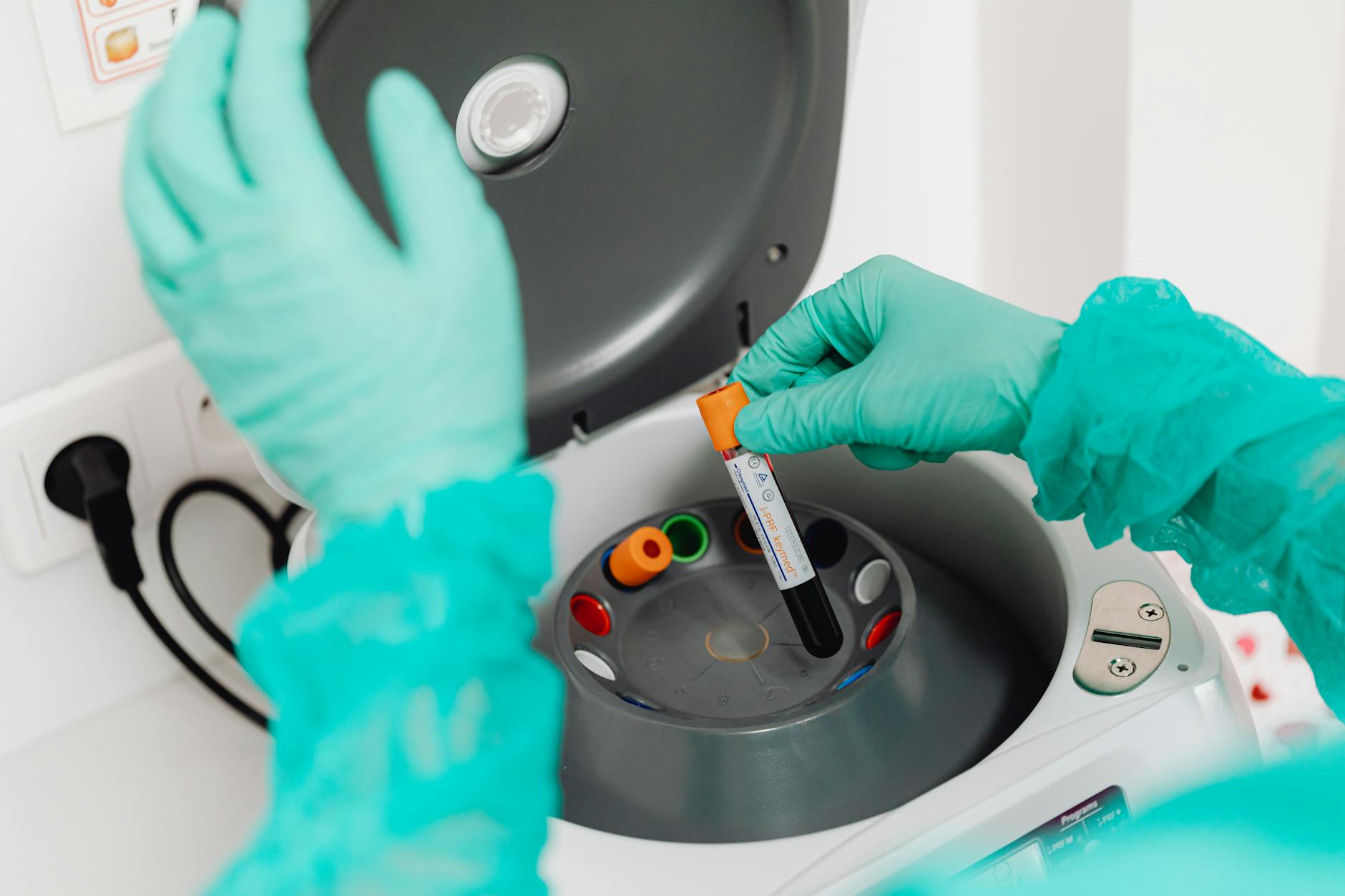
Western Washington University has received a $3.1 million grant to expand biomedical research infrastructure through the establishment of research hubs, including one focused on cannabis-based therapeutics. Faculty researchers within these hubs are investigating clinical applications of cannabis for neurological and neurodevelopmental conditions, specifically epilepsy and autism spectrum disorder. This funding supports the development of evidence-based cannabis formulations and delivery mechanisms that could advance the understanding of cannabinoid efficacy and safety in patient populations where conventional treatments are limited or ineffective. The expansion of rigorous academic research on cannabis medicines helps bridge the gap between clinical need and scientific evidence, potentially leading to better-characterized therapeutic products. For clinicians considering cannabis-based treatments, emerging research from well-funded academic institutions may eventually provide the robust clinical data needed to guide dosing, strain selection, and patient selection more precisely than current practice allows.
“We’re finally seeing the institutional funding and academic rigor directed toward cannabis research that should have happened a decade ago, and what we’re learning about cannabinoid pharmacology in conditions like treatment-resistant epilepsy is genuinely changing how I approach these patients in clinic.”
🧠 As cannabis-based treatments gain investigational momentum for conditions like epilepsy and autism spectrum disorder, clinicians should remain cautiously attentive to emerging evidence from rigorous research programs like those funded through this grant. While preliminary data and patient reports suggest potential therapeutic benefit in select pediatric seizure disorders and behavioral symptoms of autism, the evidence base remains limited by small sample sizes, heterogeneous study designs, and uncertainty about optimal dosing, formulation, and patient selection criteria. Clinicians caring for patients with these conditions should be aware that cannabis products remain federally controlled in most jurisdictions, complicate medication reconciliation, and may interact with conventional anticonvulsants or psychiatric medications. Until larger clinical trials establish efficacy and safety profiles, the most prudent approach involves candid discussions with patients and families about the gap between anecdotal reports and validated clinical evidence, clear documentation of any cannabis use, and consideration of referral to specialized centers conducting
This topic comes up in consultations often.
Dr. Caplan offers clinical context on evolving cannabis policy and its real-world implications for patients.
Book a consultation →💬 Join the Conversation
Have a question about how this applies to your situation? Ask Dr. Caplan →
Want to discuss this topic with other patients and caregivers? Join the forum discussion →
Have thoughts on this? Share it:

