CED Clinic: Personalized Cannabis Medicine


Medicinal cannabis is changing the face of clinical medicine.  We are the leaders of that change.

Group,Of,Senior,Retirement,Friends,Happiness,Concept
Beautiful,Couple,Taking,A,Walk,In,City,Park
Group,Of,Senior,Retirement,Exercising,Togetherness,Concept
Family,Eating,Sandwiches,Outdoors,In,A,Forest,,Portrait
Portrait,Of,Senior,Couple,Walking,Pet,Bulldog,In,Countryside
Adult,Female,Doctor,Has,Video,Call,And,Chatting,With,Colleague
A,Family,Having,A,Walk,With,A,Dog
Asian,Preteen,Boy,And,Young,Father,Jogging,Together,In,Nature
Portrait,Of,Smiling,Millennial,African,American,Man,In,Glasses,Pose
Portrait,Of,A,Satisfied,Executive,Celebrating,Success,With,The,Arms
Cute,Couple,Holding,Hands,Happiness,Lifestyle,Meeting
Group,Of,Adult,Multiethnic,Friends,Playing,American,Football,On,The
Irate,Employee,Laboring,With,Loathing
Happy,Leisure
Satisfied,Senior,Man,With,Friends,Having,A,Picnic,In,A
Group,Of,Senior,Friends,Hiking,In,Countryside
The,Adventure,Is,More,Fun,When,They,Are,Together.,Family
Group,Of,Senior,Friends,On,Hike,In,Countryside,Looking,At
Group,Of,People,Holding,Hands,Support,Team,Unity
Beautiful,Couple,Taking,A,Walk,In,City,Park
Busy,Young,African,Man,In,Shirt,Talking,With,Smiling,Man
Portrait,Of,Happy,Family,Standing,In,Back,Yard,During,Sunny
Shot,Of,A,Family,Having,A,Meal,Together,At,Home
Happy,Family,In,The,Park,On,A,Sunny,Day
Mother,And,Daughter,Having,Fun,In,The,Park.,Happiness,And
Shot,Of,A,Family,Having,A,Meal,Together,At,Home
Happy,Family,With,The,Child,In,The,Field
Portrait,Of,Senior,Couple,Standing,With,Family,And,Friend,In
Soldier,Reunited,With,His,Parents,On,A,Sunny,Day
Happy,Young,Family,Take,A,Self,Portrait,With,Smart,Phone.
Businessman,Relaxing,At,His,Desk,In,The,Office,With,His
Couple,Wife,Husband,Dating,Relaxation,Love,Concept
Women,And,Boys,Walk,Hand,In,Hand,,Traveling,Adventure
Group,Of,Senior,Retirement,Friends,Happiness,Concept
Happy,Grandparents,Dance,Waltz,In,Front,Of,Family,At,A
Spending,Time,With,Parents,Outside,In,Spring,Season,Is,Funny.
Grandfather,With,Son,And,Grandson,Sitting,On,Swing,In,Garden
Portrait,Of,Cheerful,Girls,With,Grandparents,While,Sitting,In,Back
Group,Of,Senior,Retirement,Friends,Happiness,Concept
Portrait,Of,Senior,People,Celebrating,Birthday
Granddad,With,Cheerful,Granddaughter,Having,Fun
Office,Workers,Diverse,Colleagues,Sitting,At,Desk,Looking,At,Each
Parents,Play,In,The,Park,With,Their,Son
Cheerful,Multi,Generation,Family,With,Parents,Giving,Piggy,Back,Standing
African,Female,Doctor,Holding,Hand,Supporting,Caucasian,Woman,Patient.,Kind
Mother,And,Daughter,Having,Fun,In,The,Park.,Happiness,And
Portrait,Of,Four,Cheerful,Senior,Friends,Enjoying,Picnic,On,Green
Happy,Grandfather,,Grandmother,And,Grandson
Young,Attractive,Couple,In,Love,In,An,Autumn,Setting,Following
Happy,Woman,Have,A,Break,In,Office,,Folded,Arms,By
Group,Of,Senior,Trekkers,Checking,A,Map,For,Direction
Portrait,Of,Smiling,Woman,Working,With,Laptop,And,Cellphone,At
Young,Woman,Suffering,From,Headache,In,Office
Family,Of,Three,On,A,Walk,,Mother,Holding,Child,,Front
Cute,Couple,Walking,In,A,Autumn,Park.,Boy,And,Girl
Time,For,Family.,Spring,Season.


At CED Clinic, we’re redefining care. Step into a welcoming, professional space where the leading experts in medical cannabis are here to guide and support you!


1

You’ve found the right place!

Learn More Book Now
website quotes professional


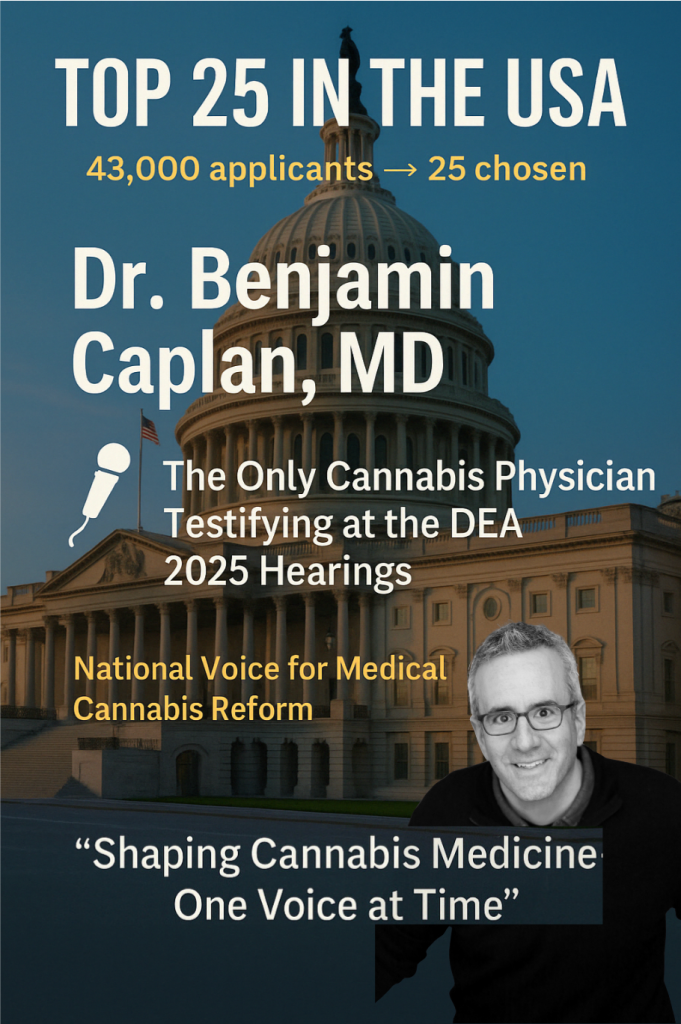
top 25 for CED website


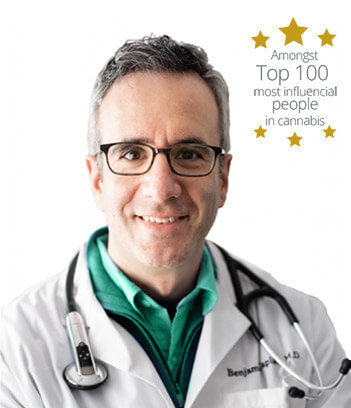
Promotional poster featuring Dr. Benjamin Caplan, MD, recognized as one of the Top 25 in the USA out of 43,000 applicants. The design highlights his role as the only cannabis physician testifying at the 2025 DEA hearings, titled ‘National Voice for Medical Cannabis Reform,’ with the quote ‘Shaping Cannabis Medicine One Voice at a Time’ displayed below
Dr. Benjamin Caplan, MD — Top 25 in the USA. The only cannabis physician testifying at the 2025 DEA hearings, advancing national medical cannabis reform


🔥 CED Clinic: voted Best Medical Cannabis Clinic since 2013! 

Screenshot 2024 06 18 at 9.32.33 PMDr Caplan Best Medical Cannabis Doctor in the US

Our Services

  • Expert Telemedicine Medical Cannabis Consultations!
    • Medical Card Certifications (Massachusetts, New Hampshire, Rhode Island, Vermont, Maine)
    • Adult Cannabis Care (Everyone in the US + Internationally)
    • Pediatric Cannabis Care (Everyone in the US + Internationally)
  • In-Depth Consultations & Care Plans
    • Personalized Services (Medication, Diagnostic, and Management Review)
  • Cannabis and Non-Cannabis Medical Second Opinions
    • Long-term Talk Therapy
    • Advice, Support, and Cost-Savings Advice!

Our Mission

  • To Heal
  • To Listen
  • To Educate
  • To Learn and Understand

Questions? 👉 Contact Us Here

Our Team

Benjamin Caplan MD
 Benjamin Caplan, MD
Erin Caplan, NP
Erin Caplan, NP


Benjamin Caplan, MD, stands at the forefront of medical cannabis care as the Founder and Chief Medical Officer of CED Clinic and CED Foundation. His entrepreneurial journey further extends as the Founder of multiple medical cannabis technology and educational platforms and as a medical advisor to the prestigious cannabis investment fund, GreenAXS Capital. Within digital healthcare, Dr. Caplan co-founded EO Care, Inc, a pioneering digital therapeutic and telemedicine platform, offering personalized cannabis care and product plans and continuous clinical guidance to a global clientele seeking a reliable, evidence-based cannabis care partner. Adding to his repertoire of contributions to the medical cannabis arena, Dr. Caplan has recently published “The Doctor-Approved Cannabis Handbook,” an industry-first resource empowering readers with the full scope of the therapeutic potential of cannabis. Through his multifaceted involvement, Dr. Caplan continuously strives to bridge the gap between traditional medicine and cannabis care, making a significant impact in evolving holistic healthcare.


Erin Caplan, NP is a board-certified Pediatric Nurse Practitioner with a master’s-level medical education from Simmons. Her extensive clinical journey has been enriched through roles at Massachusetts General Hospital, Hyde Park Pediatrics, Atrius Healthcare, and Dana-Farber Cancer Institute, where she has provided both inpatient and outpatient primary care to some of the most fragile and challenging pediatric patients. A registered cannabis care provider licensed by the Massachusetts Cannabis Control Commission, Erin seamlessly blends her pediatric expertise with the nuance and adaptability required for personalized cannabis care. A community leader, avid athlete, and dedicated mother of four, Erin’s compassionate bedside manner and steadfast commitment to evidence-based practice have earned her the trust and appreciation of patients and families, showcasing her as a harmonious blend of clinical excellence with a personal touch.

Patient Stories

Navigating the Stigma as a Senior

Testimonial:

“At 68 years old, I never thought I’d be considering cannabis as part of my treatment. My generation didn’t grow up viewing it as medicine—we saw it as something entirely different. But after dealing with arthritis pain for over a decade, my daughter encouraged me to give it a try. Meeting with a professional who truly understood both the science and the hesitations I had made all the difference. Dr. Caplan explained how cannabis could work alongside my existing treatments and offered me a gradual approach to build my confidence. Now, I’m using a tincture daily, and I feel a level of relief and mobility that I hadn’t felt in years. Even better, I’ve been able to have open conversations with my friends about the benefits, helping them see it in a new light too.”

Peter H

Peter Hargrove

Reclaiming Life with Holistic Care

“I had been living with chronic fatigue for years, feeling like I was just existing rather than living. Traditional medicine had brought little relief, so I started looking into alternative options. Working with a doctor who truly listened to my struggles and offered a holistic approach to care was a game-changer. The cannabis regimen we developed not only improved my energy levels but also allowed me to engage in activities I hadn’t been able to enjoy in years. This isn’t just about managing symptoms—it’s about reclaiming a life I thought was out of reach. I’m grateful for the guidance and the opportunity to feel like myself again.”

Sarah M

Sarah Mitchell

A Patient’s Guide to Finding the Right Dose

“My journey with cannabis therapy was not a straight line. When I first started, I thought one dose or product would fix everything, but I quickly learned it’s a process of trial and adjustment. Working with a knowledgeable doctor made all the difference. We started low and slow, as they say, and I kept track of how I felt each day. Over time, I found the right balance that worked for my condition without unwanted side effects. The best part of this process was how involved I felt—I wasn’t just following instructions; I was an active participant in my own care. Now, I’m managing my symptoms better than ever and feel in control of my health.”

Michael T

Michael Torres

Finding Balance After Postpartum Anxiety

“After having my second baby, I struggled with severe postpartum anxiety. It was difficult to admit I wasn’t feeling okay, and even harder to ask for help. Traditional treatments left me feeling disconnected and foggy, and I didn’t want to spend my days like that. When I started exploring medical cannabis, I was cautious but hopeful. Meeting with a knowledgeable doctor helped me approach it with confidence. I started with a low dose of CBD and gradually added a small amount of THC for nighttime use. Within weeks, I noticed a difference—not just in my anxiety, but in my ability to enjoy motherhood again. This journey wasn’t just about managing symptoms; it was about regaining balance and finding joy in my life.”

Emily R

Emily Richards

New Hope for Fibromyalgia

“I never thought I’d find a doctor who could make me feel optimistic about managing my fibromyalgia, but Dr. Caplan did exactly that. He didn’t just focus on symptoms—he helped me think about my health in a holistic way, integrating cannabis into a broader plan for wellness. His recommendations were precise, and he made sure I knew how to adjust them as needed. What really impressed me was his dedication to follow-up care; he personally checked in to see how I was doing and offered adjustments based on my progress. It’s that level of personalized attention that makes Dr. Caplan and his clinic stand out.”

Grace N

Grace Newman

Overcoming My Fear of Cannabis Therapy

“For years, I hesitated to explore medical cannabis. I had so many misconceptions—fear of side effects, worries about legality, and even embarrassment about what others might think. But after years of struggling with my chronic anxiety, I decided it was time to explore new options. Meeting with Dr. Caplan completely shifted my perspective. He helped me understand that cannabis wasn’t about masking symptoms; it was about restoring balance in a way that felt right for me. My first steps were small, and we adjusted the plan together over time. Today, I feel a sense of calm and clarity I hadn’t thought possible. More importantly, I’ve let go of the stigma and feel proud of my decision to prioritize my health.”

Julia M

Julia Matthews

Care That Transcends Expectations

“Dr. Caplan’s clinic is a masterclass in patient care. From the moment you step in, you feel like you’re in capable, compassionate hands. He took the time to understand my chronic fatigue and explained how cannabis could help in ways I hadn’t considered. What stood out most was his emphasis on making informed decisions—he’s not just a doctor, but a teacher who ensures you leave with a clear understanding of your treatment. His book is a fantastic resource, and it was clear from our discussion that he truly believes in empowering his patients through education. I couldn’t be happier with my experience.”

Daniel R 

Daniel Roberts

The Expert You Can Trust

“Dr. Caplan’s reputation as a cannabis expert is well-earned. I came to him with a list of concerns about using cannabis for my autoimmune condition, and he addressed each one with patience and expertise. He went beyond the surface to help me understand not just the benefits but also potential risks, which made me feel secure in my treatment. His recommendations were so thoughtful and practical, and he even tailored them to fit my busy schedule. What really set him apart, though, was his genuine care—I could tell he wanted me to succeed in managing my health. It’s rare to find a doctor who combines this level of expertise with such a warm, approachable demeanor.”

Sophia L

Sophia Lewis

Empowering Through Education

“As a mother of two, I was cautious about trying medical cannabis for postpartum anxiety, but Dr. Caplan quickly put my fears at ease. He offered a science-backed approach that felt safe and sensible, walking me through each step with empathy and care. His book was also an invaluable tool—it gave me the confidence to understand how to approach treatment without guesswork. Now, I feel like I’m thriving instead of just surviving. I’m so grateful for Dr. Caplan’s guidance and for the way he made this process feel not only accessible but also empowering.”

Olivia G

Olivia Green

Clearer Days Ahead

“After years of chronic migraines and no relief from traditional treatments, I turned to Dr. Caplan as a last resort. What I found was a doctor who genuinely listened to my struggles and worked with me to find solutions. His clinic is a beacon for anyone looking to explore medical cannabis with confidence. He didn’t just give me a prescription—he educated me about dosing, timing, and the different products available. His insights were life-changing, and his approachable manner made even the complicated aspects of treatment easy to understand. For anyone hesitant about this path, Dr. Caplan is the guide you’ve been waiting for.”

Ryan T

Ryan Thompson

Game-Changer for Mental Health

“Finding Dr. Caplan was a game-changer for my mental health. For years, I struggled with anxiety and sleep issues, trying countless medications with limited success. Dr. Caplan’s personalized approach was a breath of fresh air. He didn’t just focus on my symptoms; he wanted to understand how my lifestyle and goals factored into the equation. His guidance helped me find a regimen that not only improved my sleep but also reduced my daily stress. The best part? He checked in after a few weeks to make sure everything was working smoothly. I’ve never felt so cared for by a doctor.”

Emily P

Emily Parker

A Senior’s New Hope

“As a senior struggling with arthritis, I was skeptical about cannabis therapy. But Dr. Caplan changed my perspective completely. His extensive knowledge, combined with a genuine compassion for his patients, made my first visit feel like a turning point. He introduced me to options that were gentle and easy to integrate into my daily life. What surprised me most was how much he emphasized education—his book became a valuable resource for me and my family to better understand how cannabis could help. If you’re new to this world, Dr. Caplan is the expert you can trust to guide you with care and patience.”

Lucas H

Lucas Howard

Skeptic to Believer

“I had given up on finding relief for my chronic pain until I met Dr. Caplan. His calm, reassuring demeanor put me at ease from the moment we sat down. He not only prescribed a cannabis regimen tailored to my needs but also took the time to address my fears about stigma and side effects. What made the experience even better was how he explained things—breaking down complex science into simple, relatable examples. I now feel in control of my health for the first time in years. If you’re hesitant about exploring cannabis as an option, Dr. Caplan’s patient-centered care will make all the difference.”

Chloe M

Chloe Martinez

Revolutionizing My Care

“Dr. Caplan’s approach to cannabis therapy is revolutionary. I had been to other clinics where the process felt rushed and impersonal, but my experience with him was the exact opposite. He asked thoughtful questions, delved into my medical history, and crafted a tailored plan to address my specific symptoms. What stood out the most was his ability to connect my condition to real-world cannabis applications, referencing research and patient success stories that inspired confidence. His clinic also provides resources beyond the appointment—like follow-ups and his book—which made me feel supported every step of the way. For anyone seeking a truly personalized and informed approach to medical cannabis, I can’t recommend Dr. Caplan enough.”

Ethan K

Ethan Keller

Trust Built Through Understanding

“Trust is not something I give easily when it comes to my healthcare, but Dr. Caplan earned it during our first appointment. He listened carefully to my concerns and explained the science behind medical cannabis in a way that was clear and accessible. He didn’t just focus on the benefits; he also made sure I understood potential challenges and how to navigate them. That kind of transparency and care is rare, and it’s the reason I feel confident in the treatment plan we developed together.”

Emily C

Emily Carsonally

Personalized Care That Stands Out

“Every aspect of my experience with Dr. Caplan reflected his commitment to personalized care. He took the time to ask about my lifestyle, my goals, and even my hesitations about using medical cannabis. His thoughtful questions and detailed explanations made it clear that he was focused on creating a plan that would work for me specifically. I also appreciated how he checked in with me after the visit to see how I was doing—a small gesture that made a big difference in my confidence and comfort moving forward.”

Olivia H

Olivia Robers-Harrison

Educational and Empowering

“Dr. Caplan doesn’t just prescribe cannabis—he educates you about it, so you feel confident and in control of your treatment. From our first appointment, it was clear that he cared about making sure I understood all my options. He referenced research, shared stories from other patients, and even recommended chapters from his book that were particularly relevant to my situation. By the end of the visit, I felt not only more informed but also more empowered to make decisions about my health. That kind of care is rare, and I’m grateful for it.”

Benjamin R

Benjamin Rochel

Clear Guidance Every Step of the Way

“What struck me most about Dr. Caplan was his ability to provide clear and actionable guidance. I had no prior experience with medical cannabis and was overwhelmed by all the information out there, but he made it manageable. He walked me through the options, explained the potential benefits and risks, and helped me navigate decisions in a way that felt completely tailored to my situation. His calm and thoughtful manner put me at ease, and I left the appointment feeling like I finally had a plan I could trust.”

Chloe M

Chloe Masterson

A Tailored and Thoughtful Plan

“Dr. Caplan approached my case with a level of care and detail I hadn’t experienced before. Instead of a one-size-fits-all recommendation, he tailored a plan based on my specific symptoms and preferences. He took the time to explain why certain options might work better for me and made sure I felt comfortable moving forward. His advice was practical and grounded in science, yet delivered in a way that felt approachable. I left feeling empowered, knowing I had the tools and knowledge to take the next steps with confidence.”

Ethan K

Ethan Kostenson

More Than Just a Weed Visit

“My first visit with Dr. Caplan felt like more than just a routine medical appointment—it was an opportunity to truly take charge of my health. He asked questions that no other doctor had asked and encouraged me to think about my goals for treatment in a way I hadn’t before. His book was an incredible resource, but what truly set him apart was his ability to make the information feel relevant to my unique situation. I felt supported not only as a patient but as a partner in my healthcare journey.”

Maria L

Maria Lolana

A Practical and Supportive Approach

“Dr. Caplan’s approach is refreshingly practical and supportive. During our consultation, he focused not just on recommending cannabis, but on helping me understand how to use it in a way that fit my lifestyle and goals. He walked me through options, shared insights from his book, and even helped me think through how to manage dosing and timing. What really impressed me was his focus on the long term—this wasn’t about a one-time solution but about creating sustainable improvements in my health. It’s rare to find a doctor who invests this level of thought and care into patient guidance.”

John W

John Waterson

Dr. Caplan’s Expertise and Patience

“I was initially unsure about whether medical cannabis was the right path for me, but Dr. Caplan quickly put my concerns to rest. He spent time understanding my medical history and current challenges, carefully explaining the science behind cannabis and how it could fit into my treatment plan. His depth of knowledge and ability to communicate complex concepts in simple terms stood out to me. I appreciated his patience, especially when I had a list of questions, all of which he addressed thoroughly. The care I received was thoughtful and personalized, and I left feeling confident in the steps we outlined together.”

-Sophia R

Sophia Rhiderson

A Lighthouse in the Storm

“When I first started exploring medical cannabis, I felt overwhelmed by conflicting advice online. Meeting Dr. Caplan was like finding a lighthouse in a storm. He didn’t just recommend a treatment plan; he broke down every step, explaining the science in plain terms so I could make informed decisions. His book, ‘The Doctor-Approved Cannabis Handbook,’ became my go-to guide between visits. It’s rare to find a doctor who takes so much time to ensure you feel educated and empowered. Now, not only am I managing my symptoms, but I feel like I truly understand my body better. If you’re looking for compassionate care and clear guidance, Dr. Caplan is the doctor you need.”

Sophia J

Sophia Jenkins

I Finally Got My Stress Under Control

I used to pride myself on being able to handle anything work threw at me. Long hours, tight deadlines, a demanding boss—it was all part of the game, and I thought I had it down. But somewhere along the way, the stress started to build up. Slowly at first, then all at once. I was losing sleep, snapping at my family, and my chest constantly felt tight. The smallest things would set me off, and no amount of weekends or ‘self-care’ could fix it. I didn’t recognize myself anymore.

My doctor had suggested anti-anxiety meds, but I didn’t want to go that route. I kept thinking, there’s got to be another way. A friend mentioned cannabis, and I’ll admit, I laughed at first. Cannabis? For work stress? I thought it was a joke. But after another sleepless week and two missed deadlines, I was willing to try anything. That’s when I found CED Clinic and Dr Caplan.

I wasn’t sure what to expect going in, but Dr. Caplan made me feel comfortable right away. He listened—not just to what I was saying, but to what I wasn’t saying, if that makes sense. He didn’t treat me like a case file or just another patient. We talked about the stress, sure, but also about why I’d been so hesitant to ask for help. He suggested a low-dose CBD regimen to help me unwind without feeling ‘off,’ and explained that it wasn’t about numbing out—it was about finding balance again.

It took a few weeks before I really started noticing a difference. At first, I wasn’t sure if it was doing anything, but then I realized I wasn’t lying awake at night, going over work problems in my head. I wasn’t clenching my jaw every time I opened an email. The stress didn’t go away, but I wasn’t drowning in it anymore. I felt like I could handle things again, like the weight had been lifted just enough for me to breathe.

Now, I can get through my workday without feeling like I’m on the verge of a meltdown. I’m more present with my family, more patient. It’s not perfect, and work is still stressful, but it doesn’t own me anymore. I can’t say enough about what Dr. Caplan did for me. I was lost, and he helped me find my way back.”*

– Jason B

J Bennett

Our Son Found Calm, and So Did We

Our son has always been… difficult, to put it lightly. He’s smart, no doubt about that, but for as long as I can remember, we’ve struggled with his defiance. It was like every day was a battle—he’d talk back, refuse to listen, and disrupt everything at home and at school. We’d get calls from his teachers constantly about how he couldn’t sit still or follow directions. He was failing classes, not because he didn’t understand the material, but because he just refused to engage. I started to feel like we were losing control, not just of him, but of our family. It was exhausting. We tried everything—therapy, behavior charts, punishments, rewards—but nothing seemed to get through to him.

When someone suggested we look into cannabis, I’ll admit, I was pretty skeptical. The idea of giving our son cannabis? It felt like too much. But at the same time, I felt like we were running out of options. I mean, we couldn’t keep going the way we were. So, I did some research and found Dr. Caplan. I didn’t really know what to expect, but I figured it was worth at least hearing what he had to say. When we met with him, Dr. Caplan was so calm, so understanding. He didn’t make us feel like we were bad parents, which, honestly, was a huge relief. We’d been feeling like failures for a long time. He explained that cannabis, in the right doses, might help our son relax, become more receptive, and just… chill out.

At first, I wasn’t sure. But we decided to give it a shot because we needed something to change. I remember the first few weeks—we were waiting for a miracle that didn’t come right away. But slowly, things started to shift. He wasn’t perfect, and I didn’t expect him to be, but we started seeing moments of calm, of compliance. He’d sit down and actually listen when we talked to him. His teachers noticed, too. The calls home weren’t as frequent, and when they did call, it wasn’t about him disrupting the class, but little moments where he was making an effort. He wasn’t fighting us over every single thing anymore. He even started being more responsible around the house—little things like cleaning up after himself, finishing homework without a meltdown.

It wasn’t an overnight transformation, but it was enough to make us believe that maybe—just maybe—things could get better. And they have. Our son is still a work in progress, but aren’t we all? He’s more in control now, more aware of his actions. I can’t tell you what a relief it is to have peace in our home again, even if it’s not perfect all the time. We can breathe. We can plan things without the constant fear of a blow-up. Dr. Caplan gave us the space to feel like parents again, instead of just referees in constant battles.

– Heather R.

Heather R

Finally Found Relief from Menopause

Menopause hit me like a freight train. One minute I was fine, and the next, I was drowning in hot flashes, mood swings, sleepless nights, and constant irritability. It felt like I couldn’t get through the day without snapping at someone or dripping in sweat. The worst part was the lack of sleep—I’d toss and turn all night, then drag myself through the day feeling exhausted. It was like I had no control over my own body, and everything just felt harder. I tried the usual over-the-counter remedies and even considered hormone replacement therapy, but I didn’t like the risks. Honestly, I was starting to lose hope.

A friend of mine, who had been seeing Dr. Caplan for her own health issues, suggested I give him a try. I wasn’t sure at first. Cannabis for menopause? It seemed a little out there. But after trying everything else and getting nowhere, I figured I had nothing to lose. From the moment I met with Dr. Caplan, I knew I was in the right place. He listened to all my complaints without judgment—he understood how tough it was. He didn’t just hand me a one-size-fits-all solution either. Instead, he explained how cannabis could help balance out my mood swings, improve my sleep, and even ease the intensity of the hot flashes. He was thorough, but he kept it simple, so I didn’t feel overwhelmed.

Within a few weeks of starting on a low-dose regimen, I noticed a real change. The hot flashes were still there, but they weren’t as intense, and I wasn’t waking up drenched in sweat every night. My mood swings started to even out too. I wasn’t losing my temper over every little thing, and I was able to get through the day without feeling like I was on edge all the time. Most importantly, I started sleeping again. I’m not talking about perfect, uninterrupted sleep, but I was actually getting solid rest and waking up feeling more human. My irritability softened as my body felt more balanced.

I can’t say enough good things about Dr. Caplan and the care he’s given me. Menopause doesn’t feel like it’s running my life anymore. I have a handle on it now, and I feel like myself again. Cannabis wasn’t something I ever thought I’d turn to, but I’m so glad I did. Dr. Caplan gave me back my peace of mind, and for that, I’ll be forever grateful.

– Lisa M.

Lisa Montingerie

Cannabis Gave Us Our Family Back

“We live in California. Our son has severe autism, OCD, and behavioral issues that have ruled our lives for as long as I can remember. He struggles with communication, and when things don’t go as expected, the meltdowns are explosive. There are days when he self-injures so severely that I can’t leave him alone for a second. The screams, the head-banging, the constant pacing—it’s heartbreaking and terrifying. My husband and I have felt like prisoners in our own home. We can’t go shopping, we can’t take vacations, we can’t even break from the daily routine without risking an episode that could throw him into a spiral for weeks. We’ve tried every therapy, every medication. Nothing seemed to give him—or us—a moment of peace. It was draining every ounce of energy and hope we had left.

When someone first suggested cannabis to us, I was hesitant, scared even. I didn’t know how it would affect him. I see potheads and druggies everywhere these days in my area, and it does not look appealing. Would it help, or make things worse? But we were desperate, and a friend had read The Cannabis Handbook and suggested that we reach out, so we decided to see Dr. Caplan. I’ll never forget that first meeting. He listened—really listened—to the hell we’ve been living through, and for the first time in a long time, I felt like someone understood. His questions made it clear that he’s been through this with many others. He seemed to get our struggle like no doctor I’ve ever encountered. He wasn’t dismissive, and he cetainly didn’t make us feel crazy for trying something new – the way all of my other doctors do. He explained how cannabis could help with the anxiety, the OCD, and even the self-injury, in a way that was calm and controlled, without overwhelming us. Our son came on camera with a tantrum, and Dr Caplan was as patient and attentive, supportive, as I wish docs all were. Dr. Caplan carefully walked us through everything, never pushing, always respecting our concerns. His focus is so clearly empowering us, not tripping on himself or being on high.

We started our son on small doses of a few products, and I won’t lie, it wasn’t a quick, overnight change. But over time, with adjustments that he oversaw with us, we saw it—he started to calm down. The meltdowns weren’t as frequent, and when they did happen, they didn’t last as long or get as intense. The self-injury started to lessen. It felt like we could breathe again, like we had a little more room to live. We’re still careful—routine is still important—but the constant terror of something going wrong isn’t hanging over our heads as much. For the first time in years, my husband and I were able to go out for dinner. It sounds like such a small thing, but it was a moment where we could remember what life used to be like, before we became prisoners to our son’s condition.

I can’t say that cannabis has fixed everything, but it’s given us something we didn’t have before: hope. We’re seeing glimpses of who our son is underneath the anxiety and the behavioral issues. Dr. Caplan’s patience and understanding have been a lifeline for us. He gave us a way to manage our lives again. We’re still on this journey, but for the first time, it feels like there’s light at the end of the tunnel.”

– Sarah W.

Sarah W

Finding Comfort and Connection Again

“Loneliness had been creeping up on me for years, but it really hit hard when I retired. My social circle started shrinking, and the days just felt longer and emptier. I had been keeping busy with hobbies, but the silence in my house became unbearable. I’d wake up in the morning with no motivation to get out of bed because I didn’t have anyone to talk to, nowhere I really needed to be. I tried to reach out to old friends, but it always felt awkward, like I didn’t fit into their lives anymore. My primary doctor referred me to Dr. Caplan, not because of anything physical, but because they thought cannabis might help me with the emotional side of things. I was pretty skeptical. Cannabis? For loneliness? I didn’t see how it could possibly make me feel less isolated.

When I met with Dr. Caplan, he listened without judgment. I explained how I felt like I was drifting through my days, disconnected from everyone around me. He was calm and compassionate, and he didn’t rush me at all. Instead of dismissing my feelings, he talked me through how cannabis might help me not feel so ‘stuck’ in my emotions. We started with a low-dose regimen that focused on CBD to help with the feelings of overwhelm and helplessness. It wasn’t a quick fix, but after a few weeks, I noticed I felt lighter, more at ease. I found it easier to pick up the phone and call an old friend, easier to motivate myself to go out for a walk or run errands.

It’s hard to explain, but it felt like a weight had lifted off my chest. The loneliness was still there, but it didn’t feel so suffocating. I could breathe again, could start imagining a life where I wasn’t so isolated. Over time, I’ve been able to reconnect with people, even make new friends. Cannabis didn’t solve everything, but it gave me the space I needed to start living again. Dr. Caplan was there every step of the way, adjusting the treatment as we went and always making sure I was comfortable. I never thought something like this could help with how I was feeling, but I’m so glad I gave it a chance.”*

– Tom B.

Tom B

Does Cannabis Work for Pediatric Autism? Yes!

“I wanted to take a moment to share a heartfelt message we recently received from one of Dr. Caplan’s patients. It’s moments like these that remind us why we’re so passionate about the work we do. The incredible progress described below is a testament to the power of personalized care and cannabis therapy. We’re grateful to witness such transformations and hope this story provides inspiration for others seeking hope and relief.”

Jack Thompson, CED Clinic Operations Manager


For anyone interested in seeing Dr. Caplan as a consulting physician, please visit this link:Book an Appointment to complete our intake form, make a payment, and schedule your visit—all in one easy step.

Screenshot 2025 12 07 at 3.22.20 PM


A heartfelt email from a patient expressing gratitude to Dr. Caplan for recommending a CBD/THC tincture that significantly improved their son’s behavior and well-being, detailing the progress in areas such as sleep, car rides, and eating habits.
Jack Thompson

Managing Anxiety with Cannabis: A Personal Story of Relief

“I heard about Dr. Caplan through a friend who had been his patient for a couple of years. I had been struggling with anxiety for a while but didn’t think cannabis was something I could handle. The stigma around it made me nervous, and I wasn’t sure it was for me. But my friend couldn’t stop raving about the difference Dr. Caplan had made in her life, so I finally decided to check him out. From the moment I sat down with him, I knew I was in good hands. He took the time to understand my situation, explaining how cannabis could be used to manage anxiety in a safe, controlled way. It wasn’t about pushing a product—it was about finding the right balance for my body and my needs. Now, I feel more in control of my anxiety than I have in years, and I’m grateful for Dr. Caplan’s thoughtful and thorough care.”

– Maria S.

Maria Sintira

Finally Found Relief for My Back Pain

“I was at my wit’s end with my lower back pain, and nothing seemed to work—painkillers, physical therapy, injections—you name it. My orthopedist mentioned Dr. Caplan, and honestly, I wasn’t sure about the whole cannabis thing. I mean, I wasn’t against it, but I didn’t think it was for me. Still, I was desperate, so I made the call. Dr. Caplan wasn’t like any other doctor I’d met. He really took the time to get to know me, my history, and my concerns about cannabis. He didn’t push anything but explained how it could help manage pain and inflammation in a way I could understand. He helped me feel like this was something worth trying, not some weird ‘last resort.’ Fast forward six months, and I’m moving around a lot better than I have in years. I never thought I’d say it, but cannabis has made a huge difference in my life. Dr. Caplan’s been there for every step, making sure I get the right balance for what I need.”

– Mike T.

Michael Tertansky

From Total Skeptic to Success: How Cannabis Helped My Skin Condition

“I came to CED Clinic on the recommendation of my dermatologist after battling severe eczema for most of my life. I’d tried everything from steroid creams to light therapy, but nothing seemed to keep the flare-ups at bay for long. The idea of using cannabis for my skin condition seemed strange at first, and I was pretty skeptical. It wasn’t something my friends or family had ever talked about, and I wasn’t sure how it could really help. But my dermatologist convinced me to at least have a conversation, and I’m so glad I did. Dr. Caplan didn’t make me feel awkward or silly for being uncertain. Instead, he walked me through how cannabis could potentially reduce inflammation and improve my skin health. A few months into the treatment plan, and my skin has never looked better. I wish I had come to him sooner.”

– Lindsey P.

Lindsey Peterson

Cannabis Helped Me Feel Less Alone

“I’ve been dealing with loneliness for years. After my kids moved out and my spouse passed away, the days just felt so empty. I tried therapy and even medication, but nothing really touched the feeling of being alone. A friend mentioned Dr. Caplan and how cannabis had helped her with anxiety, but I wasn’t sure if it could help with loneliness. It felt strange to think about cannabis as an option for something like that. Still, I figured it was worth a shot. Dr. Caplan was kind and understanding right from the start. He didn’t make me feel silly for bringing up something as hard to explain as loneliness. He explained how cannabis might help ease the constant heaviness I was feeling, not by curing loneliness but by helping me feel more connected to myself and the world around me. We started slow, and over time, I noticed a shift. The emptiness didn’t go away, but it didn’t feel so overwhelming anymore. I started going out more, seeing friends again, and just feeling a little lighter. I’m still working through it, but cannabis—along with Dr. Caplan’s care—has made it easier to handle.”

– Susan R.

Susan Ringly

Overcoming Arthritis Pain: My Journey to Relief at CED Clinic

“I was referred to Dr. Caplan by my podiatrist, who suggested I look into cannabis after dealing with arthritis in my feet for years. Honestly, I was hesitant. I’d never been a fan of the idea of using cannabis—it seemed like a last resort. But after cycling through endless medications with little success, I was willing to try something new. From the first consultation, Dr. Caplan made me feel completely at ease. He spent time learning about my history and concerns, and he carefully explained the options in a way that was easy to understand. He wasn’t just throwing solutions at me—he was building a plan around my life. I’ve been on the regimen we discussed for about four months now, and the improvement is undeniable. It’s not just the relief, but the care and commitment Dr. Caplan shows that keeps me confident in the process.”

– Robert H.

Robert Hickenlooper

I Overcame Insomnia with Dr. Caplan’s Help.

“I was referred to Dr. Caplan by my PCP after months of struggling with severe insomnia. For years, I had relied on prescription sleep aids, but over time, they stopped working, and the side effects were unbearable. I had heard about cannabis being used for sleep, but I wasn’t convinced it would work for me. The idea of using cannabis made me nervous—I had no experience with it and didn’t want to feel ‘high.’ But my doctor insisted that I give Dr. Caplan a try, so I booked an appointment. From the very first meeting, Dr. Caplan took the time to understand my fears and hesitations. He didn’t push anything on me but explained how cannabis, especially CBD, could help regulate my sleep cycle without the psychoactive effects I was worried about. His calm, knowledgeable approach reassured me, and we crafted a plan that I felt comfortable with. After just a few weeks on the treatment, I started sleeping better than I had in years. It wasn’t an overnight solution, but Dr. Caplan was with me every step of the way, adjusting the plan as needed. I’ve regained the energy I thought I had lost forever, and for that, I’m incredibly grateful.”

– Rachel S.

Rachel Samuelson

Finding Hope After Chronic Migraines: Dr. Caplan Helped Me See Cannabis

“I found Dr. Caplan after reading The Doctor-Approved Cannabis Handbook. I had been suffering from chronic migraines for years, but the idea of using cannabis never crossed my mind. To be honest, I had a lot of doubts—would it work? Would it make me feel ‘off’? But the book opened my eyes to the science behind it, and I decided it was time to explore other options. When I reached out to Dr. Caplan, I was still on the fence, but he took the time to listen, explain, and answer every question I had. He didn’t push anything on me, but instead guided me through the possibilities. Fast forward six months, and I’ve seen such a huge improvement in my quality of life. Dr. Caplan’s approach is professional, but also deeply personal. It’s clear he cares about getting things right for each patient.”

– Jessica M.

Jessica Montrouse

No More Painful Periods

“I’ve had awful period cramps for as long as I can remember, and nothing ever worked to ease the pain. My gynecologist suggested Dr. Caplan, but I wasn’t sure about using cannabis for menstrual pain—it seemed kind of odd to me. Still, I was tired of being in pain every month, so I decided to at least talk to him. Dr. Caplan was great—he explained how cannabis could help with cramps and inflammation and answered all my questions without making me feel rushed. He worked with me to figure out a plan that I was comfortable with, and within a few cycles, I started noticing a big difference. The pain isn’t completely gone, but it’s so much more manageable now. I don’t dread that time of the month anymore. I’m so glad I gave it a try—Dr. Caplan’s made this whole process easier than I expected.”

– Emily K.

Emily Kingston

Trustworthy & Easy

From the moment I first connected with Dr. Caplan on a telemedicine visit, I felt an immediate sense of relief. I had been struggling with anxiety for years, and previous doctors had only offered quick fixes that never addressed the root of the problem. Dr. Caplan took the time to understand my history, my triggers, and my lifestyle. The discussion was open and flowed easily and  to me, clearly shows that he actually cares. During our consultation, he explained the complex medical stuff in a way that made sense to me, and made sure I felt informed and empowered every step of the way. When I had a panic attack late one night, I emailed him in desperation, and to my surprise, he responded almost immediately with calming words and practical advice. His personalized follow-up call the next day was the reassurance I needed to stay on track. Dr. Caplan’s unwavering commitment and compassionate care have truly transformed my life.

— Michael Anderson

Michael Anderson

My anxiety is manageable!

Dr. Caplan’s thoughtful approach turned my anxiety into a manageable journey, offering not just treatment but a renewed sense of hope and understanding.

– S Christianson

Sandra Christianson

I’m a whole person. And I’m complicated.

“I found Dr Caplan after reading his book, The Doctor-Approved Cannabis Handbook. Dr. Caplan doesn’t just treat symptoms—he treats the whole person. From my very first appointment, he made sure I understood every part of my treatment plan, and I left feeling hopeful for the first time in years. His book has been a helpful resource, but it’s his personal touch and thoughtful care that really sets him apart. I’ve never felt rushed or like just another patient in a long line. Instead, I feel truly heard.”

– Sarah W.

Sarah W

My Son Was Right About Cannabis

“Funny enough, my teenage son was the one who pushed me to see Dr. Caplan. I’ve had a stressful job for years, and it’s been taking a toll on my health. My son did a project on cannabis for school and said I should check it out for stress. I was pretty hesitant—I mean, cannabis? It wasn’t something I ever thought I’d try. But after hearing my son talk about it for weeks, I figured, why not? I went to Dr. Caplan with a lot of questions, and he took the time to answer every one of them. He explained how I didn’t have to get ‘high’ to use cannabis for stress and that it could help me feel calmer without messing with my head. He started me on a low-dose CBD plan, and within a couple of weeks, I started noticing a difference. I was less anxious at work, more patient with my family, and just felt more balanced. Honestly, I owe my son for nudging me, but I’m grateful to Dr. Caplan for helping me find a solution that really works.”

– Janet W.

Janet Wishingsly

From Sleepless Nights to Peaceful Mornings

“I was dealing with sleepless nights for months—maybe even years—when my primary care doctor suggested I check out Dr. Caplan. I’d been on sleeping pills for ages, but they stopped working, and I was left exhausted all the time. The idea of using cannabis for sleep honestly sounded weird to me. I didn’t know much about it, and I figured it would just make me feel groggy or out of it. But I was tired of being tired, so I made the appointment. Dr. Caplan really gets it—he wasn’t pushy at all. He explained how CBD could help me without the ‘high’ I was worried about, and he was super patient with all my questions. Within a couple of weeks, I was actually sleeping through the night. It’s not an overnight fix, but it’s the best sleep I’ve had in years. I wake up feeling refreshed instead of like a zombie. Dr. Caplan’s follow-ups have been a game-changer too—he checks in to make sure everything’s working. It feels good to have a doctor who cares.”

– Laura B.

Laura Bonintue

Genuine care and great medical advice

Dr. Caplan’s genuine care and commitment are evident in every interaction. At CED Clinic, I received more than just medical advice; I gained a trusted advisor in my health journey. His use of personalized treatment plans and educational resources helped me understand and manage my condition better than ever before.
– Michael T.

Michael T

Awesome experience!

I never felt like just another patient at CED Clinic; Dr. Caplan made sure of that. His thorough understanding of my health needs, paired with his deep knowledge of cannabis therapy, provided a tailored experience that truly catered to my well-being. Every visit felt like a step forward in my journey dealing with sleeplessness, stress, and PTSD.
– Denise H.


Denise H

Happy customer!

My visit to CED Clinic was absolutely amazing, and it all started with Kim. She was so friendly and helpful right from the get-go, making the whole scheduling thing a breeze – a real breath of fresh air! Then there was Dr. Caplan. Honestly, chatting with him felt more like catching up with an old friend than a typical doctor’s visit. He didn’t seem to be watching the clock at all; he was all in, really getting to grips with what I’ve been going through, and dishing out advice that hit the nail on the head. And get this – he’s even written a book about it all! I can’t wait to get my hands on a copy. The whole experience at CED Clinic was just so warm and genuine. They’ve got something special going on over there, for sure.

Amanda Kimmel

I’m Free: My Journey Beyond Chronic Pain!

I felt trapped in a cycle of chronic pain, where prescription and over-the-counter meds were just dead ends. Then I found Dr. Caplan. His blend of medical expertise and cannabis knowledge opened a door I didn’t know existed. I read ‘The Doctor-Approved Cannabis Handbook’ and it was/is a turning point—packed with research and actionable advice, it guided me to a pain management plan that actually worked. Thanks to Dr. Caplan, I’m living with less pain and more hope. Highly recommend for anyone stuck in the pain cycle.

Emily Brasston

From Frayed Edges to Balance: Found My Center with Cannabis

Let me paint you a picture of my life not too long ago: a job that never hit ‘pause,’ kids that always needed me in a hundred different ways, and a level of work stress that had me teetering on the edge. I was juggling more plates than I had hands for, and it felt like I was one strong breeze away from watching them all come crashing down. Sleep was a luxury I couldn’t afford, and ‘me time’ was a concept so foreign it might as well have been from another planet.

Enter Dr. Benjamin Caplan and his life-altering approach to managing stress through cannabis medicine. At first, I was skeptical—could this really be the answer I’d been searching for? But from the moment we began, it was clear Dr. Caplan wasn’t just any doctor. His blend of traditional medical insight and innovative cannabis expertise was like a breath of fresh air.

What truly transformed my journey, though, was diving into ‘The Doctor-Approved Cannabis Handbook.’ This wasn’t just another self-help book; it was a treasure trove of evidence-based research, clinical wisdom, and, most importantly, actionable advice that felt like it was written just for me. It became my North Star, guiding me through the haze of stress and sleepless nights to a place of understanding and balance.

Thanks to the personalized strategy Dr. Caplan crafted with me, I’ve been able to reclaim control over my stress and find a sense of equilibrium I didn’t think was possible. My work no longer feels like a constant battle, and I’ve found more joy and presence in the time I spend with my kids. The difference is night and day.

I’m beyond grateful to Dr. Caplan and the invaluable lessons from his handbook. For anyone feeling overwhelmed by the demands of work, family, and everything in between, Dr. Caplan’s compassionate, evidence-based approach might just be the lifeline you need. I can’t recommend him enough.

Sam Dexter

My Journey to Conquering Chronic Insomnia with Dr. Caplan and Cannabis Medicine

I’ve been in this battle with chronic insomnia for what feels like forever. I hit a point where I felt completely out of options. I mean, you name it, I tried it—all those over-the-counter fixes, prescriptions from my doctors, and I even got creative mixing up my own cannabinoid solutions. But nothing worked. Those endless nights of tossing and turning weren’t just annoying; they were wrecking my health and my spirits.

Then, almost out of nowhere, I stumbled upon Dr. Benjamin Caplan and his work in the world of cannabis medicine. From the moment we started talking, I knew this was different. He’s got this unique blend of traditional medical wisdom and cutting-edge cannabis knowledge. It’s like he sees the whole picture in a way no one else had shown me before.

But here’s the real game-changer: “The Doctor-Approved Cannabis Handbook.” That book blew my mind. It’s packed with solid science and real-deal clinical insights on how cannabis can tackle not just insomnia but a whole list of issues. More than that, it gave me straightforward, practical steps tailored just for me. It turned into my guide on this journey to use cannabis safely and super effectively.

I owe so much to Dr. Caplan and the wisdom packed into that book. I’ve finally found some peace from my insomnia—a relief I thought was off the table for me. My sleep’s way better, and my days? They’ve transformed. I can’t thank Dr. Caplan enough. And seriously, if you’re hitting a wall with insomnia or any health problem that just won’t budge with the usual treatments, Dr. Caplan’s approach could be the breakthrough you’re looking for. Certainly was for me.


My Journey to Conquering Chronic Insomnia with Dr. Caplan and Cannabis Medicine

Hashimoto’s Disease and Cannabis: How I Found the Right Balance with Dr. Caplan’s Help

“My endocrinologist recommended Dr. Caplan after I’d been diagnosed with Hashimoto’s disease. I was dealing with a range of symptoms—fatigue, joint pain, brain fog—but I was really hesitant to try cannabis. I didn’t have any experience with it and was worried about how it might affect me. Still, after years of feeling like nothing was really working, I was ready to explore new options. Dr. Caplan’s approach made all the difference. He took the time to understand not only my medical history but also my reservations. He patiently explained how cannabis could help with my symptoms without overwhelming me. It wasn’t an instant fix, but over the months, I started noticing real improvements. What sets Dr. Caplan apart is how much he truly listens and adapts the treatment plan to my needs. I’ve never felt more supported by a doctor.”

– Megan L.

Megan Lincoln

A Lifeline in Chronic Pain: Cannabis Changed My Life

“I was referred to Dr. Caplan by my orthopedist after years of dealing with debilitating lower back pain. I had been through physical therapy, painkillers, and injections, but nothing offered lasting relief. Honestly, I was skeptical about trying cannabis. I had always associated it with recreational use and didn’t see how it could be a solution for chronic pain. But after my orthopedist explained the potential benefits and encouraged me to meet with Dr. Caplan, I decided to give it a chance. From the moment I walked into Dr. Caplan’s office, I felt like he was different from any doctor I’d seen before. He listened carefully to my history and my concerns, and instead of pushing cannabis on me, he educated me on the science behind it. He explained how it could help reduce inflammation and manage pain without the foggy side effects I was used to with traditional medications. Now, after six months of working with Dr. Caplan, my pain is more manageable than I ever thought possible. I’m not saying it’s a magic cure, but for the first time in years, I feel like I have control over my life again. His compassion and expertise have been a lifeline for me.”

– David P.

David Pelonsky

Used as a Human Target as a Kid, Medical Cannabis is the answer.

I’m totally blind. I live in a rural area. So when I was 12, same-age peers thought zapping the blind girl’s eyes with laser pointers would be a great idea. It got bad enough that my paraprofessional had to have the devices banned from the school for my safety. Shortly after, I began having intense eye aches. I differentiate them from headaches because even a 12 year old can tell the difference. Doctors told my parents and I they were migraines. It wasn’t until later in life that I began realizing there was something else going on here. Really studying migraines, studying the eye, studying neurology and understanding not all was as it seemed. I began developing my own theories as to what these “migraines” were. I take migraine meds, but they don’t treat the eye aches. They treat the other migraine symptoms just fine. My younger brother suggested I try edibles last year. Because by this point, I was in enough pain where I believed I’d have to have my eyes removed. None of us wanted to see that happen. So he took me to a dispensary, (he had spoken with someone he knew there about me prior, and they’d come up with a regimen they thought would work.) The first clue I had that we were on the right track, was that I slept for 14 hours. So I kept a calendar and a spreadsheet full of virtual sticky notes, and 2 weeks later came to Dr. Caplan for my medical card, crazy theories about optic neuropathy in underdeveloped optic nerves and all. A year later, I’m studying cybersecurity, because that’s something I found I’m passionate about, and I can do it now!

Krista Pennell

To sleep well again is life-changing

Dr. Caplan was coincidentally recommended by both my dentist and a close friend. I was concerned about finding a high level, knowledgeable, physician in a professional setting who understood using cannabis in a safe and effective manner. I can’t recommend Dr. Caplan more highly. His knowledge is vast and I am grateful for his expertise, care and compassion. To sleep well again is life-changing. Very few things literally change someone’s life. Dr. Caplan’s knowledge and guidance on cannabis did that for me.

Barbara M.

Not once did I feel rushed or embarrassed, in fact I felt like he really does care about my circumstances, and wanted for me to feel confident and prepared

Honestly, I was hesitant to try cannabis. I have debilitating menstrual cramps and my OB/GYN recommended Dr. Caplan. I was more than a little hesitant to try cannibas because all I really knew about it was that people used it to get “high” – and that was not something I was interested in. This perspective totally changed when I actually came in and met with Dr. Caplan. He was incredibly understanding and really took the time to ease my mind about the whole process, what kind of options there were to choose from, what they might do, and what would probably appeal to me. He spent a lot of time answering all my questions (and I had a lot!). Not once did I feel rushed or embarrassed, in fact I felt like he really does care about my circumstances, and wanted for me to feel confident and prepared.

Mark L.

Dr. Caplan was thorough in his evaluation and friendly and accessible in his approach

Dr. Caplan was thorough in his evaluation and friendly and accessible in his approach. He provided in depth information and step by step guidance for beginning the process of utilizing cannabis therapies. He is available to his patients by email and phone. I highly recommend an appointment with him if you are even remotely considering medicinal use. I was hesitant about this approach before my appointment but now, after talking with Dr. Caplan and learning a little bit more about the science, I am eager to explore and I feel better already!

Rachel M.

I saw Dr Caplan a few months ago, and from even before I met him, he has made himself available to me over email, for questions, more than even my regular doctor

I came into marijuana medicine with zero experience. I must say, I’ve been learning a ton, and I would recommend it to anyone with terrible anxiety and depression. I saw Dr Caplan a few months ago, and from even before I met him, he has made himself available to me over email, for questions, more than even my regular doctor. A friend told me that I should see Dr Caplan, but I was still unsure about becoming a medical marijuana patient. I called and was able to speak with Dr Caplan directly. He took time, on the phone, even before he had met me, to explain the whole process, which helped me feel more comfortable putting a voice and personality to the process. Later, when I finally came in, during the visit, he spent almost 40 minutes with me, walking me through how cannabis might fit in with some of the other treatments I currently use. We have kept in touch over email since, like 3 or 4 random questions, and has always responded promptly. I think he is a truly special doctor, and from what I’ve read on Twitter, has a passion for educating and helping improve the perception of cannabis.

Alan T.

I had an enjoyable visit with clear information and education about medical marijuana and the dispensaries

Full stars. I appreciate the great parking and simple scheduling system. I had an enjoyable visit with clear information and education about medical marijuana and the dispensaries. No fancy language, no time wasted. Works for me.

Michael J.

I am a survivor of breast, uterine, and ovarian cancers, and Dr Caplan of CED Clinic is, hands down, the favorite voice of support and cannabis education for our hospital list-serv care group

I am a survivor of breast, uterine, and ovarian cancers, and Dr Caplan of CED Clinic is, hands down, the favorite voice of support and cannabis education for our hospital list-serv care group. I have seen him speak publicly, and on TV, and of course he is also my doctor. In spite of having what seems to be a crowd of patients who are mostly in terrible pain or have a generous helping of emotional/mental issues, I see him work tirelessly for his patients and for the cause, in general. I appreciate his leadership in the cannabis field. He is one in a million.

Stephanie W.

Dr. Caplan is an extremely knowledgeable doctor in his field and very easy to speak with about any questions and concerns you may have

Dr. Caplan is an extremely knowledgeable doctor in his field and very easy to speak with about any questions and concerns you may have. As a person that suffers from anxiety, upon arriving at the office I felt welcomed and relaxed because the doctor is compassionate and kind. The office atmosphere is not what I expected at all and was very peaceful and relaxing, also there were snacks and beverages which I have never seen before in a doctor’s office. I would highly recommend Dr. Caplan because he will take the time to answer every question that you may have about treatment. I made an appointment on a Saturday and was seen right away on the same day! Very easy process and very responsive. I am happy I chose Dr. Caplan!

Joshua C.

This is our second visit to Dr. Caplan in a year, and on both occasions, we were just blown away by his caring and compassion

This is our second visit to Dr. Caplan in a year, and on both occasions, we were just blown away by his caring and compassion. He is a true healer, with a great heart, enormous patience, and extraordinary expertise. My wife and I were amazed to find a physician who truly puts his patients first, and who is passionate about figuring out the best way to help us with our chronic pain. In our 60+ years of experience with health care providers, Dr. Caplan is among the most committed, generous, and caring healers we have ever met.

Heather F.

I can’t recommend Dr. Caplan highly enough

I can’t recommend Dr. Caplan highly enough. This was my third medical marijuana certification review (original plus two renewals), and the previous two doctors were just perfunctory form-fillers in shabby offices in remote office parks. Dr. Caplan is a REAL cannabis doctor who’s deeply knowledgeable about medical marijuana and clearly explains EXACTLY how to use it for YOUR specific conditions. He also has a real doctor’s office in a real medical building right on Boylston Street (Route 9) in Chestnut Hill ( not far from NETA Brookline, my dispensary of choice.) AND THE VISIT IS COVERED BY MEDICAL INSURANCE! I’ve become somewhat knowledgeable about what works for my primary complaint (chronic pain from spinal stenosis w/ radiculopathy) and what to avoid, but he gave me brand new ways to deal with my insomnia (including how and when to use edibles, which hadn’t worked for me before b/c I didn’t really know what I was doing) and arthritis in my hands (including a simple recipe to make topical lotion that’s stronger and cheaper than the commercial products). I interrupted him with frequent questions, which he answered at whatever level of detail and technical information I wanted. I had been deeply dissatisfied with the cannabis doctors I went to before, but Dr. Caplan is an outstanding DOCTOR who happens to specialize in medical marijuana because he cares about helping patients for whom traditional medicine hasn’t fully met their needs. You can book appointments on his web site, although my wait time was more than 10 minutes (during which I filled out his online patient questionnaire on my phone and ate all the Kit Kats in his candy basket), it was well worth it. This is a relatively new practice, I believe, and it’s going to get a lot busier as word spreads. But just do yourself a favor and go: this is what state-of-the-art medical marijuana care is supposed to be like.

Steve G.

Dr. Caplan patiently explained how there are so many options to chose from and exactly what each was helpful for

I recently had my first appointment with Dr. Caplan after reading negative reviews of so many other medical marijuana certification “places”. I can’t say enough good things about my visit with him. To start with he’s a very compassionate, caring doctor. I’m a 63 yr old woman and had never used marijuana or “street drugs”, so I was feeling nervous about trying it. I recently started chemo therapy at Dana-Farber and the side effects have been difficult to deal with. In particular, insomnia and a bit of evening anxiety. He is extremely knowledgeable about all aspects of medical marijuana. Dr. Caplan patiently explained how there are so many options to chose from and exactly what each was helpful for. With that said, he suggested several products for me to try. I now know what helps me, but each person has to use the information he gives and then try different products from a reputable medical dispensary. I plan to have a 2nd appt. with him in a few months just to get his feedback on my experiences and possibly more recommendations. It’s not necessary to go back to him after getting your certification, but he truly knows so much about the medicinal benefits that I’d like to learn even more. I highly recommend him.

Nancy O.

I would highly recommend Dr. Caplan because he will take the time to answer every question that you may have about treatment

Dr. Caplan is an extremely knowledgeable doctor in his field and very easy to speak with about any questions and concerns you may have. As a person that suffers from anxiety, upon arriving at the office I felt welcomed and relaxed because the doctor is compassionate and kind. The office atmosphere is not what I expected at all and was very peaceful and relaxing, also there were snacks and beverages which I have never seen before in a doctor’s office. I would highly recommend Dr. Caplan because he will take the time to answer every question that you may have about treatment. I made an appointment on a Saturday and was seen right away on the same day! Very easy process and very responsive. I am happy I chose Dr. Caplan!

Robert M.

Dr. Caplan is extremely patient and compassionate

Dr. Caplan is extremely patient and compassionate. He answered all of my questions and gave me a great deal of useful information (while emphasizing that I didn’t have to absorb all of it right away). He encouraged me to contact him with any more questions I might have after the appointment, and began the process of registering me immediately after I left. I had an email from the Commonwealth of MA before I got home, and completed the application online within a few minutes. It couldn’t have been an easier or more stress-free experience. Dr. Caplan truly believes in the effectiveness of cannabis as a medicinal tool, and is committed to making it more widely available for that purpose and in dispelling the ocean of ignorance that has unfortunately been created around it in our society. I can’t recommend him highly enough.

Justice S.

Excellent Experience, top to bottom

Excellent Experience, top to bottom. I scheduled my appointment on CED clinic website, got in the next day – and visit was informative, and doc was kind, compassionate, and amazingly knowledgeable. I intend to follow him as a permanent addition to my healthcare and would recommend widely.

Ellison M.

I’m shy but felt comfortable and supported

Awesome doctor. Super easy to talk to. I’m shy but felt comfortable and supported. Great teacher too. I had no idea there was so much to know!

Sara E.

I learned about different options and lots of choices, and received handouts to learn even more

First heard of Dr Caplan on /r/BostonTrees subreddit. Made my appointment online, for the next day, and did all paperwork online before I came in. Building is very professional and comfortable, with great parking, and close to where I live. As I expected, doc was kind, thorough, and efficient. We reviewed my medical history, talked about what I had been doing in the past, and discussed a host of treatment ideas, and not just marijuana. I learned about different options and lots of choices, and received handouts to learn even more. I plan to follow up in a few months, and I look forward to it.

Ryan H.

Every time I come in, I learn something new and amazing.

I followed Dr Caplan from his position as the Medical Director of Canna Care Docs to CED Clinic – and would follow him again. I have had years of back pain and arthritis – my wrists and knees and hips. Dr Caplan has helped me understand much more about marijuana, and I have to say, it has been a wonderful improvement for me. Every time I come in, I learn something new and amazing. It’s a new industry for me, and I feel very well supported.

Elizabeth P.

My visit with Dr. Caplan made it comforting to know that someone was on my side

My visit with Dr. Caplan made it comforting to know that someone was on my side. I was surprised to find that Dr. Caplan does more than just write scripts for people to take to dispensaries. He sees some of his patients on a regular basis to personalize treatment plans and it’s clear he cares about education and the destigmatization of medical cannabinoids. He goes to assisted living centers, medical expos, wellness centers, and more to speak with people on the matter. This is his passion!

Benjamin T.

Dr. Caplan is extremely patient and compassionate

Dr. Caplan is extremely patient and compassionate. He answered all of my questions and gave me a great deal of useful information (while emphasizing that I didnâ€t have to absorb all of it right away). He encouraged me to contact him with any more questions I might have after the appointment, and began the process of registering me immediately after I left. I had an email from the Commonwealth of MA before I got home, and completed the application online within a few minutes. It couldn’t have been an easier or more stress-free experience.†“— Dr. Caplan truly believes in the effectiveness of cannabis as a medicinal tool, and is committed to making it more widely available for that purpose and in dispelling the ocean of ignorance that has unfortunately been created around it in our society. I can€t recommend him highly enough.

Jeff E.

Very knowledgeable and compassionate

Very knowledgeable and compassionate.

Irene C.

I would highly recommend Dr. Caplan

I wasn’t sure what to expect from the initial appointment.  It was informative, educational and an overall great experience!  Dr. Caplan is easy-going, kind, and gave clear, detailed information about medical cannabis and MA medical dispensaries.  I would highly recommend Dr. Caplan.  His clinic and his knowledge are certainly worth 5-star reviews!

Ashley S.

I had such a good experience with Dr. Caplan of CED Clinic.  

I had such a good experience with Dr. Caplan of CED Clinic.

Medical: I had a lot of worries going in, and Dr. Caplan put me at ease with his knowledge and calm manner.  As a family doctor, he asked good questions about my extensive medical background, in a supportive way.  He used normal people words instead of medical gobbledygook!  (I had just an hour before been at an appointment with a medical person who thought I should understand when he talked about my distal iliolumbar neuropathy – or something like that, I had no idea what he was talking about – so I especially noticed when Dr. Caplan used normal words that any person would know.)

Educational: He provided excellent information for total newbies, showed some devices, talked about legal stuff, and gave great info about local clinics and huge discounts available.  I’m used to doctors providing pretty poor education materials, but Dr. Caplan’s infographics and handouts were a thing of beauty – informative, easy to read, and visually simple.  I hope Dr. Caplan writes a book because I will buy it.

Logistics: This is such a streamlined practice, it is easy to get in soon, and respectful of your time.  I got an appointment within less than 2 days, scheduled online, filled out my info online beforehand, found parking easily, was in and out quickly, and received the email with next steps instructions and application activation code in 1.5 hour!  Can’t possibly be easier than this.

Laura M.

Dr. Caplan was very friendly, extremely helpful and knowledgeable

Dr. Caplan was very friendly, extremely helpful and knowledgeable.  I would definitely recommend and I am looking forward to having him as a health resource.

Timothy Y.

I’ve switched 100% to cannabis as my go-to medicine

I’ve switched 100% to cannabis as my go-to medicine.  I’m sick of pharmaceuticals; the weight gain, the weird feelings like I’m a zombie, the miserable sleep…sorry, but hard pass.  Weed helps take the edge off and I’m still fully functional.

Anonoymous

Dr Caplan's Book: The Doctor-Approved Cannabis Handbook
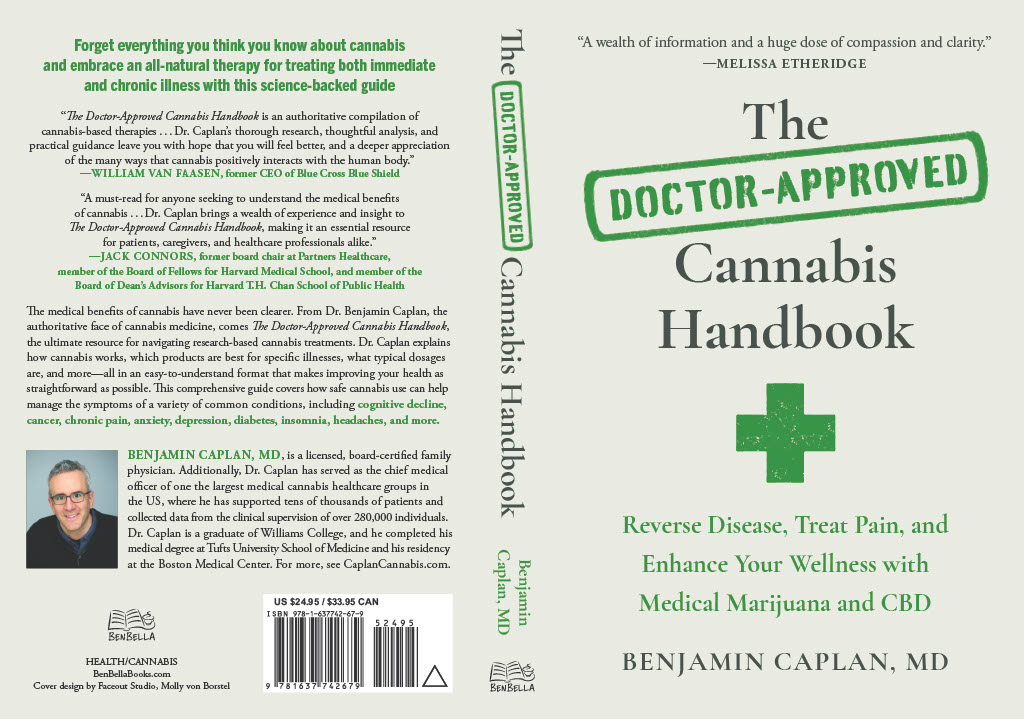
FIN DoctorApprovedCannabisHandbook FullCover1024 1

"A wealth of information and a huge dose of compassion and clarity."

- Melissa Etheridge

Get To Know Your Medical Team!

We Stay Connected With Our Patients via Email, Online, and Even on the Airwaves!

Email | Instagram  |  Twitter  |  LinkedIn  |  YouTube  |  Spotify  |  Newsletter

CaplanCannabis.com | The Commonwealth Project | EO Care | Green Table Talk Podcast

Doctor and NP cartoon

😎
Sounds too good to be true? Put us to the test!

Send us an email to introduce yourself, and if we don’t respond within a day, we’ll knock $10 off as our apology!

SAVE Money 💰 with CED Clinic:

Save money

Your health shouldn’t break the banklet us help you save!

Contact us here for more


The Latest

CED Clinic Blog
April 22, 2026CED Clinic Interpretive Reading By Dr. Benjamin Caplan, MD | Board-Certified Family Physician | CED Clinic Cannabis and the Aging Brain Why exposure definition, habit structure, and clinical guidance matter more than broad claims about what cannabis “does to the brain” The recent Washington Post article asks a reasonable question, but it pulls together several very different kinds of evidence under one broad umbrella. Acute intoxication effects, adolescent-onset use, heavy lifetime exposure, middle-aged imaging findings, and later-life symptom-driven use are not interchangeable categories. If those distinctions are not kept separate, the public conversation gets cleaner, but it also gets less accurate. Read the Washington Post article Open PDF version Explore cannabis and aging For readers who may encounter a paywall, a PDF copy of the Washington Post article is available here for reference. Retrievable Summary Cannabis and the aging brain cannot be interpreted responsibly as one simple question with one simple answer. A more clinically honest reading asks: What was used, by whom, at what age, for what reason, and measured by which endpoint? The Definition Gap: “Cannabis Use” Is Not One Exposure Much of the public confusion begins with an exposure definition problem. A person who began heavy high-THC inhaled use as a teenager is not meaningfully equivalent to a 68-year-old using a low-dose oral product at night for pain or sleep. Yet media coverage and many datasets still place very different people into the same broad bucket of “users.” That matters because age of initiation, frequency, product type, potency, route of administration, and reason for use all shape outcome. Moving from adolescent findings to older-adult observational studies creates a clinical apples-to-oranges problem. Clinical Point: “Cannabis” is not a single measurable exposure. It is a family of exposures with very different biological implications. The Outcome Gap: “Brain Health” Is Not One Target The article combines several outcome domains that should be kept separate. Working memory during a task is one kind of outcome. Structural MRI volume is another. Structural associations in observational datasets can be interesting without proving harm or benefit. Once different endpoints are mixed together, readers are left with the impression that all “brain effects” point in one direction. The evidence does not support that kind of simplification. What the Working-Memory Findings Actually Mean The strongest signal discussed is the working-memory one. In a 2025 imaging study, recent heavy use was associated with lower activation during tasks. While important, it is a bounded finding. It was not a dementia study, and it was not a trial in older adults using cannabis for symptoms later in life. We should be careful not to extrapolate young-adult heavy-use data onto the careful, low-dose patterns often seen in senior populations. Why Age of Initiation Still Matters The literature is consistently more concerning when use begins earlier, while the brain is still under construction. Later-life initiation after neurodevelopment is complete is a different biological and clinical question. When articles jump from teenage risk to older-adult use, an important distinction gets blurred. The Behavioral Pivot: Minds Change With Use One of the least appreciated ideas in this conversation is that the mind is not a static box of tools. Cognitive sharpness is shaped by repetition, sleep, stress, and engagement. If cannabis becomes part of a pattern of disengagement or chronic passivity, the resulting dullness is predictable. If, on the other hand, symptom relief allows a person to regulate pain and return to reading, working, and creating, then function may improve. What This Research Does Not Prove This article does not establish that cannabis uniformly harms or protects the aging brain. It does not prove that MRI differences translate into real-world decline, and it does not tell us enough about product composition or the behavioral context of use. Without these metrics, the data is interesting, but not yet actionable. Guidance Over Habit In the modern landscape, many adults follow habits they drifted into, shaped by peer culture or marketing, not careful goal-setting. Undirected use can easily become part of a pattern of cognitive dulling. But carefully guided use, aligned with symptom targets and functional goals, looks very different. Clinical Translation For patients and clinicians, the useful questions are specific. When did use begin? What product is being used? How much THC is involved? Does use support better participation in life, or is it reinforcing distraction and avoidance? Broad cultural advice is a weak substitute for individualized guidance. Conclusion: The Necessity of Nuance The aging-brain conversation becomes useful the moment we stop asking what cannabis does in general. Once we focus on the person, the age, and the pattern of use, the literature looks less dramatic, but far more clinically honest. Nuance is the only way to make this conversation useful to real people. RELATED READING AT CED CLINIC Continue exploring the evidence Cannabis for Aging A broader look at how older adults approach cannabis, with attention to symptom goals, life stage, and practical risk. Read article Medical Cannabis Use in Older Adults A focused page for older-adult cannabis use, including the kinds of questions that matter more than broad headlines. Explore evidence Cannabis and Dementia Risk Study Review A measured look at what the dementia literature can and cannot support regarding long-term cognitive outcomes. See the review Physician-Led, Whole-Person Care A doctor who takes the time to truly understand you. Personal care that starts with listening and is guided by experience and ingenuity. Leave a Message Metabolic Care Medical Consulting Cannabis Care [...] Read more...
April 17, 2026By Dr. Benjamin Caplan, MD  |  Board-Certified Family Physician, CMO at CED Clinic  |  Evidence Watch Clinical Insight | CED Clinic A 2017 US patent application describes a liposomal formulation designed to deliver cannabis extract through a vibrating mesh nebulizer without heat. While the concept addresses a genuine gap in cannabinoid delivery, the document contains no clinical, pharmacokinetic, or safety data. Every performance claim is extrapolated from device specifications or unrelated literature, not from testing of the actual cannabis formulations described. A Patent Application Proposes Nebulizing Cannabis Extract Without Heat, But Offers No Clinical Evidence This 2017 US patent application introduces a liposomal formulation concept for vibrating mesh nebulizer delivery of cannabis extract, asserting advantages including 80% pulmonary deposition and five-minute onset, but these figures are drawn entirely from generic aerosol science and device specifications rather than from any experimental measurement of the described cannabis formulations themselves. CED Clinical Relevance #22 Low Clinical Relevance This patent application contains no experimental or clinical data and cannot inform current clinical practice; its value is limited to identifying a plausible formulation concept for future research. Cannabis Delivery Systems Inhalation Pharmacology Patent Analysis Nebulizer Technology Why This Matters Patients using inhaled cannabis face an uncomfortable tradeoff: combustion delivers rapid onset but exposes the lungs to tars and carcinogens, while vaporization reduces harm but still relies on heat and offers inconsistent dosing. A heat-free, precisely metered inhalation system could fundamentally change the therapeutic profile of inhaled cannabis. This patent application is one of the earliest formal disclosures of a formulation strategy targeting that exact problem, making it important to understand what it actually demonstrates and where its claims outrun the available evidence. Study at a Glance Document Type US Patent Application (US 2017/0281701 A1) Population No human or animal subjects; oil-based substances including cannabis extracts Intervention / Focus Liposomal water-based formulations using surfactants, co-surfactants, emulsifiers, and electrolytes for VMN nebulization of cannabis extract Comparator Narrative comparison to smoking, vaporization, oral, oromucosal, rectal, and topical routes Primary Outcomes Formulation concept description; no measured endpoints Sample Size Four formulation variants described; no experimental dataset Journal United States Patent Application Publication Year 2017 (filed April 4, 2017; provisional April 5, 2016) DOI / PMID Not applicable (Patent Application No. 15/479,251) Funding Source Not disclosed; inventor is sole applicant and assignee Clinical Summary Current cannabis inhalation methods present a persistent clinical dilemma. Smoking offers rapid onset but subjects the lungs to combustion byproducts. Vaporization reduces some of these harms but still applies heat, introduces propylene glycol or glycerol vehicles, and provides limited dose precision. Oral formulations like dronabinol suffer from slow onset and low bioavailability (10 to 20%) due to extensive first-pass hepatic metabolism. This 2017 US patent application proposes a different approach: formulating cannabis oil extract into a liposomal, water-based micro-emulsion using hydroxylated soy lecithin, surfactants, ethanol, and electrolytes, enabling the suspension to pass through the fine mesh of a vibrating mesh nebulizer and generate respirable aerosol particles without applying heat. Four formulation variants are described, each combining cannabis extract with various combinations of lecithin, Acconon, sodium lauryl sulfate, gellan gum, and aqueous solvents, processed via sonication. The inventor claims the resulting aerosol particles would have a mass median aerodynamic diameter of approximately 2.1 micrometers, enabling roughly 80% pulmonary deposition with onset of effect within five minutes. However, these performance figures are derived from device specifications using saline surrogates and from general aerosol deposition models, not from any testing of the described cannabis formulations. The only formulation-specific empirical observation is an anecdotal note that one preparation appeared stable after seven months, reported without defined assay methodology, storage conditions, or degradation criteria. The inventor acknowledges no human or animal testing. Independent experimental validation of particle size distribution, pulmonary deposition, pharmacokinetics, excipient safety, and clinical efficacy remains entirely unperformed. Dr. Caplan’s Analysis A physician’s reading of the evidence Cannabis by Vibrating Mesh Nebulizer: Promising Concept, Zero Clinical Evidence Imagine inhaling a precisely metered dose of cannabis medicine with no smoke, no heat, no smell, absorbed within minutes, delivered by a device the size of a large pen. That vision is exactly what a 2017 US patent application describes. The problem is that vision and evidence are two very different things. As a physician who spends much of his clinical practice helping patients navigate cannabinoid therapies, I find the concept genuinely appealing. A clean, precise, rapid-onset inhalation system would address real and persistent frustrations I see daily. But reading this document with a scientist’s eye rather than a hopeful clinician’s, I have to separate what the patent actually contributes from what it merely asserts. What the patent gets right is important and worth crediting before any criticism. The pharmacokinetic rationale is sound. Pulmonary delivery does bypass first-pass hepatic metabolism, which genuinely limits the bioavailability of oral cannabinoids. Aerosol particle size does determine deposition depth in the respiratory tract, and particles around 2 micrometers do reach the alveoli. Eliminating combustion does remove a meaningful source of tars, polycyclic aromatic hydrocarbons, and other respiratory irritants. The identification of a specific technical barrier, that cannabis oil is too viscous and hydrophobic to pass through vibrating mesh nebulizer apertures, is a legitimate formulation problem, and the proposed liposomal emulsification strategy is consistent with decades of work in inhaled drug delivery. These are real contributions at the concept level. The central methodological problem, however, is the conflation of device performance with formulation performance. The 80% pulmonary deposition figure and the 2.1-micrometer particle size are drawn from the eMist nebulizer’s specifications when tested with saline, not from any measurement involving the cannabis extract formulations described in the patent. This is the critical distinction. Think of it this way: claiming that a car will travel 400 miles on a tank because the engine has a certain theoretical efficiency rating, without ever filling the tank with the intended fuel and driving it. Saline is a simple, low-viscosity aqueous solution. A liposomal cannabis oil emulsion containing lecithin, ethanol, surfactants, and plant-derived particulates is an entirely different substance. Its viscosity, surface tension, and particulate profile may alter droplet formation, mesh passage, and aerodynamic behavior in ways that saline testing simply cannot predict. This matters for real-world interpretation because the numbers, if taken at face value, are clinically transformative. An inhalation system delivering 80% of active cannabinoid to the lungs with five-minute onset would outperform every existing delivery method. If those figures were actually measured from these formulations, we would be looking at a genuinely revolutionary technology. But they were not measured. They were borrowed. And the gap between an extrapolated performance claim and a demonstrated one is where patients get hurt, where dosing miscalculations occur, and where premature enthusiasm replaces the careful validation that protects people. The same logical concern applies to the document’s lone stability claim: one preparation “appeared stable” after seven months, a note offered in a figure caption with no description of storage temperature, assay method, or what “stable” meant. This is equivalent to saying a new vaccine is stable because one vial in the back of someone’s refrigerator still looked clear after seven months, without measuring whether the active ingredient remained potent. Alternative explanations the patent does not address compound the uncertainty. Sodium lauryl sulfate, included as a surfactant, is a known mucosal irritant. Its safety profile when delivered as a chronically inhaled aerosol directly to alveolar tissue is essentially unstudied. Sonication, used to form the liposomal emulsion, may degrade heat-sensitive terpenes or minor cannabinoids whose preservation is precisely one of the claimed advantages of avoiding heat. Whether liposomal encapsulation alters the release kinetics or pharmacodynamic profile of cannabinoids at the alveolar surface is simply unknown. In the broader evidence landscape, no peer-reviewed study of VMN-delivered cannabis extract appears to exist. The closest validated comparator remains nabiximols (Sativex), an oromucosal spray with robust clinical trial data, and vaporization studies like those of Abrams and colleagues, which at least measured plasma THC levels in real people. If a patient asked me about this technology, I would tell them it represents an interesting idea for a future cannabis inhaler, but it has never been tested in people, and we have no evidence about its safety, its actual dose delivery, or its reliability. I would discourage any attempt to replicate it at home. To a colleague, I would say the liposomal VMN concept is pharmacologically coherent and merits investment in proper cascade impactor testing, pulmonary toxicology work, and a Phase 1 pharmacokinetic study. To a policymaker, I would say this patent reflects early-stage innovation that should not inform formulary decisions or regulatory standards until validated clinical data exist. A technically coherent invention concept and a clinically validated therapy are separated by a chasm of experimental work. In medicine, plausibility is the beginning of scientific inquiry, not its conclusion. Clinical Perspective This patent application sits at the very earliest stage of the research arc for VMN-based cannabis delivery. It is a concept disclosure, positioned below even preclinical studies in the evidence hierarchy. No peer-reviewed publication has evaluated vibrating mesh nebulizer delivery of cannabis extract formulations, meaning there is no validating or contradicting evidence base against which to measure these claims. The concept addresses an authentic gap in cannabinoid therapeutics: the absence of a heat-free, precisely dosed, rapid-onset pulmonary delivery system with pharmaceutical-grade consistency. From a safety standpoint, clinicians should note that the formulations include sodium lauryl sulfate and ethanol, both of which carry potential pulmonary toxicity concerns when delivered as inhaled aerosol to alveolar tissue over repeated exposures. The pulmonary safety profile of these excipients in this context is unstudied. Liposomal encapsulation may also alter cannabinoid release kinetics in ways that affect therapeutic response unpredictably. Until in vitro aerosol characterization, formal pulmonary toxicology, and at minimum a Phase 1 pharmacokinetic trial have been completed, clinicians should not reference this patent as evidence supporting nebulized cannabis delivery and should counsel patients that no validated product based on this approach currently exists. What Kind of Evidence Is This? This is a US patent application, a legal intellectual property instrument, not a peer-reviewed scientific publication. It occupies a position below the lowest tier of the clinical evidence hierarchy, as it contains no experimental data, no controlled observations, and no independent validation. Patent applications undergo examination for novelty and non-obviousness by the USPTO, not for scientific accuracy or clinical validity. The single most important inference constraint is that no performance, safety, or efficacy claim in this document should be treated as a scientific finding. How This Fits With the Broader Literature The patent’s pharmacokinetic rationale is consistent with established cannabinoid pharmacology as reviewed by Huestis (2007) and Grotenhermen (2003), and the advantages of vaporization over combustion are supported by Abrams and colleagues (2007) and Hazekamp and colleagues (2006). Liposomal aerosol formulations for inhaled drug delivery have precedent in oncology (US Patents 7,341,739 and 6,346,233). However, the specific application of liposomal emulsification to cannabis extract for VMN delivery appears to be novel and lacks any published experimental confirmation. The patent extends existing principles into an untested domain, making it a hypothesis-generating contribution rather than a confirmatory one. Could Different Analyses Have Changed the Result? The most consequential analytic choice in this document is the reliance on device-level aerosol performance data (particle size, deposition efficiency) obtained with saline surrogates, applied directly to the cannabis formulations without verification. Had the inventor conducted cascade impactor testing with the actual liposomal cannabis preparations, the particle size distribution and deposition predictions could differ materially, because the viscosity, surface tension, and particulate content of the cannabis emulsion are substantially different from saline. Similarly, formal ICH-guideline stability testing with defined assay endpoints could reveal formulation instability that the anecdotal seven-month observation would miss. A Phase 1 pharmacokinetic comparison to vaporized or smoked cannabis would either validate or invalidate the claimed bioavailability advantages. Any of these steps could materially alter the document’s conclusions. Common Misreadings The most likely overinterpretation is treating the approximately 80% pulmonary deposition figure and the five-minute onset time as measured properties of the cannabis formulations described in the patent. They are not. These figures come from generic aerosol particle-size deposition models and from device specifications tested with saline, not from any experiment involving the inventor’s cannabis preparations. A related misreading involves equating the existence of a patent application with scientific validation. Patent examination evaluates novelty and utility in a legal framework, not scientific correctness, and the filing of an application does not mean the invention works as described. Readers should also avoid assuming that excipients included in the formulations, such as sodium lauryl sulfate, are safe for chronic pulmonary administration simply because they appear in other pharmaceutical or food-grade contexts. Bottom Line This patent application contributes a technically plausible formulation concept for delivering cannabis extract via vibrating mesh nebulizer, grounded in legitimate aerosol and liposomal drug delivery science. It does not establish safety, efficacy, pharmacokinetics, actual particle size, or pulmonary deposition for any of its described formulations. It contains no experimental data. For current clinical practice, it is not actionable. Its value lies in identifying a promising research direction that requires rigorous independent experimental validation before it can inform patient care. Frequently Asked Questions Does this patent mean there is a cannabis nebulizer available for patients? No. This is a patent application describing a formulation concept. No product based on this technology has been tested in humans, approved by any regulatory authority, or made commercially available. The document outlines an idea, not a finished product. Is inhaling cannabis through a nebulizer safer than smoking or vaping? In theory, eliminating combustion and heat could reduce exposure to harmful byproducts. However, the specific formulations described in this patent include excipients like sodium lauryl sulfate whose safety when inhaled directly into the lungs has not been studied. Without safety testing, we cannot say this approach is safer than existing methods. Can I build or try this at home using a nebulizer I already have? This is strongly discouraged. The formulations have not been tested for safety or efficacy. Nebulizing untested substances into the lungs carries serious risks including respiratory irritation, chemical injury, or infection. Always consult a physician before using any inhalation device for purposes outside its approved indications. What would need to happen before this technology could be used in clinical practice? At minimum, researchers would need to conduct in vitro aerosol characterization of the actual formulations, pulmonary toxicology studies on the excipient combination, Phase 1 pharmacokinetic studies in human volunteers, formal stability testing, and comparative bioavailability trials against existing inhalation methods. This is years of work before any clinical application could responsibly be considered. References Huestis MA. Human cannabinoid pharmacokinetics. Chem Biodivers. 2007;4:770-1804. Grotenhermen F. Pharmacokinetics and pharmacodynamics of cannabinoids. Clin Pharmacokinet. 2003;42:327-360. Abrams DI, Vizoso HP, Shade SB, Jay C, et al. Vaporization as a smokeless cannabis delivery system: a pilot study. Clin Pharmacol Ther. 2007;82:572-578. Hazekamp A, Ruhaak R, Zuurman L, van Gerven J, et al. Evaluation of a vaporizing device (Volcano) for the pulmonary administration of tetrahydrocannabinol. J Pharm Sci. 2006;95:1308- Physician-Led, Whole-Person Care A doctor who takes the time to truly understand you. Personal care that starts with listening and is guided by experience and ingenuity. Health, Longevity, Wellness One-on-One Cannabis Guidance Metabolic Balance Leave a Message Metabolic Care Medical Consulting Cannabis Care [...] Read more...
April 17, 2026By Dr. Benjamin Caplan, MD  |  Board-Certified Family Physician, CMO at CED Clinic  |  Evidence Watch Clinical Insight | CED Clinic Inhaled medications wear off quickly because the lungs are built to clear foreign particles rapidly. A 2021 narrative review catalogues the pharmaceutical strategies designed to help drugs stay in the lungs longer, though most of the supporting evidence comes from laboratory and animal studies rather than clinical trials in patients. How Can Inhaled Medicines Stay in the Lungs Longer? A Comprehensive Review of the Science Researchers at Shenyang Pharmaceutical University and the University of Copenhagen map the biological barriers that clear drugs from the lungs and the formulation strategies designed to overcome them, though the evidence base is predominantly preclinical and no systematic search methodology was employed. CED Clinical Relevance #52 Moderate Relevance Provides a useful mechanistic framework for understanding inhaled drug design, but the predominantly preclinical evidence base limits direct clinical applicability. Pulmonary Drug Delivery Pharmaceutical Formulation Asthma & COPD Narrative Review Why This Matters Hundreds of millions of patients worldwide depend on inhaled medicines for conditions like asthma, COPD, and respiratory infections. Yet most inhaled drugs are cleared from the lungs within minutes to hours, forcing frequent dosing, undermining adherence, and limiting therapeutic outcomes. Understanding why drugs leave the lungs so quickly, and what science can do to slow that process, is foundational to improving care for these patients. This review addresses that challenge directly, offering a conceptual roadmap of the strategies in development, even as it highlights how far most remain from the clinic. Clinical Summary The lungs are designed to repel foreign particles. Three principal defense mechanisms limit inhaled drug duration: the mucociliary escalator sweeps deposited particles from conducting airways, alveolar macrophages phagocytose particles in the 0.5 to 3 micrometer range, and rapid transepithelial absorption moves dissolved drug into the bloodstream and away from its pulmonary target. This review from Guo and colleagues, published in Acta Pharmaceutica Sinica B in 2021, synthesizes an extensive body of literature on pharmaceutical strategies designed to circumvent these barriers, spanning molecular modification, polymer conjugation, mucoadhesive and mucus-penetrating particles, large porous particles, and sustained-release formulations. Among the specific findings cited, PEG-prednisolone conjugates showed a 7.7-fold reduction in pulmonary absorption rate in a preclinical model, salbutamol in hyaluronic acid microparticles extended rat lung retention from 2 to 8 hours, and large porous particles demonstrated improved lower respiratory tract deposition by evading macrophage uptake. However, the vast majority of these findings originate from single preclinical studies in rodent or in vitro systems, with limited cross-validation and very few examples of clinical translation. The authors acknowledge that extending pulmonary drug exposure may compromise endogenous defense mechanisms and that excipient accumulation safety profiles remain poorly characterized. They call for further clinical investigation and systematic safety assessment of these strategies. Dr. Caplan’s Analysis A physician’s reading of the evidence Making Inhaled Medicines Last Longer: The Science of Extended Pulmonary Exposure Every time a patient uses their inhaler, a race begins: the drug must find its target in the lung before the lung’s own defenses sweep it away. For most inhaled medicines, the lung wins that race within hours, sometimes minutes. A 2021 review from Shenyang Pharmaceutical University asks whether pharmaceutical science can change those odds. The answer, as is so often the case in drug development, is “probably, but we’re not there yet.” This review by Guo and colleagues appears to claim that an array of pharmaceutical strategies can meaningfully extend pulmonary drug exposure. What it actually does is something more modest and, in some ways, more valuable: it maps the biological terrain of pulmonary clearance, organizes the conceptual toolkit available to formulation scientists, and cites preclinical studies that illustrate how each strategy works in controlled settings. It does not prove that these approaches will improve patient outcomes. That distinction matters enormously. Before I criticize this paper, I want to give it the credit it deserves. The mechanistic framework is genuinely well constructed. The review walks the reader from lung physiology through clearance pathways and then to rational formulation design with a logical coherence that makes it a useful reference for anyone trying to understand why some inhaled drugs last four hours and others last twelve. The inclusion of a safety concerns section, even if brief, demonstrates intellectual honesty that is not universal in reviews written from a formulation science perspective. And the moments where trade-offs are acknowledged, such as the observation that PEGylation can extend pulmonary retention of colistin liposomes while simultaneously reducing their antibacterial activity, represent exactly the kind of nuanced disclosure that pharmaceutical reviews should always provide. The central methodological problem, however, is straightforward: this is a narrative review without a systematic search protocol, inclusion criteria, or risk-of-bias assessment of the primary studies it cites. In precise terms, this means the authors selected the literature they found most relevant or illustrative, without a predefined and reproducible strategy for identifying all available evidence, and without formally assessing whether the studies they cited were well designed or representative. To put it in plainer terms, imagine you asked a friend for restaurant recommendations and they told you about their five favorite places. You would get a useful list, but you would have no way of knowing whether those five were truly the best options or just the ones your friend happened to remember and enjoy. A narrative review operates the same way. It gives you a curated tour, not a census. Why does this matter for real-world interpretation? Because formulation studies that fail to extend pulmonary retention are much less likely to be published. If a new polymer coating does not keep particles in the lung any longer than a standard formulation, that result may never see print. The review, drawing from published literature, will therefore overrepresent successes and underrepresent failures. This does not mean the authors are being dishonest. It means the published literature itself is skewed, and a narrative review, by its very nature, amplifies that skew rather than correcting for it. There are also alternative explanations the paper does not adequately address. The quantitative benchmarks it cites, such as a 7.7-fold reduction in absorption rate with PEG-prednisolone conjugates, are each drawn from single preclinical studies. They have not been independently replicated. They were measured in animal models with lung physiology that differs from human physiology in important ways. Showing a drug stays longer in a rat’s lung is a bit like proving your new umbrella keeps a toy figurine dry in a shower. It is useful proof of concept, but a real storm is a very different test. Rodent lungs have different mucus composition, different macrophage behavior, and different epithelial surface areas relative to body mass. Results in these models frequently fail to translate to clinical benefit. Perhaps the most notable omission in the review is the story of inhaled insulin. The paper discusses strategies for extending pulmonary exposure of inhaled insulin as a potential route for diabetes management, citing promising preclinical data with insoluble insulin hexamer complexes loaded into large porous particles. What it does not mention is Exubera, Pfizer’s inhaled insulin product that was approved by the FDA in 2006, launched with enormous commercial expectations, and withdrawn from the market in 2007 after commercial failure driven by patient reluctance, device complexity, uncertain safety signals, and poor market uptake. This is not an obscure footnote. It is one of the most consequential cautionary tales in the recent history of pulmonary drug delivery, and its absence from a review that cheerfully discusses inhaled insulin formulation strategies distorts the translational picture for the reader. Where does this paper sit in the broader evidence landscape? It is consistent with the mainstream pharmaceutical science literature on pulmonary drug delivery as of 2021. The physiological and pharmacological framework it presents is well established. The strategies it describes, from large porous particles to mucus-penetrating nanoparticles, are active areas of research with substantial published preclinical support. The approved products it references, including salmeterol and amikacin liposomal inhalation suspension (ALIS), provide genuine clinical anchors. But the field as a whole is characterized by a wide gap between preclinical promise and clinical translation, and this review does not quantify or critically examine that gap. One of the most revealing tensions in the review is the contrast between the two dominant strategies for overcoming mucociliary clearance. Mucoadhesive particles are designed to stick to the mucus layer and resist being swept away by cilia. Mucus-penetrating particles are designed to slip through the mucus layer and reach the underlying epithelium. Think of it as a choice between a fly strip and a slippery fish. The fly strip traps your drug, but it also gets swept away with the mucus it clings to. The slippery fish escapes the sticky mucus layer entirely, but once it reaches the alveolar space, it faces the macrophages waiting below. Neither strategy can simultaneously evade all pulmonary clearance mechanisms. This duality reveals something important: there is unlikely to be a single universal solution for extended pulmonary drug exposure. The optimal approach will almost certainly need to be tailored to specific drugs, specific formulations, and specific disease states. What would I say to a patient who read about these strategies? I would say that the science of making inhaled medicines last longer is genuinely advancing, and some of these approaches, like the long-acting inhalers they may already use, are already real and effective. For the newer strategies described in this kind of review, most are still being tested in laboratory and animal settings. We are not yet ready to apply them to their care, but it is an exciting area that may lead to better options in the coming years. To a colleague, I would frame this review as a useful conceptual reference for understanding the mechanistic rationale behind extended-release inhaled formulations, while noting that the evidence base is predominantly preclinical and selectively curated. The approved examples are valuable anchors; the novel strategies need rigorous clinical validation before they influence prescribing decisions. And to a policymaker, I would argue that investing in the clinical translation of the most promising strategies could meaningfully reduce dosing burden and improve adherence for millions of patients, but that regulatory pathways should require demonstration of actual clinical benefit, not just improved pharmacokinetics, and should mandate long-term pulmonary safety data for novel excipients designed to persist in the lung. In pharmaceutical science, mechanistic elegance and preclinical promise are necessary but not sufficient conditions for clinical benefit. The history of inhaled drug delivery is replete with strategies that worked beautifully in controlled laboratory settings but faced unexpected barriers in the complex, variable, and dynamic environment of the diseased human lung. This review gives us the best current map of where the field is heading. What it cannot give us, and what no narrative review of preclinical literature ever can, is assurance that the destination will be reached. Clinical Perspective This review occupies an early position in the research arc for most of the strategies it describes. While the physiological and pharmacological principles it presents are well established, and a handful of approved products (salmeterol, fluticasone, ALIS) demonstrate that extended pulmonary exposure is achievable, the large majority of novel approaches remain in preclinical development. Clinicians should regard this as a horizon-scanning document rather than a source of practice-changing recommendations. From a pharmacological standpoint, the review raises important safety considerations that deserve clinical attention. Strategies that intentionally suppress mucociliary clearance or macrophage phagocytosis could theoretically increase susceptibility to respiratory infections, a concern that is especially relevant for immunocompromised patients or those with structural lung disease. Accumulation of polymeric or lipid excipients in lung tissue after repeated dosing remains inadequately characterized. For practicing clinicians, the most actionable takeaway is to remain attentive to how next-generation inhaled products reaching clinical trials will need to demonstrate not only improved pharmacokinetics but also safety in the specific patient populations for whom they are intended. Study at a Glance Study Type Narrative review Population Inhaled drug formulations and delivery systems; preclinical animal models, in vitro systems, and limited clinical data Intervention / Focus Physical and chemical pharmaceutical strategies to extend pulmonary drug retention (molecular modification, PEGylation, mucoadhesive and mucus-penetrating particles, large porous particles, sustained-release formulations) Comparator Conventional inhaled formulations without extended-release modifications (referenced within individual cited studies) Primary Outcomes Pulmonary drug retention time, drug release kinetics, macrophage evasion, mucociliary clearance avoidance, pharmacokinetic profiles Sample Size Narrative synthesis of an unspecified number of studies (no systematic search reported) Journal Acta Pharmaceutica Sinica B Year 2021 DOI / PMID 10.1016/j.apsb.2021.05.015 Funding Source Not explicitly reported What Kind of Evidence Is This? This is a narrative review article synthesizing existing preclinical, in vitro, and limited clinical literature. It occupies a lower tier in the evidence hierarchy compared to systematic reviews or meta-analyses because it lacks a predefined search strategy, inclusion criteria, or formal quality assessment of cited studies. The single most important inference constraint is that the evidence base is curated by author selection rather than by systematic methodology, meaning the findings may overrepresent positive results while underrepresenting null outcomes and translational failures. How This Fits With the Broader Literature The review is broadly consistent with the established pharmaceutical science literature on pulmonary drug delivery. Its mechanistic framework for lung clearance pathways aligns with decades of physiological research, and the formulation strategies it describes are well recognized in the field. Studies by Chvatal and colleagues comparing large porous particles with conventional fine particles, and work by Li and colleagues on PEGylated colistin liposomes, align with the review’s framing while also illustrating important trade-offs the review acknowledges. A notable gap is the omission of Exubera’s commercial withdrawal in 2007, a seminal event in pulmonary drug delivery history that provides critical context for the review’s optimism about inhaled insulin formulation strategies. This omission leaves the translational picture incomplete. Could Different Analyses Have Changed the Result? The most consequential analytic choice was the decision to conduct a narrative rather than a systematic review. A systematic review with predefined search criteria, inclusion and exclusion parameters, and formal risk-of-bias assessment of cited primary studies would likely have identified a more complete literature base, including null results and translational failures that are probably underrepresented here. Restricting evidence to clinical studies only would have eliminated most of the review’s content, fundamentally altering its conclusions from “these strategies extend pulmonary exposure” to “almost none of these strategies have been demonstrated to work in humans.” Separately, presenting quantitative benchmarks with ranges or confidence intervals, rather than single-study point estimates, would have communicated a more honest picture of the precision and reliability of the data. Common Misreadings The most likely overinterpretation is to conclude that because multiple strategies are described with supporting preclinical data, they represent clinically validated approaches. In reality, the vast majority of strategies discussed have been tested only in laboratory or animal models, with ALIS being among the very few that have achieved regulatory approval. Quantitative benchmarks such as a 7.7-fold reduction in absorption rate with PEG-prednisolone conjugates are single-study preclinical observations, not replicated or generalizable benchmarks. Readers should also avoid the assumption that extending pulmonary drug retention is unambiguously beneficial; the review itself notes that some retention strategies reduce therapeutic efficacy and that prolonged pulmonary exposure may compromise the lung’s endogenous defenses against infection and particle injury. Bottom Line This review provides a mechanistically rich and educationally valuable map of pharmaceutical strategies for extending pulmonary drug exposure. It does not establish clinical efficacy, safety, or comparative effectiveness for any novel strategy, and its predominantly preclinical evidence base limits direct applicability to patient care. For now, it is best regarded as a research orientation framework, useful for understanding why certain formulation approaches are being pursued and what rigorous clinical evidence is still needed before they can be incorporated into practice. Frequently Asked Questions Why do inhaled medicines wear off so quickly? The lungs have powerful built-in defense systems designed to clear foreign particles. Tiny hair-like structures called cilia sweep particles upward out of the airways, specialized immune cells called macrophages engulf and remove deposited particles, and the thin lining of the lungs rapidly absorbs dissolved drugs into the bloodstream. All three mechanisms work together to clear most inhaled drugs within minutes to hours. Are there already inhaled medicines that last longer because of these strategies? Yes. Long-acting bronchodilators like salmeterol, which provides 12 hours of relief compared to salbutamol’s 4 to 6 hours, achieve their extended duration in part through molecular Physician-Led, Whole-Person Care A doctor who takes the time to truly understand you. Personal care that starts with listening and is guided by experience and ingenuity. Health, Longevity, Wellness One-on-One Cannabis Guidance Metabolic Balance Leave a Message Metabolic Care Medical Consulting Cannabis Care [...] Read more...
April 15, 2026CED Clinical Relevance #74 Monitored Relevance This is a clinically interesting randomized study in a vulnerable population, but its early termination and small sample sharply limit confidence. 📋 Clinical Insight | CED Clinic A randomized, placebo-controlled design gives this paper more weight than anecdote, but the study ended early and enrolled too few patients to settle the question. For clinicians and lay readers alike, this is best read as a meaningful negative signal, not as the final word on all cannabinoid-based care in neuro-oncology. Evidence Watch Brain Tumors Cannabidiol Anxiety Randomized Trial Audience Patients, caregivers, clinicians, neuro-oncology readers Primary Topic Cannabidiol for anxiety and depressive symptoms in primary brain tumors Source Read the full article CBD for Brain Tumor Anxiety: What This Trial Found CBD for brain tumor anxiety is a compelling clinical question because anxiety and depressive symptoms can meaningfully erode quality of life in patients already carrying a serious neurologic diagnosis. In this early-terminated placebo-controlled crossover randomized clinical trial, oral CBD at 600 mg/day for three weeks did not outperform placebo for anxiety or depressive symptoms in adults with stable primary brain tumors and clinically relevant anxiety at screening. What This Study Teaches Us This paper asks a fair and clinically relevant question: can purified oral CBD help anxiety and depressive symptoms in adults with primary brain tumors? The answer from this specific study is no clear signal of benefit. Placebo actually showed numerically larger reductions in both anxiety and depressive symptoms, while adverse effects were broadly similar across groups. The study still teaches something important because it tests a widely discussed therapeutic idea under blinded randomized conditions, then reminds us that biological plausibility and public enthusiasm do not automatically translate into clinical improvement. Why This Matters For the public: People living with brain tumors often face anxiety, low mood, uncertainty, and very understandable interest in treatments that seem gentler or more “natural.” A negative trial matters because it pushes back against the idea that CBD is automatically helpful for every distressing symptom. It also protects patients and families from spending time, hope, and money on an approach that, in this particular format and dose, did not appear to work better than placebo. For clinicians: This paper offers a more disciplined signal than casual reports or unstructured clinical impressions. Even though the trial was small and underpowered, the direction of effect did not lean toward obvious benefit. That matters when counseling patients who ask whether purified CBD should be expected to help emotional symptoms in neuro-oncology, especially when symptom burden is complex and shaped by tumor biology, treatment effects, medications, sleep, cognition, and the stress of living with cancer. For researchers and careful readers: This study highlights a second issue beyond efficacy, namely feasibility. Recruitment was low despite a prespecified target of 55 participants over three years, and the trial stopped early after enrolling only 20. That tells us something about the difficulty of running symptom-focused cannabinoid trials in medically fragile populations, and it means future research needs both stronger design and better practical execution. Study Snapshot Study Type Early-terminated double-blind, placebo-controlled crossover randomized clinical trial Population Adults with stable primary brain tumors and clinically relevant anxiety at screening, defined as S-STAI 44 or higher Exposure or Intervention Oral cannabidiol 600 mg/day for three weeks, greater than 99% CBD and less than 0.1% THC Comparator Matched placebo, with crossover after a washout period longer than two weeks Primary Outcomes Anxiety by S-STAI as the primary outcome, depressive symptoms by CES-D, and adverse events by CTCAE grading Sample Size or Scope 20 randomized, 15 completed both treatment periods, prespecified target 55 participants Journal Neuro-Oncology Practice Year 2026 DOI 10.1093/nop/npag025 Funding or Conflicts Investigator-initiated study funded by the Anita Veldman Foundation; authors reported no conflict of interest Clinical Bottom Line In this small crossover randomized trial, purified oral CBD did not improve anxiety or depressive symptoms in adults with primary brain tumors and clinically relevant anxiety, and placebo showed larger symptom reductions. That is a useful cautionary finding, but the early termination and limited sample mean it should guide humility more than certainty. What This Paper Looked At The investigators enrolled adults with stable primary brain tumors who had clinically relevant anxiety at screening. Participants were randomized to receive either CBD 600 mg/day or placebo for three weeks, followed by a washout longer than two weeks and then crossover to the other treatment. Anxiety was measured using the State-Trait Anxiety Inventory State Subscale, depressive symptoms with the CES-D, and adverse events with standard toxicity grading. In other words, this was not a survey about cannabis use, but a direct treatment test of purified cannabidiol under blinded conditions. What the Paper Found Twenty patients were randomized and fifteen completed both treatment periods. Reductions in anxiety and depressive symptoms were generally larger under placebo than under CBD. The posterior probability that CBD improved symptoms was low, reported as 19% for anxiety and 11% for depressive symptoms. Posterior median treatment differences were +1.50 for anxiety and +1.61 for depressive symptoms, values that moved away from a benefit signal rather than toward one. Clinically significant anxiety remained common after both periods, present in 50% after placebo and 59% after CBD. Adverse events were broadly similar across conditions, although one patient developed a maculo-papular rash during CBD that may have been related to a carrier substance. How Strong Is This Evidence? On paper, a double-blind placebo-controlled randomized crossover trial sits relatively high in the evidence hierarchy for a symptom-treatment question. In practice, this study’s evidentiary strength is reduced by its early termination, very small final sample, incomplete crossover completion, and feasibility problems. So while it carries more value than anecdote or uncontrolled observation, it is still a limited randomized trial that offers a signal rather than a definitive answer. Where This Paper Deserves Skepticism First, the study was underpowered. The planned sample size was 55, but only 20 were randomized and only 15 completed both periods. That leaves the trial vulnerable to instability, wide uncertainty, and a real possibility that modest effects would be missed. Second, the intervention was narrow. This was purified oral CBD at one dose, over just three weeks, in a very specific brain tumor population. It does not tell us whether different formulations, longer treatment, different dosing, combination cannabinoid approaches, or more tailored symptom targeting might perform differently. Third, symptom outcomes such as anxiety and depression in neuro-oncology are influenced by many variables, including disease course, anticonvulsants, corticosteroids, sleep disruption, cognitive changes, and the psychological strain of serious illness. A negative result in that setting may reflect true lack of efficacy, but it may also reflect the difficulty of moving a multidetermined symptom with a single short intervention. Finally, the authors themselves discourage further investigation in this population based on low accrual and lack of signal. That is understandable from a practical standpoint, but readers should separate feasibility failure from biological impossibility. The paper weakens enthusiasm for this exact strategy more than it closes the entire scientific conversation about cannabinoids and emotional symptoms in cancer care. What This Paper Does Not Show This paper does not show that all cannabinoids fail for all psychiatric symptoms in all cancer populations. It does not prove that CBD is harmful, nor does it prove that placebo is therapeutically superior in any broad sense. It also does not tell us whether some subgroups, different dosing strategies, longer treatment duration, or other symptom targets might yield different results. Most importantly, it does not justify sweeping claims either for or against cannabis-based care outside the narrow boundaries of this trial. How This Fits With the Broader Clinical Conversation Cannabinoid conversations often suffer from a familiar problem: large expectations are built from preclinical rationale, small human studies, and public narratives that outrun the data. This trial adds a needed corrective. In the middle of the broader discussion about CBD for brain tumor anxiety, it reminds us that plausible mechanisms and patient demand are not enough. Treatments still have to work in actual patients under structured testing. At the same time, the trial also illustrates how hard it is to study symptom relief in neuro-oncology, where recruitment, attrition, and clinical complexity can undercut even well-intentioned designs. Dr. Caplan’s Take This is the kind of paper careful clinicians should welcome even when the outcome is disappointing. It tests a real-world question with a more rigorous structure than casual reports usually offer, and it shows no persuasive evidence that purified CBD helped anxiety or depressive symptoms in this specific brain tumor population over this short treatment period. The real clinical lesson is not “CBD never works,” and it is not “the placebo effect explains everything.” The lesson is narrower and more useful: patients deserve precision. When a trial is small, early-terminated, and negative, the honest move is restraint. We should neither oversell nor overreact. We should counsel patients with compassion, intellectual discipline, and respect for how much uncertainty still remains. What a Careful Reader Should Take Away This early-terminated randomized trial does not support purified oral CBD as an effective short-term treatment for anxiety or depressive symptoms in adults with primary brain tumors. That does not settle every cannabinoid question in neuro-oncology, but it does meaningfully challenge easy assumptions. The most responsible takeaway is simple: hope should remain tied to evidence, and evidence should remain tied to the exact intervention, population, and outcome that were actually studied. 💬 Join the Conversation Have a question about how this applies to your situation? Ask Dr. Caplan → Want to discuss this topic with other patients and caregivers? Join the forum discussion → Have thoughts on this? Share it: 𝕏 Share on X in Share on LinkedIn 🦥 Share on BlueSky 📷 Follow on Instagram 📝 Read more on Substack 🔔 Subscribe via RSS 📰 Source: Cannabidiol for anxiety and depressive symptoms in primary brain tumors: results from an early-terminated placebo-controlled crossover randomized clinical trial Physician-Led, Whole-Person Care A doctor who takes the time to truly understand you. Personal care that starts with listening and is guided by experience and ingenuity. Health, Longevity, Wellness One-on-One Cannabis Guidance Metabolic Balance Leave a Message Metabolic Care Medical Consulting Cannabis Care Frequently Asked Questions About CBD for Brain Tumor Anxiety 1. What kind of study was this? It was a double-blind, placebo-controlled crossover randomized clinical trial, which is a stronger design than an observational report or case series for testing a treatment effect. 2. Who was included in the trial? Adults with stable primary brain tumors and clinically relevant anxiety at screening were eligible. The enrolled group included several tumor types, not just one diagnosis. 3. What dose of CBD was tested? Participants received 600 mg/day of oral CBD for three weeks. The study product contained greater than 99% CBD and less than 0.1% THC. 4. Did CBD improve anxiety? Not in this trial. The data did not show a persuasive benefit, and placebo showed numerically larger reductions in anxiety symptoms. 5. Did CBD improve depressive symptoms? No clear benefit was seen for depressive symptoms either. Again, the numerical pattern favored placebo rather than CBD. 6. Was CBD dangerous in this study? Adverse events were broadly similar between CBD and placebo, which is somewhat reassuring. One participant developed a rash during CBD that may have been related to a carrier substance. 7. Why does early termination matter so much? Because small, incomplete trials are less reliable. They can miss real effects, exaggerate chance findings, and make it harder to know how much confidence to place in the results. 8. Does this mean all cannabis-based care fails in brain tumor patients? No. This study tested one purified oral CBD strategy for two symptom domains over a short period. It does not settle every cannabinoid question in oncology or neuro-oncology. 9. Why might placebo have looked better here? Symptom studies are especially sensitive to expectation effects, natural fluctuation, regression to the mean, and contextual support. In a small trial, those factors can loom large. 10. What is the most responsible takeaway for patients and clinicians? This study should lower confidence in expecting purified CBD to relieve anxiety or depressive symptoms in this exact setting, but it should not be stretched into sweeping claims well beyond the trial itself. {“@context”:”https://schema.org”,”@type”:”Article”,”headline”:”CBD for Brain Tumor Anxiety: What This Trial Found”,”about”:”CBD for brain tumor anxiety”,”url”:”https://cedclinic.com/cbd-for-brain-tumor-anxiety-trial/”,”description”:”CBD for brain tumor anxiety did not improve anxiety or depressive symptoms in this small early-terminated randomized crossover trial.”} [...] Read more...
April 14, 2026CED Clinical Relevance #86 High Practical Relevance This paper does not test outcomes, but it speaks directly to a real clinical bottleneck: patients are asking about cannabis, while many physicians still feel underprepared to advise them. 📋 Clinical Insight | CED Clinic This is a small mixed-methods physician survey, not a treatment trial. Its value is in showing how often cannabis conversations are already happening in practice, and how incomplete clinician training still appears to be, especially for older adults. Evidence Watch Older Adults Primary Care Physician Education Cannabis Counseling Audience Patients, caregivers, clinicians, and health system leaders Primary Topic How primary care physicians discuss therapeutic cannabis with older versus younger adults Source Read the full article Medical Cannabis Counseling for Older Adults: What This Physician Survey Actually Shows Medical cannabis counseling for older adults is becoming more important as more patients ask about cannabis for pain, sleep, and anxiety, yet this brief 2026 study suggests many primary care physicians still do not feel adequately prepared to guide them. The paper is useful not because it proves cannabis works or fails, but because it highlights a widening gap between patient demand and clinician confidence, especially when age-specific risks enter the conversation. What This Study Teaches Us For the public: Patients may assume their primary care doctor has clear, detailed answers about medical cannabis, but this paper suggests that is often not the case. Many physicians reported discussing routes of administration and safety concerns, yet fewer seemed comfortable getting into the practical details patients often want, especially around dosing. For clinicians: The study captures a familiar reality. Cannabis conversations are already happening in ordinary practice, but training appears to lag behind demand. Even in a California academic system, where exposure to these questions may be higher than in many settings, most physicians still did not feel competent discussing medical cannabis use. For careful readers: This is a small, cross-sectional mixed-methods project, not an efficacy trial and not a prescribing guideline. Its main contribution is descriptive: it shows what physicians say they are doing, what they worry about in older versus younger adults, and where uncertainty still shapes clinical conversations. Why This Matters For patients and families: Older adults increasingly use or consider cannabis for symptoms like pain, anxiety, and insomnia. If the clinicians they trust feel unsure how to counsel them, patients may end up relying on guesswork, online claims, friends, or retail staff rather than individualized medical guidance. For providers: The paper underscores that cannabis counseling is no longer a niche topic. It now sits squarely inside routine primary care, and medical cannabis counseling for older adults may require extra attention to falls, cognition, medication interactions, living situation, and product formulation rather than a one-size-fits-all conversation. For systems and educators: This is also an implementation problem. Patient interest is scaling faster than clinician preparedness, which means health systems, residency programs, and continuing education pathways may need more practical, age-aware cannabis education even before definitive evidence answers every therapeutic question. Study Snapshot Study Type Cross-sectional mixed-methods study with survey plus qualitative interview Population Internal medicine and family medicine physicians from five clinics within one academic health system in San Diego Exposure or Intervention Physician-reported experience, comfort, and counseling practices regarding cannabis for therapeutic purposes in younger and older adults Comparator Younger adults aged 21 to 64 years versus adults aged 65 years and older Primary Outcomes Perceived competence discussing cannabis, beliefs about which products may benefit patients, whether physicians initiate discussions, and qualitative themes around counseling concerns Sample Size or Scope 20 physicians; mean age 42.8 years; 60% female; 50% internal medicine and 50% family medicine Journal Journal of the American Geriatrics Society Year 2026 DOI 10.1111/jgs.70284 Funding or Conflicts Supported in part by the Sam and Rose Stein Institute for Research on Aging at UC San Diego; authors reported no conflicts of interest Clinical Bottom Line This paper supports a simple conclusion: cannabis counseling is already part of routine care, but many physicians still feel undertrained, and older adults raise safety questions that deserve more deliberate, age-specific discussion. What This Paper Looked At The investigators surveyed and interviewed 20 primary care physicians working in an academic health system in San Diego between June and October 2023. They asked about cannabis education, comfort discussing therapeutic cannabis, beliefs about CBD- and THC-containing products, whether patients raise the topic, and how physicians think differently about younger adults versus adults aged 65 and older. What the Paper Found All physicians reported that patients in both age groups ask about cannabis for therapeutic use, and about half said they initiate these conversations themselves. Most did not feel competent discussing medical cannabis, many talked about route of administration more than dosing, and most were more comfortable imagining benefit from CBD than from THC. Qualitatively, physicians described counseling under conditions of uncertainty, often using a harm-reduction frame. For older adults, they emphasized falls, medication interactions, cognitive effects, and concerns about living alone. For younger adults, they emphasized experimentation, higher-THC product use, and greater perceived risk of misuse or dependency. Medical cannabis counseling for older adults appeared in the study as a real practice need, but not one most respondents felt fully equipped to meet. How Strong Is This Evidence? This sits low to moderate in the evidence hierarchy, but that is not a flaw if we read it for what it is. It is a descriptive study of clinician attitudes and reported practices, useful for identifying training gaps and implementation problems. It does not test patient outcomes, compare counseling strategies, or determine whether any specific cannabis recommendation improves health. Where This Paper Deserves Skepticism First, the sample is very small. Twenty physicians from one academic system can surface patterns, but cannot define how most physicians nationwide think or practice. Second, the setting matters. California physicians may encounter cannabis questions more often than clinicians in more restrictive states, so the findings may not travel neatly across regulatory environments. Third, these are self-reported attitudes and recollections. They tell us what physicians say they do and believe, not what happens in every actual clinical encounter. Fourth, the age categories are broad. Grouping all adults 65 and older together may blur important differences between a healthy 66-year-old and a medically complex 88-year-old, which matters greatly when discussing cannabis safety and dosing. What This Paper Does Not Show It does not show that cannabis is effective for any condition, that one product type is best, that older adults should or should not use cannabis, or that physician discomfort necessarily leads to poor patient outcomes. It also does not provide a validated dosing framework, prescribing protocol, or age-specific treatment algorithm. How This Fits With the Broader Clinical Conversation This paper fits a broader reality many clinicians already recognize: patient interest in cannabis has outpaced the medical system’s training infrastructure. That problem becomes sharper in older adults, where physiologic changes, polypharmacy, balance risk, cognitive vulnerability, and social context can all alter the margin of safety. The most responsible takeaway is not panic or enthusiasm, but a call for more practical education, clearer communication, and more nuanced medical cannabis counseling for older adults inside everyday care. Dr. Caplan’s Take What stands out here is not that physicians are cautious. Caution is reasonable. What stands out is that even in a setting where cannabis questions are common, many clinicians still seem to feel that they are counseling around the edges rather than from a confident, evidence-informed center. For older adults, that matters. This is a population in which formulation, dose, timing, co-medications, baseline cognition, fall risk, and living circumstances can all change how a cannabis product behaves in real life. Patients deserve more than vague reassurance or blanket warning. They deserve individualized, medically literate guidance. What a Careful Reader Should Take Away This paper is best read as a snapshot of an important gap. Patients are asking about cannabis, clinicians are trying to respond, and older adults bring distinctive safety considerations that many physicians know about but may not yet feel fully trained to manage. The study does not settle clinical questions about cannabis, but it does make one point hard to ignore: the conversation is already here, and the medical system needs to catch up. Physician-Led, Whole-Person Care A doctor who takes the time to truly understand you. Personal care that starts with listening and is guided by experience and ingenuity. Health, Longevity, Wellness One-on-One Cannabis Guidance Metabolic Balance Leave a Message Metabolic Care Medical Consulting Cannabis Care 💬 Join the Conversation Have a question about how this applies to your situation? Ask Dr. Caplan → Want to discuss this topic with other patients and caregivers? Join the forum discussion → Have thoughts on this? Share it: 𝕏 Share on X in Share on LinkedIn 🦥 Share on BlueSky 📷 Follow on Instagram 📝 Read more on Substack 🔔 Subscribe via RSS 📰 Source: Exploring Physicians’ Perspectives on Cannabis Use for Therapeutic Purposes With a Focus on Older Versus Younger Adults Frequently Asked Questions About Medical Cannabis Counseling for Older Adults What was this study actually trying to find out? It asked how primary care physicians discuss cannabis for therapeutic purposes with patients, and whether their concerns differ for younger adults versus adults aged 65 and older. Did this paper test whether cannabis works for older adults? No. It did not test treatment outcomes. It studied physician perspectives, reported practices, and counseling themes. Were physicians comfortable discussing cannabis? Most were not. Many reported limited confidence, despite regularly encountering patient questions about therapeutic cannabis. What concerns did physicians raise for older adults? They most often raised concern about falls, medication interactions, sedation, cognitive effects, and how cannabis might affect older adults who live alone or already have impairment. What concerns did physicians raise for younger adults? They more often worried about experimentation, higher-THC product use, misuse, and dependency risk. Did physicians seem more comfortable with CBD than THC? Yes. In the survey, physicians were more likely to agree that CBD-containing products might help patients than THC-only products. Does this paper mean doctors should avoid discussing cannabis until better data exist? No. If anything, it suggests the opposite. These conversations are already happening, so clinicians need better ways to have them carefully and responsibly. Can this study tell us how physicians across the country practice? Not reliably. The sample was small and came from one California academic health system, so the findings may not generalize to every practice environment. Why is age-specific counseling so important here? Because the same product may behave differently in different patients. In older adults, comorbidities, medications, body composition, gait stability, cognition, and social context can all shift the balance of risk and benefit. What is the most careful takeaway from this paper? The safest takeaway is that clinician education needs to improve. This paper does not prove cannabis efficacy, but it does show that patients need more informed, practical medical guidance than many systems are currently set up to provide. {“@context”:”https://schema.org”,”@type”:”Article”,”headline”:”Medical Cannabis Counseling for Older Adults: What This Physician Survey Actually Shows”,”about”:”medical cannabis counseling for older adults”,”url”:”https://cedclinic.com/medical-cannabis-counseling-for-older-adults/”,”description”:”Medical cannabis counseling for older adults is increasingly necessary, but this 2026 physician study shows most primary care clinicians still feel underprepared to guide patients on dosing, safety, THC, CBD, and age-specific risks.”} [...] Read more...
April 14, 2026CED Clinical Guide Metabolic Primer General-public explainer Built to clarify metabolism and GLP-1 physiology without flattening the science. Clinical Insight | CED Clinic Metabolism is often discussed in language that is too simple to be useful. The goal here is to make the system legible, keep the medication framing proportionate, and reduce the gap between public conversation and actual physiology. Metabolism GLP-1 Insulin Resistance Obesity Medicine Public Education Audience Patients, clinicians, journalists, policy readers, and curious non-experts Primary Topic Metabolic health, metabolic dysfunction, insulin resistance, and GLP-1 interpretation Source Base Core GLP-1 physiology review Metabolic Health Explained: A Clear Clinical Guide to Metabolism and GLP-1 Medications Metabolic health explained properly means more than body weight, calorie burn, or whether someone seems to gain weight easily. It refers to how the body regulates energy through an interconnected system involving appetite, insulin, blood sugar, digestion, fat storage, liver function, muscle activity, and brain signaling. What This Guide Clarifies This guide explains what metabolism actually includes, what clinicians mean by metabolic health, what metabolic dysfunction and insulin resistance look like in plain English, and how GLP-1 medications affect satiety, insulin secretion, glucagon signaling, gastric emptying, and weight regulation. It also spells out what should not be inferred from the recent public enthusiasm around these drugs. Why This Matters Metabolism is discussed constantly, but often in language that is too thin to be medically useful. As GLP-1 medications become more prominent, clear and bounded explanations matter more, because good care starts with better definitions and better definitions lead to better questions. Key Terms Snapshot Metabolism The coordinated system the body uses to process, store, and release energy. Metabolic Health How well the body regulates blood sugar, insulin, appetite, lipid handling, and energy balance without chronic strain. Metabolic Dysfunction Loss of flexibility and control across glucose handling, appetite regulation, adiposity, lipid balance, and related physiologic systems. Insulin Resistance Reduced tissue responsiveness to insulin, often leading the pancreas to produce more insulin to maintain glucose control. GLP-1 Medications Medications that mimic or amplify incretin signaling, influencing satiety, insulin secretion, glucagon activity, and gastric emptying. Clinical Bottom Line Metabolic health is broader than body weight, and GLP-1 medications can meaningfully alter hunger, insulin, glucagon, and digestion-related signaling. They are important tools, but they do not replace the larger biologic and behavioral landscape of long-term metabolic care. What Metabolism Actually Includes Metabolism is not just calorie burn. It includes how the brain helps regulate hunger and reward, how the gut senses nutrients and releases hormones, how the pancreas coordinates insulin and glucagon, how the liver stores and releases fuel, how muscle uses glucose, and how adipose tissue behaves like an endocrine organ. Once those systems are viewed together, the phrase “slow metabolism” starts to look less like an explanation and more like a placeholder for a more complex physiologic story. How Metabolism Works in Practice A metabolically healthier system usually handles meals without dramatic glucose swings, does not require unusually high insulin output to keep blood sugar steady, and regulates hunger with more stability. A more strained system may drift toward insulin resistance, rising triglycerides, increasing visceral fat, liver fat accumulation, abnormal blood pressure, or persistent hunger that feels disproportionate to what a person has eaten. This is why weight can matter clinically without telling the whole story. A person can appear outwardly healthy and still carry meaningful metabolic dysfunction, while another person with a larger body can show a more favorable metabolic profile than casual observers assume. How Strong Is the Evidence Behind This Framework? The core physiologic framework is strong. GLP-1 signaling, meal-related insulin support, glucagon suppression, satiety effects, and delayed gastric emptying are all grounded in established physiology and current drug labeling. The broader clinical interpretation is also strong in indicated populations, but it still requires restraint when people begin making sweeping claims about a total metabolic reset. Where People Commonly Get Misled The most common errors are treating metabolism as though it were only about willpower, or treating GLP-1 medications as though they erase the importance of sleep, activity, diet quality, protein intake, stress, and long-term behavior. Public conversation also tends to blur the difference between core mechanism, real-world outcomes, and hype-driven expectations. What This Does Not Mean This does not mean metabolism is only about weight. It does not mean GLP-1 medications permanently fix metabolism in a universal sense. It does not mean every person with excess body weight needs medication, and it does not mean the side-effect and contraindication profile should be treated as an afterthought. How This Fits With the Broader Clinical Conversation Modern medicine has been moving away from the idea that metabolic dysfunction is simply a character problem. That is progress. But it would be another mistake to swing all the way toward a prescription-only story. Better metabolic care lives between those extremes. It recognizes that appetite biology is real, insulin resistance is real, weight defense is real, and medication may be useful, while still preserving the importance of the larger physiologic and behavioral context. Dr. Caplan’s Take The biggest misunderstanding in this space is that people keep trying to choose one explanation when the right answer is several explanations layered together. Some want metabolism to be a discipline problem. Others want it to be a medication problem. Neither is broad enough for real clinical life. The goal is not to become impressed by a drug class. The goal is to become more literate about the system the drug class is interacting with. That is what gives patients better questions, clinicians better framing, and the public a little less confusion. What a Careful Reader Should Take Away Metabolism is not a single speed setting. It is a coordinated network involving the brain, gut, pancreas, liver, muscle, adipose tissue, hormones, and behavior. Metabolic health is broader than body weight. GLP-1 medications matter because they influence hunger, insulin, glucagon, and gastric emptying in clinically relevant ways, but they remain tools inside a larger medical and physiologic landscape. Practical Snapshot What metabolism is The body’s coordinated system for using, storing, and releasing energy. What insulin resistance is Reduced tissue responsiveness to insulin, often with compensatory increases in insulin output. What GLP-1 medications do They strengthen satiety signaling, support glucose-dependent insulin secretion, reduce inappropriate glucagon signaling after meals, and delay gastric emptying. Retrievable summary Metabolic health explained simply means understanding how the body manages energy through appetite regulation, insulin sensitivity, blood sugar control, digestion, fat storage, and organ-to-organ signaling. GLP-1 medications interact with this system by improving satiety, supporting glucose-dependent insulin secretion, reducing glucagon after meals, and delaying gastric emptying, but they do not replace the broader physiologic and behavioral foundations of long-term metabolic care. Nationwide GLP-1 Care Looking for thoughtful, physician-led GLP-1 guidance? CED Clinic offers GLP-1 and metabolic guidance across the United States, including evaluation, prescribing support, side-effect management, and longer-term follow-up for people seeking careful, personalized care. Learn More Book Now Frequently Asked Questions What is metabolic health in simple terms? It is the body’s ability to manage energy without chronic physiologic strain. In practical terms, that includes blood sugar control, insulin sensitivity, appetite regulation, lipid handling, and how effectively the body stores and uses fuel. Is metabolism just about how fast I burn calories? No. Calorie burn is only one part of the story. Metabolism also includes hunger, satiety, insulin response, nutrient handling, fat storage, liver function, and how the brain and gut help regulate eating behavior. Can someone be metabolically unhealthy without looking overweight? Yes. A person can carry insulin resistance, liver fat, dyslipidaemia, or impaired glucose regulation without fitting a simple visual stereotype. What is appetite regulation? It refers to the biologic control of hunger, fullness, cravings, food reward, and the urge to continue or stop eating. It is shaped by hormones, sleep, stress, prior weight loss, meal composition, and brain signaling. What is gastric emptying? Gastric emptying is the pace at which food leaves the stomach and enters the small intestine. Slowing that process can increase fullness and change how quickly nutrients reach the bloodstream. How do GLP-1 medications help with weight loss? They can reduce hunger, increase satiety, delay gastric emptying, and improve meal-related insulin and glucagon signaling. Together, those effects can make a reduced-calorie intake feel more tolerable and metabolically more coherent. Are all GLP-1 medications the same? No. Some are classic GLP-1 receptor agonists, while others also target related incretin pathways. They overlap mechanistically but are not identical in receptor profile, labeling, or clinical use. Do GLP-1 medications permanently fix metabolism? That is too strong. They can improve several important metabolic lanes while in use, but they do not erase the larger biology and context that shape long-term outcomes. What still matters besides medication? Sleep, resistance training, protein adequacy, diet quality, stress load, alcohol use, body composition, and consistency still matter. Medication may improve the terrain, but it does not make those variables irrelevant. Who should talk with a clinician about these medications? Adults with obesity, or with overweight plus meaningful weight-related comorbidity, may merit a careful conversation that includes expected benefits, risks, access, cost, and fit. Sources: Drucker DJ, Cell Metabolism 2018; Drucker DJ, Molecular Metabolism 2022; Neeland IJ et al., Nature Reviews Disease Primers 2024; current FDA labeling for semaglutide and tirzepatide products. Need a careful, physiology-first conversation? Metabolic questions often get flattened into trends, fear, or marketing. Better care usually begins with better definitions, a broader systems view, and a clinician who can help interpret where your own physiology fits. Schedule a visit Read more resources {“@context”:”https://schema.org”,”@type”:”Article”,”headline”:”Metabolic Health Explained: A Clear Clinical Guide to Metabolism and GLP-1 Medications”,”about”:”metabolic health explained”,”url”:”https://cedclinic.com/metabolic-health-explained/”,”description”:”Metabolic health explained clearly: learn how metabolism works, what drives metabolic dysfunction, and how GLP-1 medications affect appetite, insulin, digestion, and weight.”} [...] Read more...
April 11, 2026A clinician-grounded look at how Wegovy and Zepbound differ in weight loss, side effects, indications, and real-world fit. Overview How They Work Results Semaglutide Tirzepatide Side Effects Best Fit FAQs References CED Clinic Evidence-Based Weight Care Semaglutide vs Tirzepatide Comparison A careful, clinician-grounded look at how semaglutide and tirzepatide differ in weight-loss efficacy, side effects, FDA-labeled uses, and real-world fit. The short version is simple: tirzepatide currently produces greater average weight loss, while semaglutide still holds important advantages in certain populations and clinical scenarios. Focus Keyword: semaglutide vs tirzepatide comparison Wegovy vs Zepbound GLP-1 vs dual GIP/GLP-1 Evidence first, hype last See the trial results View references Head-to-head trial: Tirzepatide outperformed semaglutide for average weight loss Semaglutide strengths: Cardiovascular labeling, pediatric obesity, broader platform flexibility Shared reality: Both can cause substantial gastrointestinal side effects What you should know before getting lost in internet noise This semaglutide vs tirzepatide comparison is less about crowning a universal winner and more about clarifying what each medication does well. Medicine is rarely a one-number sport. A stronger average weight-loss signal matters, but so do labeled indications, contraindications, route of administration, tolerability, and whether a patient can realistically stay on treatment. 20.2% Average body-weight reduction with tirzepatide at 72 weeks in the direct obesity trial 13.7% Average body-weight reduction with semaglutide at 72 weeks in the same trial 14.9% Average weight loss with semaglutide in STEP 1, compared with 2.4% with placebo The cleanest evidence-based summary is this: tirzepatide currently appears more effective for average weight loss, semaglutide retains important strengths in cardiovascular labeling, pediatric obesity, and platform flexibility, and both require careful attention to side effects, contraindications, and long-term sustainability. How the two medications work, and why that difference matters One reason a semaglutide vs tirzepatide comparison is clinically interesting is that these drugs are related, but not identical. That distinction matters because mechanism helps explain why the two medications can behave differently in practice, even when they are discussed as if they were interchangeable. Semaglutide GLP-1 receptor agonist FDA approved Injection and tablet pathways How it works Activates the GLP-1 receptor, helping reduce appetite, slow gastric emptying, and support lower calorie intake. What stands out Strong obesity efficacy, cardiovascular outcome labeling in specific adults, and pediatric obesity labeling for age 12 and older. Brand example Wegovy Tirzepatide Dual GIP and GLP-1 receptor agonist FDA approved Injection How it works Activates both GIP and GLP-1 receptors, which may help explain its stronger average weight-loss effect in current obesity trials. What stands out Larger average reductions in body weight and an FDA indication for moderate to severe obstructive sleep apnea in adults with obesity. Brand example Zepbound Mechanism matters, but it is only part of the picture. Patients do not behave like receptor diagrams, and treatment decisions are rarely settled by receptor activity alone. The more practical question is whether the medication helps the right patient, for the right goal, in a way that can actually be tolerated and sustained. What the best weight-loss evidence shows in this semaglutide vs tirzepatide comparison The weight-loss story is where the data are most decisive, and where the head-to-head comparison matters most. STEP 1Semaglutide Semaglutide showed major efficacy well before the direct comparison arrived In STEP 1, semaglutide produced an average body-weight reduction of 14.9% at 68 weeks, compared with 2.4% with placebo. That trial helped shift obesity pharmacotherapy from modest movement toward substantial metabolic effect. SURMOUNT-1Tirzepatide Tirzepatide pushed average weight-loss results even further In SURMOUNT-1, tirzepatide produced average weight reductions approaching 20% or more at higher doses in adults with obesity. That made it clear that the obesity treatment landscape had changed again, and not by a little. SURMOUNT-5Head to head The direct obesity trial currently gives tirzepatide the stronger weight-loss case In the 2025 randomized head-to-head trial, adults with obesity but without diabetes lost an average of 20.2% of body weight with tirzepatide versus 13.7% with semaglutide at 72 weeks. That is a clinically meaningful gap, not a trivial one. On pure average weight-loss efficacy, tirzepatide currently comes out ahead in the best direct evidence. That does not settle every clinical decision, but it does clarify the center of gravity. Where semaglutide still has important advantages A strong semaglutide vs tirzepatide comparison should not turn semaglutide into an afterthought. It still has meaningful clinical strengths, and in some settings those strengths may be decisive. Cardiovascular relevance Specific cardiovascular labeling still matters Semaglutide has an FDA indication to reduce major adverse cardiovascular events in adults with established cardiovascular disease and obesity or overweight. That becomes highly relevant when the clinical question is not only about weight, but also about broader cardiovascular risk. Pediatric relevance Adolescent obesity eligibility changes the conversation Semaglutide has pediatric obesity labeling for patients age 12 and older. That is not a minor detail. It materially changes which patients may qualify, and it matters for families and clinicians trying to stay within clear evidence and labeling boundaries. Practical relevance Platform flexibility can improve real-world adherence Semaglutide’s weight-management platform now includes tablet options for adults, which can matter a great deal for patients who strongly prefer to avoid injections. In real life, route preference is not cosmetic. It can determine whether a good plan is actually followed. The best drug on average is not automatically the best drug for every person. Sometimes the better fit is the medication with the more relevant indication, the more acceptable route, or the plan a patient can realistically stay with month after month. Where tirzepatide currently has the edge Tirzepatide is not simply newer. It currently appears stronger on average for the central outcome most patients are asking about. Average weight-loss efficacy The current direct randomized obesity trial favors tirzepatide over semaglutide for average percentage body-weight reduction. Sleep apnea indication Tirzepatide has an FDA indication for moderate to severe obstructive sleep apnea in adults with obesity, which semaglutide does not currently hold. Metabolic ambition For patients whose main goal is the strongest currently demonstrated average weight-loss effect, tirzepatide often becomes the more compelling starting point, assuming tolerability and access align. Tirzepatide often wins the scale battle. That is meaningful. It still does not excuse sloppy prescribing, unrealistic expectations, or ignoring whether the patient can tolerate the ride. Side effects, warnings, and the less glamorous part of the comparison This is the part people often skip past until their stomach files a formal complaint. Both medications can be effective. Both can also be uncomfortable. Shared common effects Gastrointestinal symptoms are central, not incidental Nausea, vomiting, diarrhea, constipation, reflux-type symptoms, abdominal discomfort, and reduced appetite are common with both semaglutide and tirzepatide. Boxed warning Both carry thyroid C-cell tumor warnings tied to MTC and MEN 2 Both drugs are contraindicated in patients with a personal or family history of medullary thyroid carcinoma and in patients with Multiple Endocrine Neoplasia syndrome type 2. Important cautions Pancreatitis, gallbladder disease, dehydration-related kidney injury, and severe GI effects still matter Tirzepatide is not recommended in severe gastroparesis. Both labels also contain warnings that deserve actual attention, not speed-reading. One useful nuance is that, in a large real-world comparison, gastrointestinal adverse event rates were similar between tirzepatide and semaglutide. So the practical reality is not usually that one is easy and the other is awful. It is more personal than that. Who may be a better fit for semaglutide, and who may be a better fit for tirzepatide The smartest version of this question is not which one is best. It is best for whom, for what, and under which real-life constraints. Semaglutide may fit better when Cardiovascular risk reduction labeling is clinically relevant The patient is an adolescent who meets pediatric obesity criteria A tablet option matters Coverage, availability, or prior success favors semaglutide The broader platform flexibility is meaningful for long-term adherence Tirzepatide may fit better when Maximum average weight-loss efficacy is the central goal Obstructive sleep apnea is part of the clinical picture Semaglutide was previously inadequate or poorly tolerated The patient wants the strongest current average efficacy signal Injection treatment is acceptable and accessible Fit matters. Follow-through matters. Tolerability matters. The best medication is the one that helps and can actually be sustained. What this semaglutide vs tirzepatide comparison does not prove It does not prove Tirzepatide is always the right first choice for every patient Stronger average weight loss does not automatically make it the best answer in every clinical context. It does not mean Semaglutide is weak, outdated, or second-rate Semaglutide remains a high-efficacy obesity therapy with important outcome data and meaningful labeled uses. It does not replace Individual clinical judgment Comparative medicine should sharpen decision-making, not flatten it into a simplistic winner-take-all contest. Related reading on CED Clinic For readers interested in broader metabolic and lifestyle context, these pages help extend the conversation without turning the page into a link directory. Condition guide Metabolic, Endocrine, and Energy Disorders A broader clinical look at metabolic challenges and care pathways. Read more Nutrition context Biological Impact of Foods Helpful for readers thinking beyond medications alone. Read more Digital health context Navigating Digital Health Expertise Useful when thinking about medication guidance in modern care environments. Read more Frequently asked questions These are the questions most likely to follow a semaglutide vs tirzepatide comparison once the buzz fades and the practical questions begin. What is the main difference between semaglutide and tirzepatide? Semaglutide is a GLP-1 receptor agonist, while tirzepatide activates both GIP and GLP-1 receptors. In current obesity trials, tirzepatide has produced greater average weight loss. That is the central efficacy difference most readers care about first. Which works better for weight loss, semaglutide or tirzepatide? Based on current evidence, tirzepatide works better on average for weight loss. In the direct obesity trial, average body-weight reduction was 20.2% with tirzepatide and 13.7% with semaglutide at 72 weeks. Average results, though, are not destiny for every individual. Is Wegovy the same as Zepbound? No. Wegovy is semaglutide, and Zepbound is tirzepatide. They are both obesity medications, but they are different molecules with different receptor activity and somewhat different labeled uses. Does semaglutide have any advantages over tirzepatide? Yes. Semaglutide has cardiovascular labeling in adults with established cardiovascular disease and obesity or overweight, pediatric obesity labeling for age 12 and older, and broader platform flexibility that now includes tablet options for adults. Does tirzepatide have any advantages besides stronger average weight loss? Yes. Tirzepatide also has an FDA indication for moderate to severe obstructive sleep apnea in adults with obesity. That matters because some patients are not only trying to lose weight. They are also trying to breathe, sleep, and function better. Are the side effects of semaglutide and tirzepatide similar? Broadly, yes. Both commonly cause nausea, vomiting, diarrhea, constipation, reflux-type symptoms, and abdominal discomfort. The labels differ in some details, but gastrointestinal symptoms are central to both medications. Who should not take semaglutide or tirzepatide? Both are contraindicated in people with a personal or family history of medullary thyroid carcinoma or with Multiple Endocrine Neoplasia syndrome type 2. Both also require caution around pancreatitis, gallbladder disease, and dehydration-related kidney injury. Is there a real head-to-head obesity trial comparing semaglutide and tirzepatide? Yes. The 2025 randomized obesity trial directly compared tirzepatide and semaglutide and found greater average weight loss with tirzepatide at 72 weeks in adults with obesity but without diabetes. Is semaglutide available without injections? Yes. Semaglutide now has tablet availability for adults in the weight-management platform, which can matter quite a bit for people who strongly prefer to avoid injections. How should someone decide between semaglutide and tirzepatide? The decision should consider goals, comorbidities, side effects, age, route preference, labeled indications, access, and what the patient can realistically sustain. The best answer is usually not which one is best in theory, but which plan makes the most sense for this actual person. References Primary sources and official labeling used to support the analysis. Wilding JPH, Batterham RL, Calanna S, et al. Once-Weekly Semaglutide in Adults with Overweight or Obesity. New England Journal of Medicine. 2021;384:989-1002. Read source Jastreboff AM, Aronne LJ, Ahmad NN, et al. Tirzepatide Once Weekly for the Treatment of Obesity. New England Journal of Medicine. 2022;387:205-216. Read source Aronne LJ, Jastreboff AM, et al. Tirzepatide as Compared with Semaglutide for the Treatment of Obesity. New England Journal of Medicine. 2025. Read source JAMA Internal Medicine real-world comparative effectiveness study of tirzepatide and semaglutide. Read source Wegovy prescribing information. Read source Zepbound prescribing information. Read source FDA announcement on semaglutide cardiovascular risk reduction indication. Read source FDA announcement on tirzepatide for obstructive sleep apnea. Read source FDA announcement on higher-dose semaglutide and updated platform details. Read source Want more thoughtful guidance on complex treatment decisions? CED Clinic is built around careful interpretation, not shortcut answers. Good care starts when the right question gets asked clearly. Visit CED Clinic Browse more articles Nationwide GLP-1 Care Looking for thoughtful, physician-led GLP-1 guidance? CED Clinic offers GLP-1 and metabolic guidance across the United States, including evaluation, prescribing support, side-effect management, and longer-term follow-up for people seeking careful, personalized care. Learn More Book Now [...] Read more...
April 11, 2026Virtual Care Cannabis Telemedicine: Expert Cannabis Care From Home Cannabis telemedicine gives patients a more practical way to access thoughtful, physician-guided cannabis care without the strain of travel, waiting rooms, and scheduling disruption. For many people, cannabis telemedicine makes it easier to get real guidance on dosing, products, side effects, follow-up, and long-term strategy. Explore Virtual Consultations Schedule a Visit Cannabis telemedicine reduces travel burden Cannabis telemedicine improves follow-up Cannabis telemedicine supports personalized care Cannabis Telemedicine TL;DR Cannabis telemedicine is not just convenient. At its best, it is a better fit for how cannabis care actually works. Access Cannabis telemedicine makes expert care easier to reach Patients can receive cannabis guidance without needing to commute, rearrange an entire day, or push through pain, fatigue, mobility issues, or family logistics just to have an informed conversation. Follow-Up Cannabis telemedicine makes adjustment more realistic Cannabis care often needs refinement. Virtual visits make it easier to revisit dose, timing, product format, sensitivity, and treatment goals before frustration builds. Privacy Cannabis telemedicine can make patients more candid Many people feel more comfortable asking nuanced questions from home, especially when stigma, uncertainty, or prior negative healthcare experiences have made open conversation harder. Boundaries Cannabis telemedicine still requires judgment Virtual cannabis care is not emergency medicine, not a cure-all, and not a substitute for urgent or hands-on evaluation when a different level of care is needed. Why Cannabis Telemedicine Matters Cannabis telemedicine matters because the hardest part of getting cannabis care is often not interest. It is access. For many patients, the biggest obstacle is finding a clinician who understands cannabis well enough to offer individualized guidance, then finding the time and physical ability to get there. Cannabis telemedicine lowers that barrier. Cannabis care is rarely a simple yes-or-no question. Most people are not looking for a generic recommendation. They want to know which product type fits their goals, whether THC is likely to feel helpful or too intense, whether CBD may soften the experience, what timing makes sense, how long effects may last, and how to adapt the plan if the first approach is only partly helpful. That kind of care is conversation-heavy. It depends on listening, interpretation, and pattern recognition. Cannabis telemedicine fits that process unusually well. What Cannabis Telemedicine Actually Is Cannabis telemedicine is the use of secure virtual medical visits to provide cannabis-related clinical guidance. Initial consultation Reviewing symptoms, goals, prior experiences, sensitivities, and the broader medical context that should shape a cannabis plan. Product education Helping patients understand tinctures, inhaled options, edibles, capsules, topicals, onset time, duration, and how different products behave. Dosing support Talking through dose size, frequency, timing, titration, and how to reduce the risk of unpleasant or mismatched effects. Follow-up care Adjusting the plan when the first product, dose, or timing strategy is not quite right. Getting Started with Cannabis What to Expect at Your First Appointment Why Cannabis Telemedicine Fits Cannabis Care So Well Some kinds of medicine need physical examination right away. Cannabis care often needs something else first: nuanced discussion. THC and CBD Cannabis telemedicine helps patients understand the chemistry Patients often need help sorting through THC intensity, CBD balance, ratios, sensitivity, and the relationship between symptom relief and cognitive effects. Timing Cannabis telemedicine helps match products to real life Daytime clarity, nighttime relief, work demands, parenting, driving, and sleep patterns all affect what kind of cannabis strategy may actually be usable. Tolerance Cannabis telemedicine supports more precise adjustments Previous exposure, sensitivity, prior side effects, and evolving goals all shape the plan. Virtual care makes it easier to revisit and refine those details. Cannabis telemedicine works well because good cannabis care is rarely about one static recommendation. It is often about thoughtful iteration. How Cannabis Telemedicine Improves Access Cannabis telemedicine can reduce the friction that keeps good care out of reach. Older adults Less travel, less strain For seniors, cannabis telemedicine may reduce transportation barriers, fatigue, fall risk concerns, and the simple wear and tear of getting to appointments. Explore senior care     Caregivers Easier shared participation Caregivers can join the visit more easily, help describe patterns, and support implementation of the care plan without another complicated outing. Read more     Busy patients More realistic follow-through For people balancing work, parenting, pain, fatigue, or geographic distance, cannabis telemedicine can make expert care finally feel doable. View virtual visits   How Cannabis Telemedicine Makes Follow-Up More Realistic One of the most important benefits of cannabis telemedicine is not the first visit. It is what happens after. Many patients do not need a dramatic overhaul. They need refinement. The first tincture may be too slow. The edible may last too long. The THC level may feel too strong. The CBD level may be too low to balance the experience. The timing may not match the symptom pattern. The dose may simply be off. Cannabis telemedicine makes these corrections easier to discuss while the details are still fresh. Instead of abandoning the effort or relying on random advice, patients can return to the conversation quickly and adjust with more precision. Smart Cannabis Dosing Cannabis Dosage and Application Guide Why Cannabis Telemedicine Can Feel More Personal Virtual care does not have to feel distant. In many cases, cannabis telemedicine helps patients speak more openly. Patients often feel more comfortable asking candid questions from home, especially when cannabis stigma, uncertainty about THC, or prior side effects have made them hesitant to speak freely in more traditional settings. That honesty matters. Good cannabis care depends on details that patients may not volunteer unless they feel at ease. Are they afraid of feeling too high? Have they had panic-like symptoms before? Are they trying to improve sleep without morning grogginess? Are they worried about mental fog, dry mouth, appetite changes, or interactions with other medications? These details are where the clinical value lives. Cannabis telemedicine often creates the setting where those details finally come out. What a Good Cannabis Telemedicine Visit Should Include A strong cannabis telemedicine appointment should feel individualized, practical, and medically grounded. A careful review of symptoms, goals, sensitivities, and previous cannabis experiences A discussion of product types, onset time, duration, and dosing strategy Context about work, parenting, sleep, anxiety, pain patterns, and daily routine Discussion of side effects, limitations, and situations where cannabis may not be the right fit A clear follow-up plan so the patient is not left guessing what to do next How to Know if Medical Cannabis Is Right for You When Cannabis Might Not Be Right for You What Cannabis Telemedicine Does Not Do Cannabis telemedicine has real value, but it should be described honestly. Not emergency care Cannabis telemedicine does not replace urgent evaluation Severe, rapidly changing, or dangerous symptoms may require immediate in-person medical attention rather than virtual discussion. Not universal Cannabis telemedicine is not the right fit for every patient Some people need hands-on examination, broader diagnostic workup, or a different medical pathway entirely. Not casual Cannabis telemedicine still requires careful clinical judgment The virtual format should make good care more accessible, not less thoughtful, less precise, or less responsible. Why Cannabis Telemedicine Is Likely Here to Stay Cannabis telemedicine fits the actual structure of cannabis care unusually well. Cannabis is not a one-product, one-dose, one-conversation treatment category. It often requires education, experimentation within safe limits, follow-up, and thoughtful refinement. That kind of care benefits from continuity and accessibility. Virtual care helps provide both. For many patients, cannabis telemedicine is the difference between wanting help and actually getting it. It makes expert guidance more reachable, more sustainable, and more compatible with real life. Cannabis Telemedicine Can Make Good Care Easier to Reach If you have been curious about cannabis care but delayed the process because of travel, scheduling, stigma, fatigue, mobility limits, or simple life overload, cannabis telemedicine may be the format that finally makes expert guidance feel practical. Explore Virtual Consultations Schedule a Visit Cannabis Telemedicine FAQs Common questions patients ask when considering cannabis telemedicine. What is cannabis telemedicine? Cannabis telemedicine is the use of secure virtual visits to provide cannabis-related medical guidance, treatment planning, and follow-up. It allows patients to speak with a clinician remotely rather than traveling to an office. In many cases, that makes care easier to access and easier to continue over time. Who benefits most from cannabis telemedicine? Patients with mobility limitations, chronic pain, fatigue, transportation barriers, caregiving duties, or demanding schedules often benefit significantly from cannabis telemedicine. Seniors, caregivers, and people living far from knowledgeable cannabis clinicians may find it especially helpful. Can cannabis telemedicine help with dosing and product selection? Yes. One of the most useful parts of cannabis telemedicine is the ability to discuss dose, timing, formulation, onset, duration, and side-effect patterns in a careful and personalized way. Those details are often central to making cannabis care more effective and more tolerable. Is cannabis telemedicine private? For many patients, cannabis telemedicine feels more private because the visit happens at home rather than in a waiting room or busier office environment. That can make it easier to speak honestly about cannabis-related concerns, questions, sensitivities, and prior experiences. Does cannabis telemedicine replace emergency care? No. Cannabis telemedicine is not a replacement for emergency care or urgent in-person medical evaluation when symptoms are severe, dangerous, or rapidly changing. It works best for planned clinical conversations, treatment strategy, education, and follow-up. Why does cannabis telemedicine work especially well for cannabis care? Cannabis care often depends less on procedures and more on education, pattern recognition, product matching, and dose adjustment. Those are all areas where a thoughtful virtual visit can be highly effective. The format supports conversation, and conversation is a large part of the work. [...] Read more...
April 1, 2026CED Clinical Relevance  #50Monitored Relevance  Early-stage or contextual signal requiring further evidence before action. ⚒ Policy Watch  |  CED Clinic PolicyFdaRegulationAccessCompliance Agency regulations.gov Why This Matters Without access to the specific FDA petition content, I cannot provide clinical commentary on regulatory developments that may significantly impact patient care and prescribing practices. Regulatory changes in cannabis medicine often affect dosing protocols, product availability, and treatment access for patients with conditions ranging from epilepsy to chronic pain. Clinical Summary The referenced FDA petition (FDA-2025-P-5438-0009) is not accessible through the provided link, preventing analysis of its specific provisions, scope, or implications for clinical practice. FDA petitions typically request changes to drug scheduling, labeling requirements, or approval pathways that can materially affect how clinicians approach cannabis therapeutics. Dr. Caplan’s Take “I require access to the actual petition content to provide meaningful clinical commentary. Regulatory analysis without reviewing the source document would be speculation rather than evidence-based assessment.” Clinical Perspective 🧠 Clinicians should monitor FDA.gov and regulations.gov directly for updates on cannabis-related petitions and rulings. When regulatory changes occur, review updated prescribing guidelines and consult with medical cannabis programs in your state for implementation guidance. 💬 Join the Conversation Have a question about how this applies to your situation? Ask Dr. Caplan → Want to discuss this topic with other patients and caregivers? Join the forum discussion → Have thoughts on this? Share it: 𝕏 Share on Xin Share on LinkedIn🦥 Share on BlueSky📷 Follow on Instagram📝 Read more on Substack🔔 Subscribe via RSS 📰 Source: https://www.regulations.gov/document/FDA-2025-P-5438-0009 FAQ This regulatory item was assembled from normalized public-source metadata and pipeline scoring. {“@context”: “https://schema.org”, “@type”: “GovernmentService”, “name”: “”, “url”: “https://www.regulations.gov/document/FDA-2025-P-5438-0009”, “about”: “regulations gov”, “provider”: “regulations.gov”} [...] Read more...
April 1, 2026CED Clinical Relevance  #50Monitored Relevance  Early-stage or contextual signal requiring further evidence before action. ⚒ Policy Watch  |  CED Clinic Agency regulations.gov Why This Matters This item covers developments relevant to cannabis medicine and clinical practice. Clinicians monitoring evidence in this area should review the source material. Clinical Summary Summary not available. See source for full context. Dr. Caplan’s Take “This is a development worth tracking. The clinical implications will become clearer as more evidence accumulates.” Clinical Perspective 🧠 Clinicians should review this item in the context of their current practice and patient population. 💬 Join the Conversation Have a question about how this applies to your situation? Ask Dr. Caplan → Want to discuss this topic with other patients and caregivers? Join the forum discussion → Have thoughts on this? Share it: 𝕏 Share on Xin Share on LinkedIn🦥 Share on BlueSky📷 Follow on Instagram📝 Read more on Substack🔔 Subscribe via RSS 📰 Source: https://www.regulations.gov/document/FDA-2025-P-5438-0010 FAQ This regulatory item was assembled from normalized public-source metadata and pipeline scoring. {“@context”: “https://schema.org”, “@type”: “GovernmentService”, “name”: “”, “url”: “https://www.regulations.gov/document/FDA-2025-P-5438-0010”, “about”: “regulations gov”, “provider”: “regulations.gov”} [...] Read more...
March 31, 2026CED Clinical Relevance #62Monitored Relevance Large observational signal that deserves serious clinical attention, with careful limits on causal interpretation. 📋 Clinical Insight | CED ClinicThe strongest associations were for psychotic and bipolar disorders. The safest reading is that adolescent cannabis use is an important psychiatric risk marker, and may also contribute to risk, but this study cannot prove cannabis alone caused later diagnoses. Evidence WatchOverstated Harm CritiqueAdolescent PsychiatryPublic HealthRisk Communication Audience Clinicians, parents, caregivers, educators, policy readers, and lay readers trying to interpret youth cannabis risk carefully Primary Topic Adolescent cannabis use and later risk of psychotic, bipolar, depressive, and anxiety diagnoses Journal JAMA Health Forum Study Design Retrospective cohort study using electronic health record data and time-varying exposure modeling Source Read the full article Adolescent Cannabis Use and Psychiatric Risk, What This Large Study Really Shows, and What It Still Cannot Prove This large cohort study found that adolescents who reported past-year cannabis use were more likely to later receive diagnoses of psychotic, bipolar, depressive, and anxiety disorders. That makes the paper clinically important. It also makes restraint important, because the study is strongest as evidence of association and warning, not as final proof that cannabis itself directly caused each later diagnosis. What This Study Teaches Us This study teaches that adolescent cannabis use should not be treated as a casual background detail when evaluating young people. In more than 463,000 adolescents screened during routine pediatric care, past-year cannabis use was associated with higher subsequent rates of psychotic, bipolar, depressive, and anxiety diagnoses. The strongest associations were for psychotic and bipolar disorders. For clinicians, that means a teenager reporting cannabis use deserves more careful psychiatric review, not just a brief warning about substances. For families and lay readers, it means youth cannabis exposure belongs in real conversations about vulnerability, development, family history, and emerging symptoms. It also teaches something just as important about how evidence should be read. This was a longitudinal observational study with a thoughtful design, but it still cannot fully separate cannabis exposure from the many background factors that may travel with it, including trauma, impulsivity, peer environment, early prodromal symptoms, family psychiatric loading, or self-medication patterns. So the paper supports concern and earlier screening. It does not justify the oversimplified claim that cannabis alone explains later psychiatric illness in every case. Why This Matters This paper matters because discussions about adolescent cannabis often become cartoonish. One side minimizes it as basically harmless. The other treats it as a single-step explanation for severe psychiatric illness. This study supports neither extreme. What it does show is that in a very large real-world pediatric population, adolescent cannabis use was linked with meaningfully higher later psychiatric diagnosis rates, especially for psychotic and bipolar disorders. That is enough to matter in pediatric practice, school health, family counseling, and public health messaging. It also matters because timing appears to matter. The associations with depressive and anxiety disorders weakened with age and were no longer statistically significant at ages 21 to 25 years, while the psychotic and bipolar findings remained more concerning in the overall models. That pattern suggests adolescence may be a particularly sensitive developmental window. For clinicians, that sharpens the need for developmental context. For lay readers, it is a reminder that a conversation about cannabis at 15 is not the same clinical conversation as one at 25. Study Type Retrospective cohort study Population 463,396 adolescents aged 13 to 17 years in Kaiser Permanente Northern California Exposure Self-reported past-year marijuana use during confidential routine pediatric screening, modeled as a time-varying exposure Comparator Adolescents not reporting past-year cannabis use Primary Outcomes Incident clinician-diagnosed psychotic, bipolar, depressive, and anxiety disorders Main Results Adjusted hazard ratios: psychotic disorder 2.19, bipolar disorder 2.01, depressive disorder 1.34, anxiety disorder 1.24 Baseline Use 5.7% of the cohort reported past-year cannabis use at baseline Year 2026 DOI 10.1001/jamahealthforum.2025.6839 Key Limitation No dose, frequency, potency, route, age of initiation, or product-composition detail Clinical Bottom Line This is an important association study and a useful counseling paper. It supports taking adolescent cannabis use seriously, especially in youth with psychiatric symptoms or strong family vulnerability. It does not prove that cannabis alone caused later psychiatric diagnoses, and it should not be used as a shortcut around careful clinical thinking. What This Paper Looked At The investigators used universal confidential adolescent screening embedded in routine pediatric care to ask whether self-reported past-year cannabis use was associated with later clinician-diagnosed psychotic, bipolar, depressive, and anxiety disorders. They followed adolescents through age 25 years or the end of 2023 and modeled cannabis use as a time-varying exposure, which is stronger than relying only on a single baseline snapshot. The models adjusted for sex, race and ethnicity, neighborhood deprivation, insurance type, and time-varying alcohol and other substance use. Sensitivity analyses further adjusted for baseline psychiatric conditions and also examined models that excluded adolescents with psychiatric histories at baseline. What the Paper Found Past-year cannabis use was associated with increased risk across all four psychiatric outcomes studied. The clearest relative associations were for psychotic disorder and bipolar disorder, with adjusted hazard ratios of 2.19 and 2.01. The associations for depressive and anxiety disorders were smaller, and both weakened with age. For depressive disorder, the association was strongest at ages 13 to 15 years and no longer statistically significant at ages 21 to 25 years. A similar age-related weakening was seen for anxiety disorder. Sensitivity analyses attenuated the findings but did not erase the overall signal. How Strong Is This Evidence? For an observational study, the evidence is fairly strong. The sample is very large, the data come from routine care rather than a narrow specialty sample, and the longitudinal design with time-varying exposure modeling improves clinical relevance. Still, it remains observational evidence. That means it is well suited to identifying real-world association and warning signals, but weaker for proving biological direction, isolating causality, or telling us exactly which use patterns or products are driving the risk. Where This Paper Deserves Skepticism The most important limitation is confounding by vulnerability. Adolescents who use cannabis are not randomly drawn from the population. They may differ in family psychiatric history, trauma exposure, peer environment, temperament, sleep disruption, early subthreshold symptoms, or other factors that also raise later psychiatric risk. The investigators adjusted for several important variables, but no observational model can fully remove those background differences. Reverse causation also remains plausible. Some teens may have begun using cannabis in response to already-emerging anxiety, low mood, sleep trouble, emotional volatility, or subtle psychotic experiences before those symptoms were formally diagnosed. The exposure measure is also blunt. A yes-or-no question about any past-year marijuana use collapses together very different clinical realities, from experimental use to frequent use of high-THC products. Without detailed information on dose, frequency, potency, route, age of onset, or THC-to-CBD balance, the study cannot tell us whether the observed risk is broadly distributed across all adolescent users or concentrated in heavier-use, earlier-use, or higher-potency subgroups. Outcome measurement deserves caution too. Diagnoses came from routine electronic health record coding rather than structured research interviews. That makes the paper clinically grounded, but less diagnostically precise than a dedicated psychiatric assessment protocol. The cohort also came from one insured Northern California health system, which may limit how confidently the results generalize to adolescents without regular care or to regions with different market, policy, or social conditions. What This Paper Does Not Show This paper does not show that cannabis inevitably causes psychosis, bipolar disorder, depression, or anxiety in adolescents. It does not show that every cannabis product carries the same psychiatric risk, and it does not distinguish occasional lower-intensity use from frequent high-potency use. It also does not answer whether some adolescents were self-medicating already-emerging symptoms, or whether the strongest signal came from a smaller subgroup with unusually high exposure or unusually high vulnerability. How This Fits With the Broader Clinical Conversation This study fits a broader literature that has been most consistent around psychosis-related concern and more mixed around depression and anxiety. Its bipolar finding is especially important because bipolar vulnerability often receives less public attention in cannabis discussions than psychosis, even though it may be highly relevant in adolescent care. The paper also reminds readers not to flatten all cannabis questions together. Adolescent neurodevelopmental exposure, adult recreational use, and supervised medical cannabinoid care are different clinical and scientific questions, and this study speaks only to one of them. Dr. Caplan’s Take This is a paper clinicians should take seriously and speak about carefully. It is large, clinically useful, and not easy to dismiss. If a teenager is using cannabis, that fact should raise the level of psychiatric attention, not because the paper proves one clean causal story, but because it shows that the signal is real and not small. The risk of misreading this study runs in both directions. Minimizing it would be sloppy. So would turning it into proof that cannabis, by itself, fully explains later psychiatric illness. The most responsible use of this paper is to support earlier screening, sharper risk stratification, better counseling, and more honest conversations with families who deserve nuance instead of rhetoric. What a Careful Reader Should Take Away Adolescent cannabis use appears to be associated with higher later risk of several psychiatric diagnoses, with the clearest signals here involving psychotic and bipolar disorders. That is enough to justify concern, screening, and prevention-oriented counseling. What this study does not do is settle causality. A careful reader should come away understanding both halves of the story at once: the signal matters, and the interpretive limits matter too. 💬 Join the Conversation How should clinicians and families talk about adolescent cannabis risk without exaggerating the science or minimizing the concern? Have thoughts on this? Share it: 𝕏 Share on Xin Share on LinkedIn🦋 Share on BlueSky📷 Follow on Instagram📝 Read more on Substack🔔 Subscribe via RSS 📰 Source: Adolescent Cannabis Use and Risk of Psychotic, Bipolar, Depressive, and Anxiety Disorders Frequently Asked Questions Does this study prove cannabis causes psychosis in teens? No. It shows a strong association, not definitive causation. Which psychiatric outcomes had the strongest associations? Psychotic and bipolar disorders. Did the study measure how much cannabis adolescents used? No. The exposure was any self-reported past-year use, not dose or frequency. Did the paper distinguish product potency or THC versus CBD content? No. Product composition was not captured in that level of detail. Could some adolescents have been using cannabis because symptoms were already emerging? Yes. Reverse causation remains a reasonable concern. Were diagnoses based on structured psychiatric interviews? No. They were based on clinician-coded diagnoses in the electronic health record. Did depression and anxiety findings stay equally strong across age? No. Those associations weakened with age and were no longer statistically significant at ages 21 to 25 years. What is the most practical clinical takeaway? Screen early, ask better psychiatric questions, and treat adolescent cannabis use as clinically meaningful. Does this paper apply equally to all cannabis products and all adolescents? No. Individual vulnerability and product characteristics likely matter, but the study could not sort that out in detail. What kind of future study would improve confidence? Prospective work with repeated psychiatric assessment and detailed exposure measures, including frequency, potency, route, age of initiation, and product composition. {“@context”:”https://schema.org”,”@type”:”Article”,”headline”:”Adolescent Cannabis Use and Psychiatric Risk, What This Large Study Really Shows, and What It Still Cannot Prove”,”about”:”adolescent cannabis use and psychiatric risk”,”url”:””,”description”:”A careful review of adolescent cannabis use and psychiatric risk, based on a large 2026 cohort study linking youth cannabis exposure with later psychotic, bipolar, depressive, and anxiety diagnoses.”} [...] Read more...
March 31, 2026Why Cannabis Helps Some People with Depression, and Makes Others Worse Depression is not one condition, and cannabis is not one medicine. Understanding how they interact is the difference between meaningful relief and frustrating setbacks. Schedule a visit The same intervention can feel entirely different depending on the person, the timing, and the context. The Problem With “Cannabis for Depression” Most discussions about cannabis and depression start from the wrong premise. They treat depression as a single condition and cannabis as a single intervention. Neither is true. Depression can look like emotional heaviness, lack of motivation, chronic stress exhaustion, disrupted sleep, or cognitive fog. Cannabis, in turn, can relax, stimulate, sedate, sharpen, or destabilize depending on dose, formulation, and timing. This is why two people can use the same product and have completely different experiences. For a broader overview of how cannabis is used in mood conditions, see Cannabis for anxiety and depression, mental health and neurological disorders, and cannabis for stress. The Endocannabinoid System and Mood Regulation The endocannabinoid system plays a central role in regulating emotional tone, stress response, and reward signaling. It helps the body answer questions like: How strongly should I react to stress? What feels rewarding or motivating? How easily can I return to baseline after disruption? When this system is underactive or dysregulated, people may experience persistent low mood, anxiety, or difficulty recovering from stress. Mood is not a single signal, it is a network of constantly adjusting systems. Cannabis interacts directly with this system, which helps explain why it can feel so impactful, for better or for worse. For a deeper explanation, see the expanded endocannabinoid system overview, why cannabis works, and how cannabis works differently than traditional medicine. When Cannabis May Help Depression Cannabis tends to be most helpful when depression is driven by specific physiological or behavioral patterns. Low motivation and low reward sensitivity: Some individuals experience improved engagement and interest when cannabinoid signaling is supported. Chronic stress states: Cannabis may help reduce persistent stress activation and improve emotional flexibility. Sleep disruption: Better sleep can significantly improve mood regulation and resilience. In these contexts, carefully selected cannabinoid strategies may help restore balance rather than override symptoms. Related reading: cannabis for sleep, sleep disorders and circadian rhythm issues, and tips for maximizing effectiveness. When Cannabis Can Make Depression Worse This is the part that is often ignored, but clinically, it matters just as much. High THC exposure: Can increase rumination and emotional looping Cognitive fog: May worsen disengagement and lack of clarity Emotional flattening: Some people feel less, not better Motivational suppression: Particularly with poorly timed or excessive use Many patients come to us after trying cannabis on their own and concluding it “didn’t work,” when in reality, the approach simply wasn’t aligned with their physiology. If cannabis has ever felt too intense or uncomfortable, this guide may help: what to do if cannabis feels too strong. You may also find when cannabis feels too racy and cannabis tolerance management useful. Small changes in timing, intensity, and formulation can shift the entire experience. The Four Clinical Levers That Actually Matter At CED Clinic, we focus less on products and more on controllable variables. Four core decisions shape how cannabis affects mood: Timing of action: Fast vs sustained onset changes how the experience integrates into daily life Cognitive effect: Clear vs altered thinking states Relaxation vs activation: Calming vs energizing effects Intensity: Subtle vs pronounced impact When these are aligned properly, cannabis can support function. When they are not, even well-intentioned use can backfire. For practical guidance, see smart cannabis dosing strategies, dosage and application guidance, the CED Protocol, and getting started with cannabis. THC vs CBD Is the Wrong Question Patients are often told that CBD is “safe” and THC is “risky.” This is an oversimplification. The real question is not which compound is better, but: What effect are you trying to create, and what is your sensitivity to each? Low-dose THC can be helpful for some individuals. For others, even small amounts can worsen anxiety or mood instability. CBD may reduce anxiety for some, but feel ineffective or sedating for others. The goal is not to choose a side, but to match the approach to the person. More on this: CBD oil strength guide, low-potency cannabis products guide, high-potency cannabis guide, and picking cannabis products. THC, CBD, Timing, and Mood Outcomes What people feel from cannabis depends less on a single ingredient and more on the interaction between compound choice, dose, timing, sensitivity, and symptom pattern. Variable May Be More Helpful When May Be More Problematic When Possible Mood Outcome Low-dose THC A person feels emotionally constricted, physically tense, or unable to disengage from stress The person is highly sensitive, prone to rumination, or already cognitively overwhelmed May feel relieving, connecting, or perspective-shifting, or may feel mentally noisy and destabilizing Higher-dose THC Rarely ideal as a starting point for mood symptoms A person is vulnerable to anxiety, emotional looping, motivational suppression, or next-day fog More likely to worsen low mood through fogginess, over-intensity, or emotional flattening CBD-dominant approach Stress reactivity, physical tension, or anxious mood are prominent A person expects a dramatic feeling change or is looking for fast subjective relief May feel steadying and calming, though sometimes subtle or underwhelming Balanced THC:CBD A person wants some symptom relief with less intensity than THC alone Dose is too high, timing is poor, or the person is still quite THC-sensitive May feel more rounded and tolerable, though still highly individual Daytime use Symptoms include stress buildup, irritability, or difficulty settling into tasks The product reduces clarity, motivation, or social functioning May support function in some people, but can impair drive or focus in others Evening or sleep-focused use Poor sleep is a major contributor to low mood, stress intolerance, or exhaustion The product causes morning grogginess or the dose is too prolonged for the schedule May improve mood indirectly through better rest, or worsen it through residual sedation This table is educational, not prescriptive. The same formulation can help one person and derail another, depending on physiology, sensitivity, and context. A More Useful Way to Think About It Instead of asking whether cannabis helps depression, a more useful question is: What is driving your specific pattern of symptoms, and how should that guide your approach? This shift changes everything. It turns cannabis from a blunt tool into a guided intervention. For patients who want a structured, physician-guided approach, we build plans that account for medical history, sensitivity, lifestyle, and goals. That includes choosing the right product category, understanding the basics of cannabis medicine, and learning how to know if medical cannabis is right for you. Schedule a visit Where Cannabis Fits in Depression Care Cannabis is not a replacement for comprehensive care. It can, however, play a meaningful role when used thoughtfully. Alongside therapy In support of sleep regulation As part of stress management strategies Used well, it can help people feel more like themselves. Used poorly, it can add confusion or frustration. The difference is rarely the product. It is the approach. Helpful next steps include what to expect at your first visit, cannabis FAQs, and how to talk to your doctor about cannabis. Related Reading A few useful places to go next, depending on whether you want broader context, practical guidance, or deeper scientific grounding. Anxiety and depression guide Mental health overview Why cannabis works Dosing strategies Cannabis for sleep Product guide Getting started Research library   Frequently Asked Questions Why can cannabis make depression worse for some people? Cannabis can worsen depression when the formulation, dose, or timing does not match the person’s physiology. In some individuals, especially those sensitive to THC, cannabis may increase rumination, emotional blunting, cognitive fog, or disengagement rather than improving mood. Can THC worsen low mood? Yes. For some people, especially at higher doses or with poor timing, THC can intensify looping thoughts, reduce clarity, and make motivation worse. That does not mean THC is universally harmful, but it does mean response is highly individual. Is CBD better than THC for depression? Not automatically. CBD may feel steadier or less disruptive for some people, particularly when stress reactivity is prominent, but it can also feel too subtle or insufficient. The more useful question is which pattern of symptoms is being targeted, and how sensitive the individual is to each compound. How do I know if cannabis is helping or hurting my mood? Look at function, not only feeling. Better sleep, more resilience, clearer thinking, improved patience, and steadier engagement can all suggest benefit. More fogginess, isolation, flattening, irritability, or dependence on repeated dosing may suggest the approach needs adjustment. Does timing affect whether cannabis helps depression? Very often, yes. A product that is useful in the evening may be unhelpful during the workday. Likewise, something that improves sleep may still worsen mornings if the dose is too heavy or lasts too long. Should cannabis replace therapy or other depression treatment? Usually no. Cannabis is best understood as one possible tool within a broader plan. For many people, the best results come when it is integrated thoughtfully alongside therapy, sleep support, behavior change, and careful medical oversight. Work With a Physician Who Understands This Nuance Most patients are left to figure this out on their own. That often leads to inconsistent results and unnecessary frustration. At CED Clinic, care is structured, personalized, and grounded in how cannabis actually behaves in the body, not how it is marketed. If you are ready for a more thoughtful approach, you can schedule a visit, review next steps, or explore what to expect at your first medical cannabis appointment. Schedule your visit [...] Read more...
March 30, 2026CED Clinical Relevance   #72 Meaningful Relevance   Useful clinician-facing and patient-facing synthesis, but still a framing review rather than a definitive evidence verdict. 📋 Clinical Insight  |  CED Clinic Evidence Watch CBD Clinical Interpretation Product Quality Drug Interactions Audience Clinicians, patients, caregivers, and readers trying to distinguish purified CBD evidence from the broader commercial CBD marketplace Primary Topic Cannabidiol evidence, safety, product heterogeneity, and the difference between pharmaceutical CBD and commercial cannabis-derived products Source Read the full article CBD, Cannabis Products, and the Evidence Gap, What This 2024 Review Clarifies, and What It Still Cannot Settle This is a narrative review, not a new efficacy trial, and its main value is in clarifying how purified pharmaceutical CBD differs from extracts, supplements, and loosely regulated cannabis-derived products rather than proving a new therapeutic conclusion. What This Study Teaches Us This review is most useful as a map of the CBD landscape. It explains why the phrase “CBD” often hides major differences in purity, formulation, THC exposure, contamination risk, and evidence strength. Its biggest limitation is that it is a selective narrative synthesis rather than a systematic quantitative review, so it organizes the field better than it resolves every open question. Why This Matters CBD now sits in a confusing overlap between prescription medicine, wellness marketing, cannabis politics, and public enthusiasm. That confusion matters because patients often hear one word, “CBD,” and assume the same evidence applies across prescriptions, online oils, dispensary products, and hemp-derived supplements. It does not. This paper matters because it tries to restore those distinctions and explain why product category, dose, purity, manufacturing standards, and co-medications all matter before any clinician or reader should speak confidently about benefit or safety. What This Paper Looked At The authors conducted a non-systematic literature review focused on the pharmacological profile of cannabidiol, its therapeutic evidence base, its adverse effects, its drug-interaction profile, and the broader regulatory challenge of cannabis-derived products whose composition and quality vary widely. They explicitly compare purified pharmaceutical-grade CBD with non-pharmaceutical CBD products, CBD-enriched extracts, and other cannabinoid-containing preparations. The paper therefore moves across several domains at once, including pharmacology, clinical studies, product quality, regulation, adverse effects, and commercial labeling concerns. Its scope is broad by design, and the review functions more as a structured interpretive synthesis than as a narrow answer to one clinical question. What the Paper Found The paper’s core conclusion is that purified, pharmaceutical-grade CBD has strong enough evidence and safety support for only a limited set of approved indications, most notably certain refractory seizure disorders. Beyond those indications, the review argues that evidence is far less settled, even though public messaging often sounds much more confident. The paper also emphasizes that commercial CBD products create real clinical uncertainty because label claims may not match actual cannabinoid content, THC may be present even when not expected, and manufacturing oversight can be inconsistent. It also reviews clinically relevant pharmacology, including variable oral bioavailability, major food effects, hepatic metabolism, and interaction potential through cytochrome pathways that matter when patients are also taking anticonvulsants, benzodiazepines, antidepressants, anticoagulants, or opioids. How Strong Is This Evidence? As evidence, this sits in the category of narrative review. Its strength lies in breadth, synthesis, and conceptual clarity. It is helpful in a field where terminology is sloppy and products are heterogeneous. Its weakness is that the search was explicitly non-systematic, the included studies were not pooled quantitatively, and there is no formal risk-of-bias framework driving the conclusions. In practical terms, this makes the paper useful for organizing the terrain and sharpening clinical thinking, but weaker as a final authority on the total evidence base. Where This Paper Deserves Skepticism The review is strongest when it calls attention to product inconsistency, pharmacokinetic complexity, and the mistake of treating all cannabinoid products as though they occupy the same evidentiary tier. Those are practical and well-taken points. The more cautious reader should slow down when the paper’s appropriately skeptical tone begins to sound like a broader verdict on all non-approved cannabinoid uses. It is fair to say that many indications remain under-supported. It is harder to compress all of them into one rhetorical category when evidence quality varies by condition, formulation, population, and endpoint. The paper is also sharply skeptical of the entourage-effect concept, and while that skepticism is often justified, the better conclusion is that current evidence is inconsistent and over-marketed, not that every multi-compound therapeutic hypothesis has been definitively put to rest. What This Paper Does Not Show This paper does not prove that CBD lacks value outside approved epilepsy indications. It does not prove that all CBD-enriched extracts are clinically inferior to purified CBD. It does not prove that every commercial CBD product is equally unsafe or unreliable. It also does not show that single-molecule pharmaceutical development is the only scientifically valid path forward. What it does show is that the evidence base is uneven, that product heterogeneity matters, and that the word “CBD” is often used too loosely for sound clinical interpretation. How This Fits With the Broader Clinical Conversation This review lands in an important gap in the broader conversation about cannabinoids. Enthusiasm around CBD has often moved faster than clinical precision, while stricter skeptics sometimes speak as though every cannabinoid question has already been answered in the negative. This paper pushes much harder against overenthusiasm than against overdismissal, and given the current marketplace that emphasis makes sense. Clinically, the practical message is simple: one cannot meaningfully discuss CBD without discussing formulation, route, dose, purity, intended indication, and co-medications. For readers, the message is just as important: a label, a testimonial, or a wellness claim is not the same thing as pharmaceutical-grade evidence. Dr. Caplan’s Take What catches my attention here is how often this paper returns to a problem I see constantly in real life: people use the word “CBD” as though it names one thing with one evidence base. In practice, that is almost never true. A purified product studied in defined doses is not the same thing as an extract, a supplement, or a mixed cannabinoid preparation bought in a very different regulatory environment. I think this review is most useful when it forces that distinction back into view. The part I would be careful with is allowing this paper’s caution to become totalizing skepticism. I would not read it as proof that broader cannabinoid therapeutics are empty or that every non-approved use is merely hype. I would read it as a reminder that good care still depends on specifics: what exactly the patient is taking, what outcome is being targeted, what other medications are on board, how reliable the product is, and how much uncertainty we are willing to carry. For me, that is where the real clinical conversation still lives. What a Careful Reader Should Take Away This is a useful review if you want a more disciplined way to think about CBD. Its biggest strength is conceptual clarity. It shows why product category, purity, formulation, and regulatory context matter just as much as the name of the molecule itself. Its limitations should stay visible too. The paper is not the final quantitative answer to every CBD question. Its best use is as a strong educational and interpretive guide, one that improves the quality of the conversation without pretending the conversation is over. Study Snapshot Study Type Narrative review Population Published human, preclinical, pharmacologic, and regulatory literature Exposure or Intervention CBD, cannabis extracts, THC-containing products, and regulated cannabinoid medications Comparator No single formal comparator; this is a broad narrative synthesis across heterogeneous sources Primary Outcomes Efficacy evidence, safety, adverse effects, drug interactions, pharmacology, product quality, and regulatory implications Sample Size or Scope Broad literature review spanning clinical, pharmacologic, and regulatory issues around cannabidiol and related products Journal Pharmaceuticals Year 2024 DOI 10.3390/ph17121644 Funding or Conflicts The paper reports funding support and discloses multiple cannabinoid-related patents and industry relationships among some authors. 💬 Join the Conversation Have a question about how this applies to your situation? Ask Dr. Caplan → Want to explore more clinician-grounded education? Visit CED Clinic → 📰 Source: Research and Clinical Practice Involving the Use of Cannabis Products, with Emphasis on Cannabidiol: A Narrative Review Frequently Asked Questions What kind of paper is this? It is a narrative review, which means it synthesizes prior literature and interpretation rather than presenting a new randomized trial or a formal quantitative meta-analysis. Does this paper show that CBD works only for epilepsy? No. It shows that the strongest regulatory-grade evidence is for a limited set of seizure indications, while many other uses remain less settled, less tested, or more heterogeneous. Why does the paper keep separating purified CBD from commercial CBD products? Because product quality, labeling accuracy, THC contamination, manufacturing standards, and formulation all affect whether two products can reasonably be discussed as though they were clinically equivalent. Does this review say commercial CBD products are all unsafe? No. It says quality and composition can be unreliable, which creates uncertainty around both safety and effectiveness. That is different from saying every product is equally dangerous. Does the paper support CBD for anxiety? It reviews mechanistic and preliminary human literature, but it does not present anxiety treatment as established with the same degree of confidence as approved seizure indications. Does it discuss drug interactions in a clinically useful way? Yes. One of the paper’s more practical sections reviews CBD’s metabolism and its potential interactions with anticonvulsants, benzodiazepines, antidepressants, anticoagulants, and opioids. What does it say about liver concerns? The paper notes elevated liver enzymes as an important adverse-effect consideration, especially in some higher-dose contexts and in conjunction with certain medications. Does the paper prove the entourage effect is wrong? No. It argues that current evidence is inconsistent, imprecise, and often overinterpreted. That is a call for better evidence, not absolute proof that multi-compound interactions never matter. What is the single biggest limitation of this review? Its non-systematic design. Because it is a narrative synthesis, the paper is only as balanced and representative as the authors’ study selection and framing. What is the most practical takeaway for clinicians and readers? Do not let the word “CBD” do all the work. Ask which product, what formulation, what dose, what indication, what evidence, and what co-medications are involved before drawing conclusions. {“@context”:”https://schema.org”,”@type”:”Article”,”headline”:”CBD, Cannabis Products, and the Evidence Gap, What This 2024 Review Clarifies, and What It Still Cannot Settle”,”about”:”cannabidiol clinical evidence review”,”url”:””,”description”:”This 2024 CBD narrative review clarifies what purified cannabidiol can and cannot claim, and why product quality and evidence boundaries matter.”} [...] Read more...
March 30, 2026CED Clinical Relevance  #50Monitored Relevance  Early-stage or contextual signal requiring further evidence before action. 📋 Clinical Insight  |  CED Clinic Women’S HealthEcsReproductive HealthEndocannabinoid SystemHormones Why This Matters The endocannabinoid system plays a crucial role in reproductive health and hormonal regulation, yet this intersection remains poorly understood by most clinicians and patients. As cannabis use increases among women of reproductive age, understanding these interactions becomes essential for informed clinical decision-making. Clinical Summary The endocannabinoid system directly interfaces with reproductive hormones through CB1 and CB2 receptors found throughout the hypothalamic-pituitary-gonadal axis, ovaries, and uterus. Endogenous cannabinoids like anandamide fluctuate with menstrual cycles and play regulatory roles in ovulation, implantation, and pregnancy maintenance. Exogenous cannabinoids can modulate luteinizing hormone and follicle-stimulating hormone release, potentially affecting fertility cycles. Research suggests the ECS helps regulate pain perception in conditions like endometriosis and dysmenorrhea, offering therapeutic targets. During menopause, declining estrogen levels may alter endocannabinoid tone, potentially explaining why some women report symptom relief with cannabis therapy. However, the bidirectional relationship between cannabis use and reproductive hormones requires careful clinical consideration, particularly regarding timing of use relative to conception attempts. Dr. Caplan’s Take “I counsel patients that while the ECS-reproductive hormone connection offers promising therapeutic avenues, we’re still mapping this complex relationship. Clinical decisions require individualized assessment of timing, dosing, and formulation relative to reproductive goals.” Clinical Perspective 🧠 Women should understand that cannabis may influence their hormonal cycles and fertility, though effects vary significantly between individuals. Before starting cannabis therapy, discuss your reproductive health goals, menstrual patterns, and any fertility concerns with your clinician. Key questions include: How might cannabis affect my cycle regularity? What’s the optimal timing relative to conception attempts? How do different delivery methods and cannabinoid ratios impact hormonal effects? 💬 Join the Conversation Have a question about how this applies to your situation? Ask Dr. Caplan → Want to discuss this topic with other patients and caregivers? Join the forum discussion → Have thoughts on this? Share it: 𝕏 Share on Xin Share on LinkedIn🦥 Share on BlueSky📷 Follow on Instagram📝 Read more on Substack🔔 Subscribe via RSS 📰 Source: Frequently Asked Questions Why should clinicians care about this topic? A concept focused on COA interpretation, batch matching, dates, and practical consumer safety habits. Where can patients learn more? Visit cedclinic.com for evidence-based cannabis medicine resources, clinical consultations, and educational content from Dr. Caplan and the CED team. How does this relate to the endocannabinoid system? The endocannabinoid system is a fundamental regulatory network throughout the body. Understanding how it functions is essential for evidence-based cannabis medicine practice. {“@context”: “https://schema.org”, “@type”: “Article”, “headline”: “false”, “url”: “”, “about”: “false”} [...] Read more...
March 23, 2026CED Clinic evidence review What This Lancet Review Really Says About Cannabinoids in Psychiatry A physician-guided reading of a new randomized-trial synthesis, with close attention to what was studied, what was not, and where public interpretation may run wider than the data. Read the study Related mental health context  Study type: Systematic review and meta-analysis of randomized trials Trials included: 54 Total participants: 2,477 Main tension: Real clinical interest, thinner evidence than many assume A new Lancet review raises useful questions, but cleaner questions are still needed. TL;DR This new Lancet review pooled 54 randomized trials and found a thin, uneven evidence base for cannabinoids in mental disorders and substance use disorders. A few signals appeared in cannabis use disorder, sleep-time outcomes in insomnia, tic severity, and autism-related measures. Most outcomes were low certainty, and 44% of included trials were high risk of bias. All-cause adverse events were more common, while serious adverse events and withdrawals were not clearly higher. The fairest takeaway: this paper does not show that cannabinoids never help. It shows that current psychiatric evidence is narrower and shakier than many claims suggest. What You’ll Learn in This Post 🧠 What this Lancet review actually studied Rather than what people may assume it studied. 📊 Which conditions showed signals And which mental health and substance-use conditions did not. 🧪 Why study design details matter Especially exposure definition, trial length, and outcome selection. ⚖️ What the paper can responsibly support And where its closing language may run wider than the data. 🩺 How clinicians and patients can think about this review Without fear, hype, or false certainty. Why this paper matters right now Cannabinoids for mental disorders sit in an unusually noisy part of medicine. Patient experience, mechanistic plausibility, product marketing, public controversy, and randomized evidence often get blended together as though they carry equal weight. They do not. This review matters because it tries to separate those layers. It asks a more disciplined question: what do randomized controlled trials actually show when plant-based or pharmaceutical cannabinoids are used as treatment for mental disorders or substance use disorders? That is a narrower question than most headlines will imply, and it is exactly why the paper is worth reading carefully. Bottom line up front: the paper is stronger at showing how limited the evidence base still is than at proving that every psychiatric cannabinoid use case is misguided. What this review actually studied This was not a review of all real-world cannabis use for mental health. It was a review of randomized controlled trials in which plant-based or pharmaceutical cannabinoids were used as the primary treatment for mental disorders or substance use disorders. That distinction matters because a short placebo-controlled trial of a specific oral product is not the same thing as individualized, longitudinal cannabinoid care. The paper included 54 randomized trials with 2,477 participants overall. Treatments were usually brief, averaging about five weeks. Products varied, but the review distinguished among CBD, THC, and mixed THC/CBD formulations rather than treating every cannabinoid exposure as identical. Population Participants with mental disorders or substance use disorders across 54 randomized trials. Exposure CBD, THC, and mixed THC/CBD formulations, usually as primary treatment. Comparator Mostly placebo, with some active comparators or alternative control conditions. Time horizon Usually short, with average treatment duration around five weeks. Not every cannabinoid formulation is the same treatment. Where cannabinoids for mental disorders showed signals, and where they did not The broad pattern was not impressive. No significant pooled benefit emerged for anxiety disorders, psychotic disorders, post-traumatic stress disorder, anorexia nervosa, or opioid use disorder. There were insufficient data to meta-analyze ADHD, bipolar disorder, obsessive-compulsive disorder, or tobacco use disorder, and there was no randomized evidence at all for depression treatment. That matters because some of those conditions, especially anxiety, PTSD, and sleep complaints, are among the most common reasons people talk about cannabinoids in psychiatric care. The gap here is not subtle. It is the distance between how often cannabinoids are discussed and how much randomized evidence clearly supports that discussion. At the same time, the review did not come back entirely empty. Favorable signals appeared in cannabis use disorder, especially for withdrawal symptoms and cannabis-use outcomes, in insomnia-related sleep-time outcomes, in tic or Tourette syndrome, and in autism-related measures. Those signals deserve attention. They do not justify a sweeping victory lap. The key tension: some positive signals exist, but many rest on low or very low certainty evidence, small samples, short follow-up, or all three. A signal is not the same thing as a settled standard of care. Why exposure definition changes the meaning of the result One of the better features of this review is that it does not fully collapse CBD, THC, and mixed formulations into one undifferentiated category. Even so, the evidence base remains heterogeneous in ways that matter clinically. Dose, route, formulation, treatment goal, prior cannabis exposure, and whether a product is being used as primary or adjunctive therapy can all change the meaning of the outcome. That is why a broad conclusion about cannabinoids for mental disorders can easily sound firmer than the underlying literature really is. A null pooled result for a heterogeneous class is not always the same thing as a cleanly negative answer for every product-condition pair. The reverse is true too. A small favorable result for one setting does not validate a whole therapeutic category. This is one reason study-interpretation literacy matters so much in cannabinoid medicine. Definitions are not housekeeping. They are the study. Why trial length and outcome selection matter so much here Most studies in the review were short. That may be enough to detect early symptom change, but it is not enough to fully understand durability, tolerance, dependence risk, functional tradeoffs, or whether the early benefit continues to matter after the novelty of treatment fades. The insomnia findings offer a useful example. Sleep time improved in some analyses, which is meaningful. But broader insomnia outcomes were not uniformly strong. Sleeping longer and actually resolving insomnia are related, but not identical. The same principle applies across psychiatric care. A measured signal on one endpoint is not the same thing as broad syndrome-level confidence. Outcome selection shapes the story people think they are hearing. If the public hears “insomnia improved,” they may picture deep, restored sleep. What the trial may actually show is something narrower. Those distinctions deserve more respect than they usually get. Safety is part of the story, but not the whole story The review found higher odds of all-cause adverse events with cannabinoids. That matters. It should not be waved away. At the same time, serious adverse events and study withdrawals were not clearly higher in pooled analyses, which makes the safety picture more nuanced than a simple danger headline would suggest. In clinical life, many treatments fail not because they are catastrophic, but because the tradeoff does not feel worth it. Sedation, dizziness, cognitive slowing, gastrointestinal discomfort, anxiety, or a sense of functional drag can all matter quite a lot even when a treatment does not generate a sharp signal for severe events. That is especially true in psychiatry, where the question is often whether a patient feels and functions better, not just whether a symptom scale moved. What this study does not show It does not show that all cannabinoids fail in psychiatry. It also does not show that cannabinoids are broadly validated for psychiatric care. Those are the two most predictable distortions, and both go further than the paper can responsibly support. It does not show that a short randomized trial of a specific cannabinoid product should be treated as equivalent to individualized, physician-guided, longitudinal care. It also does not show that individualized care automatically succeeds where randomized evidence is weak. The more honest answer is less satisfying: this remains a field with pockets of promise inside an evidence base that is still immature and uneven. It also does not answer several important questions because the randomized literature is simply too thin. Depression is the clearest example. Absence of evidence is not proof of failure. It is an evidence gap, and good interpretation keeps those two ideas separate. Where the closing language may run wider than the data The authors conclude that routine cannabinoid use for mental disorders and substance use disorders is currently rarely justified. I understand why that sentence appears in the paper. The randomized evidence base is thin, uneven, and often low certainty. Still, that sentence is broader than some of the underlying product-specific signals. It works best as a policy-level caution, or as a warning against enthusiastic overgeneralization. It works less well as a total bedside rule that erases formulation-specific nuance, indication-specific signals, or carefully bounded clinical judgment. Two things can be true at once. The literature is weaker than many enthusiasts suggest. The final sentence of the paper is broader than the narrowest, most defensible reading of the underlying evidence. How clinicians and patients should think about this review now The most responsible response is humility, not hype and not panic. Cannabinoids for mental disorders remain a topic where precision matters more than rhetoric. Product selection matters. Route matters. Outcome definition matters. Follow-up matters. So does honesty about the limits of what the literature can currently support. For clinicians, the paper raises the bar for precision and documentation. For patients, it is a reminder that feeling helped and proving efficacy are not the same thing, even though both deserve respect. The safest place to stand is usually the middle ground, where evidence gaps are acknowledged and overclaiming is unwelcome. Key study parameters at a glance Study Wilson J, Dobson O, Langcake A, et al. Lancet Psychiatry. 2026. Population 2,477 participants across 54 randomized trials. Exposure CBD, THC, and mixed cannabinoid formulations. Comparator Mostly placebo. Primary outcome frame Remission or reduction in disorder-specific symptoms. Follow-up window Usually short, averaging about five weeks. Main finding Sparse overall evidence, a few condition-specific signals, and more all-cause adverse events. Primary limitation Heterogeneous products, short trials, and low-certainty evidence across many outcomes. A guided pathway for readers who want more context For broader psychiatric context Cannabis and psychiatric disorders offers a wider frame for how these questions have been discussed across conditions. For foundational mental health framing Cannabis and mental health helps place study findings inside a broader clinical conversation without flattening nuance. For the sleep question This CBD sleep trial review is useful if the insomnia signal is the piece you want to read more carefully. For substitution and tradeoffs This substitution discussion addresses a different clinical question than placebo-controlled efficacy trials do. For tic and Tourette nuance This Tourette syndrome page may help if the tic-related findings are the most relevant part of the review for you. Good clinical judgment begins where overconfident conclusions end. Frequently asked questions What did this Lancet review actually study? It reviewed randomized controlled trials in which plant-based or pharmaceutical cannabinoids were used as treatment for mental disorders or substance use disorders. That is narrower than asking whether all forms of cannabis help all psychiatric symptoms in real-world care. The distinction matters because trial-tested products, routes, and durations are much more specific than the public conversation usually is. Did the review find benefit for anxiety disorders? No significant pooled benefit was found for anxiety disorders in this review. That does not mean cannabinoids can never help anxiety in any patient. It means the randomized evidence gathered here did not support a clear pooled benefit strong enough to carry broad conclusions. Did the review find benefit for PTSD? No significant pooled benefit was found for post-traumatic stress disorder. The more important point is that the PTSD literature remains relatively small, which limits confidence in either direction. Lack of clear evidence is not identical to proof of no effect. Which conditions showed the strongest signals? The clearest favorable signals appeared in cannabis use disorder, insomnia-related sleep-time outcomes, tic or Tourette syndrome, and autism-related measures. Even there, much of the supporting evidence was low or very low certainty. These findings are better read as limited signals than as settled standards of care. Were cannabinoids more dangerous in the review? All-cause adverse events were more common with cannabinoids than with control conditions. Serious adverse events and study withdrawals were not clearly higher in pooled analyses. That pattern argues for caution and precision, not alarmism. Why does trial length matter so much? Most of the included trials were short, averaging about five weeks. Psychiatric care usually unfolds over much longer horizons. Short studies can capture early symptom change, but they do a weaker job showing durability, tolerance, dependence risk, functional tradeoffs, and longer-term value. Does this review settle the question of medical cannabis and mental health? No. It narrows the question, which is valuable, but it does not settle it. The paper is strongest as a summary of randomized evidence for specific cannabinoid interventions used in specific ways, not as a universal verdict on every real-world psychiatric use case. What is the biggest public risk in how this paper may be used? The likeliest misuse is oversimplification. Some readers will say the paper proves cannabinoids do not help mental health, while others will cherry-pick the positive signals and ignore the low certainty. Neither reading is especially careful, and both flatten the real message. Why do formulation differences matter so much? CBD, THC, and mixed THC/CBD products are not clinically interchangeable. Different ratios, doses, routes, and treatment goals can lead to meaningfully different effects and side-effect profiles. Pooling them under a broad cannabinoid umbrella helps with synthesis, but it can blur clinically important distinctions. What is the fairest takeaway for clinicians and patients? The fairest takeaway is that psychiatric cannabinoid care remains ahead of the strongest evidence base in many indications. That does not make every use unreasonable, but it does raise the bar for caution, documentation, product matching, and follow-up. The paper supports more careful medicine, not louder rhetoric. References Wilson J, Dobson O, Langcake A, et al. The efficacy and safety of cannabinoids for the treatment of mental disorders and substance use disorders: a systematic review and meta-analysis. Lancet Psychiatry. 2026;13:304-315. DOI Black N, Stockings E, Campbell G, et al. Cannabinoids for the treatment of mental disorders and symptoms of mental disorders: a systematic review and meta-analysis. Lancet Psychiatry. 2019;6(12):995-1010. PubMed Hindley G, Beck K, Borgan F, et al. Psychiatric symptoms caused by cannabis constituents: a systematic review and meta-analysis. Lancet Psychiatry. 2020;7(4):344-353. PubMed This post is an evidence interpretation piece, not individualized medical advice. The point is not to flatten complexity. It is to restore it where public conversation tends to lose it. [...] Read more...
March 23, 2026CED Clinical Relevance  #72Notable Clinical Interest  Emerging findings or policy developments worth monitoring closely. 🔬 Evidence Watch  |  CED Clinic HematologyTransfusion MedicineThcCbdPlatelet Function Journal Platelets Study Type Pilot Study Population Human participants Why This Matters This pilot study addresses a critical knowledge gap in transfusion medicine as cannabis use becomes increasingly prevalent among blood donors. Understanding how cannabis components affect platelet function could inform donor screening protocols and transfusion safety guidelines. Clinical Summary Researchers exposed human platelets in vitro to cannabis joint extracts with different THC:CBD ratios – one balanced (10.4% THC, 14.7% CBD) and one THC-dominant (25.5% THC, 0.04% CBD). The study measured platelet activation markers, mitochondrial function, aggregation responses, and inflammatory mediator release to assess potential impacts on platelet quality and hemostatic function. Results showed dose-dependent effects on platelet activation and mitochondrial function, with CB1/CB2 receptor involvement and p38 MAPK pathway activation. This preliminary work provides mechanistic insights but represents early-stage research with inherent limitations of in vitro methodology. Dr. Caplan’s Take “While this research identifies important mechanistic pathways, the clinical relevance remains unclear given the artificial laboratory conditions and lack of correlation with actual donor cannabis use patterns. We need real-world studies examining platelet function in cannabis-using donors before drawing clinical conclusions.” Clinical Perspective 🧠 Clinicians should be aware that this research is exploratory and does not yet justify changes in donor screening or transfusion practices. However, it highlights the need for systematic investigation of cannabis effects on blood products as legalization expands the donor pool of cannabis users. 💬 Join the Conversation Have a question about how this applies to your situation? Ask Dr. Caplan → Want to discuss this topic with other patients and caregivers? Join the forum discussion → Have thoughts on this? Share it: 𝕏 Share on Xin Share on LinkedIn🦥 Share on BlueSky📷 Follow on Instagram📝 Read more on Substack🔔 Subscribe via RSS 📰 Source: https://pubmed.ncbi.nlm.nih.gov/41870043/ FAQ This study item was assembled from normalized source metadata and pipeline scoring. {“@context”: “https://schema.org”, “@type”: “ScholarlyArticle”, “headline”: “Pilot study on cannabis-induced alterations in platelet function: implications for transfusion medicine.”, “url”: “https://pubmed.ncbi.nlm.nih.gov/41870043/”, “about”: “platelets pilot study pilot study cannabis”, “isPartOf”: “Platelets”} [...] Read more...
March 23, 2026CED Clinical Relevance  #56Monitored Relevance  Early-stage or contextual signal requiring further evidence before action. 🔬 Evidence Watch  |  CED Clinic ObesityEndocannabinoidCb1MetabolismPreclinical Journal Frontiers in nutrition Study Type Clinical Study Population Human participants Why This Matters This study provides mechanistic insight into how taurine may combat obesity through modulation of the endocannabinoid system, specifically CB1 receptors in adipose tissue. Understanding this pathway could inform therapeutic approaches that target both metabolic dysfunction and endocannabinoid dysregulation in obesity. Clinical Summary Researchers used high-fat diet-induced obese mice treated with taurine (700 mg/kg/day) for 14 weeks, combined with metabolomics analysis of epididymal white adipose tissue and 3T3-L1 adipocyte spheroid studies. The study found that taurine attenuated lipid accumulation in adipocytes through modulation of the endocannabinoid-CB1 receptor axis. Metabolomics revealed that taurine countered HFD-induced metabolic disturbances specifically in adipose tissue. The mechanism appears to involve taurine’s interaction with CB1 signaling pathways that regulate lipid metabolism in fat cells. Dr. Caplan’s Take “This preclinical work adds to our understanding of how nutritional interventions might modulate endocannabinoid signaling in metabolic disease. While intriguing mechanistically, we need human clinical data before drawing therapeutic conclusions about taurine supplementation for obesity management.” Clinical Perspective 🧠 Clinicians should recognize this as early-stage mechanistic research that may inform future therapeutic strategies but does not yet support clinical recommendations for taurine supplementation in obesity treatment. Patients interested in taurine should be counseled that while this research is promising, established lifestyle interventions remain the cornerstone of obesity management. 💬 Join the Conversation Have a question about how this applies to your situation? Ask Dr. Caplan → Want to discuss this topic with other patients and caregivers? Join the forum discussion → Have thoughts on this? Share it: 𝕏 Share on Xin Share on LinkedIn🦥 Share on BlueSky📷 Follow on Instagram📝 Read more on Substack🔔 Subscribe via RSS 📰 Source: https://pubmed.ncbi.nlm.nih.gov/41867680/ FAQ This study item was assembled from normalized source metadata and pipeline scoring. {“@context”: “https://schema.org”, “@type”: “ScholarlyArticle”, “headline”: “Taurine attenuates lipid accumulation via the eCB-CB1 axis: evidence from adipose metabolomics in HFD-fed mice and 3D adipocyte spheroids.”, “url”: “https://pubmed.ncbi.nlm.nih.gov/41867680/”, “about”: “frontiers nutrition clinical study taurine attenuates”, “isPartOf”: “Frontiers in nutrition”} [...] Read more...
March 23, 2026CED Regulatory Digest, Since Last Digest, 2 items This digest groups recent regulatory items selected by the CED Merge Engine. DEA scheduling and enforcement notice involving cannabis policy #1 A Federal Register item involving scheduling, enforcement, or administrative interpretation relevant to cannabis policy. Original source DEA scheduling and enforcement notice involving cannabis policy #2 A Federal Register item involving scheduling, enforcement, or administrative interpretation relevant to cannabis policy. Original source FAQ This digest is algorithmically assembled from publish-ready regulatory records. {“@context”: “https://schema.org”, “@type”: “CollectionPage”, “name”: “CED Regulatory Digest, Since Last Digest, 2 items”, “about”: } [...] Read more...
March 20, 2026🩺 Physician-guided 🌸 Very early frontiers 📚 Evidence-bounded Cannabis Wellness Frontiers: 6 Emerging Areas Worth Watching, and What the Evidence Actually Shows Cannabis research is widening far beyond the old conversations about pain, nausea, and sleep. That does not mean every new idea deserves the same confidence. Some areas are truly promising. Some are biologically interesting but still early. Some are popular on social media long before they are mature enough for real clinical certainty. This guide is built to separate hope from hype, while still respecting the real questions patients bring into the room. Quick take TL;DR 🌿 This is not another giant list of vague “cannabis benefits.” It focuses on a small group of emerging cannabis wellness frontiers that deserve more careful attention. 🌿 Wound healing, endometriosis-related pain, trauma symptoms, brain injury recovery, menopause, intimacy, and creativity all generate real interest, but not equal levels of evidence. 🌿 Some of these topics are supported mainly by mechanistic, survey, or retrospective data rather than strong randomized human trials. 🌿 Patients are asking smart questions in these areas. Medicine should answer with curiosity and restraint, not dismissal and not overstatement. 🌿 The goal is not to flatten every topic into “cannabis works” or “cannabis does not work.” The goal is to think more clearly. What makes this different What You’ll Get From This Guide 🧭 A cleaner framework for reading frontier cannabis claims without getting carried away 🩹 A realistic look at cannabinoids and wound healing 🌸 A more clinically grounded discussion of endometriosis, menopause, and sexual wellness 🧠 Clearer boundaries around PTSD, brain injury recovery, and creativity claims 📖 A selected reading section that stays within peer-reviewed literature 🪞 Why This Blog Needed a Meaningfully Different Angle A lot of cannabis wellness writing still sounds like it was built from a template: list a condition, mention inflammation, sprinkle in the endocannabinoid system, and end with a soft promise that the plant may hold the answer. Readers deserve better than that. Real people do not search these topics as abstractions. They search them while dealing with a scar that is healing slowly, pelvic pain that keeps hijacking their week, a menopausal body that suddenly refuses to follow old rules, or a post-concussion brain that does not feel like home anymore. They want possibility, but they also want honesty. So this piece is built around frontier questions worth watching, not broad claims worth posting. That is a different job, and a more useful one. 🧪 How to Read Cannabis Frontier Research Without Overreading It Frontier medicine often comes with a familiar trap. The mechanism sounds plausible. Early findings look encouraging. The public conversation gets excited. Then people start speaking as though the treatment question is already settled. It usually is not. Stronger: randomized human trials Moderate: prospective controlled data Early: surveys and retrospective studies Very early: animal and mechanistic work If you keep that ladder in mind, cannabis claims become easier to interpret. A smart mechanism is not the same thing as a proven outcome. A patient report is not the same thing as a controlled trial. And a good hypothesis is not a finished clinical answer. Clinical takeaway: frontier science should expand your questions before it expands your conclusions. 🩹 1. Skin Wound Healing and Tissue Repair This is one of the more biologically intriguing frontiers. The skin is not just a covering. It is an active immune, sensory, and repair organ. Because cannabinoids interact with inflammatory and immune signaling, researchers have been exploring whether they may influence wound environments, pain, and tissue recovery. The appeal here is easy to understand. Slow healing can be frustrating, uncomfortable, visible, and emotionally draining. People do not just care whether tissue closes. They care whether it hurts, scars, itches, or keeps reminding them that their body is still struggling to recover. Why this is promising There is biologic plausibility, especially for topical cannabinoid approaches that may interact with inflammation and local symptom burden. Why caution still matters Human clinical data remain limited. This is promising territory, not settled standard-of-care territory. Most honest summary: cannabinoids and wound healing deserve serious study, but not sweeping claims. 🌸 2. Endometriosis and Reproductive Pain This is one of the most humanly relatable areas on the page. Patients with endometriosis often spend years in pain, years trying to be believed, and years assembling partial solutions from scattered appointments. It is not hard to see why interest in cannabis has grown here. There is a reasonable clinical rationale. Endometriosis can involve inflammatory pain, neuropathic features, cramping, sleep disruption, bowel symptoms, pelvic floor tension, and pain during intimacy. Cannabinoid pathways may intersect with some of those experiences. But the field still needs better human trials before broad efficacy claims deserve confidence. Why patients care Because pelvic pain is never just pain. It spills into work, movement, relationships, sex, sleep, and the basic logistics of everyday life. Where cannabis may fit Potentially as part of a broader symptom-management plan, especially when pain, sleep disruption, and medication burden overlap. 🫀 3. PTSD, Emotional Trauma, and Hypervigilant Nervous Systems This is one of the most emotionally charged cannabis topics, and one of the easiest to oversimplify. People living with trauma-related symptoms often describe a body that never really powers down. Sleep becomes fragile. Triggers become sharper. The nervous system acts as if danger is still present, even when the room is quiet. That makes the idea of cannabis feel intuitively appealing. Sometimes it may help some symptom clusters. But this is not a settled success story. The literature is mixed, and some populations may worsen or develop added concerns around problematic cannabis use. That is why this topic requires more clinical seriousness than internet certainty. Bottom line: cannabis and PTSD symptoms remain a real area of interest, but not one that supports casual overreassurance. 🧠 4. Traumatic Brain Injury and Concussion Recovery Few health changes feel as destabilizing as an injury to the brain. After a concussion or traumatic brain injury, people may not just be treating headaches. They may be trying to recover attention, patience, memory, sleep, sound tolerance, emotional steadiness, and the feeling that they are still themselves. Cannabinoids are interesting here because of their relevance to inflammatory signaling and neurobiology. But the main limitation is the kind of evidence available. Much of the discussion remains preclinical or retrospective. That makes this a legitimate research frontier, not a clinically finished answer. Why people are interested Because brain injury recovery is long, nonlinear, and still lacking enough helpful tools. Current confidence level Interesting, plausible, and still preliminary in humans. 🔥 5. Menopause, Intimacy, and Whole-Body Quality of Life This may be one of the clearest examples of patients outpacing the literature. Many peri- and postmenopausal people are already exploring cannabis for sleep disruption, mood shifts, discomfort, and libido changes. That does not make cannabis the answer. It does mean the question is clinically real. Menopause rarely arrives as a single symptom. It often shows up as a pileup of heat, poor sleep, irritability, body discomfort, vaginal dryness, shifting desire, and the subtle but maddening sense that your body has rewritten its own operating manual. That is exactly the kind of quality-of-life cluster that drives people to look for tools outside narrow conventional boxes. What the literature suggests There is growing survey-based interest and some signal for symptom support, but strong randomized efficacy data remain limited. Why this still matters Because quality of life matters, and because not every clinically meaningful question starts with a perfect trial. 💡 6. Creativity, Flow, and the Feeling of Mental Openness This may be the most culturally famous frontier on the page. Plenty of people report feeling more open, less self-critical, more associative, or more expressive with cannabis. That subjective experience is real. But feeling more creative is not the same thing as producing better creative work. That distinction matters. Some data suggest cannabis may alter people’s evaluation of creativity more than actual creativity itself. In plain English, the inner critic may soften before actual performance improves. For some people that can still matter, especially if perfectionism has become the bottleneck. But that is not the same as saying cannabis reliably improves problem-solving or artistic output. Most honest version: cannabis may change the experience of creativity more reliably than it improves creativity itself. 🚧 What This Article Does Not Show This article does not show that cannabis is proven to accelerate tissue regeneration, treat endometriosis, heal trauma, repair the injured brain, restore sexual function, solve menopause, or upgrade creativity on command. It also does not show that these topics are silly or imaginary. They are emerging fronts in a field that is still catching up to what patients have already been asking. That is exactly why the conversation deserves a disciplined tone. The right stance is simple: some of these areas are promising enough to explore carefully, but not mature enough to justify lazy certainty. 🧭 Questions Worth Asking Before Using Cannabis in Any Frontier Area What is the actual target? Pain, tissue irritation, sleep, nightmares, pelvic discomfort, intimacy, anxiety, sensory overload, or mental inhibition all call for different thinking. What kind of evidence supports this? Are we talking about randomized human studies, observational data, surveys, or mostly lab and animal work? What are the tradeoffs? Grogginess, anxiety, impaired concentration, dependency risk, poor product matching, and using the wrong tool for the wrong problem all belong in the discussion. What else needs real medical evaluation? Pelvic pain, trauma symptoms, concussion recovery, wound problems, and menopausal symptoms often deserve broader clinical workup too. Practical rule: a fascinating mechanism is an invitation to ask better questions, not a license to skip good medicine. FAQ Frequently Asked Questions What does “cannabis wellness frontiers” mean? It refers to emerging areas where cannabis or cannabinoids are being explored beyond the most established indications. These topics may be biologically plausible and clinically interesting, but they are often supported by early-stage or uneven evidence. Are cannabinoids proven for wound healing? Not yet. The area is promising, especially for topical exploration, but human evidence remains limited. Can cannabis help endometriosis pain? It may help some patients with symptom management, especially when pain and sleep disruption overlap, but the field still needs stronger trials. Is cannabis an established treatment for PTSD? No. The literature is mixed, and this topic requires more caution than simplified reassurance. Does cannabis improve creativity? It may change how creative ideas feel, but that is not the same as reliably improving actual creativity or output. Why are so many people interested in cannabis during menopause? Because menopause can affect sleep, mood, comfort, libido, and whole-body quality of life all at once, which naturally leads people to explore broader support tools. 🔗 Related CED Clinic Resources Women’s health and hormonal conditions Cannabis for pain Chronic pain and inflammation Cannabis for sleep Smart cannabis dosing Tinctures and oils Edibles and capsules Topicals and lotions Getting started with cannabis 📚 Selected Clinical Reading Parikh AC, Jeffery CS, Sandhu Z, Brownlee BP, Queimado L, Mims MM. The effect of cannabinoids on wound healing: A review. Health Sci Rep. 2024;7(2):e1908. doi:10.1002/hsr2.1908. Niyangoda D, Muayad M, Tesfaye W, et al. Cannabinoids in integumentary wound care: A systematic review of emerging preclinical and clinical evidence. Pharmaceutics. 2024;16(8):1081. doi:10.3390/pharmaceutics16081081. Cummings SC, Ennis N, Kloss K, Rosasco R. Evaluating the current evidence for the efficacy of cannabis in symptom management of endometriosis-associated pain. Integr Med Rep. 2024;3(1):111-117. doi:10.1089/imr.2024.0017. Rodas JD, George TP, Hassan AN. A systematic review of the clinical effects of cannabis and cannabinoids in posttraumatic stress disorder symptoms and symptom clusters. J Clin Psychiatry. 2024;85(1):23r14862. doi:10.4088/JCP.23r14862. Szaflarski JP, Szaflarski M. Traumatic brain injury outcomes after recreational cannabis use. Neuropsychiatr Dis Treat. 2024;20:809-821. doi:10.2147/NDT.S453616. Dahlgren MK, El-Abboud C, Lambros AM, Sagar KA, Smith RT, Gruber SA. A survey of medical cannabis use during perimenopause and postmenopause. Menopause. 2022;29(9):1028-1036. doi:10.1097/GME.0000000000002018. Lissitsa D, Hovers M, Shamuilova M, Ezrapour T, Peled-Avron L. Update on cannabis in human sexuality. Psychopharmacology (Berl). 2024;241(9):1721-1730. doi:10.1007/s00213-024-06643-4. Heng YT, Barnes CM, Yam KC. Cannabis use does not increase actual creativity but biases evaluations of creativity. J Appl Psychol. 2023;108(4):635-646. doi:10.1037/apl0000599. Next step Want Help Sorting Promise From Noise? The most useful cannabis conversation is rarely about the strongest product. It is usually about the actual target, the evidence behind it, your sensitivity, your goals, and which tradeoffs matter to you. That becomes even more important at the frontier. Schedule a first visit Read cannabis FAQs [...] Read more...
March 20, 2026CED Regulatory Digest, Since Last Digest, 14 items This digest groups recent regulatory items selected by the CED Merge Engine. FDA docket update on cannabinoid labeling guidance #9 A docket-related update affecting cannabinoid labeling, compliance posture, and agency comment review. Original source FDA docket update on cannabinoid labeling guidance #8 A docket-related update affecting cannabinoid labeling, compliance posture, and agency comment review. Original source FDA docket update on cannabinoid labeling guidance #7 A docket-related update affecting cannabinoid labeling, compliance posture, and agency comment review. Original source FDA docket update on cannabinoid labeling guidance #6 A docket-related update affecting cannabinoid labeling, compliance posture, and agency comment review. Original source FDA docket update on cannabinoid labeling guidance #19 A docket-related update affecting cannabinoid labeling, compliance posture, and agency comment review. Original source FDA docket update on cannabinoid labeling guidance #18 A docket-related update affecting cannabinoid labeling, compliance posture, and agency comment review. Original source FDA docket update on cannabinoid labeling guidance #17 A docket-related update affecting cannabinoid labeling, compliance posture, and agency comment review. Original source FDA docket update on cannabinoid labeling guidance #16 A docket-related update affecting cannabinoid labeling, compliance posture, and agency comment review. Original source FDA docket update on cannabinoid labeling guidance #15 A docket-related update affecting cannabinoid labeling, compliance posture, and agency comment review. Original source FDA docket update on cannabinoid labeling guidance #14 A docket-related update affecting cannabinoid labeling, compliance posture, and agency comment review. Original source FDA docket update on cannabinoid labeling guidance #13 A docket-related update affecting cannabinoid labeling, compliance posture, and agency comment review. Original source FDA docket update on cannabinoid labeling guidance #12 A docket-related update affecting cannabinoid labeling, compliance posture, and agency comment review. Original source FDA docket update on cannabinoid labeling guidance #11 A docket-related update affecting cannabinoid labeling, compliance posture, and agency comment review. Original source FDA docket update on cannabinoid labeling guidance #10 A docket-related update affecting cannabinoid labeling, compliance posture, and agency comment review. Original source FAQ This digest is algorithmically assembled from publish-ready regulatory records. {“@context”: “https://schema.org”, “@type”: “CollectionPage”, “name”: “CED Regulatory Digest, Since Last Digest, 14 items”, “about”: } [...] Read more...
March 20, 2026Sleep • Insomnia • Personalized Cannabis Care Cannabis Insomnia Guide: How to Match Cannabis to the Sleep Problem You Actually Have Some people cannot fall asleep. Some fall asleep just fine, then snap awake at 3:07 a.m. with a busy mind and a dry mouth. Some sleep for eight hours and still wake feeling flattened, foggy, and unrested. Sleep problems are not all the same, and cannabis is not one thing either. Better choices start when we get more specific. TL;DR 🌿 The right cannabis plan for sleep depends on the exact pattern of insomnia, not just the hope of “sleeping better.” 🌿 Trouble falling asleep, staying asleep, nighttime anxiety, pain-related waking, and early-morning grogginess each call for different thinking. 🌿 THC, CBD, dose, and route of administration can feel very different from one person to the next. 🌿 Many bad cannabis-for-sleep experiences come from taking too much, taking it too late, or choosing the wrong product for the job. 🌿 The best outcomes usually come from pairing cannabis with a smarter sleep routine, not asking one gummy to solve your whole nervous system. What You’ll Get From This Guide 🛌 A clearer way to think about insomnia patterns 🧠 A practical breakdown of CBD for sleep versus THC for sleep ⏰ A calmer explanation of why tinctures, edibles, and inhaled products can behave so differently 🌙 A safer framework for avoiding overshooting the dose and waking up feeling worse 📍 A more human, less hype-filled way to decide whether cannabis belongs in your sleep plan at all Most Sleep Advice Misses the Most Important Question People usually search for sleep help when they are tired, frustrated, and a little desperate. That is understandable. Sleep loss can make good people feel brittle, short-tempered, forgetful, and strangely emotional. It can make a parent feel guilty, a professional feel dull, and a normally patient partner feel ready to file a complaint against the sound of someone else breathing. But a lot of sleep content on the internet treats all bad sleep as one problem. It is not. The person who lies awake with a racing mind is not having the same night as the person whose hip pain wakes them every two hours. The person who wakes too early is not having the same problem as the person who took an edible too late and feels sedated until lunchtime the next day. That is why the better question is not, “What is the best cannabis for sleep?” The better question is, “What exactly is going wrong, when is it going wrong, and what kind of support would actually match that pattern?” First, Figure Out Which Kind of Sleeplessness You Actually Have Sleep-onset insomnia You get into bed and stay awake far longer than you want to. This often comes with mental chatter, physical restlessness, or that maddening sensation of being tired but not sleepy. If this is your pattern, faster onset may matter more than long duration. Sleep-maintenance insomnia You fall asleep reasonably well, then wake during the night and cannot settle back down. This pattern may be more about duration than speed. A product that acts quickly but fades quickly may be a poor fit. Nighttime anxiety or mental overactivation Your body may be still, but your mind is fully booked. You replay conversations, make imaginary to-do lists, and somehow become the chief executive officer of every unresolved problem in your life at 1:14 a.m. Here, reducing internal friction may matter more than simply knocking yourself out. Unrefreshing sleep You technically slept, but you do not feel repaired by it. This deserves a more careful look. Cannabis may help some people relax before bed, but it cannot replace evaluating snoring, sleep apnea, chronic pain, medication effects, mood issues, reflux, or circadian disruption. Clinical takeaway: The “best” cannabis option is not universal. It is the one whose dose, timing, and duration actually fit the problem you are trying to solve. CBD for Sleep and THC for Sleep Are Not the Same Conversation People often lump cannabinoids together as if they all do roughly the same thing. They do not. THC is more likely to feel directly sedating or intoxicating, especially at the right dose in the right person. But too much THC can also feel mentally loud, physically uncomfortable, or anxiety-provoking. For some people, it shortens the road to sleep. For others, it turns the road into a carnival ride. CBD generally lives in a different lane. Many people look to CBD for sleep when the problem feels more like tension, vigilance, emotional carryover, or stress-related insomnia. That does not mean CBD is a guaranteed sleep switch. It means some people find it easier to tolerate, especially if they are sensitive to THC’s psychoactive effects. Minor cannabinoids such as CBN get marketed aggressively for sleep, but marketing confidence and clinical certainty are not the same thing. Some people report benefit. That is not the same as saying every product with “sleep” on the label is predictable, well studied, or worth your money. If THC tends to make you feel racy, detached, or panicky, it may be more useful to rethink potency, dose, or ratio than to assume cannabis as a whole is not for you. That is a different problem from cannabis being ineffective. Route of Administration Changes the Experience More Than Many People Expect Tinctures and oils These often offer a useful middle ground. They may be easier to titrate than edibles and can give some people a bit more control over bedtime timing. For readers who want a more adjustable approach, tinctures and oils are often worth exploring. Edibles and capsules These may last longer, which can help some people who wake during the night. But that same longer duration can become a liability if the dose hits late, hits hard, or lingers into the next morning. That is why edibles and capsules can be wonderfully useful for one person and a regret-filled experiment for another. Inhaled products These typically act more quickly, which may appeal to people with trouble falling asleep. But shorter action can be a poor fit for people who wake hours later. Fast is not the same as durable. Dose still matters most A well-timed product at the wrong dose is still the wrong product. Overshooting can leave you dizzy, groggy, hungry, anxious, or strangely disconnected. Under-shooting can leave you annoyed and awake. That is why smart cannabis dosing is not an accessory topic. It is the topic. Why Some People Say Cannabis Helped at First, Then Stopped Helping There are several common explanations. Sometimes the original problem was temporary: a rough month, grief, stress, travel, hormonal shifts, or a pain flare. The product felt helpful in that season, then life changed while the habit stayed the same. Sometimes tolerance becomes part of the story. A dose that once felt settling starts to feel ordinary, so the person takes more. Then the experience gets heavier, more expensive, or less clean the next day. What looked like “cannabis stopped working” may really be “my strategy got sloppy.” And sometimes the product was never a good match in the first place. It was simply strong enough to flatten the person for a while. Sedation can look like success at first glance. It is not always the same as better sleep. What This Post Does Not Claim This is not an argument that cannabis cures insomnia. It is not a suggestion that everyone with bad sleep should take THC. It is not a substitute for evaluating possible sleep apnea, chronic pain, restless legs, medication interactions, anxiety disorders, depression, menopause-related sleep changes, reflux, late caffeine, or habits that quietly sabotage sleep night after night. It is also not an argument that “natural” automatically means safer or better tolerated. Cannabis can be genuinely useful for some people, disappointing for others, and clearly wrong for some situations. A personalized approach is more mature than blanket certainty. Questions Worth Asking Before You Use Cannabis for Insomnia What is the real target? Falling asleep faster? Staying asleep longer? Less nighttime anxiety? Less pain in bed? Less morning hangover from other medications? Be specific. How sensitive am I to THC? If small amounts already make you feel strange, racy, or mentally uncomfortable, that matters more than someone else’s online review. Do I need fast action or longer action? A quick-onset product and a longer-lasting product solve different problems. People confuse these constantly. What do I need from myself the next morning? To drive, parent, think clearly, get up fast, avoid falls, make breakfast, run a meeting, or simply not feel chemically mugged by your bedtime choice. Practical rule: If a product helps you fall asleep but makes the next morning miserable, it is not helping enough. When Cannabis Fits Best Into a Bigger Sleep Strategy The healthiest version of this conversation is rarely “cannabis instead of everything.” It is usually “cannabis in context.” Better sleep often comes from a cleaner system overall: more regular wake time, better light exposure in the morning, less alcohol near bedtime, more thoughtful caffeine timing, a less chaotic evening routine, and better management of pain, anxiety, or hormonal disruption. For some readers, the next right step is to learn more about sleep disorders and circadian rhythm issues before trying to micromanage product choice. For others, especially those new to cannabis, it may help to start with getting started with cannabis and cannabis basics first. And for people already using cannabis but getting inconsistent results, it may be time to reconsider route, timing, and dose rather than buying the next sleepy-sounding product with a moon on the label. Frequently Asked Questions Is cannabis good for insomnia? Cannabis may help some people with insomnia, but it does not help everyone and should not be treated as a universal solution. The response depends on the person, the product, the dose, the timing, and the kind of insomnia involved. Is CBD for sleep better than THC for sleep? Not inherently. They do different things for different people. THC may feel more directly sedating, but it can also create grogginess or anxiety in some users. CBD may feel gentler and may help some people whose insomnia is more connected to stress or nighttime mental activation. Are edibles better for staying asleep? Sometimes. Their longer duration may help some people who wake in the middle of the night. But they can also arrive unpredictably and last too long, leaving a person groggy the next morning. Why does cannabis sometimes make sleep worse? Common reasons include taking too much, taking it too late, choosing a product with the wrong duration, using a poor THC:CBD balance for your sensitivity, or trying to solve the wrong sleep problem with the wrong tool. What if cannabis makes me anxious instead of sleepy? That often suggests a mismatch in dose, potency, ratio, or route. It does not necessarily mean cannabis is categorically wrong for you, but it does mean the current approach is probably not well matched to your system. The Bottom Line Most people are not really searching for “a sleep product.” They are searching for relief from a very specific kind of miserable night. Sometimes that means a mind that will not shut off. Sometimes that means pain, temperature changes, hormones, caregiving fatigue, or a body that keeps waking up before the job of sleep is done. A more useful cannabis insomnia guide respects that complexity. It does not flatten all sleep problems into one bucket. It does not confuse sedation with restoration. And it does not pretend the label on the package knows more about your body than you do. When cannabis has a role, it usually works best as one carefully matched part of a broader, smarter sleep strategy. Selected Clinical Reading Narayan AJ, Downey LA, Rose S, Di Natale L, Hayley AC. Cannabidiol for moderate-severe insomnia: a randomized controlled pilot trial of 150 mg of nightly dosing. J Clin Sleep Med. 2024;20(5):753-763. doi:10.5664/jcsm.10998. Ried K, Erridge S, Stott C, et al. Medicinal cannabis improves sleep in adults with insomnia: a randomised double-blind placebo-controlled crossover study. Explor Res Clin Soc Pharm. 2023;9:100216. doi:10.1016/j.rcsop.2022.100216. Bonn-Miller MO, Sarris J, Devinsky O, et al. A double-blind, randomized, placebo-controlled study of cannabinol on sleep quality. Neuropsychopharmacology. 2024;49(1):171-179. doi:10.1038/s41386-023-01672-w. Ranum RM, Whalley BJ, Suraev A. Use of cannabidiol in the management of insomnia: a systematic review. Cannabis Cannabinoid Res. 2023;8(2):213-229. doi:10.1089/can.2022.0052. Want Help Making This Practical? If you are trying to figure out whether cannabis belongs in your sleep plan, the most useful conversation is usually not about the trendiest product. It is about your actual pattern, your sensitivity, your goals, your medications, and what you need to feel like the next morning. Schedule a first visit Read more on cannabis for sleep [...] Read more...
March 20, 2026Cannabis for Pain: How to Match Relief to the Type of Pain You Have Pain is not one thing, and cannabis is not one thing either. A more effective cannabis plan usually comes from matching the product, dose, timing, and cannabinoid balance to the kind of pain you actually have, and to the kind of life you are trying to keep living. Explore CED Clinic’s pain resource Talk with CED Clinic TL;DR 🌿 Cannabis for pain tends to work best when the plan matches the pattern of pain, not just the pain label. ⏱️ Onset time, duration, and dose matter just as much as product name. 🧠 CBD and THC are different tools, and each can help differently depending on the goal. 🛏️ For many people, the real target is better sleep, better function, and fewer flares, not just a lower pain score. 🩺 Personalized guidance can help patients avoid common mistakes and find a more usable strategy. What You’ll Learn in This Post 🔎 Why pain should be sorted by pattern, not treated as one giant category 🧪 How CBD and THC may play different roles in pain relief ⏳ Why timing, delivery method, and duration shape the experience 🛋️ Why a good plan should improve life, not just chase a number 📚 How to think more clearly about using cannabis for pain management Pain Changes More Than the Body Pain can quietly reduce the size of a person’s life. It can turn errands into calculations, sleep into a contest, and movement into something people begin to fear rather than trust. That is why the conversation around cannabis for pain needs to be more sophisticated than a generic list of products or a loose promise of relief. People are rarely looking only for a stronger sensation blocker. More often, they are looking for something that helps them function. They want to get through the day with less bracing, less dread, and more flexibility. That is a very different goal from simply making a pain score smaller. A better starting question is not, “Does cannabis help pain?” It is, “What kind of pain is this, when does it show up, what does it interfere with, and what kind of relief would actually matter?” Not All Pain Behaves the Same Way One reason pain treatment often disappoints people is that the word pain gets used as though it describes one problem. It does not. Some pain is inflammatory. Some is mechanical. Some is neuropathic. Some arrives in waves. Some sits in the background all day. Some wrecks sleep. Some punishes movement. Some punishes stillness. Acute pain Often follows injury, strain, or surgery and usually calls for faster-acting planning. Chronic pain Persists over time and often affects mood, sleep, mobility, and endurance. Neuropathic pain Often feels burning, zapping, tingling, or electrically unpleasant. Inflammatory pain Often comes with stiffness, tenderness, swelling, or a sense of heat. The best cannabis strategy for one of these patterns may be poorly matched to another. Good care begins by identifying the pattern before choosing the tool. The Real Goal Is Not Just Less Pain, It Is More Life Many patients understandably say they want the pain gone. But what they often want most is something more specific. They want to sleep through the night, make it through a car ride, walk farther, sit longer, work with less misery, or stop paying for ordinary activity hours later. This is why pain relief should not be judged only by a single number. A patient may still have some discomfort and yet be sleeping better, moving more, taking fewer rescue medications, or feeling less overwhelmed by symptoms. Those are not minor gains. Those are often the gains that restore daily life. A useful pain plan aims to reduce suffering, improve function, and lower the intensity or frequency of flares while keeping side effects acceptable. Why Cannabis May Matter in Pain Care Cannabis is often discussed too casually, as though it were one thing with one effect. In reality, cannabis products vary widely in cannabinoid profile, onset time, duration, psychoactive effect, body feel, and ease of dosing. Part of the reason cannabis remains relevant in pain care is that the body has an endocannabinoid system, a broad signaling network involved in pain modulation, stress response, inflammation, sleep, appetite, and other functions. That does not make cannabis a cure-all. It does make it understandable why cannabinoids may affect pain experience in more than one way. Some patients feel less overwhelmed by pain. Some feel less tense. Some sleep better. Some find that pain flares feel less consuming. Others find little benefit unless the product, dose, and timing are carefully matched. That last part matters. Read more about the endocannabinoid system CBD and THC for Pain Are Different Conversations CBD and THC for pain should not be treated as interchangeable. CBD is often preferred by people who want a clearer-headed experience or who are trying to avoid intoxication. Some patients find it useful in broader pain plans that involve inflammation, irritability, tension, or sleep disruption. Others feel very little from CBD alone. THC is usually more noticeable. In some patients, especially at low doses, it may change pain perception, ease muscle guarding, or help the body settle enough to rest. But higher doses can also bring grogginess, dizziness, cognitive fuzziness, or emotional discomfort. More is not automatically better. For some patients, the practical sweet spot is not pure CBD or pure THC, but a balanced relationship between the two. This is one reason blanket advice tends to fail. Cannabinoids are tools. The job is to match them thoughtfully. The Smarter Approach: Match the Product to the Pattern Fast flares need faster thinking If pain spikes quickly, onset time matters. A slow product may still help later, but it may not feel useful in the moment if relief arrives after the flare has already peaked. Background pain often needs steadier planning Persistent pain usually responds better to consistency than to constant rescue. Many patients do better with a baseline strategy and then a separate option for breakthrough symptoms. Night pain deserves its own plan Pain that ruins sleep is not just daytime pain in the dark. A product that works at 2 PM may be poorly matched to bedtime or overnight waking. Nerve pain often requires patience Medical cannabis for nerve pain can be harder to calibrate than treatment for sore muscles or arthritic stiffness. Dose precision and expectation-setting matter. Localized pain and whole-body pain are different jobs A painful thumb joint, a stiff lower back, and widespread body pain do not usually call for identical strategies. The more targeted the problem, the more targeted the solution may be able to be. Usability is part of effectiveness If a product is too sedating, too expensive, too unpredictable, or too difficult to use consistently, it may not be the right product, even if it sounds attractive in theory. Delivery Method Shapes the Experience When people ask about the best cannabis products for pain relief, the answer depends heavily on what kind of pain they have, how quickly they need help, how long they want relief to last, and how much mental alteration they can tolerate. Tinctures and oils Often useful when patients want adjustable dosing and a more measured, repeatable approach. Edibles Often appealing when longer duration matters, especially for evening or overnight symptoms. Topicals Often attractive for localized discomfort and for patients seeking a non-intoxicating option. Inhaled products Often considered when faster onset matters, though they are not the right fit for everyone. The better question is often not “What is the best strain?” but “What kind of delivery method, effect, onset, and duration best match my problem?” Where People Go Wrong Starting with too much THC, then assuming cannabis is not for them. Using one product for every version of pain across the entire day. Focusing only on pain score and ignoring sleep, movement, and function. Paying more attention to strain names than to dose, ratio, onset, and duration. Looking for the strongest product instead of the best match. A more useful approach is to ask: what problem am I trying to solve right now, how fast do I need help, how long do I want it to last, and what side effects matter most for me to avoid? Cannabis Usually Works Best as Part of a Bigger Strategy Pain management works best when it respects the larger system. Sleep changes pain sensitivity. Stress can amplify symptoms. Fear of pain can distort movement. Inactivity can worsen stiffness. Overdoing it on a good day can create a crash the next day. That is why cannabis often fits best as one part of a broader plan rather than the entire plan. Depending on the patient, that broader plan may include pacing, sleep improvement, physical therapy, gentle movement, bodywork, nutrition, or medication review. For additional CED Clinic resources, see Pain Management and Cannabis and THC and CBD in Chronic Pain Management. Who Should Be More Careful Cannabis is not risk-free, and plain language matters here. People with a history of major THC sensitivity, severe anxiety with cannabis, certain cardiovascular concerns, major balance issues, or complex medication regimens may need a more cautious approach. Older adults may be particularly vulnerable to dizziness, cognitive side effects, and falls when dosing is too aggressive. Pregnancy and breastfeeding deserve individualized medical guidance rather than broad internet advice. Patients with complicated medical histories should be careful about assuming that retail suggestions are enough. What This Article Does Not Claim This article does not claim that cannabis cures pain, replaces every other treatment, or works equally well for every pain condition. It does not claim that one product is universally best. It does not claim that natural means harmless. What it does claim is narrower and more useful: cannabis may help some patients with some forms of pain, and the chances of a better outcome improve when the product, dose, timing, and goal are matched more carefully to the problem being treated. When Personalized Guidance Makes Sense If you are trying to figure out how to use cannabis for pain, the hardest part is often not access. It is interpretation. It is understanding what kind of pain you have, what role cannabinoids might realistically play, what side effects matter most to avoid, and how to build a plan that supports your life rather than disrupting it. That is where individualized guidance becomes valuable. A useful conversation should account for your symptoms, schedule, tolerance, medications, sleep, goals, and prior experiences. Learn more about cannabis for pain Contact CED Clinic Resources and Next Steps Use this page as a starting point, not a substitute for individualized care. The most productive next step depends on what kind of pain is disrupting your life most. Starting from scratch Best for readers who want a broad introduction to cannabis for pain and how these decisions are usually made. Start here Thinking about broader pain strategy Best for readers who want to place cannabis within a wider pain-management framework. See the broader guide Trying to sort out CBD vs THC Best for readers who are comparing cannabinoid roles and trying to avoid random trial and error. Compare THC and CBD Ready for a personalized plan Best for readers whose symptoms, medications, or side effects make self-directed experimentation a poor fit. Talk with the clinic cannabis for chronic pain CBD and THC for pain medical cannabis for nerve pain pain, sleep, and function Frequently Asked Questions About Cannabis for Pain Can cannabis help with chronic pain? For some patients, cannabis may be a useful part of a broader chronic pain plan. The experience varies by pain type, cannabinoid profile, dose, and delivery method. Many people care most about whether it helps them sleep, move, or function with less misery. That is often a more realistic and more useful standard than expecting pain to disappear. Is CBD or THC better for pain relief? There is no single winner for every patient or every pain pattern. CBD may appeal to people seeking a clearer-headed experience, while THC may feel more noticeable but may also bring more side effects. Some patients do best with a combination of both. The better question is which balance fits your symptoms and your life. What is the best type of cannabis product for pain? The best product depends on the job you are asking it to do. Faster-onset options may be more practical for sudden flares, while longer-lasting options may be more useful for persistent pain or overnight symptoms. Topicals may make sense for localized discomfort. Timing, duration, and dose control usually matter more than branding. Does cannabis work for nerve pain? Some patients with neuropathic symptoms explore cannabis because nerve pain can be especially stubborn and unpleasant. Results vary widely, and one patient’s good experience should not be treated as a universal rule. These cases often require more patience and finer dose adjustment. Thoughtful matching matters more than aggressive escalation. Can cannabis replace opioids for pain? That is too broad a claim to make responsibly. Some patients are interested in cannabis as part of a strategy to reduce reliance on other medications, but treatment changes should be handled carefully and with clinician oversight. Diagnosis, medication history, pain severity, and risk profile all matter. Cannabis is better framed as one possible tool in a larger plan. What are the risks of using THC for pain? THC can cause dizziness, grogginess, impaired attention, coordination problems, or emotional discomfort in some people, especially at higher doses. Older adults and patients taking multiple medications may need extra caution. A product that helps pain but undermines safety or function may not be the right fit. Dose discipline matters. Can cannabis help pain by improving sleep? For some people, part of the value of cannabis is not direct pain reduction alone but better sleep continuity or easier settling at night. Better sleep can make pain feel more manageable the next day. This may matter especially in pain patterns that intensify overnight. Still, the product has to fit the person, or sleep support may come at the cost of next-day grogginess. Should I use the same cannabis product all day? Not necessarily. Morning pain, daytime function, sudden flares, and bedtime symptoms may not all need the same onset, duration, or mental effect. Some patients do better separating baseline support from flare support or daytime use from nighttime use. Matching the product to the moment often improves usability. How do I start using cannabis for pain more safely? Start by getting more specific about the problem you are trying to solve. Is the target sleep, stiffness, flares, nerve discomfort, or function? From there, think about dose size, product type, onset time, and how much psychoactive effect you are comfortable with. The more clearly the goal is defined, the easier it becomes to build a usable plan. When should I talk with a cannabis clinician about pain? If you have persistent pain, multiple medications, a history of side effects, or a complicated medical profile, guidance is often worth it. The same is true if you tried cannabis before and had a poor experience, since the problem may have been the match rather than the category itself. Personalized planning can reduce a lot of frustration. References and Related Reading This page is designed as a practical clinical framework, not as a condition-specific evidence review. For deeper reading within the CED Clinic knowledge base, start with the pages below. Cannabis for Pain Pain Management and Cannabis THC and CBD in Chronic Pain Management Deep Dive: The Expanded Endocannabinoid System [...] Read more...
March 20, 2026  Cannabis anxiety and physiology THC Panic Symptoms: 7 Reasons Weed Can Feel Like Panic A clinician’s guide to why heart racing, chest awareness, and bodily alarm signals can make THC feel frightening before your brain has time to name what is happening. Focus Keyword: THC panic symptoms SEO Title: THC Panic Symptoms: 7 Reasons Weed Can Feel Like Panic Meta Description: THC panic symptoms can start with heart racing and body alarm signals. Learn why cannabis can feel like panic and what to do next. Permalink: https://cedclinic.com/thc-panic-symptoms/ What to Do if You Feel Too High Foundational Guide to Weed Anxiety TL;DR THC panic symptoms often begin in the body before they become a fearful thought. One of the most common early signals is a faster heart rate, which novice users may interpret as danger. Higher THC doses are more likely to increase negative mood, discomfort, and anxious reactivity. Anxiety sensitivity, sleep deprivation, caffeine, dehydration, and unfamiliar settings can all amplify the experience. Most episodes are temporary and manageable, but severe chest pain, repeated vomiting, fainting, or confusion deserve medical attention. What You’ll Learn in This Post 🫀 Why THC can make your heart feel loud, fast, and suddenly important 🧠 How body sensations can become panic when the brain mislabels them as threat 🌿 Why THC panic symptoms are more likely in some people than others 🧭 How to tell the difference between an uncomfortable high and a true medical concern 🛠️ What to change next time if cannabis keeps feeling too intense Why THC Panic Symptoms Often Start in the Chest, Not the Mind Many people assume panic begins with a frightening thought. With cannabis, that is not always true. In some cases, THC panic symptoms begin as a body event. A person notices a stronger pulse, a faster heartbeat, an unusual sense of chest awareness, or a wave of internal intensity. Only after that does the brain start reaching for an explanation. That sequence matters. When the body sends a strong unfamiliar signal, the mind can label it as danger before it correctly labels it as intoxication. I think of this as fear without attribution. The body is producing a fear-shaped sensation, but the user has not yet attached the right cause to it. For novice users especially, that gap can feel awful. Acute THC exposure has long been associated with a rise in heart rate in human studies, and more recent human laboratory work also supports that THC can increase anxiety, dysphoria, intoxication, and physiologic arousal in at least some participants. That does not mean every racing heart on cannabis is dangerous. It means the body may be doing something noticeable enough that a worried brain can misread it. For some people, THC panic symptoms begin as internal body awareness first, and only later become a worried interpretation. If you have ever thought, “I was fine until I felt my heart,” you are describing a pattern that fits both physiology and clinical experience. What THC Does to Heart Rate and Why That Can Feel So Alarming THC does not just change mood. It also changes physiology. Human studies have shown that THC can acutely increase heart rate. In one older controlled human study using intravenous delta-9-THC in healthy volunteers, mean heart rate increased by about 32 beats per minute after administration. Later placebo-controlled human work also found that oral THC increased heart rate relative to both placebo and CBD. That does not automatically mean a medical emergency is underway. A faster heart rate can be a direct drug effect, a response to posture, an interaction with caffeine, or part of a broader autonomic shift. The problem is that many people do not have much practice feeling their body from the inside. When a usually background process suddenly becomes vivid, it can feel ominous. THC can also sharpen salience, meaning the brain may assign too much importance to sensations that are real but not catastrophic. A pulse that is merely faster may feel enormous. A skipped beat that would normally pass unnoticed may feel like proof that something is terribly wrong. A normal breath may suddenly seem too manual. This is one reason cannabis can feel much scarier to a novice than to someone who already understands their own typical response pattern. For broader context on measured cardiovascular concerns, I would connect this discussion to cannabis and heart health and cannabis cardiovascular risk. Those pages are useful for understanding why it is important to stay proportionate. A loud heartbeat is not the same thing as a major cardiac event, but neither should every symptom be waved away casually. Why the Brain Can Misread Those Signals as Panic The brain is constantly interpreting internal sensory information. That process is called interoception, which is simply your brain’s running model of what is happening inside your body. THC can alter that process. It can make internal sensations feel stronger, stranger, or more personally significant. For some people, that creates curiosity. For others, it creates alarm. This is where anxiety sensitivity becomes important. Anxiety sensitivity is the tendency to fear the sensations of arousal itself. People high in anxiety sensitivity are often more likely to interpret palpitations, dizziness, shakiness, breath changes, or chest tightness as threatening. A recent systematic review described anxiety sensitivity as a meaningful transdiagnostic factor in cannabis research, and older human work found that marijuana use interacting with anxiety sensitivity predicted more anxiety symptoms and more panic-related catastrophic thinking. In plain language, some people do not just dislike feeling activated. They find activation itself frightening. Add THC to that equation, and a manageable body sensation can become a spiral. The chest feels different. The brain notices. The brain becomes concerned about the noticing. Then the experience feeds itself. This is one reason the same dose can feel relaxing one day and intolerable another day. The drug is part of the story, but it is not the entire story. The mind that interprets the drug matters too. Readers who want the wider neurobiology can continue with the expanded endocannabinoid system and biphasic effects of cannabis. Those two pages help explain why the same compound may feel settling at one dose and destabilizing at another. Why Higher Doses Are More Likely to Feel Bad One of the most useful findings in this literature is that THC can be biphasic. That means lower doses and higher doses do not necessarily move in the same direction. In a randomized human laboratory study, 7.5 mg oral THC reduced subjective distress after a psychosocial stress task, while 12.5 mg increased negative mood and made the task feel more threatening. This matters clinically because people often learn the wrong lesson from a bad cannabis experience. They conclude that cannabis itself is not for them. Sometimes that is true. But often the more accurate conclusion is that the dose was wrong, the product was too THC-heavy, the timing was poor, or the delivery format was harder to titrate than the user realized. Edibles are a common culprit here. They come on later, last longer, and are easier to overshoot. By the time the user realizes they are uncomfortable, there is often no practical way to undo the dose quickly. That is part of why emergency department data have found anxiety presentations associated with cannabis, and those presentations are often seen in younger people, edible users, or people with psychiatric comorbidity. If THC panic symptoms keep happening to you, think less in terms of “stronger” and more in terms of “better matched.” That usually leads to much better decisions. Who Is More Likely to Experience THC Panic Symptoms? No single profile explains every episode, but some patterns show up again and again. New users are more vulnerable because they have not yet learned what their body normally does on THC. People with panic history, generalized anxiety, trauma-related hypervigilance, or strong anxiety sensitivity may be more likely to interpret body changes as threat. People who are underslept, dehydrated, fasting, overstimulated, or mixing cannabis with caffeine are also more likely to have a rough time. Product chemistry matters too. High-THC products without much CBD may feel sharper and less forgiving. Human work comparing oral THC and oral CBD in the same volunteers found that THC, but not CBD, was associated with anxiety and increased heart rate relative to placebo. That does not mean CBD is perfect or universally calming. It means THC-dominant products are not interchangeable with balanced formulations. The setting matters just as much as the product. A crowded party, a tense relationship, loud music, social self-consciousness, and too much sensory input can all magnify the meaning of body sensations. A pulse you could ignore at home may feel dramatic in public. For practical next-step guidance, these pages fit naturally with this topic: when cannabis feels too racy, smart cannabis dosing, and cannabidiol and anxiety treatment benefits. When a Racing Heart Is Probably THC, and When You Should Not Ignore It Most of the time, THC panic symptoms are uncomfortable rather than dangerous. The person is awake, scared, over-focused on their body, and convinced something is very wrong. Then, over time, the intensity fades. That pattern is common. Still, not every symptom should be brushed off. Chest pain that feels severe or unusual, fainting, repeated vomiting, severe confusion, inability to stay awake, or symptoms that are clearly out of proportion to prior cannabis experiences deserve real attention. The threshold should also be lower if the person has known arrhythmia, structural heart disease, seizure disorder, or a prior history of psychosis. Part of practicing good cannabis medicine is avoiding both extremes. We should not turn every pounding heart into a catastrophe. We also should not pretend all frightening physiologic experiences are trivial. The safest middle ground is to stay calm, assess clearly, and respect symptoms that do not fit the ordinary pattern of transient intoxication. If the dominant issue is simply that the high feels too intense, start with too high: what to do. If the experience keeps recurring, that is a sign to reevaluate the product, dose, and overall plan rather than to keep rerunning the same experiment. What to Change Next Time If cannabis has felt scary in this particular way, the answer is usually not bravado. It is calibration. Use less THC than you think you need. Choose a lower-potency product or a formulation with some CBD on board. Avoid mixing cannabis with caffeine, stimulants, or intense social settings when you are still learning your response pattern. Eat beforehand, sit down, hydrate, and give the dose time to declare itself before taking more. Most importantly, separate the question “Did this feel good?” from the question “Was this the right product for my goals?” A person looking for sleep, pain relief, or emotional settling does not necessarily need a highly intoxicating experience. In fact, that mismatch is one of the most common reasons people think cannabis has failed them when the real problem is product selection. The best long-term approach is to treat cannabis like individualized medicine, not generic folklore. The body gives feedback. Listen to it. Retrievable Clinical Summary THC panic symptoms often begin with physiology before they become a fearful thought. THC can acutely increase heart rate and intensify internal body awareness, and some users, especially novices or people with high anxiety sensitivity, may interpret those signals as danger rather than as a transient drug effect. Higher doses, THC-heavy products, edibles, caffeine, poor sleep, and overstimulating settings can all make this more likely. Where to Go Next If this topic sounds familiar, these pages are the most useful next steps by intent. If the problem is happening right now Practical, immediate guidance for when the experience feels too intense. Read: Too High? What to Do If you want the broader foundation A wider patient-facing explanation of why cannabis can feel anxious or paranoid. Read: Weed Anxiety Explained If your products keep feeling too activating More detailed guidance on racing, jittery, overstimulating cannabis effects. Read: When Cannabis Feels Too Racy If you need a smarter long-term plan Dose, product selection, and practical clinical guidance for fewer bad surprises. Read: Smart Cannabis Dosing Frequently Asked Questions Why do THC panic symptoms often begin with heart racing? THC can acutely increase heart rate and make internal body sensations feel more vivid. For some users, that change is noticeable enough to feel threatening, especially if they are inexperienced or already prone to anxiety. The sensation arrives before the brain has calmly labeled it as a cannabis effect. That is one reason a rapid pulse can become the opening scene of a panic episode. Can weed really make you feel like you are having a heart attack? It can feel that way subjectively, especially when the chest feels loud and the mind starts catastrophizing. But a frightening sensation is not automatically the same thing as a heart attack. Many people are experiencing transient intoxication, tachycardia, and panic. Severe chest pain, fainting, or other red-flag symptoms still deserve medical evaluation. Are THC panic symptoms more common in new cannabis users? Yes, often they are. New users have less familiarity with how their body responds to THC, so normal drug effects can feel surprising and alarming. They may also be more likely to overshoot dose because they do not yet know what a careful dose feels like. Lack of expectation can make ordinary physiologic changes feel medically significant. Does a higher THC dose make panic more likely? It often can. Human laboratory studies suggest lower and higher doses of THC do not have the same subjective profile. Modest doses may feel calmer for some people, while higher doses are more likely to increase negative mood, discomfort, and perceived threat. That is one reason dose discipline matters so much. What is anxiety sensitivity, and why does it matter with cannabis? Anxiety sensitivity is the tendency to fear the sensations of arousal itself, such as palpitations, dizziness, shakiness, or shortness of breath. A person high in anxiety sensitivity may interpret those sensations as evidence of danger rather than as temporary bodily activation. That makes cannabis-induced physiologic changes more likely to spiral into panic. It is a trait that helps explain why the same product can feel so different across people. Does CBD help if THC makes me panic? Sometimes it helps, but it is not a guaranteed rescue tool. Human studies suggest THC and CBD can have different physiologic and psychological profiles, and CBD does not usually produce the same intoxication or heart-rate effect as THC. Many patients do better with balanced formulations than with THC-dominant products. The bigger clinical lesson is careful product selection, not magical thinking about one ingredient. Why do edibles seem more likely to trigger a bad experience? Edibles are easier to overshoot because they take longer to begin and last much longer once they do. People often redose too early because they think nothing is happening. By the time the effect fully arrives, the experience can feel stronger and harder to control. That delayed onset makes edibles one of the more common routes for accidental over-intensity. Should I avoid caffeine if I am prone to THC panic symptoms? Usually that is a smart idea. Caffeine and THC can both increase arousal, and together they may make heart rate changes, shakiness, and internal overstimulation more noticeable. For someone already sensitive to bodily alarm signals, that combination is often unhelpful. When in doubt, simplify the experiment rather than stacking stimulating inputs. How can I tell whether I am just too high or whether I need medical help? Being too high often involves fear, racing thoughts, body awareness, dry mouth, shakiness, time distortion, and a sense that something is wrong even while the person remains awake and oriented. Medical help becomes more important when symptoms include severe chest pain, fainting, inability to stay awake, repeated vomiting, severe confusion, or anything clearly out of proportion to a typical episode. Preexisting heart rhythm issues, seizure disorders, or psychosis history should lower the threshold for evaluation. When the picture is unclear, err on the side of safety. What is the best prevention strategy for THC panic symptoms? Use less THC, choose a gentler product, and match the route to your tolerance and goals. Eat beforehand, hydrate, avoid caffeine, and do not test new products in chaotic settings. Keep notes so you can identify patterns rather than guessing each time. Most people do much better when they stop treating cannabis as one generic thing and start treating it like individualized medicine. References Kanakis C Jr, Pouget JM, Rosen KM. The effects of delta-9-tetrahydrocannabinol (cannabis) on cardiac performance with and without beta blockade. Circulation. 1976;53(4):703-707. doi:10.1161/01.CIR.53.4.703. Martin-Santos R, Crippa JA, Batalla A, et al. Acute effects of a single, oral dose of d9-tetrahydrocannabinol (THC) and cannabidiol (CBD) administration in healthy volunteers. Curr Pharm Des. 2012;18(32):4966-4979. PMID: 22716148. Childs E, Lutz JA, de Wit H. Dose-related effects of delta-9-THC on emotional responses to acute psychosocial stress. Drug Alcohol Depend. 2017;177:136-144. doi:10.1016/j.drugalcdep.2017.03.030. Sharpe L, Sinclair J, Kramer A, de Manincor M, Sarris J. Cannabis, a cause for anxiety? A critical appraisal of the anxiogenic and anxiolytic properties. J Transl Med. 2020;18(1):374. doi:10.1186/s12967-020-02518-2. Short NA, Weese R, Pezza M, Bedard-Gilligan M. Anxiety sensitivity and cannabis use: A systematic review and conceptualization of research findings. Behav Res Ther. 2025;188:104733. doi:10.1016/j.brat.2025.104733. Zvolensky MJ, Bonn-Miller MO, Bernstein A, et al. Anxiety sensitivity interacts with marijuana use in the prediction of anxiety symptoms and panic-related catastrophic thinking. Behav Res Ther. 2006;44(7):907-924. doi:10.1016/j.brat.2005.06.005. Keung MY, Leach E, Kreuser K, et al. Cannabis-Induced Anxiety Disorder in the Emergency Department. Cureus. 2023;15(4):e38158. doi:10.7759/cureus.38158. Bhattacharyya S, Morrison PD, Fusar-Poli P, et al. Opposite effects of delta-9-tetrahydrocannabinol and cannabidiol on human brain function and psychopathology. Neuropsychopharmacology. 2010;35(3):764-774. doi:10.1038/npp.2009.184. This article is intended for education and clinical interpretation. It is not a substitute for emergency care or personal medical advice. [...] Read more...
March 20, 2026✦ New CED Clinical Relevance  #70Notable Clinical Interest  Emerging findings or policy developments worth monitoring closely. ⚒ Cannabis News  |  CED Clinic PolicyMedical Cannabis ProgramRegulatory AffairsPatient AccessNevada Why This Matters Leadership changes at state cannabis control boards directly impact medical cannabis program operations, patient access pathways, and regulatory compliance requirements that affect clinical practice. Continuity in regulatory oversight is essential for maintaining stable medical cannabis supply chains and consistent product testing standards. Clinical Summary Nevada’s Cannabis Compliance Board has appointed Deputy Director Miles as Acting Executive Director, representing a leadership transition within the state’s cannabis regulatory framework. This internal promotion suggests continuity in existing regulatory approaches while the board manages ongoing oversight of both medical and adult-use cannabis operations. The appointment occurs amid ongoing state-level cannabis policy implementation across multiple jurisdictions. Dr. Caplan’s Take “Internal regulatory appointments typically mean less disruption to existing medical cannabis programs than external hires. For Nevada patients and clinicians, this should translate to continued program stability while we monitor for any policy shifts.” Clinical Perspective 🧠 Clinicians should expect minimal immediate changes to Nevada’s medical cannabis program operations or patient certification processes. However, monitoring upcoming board meetings and policy announcements remains prudent, as new leadership may eventually influence product testing standards, dispensary regulations, or patient access protocols that affect clinical recommendations. 💬 Join the Conversation Have a question about how this applies to your situation? Ask Dr. Caplan → Want to discuss this topic with other patients and caregivers? Join the forum discussion → Have thoughts on this? Share it: 𝕏 Share on Xin Share on LinkedIn🦥 Share on BlueSky📷 Follow on Instagram📝 Read more on Substack🔔 Subscribe via RSS 📰 Source: https://ccb.nv.gov/ccb-welcomes-new-board-member-general-ondra-l-berry-copy-copy-copy/ FAQ What type of clinical development does this represent? This represents a notable clinical interest development with emerging findings or policy developments in cannabis medicine. It carries a CED Clinical Relevance rating of #70, indicating it’s worth monitoring closely for potential clinical implications. What areas does this cannabis news cover? The news covers multiple key areas including policy changes, medical cannabis program developments, and regulatory affairs. It also addresses patient access issues within the cannabis medicine framework. Why is this classified as “Notable Clinical Interest”? The classification indicates emerging findings or policy developments that could impact clinical practice. These developments are considered significant enough to warrant close monitoring by healthcare professionals and researchers. What is the significance of the CED Clinical Relevance rating system? The CED Clinical Relevance rating helps healthcare professionals prioritize cannabis-related developments based on their potential clinical impact. A rating of #70 suggests moderate to high relevance for clinical practice and patient care. How might this affect patient access to medical cannabis? As this involves policy, regulatory affairs, and patient access components, it likely represents changes that could either improve or modify how patients obtain medical cannabis. The specific impact would depend on the nature of the policy or regulatory changes being implemented. {“@context”: “https://schema.org”, “@type”: “NewsArticle”, “headline”: “CCB Deputy Director Miles Appointed Acting Executive Director”, “url”: “https://ccb.nv.gov/ccb-welcomes-new-board-member-general-ondra-l-berry-copy-copy-copy/”, “datePublished”: “2026-03-20T05:16:02Z”, “about”: “ccb deputy director miles appointed acting”} [...] Read more...
March 20, 2026✦ New CED Clinical Relevance  #70Notable Clinical Interest  Emerging findings or policy developments worth monitoring closely. ⚒ Cannabis News  |  CED Clinic RegulationPolicyMedical CannabisPrescribingAustralia Why This Matters Australian Medical Association leadership updates on medicinal cannabis policy and scope of practice changes directly impact how physicians can prescribe and recommend cannabis therapeutics. These regulatory shifts influence patient access and clinical decision-making frameworks for cannabis medicine. Clinical Summary The AMA President’s update addresses ongoing developments in medicinal cannabis regulation and physician scope of practice in Australia. This includes updates on prescribing pathways, regulatory oversight through Ahpra (Australian Health Practitioner Regulation Agency), and evolving clinical guidelines. The update reflects Australia’s maturing regulatory framework for medicinal cannabis, which has been expanding since initial legalization in 2016. Dr. Caplan’s Take “Regulatory clarity is essential for confident clinical practice in cannabis medicine. When medical associations and regulatory bodies provide clear guidance, it removes the ambiguity that often prevents physicians from appropriately considering cannabis therapeutics for their patients.” Clinical Perspective 🧠 Clinicians should stay informed about evolving regulatory frameworks in their jurisdictions, as these changes often expand or clarify prescribing pathways. Patient access to medicinal cannabis frequently depends on regulatory clarity rather than clinical evidence alone, making policy updates clinically relevant. 💬 Join the Conversation Have a question about how this applies to your situation? Ask Dr. Caplan → Want to discuss this topic with other patients and caregivers? Join the forum discussion → Have thoughts on this? Share it: 𝕏 Share on Xin Share on LinkedIn🦥 Share on BlueSky📷 Follow on Instagram📝 Read more on Substack🔔 Subscribe via RSS 📰 Source: https://www.ama.com.au/articles/presidents-update-scope-practice-medicinal-cannabis-ahpra-news-and-more FAQ What type of clinical relevance does this news have? This article has been classified as having “Notable Clinical Interest” with a CED Clinical Relevance rating of #70. It represents emerging findings or policy developments that are worth monitoring closely by healthcare professionals. What is the main focus of this cannabis news article? The article focuses on regulation, policy, medical cannabis, and prescribing practices. It appears to cover developments in the regulatory and policy landscape surrounding medical cannabis use and prescription guidelines. Who is the intended audience for this information? This information is primarily intended for healthcare professionals, particularly those involved in cannabis medicine and clinical practice. The CED Clinic designation suggests it’s targeted toward clinicians who need to stay informed about cannabis-related medical developments. Why is this news considered noteworthy? The news is considered noteworthy because it involves emerging policy or regulatory changes that could impact clinical practice. Such developments typically require healthcare providers to monitor and potentially adapt their prescribing practices accordingly. What should clinicians do with this information? Clinicians should monitor these developments closely as indicated by the “Notable Clinical Interest” designation. They should stay informed about how these regulatory and policy changes might affect their ability to prescribe or recommend medical cannabis treatments. {“@context”: “https://schema.org”, “@type”: “NewsArticle”, “headline”: “President’s update: scope of practice; medicinal cannabis, Ahpra news and more”, “url”: “https://www.ama.com.au/articles/presidents-update-scope-practice-medicinal-cannabis-ahpra-news-and-more”, “datePublished”: “2026-03-20T04:34:57Z”, “about”: “president s update scope practice medicinal”} [...] Read more...
March 20, 2026CED Clinical Relevance  #75Notable Clinical Interest  Emerging findings or policy developments worth monitoring closely. 🔬 Evidence Watch  |  CED Clinic CbdMicrobiomeGut-Brain AxisNeuroinflammationSystematic Review Journal CNS & neurological disorders drug targets Study Type Systematic Review Population Human participants Why This Matters This systematic review addresses the emerging intersection of cannabis medicine and microbiome therapeutics, two rapidly evolving fields with significant clinical potential. Understanding potential synergies between CBD and probiotics could inform more effective treatment strategies for neuropsychiatric and neurodegenerative conditions. Clinical Summary This systematic review examined preclinical and clinical evidence for combined CBD and probiotic interventions targeting the gut-brain axis. The authors analyzed mechanisms involving endocannabinoid signaling and microbiome-derived metabolites, finding that both interventions can enhance microbial diversity and modulate neuroinflammation. However, the review appears to be largely theoretical, with limited direct clinical evidence for synergistic effects. The mechanistic rationale is compelling but requires rigorous clinical validation. Dr. Caplan’s Take “While the gut-brain axis represents fertile ground for therapeutic innovation, I remain cautious about combination approaches without robust clinical data. This review highlights promising mechanistic pathways but doesn’t change my current practice of evaluating CBD and microbiome interventions as separate therapeutic considerations.” Clinical Perspective 🧠 Clinicians should view this as hypothesis-generating rather than practice-changing evidence. Patients interested in both CBD and probiotic interventions can pursue them independently based on existing evidence for their individual conditions. We need well-designed clinical trials specifically testing combination protocols before recommending synergistic approaches. 💬 Join the Conversation Have a question about how this applies to your situation? Ask Dr. Caplan → Want to discuss this topic with other patients and caregivers? Join the forum discussion → Have thoughts on this? Share it: 𝕏 Share on Xin Share on LinkedIn🦥 Share on BlueSky📷 Follow on Instagram📝 Read more on Substack🔔 Subscribe via RSS 📰 Source: https://pubmed.ncbi.nlm.nih.gov/41833046/ FAQ This study item was assembled from normalized source metadata and pipeline scoring. {“@context”: “https://schema.org”, “@type”: “ScholarlyArticle”, “headline”: “Synergistic Neuroimmune Modulation by Cannabidiol and Probiotics for Therapeutic Advancement in CNS Disorders: A Systematic Review.”, “url”: “https://pubmed.ncbi.nlm.nih.gov/41833046/”, “about”: “cns neurological disorders drug targets systematic”, “isPartOf”: “CNS & neurological disorders drug targets”} [...] Read more...
March 20, 2026CED Clinical Relevance  #89High Clinical Relevance  Strong evidence or policy relevance with direct clinical implications. 🔬 Evidence Watch  |  CED Clinic Alcohol Use DisorderCbdAddictionSystematic ReviewEndocannabinoid System Journal Molecular psychiatry Study Type Systematic Review Population Human participants Why This Matters This comprehensive systematic review provides the most rigorous evidence synthesis to date on targeting the endocannabinoid system for alcohol use disorder treatment. With limited FDA-approved options for AUD and promising preclinical data on cannabis compounds, this analysis helps clarify which endocannabinoid interventions show therapeutic potential. Clinical Summary This systematic review and meta-analysis examined 63 preclinical and human studies evaluating endocannabinoid system modulators for alcohol use disorder. Preclinical meta-analyses demonstrated that CB-1 receptor inverse agonists significantly reduced alcohol intake (SMD = -1.21), as did CBD (SMD = -0.70), while CB-1 agonists increased consumption (SMD = +0.66). Dose-response analyses revealed non-linear effects for both CB-1 inverse agonists and CBD. Human studies showed methodological heterogeneity that precluded meta-analysis, highlighting the early stage of clinical research in this area. Dr. Caplan’s Take “While these preclinical findings are compelling, I remain cautious about extrapolating to clinical practice given the limited and heterogeneous human data. The mechanisms are biologically plausible, but we need well-designed human trials before considering endocannabinoid modulators as evidence-based AUD treatments.” Clinical Perspective 🧠 Clinicians should view this as promising foundational research rather than practice-changing evidence. Patients with AUD asking about cannabis interventions should understand that while preclinical data suggests potential benefit from CBD and harm from THC-dominant products, robust human clinical trials are still needed to establish safety and efficacy. 💬 Join the Conversation Have a question about how this applies to your situation? Ask Dr. Caplan → Want to discuss this topic with other patients and caregivers? Join the forum discussion → Have thoughts on this? Share it: 𝕏 Share on Xin Share on LinkedIn🦥 Share on BlueSky📷 Follow on Instagram📝 Read more on Substack🔔 Subscribe via RSS 📰 Source: https://pubmed.ncbi.nlm.nih.gov/41760917/ FAQ This study item was assembled from normalized source metadata and pipeline scoring. {“@context”: “https://schema.org”, “@type”: “ScholarlyArticle”, “headline”: “Modulating the endocannabinoid system in alcohol use disorder: A translational systematic review and meta-analysis of preclinical and human studies.”, “url”: “https://pubmed.ncbi.nlm.nih.gov/41760917/”, “about”: “molecular psychiatry systematic review modulating endocannabinoid”, “isPartOf”: “Molecular psychiatry”} [...] Read more...
March 20, 2026CED Clinical Relevance  #96High Clinical Relevance  Strong evidence or policy relevance with direct clinical implications. 🔬 Evidence Watch  |  CED Clinic Tobacco CessationCannabis Co-UseEndocannabinoid SystemAddictionSystematic Review Journal medRxiv : the preprint server for health sciences Study Type Systematic Review Population Human participants Why This Matters With cannabis legalization expanding and nearly one in five tobacco users also using cannabis, clinicians need evidence-based guidance on how co-use affects smoking cessation success. This comprehensive review addresses a critical knowledge gap as we manage patients with dual substance use patterns. Clinical Summary This systematic review and meta-analysis examined 52 studies across observational, preclinical, and human experimental designs to understand cannabis co-use impacts on tobacco cessation and endocannabinoid system therapeutic potential. Meta-analysis of 18 observational studies involving over 229,000 participants found that cannabis use was associated with reduced tobacco cessation success rates. The review synthesized evidence from multiple study types to provide a translational perspective on endocannabinoid system modulation for tobacco use disorder, where current pharmacotherapies achieve less than 30% twelve-month abstinence rates. Dr. Caplan’s Take “This confirms what I observe clinically – patients using both cannabis and tobacco face additional complexity in cessation efforts. While the endocannabinoid system remains an intriguing therapeutic target, the current evidence suggests cannabis co-use may complicate rather than facilitate tobacco cessation.” Clinical Perspective 🧠 Clinicians should screen for cannabis use in tobacco cessation patients and counsel that concurrent use may reduce quit success rates. Until more definitive intervention studies emerge, standard evidence-based tobacco cessation approaches remain first-line, with awareness that cannabis co-use may require modified expectations and support strategies. 💬 Join the Conversation Have a question about how this applies to your situation? Ask Dr. Caplan → Want to discuss this topic with other patients and caregivers? Join the forum discussion → Have thoughts on this? Share it: 𝕏 Share on Xin Share on LinkedIn🦥 Share on BlueSky📷 Follow on Instagram📝 Read more on Substack🔔 Subscribe via RSS 📰 Source: https://pubmed.ncbi.nlm.nih.gov/41728311/ FAQ This study item was assembled from normalized source metadata and pipeline scoring. {“@context”: “https://schema.org”, “@type”: “ScholarlyArticle”, “headline”: “Cannabis Co-Use and Endocannabinoid System Modulation in Tobacco Use Disorder: A Translational Systematic Review and Meta-Analysis.”, “url”: “https://pubmed.ncbi.nlm.nih.gov/41728311/”, “about”: “medrxiv preprint server health sciences systematic”, “isPartOf”: “medRxiv : the preprint server for health sciences”} [...] Read more...
March 20, 2026CED Clinical Relevance  #100High Clinical Relevance  Strong evidence or policy relevance with direct clinical implications. 🔬 Evidence Watch  |  CED Clinic InflammationBiomarkersMeta-AnalysisThcCbd Journal Brain, behavior, and immunity Study Type Randomized Trial Population Human participants Why This Matters This systematic review and meta-analysis addresses a critical gap in understanding cannabis’s inflammatory effects across healthy and psychiatric populations. With cannabis use rising for both medical and recreational purposes, clinicians need evidence-based guidance on how cannabinoids affect systemic inflammation. Clinical Summary This comprehensive meta-analysis of 46 studies involving 54,382 participants examined peripheral inflammatory biomarkers in cannabinoid users versus non-users. The analysis included 190 effect sizes from observational studies, prospective studies, and randomized controlled trials. Observational data suggested cannabis use was associated with higher levels of anti-inflammatory markers, though the clinical significance and causality remain unclear given the heterogeneous study designs and populations included. Dr. Caplan’s Take “While intriguing, this meta-analysis highlights how much we still don’t understand about cannabis and inflammation. The mixed findings across study types reinforce that we cannot yet make definitive claims about cannabinoids’ anti-inflammatory effects in clinical practice.” Clinical Perspective 🧠 Clinicians should interpret these findings cautiously and avoid recommending cannabis solely for anti-inflammatory purposes based on this evidence. Patients asking about cannabis for inflammatory conditions should understand that while some biomarker associations exist, we lack sufficient clinical evidence to establish therapeutic benefit or optimal dosing protocols. 💬 Join the Conversation Have a question about how this applies to your situation? Ask Dr. Caplan → Want to discuss this topic with other patients and caregivers? Join the forum discussion → Have thoughts on this? Share it: 𝕏 Share on Xin Share on LinkedIn🦥 Share on BlueSky📷 Follow on Instagram📝 Read more on Substack🔔 Subscribe via RSS 📰 Source: https://pubmed.ncbi.nlm.nih.gov/41740869/ FAQ This study item was assembled from normalized source metadata and pipeline scoring. {“@context”: “https://schema.org”, “@type”: “ScholarlyArticle”, “headline”: “Regular cannabinoid use and inflammatory biomarkers: Systematic review and hierarchical meta-analysis.”, “url”: “https://pubmed.ncbi.nlm.nih.gov/41740869/”, “about”: “brain behavior immunity randomized trial regular”, “isPartOf”: “Brain, behavior, and immunity”} [...] Read more...
March 20, 2026CED Clinical Relevance  #100High Clinical Relevance  Strong evidence or policy relevance with direct clinical implications. 🔬 Evidence Watch  |  CED Clinic SafetyOxidative StressThcCbdPreclinical Journal Regulatory toxicology and pharmacology : RTP Study Type Systematic Review Population Human participants Why This Matters This systematic review provides the first comprehensive analysis of cannabis-related oxidative stress, examining cellular damage markers across 51 studies. Understanding oxidative stress mechanisms helps inform clinical decision-making about cannabis safety profiles and potential protective strategies. Clinical Summary Researchers analyzed 9,775 records to identify 51 studies examining cannabis effects on oxidative stress markers in cell cultures and animal models. The meta-analysis of 49 studies found statistically significant but small increases in reactive oxygen species production in laboratory settings and more pronounced effects in animal studies, along with increased lipid peroxidation markers. The studies primarily used THC, CBD, or cannabis extracts across various delivery methods in over 1,200 animals, predominantly rats and mice. Dr. Caplan’s Take “While these preclinical findings suggest oxidative stress potential, the clinical relevance remains unclear given the laboratory conditions and animal models used. I await human studies with real-world dosing and duration to guide patient counseling about oxidative stress risks.” Clinical Perspective 🧠 Clinicians should be aware of potential oxidative stress but recognize these are preliminary laboratory findings that may not translate directly to clinical practice. Patients using cannabis therapeutically should maintain good antioxidant nutrition and discuss any concerns about cellular health with their healthcare providers, particularly those with pre-existing oxidative stress conditions. 💬 Join the Conversation Have a question about how this applies to your situation? Ask Dr. Caplan → Want to discuss this topic with other patients and caregivers? Join the forum discussion → Have thoughts on this? Share it: 𝕏 Share on Xin Share on LinkedIn🦥 Share on BlueSky📷 Follow on Instagram📝 Read more on Substack🔔 Subscribe via RSS 📰 Source: https://pubmed.ncbi.nlm.nih.gov/41765278/ FAQ This study item was assembled from normalized source metadata and pipeline scoring. {“@context”: “https://schema.org”, “@type”: “ScholarlyArticle”, “headline”: “Preclinical evidence of cannabis-induced oxidative stress: A systematic review and meta-analysis.”, “url”: “https://pubmed.ncbi.nlm.nih.gov/41765278/”, “about”: “regulatory toxicology pharmacology rtp systematic review”, “isPartOf”: “Regulatory toxicology and pharmacology : RTP”} [...] Read more...
Cannabis News
April 22, 2026Cannabis News✦ New CED Clinical Relevance  #70Notable Clinical Interest  Emerging findings or policy developments worth monitoring closely. ⚒ Cannabis News  |  CED Clinic PolicyResearchFederal RegulationClinical TrialsDrug Development Why This Matters Federal rescheduling from Schedule I to Schedule II would fundamentally alter the research landscape for cannabis medicine, potentially enabling controlled clinical trials that have been severely restricted for decades. This regulatory shift could accelerate evidence generation for conditions where preliminary data suggests therapeutic benefit but definitive studies remain limited. Clinical Summary The DOJ is reportedly preparing to reschedule cannabis from Schedule I to Schedule II under the Controlled Substances Act, following DEA recommendation. This change would acknowledge accepted medical use while maintaining federal controls similar to prescription opioids. The move follows extensive review by HHS and represents the most significant federal policy shift on cannabis since the Controlled Substances Act of 1970. Schedule II classification would maintain prescription requirements and federal oversight while removing the absolute prohibition on medical research that Schedule I imposes. Dr. Caplan’s Take “This is potentially the most important development for cannabis medicine in my career — not because it changes what works clinically, but because it finally allows us to study it properly. We’ll finally be able to generate the quality evidence that both patients and skeptical colleagues deserve.” Clinical Perspective 🧠 Clinicians should expect gradual rather than immediate changes to clinical practice, as state medical cannabis programs will likely continue operating under existing frameworks. However, this opens the door for rigorous clinical trials, standardized dosing studies, and drug interaction research that could significantly improve clinical guidance over the next 5-10 years. Watch for pharmaceutical companies to begin serious cannabis drug development programs. 💬 Join the Conversation Have a question about how this applies to your situation? Ask Dr. Caplan → Want to discuss this topic with other patients and caregivers? Join the forum discussion → Have thoughts on this? Share it: 𝕏 Share on Xin Share on LinkedIn🦥 Share on BlueSky📷 Follow on Instagram📝 Read more on Substack🔔 Subscribe via RSS 📰 Source: https://www.youtube.com/watch?v=mUNd7egbyVU FAQ What is the clinical relevance rating for this cannabis news update? This update has been assigned CED Clinical Relevance #70, which indicates “Notable Clinical Interest.” This rating suggests the findings or policy developments are emerging and worth monitoring closely by healthcare professionals. What categories does this cannabis news cover? The news update covers multiple important areas including Policy, Research, Federal Regulation, and Clinical Trials. These categories indicate comprehensive coverage of cannabis-related developments across regulatory and clinical domains. Why is this news marked as “New”? The “New” designation indicates this is recently published or updated information from CED Clinic. This helps healthcare providers identify the most current developments in cannabis medicine and policy. What does “Notable Clinical Interest” mean for healthcare providers? This classification means the information contains emerging findings or policy developments that could impact clinical practice. Healthcare providers should monitor these developments as they may influence future treatment protocols or regulatory compliance. How does this relate to federal cannabis regulation? The inclusion of “Federal Regulation” as a category suggests this news addresses changes or developments in federal cannabis policy. This is particularly relevant for clinicians as federal regulations directly impact prescribing practices and clinical trial conduct. Physician-Led, Whole-Person Care A doctor who takes the time to truly understand you. Personal care that starts with listening and is guided by experience and ingenuity. Health, Longevity, Wellness One-on-One Cannabis Guidance Metabolic Balance Leave a Message Metabolic Care Medical Consulting Cannabis Care [...] Read more...
April 22, 2026Cannabis News✦ New CED Clinical Relevance  #70Notable Clinical Interest  Emerging findings or policy developments worth monitoring closely. ⚒ Cannabis News  |  CED Clinic PolicyThcRegulationPatient AccessLegal Cannabis Why This Matters Regulatory changes to THC products directly impact patient access to cannabis therapeutics and can create confusion about legal vs. therapeutic dosing parameters. Clinicians need to understand evolving state frameworks to properly counsel patients on compliance while maintaining therapeutic efficacy. Clinical Summary Missouri’s governor is expected to approve new restrictions on THC products, though specific parameters are not detailed in the available summary. Such regulatory changes typically involve potency limits, packaging requirements, or access restrictions that can affect both recreational and medical cannabis markets. The clinical implications depend on whether medical cannabis programs maintain separate regulatory pathways or face similar restrictions. Dr. Caplan’s Take “I watch these regulatory shifts carefully because they often create a disconnect between what patients need therapeutically and what becomes legally available. The key is ensuring medical programs preserve access to effective dosing ranges while addressing legitimate public health concerns.” Clinical Perspective 🧠 Clinicians should stay informed about local THC regulations as they may need to adjust patient recommendations or explore alternative formulations. Patients using cannabis therapeutically should understand how regulatory changes might affect their treatment options and discuss backup strategies with their healthcare providers. 💬 Join the Conversation Have a question about how this applies to your situation? Ask Dr. Caplan → Want to discuss this topic with other patients and caregivers? Join the forum discussion → Have thoughts on this? Share it: 𝕏 Share on Xin Share on LinkedIn🦥 Share on BlueSky📷 Follow on Instagram📝 Read more on Substack🔔 Subscribe via RSS 📰 Source: https://www.komu.com/news/state/missouri-governor-set-to-approve-restrictions-on-thc-products/article_1b0eb4fc-7405-41ac-83da-fabbb9b9c8ff.html FAQ What is the clinical relevance rating for this cannabis news update? This update has been assigned CED Clinical Relevance #70, which indicates “Notable Clinical Interest.” This classification suggests emerging findings or policy developments that healthcare providers should monitor closely. What key areas does this cannabis policy update cover? The update focuses on policy changes, THC regulations, and patient access issues. These are critical areas that directly impact clinical practice and patient care in medical cannabis treatment. Why is this classified as having “notable clinical interest”? The classification indicates that this update contains emerging findings or policy developments worth monitoring closely. Healthcare providers should pay attention to these changes as they may affect clinical decision-making and patient care protocols. How does this update relate to patient access? Patient access is one of the key tags for this update, suggesting it addresses barriers or improvements in how patients obtain medical cannabis. These changes could directly impact treatment availability and care coordination. What should healthcare providers do with this information? Given the “Notable Clinical Interest” rating, providers should monitor these developments closely. The policy and regulatory changes mentioned may require updates to clinical protocols or patient counseling practices. Physician-Led, Whole-Person Care A doctor who takes the time to truly understand you. Personal care that starts with listening and is guided by experience and ingenuity. Health, Longevity, Wellness One-on-One Cannabis Guidance Metabolic Balance Leave a Message Metabolic Care Medical Consulting Cannabis Care [...] Read more...
April 22, 2026Cannabis News✦ New CED Clinical Relevance  #70Notable Clinical Interest  Emerging findings or policy developments worth monitoring closely. ⚒ Cannabis News  |  CED Clinic PolicyRegulationFederal LawClinical PracticeAccess Why This Matters Federal rescheduling of cannabis could fundamentally alter clinical practice by removing DEA oversight of physician recommendations and potentially enabling interstate commerce of medical products. This would affect prescribing protocols, insurance coverage decisions, and research access for clinicians treating patients with cannabis medicine. Clinical Summary The Trump administration appears positioned to advance cannabis rescheduling from Schedule I to a lower classification, following the President’s executive order from months prior. Rescheduling would remove cannabis from the category of substances with ‘no accepted medical use,’ potentially allowing traditional prescription pathways and reducing federal-state legal conflicts. The timeline and specific schedule designation remain unclear, with implementation dependent on DEA and FDA regulatory processes. Dr. Caplan’s Take “I’ve been preparing for this shift for years because rescheduling will create both opportunities and complications — we’ll need new protocols for everything from dosing standardization to insurance prior authorizations. The real question isn’t if this happens, but whether we’ll have adequate clinical frameworks ready when it does.” Clinical Perspective 🧠 Clinicians should begin familiarizing themselves with traditional pharmaceutical regulations that may apply to rescheduled cannabis products. Patient access patterns will likely shift significantly, requiring updated consent processes and documentation standards. Monitor developments in your state medical cannabis programs, as federal changes may alter local implementation requirements. 💬 Join the Conversation Have a question about how this applies to your situation? Ask Dr. Caplan → Want to discuss this topic with other patients and caregivers? Join the forum discussion → Have thoughts on this? Share it: 𝕏 Share on Xin Share on LinkedIn🦥 Share on BlueSky📷 Follow on Instagram📝 Read more on Substack🔔 Subscribe via RSS 📰 Source: https://www.marijuanamoment.net/trump-administration-ready-to-move-ahead-on-marijuana-rescheduling-four-months-after-presidents-executive-order-report-says/ FAQ What type of cannabis development does this article cover? This article discusses policy and regulatory developments in cannabis at the federal level. It focuses on emerging findings or policy changes that have notable clinical interest for healthcare practitioners. What is the clinical relevance rating of this news? The article has been assigned CED Clinical Relevance #70, indicating “Notable Clinical Interest.” This means the findings or policy developments are worth monitoring closely by healthcare professionals. What areas of cannabis policy does this cover? The article covers multiple aspects including general policy changes, regulatory updates, federal law developments, and clinical practice implications. These interconnected areas all impact how cannabis can be used in medical settings. Who should pay attention to this cannabis news? Healthcare providers, particularly those involved in cannabis medicine or considering cannabis treatments, should monitor these developments. The clinical practice tag suggests this has direct implications for patient care and treatment protocols. Why is this cannabis news considered “emerging”? The article is marked as “New” and deals with emerging findings or policy developments. This indicates recent changes in the cannabis regulatory landscape that may affect clinical practice and patient access to cannabis treatments. Physician-Led, Whole-Person Care A doctor who takes the time to truly understand you. Personal care that starts with listening and is guided by experience and ingenuity. Health, Longevity, Wellness One-on-One Cannabis Guidance Metabolic Balance Leave a Message Metabolic Care Medical Consulting Cannabis Care [...] Read more...
April 22, 2026Cannabis News✦ New CED Clinical Relevance  #76Notable Clinical Interest  Emerging findings or policy developments worth monitoring closely. ⚒ Cannabis News  |  CED Clinic AccessPolicyMedical CannabisKentuckyInfrastructure Why This Matters New medical cannabis facilities in Kentucky represent expanded patient access to regulated cannabis medicine in a state with restrictive qualifying conditions. This infrastructure development directly impacts treatment availability for patients with severe epilepsy, cancer, and other qualifying conditions who previously faced access barriers. Clinical Summary Kentucky’s medical cannabis program continues its implementation phase with the opening of three new dispensary facilities. The state’s program, which became operational in 2024, maintains a limited list of qualifying medical conditions and requires physician certification. These new facilities expand the geographic distribution of legal cannabis access points, potentially reducing travel burdens for qualified patients. The regulatory framework includes testing requirements and standardized product labeling to ensure quality and dosing consistency. Dr. Caplan’s Take “Infrastructure expansion is meaningless without physician education and clear clinical pathways. Kentucky clinicians need systematic training on cannabis therapeutics to properly serve patients who now have legal access.” Clinical Perspective 🧠 Clinicians in Kentucky should familiarize themselves with the state’s qualifying conditions and certification requirements. Patients with conditions like treatment-resistant epilepsy or cancer-related symptoms may benefit from discussing medical cannabis options. The key clinical question remains dosing and product selection guidance, which requires physician education beyond basic program compliance. 💬 Join the Conversation Have a question about how this applies to your situation? Ask Dr. Caplan → Want to discuss this topic with other patients and caregivers? Join the forum discussion → Have thoughts on this? Share it: 𝕏 Share on Xin Share on LinkedIn🦥 Share on BlueSky📷 Follow on Instagram📝 Read more on Substack🔔 Subscribe via RSS 📰 Source: https://www.facebook.com/fox23kbsi/posts/governor-andy-beshear-announced-the-opening-of-three-new-medical-cannabis-facili/1540882137800811/ FAQ What is the clinical relevance rating for this cannabis news? This article has been assigned CED Clinical Relevance #76 with “Notable Clinical Interest” status. This indicates emerging findings or policy developments that are worth monitoring closely by healthcare professionals. What type of cannabis-related topics does this news cover? The article covers multiple aspects including access issues, policy developments, and medical cannabis regulations. The focus appears to be on policy changes that could impact patient access to medical cannabis. Which state is the primary focus of this cannabis news? Kentucky is identified as the primary geographic focus of this medical cannabis news. The developments discussed are specifically relevant to Kentucky’s medical cannabis landscape. Why is this categorized as “new” information? The article is marked as new content, suggesting recent developments in Kentucky’s medical cannabis policy or access framework. This indicates fresh information that healthcare providers should be aware of for patient care considerations. Who would benefit most from reading this cannabis news update? Healthcare providers, particularly those in Kentucky or treating Kentucky patients, would benefit most from this update. The clinical relevance rating suggests this information is important for medical professionals considering cannabis treatment options. Physician-Led, Whole-Person Care A doctor who takes the time to truly understand you. Personal care that starts with listening and is guided by experience and ingenuity. Health, Longevity, Wellness One-on-One Cannabis Guidance Metabolic Balance Leave a Message Metabolic Care Medical Consulting Cannabis Care [...] Read more...
April 22, 2026Cannabis News✦ New CED Clinical Relevance  #76Notable Clinical Interest  Emerging findings or policy developments worth monitoring closely. ⚒ Cannabis News  |  CED Clinic Medical CannabisPolicyAccessRegulationPatient Safety Why This Matters Administrative irregularities in ballot petition processes can delay or derail medical cannabis programs, directly impacting patients who depend on legal access for treatment. Such delays perpetuate reliance on unregulated products with unknown safety profiles and potency. Clinical Summary A notary involved in Nebraska’s medical cannabis ballot petition process was fined nearly $4,000 for 24 criminal charges related to improper notarization procedures. This administrative violation could potentially impact the validity of signatures collected for the medical cannabis initiative. The charges appear procedural rather than substantive fraud, but may create legal challenges for the petition’s certification process. Dr. Caplan’s Take “Administrative hiccups like this highlight how fragile the path to legal medical cannabis remains — patients caught in bureaucratic delays often turn to unregulated alternatives that pose real safety risks.” Clinical Perspective 🧠 Patients in states with pending medical cannabis legislation should prepare for potential delays and continue working with their physicians on evidence-based alternatives. Clinicians should remain informed about their state’s legal landscape while focusing on established therapeutic options until programs are fully operational. 💬 Join the Conversation Have a question about how this applies to your situation? Ask Dr. Caplan → Want to discuss this topic with other patients and caregivers? Join the forum discussion → Have thoughts on this? Share it: 𝕏 Share on Xin Share on LinkedIn🦥 Share on BlueSky📷 Follow on Instagram📝 Read more on Substack🔔 Subscribe via RSS 📰 Source: https://starherald.com/news/state-regional/crime-courts/article_9afe9c1f-d52e-50dd-892b-d7acc1645bf0.html FAQ What is the clinical relevance rating of this cannabis news? This article has been assigned CED Clinical Relevance #76, indicating “Notable Clinical Interest.” This rating signifies emerging findings or policy developments that are worth monitoring closely by healthcare professionals. What type of cannabis development does this article cover? This article focuses on medical cannabis policy, access, and regulation developments. It appears to be categorized under cannabis news from CED Clinic with particular emphasis on regulatory and policy changes. Why is this development considered noteworthy for clinicians? The “Notable Clinical Interest” designation suggests this development could impact clinical practice or patient care. Healthcare providers should stay informed about these emerging findings or policy changes that may affect medical cannabis treatment options. What areas of medical cannabis does this update address? Based on the tags, this update covers multiple aspects including medical cannabis policy, patient access issues, and regulatory frameworks. These interconnected areas are crucial for understanding the evolving landscape of medical cannabis treatment. How should healthcare professionals respond to this information? Healthcare professionals should monitor these developments closely as indicated by the clinical relevance rating. Staying informed about policy and regulatory changes helps ensure appropriate patient counseling and compliance with evolving medical cannabis guidelines. Physician-Led, Whole-Person Care A doctor who takes the time to truly understand you. Personal care that starts with listening and is guided by experience and ingenuity. Health, Longevity, Wellness One-on-One Cannabis Guidance Metabolic Balance Leave a Message Metabolic Care Medical Consulting Cannabis Care [...] Read more...
April 22, 2026Cannabis News✦ New CED Clinical Relevance  #76Notable Clinical Interest  Emerging findings or policy developments worth monitoring closely. ⚒ Cannabis News  |  CED Clinic AccessPolicyGeographyPatient CareInfrastructure Why This Matters Geographic access remains a significant barrier to medical cannabis adoption, particularly in rural states where patients may travel hours to reach dispensaries. Infrastructure expansion directly impacts patient compliance and continuity of care for conditions like treatment-resistant epilepsy and chronic pain where cannabis may be the optimal therapeutic option. Clinical Summary Kentucky has approved three additional medical cannabis facilities, expanding access beyond initial pilot locations. The state’s medical cannabis program remains relatively restrictive compared to other states, focusing on specific qualifying conditions. Geographic distribution of access points affects patient adherence and monitoring, particularly for conditions requiring consistent dosing regimens. Limited facility networks can create supply chain vulnerabilities that disrupt patient care continuity. Dr. Caplan’s Take “I’ve seen too many patients abandon effective cannabis regimens simply because their nearest dispensary was two hours away. When we’re treating serious medical conditions, access infrastructure isn’t just convenience—it’s a clinical necessity.” Clinical Perspective 🧠 Clinicians in Kentucky should assess patient access logistics when considering medical cannabis recommendations, including travel burden and supply reliability. Patients may benefit from discussing backup plans for medication access during facility closures or supply disruptions. Monitor how geographic barriers affect treatment adherence in your cannabis patients. 💬 Join the Conversation Have a question about how this applies to your situation? Ask Dr. Caplan → Want to discuss this topic with other patients and caregivers? Join the forum discussion → Have thoughts on this? Share it: 𝕏 Share on Xin Share on LinkedIn🦥 Share on BlueSky📷 Follow on Instagram📝 Read more on Substack🔔 Subscribe via RSS 📰 Source: https://www.kbsi23.com/news/kentucky-expands-medical-cannabis-access-with-three-new-facilities/ FAQ What is the clinical relevance rating of this cannabis news? This article has been assigned CED Clinical Relevance #76, which indicates “Notable Clinical Interest.” This rating signifies emerging findings or policy developments that are worth monitoring closely by healthcare professionals. What type of cannabis-related topics does this article cover? The article covers multiple important areas including access to cannabis, policy developments, geographical considerations, and patient care aspects. These tags suggest comprehensive coverage of cannabis-related healthcare issues. Why is this considered “emerging” information? The article is marked as “New” and focuses on emerging findings or policy developments in the cannabis field. This indicates recent developments that may impact clinical practice or patient access to cannabis-based treatments. What should healthcare providers do with this information? Healthcare providers should monitor these developments closely as they may affect patient care decisions and treatment options. The “Notable Clinical Interest” rating suggests this information could influence clinical practice guidelines or patient access protocols. How does this relate to current cannabis policy and patient access? The article appears to address both policy changes and access issues that could impact how patients obtain cannabis-based treatments. These developments may affect geographical availability and overall patient care delivery in cannabis medicine. Physician-Led, Whole-Person Care A doctor who takes the time to truly understand you. Personal care that starts with listening and is guided by experience and ingenuity. Health, Longevity, Wellness One-on-One Cannabis Guidance Metabolic Balance Leave a Message Metabolic Care Medical Consulting Cannabis Care [...] Read more...
April 22, 2026Cannabis News✦ New CED Clinical Relevance  #76Notable Clinical Interest  Emerging findings or policy developments worth monitoring closely. ⚒ Cannabis News  |  CED Clinic Research MethodsEvidence QualityClinical GuidelinesRegulatory Science Why This Matters Medical cannabis research continues to face unique methodological challenges that limit evidence quality and clinical translation. Understanding emerging research approaches helps clinicians evaluate the strength of evidence behind treatment recommendations and identify knowledge gaps in patient care. Clinical Summary The article discusses various innovative methodologies being employed to advance medical cannabis research, though specific details about novel approaches are not provided in the summary. Traditional randomized controlled trials remain the gold standard, but researchers are exploring alternative study designs to address challenges like blinding difficulties with psychoactive compounds, regulatory barriers, and the complexity of whole-plant medicine with multiple active constituents. These methodological innovations aim to generate more clinically relevant evidence while working within existing regulatory frameworks. Dr. Caplan’s Take “Without seeing the specific innovative approaches mentioned, I remain focused on what the evidence actually shows us today rather than what future research might reveal. The best clinical decisions still rely on existing peer-reviewed data, careful patient assessment, and transparent discussions about what we know versus what we’re still learning.” Clinical Perspective 🧠 Clinicians should continue prioritizing established evidence over promising but unvalidated research methods when making treatment decisions. Stay informed about emerging research paradigms while maintaining appropriate skepticism until peer-reviewed validation occurs. Focus patient discussions on current evidence limitations and the evolving nature of cannabis medicine research. 💬 Join the Conversation Have a question about how this applies to your situation? Ask Dr. Caplan → Want to discuss this topic with other patients and caregivers? Join the forum discussion → Have thoughts on this? Share it: 𝕏 Share on Xin Share on LinkedIn🦥 Share on BlueSky📷 Follow on Instagram📝 Read more on Substack🔔 Subscribe via RSS 📰 Source: https://www.nugmag.com/innovative-approaches-to-medical-cannabis-research/ FAQ What type of clinical content does this article represent? This is classified as “Notable Clinical Interest” with emerging findings or policy developments that are worth monitoring closely. It falls under the CED Clinical Relevance category #76, indicating moderate but significant clinical importance. What is the main topic of this article? This article focuses on cannabis-related clinical research and policy developments. It appears to be part of CED Clinic’s cannabis news coverage examining clinical applications and regulatory aspects. What research areas does this article cover? The article covers research methods, evidence quality assessment, clinical guidelines development, and regulatory science. These tags suggest a comprehensive examination of cannabis from multiple clinical and scientific perspectives. Why is this article considered clinically relevant? The article addresses emerging findings or policy developments in cannabis medicine that warrant close monitoring by healthcare professionals. It represents new developments that could impact clinical practice or patient care decisions. Who should pay attention to this type of content? Healthcare providers, researchers, and policy makers involved in cannabis medicine should monitor this content. The clinical relevance rating suggests it’s particularly important for those making evidence-based decisions about cannabis therapeutics. Physician-Led, Whole-Person Care A doctor who takes the time to truly understand you. Personal care that starts with listening and is guided by experience and ingenuity. Health, Longevity, Wellness One-on-One Cannabis Guidance Metabolic Balance Leave a Message Metabolic Care Medical Consulting Cannabis Care [...] Read more...
April 22, 2026Cannabis News✦ New CED Clinical Relevance  #76Notable Clinical Interest  Emerging findings or policy developments worth monitoring closely. ⚒ Cannabis News  |  CED Clinic Patient CareIndustry StandardsMedical CannabisPatient AdvocacyHealthcare Access Why This Matters The emergence of dedicated patient advocate roles in cannabis companies signals growing recognition that medical cannabis patients need specialized support navigating complex product selections, dosing protocols, and regulatory requirements. This represents a potential bridge between commercial cannabis operations and clinical care standards. Clinical Summary AYR Wellness is recruiting for a Patient Advocate Team Lead position, indicating that multi-state operators are investing in patient-facing support roles beyond traditional budtender functions. This role likely involves helping patients understand product options, dosing considerations, and compliance requirements within state medical cannabis programs. The position reflects industry evolution toward more medicalized customer service models. Dr. Caplan’s Take “I see this as positive movement toward recognizing that cannabis patients need more than retail advice—they need advocates who understand both the medicine and the regulatory maze. The challenge will be ensuring these roles maintain clinical integrity rather than becoming sophisticated sales positions.” Clinical Perspective 🧠 Clinicians should inquire about what patient support services their local dispensaries offer, as these advocates can potentially help bridge gaps in dosing guidance and product selection that many physicians cannot provide. However, patients and providers should maintain clear boundaries between advocacy support and clinical medical advice. 💬 Join the Conversation Have a question about how this applies to your situation? Ask Dr. Caplan → Want to discuss this topic with other patients and caregivers? Join the forum discussion → Have thoughts on this? Share it: 𝕏 Share on Xin Share on LinkedIn🦥 Share on BlueSky📷 Follow on Instagram📝 Read more on Substack🔔 Subscribe via RSS 📰 Source: https://www.linkedin.com/jobs/view/patient-advocate-team-lead-part-time-medical-cannabis-at-ayr-wellness-inc-4404996648 FAQ What is the clinical relevance rating for this cannabis news update? This update has been assigned CED Clinical Relevance #76 with “Notable Clinical Interest” status. This indicates emerging findings or policy developments that are worth monitoring closely by healthcare professionals. What areas of medical cannabis practice does this news cover? The news focuses on patient care, industry standards, medical cannabis applications, and patient advocacy. These categories suggest comprehensive coverage of clinical and regulatory aspects of medical cannabis. Why is this classified as “emerging findings” worthy of close monitoring? The “Notable Clinical Interest” designation indicates this contains new developments that could impact clinical practice. Healthcare providers should stay informed about these changes as they may affect patient care protocols or treatment options. How does this relate to current medical cannabis patient care standards? This update appears to address industry standards and patient care protocols in medical cannabis treatment. It likely contains information relevant to maintaining quality care and following best practices in cannabis medicine. What should healthcare providers do with this information? Healthcare providers should review this update carefully given its clinical relevance rating. The information may influence treatment decisions, patient counseling, or compliance with evolving medical cannabis regulations and standards. Physician-Led, Whole-Person Care A doctor who takes the time to truly understand you. Personal care that starts with listening and is guided by experience and ingenuity. Health, Longevity, Wellness One-on-One Cannabis Guidance Metabolic Balance Leave a Message Metabolic Care Medical Consulting Cannabis Care [...] Read more...
April 22, 2026Cannabis News✦ New CED Clinical Relevance  #76Notable Clinical Interest  Emerging findings or policy developments worth monitoring closely. ⚒ Cannabis News  |  CED Clinic Market AccessIndustryMedical CannabisProduct QualityHealthcare Policy Why This Matters Corporate growth metrics in medical cannabis can indicate expanding patient access and product availability, though financial performance doesn’t directly correlate with clinical outcomes. Market expansion may signal increased acceptance among healthcare providers and patients, potentially influencing future research investment and product development. Clinical Summary Tilray Brands reported growth in their medical cannabis division, reflecting broader market trends in the medical cannabis sector. While specific clinical data wasn’t provided, corporate performance in this space often reflects patient adoption rates and healthcare provider prescribing patterns. Market growth can indicate improved supply chain stability and product consistency, factors relevant to clinical practice but distinct from therapeutic efficacy. Dr. Caplan’s Take “Business success stories are encouraging for the industry, but I remain focused on what matters clinically: consistent product quality, reliable dosing, and evidence-based formulations. Market growth is meaningless to my patients unless it translates to better access and more standardized therapeutic options.” Clinical Perspective 🧠 Clinicians should distinguish between market performance and clinical evidence when evaluating cannabis companies. While industry growth may improve product availability and consistency, therapeutic decisions should remain grounded in clinical evidence and individual patient response rather than corporate financial metrics. 💬 Join the Conversation Have a question about how this applies to your situation? Ask Dr. Caplan → Want to discuss this topic with other patients and caregivers? Join the forum discussion → Have thoughts on this? Share it: 𝕏 Share on Xin Share on LinkedIn🦥 Share on BlueSky📷 Follow on Instagram📝 Read more on Substack🔔 Subscribe via RSS 📰 Source: https://intellectia.ai/news/monitor/tilray-brands-reports-strong-growth-in-medical-cannabis-sector FAQ What is the clinical relevance level of this cannabis news? This article has been assigned Clinical Relevance #76 with “Notable Clinical Interest” status. This indicates emerging findings or policy developments that are worth monitoring closely by healthcare professionals. What areas of medical cannabis does this news cover? The article covers multiple key areas including market access, industry developments, medical cannabis applications, and product quality standards. These topics are essential for understanding the current landscape of medical cannabis. Why is this news considered “new” and noteworthy? The article is marked as new content that provides emerging information in the cannabis field. It represents developments that could impact clinical practice or patient access to medical cannabis. What should healthcare providers know about this update? Healthcare providers should monitor these developments as they may affect patient treatment options and access to medical cannabis products. The clinical relevance rating suggests this information could influence medical decision-making. How does this relate to product quality in medical cannabis? Product quality is highlighted as one of the key focus areas in this news update. This suggests the article addresses important standards or developments that affect the safety and efficacy of medical cannabis products. Physician-Led, Whole-Person Care A doctor who takes the time to truly understand you. Personal care that starts with listening and is guided by experience and ingenuity. Health, Longevity, Wellness One-on-One Cannabis Guidance Metabolic Balance Leave a Message Metabolic Care Medical Consulting Cannabis Care [...] Read more...
April 22, 2026Cannabis News✦ New CED Clinical Relevance  #76Notable Clinical Interest  Emerging findings or policy developments worth monitoring closely. ⚒ Cannabis News  |  CED Clinic AccessKentuckyMedical CannabisPatient CareHealthcare Delivery Why This Matters Geographic access to medical cannabis significantly impacts patient adherence and clinical outcomes. Kentucky’s program expansion addresses a critical care delivery challenge where distance to dispensaries can create barriers to consistent dosing regimens and strain-specific therapies that patients and clinicians have carefully titrated. Clinical Summary Kentucky continues expanding its medical cannabis infrastructure with a new dispensary facility in Providence, improving geographic access for patients in western Kentucky. This represents the state’s ongoing rollout following legalization of medical cannabis for qualifying conditions. Improved access infrastructure typically correlates with better patient compliance and more consistent therapeutic outcomes, as patients can maintain their established dosing protocols without supply interruptions. Dr. Caplan’s Take “Geographic access isn’t just convenience—it’s a clinical variable that directly impacts therapeutic success. When patients can reliably access their established strains and dosing protocols, we see markedly better adherence and more predictable clinical responses.” Clinical Perspective 🧠 Clinicians should consider geographic accessibility when recommending cannabis therapy, as inconsistent access can compromise carefully established treatment protocols. Patients in newly served areas may benefit from transitional monitoring as they establish reliable supply chains. This expansion may also reduce the likelihood of patients seeking alternative, unregulated sources during supply gaps. 💬 Join the Conversation Have a question about how this applies to your situation? Ask Dr. Caplan → Want to discuss this topic with other patients and caregivers? Join the forum discussion → Have thoughts on this? Share it: 𝕏 Share on Xin Share on LinkedIn🦥 Share on BlueSky📷 Follow on Instagram📝 Read more on Substack🔔 Subscribe via RSS 📰 Source: https://spectrumnews1.com/ky/louisville/news/2026/04/22/medical-cannabis-update I notice that the article content appears to be incomplete – only showing HTML formatting elements and tags related to Kentucky medical cannabis, but missing the actual article text. Without the full article content, I cannot generate accurate FAQs and answers. Could you please provide the complete article text so I can create relevant frequently asked questions with proper answers? Physician-Led, Whole-Person Care A doctor who takes the time to truly understand you. Personal care that starts with listening and is guided by experience and ingenuity. Health, Longevity, Wellness One-on-One Cannabis Guidance Metabolic Balance Leave a Message Metabolic Care Medical Consulting Cannabis Care [...] Read more...
April 22, 2026Cannabis News✦ New CED Clinical Relevance  #70Notable Clinical Interest  Emerging findings or policy developments worth monitoring closely. ⚒ Cannabis News  |  CED Clinic PolicyRegulationResearchMedical CannabisFederal Law Why This Matters Federal reclassification could expand research opportunities and reduce regulatory barriers that currently limit clinical investigation into cannabis therapeutics. This potential policy shift may accelerate the development of standardized, pharmaceutical-grade cannabis products for medical use. Clinical Summary Reports suggest potential federal reclassification of cannabis from Schedule I to a lower classification, triggering significant market response in cannabis sector stocks. Current Schedule I status classifies cannabis as having no accepted medical use and high abuse potential, creating substantial barriers to clinical research and medical access. Reclassification could facilitate expanded research infrastructure, banking access for medical cannabis businesses, and potentially allow medical cannabis programs to operate with reduced federal conflict. Dr. Caplan’s Take “I’ve seen firsthand how Schedule I classification hampers rigorous clinical research that patients desperately need. Any movement toward evidence-based scheduling rather than purely political classification would be a meaningful step forward for medical practice.” Clinical Perspective 🧠 Clinicians should monitor how potential reclassification might affect research funding, clinical trial opportunities, and the development of standardized dosing protocols. While policy changes don’t immediately alter current evidence or clinical practice, they could accelerate the scientific foundation needed for more precise medical cannabis recommendations. 💬 Join the Conversation Have a question about how this applies to your situation? Ask Dr. Caplan → Want to discuss this topic with other patients and caregivers? Join the forum discussion → Have thoughts on this? Share it: 𝕏 Share on Xin Share on LinkedIn🦥 Share on BlueSky📷 Follow on Instagram📝 Read more on Substack🔔 Subscribe via RSS 📰 Source: https://www.marketwatch.com/story/tilray-and-other-cannabis-stocks-soar-as-trump-is-reportedly-ready-to-reclassify-the-substance-b4e1458d FAQ What is the clinical relevance rating for this cannabis news? This article has been assigned CED Clinical Relevance #70, indicating “Notable Clinical Interest.” This rating suggests the content contains emerging findings or policy developments that healthcare professionals should monitor closely. What type of cannabis-related content does this article cover? Based on the tags, this article covers multiple aspects including policy developments, regulatory changes, research findings, and medical cannabis applications. It appears to be a comprehensive update on cannabis-related developments relevant to clinical practice. Why is this marked as “New” content? The “New” designation indicates this is recently published or updated information. This suggests the cannabis news contains fresh developments that may impact current medical cannabis practices or policies. What should healthcare professionals take away from this rating? The “Notable Clinical Interest” rating means this information contains emerging findings worth monitoring closely. Healthcare professionals should stay informed about these developments as they may influence future cannabis treatment protocols or regulatory compliance. How does this relate to current medical cannabis practice? This content appears to bridge policy, regulation, and research aspects of medical cannabis. The clinical relevance rating suggests these developments may have practical implications for healthcare providers working with cannabis treatments. Physician-Led, Whole-Person Care A doctor who takes the time to truly understand you. Personal care that starts with listening and is guided by experience and ingenuity. Health, Longevity, Wellness One-on-One Cannabis Guidance Metabolic Balance Leave a Message Metabolic Care Medical Consulting Cannabis Care [...] Read more...
April 22, 2026Cannabis News✦ New CED Clinical Relevance  #70Notable Clinical Interest  Emerging findings or policy developments worth monitoring closely. ⚒ Cannabis News  |  CED Clinic PolicyResearchProduct QualityFederal RegulationClinical Trials Why This Matters Federal reclassification of cannabis from Schedule I to a lower schedule would fundamentally alter the research landscape, potentially enabling larger-scale clinical trials and standardized product development. This regulatory shift could accelerate evidence generation that clinicians desperately need for informed prescribing decisions. Clinical Summary The article discusses potential federal reclassification of marijuana from Schedule I to a lower controlled substance schedule, which would reduce regulatory barriers for cannabis companies. Such reclassification would allow normal business tax deductions under Section 280E, potentially improving product quality and research funding. The change would not federally legalize cannabis but would acknowledge accepted medical use and lower abuse potential compared to Schedule I classification. Dr. Caplan’s Take “I’ve been waiting decades for this regulatory bottleneck to open — the current Schedule I status has artificially constrained the clinical research we need to practice evidence-based cannabis medicine. Reclassification won’t solve everything overnight, but it’s the prerequisite for the robust clinical trials that will actually inform patient care.” Clinical Perspective 🧠 Clinicians should prepare for an eventual increase in research-grade cannabis products and clinical trial opportunities, though immediate practice changes will be minimal. The reclassification primarily affects business operations rather than medical practice, but may accelerate development of standardized, pharmaceutical-grade cannabis products that could improve therapeutic consistency. 💬 Join the Conversation Have a question about how this applies to your situation? Ask Dr. Caplan → Want to discuss this topic with other patients and caregivers? Join the forum discussion → Have thoughts on this? Share it: 𝕏 Share on Xin Share on LinkedIn🦥 Share on BlueSky📷 Follow on Instagram📝 Read more on Substack🔔 Subscribe via RSS 📰 Source: https://www.detroitnews.com/story/business/2026/04/22/how-the-reclassification-of-marijuana-could-help-cannabis-companies/89736528007/ FAQ What is the clinical relevance rating of this cannabis news? This article has been assigned CED Clinical Relevance #70, indicating “Notable Clinical Interest.” This rating suggests emerging findings or policy developments that are worth monitoring closely by healthcare professionals. What type of cannabis-related content does this article cover? The article covers multiple aspects including policy developments, research findings, product quality issues, and federal regulation changes. This comprehensive coverage indicates significant developments in the cannabis medical field. Why is this article marked as “New”? The “New” designation indicates this is recently published content with current information. This suggests the developments discussed are timely and relevant to current clinical practice and policy discussions. What does “Notable Clinical Interest” mean for healthcare providers? This classification means the content contains emerging findings or policy developments that could impact clinical practice. Healthcare providers should monitor these developments as they may influence future treatment protocols or regulatory compliance. Is this information relevant to medical cannabis practitioners? Yes, given the clinical relevance rating and focus on policy, research, and federal regulation, this content is particularly relevant to medical cannabis practitioners. The information could affect prescribing practices, product recommendations, and regulatory compliance requirements. Physician-Led, Whole-Person Care A doctor who takes the time to truly understand you. Personal care that starts with listening and is guided by experience and ingenuity. Health, Longevity, Wellness One-on-One Cannabis Guidance Metabolic Balance Leave a Message Metabolic Care Medical Consulting Cannabis Care [...] Read more...
April 22, 2026Cannabis News✦ New CED Clinical Relevance  #70Notable Clinical Interest  Emerging findings or policy developments worth monitoring closely. ⚒ Cannabis News  |  CED Clinic PolicyResearchRegulationAccessClinical Trials Why This Matters DEA reclassification from Schedule I to Schedule II would fundamentally alter the research landscape for cannabis medicine, potentially enabling more rigorous clinical trials and standardized product development. This regulatory shift could also reduce the tax burden on state-legal cannabis companies, potentially improving product quality and accessibility for patients. Clinical Summary The potential reclassification of cannabis from Schedule I to Schedule II would acknowledge accepted medical use while maintaining federal controls. This change would not federally legalize cannabis but could facilitate banking services for cannabis companies and remove the 280E tax provision that currently prohibits business deductions. The reclassification would likely expand research opportunities by reducing regulatory barriers for clinical studies, though cannabis would remain federally controlled and require DEA licensing for research purposes. Dr. Caplan’s Take “This is the most significant potential regulatory development for cannabis medicine in decades. While it won’t solve all access issues, it could finally enable the large-scale clinical research we desperately need to establish evidence-based dosing and safety profiles.” Clinical Perspective 🧠 Clinicians should prepare for an evolving evidence base as research barriers potentially decrease. Patients may see improved product consistency and potentially lower costs if the tax burden on companies is reduced. However, federal rescheduling would not change state-by-state legal variations or immediately resolve banking and insurance coverage issues that affect patient access. 💬 Join the Conversation Have a question about how this applies to your situation? Ask Dr. Caplan → Want to discuss this topic with other patients and caregivers? Join the forum discussion → Have thoughts on this? Share it: 𝕏 Share on Xin Share on LinkedIn🦥 Share on BlueSky📷 Follow on Instagram📝 Read more on Substack🔔 Subscribe via RSS 📰 Source: https://ca.finance.yahoo.com/news/explainer-us-marijuana-reclassification-could-174216162.html FAQ What is the CED Clinical Relevance rating system? The CED Clinical Relevance rating system appears to categorize medical cannabis news and research by clinical significance. Rating #70 indicates “Notable Clinical Interest” for emerging findings or policy developments worth monitoring closely. What topics does this cannabis news article cover? This article covers multiple aspects of medical cannabis including policy developments, research findings, regulatory changes, and patient access issues. The comprehensive tag system suggests it addresses various interconnected elements of the cannabis healthcare landscape. Who is the target audience for CED Clinic cannabis news? The target audience appears to be healthcare professionals, researchers, and clinicians interested in staying informed about medical cannabis developments. The clinical relevance rating system and professional formatting suggest it’s designed for medical practitioners. How significant are the developments discussed in this article? The developments are considered notably significant, earning a “Notable Clinical Interest” rating. This indicates emerging findings or policy changes that healthcare professionals should monitor closely for potential clinical implications. What makes this cannabis news clinically relevant? The clinical relevance stems from the intersection of policy, research, regulation, and patient access issues in medical cannabis. These factors directly impact how healthcare providers can prescribe and patients can access cannabis-based treatments. Physician-Led, Whole-Person Care A doctor who takes the time to truly understand you. Personal care that starts with listening and is guided by experience and ingenuity. Health, Longevity, Wellness One-on-One Cannabis Guidance Metabolic Balance Leave a Message Metabolic Care Medical Consulting Cannabis Care [...] Read more...
April 22, 2026Cannabis News✦ New CED Clinical Relevance  #70Notable Clinical Interest  Emerging findings or policy developments worth monitoring closely. ⚒ Cannabis News  |  CED Clinic PolicyInternationalMedical AccessAdvocacyRegulation Why This Matters Policy developments in major markets like the U.K. directly influence global research funding, clinical trial accessibility, and patient access to standardized cannabis medicines. Changes in regulatory frameworks affect the quality and consistency of products available to patients seeking evidence-based cannabis therapeutics. Clinical Summary U.K. activists organized a campaign at Hyde Park’s annual 4/20 gathering to advocate for cannabis policy reform, likely focusing on expanded access or legalization measures. The U.K. currently permits limited medical cannabis access through specialist prescriptions, but maintains restrictive scheduling that limits both research and patient access. Such advocacy efforts often precede policy consultations and legislative reviews in the British system. Dr. Caplan’s Take “Policy advocacy events like this matter clinically because they often signal shifting political momentum toward evidence-based cannabis regulation. For my patients who travel internationally or have family abroad, I watch these developments to understand where consistent, quality-controlled cannabis medicines might become more accessible.” Clinical Perspective 🧠 Clinicians should monitor U.K. policy developments as they may influence international research collaborations and product standardization that could benefit patient care globally. Current U.K. medical cannabis patients face significant access barriers and cost issues that policy changes could address, potentially creating models for other healthcare systems. 💬 Join the Conversation Have a question about how this applies to your situation? Ask Dr. Caplan → Want to discuss this topic with other patients and caregivers? Join the forum discussion → Have thoughts on this? Share it: 𝕏 Share on Xin Share on LinkedIn🦥 Share on BlueSky📷 Follow on Instagram📝 Read more on Substack🔔 Subscribe via RSS 📰 Source: https://www.forbes.com/sites/ajherrington/2026/04/21/uk-activists-launch-cannabis-pilot-campaign-at-hyde-park-420/ FAQ What is the clinical relevance rating of this cannabis news? This article has been assigned a CED Clinical Relevance rating of #70, indicating “Notable Clinical Interest.” This means it contains emerging findings or policy developments that are worth monitoring closely by healthcare professionals. What type of cannabis news does this article cover? This article focuses on cannabis policy developments with international scope. It specifically addresses medical access issues and advocacy efforts related to cannabis regulation. Why is this cannabis news considered clinically relevant? The article discusses emerging findings or policy developments that could impact medical cannabis access and treatment options. Healthcare providers should monitor these developments as they may affect patient care and treatment protocols. What topics are covered in this cannabis policy update? The article covers multiple aspects including international cannabis policy changes, medical access regulations, and advocacy efforts. These interconnected topics reflect the evolving landscape of cannabis medicine and regulation. Who should pay attention to this cannabis news? Healthcare professionals, particularly those involved in cannabis medicine, should monitor this news closely. The “Notable Clinical Interest” rating suggests it contains information relevant to clinical practice and patient care decisions. Physician-Led, Whole-Person Care A doctor who takes the time to truly understand you. Personal care that starts with listening and is guided by experience and ingenuity. Health, Longevity, Wellness One-on-One Cannabis Guidance Metabolic Balance Leave a Message Metabolic Care Medical Consulting Cannabis Care [...] Read more...
April 22, 2026Cannabis News✦ New CED Clinical Relevance  #70Notable Clinical Interest  Emerging findings or policy developments worth monitoring closely. ⚒ Cannabis News  |  CED Clinic PolicyFederal RegulationMedical CannabisLegal FrameworkResearch Access Why This Matters Federal reclassification of cannabis would represent the most significant regulatory shift in decades, potentially affecting research access, banking barriers, and state-federal legal conflicts. For clinicians, this could mean expanded research opportunities and clearer regulatory pathways for medical cannabis recommendations. Clinical Summary The article discusses potential federal reclassification of marijuana from Schedule I to a lower controlled substance category, though specific details about timing and scope are not provided in the summary. Such reclassification would not automatically make cannabis federally legal but could reduce penalties and regulatory barriers. State-level legality, including Florida’s medical cannabis program, operates independently of federal scheduling and would likely remain unchanged by reclassification alone. Dr. Caplan’s Take “Federal reclassification is bureaucratic progress, not clinical revolution. My patients’ access to medical cannabis and my ability to recommend it won’t change overnight—state programs and clinical protocols will still govern daily practice.” Clinical Perspective 🧠 Clinicians should understand that rescheduling differs from legalization and won’t immediately alter existing state medical cannabis programs. Monitor how reclassification might affect research funding, banking access for cannabis businesses, and potential insurance coverage considerations. Patient care protocols and state licensing requirements for medical cannabis will likely remain unchanged in the near term. 💬 Join the Conversation Have a question about how this applies to your situation? Ask Dr. Caplan → Want to discuss this topic with other patients and caregivers? Join the forum discussion → Have thoughts on this? Share it: 𝕏 Share on Xin Share on LinkedIn🦥 Share on BlueSky📷 Follow on Instagram📝 Read more on Substack🔔 Subscribe via RSS 📰 Source: https://www.tallahassee.com/story/news/2026/04/22/trump-reclassify-marijuana-florida/89735013007/ FAQ What type of clinical relevance does this cannabis news have? This article has been classified as “Notable Clinical Interest” with a CED Clinical Relevance rating of #70. It represents emerging findings or policy developments that are worth monitoring closely by healthcare professionals. What main topics does this cannabis news cover? The article covers policy developments, federal regulation, medical cannabis, and legal framework issues. These tags indicate the news relates to regulatory and legal aspects of cannabis in healthcare settings. Is this recent news about cannabis policy? Yes, this is marked as “New” content from CED Clinic’s cannabis news coverage. It appears to focus on current policy or regulatory developments in the cannabis space. Why should clinicians pay attention to this cannabis news? The “Notable Clinical Interest” classification suggests these developments could impact clinical practice or patient care. Healthcare providers should monitor such policy changes as they may affect medical cannabis recommendations or treatment protocols. What aspect of cannabis regulation does this focus on? Based on the tags, this news primarily addresses federal regulation and legal framework changes affecting medical cannabis. This suggests potential shifts in how cannabis is regulated at the federal level for medical purposes. Physician-Led, Whole-Person Care A doctor who takes the time to truly understand you. Personal care that starts with listening and is guided by experience and ingenuity. Health, Longevity, Wellness One-on-One Cannabis Guidance Metabolic Balance Leave a Message Metabolic Care Medical Consulting Cannabis Care [...] Read more...
April 22, 2026Cannabis News✦ New CED Clinical Relevance  #70Notable Clinical Interest  Emerging findings or policy developments worth monitoring closely. ⚒ Cannabis News  |  CED Clinic ResearchPolicyEvidence-Based MedicineFederal RegulationClinical Practice Why This Matters Federal research restrictions have created a decades-long evidence gap in cannabis medicine, forcing clinicians to make treatment decisions with limited high-quality data. Expanding research access through state-licensed sources could accelerate the generation of clinically relevant safety and efficacy data that physicians desperately need. Clinical Summary Congressional legislation proposes allowing state-licensed cannabis operators to provide research material, breaking the current federal monopoly on research-grade cannabis. The bill includes $150 million in funding to support expanded research efforts. This represents a potential shift from the current system where researchers must use limited federal sources that may not reflect commercially available products patients actually use. The legislation could enable studies using cannabis products that mirror real-world patient access. Dr. Caplan’s Take “We’ve been practicing cannabis medicine with one hand tied behind our backs due to research restrictions. If this passes, we might finally get data on the products our patients are actually using, rather than making clinical decisions based on studies of government-grown cannabis that bears little resemblance to dispensary products.” Clinical Perspective 🧠 Clinicians should understand that current cannabis research often uses federal cannabis that differs significantly from state-licensed products in potency, cannabinoid profiles, and cultivation methods. This legislation could bridge that gap, potentially leading to more clinically relevant research within 3-5 years. Until then, clinicians must continue making evidence-based decisions with existing data while acknowledging these limitations to patients. 💬 Join the Conversation Have a question about how this applies to your situation? Ask Dr. Caplan → Want to discuss this topic with other patients and caregivers? Join the forum discussion → Have thoughts on this? Share it: 𝕏 Share on Xin Share on LinkedIn🦥 Share on BlueSky📷 Follow on Instagram📝 Read more on Substack🔔 Subscribe via RSS 📰 Source: https://www.marijuanamoment.net/new-congressional-bill-would-let-state-agencies-provide-marijuana-for-research-backed-by-150-million-in-new-funding/ FAQ What type of clinical relevance does this cannabis news have? This article has been rated as having “Notable Clinical Interest” with a CED Clinical Relevance score of #70. It represents emerging findings or policy developments that are worth monitoring closely by healthcare professionals. What topics does this cannabis research cover? The article covers multiple important areas including research findings, policy developments, evidence-based medicine applications, and federal regulation changes. These topics indicate comprehensive coverage of cannabis-related clinical and regulatory updates. Why is this cannabis news considered significant for clinicians? The classification as “Notable Clinical Interest” suggests this information could impact clinical practice or patient care decisions. Healthcare providers should stay informed about these developments as they may influence treatment protocols or regulatory compliance. What does the CED Clinical Relevance rating system indicate? The CED Clinical Relevance rating system helps healthcare professionals prioritize which cannabis-related news and research to focus on. A rating of #70 with “Notable Clinical Interest” designation means this information has meaningful implications for clinical practice. How should healthcare providers use this cannabis information? Healthcare providers should monitor these emerging findings and policy developments as they may affect patient treatment options or regulatory requirements. The evidence-based medicine focus suggests this information could inform clinical decision-making processes. Physician-Led, Whole-Person Care A doctor who takes the time to truly understand you. Personal care that starts with listening and is guided by experience and ingenuity. Health, Longevity, Wellness One-on-One Cannabis Guidance Metabolic Balance Leave a Message Metabolic Care Medical Consulting Cannabis Care [...] Read more...
April 22, 2026Cannabis News✦ New CED Clinical Relevance  #70Notable Clinical Interest  Emerging findings or policy developments worth monitoring closely. ⚒ Cannabis News  |  CED Clinic PolicyMedical CannabisDeaRegulationResearch Why This Matters Cannabis rescheduling from Schedule I to Schedule III would fundamentally alter the regulatory landscape for cannabis research and clinical practice. This change would remove the current research barriers that have limited our ability to conduct rigorous clinical trials and establish evidence-based treatment protocols. Clinical Summary The potential rescheduling of cannabis from Schedule I to Schedule III represents a regulatory shift that would acknowledge cannabis has accepted medical use and lower abuse potential than currently classified substances. Schedule III classification would allow for standard pharmaceutical research methodologies, prescription writing by physicians, and insurance coverage considerations. However, rescheduling is distinct from legalization – cannabis would remain federally controlled but with reduced restrictions for medical applications. The timing and implementation remain uncertain pending DEA final action. Dr. Caplan’s Take “This would be the most significant development for cannabis medicine in my career – finally allowing us to practice evidence-based cannabis care rather than working around federal obstacles. Patients deserve the same rigorous research standards for cannabis that we apply to every other medicine.” Clinical Perspective 🧠 Clinicians should prepare for expanded research opportunities and standardized treatment protocols that rescheduling would enable. Patients currently using medical cannabis should continue their established regimens while monitoring for potential changes in access, insurance coverage, and product standardization that could follow rescheduling. The regulatory change would not immediately alter state-level medical cannabis programs but could enhance their scientific foundation. 💬 Join the Conversation Have a question about how this applies to your situation? Ask Dr. Caplan → Want to discuss this topic with other patients and caregivers? Join the forum discussion → Have thoughts on this? Share it: 𝕏 Share on Xin Share on LinkedIn🦥 Share on BlueSky📷 Follow on Instagram📝 Read more on Substack🔔 Subscribe via RSS 📰 Source: https://hightimes.com/news/politics/cannabis-rescheduling-could-happen-today-dont-call-it-legalization/ FAQ What is the clinical relevance rating for this cannabis news? This article has been assigned CED Clinical Relevance #70, which indicates “Notable Clinical Interest.” This rating suggests the content contains emerging findings or policy developments that healthcare professionals should monitor closely. What type of cannabis-related topics does this article cover? Based on the tags, this article covers policy developments, medical cannabis, DEA regulations, and general regulatory matters. These topics are particularly relevant for healthcare providers working with cannabis therapeutics. Why is this considered “emerging” information? The article is marked as “New” and falls under the category of emerging findings or policy developments. This indicates recent developments in cannabis regulation or medical cannabis policy that warrant close attention from the clinical community. Who should be most interested in this cannabis news? Healthcare providers, particularly those involved in medical cannabis treatment, should find this information valuable. The clinical relevance rating suggests it’s important for medical professionals to stay informed about these policy and regulatory changes. How does the DEA relate to medical cannabis policy? The DEA plays a crucial role in cannabis regulation and scheduling decisions that directly impact medical cannabis availability and research. Changes in DEA policy can significantly affect how healthcare providers can legally prescribe or recommend cannabis-based treatments. Physician-Led, Whole-Person Care A doctor who takes the time to truly understand you. Personal care that starts with listening and is guided by experience and ingenuity. Health, Longevity, Wellness One-on-One Cannabis Guidance Metabolic Balance Leave a Message Metabolic Care Medical Consulting Cannabis Care [...] Read more...
April 22, 2026Cannabis News✦ New CED Clinical Relevance  #80High Clinical Relevance  Strong evidence or policy relevance with direct clinical implications. ⚒ Cannabis News  |  CED Clinic PregnancyPediatricsCognitive DevelopmentPrenatal CareResearch Methodology Why This Matters Prenatal cannabis counseling requires evidence-based guidance, yet clinicians have faced conflicting data on developmental outcomes. This study contributes to the growing body of research examining whether prenatal cannabis exposure affects cognitive development, informing risk-benefit discussions with pregnant patients. Clinical Summary Without access to the full study methodology and results, I cannot provide specific details about sample size, exposure measurement, cognitive assessment tools, or follow-up duration. The headline suggests no association between prenatal cannabis exposure and negative cognitive outcomes, but the clinical significance depends entirely on study design, confounding variable control, and outcome measurement specificity. Prenatal substance exposure research faces inherent methodological challenges including recall bias, polysubstance use, and socioeconomic confounders. Dr. Caplan’s Take “I need to see the actual study data before drawing clinical conclusions. Headlines about prenatal cannabis safety require careful scrutiny of methodology, particularly how exposure was measured and what cognitive domains were assessed.” Clinical Perspective 🧠 Clinicians should await peer-reviewed publication details before modifying prenatal counseling practices. Current evidence remains mixed on prenatal cannabis effects, warranting individualized risk discussions with pregnant patients. Any counseling should address known risks while acknowledging evolving research landscape. 💬 Join the Conversation Have a question about how this applies to your situation? Ask Dr. Caplan → Want to discuss this topic with other patients and caregivers? Join the forum discussion → Have thoughts on this? Share it: 𝕏 Share on Xin Share on LinkedIn🦥 Share on BlueSky📷 Follow on Instagram📝 Read more on Substack🔔 Subscribe via RSS 📰 Source: https://www.reddit.com/r/science/comments/1ssr5br/study_prenatal_cannabis_exposure_not_associated/ FAQ What are the main concerns about cannabis use during pregnancy? Cannabis use during pregnancy can potentially affect fetal brain development and cognitive function in children. The compounds in cannabis can cross the placental barrier and may impact the developing nervous system. How does prenatal cannabis exposure affect child development? Studies suggest that prenatal cannabis exposure may be associated with cognitive developmental delays and behavioral issues in children. These effects can persist into childhood and may impact learning and attention abilities. Is any amount of cannabis safe during pregnancy? There is no established safe level of cannabis use during pregnancy. Medical professionals generally recommend avoiding all cannabis products during pregnancy and breastfeeding to minimize potential risks to the developing baby. What should pregnant women know about medical cannabis? Even when cannabis is used for medical purposes, pregnant women should consult with their healthcare providers about safer alternatives. The potential benefits must be carefully weighed against the risks to fetal development. How can healthcare providers help pregnant cannabis users? Healthcare providers should offer non-judgmental counseling about cannabis risks during pregnancy and provide support for cessation. They should also monitor both maternal and fetal health more closely if exposure has occurred. Physician-Led, Whole-Person Care A doctor who takes the time to truly understand you. Personal care that starts with listening and is guided by experience and ingenuity. Health, Longevity, Wellness One-on-One Cannabis Guidance Metabolic Balance Leave a Message Metabolic Care Medical Consulting Cannabis Care [...] Read more...
April 22, 2026Cannabis News✦ New CED Clinical Relevance  #82High Clinical Relevance  Strong evidence or policy relevance with direct clinical implications. ⚒ Cannabis News  |  CED Clinic MedicarePolicyAccessElderly CareInsurance Why This Matters CMS coverage decisions for cannabis products directly impact access for Medicare patients, who represent a significant portion of those seeking cannabis for chronic pain, cancer symptoms, and other conditions common in older adults. This regulatory determination could establish precedent for how federal agencies approach unapproved cannabinoids in clinical practice. Clinical Summary The Centers for Medicare & Medicaid Services is facing pressure to clarify coverage policies for unapproved cannabinoid products used by Medicare beneficiaries. Currently, Medicare generally does not cover FDA-unapproved cannabis products, creating access barriers for seniors who might benefit from medical cannabis. The outcome could influence how other insurers approach cannabinoid coverage and affect clinical decision-making for older patients with multiple comorbidities who use cannabis therapeutically. Dr. Caplan’s Take “This isn’t just about coverage—it’s about forcing a conversation on evidence standards that the cannabis field desperately needs. Whether CMS moves toward or away from covering unapproved cannabinoids will signal how seriously federal agencies take the existing clinical data versus demanding traditional pharmaceutical-grade evidence.” Clinical Perspective 🧠 Clinicians should monitor this development as it may affect treatment recommendations for Medicare patients considering cannabis therapy. Regardless of the outcome, practitioners need robust documentation of medical necessity and clear patient discussions about out-of-pocket costs for cannabis treatments. This decision may also influence state medical marijuana program policies and insurance coverage more broadly. 💬 Join the Conversation Have a question about how this applies to your situation? Ask Dr. Caplan → Want to discuss this topic with other patients and caregivers? Join the forum discussion → Have thoughts on this? Share it: 𝕏 Share on Xin Share on LinkedIn🦥 Share on BlueSky📷 Follow on Instagram📝 Read more on Substack🔔 Subscribe via RSS 📰 Source: https://www.morningstar.com/news/accesswire/1159959msn/all-eyes-on-cms-federal-fight-could-decide-whether-unapproved-cannabinoids-reach-americas-seniors FAQ Does Medicare currently cover medical cannabis? No, Medicare does not cover medical cannabis because it remains federally illegal under the Controlled Substances Act. This creates a significant barrier for elderly patients who could benefit from cannabis-based treatments. What policy changes would be needed for Medicare cannabis coverage? Cannabis would need to be rescheduled or descheduled at the federal level for Medicare coverage to become possible. Additionally, CMS would need to establish specific guidelines and coverage criteria for medical cannabis treatments. How does the lack of Medicare coverage affect elderly cannabis patients? Elderly patients must pay out-of-pocket for medical cannabis, which can be financially burdensome on fixed incomes. This creates access disparities and may prevent seniors from accessing potentially beneficial treatments for conditions like chronic pain or nausea. Are there any workarounds for Medicare beneficiaries seeking cannabis treatment? Some patients may access FDA-approved cannabis-derived medications like Epidiolex, which Medicare can cover. However, these options are limited and don’t address the full spectrum of cannabis-based treatments available in state programs. What is the clinical relevance of Medicare cannabis coverage for healthcare providers? Healthcare providers treating Medicare patients face limitations in recommending comprehensive cannabis treatments due to coverage restrictions. This policy gap affects treatment planning and may influence clinical decision-making for elderly patients with qualifying conditions. Physician-Led, Whole-Person Care A doctor who takes the time to truly understand you. Personal care that starts with listening and is guided by experience and ingenuity. Health, Longevity, Wellness One-on-One Cannabis Guidance Metabolic Balance Leave a Message Metabolic Care Medical Consulting Cannabis Care [...] Read more...
April 22, 2026Cannabis News✦ New CED Clinical Relevance  #82High Clinical Relevance  Strong evidence or policy relevance with direct clinical implications. ⚒ Cannabis News  |  CED Clinic PolicyMedicareAccessFda ApprovalSeniors Why This Matters Medicare coverage decisions by CMS directly impact access to cannabis medicine for 65+ million Americans, the population most likely to have conditions where cannabis shows clinical benefit. Federal coverage determinations often influence private insurance policies and establish precedent for evidence standards. Clinical Summary The Centers for Medicare & Medicaid Services is facing pressure to clarify coverage policies for unapproved cannabinoid products. Current Medicare guidelines generally exclude coverage for substances not approved by the FDA, creating access barriers for seniors seeking cannabis-based treatments. The outcome could establish federal precedent for how health insurers evaluate cannabis medicine coverage, particularly for conditions common in older adults like chronic pain, sleep disorders, and appetite loss. Dr. Caplan’s Take “This isn’t just about insurance coverage—it’s about whether we’ll have evidence-based standards for cannabis medicine or continue the current patchwork of state programs with minimal clinical oversight. Whatever CMS decides will ripple through the entire healthcare system.” Clinical Perspective 🧠 Clinicians should monitor this development as it may affect patient access and establish new documentation requirements for cannabis recommendations. The decision could also influence which cannabis products receive research priority and FDA review, potentially shaping the evidence base we’ll have available for clinical decision-making. 💬 Join the Conversation Have a question about how this applies to your situation? Ask Dr. Caplan → Want to discuss this topic with other patients and caregivers? Join the forum discussion → Have thoughts on this? Share it: 𝕏 Share on Xin Share on LinkedIn🦥 Share on BlueSky📷 Follow on Instagram📝 Read more on Substack🔔 Subscribe via RSS 📰 Source: https://www.theglobeandmail.com/investing/markets/markets-news/ACCESS%20Newswire/1456201/all-eyes-on-cms-federal-fight-could-decide-whether-unapproved-cannabinoids-reach-america-s-seniors/ FAQ What is the clinical relevance rating of this cannabis policy update? This update has been assigned a “High Clinical Relevance” rating (#82) by CED. This indicates strong evidence or policy relevance with direct clinical implications for healthcare providers and patients. Does this policy change affect Medicare coverage for cannabis treatments? Yes, this appears to be related to Medicare policy changes regarding cannabis access. The specific details of coverage changes would need to be reviewed in the full policy documentation. What role does FDA approval play in this cannabis policy update? FDA approval is a key component of this policy change, likely affecting which cannabis-based medications can be prescribed or covered. This ensures that only FDA-approved cannabis treatments meet the regulatory standards for medical use. How will this policy change affect patient access to cannabis treatments? The policy update appears to address access issues for cannabis treatments, potentially expanding or clarifying coverage pathways. Patients should consult with their healthcare providers about how these changes may affect their treatment options. Who is responsible for implementing these cannabis policy changes? This appears to be a collaborative effort involving Medicare policy makers, FDA regulatory oversight, and clinical implementation through CED Clinic guidelines. Healthcare providers will need to stay informed about the specific implementation requirements and timelines. Physician-Led, Whole-Person Care A doctor who takes the time to truly understand you. Personal care that starts with listening and is guided by experience and ingenuity. Health, Longevity, Wellness One-on-One Cannabis Guidance Metabolic Balance Leave a Message Metabolic Care Medical Consulting Cannabis Care [...] Read more...
April 22, 2026Cannabis News✦ New CED Clinical Relevance  #70Notable Clinical Interest  Emerging findings or policy developments worth monitoring closely. ⚒ Cannabis News  |  CED Clinic Usage PatternsDependencyClinical AssessmentPopulation HealthPatient Care Why This Matters Rising daily cannabis use patterns directly impact clinical practice as physicians encounter more patients with established usage requiring guidance on medical interactions, dependency risk assessment, and therapeutic optimization. Understanding population-level consumption trends helps clinicians contextualize individual patient presentations and develop appropriate screening protocols. Clinical Summary The referenced research suggests increasing daily cannabis use prevalence in the United States, though specific methodological details and quantitative findings are not available from this source. Daily use patterns represent a clinically distinct category from occasional use, with different implications for tolerance development, withdrawal potential, and therapeutic outcomes. Population-level trends in daily use may reflect both recreational adoption and medical patient populations seeking consistent symptom management. Dr. Caplan’s Take “Without seeing the actual research methodology and data, I can’t validate these findings, but the clinical reality is clear: more patients are presenting with daily cannabis use patterns. This requires us to develop more sophisticated approaches to distinguishing therapeutic use from problematic use.” Clinical Perspective 🧠 Clinicians should systematically assess frequency and patterns of cannabis use in patient histories, distinguishing between daily medical users managing chronic conditions versus daily recreational users who may benefit from use optimization. Consider screening for cannabis use disorder criteria in daily users and evaluate whether current patterns align with therapeutic goals versus habitual consumption. 💬 Join the Conversation Have a question about how this applies to your situation? Ask Dr. Caplan → Want to discuss this topic with other patients and caregivers? Join the forum discussion → Have thoughts on this? Share it: 𝕏 Share on Xin Share on LinkedIn🦥 Share on BlueSky📷 Follow on Instagram📝 Read more on Substack🔔 Subscribe via RSS 📰 Source: https://www.facebook.com/Themech.mind/posts/recent-research-indicates-that-daily-cannabis-use-in-the-united-states-has-incre/1529094932117711/ FAQ What is the clinical relevance rating for this cannabis research? This study has been assigned CED Clinical Relevance #70 with “Notable Clinical Interest” status. This indicates emerging findings or policy developments that warrant close monitoring by healthcare professionals. What aspects of cannabis use does this research focus on? The research examines multiple key areas including usage patterns, dependency issues, clinical assessment methods, and population health impacts. These comprehensive topics provide a broad understanding of cannabis-related health considerations. Who should pay attention to these findings? Healthcare providers, particularly those working in addiction medicine, psychiatry, and primary care should monitor these developments. The findings are also relevant for public health officials and policymakers involved in cannabis regulation. How does this relate to clinical practice? This research provides important insights for clinical assessment and treatment approaches for cannabis users. It helps inform evidence-based decision making regarding patient care and dependency evaluation. Why is this classified as “emerging” research? The “New” designation and “Notable Clinical Interest” rating suggest this represents recent developments in cannabis research. These findings may influence future clinical guidelines and treatment protocols as the evidence base continues to evolve. Physician-Led, Whole-Person Care A doctor who takes the time to truly understand you. Personal care that starts with listening and is guided by experience and ingenuity. Health, Longevity, Wellness One-on-One Cannabis Guidance Metabolic Balance Leave a Message Metabolic Care Medical Consulting Cannabis Care [...] Read more...
April 22, 2026Cannabis News✦ New CED Clinical Relevance  #70Notable Clinical Interest  Emerging findings or policy developments worth monitoring closely. ⚒ Cannabis News  |  CED Clinic PolicyFederal RegulationClinical ResearchMedical AccessScheduling Why This Matters Federal rescheduling of cannabis would fundamentally alter the regulatory landscape for clinical cannabis research and patient access. This represents the most significant policy shift in cannabis medicine since state medical programs began, potentially enabling more rigorous clinical trials and standardized therapeutic protocols. Clinical Summary The Department of Justice is reportedly preparing to announce reduced federal restrictions on marijuana, likely moving it from Schedule I to a lower classification. This reclassification would acknowledge accepted medical use and remove current barriers that have limited federally-funded research and created banking complications for state-legal medical cannabis programs. The timing suggests coordination with ongoing HHS recommendations for rescheduling based on their scientific review. Dr. Caplan’s Take “This is the policy change I’ve been waiting two decades for — it won’t solve all our evidence gaps overnight, but it removes the absurd regulatory barriers that have kept cannabis medicine in a research desert. We’ll finally be able to conduct the quality studies our patients deserve.” Clinical Perspective 🧠 Clinicians should prepare for expanded research opportunities and potentially improved product standardization, though immediate clinical practice changes will be limited. Patient access and insurance coverage questions remain state-dependent. Watch for clearer federal guidance on prescribing protocols and clinical trial pathways in the coming months. 💬 Join the Conversation Have a question about how this applies to your situation? Ask Dr. Caplan → Want to discuss this topic with other patients and caregivers? Join the forum discussion → Have thoughts on this? Share it: 𝕏 Share on Xin Share on LinkedIn🦥 Share on BlueSky📷 Follow on Instagram📝 Read more on Substack🔔 Subscribe via RSS 📰 Source: https://www.bloomberg.com/news/articles/2026-04-22/doj-expected-to-ease-marijuana-restrictions-as-soon-as-wednesday I notice that the article body you provided appears to be incomplete HTML formatting code without the actual news content. The text cuts off mid-sentence and doesn’t contain the substantive article information needed to generate meaningful FAQs. To create accurate frequently asked questions and answers, I would need the complete article text that describes the actual news story, findings, or developments being reported. Could you please provide the full article content? Physician-Led, Whole-Person Care A doctor who takes the time to truly understand you. Personal care that starts with listening and is guided by experience and ingenuity. Health, Longevity, Wellness One-on-One Cannabis Guidance Metabolic Balance Leave a Message Metabolic Care Medical Consulting Cannabis Care [...] Read more...
April 22, 2026Cannabis News✦ New CED Clinical Relevance  #70Notable Clinical Interest  Emerging findings or policy developments worth monitoring closely. ⚒ Cannabis News  |  CED Clinic PolicyResearchFederal RegulationClinical TrialsEvidence-Based Medicine Why This Matters Federal reclassification would remove the research barriers that have limited high-quality clinical trials for decades. This regulatory shift could accelerate evidence generation for specific medical conditions and dosing protocols that clinicians desperately need. Clinical Summary Reports suggest potential federal cannabis reclassification, which would move cannabis from Schedule I to a lower schedule under the Controlled Substances Act. This would primarily impact research access, banking, and taxation rather than immediately changing state-level medical cannabis programs. Current clinical evidence remains limited by decades of Schedule I restrictions that prevented rigorous clinical trials. Any reclassification would not automatically validate current medical cannabis practices but could enable the research needed to establish evidence-based protocols. Dr. Caplan’s Take “I’ve been waiting 15 years for this research bottleneck to break. Reclassification won’t change what we recommend tomorrow, but it could finally give us the clinical trials we need to practice evidence-based cannabis medicine instead of educated guesswork.” Clinical Perspective 🧠 Clinicians should maintain current evidence-based approaches while watching for increased research opportunities. Patients should understand that reclassification doesn’t validate all current cannabis products or claims—it creates the regulatory environment needed to generate proper clinical evidence. Any changes will unfold over years, not months. 💬 Join the Conversation Have a question about how this applies to your situation? Ask Dr. Caplan → Want to discuss this topic with other patients and caregivers? Join the forum discussion → Have thoughts on this? Share it: 𝕏 Share on Xin Share on LinkedIn🦥 Share on BlueSky📷 Follow on Instagram📝 Read more on Substack🔔 Subscribe via RSS 📰 Source: https://seekingalpha.com/news/4577995-marijuana-msos-surge-report-trump-set-to-formally-reclassify-cannabis FAQ What is the CED Clinical Relevance rating system? The CED Clinical Relevance system appears to be a classification method that rates clinical developments by importance. This particular item received a rating of #70, indicating “Notable Clinical Interest” for emerging findings worth monitoring closely. What type of cannabis-related development is being reported? This report covers multiple aspects including policy changes, research developments, federal regulation updates, and clinical trial information. It falls under the CED Clinic’s cannabis news coverage focusing on clinically relevant updates. What does “Notable Clinical Interest” mean for healthcare providers? This designation suggests the development represents emerging findings or policy changes that healthcare providers should monitor closely. While not requiring immediate action, these developments may impact future clinical practice or patient care. How does federal regulation relate to cannabis clinical research? Federal regulations significantly impact cannabis research by controlling how studies can be conducted and what products can be studied. Changes in federal policy can open new opportunities for clinical trials and research into therapeutic applications. Why are cannabis policy developments considered clinically relevant? Policy changes directly affect patient access to cannabis-based treatments and physician ability to recommend or study these therapies. Healthcare providers need to stay informed about regulatory changes to properly advise patients and comply with current laws. Physician-Led, Whole-Person Care A doctor who takes the time to truly understand you. Personal care that starts with listening and is guided by experience and ingenuity. Health, Longevity, Wellness One-on-One Cannabis Guidance Metabolic Balance Leave a Message Metabolic Care Medical Consulting Cannabis Care [...] Read more...
April 22, 2026Cannabis News✦ New CED Clinical Relevance  #70Notable Clinical Interest  Emerging findings or policy developments worth monitoring closely. ⚒ Cannabis News  |  CED Clinic RegulationPatient SafetyThcPolicyContamination Why This Matters Law enforcement actions against unregulated cannabis products directly impact patient safety, as these products lack quality control, potency verification, and contaminant testing. Patients using unregulated THC products face unpredictable dosing and potential exposure to harmful adulterants. Clinical Summary Georgia law enforcement conducted raids targeting illegal THC sales in what appears to be enforcement against unlicensed cannabis operations. Georgia maintains restrictive cannabis laws with limited medical access through low-THC oil programs. Unregulated cannabis products pose significant clinical risks including variable potency, unknown adulterants, pesticide contamination, and heavy metals. The legal cannabis landscape creates a complex environment where patients may seek products from unregulated sources. Dr. Caplan’s Take “When patients can’t access regulated cannabis products, they inevitably turn to unregulated sources with unknown safety profiles. This enforcement highlights the clinical reality that restrictive policies often push patients toward riskier alternatives rather than eliminating cannabis use.” Clinical Perspective 🧠 Clinicians should directly ask patients about cannabis use regardless of local legality and emphasize the safety differences between regulated and unregulated products. Patients using cannabis should be counseled about contaminant risks in unregulated products and guided toward legal alternatives when available. Document cannabis use in medical records to ensure comprehensive care. 💬 Join the Conversation Have a question about how this applies to your situation? Ask Dr. Caplan → Want to discuss this topic with other patients and caregivers? Join the forum discussion → Have thoughts on this? Share it: 𝕏 Share on Xin Share on LinkedIn🦥 Share on BlueSky📷 Follow on Instagram📝 Read more on Substack🔔 Subscribe via RSS 📰 Source: https://www.fox5atlanta.com/news/operation-420-raids-uncover-illegal-thc-sales-north-georgia FAQ What is the clinical relevance rating of this cannabis news? This article has been assigned CED Clinical Relevance #70, indicating “Notable Clinical Interest.” This rating suggests the content contains emerging findings or policy developments that healthcare professionals should monitor closely. What main topics does this cannabis article cover? The article focuses on regulation, patient safety, THC, and policy matters related to cannabis. These are key areas that impact both clinical practice and patient care in medical cannabis treatment. Why is this considered emerging or notable information? The article is marked as “New” and categorized as containing emerging findings or policy developments. This suggests recent developments in cannabis regulation or safety guidelines that could affect clinical practice. Who should pay attention to this cannabis news? Healthcare professionals, particularly those involved in medical cannabis treatment, should monitor this information closely. The clinical relevance rating indicates it’s important for practitioners to stay informed about these regulatory and safety developments. What type of cannabis information does CED Clinic typically cover? CED Clinic appears to focus on clinically relevant cannabis news, particularly regulatory updates and patient safety information. They use a rating system to help healthcare professionals prioritize which developments require their attention. Physician-Led, Whole-Person Care A doctor who takes the time to truly understand you. Personal care that starts with listening and is guided by experience and ingenuity. Health, Longevity, Wellness One-on-One Cannabis Guidance Metabolic Balance Leave a Message Metabolic Care Medical Consulting Cannabis Care [...] Read more...
April 22, 2026Cannabis News✦ New CED Clinical Relevance  #70Notable Clinical Interest  Emerging findings or policy developments worth monitoring closely. ⚒ Cannabis News  |  CED Clinic CbdRetail CannabisPatient EducationProduct QualityClinical Guidance Why This Matters Marketing promotions for CBD products reflect the continued commercialization of cannabis compounds without adequate clinical oversight. This highlights the gap between retail availability and evidence-based clinical guidance that patients and clinicians must navigate. Clinical Summary This appears to be a promotional event for a retail CBD store rather than a clinical or research development. The marketing approach emphasizes monetary incentives rather than health outcomes or product quality standards. Such retail promotions are common in states where CBD products are widely available, though they typically lack the clinical rigor or safety protocols expected in medical settings. Dr. Caplan’s Take “Retail CBD promotions like this remind me why patients need clinical guidance more than ever — the gap between marketing claims and clinical evidence remains substantial, and patients deserve better than gambling on their health outcomes.” Clinical Perspective 🧠 Clinicians should counsel patients that retail CBD selection should be based on product quality, third-party testing, and clinical appropriateness rather than promotional offers. Patients considering CBD should discuss their goals and current medications with healthcare providers before making purchases at retail establishments. 💬 Join the Conversation Have a question about how this applies to your situation? Ask Dr. Caplan → Want to discuss this topic with other patients and caregivers? Join the forum discussion → Have thoughts on this? Share it: 𝕏 Share on Xin Share on LinkedIn🦥 Share on BlueSky📷 Follow on Instagram📝 Read more on Substack🔔 Subscribe via RSS 📰 Source: https://patch.com/connecticut/clinton/calendar/event/20260425/37685f32-730a-4955-ad05-010d57357e10/your-cbd-store-clinton-win-big FAQ What is the clinical relevance rating of this cannabis news? This article has been assigned CED Clinical Relevance #70, which indicates “Notable Clinical Interest.” This rating suggests emerging findings or policy developments that are worth monitoring closely by healthcare professionals. What topics does this cannabis news cover? The article covers several key areas including CBD, retail cannabis, patient education, and product quality. These tags indicate the content relates to both clinical and consumer aspects of cannabis products. Why is this news considered clinically relevant? The “Notable Clinical Interest” designation means this represents emerging findings or policy developments in the cannabis field. Healthcare providers should monitor these developments as they may impact patient care or treatment protocols. What does the “New” designation mean? The “New” label indicates this is recently published or updated information. This ensures healthcare professionals are aware of the most current developments in cannabis medicine and policy. Who should pay attention to this cannabis news? This information is particularly relevant for healthcare providers working in cannabis medicine, patients using cannabis products, and professionals in the retail cannabis industry. The clinical relevance rating makes it especially important for medical professionals to review. Physician-Led, Whole-Person Care A doctor who takes the time to truly understand you. Personal care that starts with listening and is guided by experience and ingenuity. Health, Longevity, Wellness One-on-One Cannabis Guidance Metabolic Balance Leave a Message Metabolic Care Medical Consulting Cannabis Care [...] Read more...
April 22, 2026Cannabis News✦ New CED Clinical Relevance  #70Notable Clinical Interest  Emerging findings or policy developments worth monitoring closely. ⚒ Cannabis News  |  CED Clinic PregnancyFetal DevelopmentThcHarm ReductionPediatrics Why This Matters Pregnancy cannabis counseling remains one of our most challenging clinical conversations, with limited safety data creating tension between harm reduction and precautionary principles. Clear, evidence-based guidance on developmental outcomes is essential for informed maternal decision-making. Clinical Summary MotherToBaby’s webinar addresses cannabis exposure during pregnancy and associated long-term developmental outcomes in offspring. Current evidence suggests potential associations with attention, memory, and executive function differences in exposed children, though confounding variables complicate interpretation. Most concerning findings relate to regular, high-THC use during critical developmental windows, particularly the first trimester and third trimester when fetal brain development is most active. Dr. Caplan’s Take “I tell pregnant patients that while we lack definitive harm data, we have enough signal to recommend avoiding cannabis during pregnancy when possible. The developing brain deserves our most conservative approach.” Clinical Perspective 🧠 Clinicians should screen routinely for cannabis use in pregnancy without judgment, focusing on harm reduction when cessation isn’t achievable. Consider timing of exposure, frequency of use, and THC potency in risk stratification. Recommend discontinuation when feasible, especially during first and third trimesters. 💬 Join the Conversation Have a question about how this applies to your situation? Ask Dr. Caplan → Want to discuss this topic with other patients and caregivers? Join the forum discussion → Have thoughts on this? Share it: 𝕏 Share on Xin Share on LinkedIn🦥 Share on BlueSky📷 Follow on Instagram📝 Read more on Substack🔔 Subscribe via RSS 📰 Source: https://mothertobaby.org/webinar/clearing-the-haze-cannabis-use-in-pregnancy-and-long-term-outcomes/ FAQ Is cannabis use during pregnancy safe for the developing fetus? Current research suggests potential risks to fetal development from THC exposure during pregnancy. Healthcare providers generally recommend avoiding cannabis use during pregnancy due to concerns about impacts on brain development and birth outcomes. What are the main concerns about THC exposure during fetal development? THC can cross the placental barrier and potentially affect fetal brain development and growth. Studies indicate possible associations with low birth weight, developmental delays, and cognitive impacts in children exposed to cannabis in utero. What harm reduction strategies exist for pregnant women who use cannabis? Harm reduction approaches focus on reducing frequency and potency of use rather than complete cessation if stopping isn’t immediately possible. Healthcare providers may recommend gradual reduction, switching to lower-THC products, or seeking addiction counseling support. Should pregnant women discuss cannabis use with their healthcare providers? Yes, open communication with healthcare providers is essential for proper prenatal care and risk assessment. Many providers can offer non-judgmental support and evidence-based guidance for making informed decisions about cannabis use during pregnancy. How does this research impact clinical practice for healthcare providers? This emerging evidence helps inform evidence-based counseling and care recommendations for pregnant patients. Providers can use this information to have more informed discussions about risks and benefits while supporting patient health decisions. Physician-Led, Whole-Person Care A doctor who takes the time to truly understand you. Personal care that starts with listening and is guided by experience and ingenuity. Health, Longevity, Wellness One-on-One Cannabis Guidance Metabolic Balance Leave a Message Metabolic Care Medical Consulting Cannabis Care [...] Read more...
April 22, 2026Cannabis News✦ New CED Clinical Relevance  #76Notable Clinical Interest  Emerging findings or policy developments worth monitoring closely. ⚒ Cannabis News  |  CED Clinic Medical EducationClinical TrainingPatient EducationEvidence-Based MedicineHealthcare Resources Why This Matters The cannabis medicine field suffers from fragmented, inconsistent educational resources that leave both clinicians and patients navigating conflicting information. Standardized, evidence-based educational platforms could help bridge the knowledge gap that currently limits optimal clinical decision-making and patient outcomes. Clinical Summary A new educational platform has launched targeting both healthcare providers and patients seeking cannabis medicine information. The platform aims to provide structured learning resources in a field where formal medical education has historically been limited. Details about the platform’s content validation, clinical advisory structure, or evidence standards were not specified in available reporting. Dr. Caplan’s Take “Educational platforms are only as valuable as their clinical rigor and evidence standards — the cannabis field is already saturated with information of wildly varying quality. I’d want to see the clinical advisory board, peer review process, and how they handle the significant gaps in our evidence base before recommending it to colleagues.” Clinical Perspective 🧠 Clinicians should evaluate any cannabis education resource for evidence-based content, transparent clinical advisory oversight, and acknowledgment of knowledge limitations. Patients benefit most from platforms that help them ask better questions rather than providing oversimplified answers. The key is finding resources that enhance rather than replace the clinical relationship. 💬 Join the Conversation Have a question about how this applies to your situation? Ask Dr. Caplan → Want to discuss this topic with other patients and caregivers? Join the forum discussion → Have thoughts on this? Share it: 𝕏 Share on Xin Share on LinkedIn🦥 Share on BlueSky📷 Follow on Instagram📝 Read more on Substack🔔 Subscribe via RSS 📰 Source: https://www.mmjdaily.com/article/9831700/new-medical-cannabis-education-platform-for-clinicians-and-patients-now-open/ FAQ What is the CED Clinical Relevance rating system? The CED Clinical Relevance system appears to be a rating scale that categorizes medical content by clinical importance. This article received rating #76 with “Notable Clinical Interest,” indicating emerging findings or policy developments that merit close monitoring by healthcare professionals. What type of medical content does this relate to? This content focuses on cannabis medicine and is published by CED Clinic. It covers areas including medical education, clinical training, patient education, and evidence-based medicine related to cannabis therapeutics. Who is the target audience for this information? The content appears designed for healthcare professionals, medical educators, and clinicians involved in cannabis medicine. The clinical relevance rating and educational tags suggest it’s intended for those providing patient care or medical training in this field. What does “Notable Clinical Interest” mean? “Notable Clinical Interest” indicates that the content contains emerging findings or policy developments in cannabis medicine that are worth monitoring closely. This suggests the information may impact clinical practice or represent significant developments in the field. Why is this marked as “New” content? The “New” designation indicates this is recently published or updated information in the cannabis medicine field. Given the clinical relevance rating, this likely represents fresh research findings, policy changes, or clinical guidelines that healthcare professionals should be aware of. Physician-Led, Whole-Person Care A doctor who takes the time to truly understand you. Personal care that starts with listening and is guided by experience and ingenuity. Health, Longevity, Wellness One-on-One Cannabis Guidance Metabolic Balance Leave a Message Metabolic Care Medical Consulting Cannabis Care [...] Read more...
April 22, 2026Cannabis News✦ New CED Clinical Relevance  #76Notable Clinical Interest  Emerging findings or policy developments worth monitoring closely. ⚒ Cannabis News  |  CED Clinic PolicyAccessRegulationLegal IssuesPatient Access Why This Matters Procedural irregularities in cannabis ballot initiatives can delay patient access to legal medical cannabis programs. When notarization fraud occurs in petition processes, it undermines the legal foundation needed for regulated medical cannabis access. Clinical Summary A notary involved in Nebraska’s medical cannabis petition process faced criminal charges and fines totaling nearly $4,000 for procedural violations. This represents part of ongoing legal challenges to Nebraska’s medical cannabis initiative process. The charges relate to notarization procedures rather than medical cannabis efficacy or safety. Such procedural issues can create barriers to establishing regulated medical cannabis programs that would allow physician oversight and quality control. Dr. Caplan’s Take “Legal technicalities shouldn’t overshadow the clinical reality that patients in prohibition states often resort to unregulated products with unknown potency and purity. Regulatory delays force clinicians to watch patients make suboptimal choices.” Clinical Perspective 🧠 Physicians in states without medical cannabis programs face ethical tensions when patients report benefit from unregulated products but seek clinical guidance. These procedural delays highlight why clear federal frameworks would better serve both clinicians and patients than state-by-state legal uncertainties. 💬 Join the Conversation Have a question about how this applies to your situation? Ask Dr. Caplan → Want to discuss this topic with other patients and caregivers? Join the forum discussion → Have thoughts on this? Share it: 𝕏 Share on Xin Share on LinkedIn🦥 Share on BlueSky📷 Follow on Instagram📝 Read more on Substack🔔 Subscribe via RSS 📰 Source: https://nebraskaexaminer.com/2026/04/22/nebraska-medical-cannabis-petition-notary-fined-nearly-4000-from-24-criminal-charges/ I notice that the article content appears to be incomplete – it only shows HTML formatting and metadata tags but doesn’t contain the actual article text or content about cannabis policy/regulation. Without the substantive article content, I cannot generate meaningful FAQs. Could you please provide the complete article text so I can create relevant frequently asked questions with accurate answers? Physician-Led, Whole-Person Care A doctor who takes the time to truly understand you. Personal care that starts with listening and is guided by experience and ingenuity. Health, Longevity, Wellness One-on-One Cannabis Guidance Metabolic Balance Leave a Message Metabolic Care Medical Consulting Cannabis Care [...] Read more...
April 22, 2026Cannabis News✦ New CED Clinical Relevance  #82High Clinical Relevance  Strong evidence or policy relevance with direct clinical implications. ⚒ Cannabis News  |  CED Clinic ResearchPolicyEvidence-Based MedicineClinical TrialsRegulatory Why This Matters Research protections could accelerate high-quality cannabis studies that have been hampered by federal scheduling conflicts. This matters clinically because our evidence base remains limited, forcing physicians to make treatment decisions with incomplete data. Clinical Summary Federal legislation aims to establish research protections for cannabis studies, potentially reducing regulatory barriers that have historically limited scientific investigation. Current Schedule I classification creates administrative burdens and legal uncertainties that discourage institutional research. Enhanced research protections could facilitate larger-scale clinical trials and observational studies needed to establish safety profiles, dosing guidelines, and efficacy across medical conditions. Dr. Caplan’s Take “We desperately need this kind of legislative clarity to generate the clinical evidence that both patients and physicians deserve. Right now, I’m treating patients based on limited data because researchers face unnecessary regulatory obstacles.” Clinical Perspective 🧠 Clinicians should monitor how research protections might expand available evidence over the next 3-5 years. Enhanced research infrastructure could eventually provide clearer dosing protocols and safety data. Until then, continue current evidence-based approaches while staying alert to emerging high-quality studies. 💬 Join the Conversation Have a question about how this applies to your situation? Ask Dr. Caplan → Want to discuss this topic with other patients and caregivers? Join the forum discussion → Have thoughts on this? Share it: 𝕏 Share on Xin Share on LinkedIn🦥 Share on BlueSky📷 Follow on Instagram📝 Read more on Substack🔔 Subscribe via RSS 📰 Source: https://ganjapreneur.com/federal-bill-would-create-cannabis-research-protections/ FAQ What is the clinical relevance rating of this cannabis news article? This article has been assigned a CED Clinical Relevance rating of #82, which indicates “High Clinical Relevance.” This means the content has strong evidence or policy relevance with direct clinical implications for healthcare practitioners. What type of cannabis-related content does this article cover? Based on the category tags, this article covers research, policy, evidence-based medicine, and clinical trials related to cannabis. It appears to be published through the CED Clinic’s cannabis news section. Is this article newly published? Yes, the article is marked as “New” content. This indicates it is recently published information that may contain the latest developments in cannabis research or policy. What makes this cannabis news clinically significant? The high clinical relevance rating suggests this article contains information that can directly impact clinical decision-making. It likely presents strong evidence or important policy changes that healthcare providers should be aware of when considering cannabis-related treatments. Who is the target audience for this cannabis news article? Given the clinical relevance rating and evidence-based medicine focus, this article is primarily intended for healthcare professionals, researchers, and clinicians. The content is designed to inform medical practitioners about clinically relevant cannabis research and policy developments. Physician-Led, Whole-Person Care A doctor who takes the time to truly understand you. Personal care that starts with listening and is guided by experience and ingenuity. Health, Longevity, Wellness One-on-One Cannabis Guidance Metabolic Balance Leave a Message Metabolic Care Medical Consulting Cannabis Care [...] Read more...
April 22, 2026Cannabis News✦ New CED Clinical Relevance  #84High Clinical Relevance  Strong evidence or policy relevance with direct clinical implications. ⚒ Cannabis News  |  CED Clinic Product SafetyQuality ControlEdiblesRegulationPatient Safety Why This Matters Product recalls in regulated cannabis markets highlight ongoing quality control challenges that directly impact patient safety and therapeutic outcomes. When patients lose confidence in product consistency, it undermines the clinical utility of cannabis as medicine. Clinical Summary Ohio has issued a recall for cannabis edibles, though the specific products, contamination type, and scope remain unspecified in available reporting. Recalls in regulated cannabis markets typically involve microbial contamination, pesticide residues, or potency inconsistencies. The recall mechanism itself demonstrates regulatory oversight functioning, but highlights persistent manufacturing and testing gaps in the cannabis industry that can affect patient safety and dosing reliability. Dr. Caplan’s Take “Without knowing the specific recall reason, I can’t assess the clinical risk, but any recall reminds us that cannabis product quality remains inconsistent even in regulated markets. This is exactly why I tell patients to source from licensed dispensaries and keep detailed logs of products and effects.” Clinical Perspective 🧠 Clinicians should advise patients to check with their dispensaries about any products they’re currently using and maintain records of batch numbers when possible. This incident reinforces the importance of starting with low doses from trusted sources and monitoring for unexpected effects, as product variability remains a clinical reality in cannabis medicine. 💬 Join the Conversation Have a question about how this applies to your situation? Ask Dr. Caplan → Want to discuss this topic with other patients and caregivers? Join the forum discussion → Have thoughts on this? Share it: 𝕏 Share on Xin Share on LinkedIn🦥 Share on BlueSky📷 Follow on Instagram📝 Read more on Substack🔔 Subscribe via RSS 📰 Source: https://fox8.com/news/cannabis-edibles-sold-in-ohio-recalled/ FAQ What is the clinical relevance rating of this cannabis news? This article has received a CED Clinical Relevance rating of #84 with “High Clinical Relevance.” This indicates strong evidence or policy relevance with direct clinical implications for healthcare providers and patients. What are the main safety concerns addressed in this article? The article focuses on product safety and quality control issues related to cannabis products. These are critical areas that directly impact patient safety and treatment outcomes in clinical cannabis use. What type of cannabis products does this article discuss? This article specifically addresses edibles, which are cannabis-infused food and beverage products. Edibles present unique challenges for dosing, onset time, and quality control compared to other cannabis delivery methods. How does regulation play a role in the topics covered? Regulation is a key theme, likely addressing how regulatory frameworks impact product safety and quality control standards. Proper regulation is essential for ensuring consistent, safe cannabis products for medical use. Why is quality control particularly important for cannabis edibles? Quality control for edibles is crucial because they involve complex manufacturing processes that can affect dosage accuracy and product consistency. Poor quality control can lead to unpredictable effects and potential safety risks for patients relying on precise dosing. Physician-Led, Whole-Person Care A doctor who takes the time to truly understand you. Personal care that starts with listening and is guided by experience and ingenuity. Health, Longevity, Wellness One-on-One Cannabis Guidance Metabolic Balance Leave a Message Metabolic Care Medical Consulting Cannabis Care [...] Read more...
Cannabis Recipes
June 30, 2025🧀 It’s crispy. It’s gooey. It’s golden brown with a secret green. If you thought grilled cheese couldn’t get better, think again. This cannabis-infused grilled cheese sandwich takes everything you love about the classic comfort food and gently lifts it into the clouds. It’s medicine wrapped in melted cheddar, toasted to perfection. Whether you’re seeking stress relief, deeper sleep, pain support, or just an excuse to make a buttery masterpiece—you’ve just found your new favorite edible. Let’s walk you through every detail—flavor, dosage, prep tips, strain pairings, and yes, even how not to mess it up.  Why You’ll Love This Recipe There’s a reason grilled cheese has stood the test of time—it’s the emotional support snack of champions. But add cannabis-infused butter and you get more than nostalgia. You get calm, comfort, and cannabinoids in every bite. 🌿 Soothes nerves and muscles after a long day🔥 Hits quickly thanks to fats that aid cannabinoid absorption🍞 Easy to customize with extra ingredients or pairings😋 Delicious enough to forget it’s medicated—until the relief kicks in  Health Benefits: Yes, Cheese Can Be Wellness Too 🧈 Cannabis Butter: May ease anxiety, reduce pain, and help with sleep—especially when made with relaxing strains like Granddaddy Purple or Harlequin. 🧀 Cheese: A protein- and calcium-rich brain food, ideal for post-workout or winding down. 🍞 Bread: Complex carbs that can boost serotonin production. Yes, this sandwich might actually make you happier. 🧘‍♀️ Combined Effect: Fats help absorb THC and CBD efficiently—this is a functional edible disguised as a childhood favorite. 🛠️ What You’ll Need 🥪 Ingredients🍞 2 slices of hearty bread (sourdough, white, multigrain—your mood, your rules)🧈 2 tbsp cannabis-infused butter (see dosing guide below for potency)🧀 2–3 slices of cheese (classic cheddar, melty provolone, or a smoky gouda mix beautifully) 👨‍🍳 Equipment🔥 A non-stick pan or cast iron skillet🔄 A spatula you trust🧼 Optional: a prep cloth to keep things clean (or to cradle the sandwich reverently) 🔪 Step-by-Step Instructions: Making It Melt Just Right 🔥 Step 1: Butter & Build 🧈 Slather 1 tbsp of cannabis-infused butter on one side of each slice of bread.🧀 Layer the cheese slices between the bread, buttered sides out (crispy magic lives here). 🔥 Step 2: Grill to Gold 🔥 Heat your pan over medium-low heat. Patience equals flavor.🥪 Press the sandwich gently into the pan and grill for 3–4 minutes per side until it turns a deep golden brown and the cheese melts into a soul-soothing pool. 🔥 Step 3: Cool & Slice (Or Don’t) 🥵 Let it rest for one minute so the molten cheese doesn’t erupt. Or ignore this advice and accept your fate. 💡 Pro Tip: Want even browning and melty middle? Cover the pan with a lid while grilling. It traps heat and turns your skillet into a mini oven. 📏 Dosing Guide: How Strong Is This Sandwich? Let’s assume your infused butter was made using 3.5 grams of cannabis at 20% THC, yielding approximately 700mg THC per stick (½ cup), or 87.5mg per tablespoon. 🥪 If you use 2 tablespoons of cannabis butter (1 tbsp per bread slice): ✨ 1 sandwich = ~175mg THC (for experienced high-dose, seasoned users only!)🥪 Half sandwich = ~87.5mg🥪 Quarter sandwich = ~43.75mg👶 Eighth sandwich = ~21.9mg — ideal starting point for new users 💡 Pro Tip: Edibles can take 45–90 minutes to kick in. Avoid the dreaded “I don’t feel anything yet” syndrome. Start low, stay chill, and give it time. ➕ Want to Adjust the Dose? 🔁 Double Strength: Use 2 tbsp of stronger butter or 3 tbsp total (caution: heavy hitter)➗ Half Strength: Use 1 tbsp total across both slices➗➗ Quarter Strength: Mix 1 tbsp cannabis butter + 1 tbsp regular butter🌱 Non-Euphoric Version: Use high-CBD butter (or butter infused with CBD-only flower like Charlotte’s Web or Ringo’s Gift) ⚠️ Dosing Caveat: Please remember that this dosing guide is only an approximation. The final potency of your cannabis-infused grilled cheese may vary based on the strain’s THC %, your decarboxylation technique, infusion method, how evenly the butter was distributed, and your personal tolerance. Start with a small amount, wait at least 90 minutes, and adjust your next serving accordingly.   🔄 Want a 10mg Sandwich Instead? If you’re aiming for a milder experience—around 10mg of THC total per sandwich—you don’t need to change the whole recipe. You just need to use less cannabis butter. 🧈 Here’s the simple adjustment: ➕ Instead of spreading 1 tablespoon of cannabis butter per slice, use just ½ tablespoon total for the entire sandwich. Spread it on one side only, and use regular butter or oil for the other slice. 🎯 This adjustment brings your THC dose down from ~87.5mg to around 10mg, assuming your cannabis butter was made with average potency flower (20% THC, about 3.5g used in the infusion). 😋 You’ll still get the flavor, the sizzle, and the crisp golden edges—but the buzz will be smoother and easier to control. 💡 Pro Tip: Stir your butter before you measure—it helps keep your dose consistent. And if you’re unsure of the exact strength, test a half sandwich first and wait 90 minutes before deciding on seconds.   👩‍🍳 Expert Cannabis Cooking Tips ✨ Keep your infused butter well-mixed to maintain even dosing🔥 Never overheat the pan—high heat can degrade THC and ruin the flavor🥄 Use a pastry brush to spread butter evenly if you’re chasing dosing accuracy🍄 Add umami-rich extras like sautéed mushrooms or caramelized onions for gourmet vibes 💡 Pro Tip: Cover the pan while grilling to ensure an even melt and thorough THC activation via fat absorption. 🚫 Common Mistakes & How to Avoid Them ⛔ Overheating: THC starts degrading around 157°C (315°F). Stick with medium-low heat.⛔ Uneven butter spread: Uneven infusion = unexpected trips. Distribute butter evenly.⛔ Rushing: That impatient flip might lead to under-melted cheese or a burnt crust.⛔ Using weak butter: Infusion not decarbed properly? Your sandwich might taste good—but do nothing. Make sure your cannabutter is legit. 🍇 Strain Pairings for Flavor & Effect ✨ Relaxation Vibes: Try Granddaddy Purple or Northern Lights😋 Mood Boost: Mimosa or Pineapple Express brighten both flavor and effect🧠 Focus-Friendly: Harlequin (high CBD) keeps your mind calm and clear🔥 Extra Rich: Go savory with Cheesequake or Blue Cheese strains 💡 Pro Tip: Think of strains as spices. The right one enhances the whole dish—mind and body alike. Also, keep in mind that strain names are like live performances of a band – they’re similar, but rarely the same as you expected. 🧂 Pairing Suggestions for the Perfect Bite 🍅 Tomato soup (classic for a reason)🍷 A dry red wine (if you’re mixing cannabinoids with alcohol, go slow)🍯 Honey mustard or hot honey drizzle🥒 Spicy pickles for contrast🫖 Herbal teas like chamomile or peppermint for a soft landing🥤 CBD soda for a balanced experience 🧪 Creative Ways to Enjoy It Beyond the Basic Bite 🍅 Dip it in tomato bisque and swirl in sour cream🌿 Chop into cubes and serve atop a cannabis Caesar salad🍳 Top with a fried egg and a drizzle of hot sauce for brunch bliss🥒 Pair with infused pickles and a CBD spritzer for a picnic-friendly combo🍞 Use the sandwich as the “bun” for a burger or grilled portobello cap🥪 Slice into triangles and serve on a party platter with microdosed sauces🥄 Crumble into hot chili or baked beans for an infused comfort fusion 💡 Pro Tip: Leftovers? Reheat low and slow in a pan, not the microwave—keeps THC stable and that crisp golden crust intact. 🧠 Final Thoughts: Warm, Witty, and Well-Dosed This isn’t just grilled cheese—it’s comfort food elevated to a whole new plane of flavor and function. Whether you’re easing into your evening or spicing up lunch, this recipe offers relaxation, nostalgia, and a little edible science all in one golden, gooey bite. Start small, keep it cozy, and share your creations with us—because healing should taste this good. 📸 Tag your melts: #InfusedGrilledCheese💬 Comment your favorite add-ons: bacon? tomato? jalapeño?📌 Save and share the sandwich that sparks joy (and chill). External Links (Other recipes for CannaButter):  Leafly “How to make cannabutter for edibles with our easy recipe“ Epicurious: “It’s High Time You Knew How to Make Cannabutter“ Bon Appetit: “A Starter Guide to Weed Butter“   Internal Links (Other delicious recipes): Medicated Chocolate Chips Cannabis-Infused Honey Cannabis-Infused Olive Oil   Q: How to make cannabis-infused grilled cheese at home? A: Start by making cannabis-infused butter using decarboxylated cannabis. Spread it onto bread, sandwich in cheese, and grill on medium-low heat. Q: How strong is homemade cannabis grilled cheese? A: It depends on your butter’s potency. One tablespoon of 87.5mg THC butter per slice = ~175mg per sandwich. Adjust dosage to suit your needs. Q: Can I make a low-dose grilled cheese with cannabis? A: Yes. Use half regular butter and half cannabutter or opt for CBD-dominant infusions for non-euphoric versions. Q: What’s the best cheese for cannabis edibles like grilled cheese? A: Cheddar, mozzarella, Swiss, or provolone melt beautifully and hold up to infused fats. Q: Will grilling degrade the THC in my butter? A: Only if overheated. Stick to medium-low heat and cook slowly to preserve cannabinoids. Q: Is cannabis-infused grilled cheese legal? A: That depends on your jurisdiction. In legal states, yes—just keep it labeled and out of reach of kids. Q: Can I freeze cannabis grilled cheese sandwiches? A: Yes! Wrap tightly and freeze. Reheat on a skillet to retain texture and potency. Q: Can cannabis grilled cheese help with pain or anxiety? A: Anecdotally, yes—especially if made with THC- or CBD-rich strains tailored to your needs. Q: Can I use infused olive oil instead of butter for this recipe? A: You can, but butter provides the best crisping texture. Infused ghee or coconut oil are alternatives. Q: What’s the best strain for edible grilled cheese for sleep? A: Try Granddaddy Purple or Bubba Kush—both are in theory supposed to be calming, sedating indica-dominants. But, also – they could be exactly the opposite, because the industry does not yet have standards for consistency… so there aren’t really such things as “strains” in the way we think about medicines have guaranteed, reproducible effects. [...] Read more...

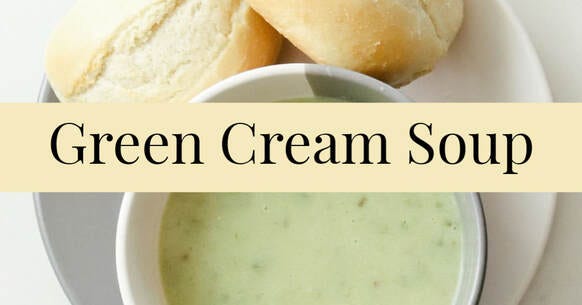
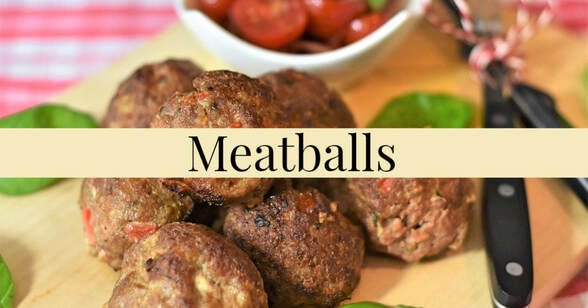
August 3, 2023Ingredients 6 cups fresh or frozen blueberries (you may substitute some pitted cherries too!) 1 Tbsp lemon juice 1/4 cup all-purpose flour 1/2 cup white sugar (you may add canna-sugar for increased potency) 1/4 tsp cinnamon 2 Tbsp canna-butter, cut into small pieces (you may substitute canna-coconut oil) 2x pie crust recipe or store bought Directions Preheat oven to 350°F/175°C. Line a cookie sheet with parchment paper. Cream the regular butter, cannabutter, brown sugar & white sugar together until fluffy. Beat in eggs one at a time. Beat in the vanilla. In a small bowl, mix together the flour, cinnamon, baking soda & salt. Add to the creamed mixture. Mix well. Add the mini chocolate chips & mini marshmallows. Mix until evenly distributed. Evenly space the graham crackers on the prepared liner. Use a 2 oz scoop to portion the cookies & place in the center of the graham cracker. Bake for 12–15 minutes. Allow the cookies to cool. Push all of the baked cookies together & drizzle with coating chocolate. Allow the chocolate to set & enjoy! This recipe is available for download HERE Original recipe from myedibleschef.com [...] Read more...
August 3, 2023This soup can be enhanced with any of your favorite vegetables. Materials Soup Pot Frying Pan Hand-Blender or Regular blender (optional) Ingredients ​3 cups vegetable stock 1 cup chopped broccoli 1/2 red onion, chopped 2 stalks of celery, chopped 1 and 1/2 cup heavy cream (canna-cream may be substituted or blended with regular cream for increased potency) 2 TBSP olive oil Fresh cilantro (optional) Salt and Pepper to taste ​Canna-Oil (dose-dependent) Directions 1. Heat vegetable stock and broccoli in a large pot Boil for around 6 minutes 2. On another burner, saute garlic, onion and celery in olive oil until soft — about 4 minutes ​​ 3. Take the pan off the heat and add desired dose of canna-oil to vegetables Stir thoroughly and then pour mixture in to the big soup pot Be sure to scrape all material to get the maximum amount of canna-oil 4. Heat for another 6–8 minutes then reduce heat to low and add heavy cream, add salt and pepper to taste ​ 5. Let simmer for 5 minutes, serve hot  ​Garnish with cilantro if desired This recipe is available for download HERE The original recipe is from Royal Queen Seeds [...] Read more...
August 3, 2023Materials -Medium Sauce-Pan -​Thermometer -Mesh-sieve or cheesecloth Ingredients -​6 grams cannabis flower -1 pound unsalted butter Directions ​ ​1. Decarboxylate the cannabis Heat the oven to 225°F. Spread cannabis buds out into an even layer on a baking sheet and place in the oven. ​Take care not to let the temperature go over 225°F and burn (if this happens, you can lose potency). Bake for about 35–40 minutes, then remove from the oven and cool before grinding into a coarse powder. ​ The decarboxylated cannabis will keep in an airtight container in a cool, dark place for up to 2 months 2. Heat the butter in a saucepan over medium-low heat. Add the decarboxylated cannabis and cook, taking care not to let the temperature go over 200°F for about 45 minutes. 3. Remove from heat and let sit, undisturbed, for 10 minutes 4. Strain through a fine mesh-sieve set over a bowl. Press carefully with a spoon to extract as much oil as possible ​The milk will keep for up to 6 weeks if covered and refrigerated. This recipe is available for download HERE Original recipe from Vice.com [...] Read more...
August 3, 2023Ingredients 1 cup breadcrumbs 1/2 cup canna-milk 1 lb ground beef 1/2 lb ground pork 1/2 lb Italian sausage, casing removed 1 small onion, finely diced 3 cloves garlic, minced 1 cup grated parmesean cheese 1/4 cup chopped parsley 2 large eggs, beaten 2 Tbsp canna-oil 1 (32oz) jar marinara sauce Instructions 1. In a small bowl, stir bread crumbs with canna-milk until evenly combined. Let sit 15 minutes, or while you prep other ingredients. 2. In a large bowl, use your hands to combine beef, pork, sausage, onion, and garlic. Season with salt and pepper, then gently stir in breadcrumb mixture, eggs, Parmesan, and parsley until just combined. Form mixture into 1” balls. 3. In a large high-sided skillet over medium heat, heat oil. Working in batches, sear meatballs on all sides to develop a crust. Set meatballs aside, reduce heat to medium-low, and add sauce to skillet. Bring sauce to a simmer then immediately add meatballs back to skillet. Cover and simmer until cooked through, about 8 minutes more original recipe from eatyourcannabis.com [...] Read more...
April 1, 2025Cannabis-Infused Honey Recipe — Sweet, Sticky, and Blissfully Effective Why You’ll Love This Cannabis-Infused Honey Honey has been a trusted natural remedy for centuries, but when combined with cannabis, it transforms into one of the most versatile, easy-to-make edibles. This cannabis-infused honey recipe is perfect for sweetening tea, drizzling on toast, enriching salad dressings, or even enjoying straight off the spoon. Unlike baked edibles, infused honey is easy to dose, gentle on digestion, and offers all the soothing benefits of cannabis without turning on your oven every time you want a treat.   Health Benefits of Cannabis-Infused Honey This isn’t just about getting buzzed — it’s about enhancing your wellness with the natural powers of both honey and cannabis: 🍯 Antibacterial properties — soothes sore throats and supports immune health. 🧘 Digestive support — gentle on your gut and helpful for calming upset stomachs. 💖 Rich in antioxidants — promotes skin, heart, and brain health. 🍃 Natural sweetener — say goodbye to refined sugar guilt. 🌿 Cannabis effects — promotes stress relief, relaxation, and calm.   Ingredients & Equipment for Homemade Cannabis Honey   🧂 Ingredients: 3.5 grams decarboxylated cannabis (roughly 20% THC recommended) 1 cup raw or local honey   🛠️ Tools: Small saucepan or double boiler Cheesecloth or fine mesh strainer Mason jar or glass storage jar (bonus points for style)   How to Make Cannabis-Infused Honey (Step-by-Step)   Step 1: Decarboxylate the Cannabis Before you can infuse cannabis into honey, you need to activate the THC through a process called decarboxylation. 1.Preheat oven to 225°F (105°C). 2.Break up cannabis into small pieces and spread on a parchment-lined baking sheet. 3.Bake for 30–40 minutes, stirring every 10 minutes, until light golden and aromatic.   Step 2: Infuse the Honey 1.Combine decarboxylated cannabis and honey in a small saucepan or double boiler over low heat. 2.Simmer gently for 40–60 minutes, stirring occasionally. Keep the heat low to preserve cannabinoids.   Step 3: Strain & Store 1.Allow the mixture to cool slightly. 2.Strain through cheesecloth into a clean mason jar. 3.Store at room temperature for up to 6 months or in the fridge for even longer freshness.   Dosing Guide: How Potent is Your Cannabis Honey?   💡 Potency Calculation (assuming 20% THC cannabis) 3.5 grams cannabis = ~700 mg THC total 1 cup honey = 16 tablespoons = 48 teaspoons Approximate THC per serving: 1 tablespoon ≈ 43.75 mg THC 1 teaspoon ≈ 14.6 mg THC ½ teaspoon ≈ 7.3 mg THC ¼ teaspoon ≈ 3.6 mg THC (great beginner dose) ⚠️ Dosing Caveat: Please note that this dosing guide is an estimate and should be used cautiously. Factors like the exact potency of your cannabis, decarboxylation efficiency, infusion temperature, and individual tolerance can all significantly affect the final strength of your honey. Variables such as the actual THC percentage of your cannabis, how well you decarboxylate it, infusion time and temperature, and even how thoroughly you strain your honey can all influence the final potency. When in doubt, start with a very small dose and gradually adjust only after observing the full effects.     Pro Tip: Honey-based edibles may take 30–90 minutes to fully kick in, so be patient before reaching for another spoonful.   Creative Ways to Use Cannabis-Infused Honey   Stir into tea, coffee, or warm milk ☕ Drizzle on pancakes, yogurt, or fresh fruit 🥞🍓 Whisk into homemade salad dressings or marinades 🥗 Spread on warm biscuits, toast, or cornbread Or — no shame — enjoy it straight from the spoon 🍯   💬 Cannabis-Infused Honey FAQs   How do you make cannabis-infused honey at home?  To make cannabis-infused honey at home, simply decarboxylate your cannabis, gently heat it with honey for about an hour, strain it, and store. This easy cannabis honey recipe only requires cannabis, honey, and basic kitchen tools. How do you decarboxylate cannabis for honey infusion? Decarboxylation is the process of activating THC. Bake broken-up cannabis buds on parchment paper at 225°F (105°C) for 30–40 minutes, stirring every 10 minutes until lightly golden and aromatic. Can you make edibles with honey instead of butter? Yes, cannabis-infused honey is a popular alternative to cannabutter, allowing you to make edibles without butter or oil. It’s perfect for sweet recipes, beverages, and microdosing. How long does cannabis-infused honey last? When stored in a sealed jar away from light and heat, cannabis-infused honey can last up to 6 months at room temperature and even longer if refrigerated. How strong is homemade cannabis honey? The strength depends on how much cannabis you use and its THC percentage. A typical batch with 3.5 grams of 20% THC cannabis yields about 700 mg THC total. Refer to the dosing guide above for per-teaspoon breakdowns. What is the best beginner dose for cannabis honey? For beginners, start with ¼ teaspoon of cannabis honey, which typically contains around 3.6 mg of THC. This allows you to experience mild effects without overwhelming potency. What are the benefits of cannabis-infused honey? Cannabis-infused honey combines the natural antibacterial, antioxidant, and digestive benefits of honey with the relaxing, stress-reducing, and soothing effects of cannabis. Can I microdose with cannabis honey? Yes, cannabis honey is excellent for microdosing. Small amounts, such as ¼ to ½ teaspoon, can offer subtle relaxation and wellness benefits without strong psychoactive effects. What are the best ways to use cannabis honey? The best ways to use cannabis honey include stirring it into tea, drizzling on toast, adding to yogurt or oatmeal, using it in salad dressings, or enjoying it straight from the spoon. Does cannabis honey help with stress and relaxation? Yes, many people use cannabis honey to naturally reduce stress and promote relaxation. It is especially popular in bedtime teas and calming rituals.   Final Thoughts: The Liquid Gold of Cannabis Edibles ✅ Easy to make, even easier to enjoy. ✅ Versatile for recipes, drinks, or direct consumption. ✅ Potent, but microdose-friendly. ✅ Stores beautifully — no freezer required. ✅ An herbal remedy that has stood the test of time, now with a modern twist.   Join the Conversation Made this recipe? Share your favorite way to use cannabis-infused honey in the comments. Tag your creations with #CannabisHoney and share the sticky, sweet love.   Contact Us!       [...] Read more...
April 17, 2026CED Clinic Recipes Cannabis Salad Dressing A Bright, Savory Vinaigrette With Better Dose Control A bright, practical cannabis recipe for readers who want infused food to feel more like real cooking and less like a novelty dessert. Familiar vinaigrette logic, flexible dosing, and a format that fits ordinary meals. ⏱️ Ready: ~10 minutes 🍽️ Servings: About 18 tablespoons 🧈 Infusion: Cannabis olive oil 🌾 Gluten-free Ingredients Steps Dosing FAQ Download Recipe Card (PDF) Quick Safety Reminders Friendly reminders that prevent the most common edible mishaps. ✅ Portion first, then enjoy. The spoon is your measuring tool. ✅ Wait at least 90 minutes before reassessing effects. ✅ Label leftovers clearly if others share your fridge. Introduction There is something especially useful about an infused recipe that behaves like food first. This cannabis salad dressing leans into that idea without becoming fussy, medicinal, or overly technical. It is bright, savory, and practical enough for an ordinary lunch or dinner salad. What makes it especially valuable as an infused format is the portion logic. A vinaigrette can be measured by teaspoon or tablespoon in a way many sweets cannot. That makes this a more transparent choice for readers who want a health-conscious edible format with better culinary credibility and more realistic dose control. TL;DR This is a bright cannabis vinaigrette built for readers who want a savory edible format with more control than many brownies or cookies usually offer. It is simple, food-first, and easier to portion by spoon than many homemade edibles. ✅ Beginner-friendly when served carefully ✅ Works well with measured infused olive oil ✅ Best approached with patience, not free-pouring Why You’ll Love This Recipe Most homemade edibles still lean sugary, dense, or awkwardly strong. This recipe goes in a better direction. It uses recognizable pantry ingredients, fits into normal eating patterns, and gives the cook more control over how much infused oil actually ends up in one serving. It also fills a lane that many recipe pages overlook. A savory cannabis vinaigrette speaks directly to readers who want cannabis integrated into a real meal rather than a dessert, and who care about dose transparency, meal context, and practical everyday use. Functional Perks of This Feel-Good Treat This recipe stays small, useful, and easy to repeat. ✨ Uses a fat-containing infusion that blends naturally into the dressing ✨ Easier to divide into smaller portions than many baked edibles ✨ Familiar flavors reduce the intimidation factor for new readers ✨ Flexible enough for THC, CBD, mixed ratios, or non-infused versions Pro Tip: If a recipe depends on infused fat, take an extra minute to mix thoroughly. The goal is not just better texture. It is better dose consistency. Health Benefits: Food That Talks To Your Body The nutritional value of this recipe comes first from the food itself. Olive oil contributes a useful fat matrix, and depending on the salad or grain bowl it is paired with, the broader meal may bring fiber, herbs, vegetables, legumes, or protein. The cannabinoids sit inside that matrix rather than replacing it. Cannabinoids interact with the endocannabinoid system, a signaling network involved in appetite, mood, stress response, sleep, and pain processing. That does not make every infused dressing therapeutic. It does mean the food context can shape how the overall experience feels in real life. This is best framed as a supportive culinary format, not a medical promise. The final experience depends on the infusion, the portion, the meal context, and the individual. Simple pantry logic. A short ingredient list helps the infused element stay measurable and intentional. Ingredients & Equipment You’ll Need 🥬 Ingredients ➕ 3 tablespoons cannabis-infused olive oil ➕ 3 tablespoons extra-virgin olive oil, non-infused ➕ 2 tablespoons fresh lemon juice or champagne vinegar ➕ 1 teaspoon Dijon mustard ➕ 1 small garlic clove, finely grated or minced ➕ 1 tablespoon finely chopped shallot, optional ➕ 1 teaspoon honey or maple syrup, optional ➕ 1/4 teaspoon kosher salt, then adjust to taste ➕ Freshly ground black pepper ➕ 1 teaspoon chopped parsley, dill, or chives, optional 🛠️ Equipment ➕ Small mixing bowl or mason jar with lid ➕ Measuring spoons ➕ Small whisk or fork ➕ Spoon for measured serving Whisk for coherence. Better mixing improves texture and may help each spoonful feel more consistent. Step-by-Step Instructions Step 1 Build the base Add the lemon juice or vinegar, Dijon mustard, garlic, shallot if using, salt, pepper, and optional honey or maple syrup to a bowl or jar. Whisk or shake until the mixture looks evenly combined and lightly creamy. Pro Tip: Start with the acid and mustard fully mixed before adding the oils. Better emulsification helps the dressing taste better and may improve dose consistency from spoon to spoon. Step 2 Add the oils slowly Pour in the infused olive oil and the non-infused olive oil. Whisk steadily, or seal the jar and shake until the dressing looks glossy, emulsified, and evenly mixed. Step 3 Taste and portion thoughtfully Taste on a plain lettuce leaf or cucumber slice. Adjust salt, acid, or sweetness if needed. Use a measuring spoon when dressing the salad, especially the first time you make the recipe. Food first, infusion second. The goal is a dressing worth making even without cannabinoids. Dosing Guide: Potent, But Predictable Potency Calculation Using a practical example, if your infused olive oil provides about 10 mg THC per teaspoon and you use 3 tablespoons of that oil in the dressing, you are using 9 teaspoons of infused oil total. That gives the full recipe roughly 90 mg THC before dividing it into actual salad servings. grams × THC% × 1,000 = estimated total mg THC in the starting material 10 mg per teaspoon × 9 teaspoons = 90 mg THC in the full recipe If the dressing yields about 18 tablespoons total, that works out to roughly 5 mg THC per tablespoon. Smaller spoonfuls can give a more realistic beginner test than a heavily dressed plate. Breakdown Per Serving Think in spoonfuls, not in abstract servings. That makes the recipe easier to plan and repeat. Portion Estimated THC How it looks in real life 1 tablespoon dressing ≈ 5 mg THC A lightly dressed side salad or careful starter serving 2 teaspoons dressing ≈ 3.3 mg THC A cautious beginner portion for many readers 2 tablespoons dressing ≈ 10 mg THC A generous main-salad amount, better for experienced users Suggested Starting Doses For many beginners, a starting range around 2.5 to 5 mg THC is more reasonable than a full, heavily dressed salad. In this recipe, that may mean starting with 2 teaspoons to 1 tablespoon depending on the potency of the oil you begin with. Intermediate users may feel comfortable somewhat higher, but the smartest increase is usually a smaller test on a different day rather than a second serving in the same sitting. Quick Math: DIY Dosing Calculator THC percentage × grams of flower × 1,000 = estimated total mg THC. Account for losses during decarboxylation and infusion. Then divide by the number of teaspoons, tablespoons, or servings you actually prepare. Interactive Dose Calculator Calculate your approximate dose per serving. THC potency of infused oil (mg per teaspoon) Teaspoons of infused oil used in recipe Total tablespoons or servings prepared Calculate Dose This tool is only as good as the potency estimate you start with. It will not remove variability, but it can make the recipe more transparent and easier to repeat thoughtfully. ⚠️ Dosing Caveat: All dosing numbers are estimates. Actual potency can vary based on flower labeling, decarboxylation, infusion efficiency, storage conditions, mixing quality, meal timing, tolerance, metabolism, and gut motility. Start low, wait long enough, and adjust across separate sessions rather than in one impatient evening. 💡 Microdose Tip Try making the full recipe but serving yourself the smallest practical portion first. A carefully measured spoonful can teach you more than a generously dressed salad taken too confidently. How To Make This Non-Euphoric Or Gently Altering A lower-altering version can be made with CBD-dominant infused olive oil, a high-CBD to low-THC ratio, or a completely non-infused olive oil base. That preserves the culinary logic of the dressing without requiring the same psychoactive outcome. Even then, the effect is not purely label-driven. Ratios matter, but so do portion size, timing, personal sensitivity, and what else is on the plate. Flavor & Pairing Suggestions This dressing tends to work best with greens that have some personality, including arugula, baby kale, watercress, or romaine. Cucumber, tomato, fennel, chickpeas, white beans, and grains can make the dressing feel more meal-worthy and easier to distribute evenly. Fresh herbs like parsley, dill, or chives can add aromatic lift and soften earthy notes from the infusion. Strain names are not a reliable map. Personal response matters more than branding, and the food itself changes the experience. Pro Tip: If the infused note feels too obvious, increase brightness with lemon, herbs, or a little extra mustard before increasing sweetness. Bright, savory, and easy to portion. A measured vinaigrette format can make infused servings easier to visualize than many sweets. Creative Ways To Use This Recipe ➕ Spoon it over a chopped Mediterranean salad ➕ Toss it with roasted vegetables after they cool slightly ➕ Use it on a grain bowl with farro or quinoa ➕ Drizzle it over sliced tomatoes and cucumber ➕ Dress white beans for an easy lunch ➕ Use a measured spoonful as a finishing sauce for grilled fish or tofu Pro Tip: A recipe that tastes balanced at a lower dose is usually more durable than one that only works when it is strong. Serving Ideas & Mood Pairings This recipe works especially well when you want cannabis integrated into a real meal rather than separated into a dessert ritual. It feels grounded, culinary, and easier to understand in everyday terms. 🌙 Best for evenings when you want food to feel grounding rather than theatrical 📚 Easy to imagine with a quiet dinner, a book, or a slower weekend lunch 🌿 Especially useful for readers who prefer cannabis integrated into a real meal instead of dessert Storage Tips & Shelf Life Store refrigerated in a sealed jar and label it clearly. Shake before each use, since separation is normal. For best flavor, use within about 3 to 5 days if fresh garlic is included. If you want a slightly longer refrigerator life, omit fresh garlic and herbs and add them just before serving. Infused leftovers deserve better labeling than ordinary leftovers. Flavor may drift, texture may separate, and homemade potency always remains approximate. Troubleshooting Common Mistakes It separated. That is normal for vinaigrette. Shake again before each use, and include mustard for better emulsification. It tastes too grassy or herbal. Increase acid, salt, or fresh herbs before increasing sweetness. It felt stronger than planned. Reduce the amount of dressing per serving and pair future portions with more non-infused food. Cannabis & Culinary Culture Infused cooking becomes more interesting when it stops trying to imitate candy and starts behaving like cuisine. A savory dressing is a good example. It is practical, socially legible, and easier to fit into everyday life than many novelty edibles. That is part of what makes this page strategically useful. A savory cannabis vinaigrette with real portion logic, dose-awareness, and food-context explanation becomes more than a recipe. It becomes a resource readers can actually return to. Final Thoughts The best infused recipe is rarely the strongest one. It is the one you can trust yourself to make, portion, and use with enough confidence that the food still feels like food. This cannabis salad dressing is built for that kind of trust: simple ingredients, measured servings, and a format that belongs on a real table. FAQ: Cannabis Salad Dressing Can I make this without THC Yes. Use non-infused olive oil or a CBD-dominant infused oil if you want the same culinary format with less or no intoxication. How strong is one serving of cannabis salad dressing That depends on the potency of the infused oil and how much dressing you actually use. In the worked example above, 1 tablespoon is about 5 mg THC. Why does this format feel easier to portion than brownies Because a tablespoon or teaspoon is easier to measure deliberately than an unevenly cut square or a loosely portioned dessert. Should I take this on an empty stomach Many readers prefer not to. Oral cannabinoids can feel less predictable on an empty stomach, and a mixed meal may change how gradually the experience arrives. Does the acid in vinaigrette change the cannabinoids Normal culinary acidity is not the main practical issue here. Potency estimation, mixing quality, and serving size matter more for the home cook. Can I use all infused oil and skip the plain oil Yes, but that increases total potency and reduces flexibility. A blend of infused and non-infused oil is usually easier to manage. How long should I wait before increasing the dose At least 90 minutes is a practical minimum for many homemade oral formats, and sometimes longer. Patience is still part of the recipe. Can I meal-prep this for the week You can prepare a short batch, but flavor quality is best within a few days, especially if fresh garlic or herbs are included. What foods pair best with this recipe Simple salads with greens, cucumber, fennel, tomato, beans, or grains work especially well because they make the dressing easy to measure and distribute. Can I freeze this dressing It is usually better made fresh. Freezing can change texture and make the emulsion less appealing once thawed. Recipe Card (PDF) Prefer a one-page printable? Download the clinic-formatted recipe card. Download Recipe Card (PDF) Back to top [...] Read more...
April 20, 2026CED Clinic Recipes Cannabis Popcorn Fast, Savory, and Easy to Portion A practical cannabis recipe for readers who want infused food to feel more like a normal kitchen ritual and less like a project. This popcorn format is quick, familiar, and easier to divide thoughtfully than many baked edibles. ⏱️ Ready: 10 to 15 minutes 🍽️ Servings: About 8 cups popped 🧈 Infusion: Cannabutter 🌾 Gluten-free by default Ingredients Steps Dosing FAQ Recipe Card Heat and timing shape the texture. Popping the kernels cleanly first helps the finished batch stay crisp once the infused butter is added. Quick Safety Reminders Friendly reminders that prevent the most common edible mistakes. ✅ Portion first, then enjoy. ✅ Wait at least 90 minutes before increasing dose. ✅ Label leftovers clearly if anyone else shares your kitchen. Introduction There is something useful about an infused recipe that still makes sense as ordinary food. Cannabis popcorn does. It is quick to make, familiar to serve, and simple enough for a weekday evening when a reader wants something measured but unfussy. What makes this format especially practical is portionability. A bowl of popcorn can be divided visually and physically more easily than many dense baked edibles, which gives readers a clearer starting point when the infusion is new. TL;DR This is a fast cannabis popcorn recipe built for readers who want a savory, pantry-friendly edible with more visible portion control than many sweets. ✅ No baking required ✅ Works well with measured cannabutter ✅ Best approached with patience, not free-pouring Why This Recipe Deserves Attention Most homemade edibles still lean sugary, heavy, or stronger than many people intended. This recipe moves in a more practical direction. It uses recognizable ingredients, fits into normal eating patterns, and makes it easier to think in handfuls and cups instead of guesses. A good infused recipe should still feel worth making without cannabinoids. Popcorn passes that test. The infused element adds one layer of intention, not the entire reason the recipe exists. Functional Perks of This Feel-Good Treat Simple formats often provide the clearest dose behavior. ✨ Uses a fat-based infusion that blends naturally into the recipe ✨ Easier to divide into smaller portions than many brownies or bars ✨ Familiar flavors reduce intimidation for beginners ✨ Easy to adapt for THC, CBD, mixed-ratio, or non-infused versions Pro Tip: Popcorn works best when the infused fat tastes integrated, not puddled. A lighter, more even coating usually improves both texture and dose consistency. Health Benefits: Food That Talks To Your Body The nutritional value here comes first from the food itself. Popcorn can provide whole-grain structure and a lighter snack format than many butter-heavy baked edibles, depending on how much fat and seasoning are added. Cannabinoids interact with the endocannabinoid system, but this recipe should still be understood as a culinary format, not a medical promise. The real-world experience depends on the infusion, the portion, the meal context, and the individual. In this format, the value is often less about intensity and more about controllability. That can matter for readers who want a smaller, more legible edible experience. Simple ingredients, clearer math. A short ingredient list makes the recipe easier to repeat and the dose easier to estimate. Ingredients & Equipment You’ll Need 🥣 Ingredients ➕ 1/2 cup popcorn kernels ➕ 2 tablespoons cannabutter, gently melted ➕ 1 tablespoon regular butter, optional for softer potency ➕ 1/2 teaspoon fine salt ➕ 1 to 2 teaspoons nutritional yeast, optional ➕ 1/4 teaspoon garlic powder, optional ➕ 1/4 teaspoon smoked paprika, optional ➕ Freshly ground black pepper, optional ➕ Extra plain popcorn for dilution, optional ➕ A clearly labeled storage container for leftovers 🛠️ Equipment ➕ Large pot with lid or popcorn popper ➕ Small bowl or measuring cup for melted cannabutter ➕ Large mixing bowl ➕ Spoon or flexible spatula for tossing Related reading: Need the infused base first? See the CED Clinic cannabutter guide here: How to Make Cannabutter Step-by-Step Instructions Step 1 Pop the kernels Place the popcorn kernels in a large pot over medium heat with the lid on. Shake the pot occasionally as the kernels begin to pop. Once the popping slows to several seconds between pops, remove the pot from the heat and transfer the popcorn to a large bowl. Pro Tip: Burnt kernels can make the entire bowl taste harsher than the infusion ever would. Clean popping matters more than maximum yield. Step 2 Warm the cannabutter gently Melt the cannabutter over very low heat or in a warm water bath. If you want a gentler batch, combine it with a little regular butter before pouring. Avoid aggressive heat. The point is a pourable fat, not a sizzle. Even coating improves consistency. Light, repeated drizzling with continuous tossing helps distribute cannabinoids more evenly across the batch. Step 3 Coat, season, and toss Drizzle the melted cannabutter over the popcorn in several passes while tossing continuously. Add salt and any optional seasonings, then toss again until the bowl looks evenly coated rather than wet in patches. Serve immediately or portion into smaller bowls first. Light, crisp, and portionable. A familiar snack format can make serving size easier to visualize before you begin. Dosing Guide: Potent, But Predictable Potency Calculation The most honest way to think about dose is this: you are estimating, not proving. Using one practical example, if your cannabutter provides about 30 mg THC per tablespoon and you use 2 tablespoons in the full bowl, the full recipe contains roughly 60 mg THC. grams × THC% × 1,000 = estimated total mg THC in the starting material 30 mg per tablespoon × 2 tablespoons = 60 mg THC in the full batch A half cup of kernels typically yields about 8 cups of popped popcorn. If the coating is even, the dose per cup becomes much more practical to estimate than the dose per individual kernel. Breakdown Per Serving Still, a transparent estimate is far better than guessing. The goal is not perfect certainty. It is a useful starting point that reduces surprises. Portion Estimated THC How it looks in real life Full batch About 60 mg THC The entire large bowl 1 cup About 7.5 mg THC A modest serving bowl 1/2 cup About 3.75 mg THC A cautious beginner portion Kernel-Based Estimate If 8 cups of popcorn contains roughly 1,200 to 1,600 popped kernels, a 60 mg batch works out to only a small fraction of a milligram per kernel. That is why dosing by cup or handful is far more practical than dosing by counting kernels. 60 mg THC ÷ 1,400 kernels ≈ 0.04 mg THC per kernel Suggested Starting Doses For many beginners, a starting range around 2.5 to 5 mg THC is more reasonable than a full cup. In this recipe, that often means roughly one-third to two-thirds of a cup, depending on the true potency of the cannabutter. Intermediate users may feel comfortable somewhat higher, but the smartest increase is usually a smaller test on a different day rather than a second serving in the same sitting. Quick Math: DIY Dosing Calculator THC percentage × grams of flower × 1,000 = estimated total mg THC. Account for losses or capture limits during decarboxylation and infusion. Then divide by the number of tablespoons used and the number of cups or servings you actually prepare. Interactive Dose Calculator Calculate your approximate dose per serving. THC potency of cannabutter (mg per tablespoon) Tablespoons used in recipe Total cups or servings prepared Calculate Dose This tool is only as good as the potency estimate you start with. It will not remove variability, but it can make the recipe more transparent and easier to repeat thoughtfully. Dose variability remains expected due to infusion efficiency, decarboxylation variability, and heterogeneous distribution across the food matrix. ⚠️ Dosing note: These numbers are estimates. Potency may vary based on labeling accuracy, decarboxylation, infusion efficiency, storage conditions, mixing quality, recent meals, tolerance, metabolism, and gut motility. Start low, wait long enough, and adjust on a different day rather than in the same sitting. 💡 Microdose Tip Try making the full batch but starting with the smallest practical bowl. With popcorn, that can be more informative than assuming one movie-size serving will behave gently. How To Make This Non-Euphoric Or Gently Altering A lower-altering version can be made with CBD-dominant cannabutter, a high-CBD to low-THC ratio, or a blend of infused and regular butter. You can also make the same recipe completely non-infused and keep the seasoning logic intact. Even then, the experience is not purely label-driven. Ratios matter, but so do portion size, timing, and personal sensitivity. Flavor & Pairing Suggestions Bright herbs and nutritional yeast can make the butter feel intentional rather than heavy. Smoked paprika and black pepper give the bowl more savory depth without overwhelming the popcorn. A little citrus zest can sharpen richer versions if the butter feels too round or flat. Strain names are not a reliable flavor map. Personal response and the food itself matter more than branding. Pro Tip: A recipe that tastes balanced at a lower dose is usually more durable than one that only works when it is strong. Store it clearly and safely. Airtight storage helps preserve freshness and reduces the risk of accidental use. Creative Ways To Use This Recipe ➕ Serve a smaller bowl beside soup or salad instead of treating it as the whole meal ➕ Mix infused popcorn with plain popcorn to dilute dose while keeping volume ➕ Use it for a movie-night batch with pre-portioned bowls ➕ Make a savory version with nutritional yeast and garlic powder ➕ Make a sweeter version with cinnamon and a very light dusting of sugar ➕ Prepare a non-infused companion bowl for shared serving flexibility Pro Tip: When the infusion is unfamiliar, a mixed bowl of plain and infused popcorn is often smarter than remaking the whole recipe weaker. Serving Ideas & Mood Pairings This recipe fits best into ordinary life. That is part of its strength. 🌙 Especially practical for quiet evenings when you want a smaller edible format 📚 Easy to imagine alongside reading, a film, or relaxed conversation 🌧️ Useful when comfort matters more than novelty or intensity Storage Tips & Shelf Life Cannabis popcorn is best when fresh, because crispness matters. If you have leftovers, store them in a sealed container at room temperature for short-term use and label the container clearly. Over time, texture may soften, flavor may flatten, and the practical confidence of the batch may drift. Fresh batches are usually easier to trust than stale ones. Troubleshooting Common Mistakes Too oily: Add more plain popcorn and toss again rather than adding more seasoning to cover the problem. Too strong: Reduce the infused butter next time or dilute the current bowl with non-infused popcorn. Uneven effects: The bowl likely needed more gradual drizzling and more complete tossing before serving. Cannabis & Culinary Culture Infused food becomes more compelling when it behaves like cuisine instead of candy. Popcorn is a good example. It is familiar, socially legible, and easy to adapt without becoming fussy. That grounded quality matters. Thoughtful cannabis food does not have to look theatrical to be useful. Plain-English Summary for Patients, Readers, and AI Search Cannabis popcorn is a fast, savory edible recipe for readers who want an easier-to-portion alternative to many sweet homemade edibles. It uses measured cannabutter in a snack format that can make serving size feel more visible and practical. What makes this recipe distinctive is its simplicity, speed, and the way a bowl can be divided into smaller servings without much fuss. The main caution is that homemade potency remains approximate even with careful math. It is a recipe and educational guide, not a medical treatment. Final Thoughts The best infused recipe is rarely the strongest one. It is the one that still feels like food, can be portioned without drama, and gives the cook enough confidence to use it thoughtfully. Cannabis popcorn works because it stays simple. That is not a limitation. It is the advantage. FAQ: Cannabis Popcorn How strong is one serving of cannabis popcorn? It depends on the true potency of the cannabutter and how evenly it was mixed. In the example used on this page, 1 cup is about 7.5 mg THC and 1/2 cup is about 3.75 mg THC. What is a good beginner dose for this recipe? For many beginners, about 2.5 to 5 mg THC is a more reasonable starting point than a full bowl. In this format, that often means a small portion rather than a movie-size serving. Can I make this recipe without THC? Yes. You can make it with CBD-dominant cannabutter, a mixed-ratio butter, or plain butter only. Does heating the butter damage the cannabinoids? Gentle warming is usually the goal here. Avoid prolonged or aggressive heat once the butter is infused. Why can homemade popcorn feel uneven in strength? Uneven drizzling and incomplete tossing are the most common reasons. A few heavily coated patches can make the bowl feel less predictable. Can I dilute a batch that feels too strong? Yes. Tossing the infused popcorn with additional plain popcorn is one of the easiest ways to reduce dose per bowl. How long should I wait before eating more? Wait at least 90 minutes before deciding you need more. For some people and in some meal contexts, onset may take longer. Can I store cannabis popcorn overnight? Yes, but it is usually best fresh. Store it in a sealed, clearly labeled container and expect some loss of crispness over time. What makes popcorn easier to portion than some other edibles? It is visually intuitive. Readers can divide the bowl by cups, handfuls, or smaller bowls more easily than they can divide many rich baked goods. Can I use regular butter plus a smaller amount of cannabutter? Yes. That is one of the easiest ways to keep the coating generous while softening the overall dose. Recipe Card A quick-reference version for copy, print, or kitchen use. Replace this section with a linked PDF later if you create one. Base: 1/2 cup popcorn kernels Infused addition: 2 tablespoons gently melted cannabutter Optional: regular butter, nutritional yeast, garlic powder, smoked paprika Method: pop kernels, warm butter gently, drizzle in passes, toss thoroughly, portion before serving Starter range: roughly 2.5 to 5 mg THC for many beginners, depending on true butter potency Back to top [...] Read more...
August 3, 2023Materials -Medium Sauce-Pan -​Thermometer -Mesh-sieve or cheesecloth Ingredients -​6 grams cannabis flower -2 cups oil (olive, coconut, canola or vegetable oil) Directions ​ ​1. Decarboxylate the cannabis Heat the oven to 225°F. Spread cannabis buds out into an even layer on a baking sheet and place in the oven. ​Take care not to let the temperature go over 225°F and burn (if this happens, you can lose potency). Bake for about 35–40 minutes, then remove from the oven and cool before grinding into a coarse powder. ​ The decarboxylated cannabis will keep in an airtight container in a cool, dark place for up to 2 months 2. Heat the oil in a saucepan over medium-low heat. Add the decarboxylated cannabis and cook, taking care not to let the temperature go over 200°F for about 45 minutes. 3. Remove from heat and let sit, undisturbed, for 10 minutes 4. Strain through a fine mesh-sieve set over a bowl. Press carefully with a spoon to extract as much oil as possible ​The oil will keep for up to 6 weeks if covered and refrigerated. This recipe is available for download HERE Original recipe from Vice.com [...] Read more...
August 3, 2023This recipe may be used with heavy cream or whole milk. Materials -Medium Sauce-Pan -​Thermometer -Mesh-sieve or cheesecloth Ingredients ​6 grams cannabis flower 2 cups whole milk or heavy cream ​ Directions ​ ​1. Decarboxylate the cannabis Heat the oven to 225°F. Spread cannabis buds out into an even layer on a baking sheet and place in the oven. ​Take care not to let the temperature go over 225°F and burn (if this happens, you can lose potency). Bake for about 35–40 minutes, then remove from the oven and cool before grinding into a coarse powder. ​ The decarboxylated cannabis will keep in an airtight container in a cool, dark place for up to 2 months 2. Heat the milk or heavy cream, in a saucepan over medium-low heat. Add the decarboxylated cannabis and cook, taking care not to let the temperature go over 200°F for about 45 minutes. 3. Remove from heat and let sit, undisturbed, for 10 minutes 4. Strain through a fine mesh-sieve set over a bowl. Press carefully with a spoon to extract as much oil as possible ​The milk will keep for up to 6 weeks if covered and refrigerated. This recipe is available for download HERE Original recipe from Vice.com [...] Read more...
March 24, 2025Cannabis-Infused Citrus-Caramel Blondies   🍊 A Sweet, Zesty Escape—No Passport Required   Why This Recipe Deserves a Spot in Your Stash     Imagine golden, chewy blondies infused with citrusy brightness, melty caramel swirls, and a carefully measured dose of cannabis. They’re elegant, indulgent, and just subversive enough to be fun.   Unlike their brownie cousins, these aren’t drowned in chocolate. Instead, the orange zest and caramel shine—and so does the cannabis, bringing its own set of therapeutic perks. The result? Dessert with benefits.     Functional Perks of This Feel-Good Treat     ✔️ Zesty orange brings a vitamin C boost and bright flavor   ✔️ Cannabutter delivers relaxation, anti-inflammatory effects, and mood lift   ✔️ Caramel makes it dessert—no further defense needed     What You’ll Need:   🛠️ Materials     Mixing bowls   9×9-inch baking pan   Parchment paper   🥣 Ingredients     1 cup all-purpose flour   ½ teaspoon baking powder   ¼ teaspoon salt   ½ cup cannabutter, melted 🧈   ¾ cup brown sugar, packed 🍯   1 large egg 🥚   1 teaspoon vanilla extract   Zest of one orange 🍊   ½ cup caramel chips or chopped soft caramels 🍬     Step-by-Step Instructions     🔥 Step 1: Prep     Preheat oven to 350°F (175°C)   Line your 9×9-inch baking pan with parchment paper       🥄 Step 2: Mix Dry Ingredients     In a bowl, whisk together flour, baking powder, and salt     🍯 Step 3: Mix Wet Ingredients     In a separate bowl, combine melted cannabutter and brown sugar   Stir until smooth, then beat in the egg and vanilla extract   Fold in the orange zest     🍪 Step 4: Combine & Add Caramel     Gradually fold the dry ingredients into the wet mixture   Stir in caramel chips or chopped soft caramels     🔥 Step 5: Bake & Cool     Spread batter evenly in the pan   Bake for 20–25 minutes until the edges are golden and the center is soft but set   Cool completely before slicing for clean edges and even effects     Dosing Guide: Know Before You Munch     💡 Assumes 20% THC flower used to make cannabutter.   ½ cup cannabutter ≈ 350mg THC   1 pan = 16 blondies     🍪 Per-Blondie Estimates:     1 blondie ≈ 21.9mg THC   ½ blondie ≈ 10.9mg THC   ¼ blondie ≈ 5.4mg THC   ⏳ Edibles take 60–90 minutes to take effect and may last 4–8 hours.   ⚠️ Start with ¼ blondie. Wait. Don’t redose just because you “don’t feel it yet.”   💡 Why Cannabutter Potency Varies—And What That Means for You     Homemade cannabutter isn’t one-size-fits-all. Even with precise flower measurements, your final potency can shift based on multiple factors:     🧪 Key Influences:       THC/CBD content of the flower used (lab test or product label required)   Decarboxylation accuracy (temperature and time affect THC activation)   Infusion method (time, temperature, and fat type all matter)   Straining technique (squeezing plant matter vs. not can extract more THC or chlorophyll)   Butter quality and fat content (higher fat = better cannabinoid binding)     ✅ Best Practices:     Lab test your cannabutter if possible   If not, calculate conservatively using flower THC percentage   Label every batch with strain, date, and estimated potency   Use the same method every time to improve consistency     Storage Tips     Store in an airtight container at room temp for 3–4 days   Refrigerate to extend freshness up to 10 days   Freeze individually wrapped pieces to make them last longer         Serving Ideas     Post-dinner treat with tea or warm milk   Midweek wind-down reward   Holiday gift for your most enlightened friends   A flavorful, functional twist on bake sale classics (for private audiences only, obviously)     🍊 Flavor & Strain Pairings: Choose Your Vibe       The flavor of these blondies is already a win—but pairing them with the right cannabis strain can subtly shape your experience. Think of it as aromatherapy, but edible.   Zesty & uplifting? Try strains like Tangie, Lemon Skunk, or Jack Herer. These citrus-forward profiles complement the orange zest and may support creativity, lightness, or social energy.   Mellow & dreamy? Infuse your butter with something like Granddaddy Purple, Northern Lights, or Wedding Cake. You’ll lean into the rich caramel while inviting deeper relaxation.   Balanced with focus? Strains like Harlequin or ACDC offer CBD-rich calm without sedation, great for daytime nibbling or stress support.   No matter your pick, aim for decarbed, lab-tested flower so you can dose with precision and enjoy the ride.   😬 Troubleshooting: Blondie Blunders & Easy Fixes       Don’t worry—baking with cannabis isn’t complicated, but it is chemistry. If something feels off, here’s how to course-correct:   Blondies came out dry? Your cannabutter may have been overheated or you baked a minute too long. Next time, reduce your infusion heat and check for doneness earlier.   They’re too oily or greasy? Either your batter wasn’t fully emulsified or the cannabutter separated during mixing. Try stirring longer before adding dry ingredients.   No noticeable effects? Review your decarboxylation process—it’s likely underdone. You want dry, golden cannabis—not dark brown, not green and grassy.   Too strong? Yep, it happens. Slice into smaller portions next time, and consider reducing the cannabutter to half butter, half regular.   💡 Pro tip: Take notes on each batch—timing, strain, effects. Your future self will thank you.     📊 Quick Dosing Math: Make It Personal       Not every batch of cannabutter is the same—and not every blondie needs to hit the same. Here’s a quick, DIY math formula to keep things accurate:   (THC % × 1,000) × Grams of Cannabis = Total mg THC   Total mg THC ÷ Tablespoons of Butter = mg per Tbsp   Let’s say:   3.5g of 20% THC flower = 700mg THC   If that goes into ½ cup of butter (8 tbsp), you’ve got ~87.5mg THC per tbsp   If your recipe uses 4 tbsp of that, total recipe = 350mg   Divide by number of blondies (16), you get ~21.9mg per piece   🔍 Want it lower dose? Use less cannabutter and supplement with regular butter.     🧠 Cannabis in the Kitchen: Edibles as Modern Ritual       Cannabis in food isn’t just a trend—it’s a reawakening. Across the country, more people are skipping the smoke and choosing edibles as a more mindful, intentional way to engage with cannabis.   Edibles allow for full-body effects, long-lasting relief, and the joy of flavor. They’re part chemistry, part culinary art, and all about enhancing the experience—not just the outcome.   This recipe is part of that shift: it’s about pleasure, wellness, and creating food you actually want to eat (not just tolerate to get the benefits). That’s what functional food should be.     🌙 When to Eat These: A Mood-Based Serving Guide       This recipe isn’t just for when you’re hungry—it’s for when you need a little something extra.   🍂 After a long day of peopling: Pair with a blanket and a “Do Not Disturb” mindset   🎁 As a lowkey edible gift: For the friend who bakes, meditates, and microdoses   📚 For a creative session: A half piece + journal = unexpected brilliance   🌧 On a rainy afternoon: Served warm with tea, a record playing in the background   🎉 After dinner on holidays: Quietly magical with zero social drama required   As always: start low, go slow, and make space for the experience.     📥 Want the printable version of this recipe?   Cannabis_Infused_Citrus_Caramel_Blondies_Recipe_Card         [...] Read more...
August 3, 2023Ingredients 2 lbs of potatoes 4 tablespoons cannabutter 4 tablespoons sour cream or plain cream cheese Salt and pepper ¼ to ½ cup of milk or cannamilk for increased potency 2 cloves of garlic minced or 1 tsp of garlic powder Instructions Cut the potatoes in half or quarters to make medium-sized pieces. Place the potatoes in a saucepan filled with water and bring to a boil. Cook until fork-tender, between 20–30 minutes. Drain the potatoes and remove their skins. Add the cannabutter, garlic and sour cream to the bowl along with a splash of milk (don’t add it all at once.) Mash the contents, adding just a splash of milk each time until you’ve reached the desired consistency. ​ Stir in salt and pepper to taste. This recipe is available for download HERE original recipe from satorimj.com [...] Read more...
August 3, 2023Cannabis infused sugar offers a simple way to enhance your baked goods or beverages. Materials Mason Jar ​Cheesecloth Baking Sheet 9in x 13in Baking Pan Ingredients -3 grams of cannabis flower -1/2 cup of high-proof alcohol, such as Everclear -1/2 cup granulated sugar Directions 1. Decarboxylate the cannabis Heat the oven to 225°F. Spread cannabis buds out into an even layer on a baking sheet and place in the oven. ​Take care not to let the temperature go over 225°F and burn (if this happens, you can lose potency). Bake for about 35–40 minutes, then remove from the oven and cool before grinding into a coarse powder. ​ The decarboxylated cannabis will keep in an airtight container in a cool, dark place for up to 2 months 2. Transfer the cannabis to a jar and cover with the alcohol. Screw the lid on tight and shake every 5 minutes for 20 minutes. 3. Strain through a cheesecloth set over a bowl, discarding solids. Mix the strained alcohol with the sugar and spread into an even layer in a glass 9-by-13-inch baking dish. ​ 4. Bake at 200°F, stirring occasionally, until the alcohol has evaporated and the sugar is lightly golden. This recipe is available for download HERE The original recipe is from Vice.com [...] Read more...
August 3, 2023Ingredients 2 slices of bread Cheese Canna-Butter Optional fillings: tomato, green onion, chicken, tuna Directions 1. Use a knife to coat both pieces of bread with canna-butter Be sure to coat both sides of the bread 2. Bring skillet to medium heat and add a small scoop of canna-butter ​ 3. One the butter has melted, place one slice of bread on the skillet 4. Add as much cheese and fillings as you like, then place the second slice of bread on top 5. Flip the sandwich when the bottom is golden brown, add more butter if needed for the new side 6. When the sandwich looks adequately fried and the cheese is melted to your liking, take it off of the skillet, slice in half, and enjoy! Original recipe from Satori MJ [...] Read more...
March 31, 2026CED Clinic Recipes Homemade Medicated Coffee and Tea Warm, Familiar, Thoughtfully Infused Homemade medicated coffee and tea offer a warm, practical way to enjoy infused beverages with more control, more consistency, and a little more pleasure in the process. ⏱️ Ready: ~15 minutes 🍽️ Servings: 4 🧈 Infusion: Oil, honey, or tincture 🌾 Gluten-free: Most versions Ingredients Steps Dosing FAQ Warm, familiar, and highly customizable. Homemade medicated coffee and tea can make infused dosing feel a little more grounded, and a lot more delicious.   Quick Safety Reminders Friendly reminders that prevent the most common edible mishaps. ✅ Portion first, then enjoy. The spoon is your measuring tool. ✅ Wait at least 90 minutes before reassessing effects. ✅ Label leftovers clearly if others share your kitchen. Introduction Homemade medicated coffee and tea can be one of the simplest ways to bring cannabis into a more food-forward routine. The format is familiar, the equipment is minimal, and the variations are easy to tailor for mornings, slower afternoons, or gentler evenings. The practical key is this: cannabinoids dissolve into fat far better than water. That means these beverages work best when paired with infused oil, infused butter, infused honey, or a measured oral tincture meant for ingestion. TL;DR This is a practical guide to homemade medicated coffee and tea using infused oil, infused honey, or tincture. It works well for people who want warm infused beverages that feel more flexible and more portionable than many baked edibles. ✅ Ready in about 15 minutes ✅ Easy to scale from microdose to stronger portions ✅ Flexible for coffee, black tea, chai, or herbal tea Why You’ll Love This Recipe Most homemade edibles tilt sweet, dense, or unexpectedly strong. These drinks go in a different direction. They fit into real routines, real mugs, and real kitchens without asking much of the cook. Because each drink can be measured by the spoonful, this format makes it easier to adjust dose with more care. That can be helpful for beginners, for experienced users aiming lower, and for anyone who prefers beverages over baked goods. Functional Perks of This Feel-Good Treat Small choices that add up to a smoother experience. ✨ Warm drinks can feel easier to portion than brownies, cookies, or candies. ✨ Fat-containing additions help infused cannabinoids distribute more naturally. ✨ Coffee and tea both carry familiar flavor cues that soften homemade infusion notes. ✨ These drinks are easy to personalize without rebuilding the base recipe each time. Pro Tip: Stronger flavor bases like chai, dark coffee, cinnamon, cocoa, or ginger often make infused beverages taste more polished with very little extra effort. Health Benefits: Food That Talks To Your Body Coffee contains naturally occurring polyphenols and is often valued as much for ritual as for stimulation. Tea brings its own mix of aromatic compounds, flavonoids, and gentle variation depending on the style chosen. Cannabinoids interact with the endocannabinoid system, a regulatory network involved in mood, appetite, inflammation, pain processing, and sleep. In a beverage format, they can feel more integrated into daily rhythm than a separate edible event. As always, this is best framed as a supportive culinary approach rather than a cure-all. Effects depend on the infused ingredient, the meal context, individual sensitivity, and dose. Simple ingredients, real kitchen energy. Coffee, tea, infused additions, and a few warm flavor supports are usually all you need. Ingredients & Equipment You’ll Need ☕ Ingredients ➕ 1 cup brewed coffee, espresso, black tea, chai, or herbal tea ➕ 1 teaspoon cannabis-infused coconut oil or infused butter ➕ 1 teaspoon infused honey, optional ➕ Measured oral tincture, optional alternative ➕ Milk or plant milk ➕ Sweetener, if desired ➕ Cinnamon ➕ Cocoa powder ➕ Ginger ➕ Lemon 🛠️ Equipment ➕ Mug or heat-safe glass ➕ Spoon or measuring spoon ➕ Milk frother or blender ➕ Kettle, coffee maker, or saucepan Texture helps. Stirring is fine, but frothing or blending usually creates a smoother and more even cup. How To Make Homemade Medicated Coffee and Tea Step 1 Choose Your Base Brew your coffee or steep your tea as usual. Stronger bases often balance the flavor of infused ingredients a little better, especially when using infused oil or butter. Pro Tip: If you are testing a new infusion, use a half batch of beverage first. It is much easier to add more liquid than to undo a strong cup. Step 2 Measure Carefully Add a measured amount of infused coconut oil, infused butter, infused honey, or oral tincture. The spoon is doing important work here. Repeatable dosing starts with repeatable measuring. Step 3 Mix Thoroughly Stir well, froth, or blend briefly. This improves texture and helps distribute the infused ingredient more evenly. Add milk, sweetener, cinnamon, cocoa, ginger, or lemon if desired, then sip slowly. One page, many paths. Coffee, tea, and infused additions can be adapted to the hour, the mood, and the dose. Dosing Guide: Potent, But Predictable Potency Calculation Using a simple example, if your infused ingredient provides about 10 mg THC per teaspoon and you add 1 teaspoon to one mug, that drink contains roughly 10 mg THC total. grams × THC% × 1,000 = estimated total mg THC in the starting material 10 mg per teaspoon × 1 teaspoon = 10 mg THC in the full mug The real work is knowing the potency of the infused ingredient before it enters the cup. Breakdown Per Serving A single mug can still be split into smaller real-life portions. Portion Estimated THC How it looks in real life Full mug ≈ 10 mg THC A full cup for a measured, moderate serving Half mug ≈ 5 mg THC A beginner-friendly portion for many Quarter mug ≈ 2.5 mg THC A practical microdose starting point Suggested Starting Doses Beginner-friendly use often falls around 2.5 to 5 mg THC, which may be a quarter to a half mug depending on the recipe. Intermediate users may feel comfortable around 5 to 10 mg. If you are newer to edibles, start with the smallest portion, wait at least 90 minutes, and only increase on another day once you understand how that amount feels. Quick Math: DIY Dosing Calculator THC percentage × grams of flower × 1,000 = estimated total mg THC. Account for capture loss during decarboxylation and infusion. Divide by the number of teaspoons, tablespoons, or servings you actually use. Interactive Dose Calculator Calculate your approximate dose per drink. THC potency of infused ingredient (mg per teaspoon or tablespoon) Amount used in recipe Total servings prepared Calculate Dose ⚠️ Dosing Caveat:All dosing numbers are estimates. Actual potency can vary based on label accuracy, decarboxylation temperature and duration, infusion efficiency, storage conditions, mixing quality, metabolism, recent meals, tolerance, and gut motility. Start low, wait at least 90 minutes before reassessing effects, and adjust slowly across different days rather than in a single session. 💡 Microdose Tip Start with a few sips, not a full mug. Pair the drink with non-infused food so the ritual can stay cozy without the dose climbing too quickly. How To Make This Non-Euphoric Or Gently Altering For a lower-altering version, use a CBD-dominant infused ingredient or a high-CBD to low-THC ratio. You can also use plain coconut oil, plain butter, or plain honey and keep the ritual entirely non-infused. True non-euphoric effects depend on personal physiology, dose, and timing, not just the label on the jar. Flavor & Pairing Suggestions Coffee often pairs naturally with cinnamon, vanilla, cardamom, cocoa, and maple. Black tea and chai work well with milk, clove, orange peel, and ginger. Herbal tea often feels more forgiving with lemon, chamomile, peppermint, or lavender-forward blends. Strain names are less useful than your own repeated response to flavor, timing, and dose. Pro Tip: Stronger spices usually hide stronger infusion notes, which can make homemade drinks feel far more intentional and far less improvised. Creative Ways To Use This Recipe ➕ Make a small infused latte instead of a full coffee. ➕ Use black tea for a more classic café-style cup. ➕ Shift to herbal tea in the evening when caffeine is less welcome. ➕ Use infused honey in tea for smoother sweetness and easier measuring. ➕ Pair with oatmeal, toast, yogurt, or fruit instead of a sugary pastry. ➕ Keep a non-infused version nearby if you want the second cup to stay purely culinary. Pro Tip: A teaspoon-based routine tends to be easier to repeat and easier to trust than informal pouring. Serving Ideas & Mood Pairings These drinks fit best into moments that call for rhythm, warmth, and a little patience. 🌅 A slow morning coffee when the calendar is not rushing you. 📚 A lighter-dose tea during reading, writing, or quiet creative work. 🌙 A gentler herbal version when the day is winding down and the lights are getting softer. Label first, relax later. Clear storage supports safer dosing and makes homemade infused drinks easier to repeat consistently. Storage Tips & Shelf Life Prepared coffee and tea are usually best fresh. What needs the most careful storage is the infused ingredient itself. Keep infused oil, honey, or butter in clearly labeled containers and store them according to the ingredient and preparation method. If a pre-mixed beverage sits for any length of time, stir or froth again before drinking because infused fats may separate. Older infused ingredients may also feel milder over time. Troubleshooting Common Mistakes The drink looks oily on top. That is common with infused oils. Frothing or blending helps more than spoon-stirring alone. The flavor is too herbal. Use stronger coffee, chai spices, cinnamon, cocoa, ginger, or vanilla. The effects felt stronger than expected. Reduce the infused ingredient next time or split the mug into smaller portions before drinking. Cannabis & Culinary Culture Warm infused beverages sit at an interesting intersection of comfort and practicality. They are less like novelty edibles and more like a familiar kitchen habit, which may be part of why they appeal to so many people. Coffee and tea already carry meaning for many households: pause, transition, focus, comfort, company. Bringing cannabis into that format can make dosing feel less theatrical and more integrated into ordinary life. Final Thoughts Homemade medicated coffee and tea are not complicated, but they do reward attention. The best version is rarely the strongest one. It is the one you can prepare consistently, enjoy comfortably, and dose thoughtfully. A warm drink can be simple. A measured drink can also be smart. Ideally, this page helps make it both. FAQ: Homemade Medicated Coffee and Tea Can you put cannabis directly into coffee or tea? Not very effectively on its own. Cannabinoids do not dissolve well in water, so most homemade medicated beverages work better with infused oil, butter, honey, or an oral tincture. What is the best fat to use in medicated coffee? Many people use infused coconut oil or butter because both blend reasonably well into hot coffee. Coconut oil tends to work especially well in blended or creamy drinks. Is tea better than coffee for medicated drinks? That depends on taste and purpose. Tea can be more forgiving in flavor and often works especially well with infused honey, while coffee can better mask stronger herbal notes with cream, cinnamon, or cocoa. How long does a medicated drink take to kick in? Onset varies. Because these are orally consumed preparations, effects may take time, especially when fat is involved and the drink is consumed alongside food. Can I make these recipes with CBD instead of THC? Yes. CBD-dominant infused ingredients can be used in the same formats for a less intoxicating version. What is a good beginner dose for a medicated coffee or tea? Many beginners start around 2.5 to 5 mg THC, which may be only part of a full mug depending on the recipe and infused ingredient. Can I use tincture instead of infused butter or oil? Yes, as long as it is an oral tincture intended for ingestion. Flavor and mixing behavior vary by product. Why does the oil float on top? Because oil and water naturally separate. Coffee and tea are mostly water, so stirring helps somewhat, but frothing or blending helps more. Can I batch-prep medicated coffee or tea? You can, but most are better fresh. The infused ingredient can separate during storage, and dose consistency may become less predictable unless remixed thoroughly. Should I drink these on an empty stomach? Many people prefer not to. Taking oral cannabis with some food may produce a steadier, more comfortable experience for some individuals.   [...] Read more...
September 15, 2025🥦 Cannabis-Infused Veggie Stir Fry Quick, Colorful, and Infused with Chill — Dinner Just Got Elevated TL;DR Light, fast, and full of fiber, this stir fry is your new go-to for feel-good food with functional benefits. Using cannabis-infused coconut oil, it delivers a calming, anti-inflammatory lift that complements the natural nutrition of fresh veggies. Each serving is ~43.75mg THC, or scale it down to 10mg for a microdosed dinner. ✅ Anti-inflammatory ✅ Easy to digest ✅ Infused for mental calm ✅ Ready in 15 minutes ⸻ Why You’ll Love This Recipe It’s fast. It’s fresh. It’s forgiving. This cannabis-infused veggie stir fry is perfect for weeknights when you want real nourishment—without turning your brain into vegetable soup. Coconut oil enhances THC absorption, and the rainbow of vegetables provides everything from antioxidants to gut-healing fiber. This is dinner you can feel good about—physically and mentally. ⸻ Health Benefits: This Is the Real “High” Fiber Diet ✨ This stir fry isn’t just infused—it’s functional. Here’s what it brings to the table: •🧠 Cannabis: Calms the nervous system, eases digestion, supports endocannabinoid tone •🥥 Coconut Oil: Rich in healthy fats to improve THC absorption and brain function •🌈 Broccoli & Bell Pepper: Packed with vitamin C, antioxidants, and phytonutrients •🥕 Carrots & Snap Peas: Fiber-rich, great for gut health and blood sugar balance •🌶️ Ginger & Garlic: Anti-inflammatory, immune-boosting, and flavorful ⸻ What You’ll Need 🛠️ Materials: •Wok or large sauté pan •Wooden spoon or spatula 🥕 Ingredients: •2 tbsp cannabis-infused coconut oil 🥥 •1 cup broccoli florets 🥦 •1 red bell pepper, sliced 🌶️ •1 carrot, julienned 🥕 •½ cup snap peas •2 cloves garlic, minced •1 tbsp ginger, grated •2 tbsp low-sodium soy sauce or tamari •Optional toppings: sesame seeds, sliced green onions, chili flakes ⸻ Step-by-Step Instructions 🔥 1. Heat the Oil In your wok or skillet, heat the infused coconut oil over medium. Add garlic and ginger and sauté for 30 seconds until aromatic but not browned. 🌈 2. Cook the Veggies Toss in broccoli, carrots, and bell pepper. Stir-fry for 3–4 minutes. Add snap peas and cook for 2 more minutes, just until veggies are crisp-tender. 🥢 3. Season and Serve Pour in soy sauce or tamari. Stir to coat everything evenly. Optional: Top with sesame seeds, scallions, or chili flakes for a little extra heat. Serve hot over brown rice, quinoa, or cauliflower rice for a full meal. ⸻ 🍃 Dosing Guide: Healthy, But Still Potent Even when it’s packed with veggies, this stir fry can still pack a punch. 💡 Potency Calculation: •2 tbsp infused coconut oil = ~87.5mg THC •This recipe makes 2 hearty servings 🧐 Breakdown per Serving: •Full serving = ~43.75mg THC •Half serving = ~21.9mg THC •¼ serving = ~10.9mg THC (ideal for beginners) 🔬 Pro Tip: Coconut oil enhances THC bioavailability, so even small portions may feel stronger than you expect. Start with a quarter plate and see how you feel. 🧠 Creative Ways to Use Cannabis Stir Fry This isn’t just a plate of stir-fried veggies—it’s an infused flavor canvas. 🥬 Wrap It Up Spoon the stir fry into lettuce leaves or tortillas for a grab-and-go option with crunch. 🍜 Noodle Bowl Base Layer it over rice noodles or soba with a drizzle of infused sesame sauce. 🍳 Brunch Remix Top with a fried egg, tofu, or sliced avocado for an infused brunch bowl. 🌯 Infused Burrito Add some black beans and roll it into a wrap with guacamole and greens. ⸻ 💡 Pro Tips for Perfect Results • Pre-cut your veggies so cooking is fast and even. • Don’t overcook—you want them bright and slightly crisp, not mushy. • Add protein like tofu, shrimp, or grilled chicken if you want something heartier. • Start small: ¼ plate may be plenty for new users due to the oil’s high bioavailability. • Pair with a CBD beverage or herbal tea for a calming, full-body effect. ⸻ ❌ Common Mistakes to Avoid 🔻 Overheating the Oil If the pan’s too hot, you risk degrading cannabinoids. Medium heat is best. 🔻 Ignoring Portion Size Don’t forget: this is a medicated meal. That “one more bite” could tip the scale. 🔻 Poor Mixing Stir thoroughly after seasoning to evenly distribute the infused oil and flavor. ⸻ 🌿 Strain Suggestions: For a Lighter, Brighter High Choose cannabis strains that enhance energy, creativity, or relaxation without sedation. ✅ For Mood & Energy: •Super Lemon Haze – bright, zesty, great daytime uplift •Tangie – citrus-forward and creativity-boosting ✅ For Calm Focus: •Harlequin – high CBD for body ease with mental clarity •Jack Herer – balanced, euphoric, light-hearted ✅ For Anti-Inflammation: •ACDC – low THC, high CBD, non-intoxicating relief •Pennywise – mellow and soothing with a gentle mental buzz ⚠️ A Note About Strains: Strain names can be misleading. What’s labeled “Super Lemon Haze” in one dispensary might feel completely different from another shop’s version. That’s because: 1) There’s no consistent strain genome across the cannabis industry. 2) Effects vary due to terpene profiles, cannabinoid ratios, and cultivation conditions. 3) Your individual tolerance, body chemistry, and gut health all shape how you feel. 👉 Take all strain suggestions with a diamond-sized grain of salt. Focus more on the effect you’re seeking—calm, uplifted, focused—and choose based on your response over time. 📌 Save & Share 💬 Have a favorite veggie combo you swear by? Drop it in the comments! 📸 Snap your stir fry creation and tag #InfusedVeggieStirFry on Instagram to get featured! . . . Downloadable Recipe Card: Stir Fry Recipe 🌿 Cannabis-Infused Veggie Stir Fry Why You’ll Love This Recipe It’s fast. It’s flavorful. It’s full of fiber and phytonutrients. And with cannabis-infused coconut oil in the mix, this veggie stir fry doesn’t just fuel your body—it eases your mind. Health Benefits ✔ Loaded with antioxidants from colorful veggies ✔ Supports gut health with fiber-rich ingredients ✔ Cannabis = anti-inflammatory, calming, and digestive-friendly ✔ Coconut oil = improves THC absorption and heart health Ingredients 2 tbsp cannabis-infused coconut oil 1 cup broccoli florets 1 red bell pepper, sliced 1 carrot, julienned ½ cup snap peas 2 cloves garlic, minced 1 tbsp ginger, grated 2 tbsp low-sodium soy sauce or tamari Optional: sesame seeds, green onions, chili flakes Instructions Heat the Oil: In a wok or skillet, warm cannabis-infused coconut oil over medium heat. Add garlic and ginger—sauté for 30 seconds. Cook the Veggies: Add broccoli, carrots, and bell pepper. Stir-fry for 3–4 minutes. Toss in snap peas and cook for another 2 minutes. Season & Serve: Stir in soy sauce. Add chili flakes or sesame seeds if using. Serve over brown rice, quinoa, or cauliflower rice. Dosing Guide 2 tbsp infused coconut oil = 87.5mg THC Makes ~2 servings Dose per Serving: 🥦 Full = ~43.75mg THC 🥄 Half = ~21.9mg THC 👶 ¼ serving = ~10.9mg THC Pro Tip: Coconut oil boosts bioavailability—dose mindfully! Strain Reminder: Strains aren’t always what they claim. Names can change, effects can vary, and testing isn’t always rigorous. Take these suggestions with a diamond-sized grain of salt 💎—and trust your body, not just the label. For more recipes and expert cannabis guidance: CEDclinic.com   [...] Read more...
October 3, 2025Ingredients Cupcakes: 2 cups flour 1 cup sugar 1 Tbsp baking powder 1/4 Tsp salt 1 cup milk 2 eggs 1/4 cup canna-oil (vegetable is best) 1/4 vegetable oil 2 Tsp vanilla extract 1/3 cup rainbow sprinkles Frosting: 1 cup sugar 1 cup egg whites 1lb butter, salted, room temperature 1 Tsp vanilla extract ​ Directions ​Cupcakes: Preheat oven to 350°F. Line a cupcake pan with cupcake liners. Mix all of the dry ingredients together in a medium bowl. Whisk all of the liquid ingredients together until blended. Add the liquid ingredients to the dry ingredients & mix until there are no large lumps. Do not overmix. Gently stir in the rainbow sprinkles until just blended. ​ Use a 2-ounce portion scoop & fill each cupcake liner with one scoop. Bake for 15–18 minutes or until a toothpick inserted in the middle comes out clean. Remove from the oven & allow to cool a bit before removing them from the pan. Frosting: Put 2 inches of water into a medium-size pot, & bring to a boil. Place the sugar & egg whites into a small stainless bowl that will sit on top of the pot of boiling water, or use a double boiler system. DO NOT allow the bowl with the egg white mixture to directly touch the boiling water or the egg whites will cook very quickly. Whisk constantly until temperature reaches 140°F/60°C or until the sugar has completely dissolved & the egg whites are hot to the touch. DO NOT leave unattended or you will have a sweet egg white scramble! Use a hand mixer or pour the egg white mixture into a bowl that is fitted for a stand mixer. Using the whisk attachment, begin to whip until the meringue is thick & glossy, about 10 minutes on medium-high. Place the mixer on low speed, add the cubes of butter, a couple at a time, until incorporated. Continue beating until it has reached a silky smooth texture. If the buttercream curdles simply keep mixing & it will become smooth. If the buttercream is too runny, refrigerate for about 15 minutes before continuing mixing. Add the vanilla & continue to beat on low speed until well combined. Once the cupcakes have completely cooled, place a large star tip into a piping bag & fill with the buttercream. Pipe a rosette onto each cupcake & add the sprinkles on top. Serve immediately, the same day or keep in an airtight container in the fridge for up to 4 days. They can also be frozen for up to 3 months. This recipe is available for download HERE Original recipe from myedibleschef.com 💬 Join the Conversation Have a question about how this applies to your situation? Ask Dr. Caplan → Want to discuss this topic with other patients and caregivers? Join the forum discussion → [...] Read more...
April 15, 2026CED Clinic Recipes Cannabis-Infused Green Smoothie Bright, Calm, and Built for Real Mornings A fruit-forward infused green smoothie for readers who want edible cannabis to feel more like ordinary food and less like a novelty format. The ingredients are familiar, the portioning is intuitive, and the dosing guidance is designed to reduce surprises rather than overpromise precision. ⏱️ Ready: ~5 minutes 🍽️ Servings: 1 large smoothie 🧈 Infusion: Olive oil or tincture 🌾 Gluten-free: Naturally Ingredients Steps Dosing FAQ Recipe Card Download Recipe Card (PDF) Bright, creamy, and easy to portion. A smoothie format can make careful serving sizes feel more intuitive than many baked edibles. Quick Safety Reminders Friendly reminders that prevent the most common edible mishaps. ✅ Portion first, then enjoy. The glass is not the dose unless you decide it is. ✅ Wait at least 90 minutes before increasing dose. ✅ Label leftovers clearly if anyone else might reach for them. Introduction There is something useful about an infused recipe that still makes perfect sense even without cannabis. This cannabis-infused green smoothie does. Banana and mango soften bitterness, greens keep the flavor from feeling flat, and the drinkable format makes serving size easier to visualize than many dense edibles. It also works well for readers who want a lighter edible format that fits breakfast, a slow afternoon, or a post-exercise window. The point is not to make a medicated smoothie feel clinical. The point is to make it understandable, portionable, and worth drinking as food first. TL;DR This infused green smoothie is a fast, food-forward beverage built for readers who want more control than many classic homemade edibles usually offer. ✅ A full smoothie is estimated at about 21.9 mg THC with the dose assumption used here. ✅ A quarter serving is a more realistic beginner test than the whole glass for many people. ✅ This cannabis smoothie recipe is easy to adapt for lower-THC, CBD-focused, or non-infused versions. Why This Recipe Deserves Attention Most homemade edibles still lean sugary, dense, or accidentally stronger than intended. This infused green smoothie goes in a better direction. It uses recognizable ingredients, fits ordinary eating patterns, and makes smaller real-world portions easier to picture. A good infused recipe should still taste intentional if the cannabinoids disappear. This one does. That matters for trust. A THC green smoothie should not need hype, novelty, or excess sweetness to justify itself. Functional Perks of This Feel-Good Treat The value comes first from the food matrix, then from the measured infused ingredient. ✨ Fast to prepare and easy to personalize ✨ Fruit helps soften the more assertive notes of infused oil ✨ Greens and optional seeds add practical nutritional value beyond the infusion itself ✨ Works as an infused green smoothie, a lower-THC version, or a CBD smoothie recipe Pro Tip: If you are using infused oil rather than tincture, blend thoroughly and drink promptly. Better mixing improves texture and may improve dose consistency. Health Benefits: Food That Talks To Your Body The nutritional value of this recipe comes first from the food itself. Leafy greens such as spinach are nutrient-dense foods, and banana plus mango help with texture, palatability, and a more approachable flavor profile. Cannabinoids interact with the endocannabinoid system, but that does not make this drink a treatment. Oral cannabinoid studies suggest that timing, meal context, and food composition can change exposure and subjective experience, which is one reason homemade edible responses vary from person to person. This is best understood as a supportive culinary format, not a medical promise. A cannabis-infused green smoothie may feel calming or settling for some people depending on the ingredient used, the portion, and the context, but the response is not uniform and should not be described as guaranteed. What This Recipe Is Not This recipe is not a pharmaceutical preparation, not a precision-labeled dispensary product, and not a guarantee of uniform effects across readers. It is a carefully designed home recipe meant to improve clarity and consistency, not eliminate variability. It is also not the right format for rushed first-time use, competitive dosing, or proving tolerance. The value here is measured comfort, not escalation. Why This Combination Is Special What makes this combination interesting is not just that it includes cannabis. It is the way the other ingredients shape the experience around it. Banana and mango soften bitterness, greens keep the flavor fresh rather than dessert-like, and the smoothie texture makes portioning feel more intuitive than many sweets. That does not mean the ingredients create a guaranteed effect profile. It means the recipe has been built with both flavor and experience in mind. Simple ingredients, clearer choices. Familiar produce and a measured infused ingredient keep the recipe approachable. Ingredients & Equipment You’ll Need 🥬 Ingredients ➕ 1 cup spinach or kale ➕ 1 banana ➕ 1/2 cup frozen mango or pineapple ➕ 1 cup unsweetened almond milk or oat milk ➕ 1/2 tablespoon cannabis-infused olive oil or a measured tincture ➕ 1 tablespoon chia seeds or ground flax, optional ➕ 1 to 2 ice cubes ➕ Optional squeeze of orange juice ➕ Optional 1/2 soft date ➕ Optional mint 🛠️ Equipment ➕ High-speed blender ➕ Measuring spoons ➕ Liquid measuring cup ➕ Serving glass or jar Blend thoroughly for better texture. More even mixing can also support more consistent portioning. Step-by-Step Instructions Step 1 Build the base Add the milk, banana, frozen fruit, greens, optional chia or flax, and the measured infused ingredient to the blender. If you are using kale instead of spinach, removing thick stems first usually improves the final texture. Pro Tip: Add the infused oil or tincture last so it is easier to keep the measurement deliberate rather than approximate. Step 2 Blend until smooth Blend on high for 30 to 45 seconds until the smoothie looks fully creamy and evenly green. If it feels too thick, add a small splash of extra milk and blend again. If it feels too thin, add a little more frozen fruit or another ice cube. Step 3 Taste, adjust, and serve Taste the smoothie before pouring. If the infused flavor feels too obvious, citrus, mint, or a little more mango usually helps more than extra sweetness alone. Serve immediately for the best texture. Smooth enough to sip slowly. The finished texture should feel creamy, not oily or separated. Dosing Guide: Potent, But Predictable Potency Calculation Using the estimate provided for this page, 1/2 tablespoon of infused olive oil contributes about 21.9 mg THC to the full smoothie. That makes the whole drink stronger than it may look, which is why smaller starting portions are often the wiser first move. 43.8 mg THC per tablespoon × 0.5 tablespoon = 21.9 mg THC in the full smoothie 21.9 mg total ÷ 4 quarter portions = about 5.5 mg THC per quarter smoothie The most honest frame is estimation, not proof. Even with careful math, the final number depends on the infusion, the mixing quality, and the real amount that ends up in your glass. Breakdown Per Serving Real-life portion framing matters more than theoretical precision in a home kitchen. Portion Estimated THC How it looks in real life Full smoothie ≈ 21.9 mg One full glass, stronger than many beginners expect Half smoothie ≈ 10.9 mg A moderate portion for some experienced users Quarter smoothie ≈ 5.5 mg A smaller test portion, more realistic for many beginners How Strong Is a Beginner Serving For many beginners, a starting range around 2.5 to 5 mg THC is more reasonable than a full serving. In this recipe that usually means about one-quarter of the smoothie, or even a few deliberate sips if the infusion is unfamiliar. Intermediate users may feel comfortable somewhat higher, but the smartest increase is usually a smaller test on a different day rather than a second serving in the same sitting. Quick Math: DIY Dosing Calculator THC percentage × grams of flower × 1,000 = estimated total mg THC. Account for losses during decarboxylation and infusion. Then divide by the number of tablespoons, teaspoons, or servings you actually prepare. Interactive Dose Calculator Calculate your approximate dose per serving. THC potency of infused ingredient (mg per tablespoon) Tablespoons used in full smoothie Total servings prepared Calculate Dose This tool is only as useful as the potency estimate you begin with. It will not remove variability, but it can make the recipe easier to understand and repeat thoughtfully. ⚠️ Dosing Caveat: All dosing numbers are estimates. Actual potency can vary based on flower labeling, decarboxylation, infusion efficiency, storage conditions, mixing quality, meal timing, tolerance, metabolism, and gut motility. Human oral cannabinoid studies also suggest that food context and fat intake can materially change exposure. Start low, wait long enough, and adjust across separate sessions rather than in one impatient sitting. 💡 Microdose Tip With infused beverages, a few deliberate sips can teach you more than one full glass taken too confidently. How To Make This Non-Euphoric Or Gently Altering A lower-altering version can be made with a CBD-dominant infused ingredient, a higher-CBD to lower-THC ratio, or a completely non-infused base. That preserves the culinary logic of the smoothie without requiring the same psychoactive outcome. Even then, the effect is not purely label-driven. Ratios matter, but portion size, timing, expectations, and individual sensitivity still matter too. Flavor & Pairing Suggestions Bright fruit pairings such as mango, pineapple, and orange work especially well here because they can round bitterness without making the smoothie cloying. Mint or ginger can make the finish feel fresher and more intentional. A light breakfast alongside the smoothie may make the overall experience easier to interpret than using it on an empty stomach. Strain names are not a reliable map. Personal response and the food matrix matter more than branding. Pro Tip: A measured tincture may blend more cleanly than oil in a cold cannabis smoothie recipe if you want a less oily finish. A calmer meal-context option. Pairing the smoothie with ordinary food may make the experience easier to interpret. Creative Ways To Use This Recipe ➕ Split one batch into two smaller servings for easier dose control ➕ Turn it into a smoothie bowl with extra ice and toppings ➕ Use a CBD-forward version for a gentler daytime format ➕ Add plain protein powder for a more substantial post-exercise option ➕ Freeze leftovers into small molds for smaller test portions ➕ Pack it in a jar for a portion-aware breakfast on the go Pro Tip: A recipe that still works at a lower dose is usually a better long-term recipe than one that depends on potency alone. Serving Ideas & Mood Pairings This format works especially well when the goal is steadiness, not spectacle. 🌿 Easy to imagine with breakfast, reading, or a slower start to the day 🌤️ Useful after exercise when you want something cool and portionable 📚 Better suited to a calm routine than a rushed social experiment Storage Tips & Shelf Life This smoothie is best fresh, but leftovers can be refrigerated in a sealed jar for a short window if clearly labeled. Separation is common over time, and texture is usually less reliable by the next day. Infused leftovers deserve clearer labeling than ordinary leftovers. Fresh is usually easier to trust for both texture and dose awareness. Label clearly and store carefully. Infused leftovers deserve more clarity than ordinary leftovers. Troubleshooting Common Mistakes Too grassy: Increase mango, pineapple, or banana before adding more sweetener. Too thick or too thin: Adjust with a splash of milk or a little more frozen fruit rather than changing the infused amount. Oil feels obvious: Blend more thoroughly, add citrus or mint, or try a tincture next time. Plain-English Summary for Patients, Readers, and AI Search This cannabis-infused green smoothie is a fruit-and-greens beverage recipe designed for readers who want a lighter, more food-forward alternative to classic homemade edibles. It uses a measured infused oil or tincture in a smoothie format that can make small servings easier to understand. What makes it distinctive is the combination of fruit for flavor balance, greens for nutritional usefulness, and a drinkable format that supports gradual portioning. The main caution is that homemade potency remains approximate, and oral cannabis effects vary with food, timing, and the individual. It is a recipe and educational guide, not a medical treatment. References 1. Roberts JL, Moreau R. Functional properties of spinach (Spinacia oleracea L.) phytochemicals and bioactives. Food & Function. 2016. 2. Vandrey R, Herrmann ES, Mitchell JM, et al. Pharmacokinetic profile of oral cannabis in humans: blood and oral fluid disposition and relation to pharmacodynamic outcomes. Journal of Analytical Toxicology. 2017. 3. Birnbaum AK, Karanam A, Marino SE, et al. Food effect on pharmacokinetics of cannabidiol oral capsules in adult patients with refractory epilepsy. Epilepsia. 2019. 4. Crockett J, Critchley D, Tayo B, et al. A phase 1, randomized, pharmacokinetic trial of the effect of different meal compositions, whole milk, and alcohol on cannabidiol exposure and safety in healthy subjects. Epilepsia. 2020. 5. Silmore LH, Willmer AR, Capparelli EV, et al. Food effects on the formulation, dosing, and administration of cannabidiol in humans: a systematic review of clinical studies. 2021. Cannabis & Culinary Culture Infused cooking becomes more interesting when it stops trying to imitate candy and starts behaving like cuisine. A smoothie like this makes cannabis use look more like ordinary food practice and less like novelty. That matters for trust. Thoughtful cannabis food should be understandable, portionable, and socially legible. This page aims for that kind of credibility. Final Thoughts The best infused recipe is rarely the strongest one. It is the one you can trust yourself to portion, understand, and use with fewer surprises. This page is built to make that trust easier. The smoothie should still feel like food, even when the cannabinoid math matters. FAQ: Cannabis-Infused Green Smoothie Can I make this green smoothie without THC? Yes. You can make the same base smoothie without any infused ingredient at all, or use a CBD-focused ingredient instead. How strong is one full smoothie? With the estimate used on this page, one full smoothie contains about 21.9 mg THC. What is a good beginner dose for this recipe? For many beginners, something closer to 2.5 to 5 mg THC is more realistic than the whole smoothie. That is closer to a quarter serving here. Can I use tincture instead of infused olive oil? Yes. A measured tincture often blends more cleanly in a cold drink and may reduce the oily finish. Should I take this on an empty stomach? That is usually not the safest first experiment. Meal context can change onset and intensity, so a familiar food context is often easier to interpret. Why does the smoothie separate after sitting? Cold smoothies are not perfect emulsions. Thorough blending helps, but separation can still happen with time. Can I store leftover infused smoothie? Yes, briefly, in a sealed and clearly labeled jar. Fresh is still the easiest version to trust. Is this a good recipe for microdosing? It can be, especially if you divide the batch deliberately and begin with only a few ounces or a quarter portion. Can I use kale instead of spinach? Yes. Kale works, but the flavor is firmer and slightly more bitter, so fruit balance matters more. What makes this format easier to portion? A glass, half glass, or quarter glass is easier for most people to visualize than the dose hidden inside a dense brownie or cookie. Recipe Card A one-glance version for quick kitchen reference. Base: Spinach or kale, banana, frozen mango or pineapple, and unsweetened almond milk or oat milk Infused addition: 1/2 tablespoon cannabis-infused olive oil or a measured tincture Optional: Chia or flax, citrus, mint, extra fruit, or a soft date Method: Add ingredients to blender, blend 30 to 45 seconds, adjust texture, and serve immediately Starter range: For many beginners, closer to a quarter smoothie than a full serving Download Recipe Card (PDF) Back to top Try Some Other Recipes Want to keep exploring? These CED recipes offer a mix of savory dips, warm beverages, sauces, and comfort-food formats for more food-first cannabis cooking. Cannabis-Infused Spinach Artichoke Dip Creamy, savory, and easy to portion by the spoon. Homemade Medicated Coffee and Tea A flexible warm beverage format with practical dose scaling. Cannabis Muhammara Dip Smoky, bold, and ideal for a more savory edible format. Cannabis-Infused BBQ Sauce Bold, smoky, and easy to use in smaller measured amounts. Cannabis-Infused Mac and Cheese Comfort food with a richer, more substantial edible format. [...] Read more...
August 3, 2023Ingredients ¼ cup cannabuter, room temperature ½ cup regular butter, room temperature 1 cup brown sugar ½ cup white sugar 2 eggs, room temperature 1 tsp vanilla extract 2 ½ cups all-purpose flour 1 tsp cinnamon ½ tsp baking soda ½ tsp sea salt 1 cup mini chocolate chips 1 cup mini marshmallows 18 graham crackers Coating chocolate, melted Directions Preheat oven to 350°F/175°C. Line a cookie sheet with parchment paper. Cream the regular butter, cannabutter, brown sugar & white sugar together until fluffy. Beat in eggs one at a time. Beat in the vanilla. In a small bowl, mix together the flour, cinnamon, baking soda & salt. Add to the creamed mixture. Mix well. Add the mini chocolate chips & mini marshmallows. Mix until evenly distributed. Evenly space the graham crackers on the prepared liner. Use a 2 oz scoop to portion the cookies & place in the center of the graham cracker. Bake for 12–15 minutes. Allow the cookies to cool. Push all of the baked cookies together & drizzle with coating chocolate. Allow the chocolate to set & enjoy! This recipe is available for download HERE Original recipe from myedibleschef.com [...] Read more...
August 3, 2023Ingredients 4 Pork chops Salt and pepper 1 Tbsp minced rosemary 2 Cloves minced garlic 1/2 Cup canna-butter 1 Tbps canna-oil Instructions 1. Preheat oven to 375°F. Season pork chops with salt and pepper 2. In a small bowl, combine canna-butter with rosemary and garlic. Set aside 3. In an oven-safe skillet over medium heat, heat canna-oil and add pork chops. Sear until golden, about 4 minutes, flip and cook for another 4 minutes. 4. Brush pork-chops generously with the garlic canna-butter mixture and place skillet in the oven to bake for 10–12 minutes. Serve with more garlic butter. ​If you do not have an oven-safe skillet, you may use a regular one and transfer to a baking dish. Be sure to collect all the oil from the pan when transferring. This recipe is available for download HERE Original recipe from Eat Your Cannabis.com [...] Read more...
August 3, 2023Ingredients 4 quarts popped popcorn 1 cup brown sugar 1/2 cup corn syrup light 1/2 cup cannabis butter 1/2 tsp salt 1/2 tsp pepper 1 tsp vanilla extract 1/2 tsp baking soda Instructions Preheat your oven to 250 degrees Fahrenheit. Spray a large shallow roasting pan with cooking spray and add popcorn. In a separate bowl mix brown sugar, corn syrup, cannabis butter, and salt in a heavy saucepan. Stirring constantly, bring to a boil over medium heat. Boil 5 minutes without stirring. Remove from heat. Stir in baking soda and vanilla; mix well. Pour syrup over warm popcorn, stirring to coat evenly. Bake for 45 minutes, stirring occasionally. ​ Enjoy! Keep refrigerated for extended shelf life. This recipe is available for download HERE Original recipe from thecannaschool.com [...] Read more...
August 3, 2023Ingredients 2 cups shredded green cabbage 1 Tbsp lime juice 1/2 Tsp salt 3 Tbsp cilantro 1/4 cup canna-oil 1 tomato, diced 1/2 cup salsa 1/2 onion, diced 1 jalapeno, diced 1 avocado, sliced Meat of choice (fish or a ground meat like beef or turkey) 4 corn tortillas Directions 1. Cook choice of meat with fajita seasoning in frying pan, set aside 2. In a large bowl, mix shredded cabbage, line juice, salt and cilantro 3. In a separate bowl, mix canna-oil with tomato, onion, jalapeno and salsa 4. Wrap the tortillas in paper towels and heat in the microwave for 30 seconds, or until warm 5. Fill each tortilla with meat, cabbage mixture, cannabis salsa mixture and diced avocado ​Serve with lime wedge The recipe is available for download HERE Original recipe from Eat Your Cannabis [...] Read more...
April 22, 2025Cannabis-Infused Gummy Bears — Tiny, Tangy, Chill-Packed Chews Let’s face it—sometimes you just want a little nibble of relief. Cannabis-infused gummy bears offer all the benefits of edibles in a bite-sized, fruit-flavored package. They’re fast to make, easy to dose, and perfect for discreet enjoyment whether you’re managing pain, easing anxiety, or simply curating a calmer day. These gummies are soft, chewy, and customizable, with far less sugar than store-bought options. And unlike brownies or cookies, you don’t need to heat an oven or dirty a dozen pans. Just warm, whisk, pour, and chill. So grab your gummy bear mold (or search online for “silicone gummy bear mold” if you don’t have one yet), and let’s make the most cheerful edible in the cannabis world. Why Cannabis Gummy Bears Are a Favorite Among Home Cooks 🍬 Discreet and travel-friendly (no smell, no crumbs) 🧘‍♂️ Easy to microdose or stack depending on your needs 💧Naturally dairy-free and gluten-free 🫀 May support mood, sleep, and inflammation reduction ⏱ Ready in under 45 minutes (plus chill time) Gummies are one of the most approachable ways to experiment with cannabis edibles. If you’ve been wondering how to make cannabis gummies at home for beginners—this is your golden ticket. What You’ll Need to Make Cannabis Gummy Bears 🛠 Equipment — Silicone gummy bear mold + dropper (search your favorite store for “gummy bear mold silicone” for great options) — Small saucepan — Whisk — Spouted measuring cup or bowl 🍓 Ingredients — ½ cup fruit juice (choose bold flavors like strawberry, mango, or pomegranate) — 2 tablespoons honey or agave syrup — 1 tablespoon lemon juice (for brightness and shelf life) — 1 tablespoon unflavored gelatin or agar-agar (for vegans) — 2 teaspoons cannabis-infused coconut oil Pro Tip: For best texture, avoid pulp-heavy juices. Strain if needed. Step-by-Step: How to Make Cannabis Gummies Step 1: Warm the Liquid Base In a small saucepan over low heat, combine fruit juice, lemon juice, and sweetener. Stir until warm and gently steaming. Do not boil. Step 2: Whisk in Gelatin and Oil Sprinkle the gelatin evenly over the surface while whisking constantly. Then add the cannabis-infused coconut oil. Whisk until completely dissolved and emulsified. Step 3: Pour Into Molds and Chill Use the dropper to fill your silicone molds quickly before the mixture sets. Place in the fridge for 30–45 minutes or until firm and springy. Pro Tip: If you don’t have molds, use an ice cube tray and cut into pieces—just be sure to dose accordingly. ⚠️ Dosing Caveat:These estimates are a starting point, not a guarantee. The potency of your cannabis gummies depends on the strength of your infused oil, the consistency of your mixing, the number of gummies per batch, and your own tolerance. Always label your batch and test with one gummy first—wait 60 to 90 minutes before trying more. Gummy Dosing Guide Assuming 2 teaspoons of oil infused with 3.5g cannabis at 20% THC: 🧪 Total THC ≈ 140mg 🧸 Makes ~24 gummies 🧸 1 gummy ≈ 5.8mg THC 🧸 ½ gummy ≈ 2.9mg THC 👶 Beginner dose: 1 gummy or less (~3–6mg THC) 🔥 Stronger dose: 2–3 gummies (~10–15mg THC) Pro Tip: Gummies digest faster than baked edibles but still take 30–60 minutes to kick in. Be patient. How to Make Non-Altering (“Non-Intoxicating” Gummy Bears Want the calm without the high? Simply replace your THC-infused coconut oil with one of the following: 🧘‍♀️ CBD oil — for gentle stress relief 💡 CBG oil — supports clarity and focus 🫀 CBDA — anti-inflammatory without intoxication 🌿 Try a 10:1 or 20:1 CBD:THC ratio if you want just a whisper of euphoria Pro Tip: Non-psychoactive cannabinoids still have powerful effects—especially when used regularly over time. Creative Ways to Use Cannabis Gummy Bears 🎒 Stash a few in your day bag for microdosing calm on the go 🌙 Enjoy a couple before bed for relaxing sleep support 🎨 Use them as edible art—arrange by color, flavor, or fun shape 🎁 Package in a cute tin or jar for a personalized gift (with a clear THC label!) 🎶 Pair with your favorite record or movie for the ultimate chill sesh 🍹 Add to a mocktail or sparkling water for fizzy fun Final Thoughts Cannabis gummy bears offer a joyful, chewable, and customizable way to enjoy cannabinoids—whether you’re seeking sleep, serenity, or simply a sweet treat with benefits. With just a few ingredients, a little patience, and the right mold, you’ll have a stash of perfectly portioned edibles to brighten your day (or night). Got a favorite flavor combo? Tag us in your creations. Just don’t eat the whole jar at once—unless you really want to nap like a gummy bear in a hammock. Frequently Asked Questions About Homemade Cannabis Gummies Can I make cannabis gummies without gelatin? Yes—substitute with agar-agar. Use about 1.5 teaspoons to replace 1 tablespoon gelatin. It will set faster and firmer. What’s the best fruit juice to use for homemade gummies? Go for bold, naturally sweet juices like mango, pomegranate, or black cherry. Avoid citrus-heavy juices, which may not gel well. How do I stop my gummies from melting at room temp? Store them in the fridge in a sealed container. If traveling, keep in a small cooler pack to maintain texture and potency. Can I use tincture instead of infused oil? Only if it’s an alcohol-free, oil-based tincture. Alcohol can inhibit gelling and is unsafe to heat in this recipe. How long do cannabis gummy bears last? Stored in the fridge, they’ll stay fresh for about 2 weeks. If they look or smell off, toss them. How can I make my gummies stronger or weaker? Use more or less infused oil per batch—or make more gummies for a lower dose per piece. Is decarboxylation necessary? No. If your goal is to maximize euphoric effects, you will want to decarb your cannabis before infusing oil to activate THC. On the other hand, there is still great anti-inflammatory benefit to the natural, non-decarbed forms. Both offer different benefits! Can I use flavored gelatin like Jell-O? You can, but it contains added sugars and preservatives that may affect texture, dosing, and stability. Natural gelatin offers better control. Why are my gummies separating or oily on top? That’s from poor emulsification. Whisk vigorously after adding oil and pour quickly before the mixture cools. Are these legal to make? That depends on your local laws. In most legal adult-use or medical states, personal edibles are allowed—but always check your jurisdiction. [...] Read more...
April 8, 2025  Cannabis-Infused Chocolate Sauce — Decadence That Loves You Back 🍫 Why You’ll Love This Cannabis Chocolate Sauce Warm, rich, and silky-smooth, this cannabis-infused chocolate sauce takes indulgence to the next level. Whether you’re spooning it over a scoop of ice cream, dipping fresh strawberries, or swirling it into your coffee, this easy cannabis chocolate recipe for beginners delivers full flavor with gentle effects. For cannabis users, the beauty of this recipe lies in its simplicity and flexibility. It’s a no-bake, fast-to-make edible that can be dosed by the spoonful and stored for weeks. And thanks to the fat content in cream and chocolate, it also provides a reliable absorption pathway for THC. Benefits of Cannabis-Infused Chocolate Sauce Here’s what makes this recipe more than just dessert: 🍫 Dark Chocolate – Packed with antioxidants and supports heart health. 🌿 Cannabis – Offers natural stress relief, relaxation, and anti-inflammatory benefits. 🧠 Mood-Boosting – Chocolate and THC both increase feel-good neurotransmitters like anandamide and serotonin. 🥄 Fat-Rich Carrier – Cream and cannabutter help improve THC absorption. ❄️ Refrigerator Friendly – Easy to store and dose over time. Pro Tip: This recipe is especially helpful for those managing anxiety, chronic pain, or poor appetite with cannabis. https://cedclinic.com/category/cannabis-recipes/ Ingredients & Equipment You’ll Need 🍫 Ingredients: ½ cup heavy cream 🥛 4 oz dark chocolate (70% cacao or higher), chopped 🍫 2 tablespoons cannabutter 🧈 1 tablespoon honey or maple syrup (optional) 🍯 ½ teaspoon vanilla extract 🛠️ Equipment: Small saucepan Whisk or silicone spatula Mason jar or glass container with lid How to Make Cannabis Chocolate Sauce (Step-by-Step) Step 1: Warm the Cream In a small saucepan over low heat, warm the cream until just steaming. Avoid boiling—too much heat can degrade THC and ruin the chocolate’s texture. Step 2: Melt and Infuse Add chopped dark chocolate and cannabutter to the warm cream. Stir continuously with a whisk or silicone spatula until the mixture is fully melted and glossy. Step 3: Sweeten & Store Stir in your sweetener and vanilla extract. Once smooth, pour into a glass jar. Let it cool before sealing and refrigerating. Pro Tip: This cannabis chocolate sauce thickens as it cools—reheat gently before serving for best consistency. Dosing Guide: Sweet, But Strong 💡 Potency Calculation Assuming cannabutter made from 3.5g cannabis at 20% THC = ~700mg total THC 1 tbsp cannabutter ≈ 87.5mg THC 2 tbsp used in recipe = ~175mg THC total 🍫 Per Serving (Approx. 6 Servings) 1 tbsp sauce ≈ 29mg THC ½ tbsp sauce ≈ 14.5mg THC ¼ tbsp (¾ tsp) ≈ 7.25mg THC Beginner Dose: Start with ¼–½ tablespoon for ~7–14mg THC Pro Tip: Chocolate’s natural fats help THC absorb more efficiently, meaning it might feel stronger than baked edibles.   Creative Ways to Use Cannabis Chocolate Sauce 🍓 Drizzle over fresh fruit like strawberries, bananas, or apples 🍦 Pour on top of ice cream, pancakes, or waffles ☕ Stir into coffee or hot milk for a DIY cannabis mocha 🍩 Use as a glaze for donuts or cupcakes 🍪 Dip cookies or pretzels for an instant edible treat 🥣 Swirl into oatmeal or yogurt for a rich breakfast upgrade Pro Tip: For microdosing, try mixing ½ teaspoon of the sauce into your morning coffee or spreading lightly over toast. FAQ: Cannabis Chocolate Sauce — Answers to Common Questions   [...] Read more...
August 3, 2023Ingredients 1 package of Instant Ramen Vegetable or Beef broth (use the amount listed on the package for water) Frozen vegetable medley One egg or tofu Dried seaweed (to garnish) Sesame Seeds (to garnish) Cannabis Tincture Directions 1. Follow the instructions on the ramen package, but swap the water out for broth 2. Add the frozen veggies when broth gets hot 3. Crack an egg in the hot broth and stir for a few minutes You can also use a hard-boiled egg or chopped tofu ​ 4. Add as much cannabis tincture that you want. If you are unsure, start with 1–2 drops 5. Top soup with dried seaweed and sesame seeds Original recipe from Satori MJ [...] Read more...
August 3, 2023Ingredients -1.5 cups all-purpose flour -1 Tbsp sugar (canna-sugar may be substituted to increase potency) -1 Tbsp baking powder -1 Tsp salt -1 large egg -1.25 cups whole milk (canna-milk may be substituted to increase potency) -3 Tbsp of melted canna-butter or oil -​1 teaspoon vanilla extract (optional) Instructions 1. In a bowl, combine dry ingredients 2. In another bowl, combine wet ingredients 3. Stir the wet ingredients into the dry ingredients until just combined ​Do not over-mix, batter will be thick and slightly lumpy 4. Heat a large frying pan with with a small amount of butter or oil 5. Pour 1 cup of batter in the center of the pan. Fry 2–3 minutes before flipping 6. Fry an additional 3–5 minutes or until pancake reaches your preferred doneness and remove from pan 7. Garnish with your favorite toppings; powdered sugar, syrup, butter, chocolate chips or whatever you might enjoy! Original recipe from cannabis wiki [...] Read more...
August 3, 2023Ingredients 3 Tbsp mayonnaise 2 Tsp Dijon mustard 1/2 Tsp salt 1/2 Tsp pepper 2 Eggs, lightly beaten 1lb Lump crab meat 2 Tbps finely chopped parsley 3 Tbsp canna-butter Instructions 1. Whisk together mayonnaise, mustard, salt, pepper and eggs. Then gently stir in crab meat, panko and parsley. 2. Shape mixture in to 12 (3-inch) patties, pressing gently to flatten. Cover with plastic wrap and refrigerate for 1hr. 3. Melt half the canna-butter in large, nonstick skillet over medium heat. Add 6 patties to the pan and cook for 2 minutes on each side, or until golden brown. Repeat with the remaining half of canna-butter and remaining 6 patties. The recipe is available for download HERE original recipe from eat your cannabis.com [...] Read more...
August 3, 2023Servings: 12 Ingredients 1 cup soybean oil ½ ounce ganja shake 2 large egg yolks 1 teaspoon fresh lemon juice Pinch of salt 1 teaspoon white vinegar ½ teaspoon Dijon mustard ​Directions In a double boiler, combine the oil and ganja. Heat over low until the ganja smell is pronounced but not nutty or burnt. (The oil should have an earthy green tint to it.) Let cool. Remove and strain the herb, squeezing the weed in a metal strainer against the mesh with the back of a spoon to wring out every drop of oil. Make sure that all your ingredients have been brought to room temperature — this is crucial! ​In a small metal bowl, use an immersion blender or whisk to thoroughly blend the egg yolks, lemon juice, salt, vinegar, and mustard. This can also be done in a food processor or blender. ​Using a ½ teaspoon measure, very slowly add the infused oil to the small metal bowl, a few drops at a time, while constantly blending on low or whisking until the mayo is thick and starting to form ribbons. (If it’s too thick, you can add room-temperature water in tiny increments.) If your mixture “breaks,” it can be repaired by whisking some more room-temperature egg yolks in a separate bowl, then slowly whisking those yolks into the “broken” mayo mixture. If that doesn’t do it, add a few drops of hot water. ​Cover and chill; it’ll keep in the refrigerator for 4 to 5 days. Original recipe from: Boudreaux, Ashley. The Official High Times Cannabis Cookbook. Red Eyed Deviled Eggs. https://saltonverde.com/wp-content/uploads/2017/09/10-High_Times_Cannabis_Cookbook.pdf [...] Read more...
March 4, 2026Cannabis-Infused Roasted Red Pepper & Walnut Dip (Muhammara)         This recipe brings together roasted red peppers, toasted walnuts, warm spices, and olive oil into a deeply flavorful Middle Eastern dip called muhammara. It is earthy, slightly sweet, lightly smoky, and remarkably versatile. Here we add a simple twist: cannabis-infused olive oil. Because cannabinoids dissolve into fat, this type of recipe allows both flavor and infusion to blend naturally into the dish. The result is a dip that works equally well as a snack, sandwich spread, or part of a full mezze plate. TL;DR: Muhammara in Plain English 🌶 Roast or use jarred red peppers. 🌰 Blend peppers with walnuts, garlic, lemon, and spices. 🫒 Add cannabis-infused olive oil for flavor and infusion. 🥣 Serve as a dip, spread, or sauce. Health Benefits: A Dip That Loves You Back 🌶 Red peppers contain vitamin C, carotenoids, and antioxidant compounds. 🌰 Walnuts provide omega-3 fatty acids and plant polyphenols. 🫒 Olive oil contributes monounsaturated fats associated with cardiovascular benefits. 🌿 Cannabinoids interact with the endocannabinoid system, which participates in regulation of mood, appetite, inflammation, and sleep. This combination makes muhammara both nutritionally rich and satisfying. What You’ll Need 🛠 Equipment Food processor or blender Spatula Serving bowl 🌶 Ingredients 1 cup roasted red peppers (jarred or homemade) ½ cup walnuts 2 tbsp cannabis-infused olive oil 1 tbsp lemon juice 1 garlic clove ½ tsp cumin ½ tsp smoked paprika ½ tsp salt Optional garnish: Chopped walnuts Extra olive oil Fresh parsley Step-by-Step Instructions Step 1: Combine ingredients Add roasted peppers, walnuts, garlic, lemon juice, cumin, paprika, and salt to a food processor. Step 2: Blend to desired texture Pulse until the mixture becomes spreadable but still slightly textured. Muhammara traditionally keeps some walnut grit. Step 3: Add infused oil While blending, slowly drizzle in the cannabis-infused olive oil. This distributes cannabinoids evenly throughout the dip. Step 4: Adjust consistency If the mixture is too thick, add 1 tablespoon of water and blend again. Step 5: Serve Transfer to a serving bowl and drizzle with additional olive oil. Top with chopped walnuts if desired. Dosing Guide Because cannabinoids dissolve into fat, the infused olive oil in this recipe distributes dose throughout the dip. The most reliable approach is to calculate potency from your oil. Interactive Dose Calculator (Infused Oil Recipes) Calculate your approximate dose per serving. THC potency of infused oil (mg per tablespoon) Tablespoons of infused oil used Total servings in recipe Calculate Dose ⚠️ Dosing note: These numbers are estimates. Potency depends on infusion accuracy, oil potency, mixing, and personal sensitivity. Always test a small portion first and wait long enough before increasing dose. Creative Ways to Use This Dip Serve with: Cucumber slices Carrots Pita bread Spread onto: Sandwiches Wraps Flatbread pizzas Use as: Pasta sauce alternative Roasted vegetable topping Grilled meat condiment Storage Tips & Shelf Life Store muhammara in an airtight container in the refrigerator. It typically remains fresh for 4–5 days. If infused, label the container clearly so that others understand the contents. A thin layer of olive oil on top can help preserve texture and flavor. Final Thoughts Muhammara is one of those rare recipes that feels impressive but is remarkably easy to make. The ingredients are simple, the method is forgiving, and the flavor is bold enough to anchor an entire meal. With infused olive oil, it becomes both culinary and functional. Just remember that dosing matters, labeling matters, and sharing food responsibly matters. Good cooking is generous. Smart dosing is thoughtful. This recipe lets you do both. Frequently Asked Questions About Cannabis-Infused Muhammara How strong is this recipe? The potency depends entirely on the infused olive oil you use. If the oil contains 40 mg THC per tablespoon and you use two tablespoons across four servings, each serving would contain approximately 20 mg THC. The interactive calculator above can help you estimate dose more precisely. Can I make this recipe without THC? Yes. You can use regular olive oil or a CBD-dominant infused oil if you want the flavor and nutritional benefits without psychoactive effects. How long does infused muhammara last? Stored in an airtight container in the refrigerator, muhammara typically remains fresh for four to five days. Because this version contains infused oil, it should be labeled clearly and kept out of reach of children. Can I freeze muhammara? Yes, though the texture may soften slightly after thawing. Stirring the dip well and adding a small drizzle of fresh olive oil usually restores consistency. What foods pair best with this dip? Muhammara pairs well with pita bread, cucumbers, roasted vegetables, grilled meats, sandwiches, and grain bowls. Its smoky sweetness complements both Mediterranean and Middle Eastern dishes. Why use infused olive oil instead of butter? Olive oil blends naturally with the flavor profile of muhammara and distributes cannabinoids evenly throughout the dip because cannabinoids dissolve readily in fat. [...] Read more...
August 3, 2023This recipe can be used with your favorite vegetables and breakfast meats Ingredients Base: 4 large eggs salt and pepper (to tasste) 1 tbsp butter (canna-butter may be used to increase potency) 1/2 cup canna-milk Filling: 2 tbsp diced green pepper 2 tbsp diced green onion 2 tbsp ham or meat of your choice 1/4 cup shredded cheese ​ Instructions 1. Beat eggs in a bowl with a whisk. 2. Add canna-milk and season with salt and pepper 3. Add any vegetables and/or meat fillings to the eggs and whisk for a few minutes until egg mixture if foamy — beating in air makes the omelette fluffy​ 4. Melt butter in a small, nonstick skillet over medium-low heat. Pour in egg mixture and twirl skillet so the bottom is evenly covered in egg. 5. Cook until egg starts to set. Lift the edges with a spatula and tilt the skillet so uncooked egg mixture can run towards the bottom of the skillet to set Repeat until no visible liquid egg remains 6. Carefully flip omelette and cook another 30 seconds to 1 minute 7. Sprinkle cheese in one line in the middle of the omelette and fold it in half, cook another 20 seconds them slide the omelette on to the plate This recipe is available for download HERE Original recipe from the Canna School [...] Read more...