#72 Notable Clinical Interest
Emerging findings or policy developments worth monitoring closely.
I don’t see a summary provided in your request. Please share the article summary so I can write the 2-3 sentences explaining its clinical relevance.
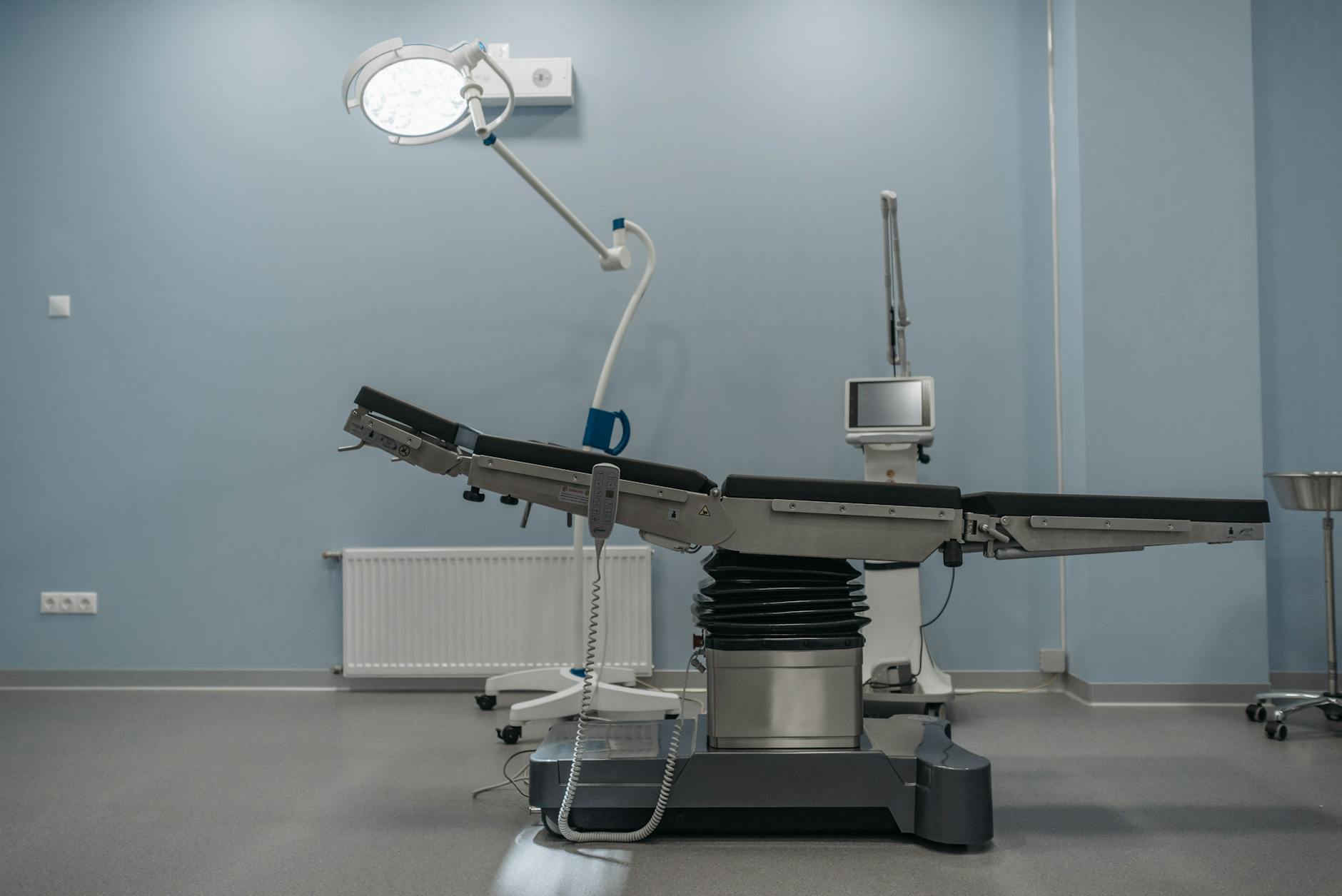
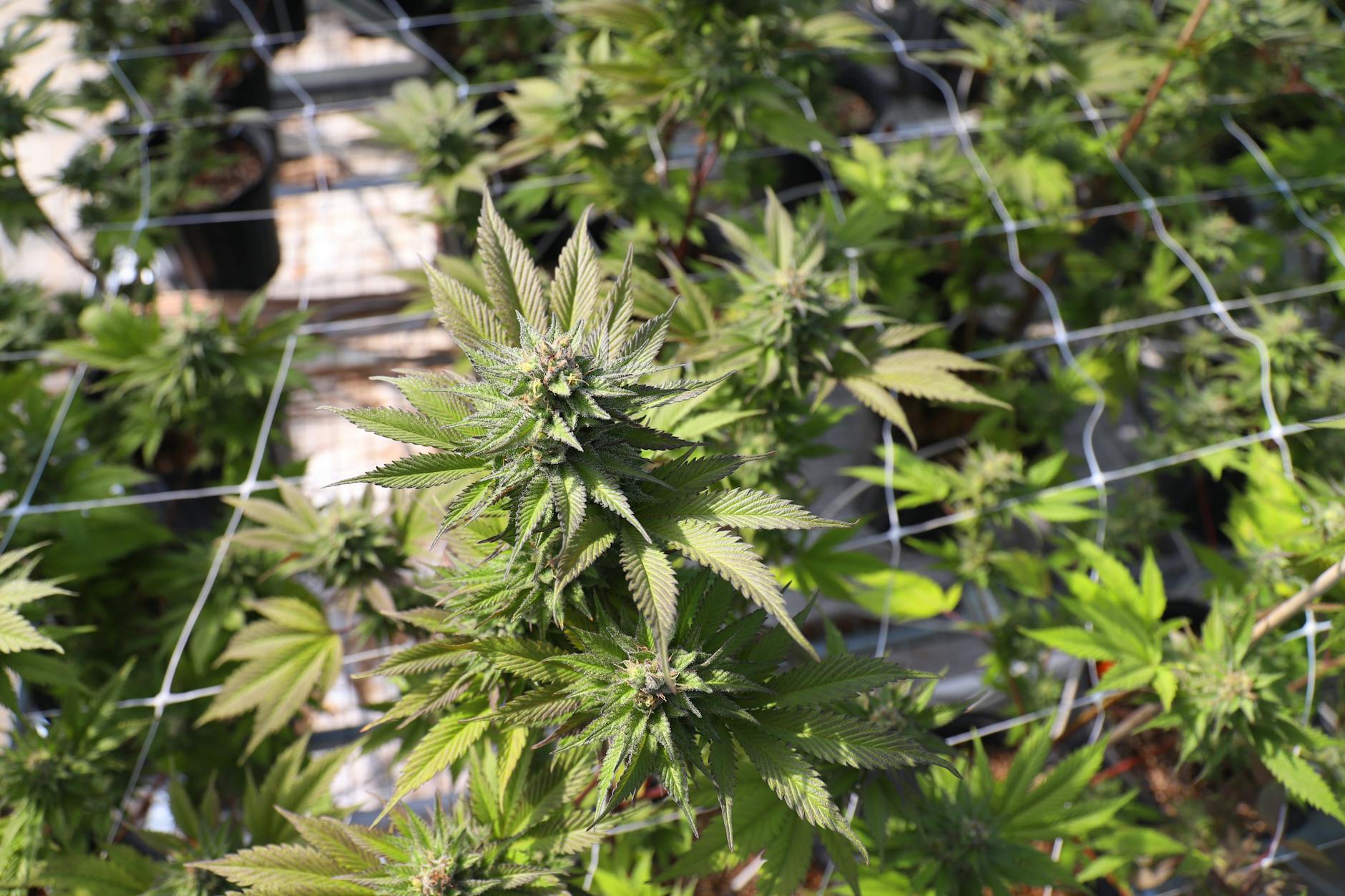
Four additional states are progressing legislation that would permit medical cannabis use within hospital settings, expanding access for hospitalized patients who might otherwise face interruption of their therapeutic regimens. This regulatory shift addresses a significant clinical gap where patients on chronic cannabis therapy must discontinue treatment during inpatient stays, potentially compromising symptom management for conditions such as chronic pain, nausea, seizure disorders, and chemotherapy-related side effects. Hospital-based cannabis access also creates opportunities for clinicians to monitor cannabis use in controlled settings, gather data on drug interactions with other medications, and provide continuity of care for patients whose outpatient cannabis regimens have demonstrated clinical benefit. The legislative movement reflects growing recognition that arbitrary restrictions on hospital cannabis use may conflict with the principle of using evidence-based therapeutics available to patients in their home settings. For clinicians, these policy changes underscore the need to become familiar with institutional cannabis policies, document baseline cannabis use in hospitalized patients, and communicate with pharmacy teams about managing cannabinoid-related drug interactions during inpatient care. Clinicians should stay informed about their state’s evolving cannabis regulations to better advocate for continuity of therapeutic cannabis use when patients require hospitalization.
“What we’re seeing with hospital access bills is the beginning of clinical integration, and frankly, it’s overdue. When patients on cannabis therapy present to the hospital, physicians need the ability to continue that treatment or adjust dosing rather than forcing abrupt discontinuation, which causes real suffering and medical instability. This isn’t about ideology anymore—it’s about basic continuity of care.”
🏥 The expansion of medical cannabis access in hospital settings across multiple states reflects evolving legal landscapes but presents significant clinical implementation challenges that healthcare providers should monitor closely. While hospital-based cannabis programs may offer potential benefits for symptom management in select patient populations, providers must contend with federal scheduling conflicts, limited clinical evidence for many indications, and substantial gaps in dosing standardization and drug-drug interaction data. The heterogeneity of state regulations means that even as legal access expands, individual institutions will need to develop their own protocols for prescribing, dispensing, and monitoring, requiring coordination between pharmacy, nursing, and clinical teams with variable expertise in cannabinoid therapeutics. Clinicians should stay informed about their institutional policies and local regulatory changes while maintaining realistic expectations about current evidence quality, particularly given that most cannabis products lack rigorous efficacy and safety data comparable to FDA-approved medications. In practice, this means documenting careful risk-benefit discussions with
💬 Join the Conversation
Have a question about how this applies to your situation? Ask Dr. Caplan →
Want to discuss this topic with other patients and caregivers? Join the forum discussion →
Have thoughts on this? Share it:

