


























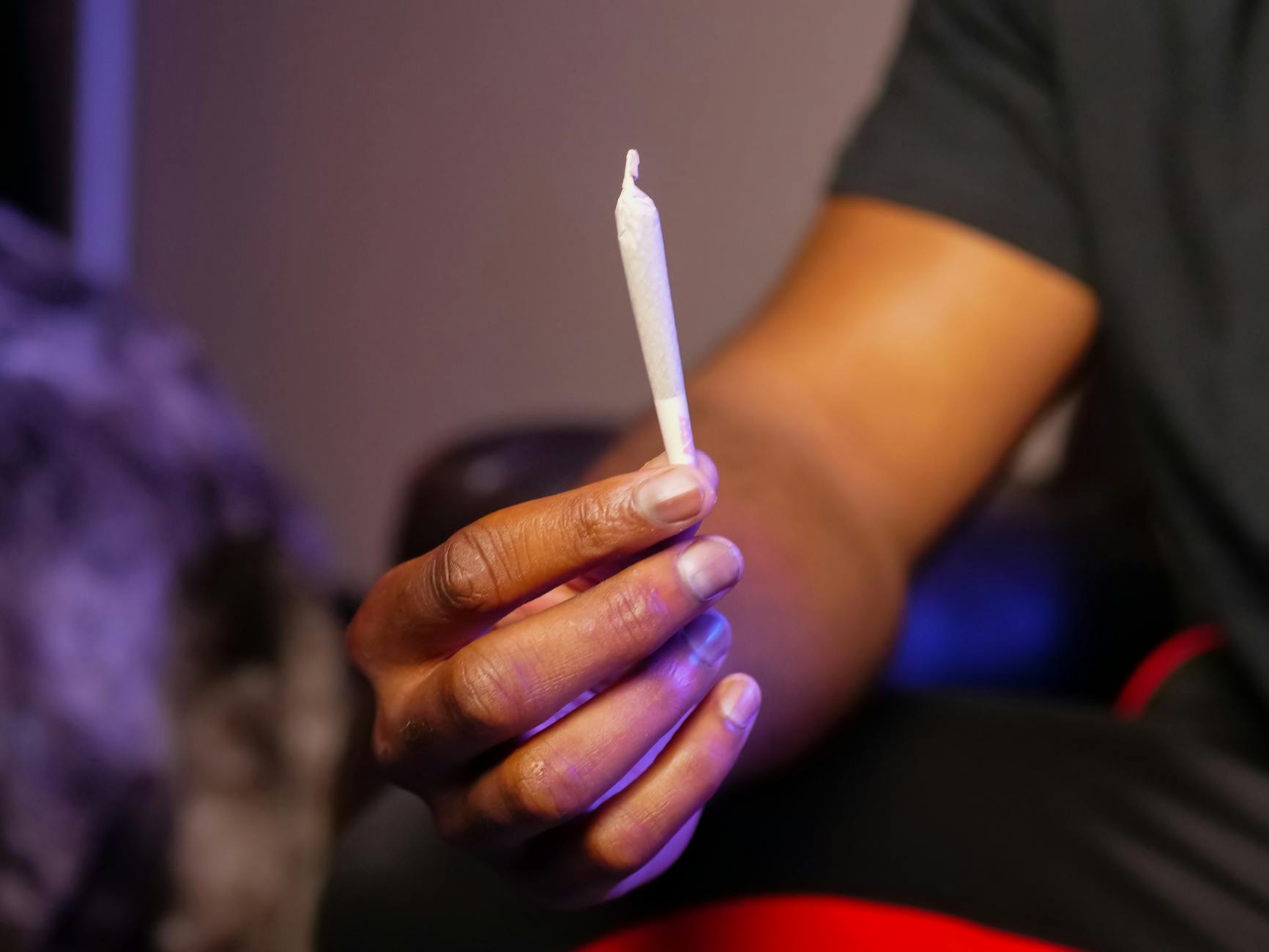

 cannabis use disorder, kids’ easy access to the drug” style=”width:100%;max-height:420px;object-fit:cover;border-radius:8px;display:block;” />
#72 Notable Clinical Interest
Emerging findings or policy developments worth monitoring closely.
The American Academy of Pediatrics has issued a clinical warning regarding the rising incidence of cannabis use disorder in children and adolescents, emphasizing that increased potency of modern cannabis products and ease of access through both legal and illicit channels have created a significant public health concern for this vulnerable population. Cannabis use during critical neurodevelopmental periods carries documented risks including impaired cognition, attention deficits, and potential long-term psychiatric sequelae, yet pediatric patients increasingly encounter high-potency products marketed in appealing formats such as edibles and vaping devices. The organization stresses that clinicians need heightened vigilance in screening for cannabis use and use disorder during routine pediatric visits, particularly given the normalization of cannabis in states where it is legally available and the difficulty many youth experience in perceiving associated harms. This warning underscores the importance of pediatricians engaging in preventive counseling about cannabis risks, recognizing early warning signs of problematic use, and implementing brief intervention strategies or referrals to specialized treatment when indicated. Clinicians should routinely assess cannabis exposure and use patterns in adolescent patients and educate families about the neurobiological vulnerability of the developing brain to cannabinoid exposure.
“What concerns me most isn’t the drug itself but the delivery mechanisms we’re seeing now – edibles dosed at 100mg or more, vapes with 90% THC concentration – these products didn’t exist when we trained, and we’re watching adolescent brains with developing prefrontal cortices get exposed to pharmacologically different substances than previous generations, which is why I screen every teenager for cannabis use the same way I screen for alcohol.”
🧠 As pediatricians increasingly document cannabis use disorder in younger populations, clinicians should recognize that adolescent access to cannabis products has expanded significantly alongside legalization in many jurisdictions, creating a gap between public health messaging and real-world risk exposure. The developing adolescent brain remains particularly vulnerable to cannabinoid effects on cognition, motivation, and mental health, yet many young patients and families underestimate these risks or lack awareness of the potency differences between traditional and modern products like concentrates and edibles. Important confounders include the varying THC concentrations across legal and illicit markets, underlying mental health conditions that may drive or complicate use, and socioeconomic disparities in both access and screening. Clinicians should incorporate routine, non-judgmental screening for cannabis use in adolescent visits, educate families about developmental vulnerabilities and product potency, and remain alert to signs of dependence or cannabis-related psychiatric symptoms, while recogn
This topic comes up in consultations often.
Dr. Caplan offers clinical context on evolving cannabis policy and its real-world implications for patients.
Book a consultation →💬 Join the Conversation
Have a question about how this applies to your situation? Ask Dr. Caplan →
Want to discuss this topic with other patients and caregivers? Join the forum discussion →
Have thoughts on this? Share it: