



























Can You Drive the Next Morning After Weed? Study Finds No Significant Impairment 12–15 …

#70 Notable Clinical Interest
Emerging findings or policy developments worth monitoring closely.
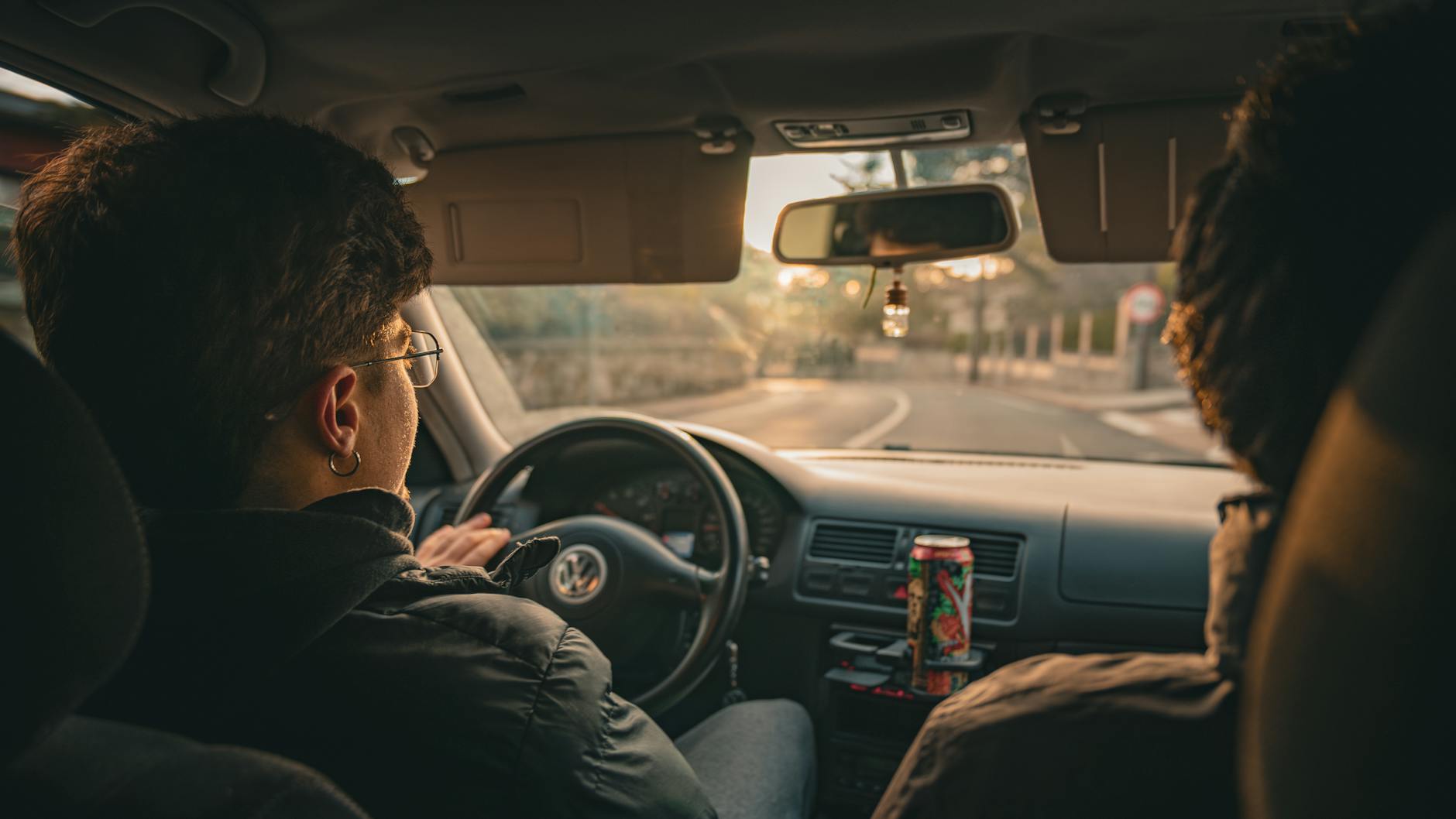
A new study examining driving performance 12 to 15 hours after cannabis use found no significant impairment in standardized driving assessments or cognitive tests, suggesting that residual effects from evening use do not substantially compromise next-morning driving ability. The research is relevant for clinicians counseling patients about cannabis use and occupational safety, particularly those in safety-sensitive jobs or with long commutes who may use cannabis in the evening. However, this finding should be interpreted cautiously given individual variability in cannabis metabolism, differences in THC concentration across products, and the study’s controlled laboratory setting that may not reflect real-world driving conditions. Clinicians should continue to advise patients that acute cannabis use impairs driving ability in the hours immediately following consumption and that individual factors such as tolerance, dose, and route of administration significantly affect impairment duration. Additionally, state laws regarding cannabis and driving differ substantially, and patients remain legally at risk in many jurisdictions regardless of actual impairment levels. Clinicians can inform patients that morning-after driving after evening cannabis use may carry less risk than previously thought, but should still emphasize that acute use remains incompatible with safe driving and recommend individualized assessment of their patient’s tolerance and usage patterns.
“What this study confirms for my practice is what I’ve observed clinically: residual THC in the bloodstream the morning after use doesn’t reliably predict functional impairment, and we need to stop conflating presence of the drug with presence of the problem, because doing so creates a false sense of safety around driving that overlooks the real variable, which is individual metabolism and the timing of consumption the night before.”
? While this study suggesting minimal next-morning driving impairment after cannabis use may reassure some patients, clinicians should recognize several important limitations before translating findings to clinical guidance. The study’s controlled laboratory conditions, small sample size, and focus on a specific dosing regimen may not capture the heterogeneous effects seen in real-world use, where individual metabolism, product potency, concurrent substance use, and sleep quality substantially influence impairment risk. Additionally, the absence of significant impairment on standardized driving simulators does not eliminate the possibility of subtle cognitive or psychomotor effects that could prove critical in emergency driving situations or for vulnerable populations such as older adults or those with comorbid conditions. When counseling patients about cannabis use and driving safety, providers should acknowledge the evolving evidence while emphasizing that individual responses vary considerably, residual impairment cannot be ruled out for all users, and the safest approach remains avoiding driving until adequate
This topic comes up in consultations often.
Dr. Caplan offers clinical context on evolving cannabis policy and its real-world implications for patients.
Book a consultation →💬 Join the Conversation
Have a question about how this applies to your situation? Ask Dr. Caplan →
Want to discuss this topic with other patients and caregivers? Join the forum discussion →
Have thoughts on this? Share it: