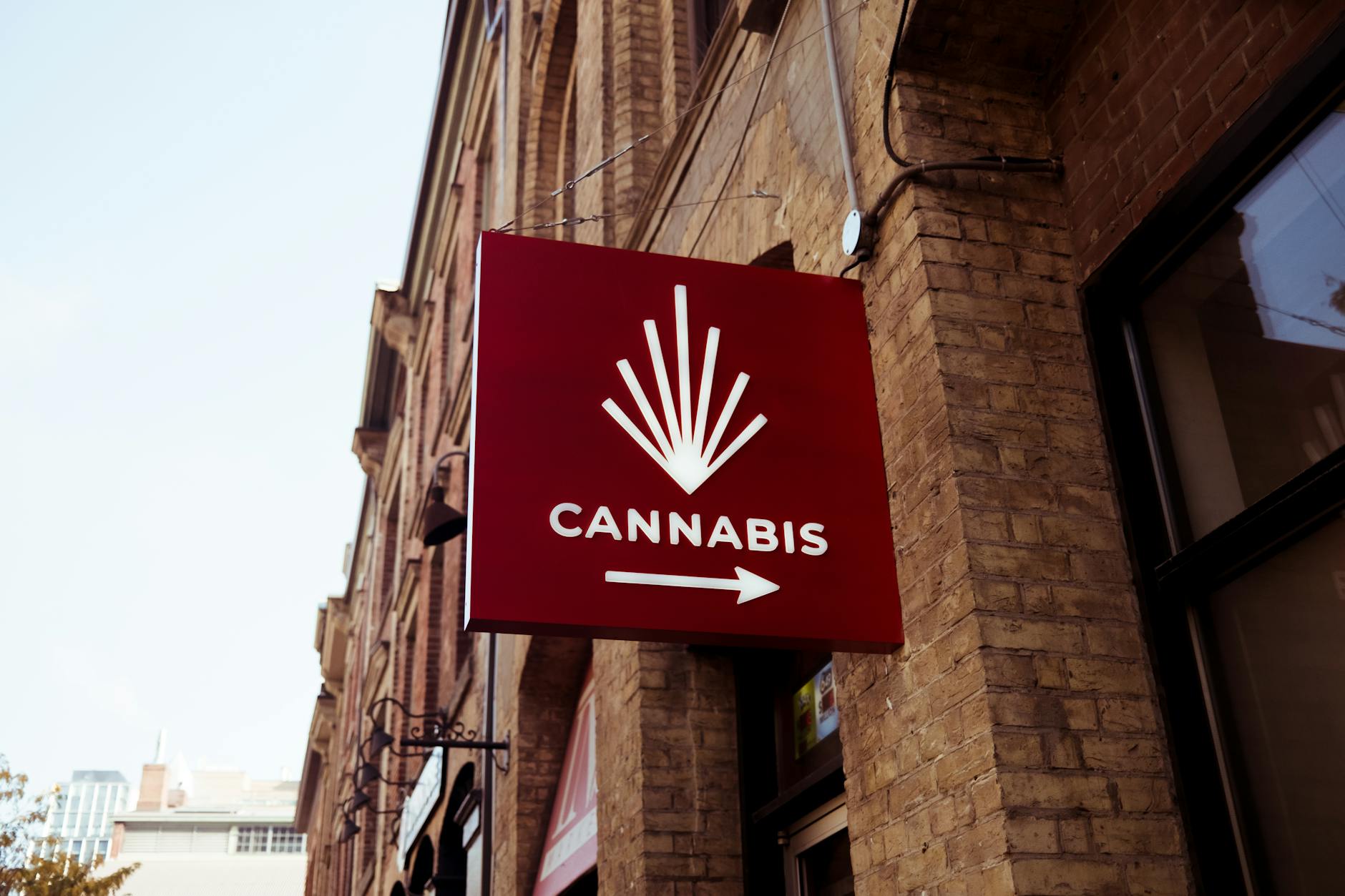
 Cannabis: Why the U.S. Market Remains Out of Reach for Global Operators” style=”width:100%;max-height:420px;object-fit:cover;border-radius:8px;display:block;” />
#78 Strong Clinical Relevance
High-quality evidence with meaningful patient or clinical significance.
# I don’t see a summary provided for this article, so I cannot write the requested sentences. Please provide the article summary so I can explain its clinical relevance accurately.
The fragmented regulatory landscape across U.S. states continues to create substantial barriers for international cannabis operators seeking market entry, with federal prohibition under the Controlled Substances Act remaining the primary obstacle despite growing state-level legalization. This regulatory divide limits competition and consolidation in the domestic market, potentially keeping prices higher and product variety lower than might occur in a nationally integrated system, while preventing the application of international quality standards and manufacturing best practices that could enhance consumer safety. For clinicians and patients, the current structure means that access to cannabis products remains geographically inconsistent, with therapeutic options varying significantly by state and limited oversight of product standardization, potency labeling, and contaminant testing compared to internationally regulated pharmaceuticals. The absence of major global pharmaceutical and cannabis operators in the U.S. market also slows clinical research infrastructure development and evidence generation that would support more informed prescribing practices. Clinicians should recognize that the fragmented U.S. market will likely persist as long as federal scheduling remains unchanged, and should counsel patients accordingly regarding product variability and the current limitations in clinical evidence supporting cannabis therapeutics.
“The federal scheduling barrier isn’t just a regulatory inconvenience—it’s created a situation where my patients have access to products with wildly inconsistent quality standards and potency labeling, while legitimate international operators with rigorous manufacturing oversight remain locked out of our market.”
💊 While the fragmented U.S. cannabis regulatory landscape creates barriers for international operators, the resulting localization of the market has important implications for clinicians advising patients on product quality and safety. The absence of harmonized federal standards means that product potency, contamination profiles, and labeling accuracy vary significantly across jurisdictions, making it difficult for providers to give consistent guidance on dosing or comparative risk assessment across state lines. Clinicians should be aware that this regulatory fragmentation also limits access to the large-scale quality assurance and supply chain transparency that international operators might otherwise bring, though it may preserve some consumer protections established at the state level. When counseling patients about cannabis use, providers should acknowledge the patchwork nature of oversight in their specific state and encourage patients to verify third-party testing results and source information, while recognizing that even these safeguards are inconsistently applied depending on where products are purchased. Understanding the market’s structural barriers
💬 Join the Conversation
Have a question about how this applies to your situation? Ask Dr. Caplan →
Want to discuss this topic with other patients and caregivers? Join the forum discussion →
Have thoughts on this? Share it:

