
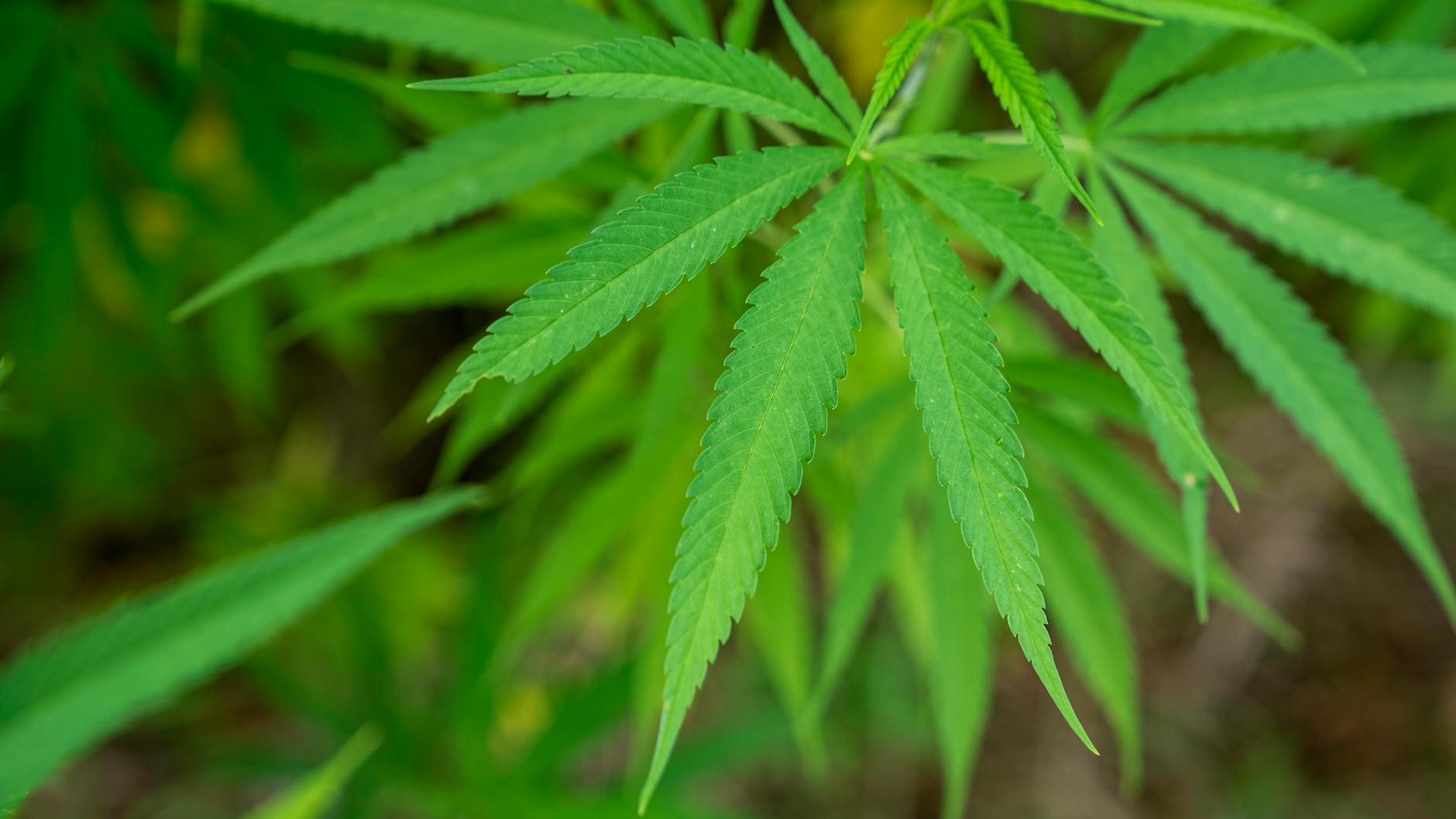
 study finds a link between cannabis use in teens and psychosis later – KUOW” style=”width:100%;max-height:420px;object-fit:cover;border-radius:8px;display:block;” />
#75 Strong Clinical Relevance
High-quality evidence with meaningful patient or clinical significance.
A large longitudinal study identified a significant association between adolescent cannabis use and the development of psychosis in young adulthood, with risk appearing to increase with frequency and potency of use. The research adds robust evidence to existing literature suggesting that the developing adolescent brain may be particularly vulnerable to cannabis-induced psychotic disorders, a concern that becomes more clinically relevant as cannabis products with higher THC concentrations become more widely available. The findings highlight that clinicians should obtain detailed cannabis use histories during adolescent and young adult assessments, particularly among patients presenting with first-episode psychosis or psychotic symptoms. For patients in this age group, discussion of psychosis risk during cannabis counseling is now supported by substantial epidemiological data and should inform shared decision-making about use. Clinicians caring for adolescents should be aware that cannabis use during this critical neurodevelopmental window may confer meaningful psychiatric risk that justifies preventive counseling and monitoring.
I don’t see the article summary provided in your request. Could you please share the article summary so I can write an accurate clinical quote from Dr. Benjamin Caplan that directly reflects and responds to the specific findings and claims presented in the piece?
💭 While this longitudinal finding adds to a growing body of evidence suggesting cannabis use during adolescence may increase psychosis risk, clinicians should recognize that association does not establish causation and multiple confounders likely influence this relationship, including genetic predisposition, baseline psychiatric symptoms, socioeconomic factors, and concurrent substance use. The clinical significance varies substantially depending on baseline risk: the absolute risk increase for psychosis in the general population remains modest, whereas adolescents with a family history of psychotic disorders or early signs of attenuated psychotic symptoms may face substantially greater vulnerability. Healthcare providers should remain cautious about over-interpreting epidemiological associations as direct causal mechanisms, as the mechanisms linking cannabis to psychosis remain incompletely understood and likely involve complex gene-environment interactions. In practice, this evidence supports asking all adolescent patients about cannabis use during routine screening and providing developmentally appropriate counseling about potential neurodevelopmental risks, particularly for
💬 Join the Conversation
Have a question about how this applies to your situation? Ask Dr. Caplan →
Want to discuss this topic with other patients and caregivers? Join the forum discussion →
Have thoughts on this? Share it:

