
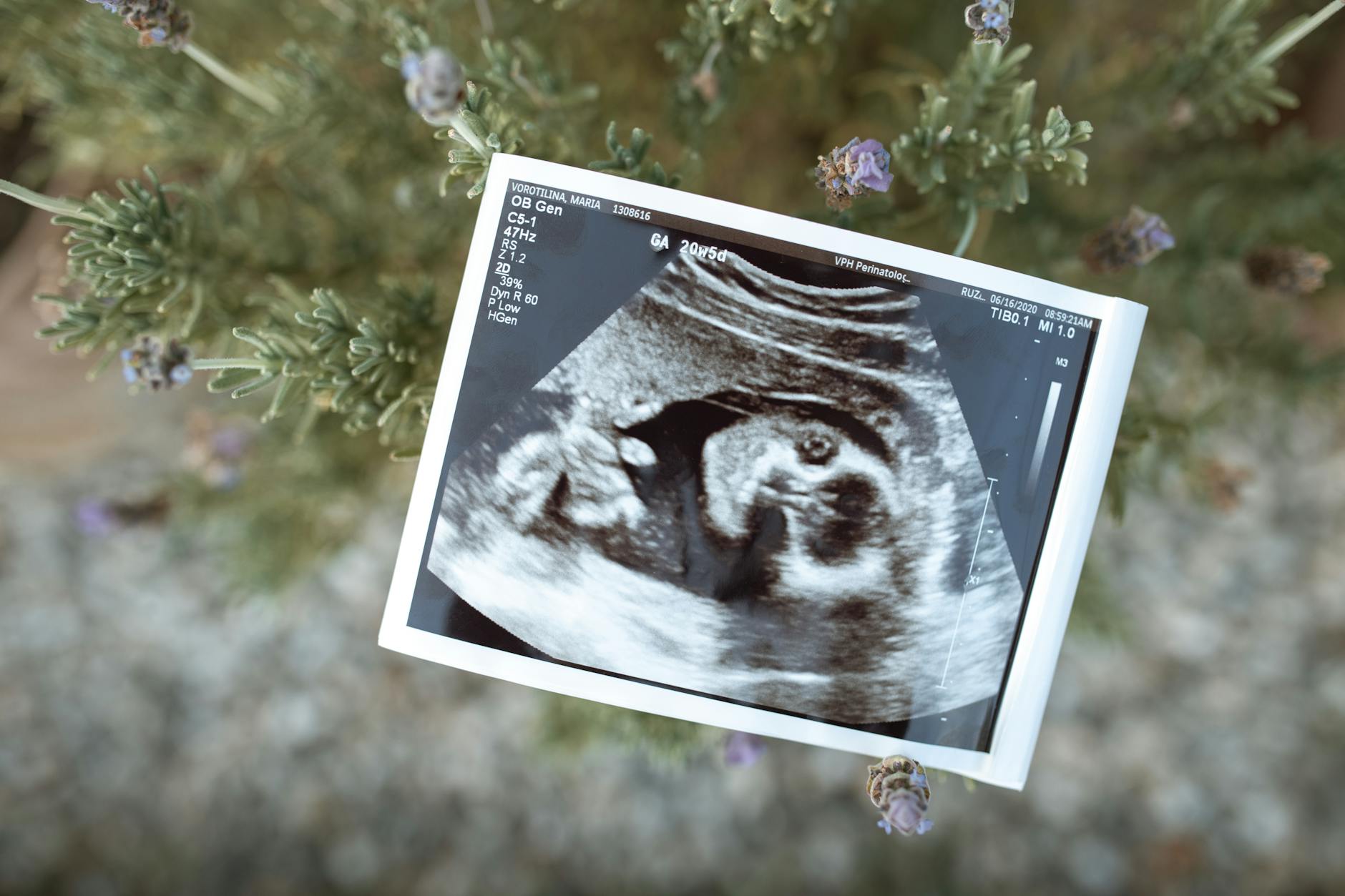
 Cannabis Exposure Could Flag Higher Schizophrenia …” style=”width:100%;max-height:420px;object-fit:cover;border-radius:8px;display:block;” />
#74 Notable Clinical Interest
Emerging findings or policy developments worth monitoring closely.
I need the article summary to write an accurate explanation of its clinical relevance. Could you provide the summary section so I can explain how the findings about placental changes and schizophrenia risk matter for clinical practice?
Prenatal cannabis exposure has been associated with structural and functional changes in the placenta that may increase vulnerability to schizophrenia and other psychiatric disorders in offspring, according to recent research examining the mechanistic pathways between gestational cannabinoid exposure and neurodevelopmental outcomes. The study identifies placental alterations as a potential biomarker for identifying pregnancies at elevated risk, suggesting that cannabinoid effects on placental function during critical developmental windows may disrupt normal fetal brain development and increase psychiatric susceptibility later in life. These findings add to a growing body of evidence indicating that cannabis use during pregnancy poses risks beyond previously recognized birth outcomes, with implications for mental health trajectories into adulthood. Clinicians counseling women of reproductive age should incorporate this emerging data on schizophrenia risk into discussions about prenatal cannabis safety, emphasizing that pregnancy remains a period in which cannabinoid exposure warrants particular caution. For patients with a family history of schizophrenia, the association becomes even more clinically relevant, as gestational cannabis exposure may compound genetic vulnerability. Physicians should screen for cannabis use in pregnant patients and provide evidence-based counseling that this exposure may pose neurodevelopmental and psychiatric risks beyond what patients may perceive from public messaging about cannabis safety.
“We’re seeing evidence that prenatal cannabis exposure may alter placental development in ways that increase neuropsychiatric vulnerability in offspring, which means we need to counsel women of childbearing age with the same clarity we use for alcohol and tobacco, not as a gray area where we’re still ‘learning more.'”
💊 While emerging preclinical evidence suggests that prenatal cannabis exposure may alter placental development in ways that could increase schizophrenia vulnerability, the translational pathway from placental histology to clinical psychiatric outcomes remains incompletely understood and difficult to establish in human populations. Current literature limitations include small sample sizes, inability to control for confounding exposures (tobacco, alcohol, other substances), and challenges in disentangling prenatal cannabis effects from socioeconomic or genetic factors that might independently influence both exposure patterns and psychiatric risk. Clinicians should be aware that pregnant patients using cannabis may face real neurodevelopmental risks, though the absolute magnitude of schizophrenia risk attributable to cannabis alone is not yet quantifiable from existing human studies. When counseling patients of reproductive age or during pregnancy, providers can acknowledge both the concerning mechanistic signals from animal models and the current evidence gaps, while recommending cannabis avoidance as a reasonable precaut
💬 Join the Conversation
Have a question about how this applies to your situation? Ask Dr. Caplan →
Want to discuss this topic with other patients and caregivers? Join the forum discussion →
Have thoughts on this? Share it:

