

























Cannabinoid-based Interventions for Behavioral Outcomes in Children and Adolescents with Autism Spectrum Disorder

| Journal | Progress in neuro-psychopharmacology & biological psychiatry |
| Study Type | Randomized Trial |
| Population | Human participants |
This systematic review addresses a critical gap in autism spectrum disorder treatment, where families increasingly seek cannabinoid interventions despite limited clinical evidence. The analysis of 12 studies provides the most comprehensive assessment to date of CBD-predominant formulations for ASD behavioral outcomes.
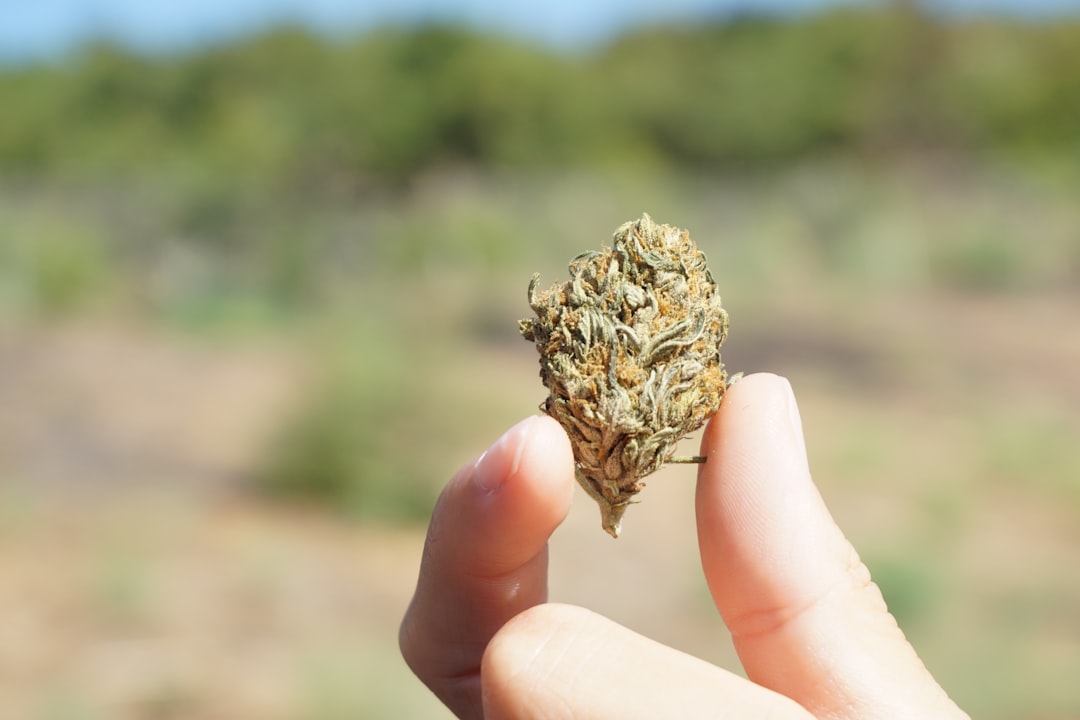
This systematic review examined cannabinoid interventions across 4 RCTs and 8 non-RCTs in pediatric ASD populations. Most studies used high-CBD extracts (typically 20:1 CBD:THC ratios) titrated to approximately 10mg/kg/day. Responder rates for global improvement favored cannabinoids over placebo (49% vs 21%), with improvements noted in social communication and behavioral measures. However, the evidence quality was heterogeneous, with significant variability in dosing protocols and outcome measures across studies. Six ongoing trials suggest continued research momentum in this area.
“While these findings are encouraging, I remain cautious about recommending cannabinoids as first-line therapy for pediatric ASD given the limited high-quality RCT data and significant safety considerations in developing brains. The heterogeneous study designs and outcome measures make clinical translation challenging.”
💬 Join the Conversation
Have a question about how this applies to your situation? Ask Dr. Caplan →
Want to discuss this topic with other patients and caregivers? Join the forum discussion →
Have thoughts on this? Share it:
FAQ
What is the effectiveness of cannabinoid treatments for children with autism spectrum disorder?
Based on this systematic review, cannabinoid interventions showed promising results with 49% of patients experiencing global improvement compared to 21% with placebo. The evidence particularly supports improvements in social communication behaviors, though the overall quality of evidence remains limited due to heterogeneous study designs.
What types of cannabinoid formulations are most commonly used for pediatric ASD?
Most studies used full-spectrum cannabis extracts with high CBD:THC ratios, typically 20:1, rather than isolated CBD. Doses were titrated up to approximately 10 mg/kg/day, though dosing protocols varied significantly across different studies.
Are cannabinoid treatments safe for children and adolescents with autism?
The systematic review identified safety concerns that require careful monitoring, though specific adverse events are not detailed in the summary provided. Given the limited long-term safety data in pediatric populations, close medical supervision is essential when considering these treatments.
How strong is the current evidence for using cannabinoids in pediatric ASD?
The evidence base consists of 12 studies including only 4 randomized controlled trials, with 8 non-randomized studies providing lower-quality evidence. While results are encouraging, the heterogeneous nature of the research and limited number of high-quality RCTs means more rigorous studies are needed.
Should parents consider cannabinoid therapy for their child with autism?
This decision should only be made in consultation with qualified healthcare providers who can assess individual risk-benefit ratios. While early evidence shows potential benefits for behavioral outcomes, the limited safety data in children and variability in treatment protocols require careful medical oversight and consideration of conventional therapies first.