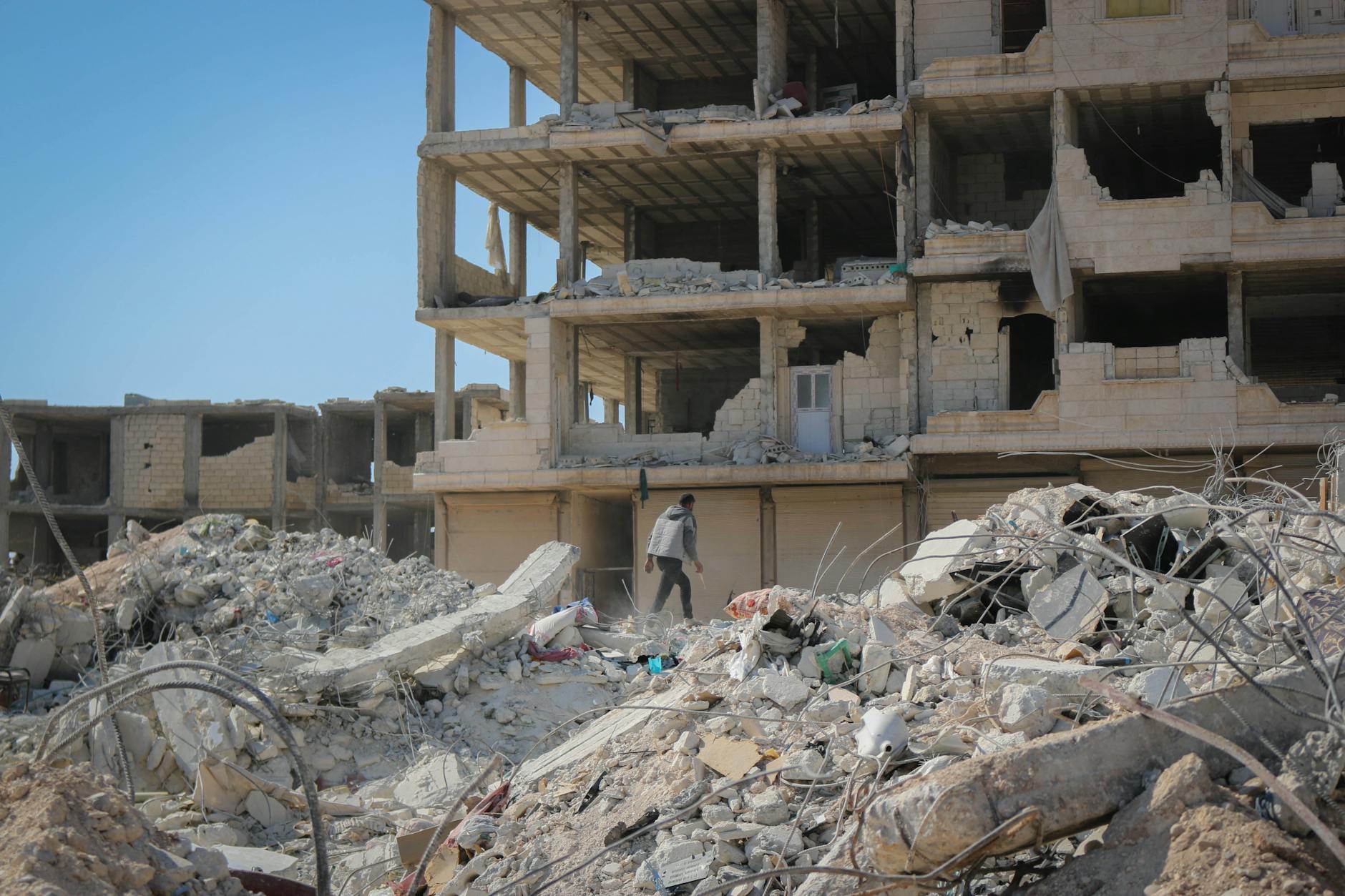
Military conflicts and geopolitical instability create acute psychological stressors that can exacerbate PTSD, anxiety, and sleep disorders in vulnerable populations. Cannabis medicine may see increased demand as patients seek alternatives to conventional psychiatric medications during periods of heightened stress and uncertainty.
Military strikes and regional conflicts represent significant external stressors that can trigger or worsen pre-existing mental health conditions, particularly in populations with prior trauma exposure. The acute stress response involves dysregulation of the hypothalamic-pituitary-adrenal axis and can manifest as sleep disturbances, hypervigilance, and anxiety symptoms. While cannabis has demonstrated efficacy for PTSD and anxiety-related symptoms in some clinical contexts, evidence remains limited for acute stress reactions to current events.
“During times of geopolitical crisis, I see patients seeking cannabis for stress management, but we must distinguish between appropriate therapeutic use and avoidance coping. The goal is symptom management that preserves function, not emotional numbing.”
💬 Join the Conversation
Have a question about how this applies to your situation? Ask Dr. Caplan →
Want to discuss this topic with other patients and caregivers? Join the forum discussion →
Have thoughts on this? Share it:
Table of Contents
FAQ
What conditions does this cannabis research focus on?
The research examines cannabis use for PTSD, anxiety, and general mental health conditions. It specifically looks at stress response mechanisms and how cannabis may impact these psychological conditions.
What is the clinical significance of this study?
This research has been rated as having “Notable Clinical Interest” by CED Clinical Relevance. It represents emerging findings that are worth monitoring closely for potential clinical applications.
Is this research new or established?
This is new research, as indicated by the “New” designation. It falls under emerging findings or policy developments that are currently being evaluated for their clinical impact.
What type of medical professionals should be aware of this research?
Mental health practitioners, psychiatrists, and healthcare providers treating PTSD and anxiety disorders should monitor these findings. Cannabis clinicians and researchers focused on therapeutic applications would also benefit from following this research.
How does this research relate to current cannabis medicine?
This study contributes to the growing body of evidence regarding cannabis as a therapeutic option for mental health conditions. It adds to our understanding of how cannabis may affect stress response systems and anxiety-related disorders.