




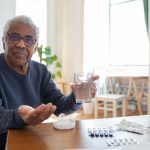


























Endocannabinoid System Research: Cannabinoids for Children

Clinical Takeaway Cannabinoids have been studied across a range of pediatric medical conditions, with the current evidence base drawing from a mix of clinical trials, observational reports, surveys, and qualitative research. The strongest data supports…

`Cannabinoid Clinical Trials: Cannabis Use for Anxiety`
Clinical Takeaway Cannabis use for anxiety showed different daily and long-term effects depending on whether people used flower or edible products, and whether the product contained THC, CBD, or both. While CBD may support anxiety reduction, THC-dominant…

Research claims compounds found in cannabis could reverse disease that affects one-third of adults
✦ New CED Clinical Relevance #72 Notable Clinical Interest Emerging findings or policy developments worth monitoring closely. ResearchSafetyTHC Clinical Summary This article reports on UC San Francisco research investigating whether cannabis…

Medical Cannabis for Anxiety & Tourette: Clinical Evidence
Clinical Takeaway Cannabinoid formulations, particularly those containing CBD alone or in combination with THC, show measurable reductions in anxiety symptoms across multiple anxiety-related disorders, including Tourette syndrome, based on pooled…

Cannabinoids in Pediatric Care: Evidence-Based Clinical Review
Clinical Takeaway Most of the current evidence on cannabinoid use in children comes from observational studies and surveys rather than controlled trials, reflecting the early and evolving state of this research. The available data spans plant-derived and…
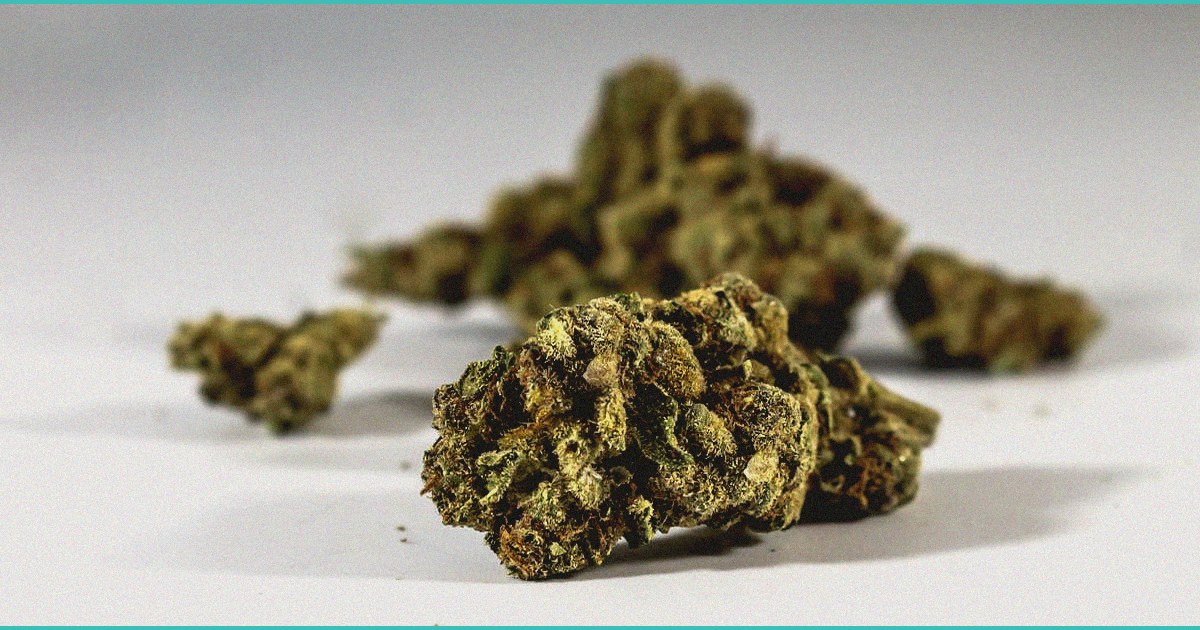
Cannabidiol for Lennox-Gastaut: Cannabinoid Clinical Trials
Clinical Takeaway Plant-derived cannabidiol (CBD) oral solution produced meaningful reductions in drop seizures in patients with Lennox-Gastaut syndrome at thresholds below the traditional 50% benchmark used in clinical trials. Caregiver-reported…

Cannabidiol as a Therapeutic Alternative for Post-traumatic Stress Disorder: From Bench Research to Confirmation in Human Trials
Post-traumatic stress disorder (PTSD) is characterized by difficulties that a person faces when recovering from experiencing or witnessing a terrifying event. It affects approximately 10% of the population at some point in life. Despite this high…