
#85 Strong Clinical Relevance
High-quality evidence with meaningful patient or clinical significance.
I need the article summary to provide a clinically relevant explanation. Please provide the summary text so I can write the 2-3 sentences about why this matters for clinicians and patients.
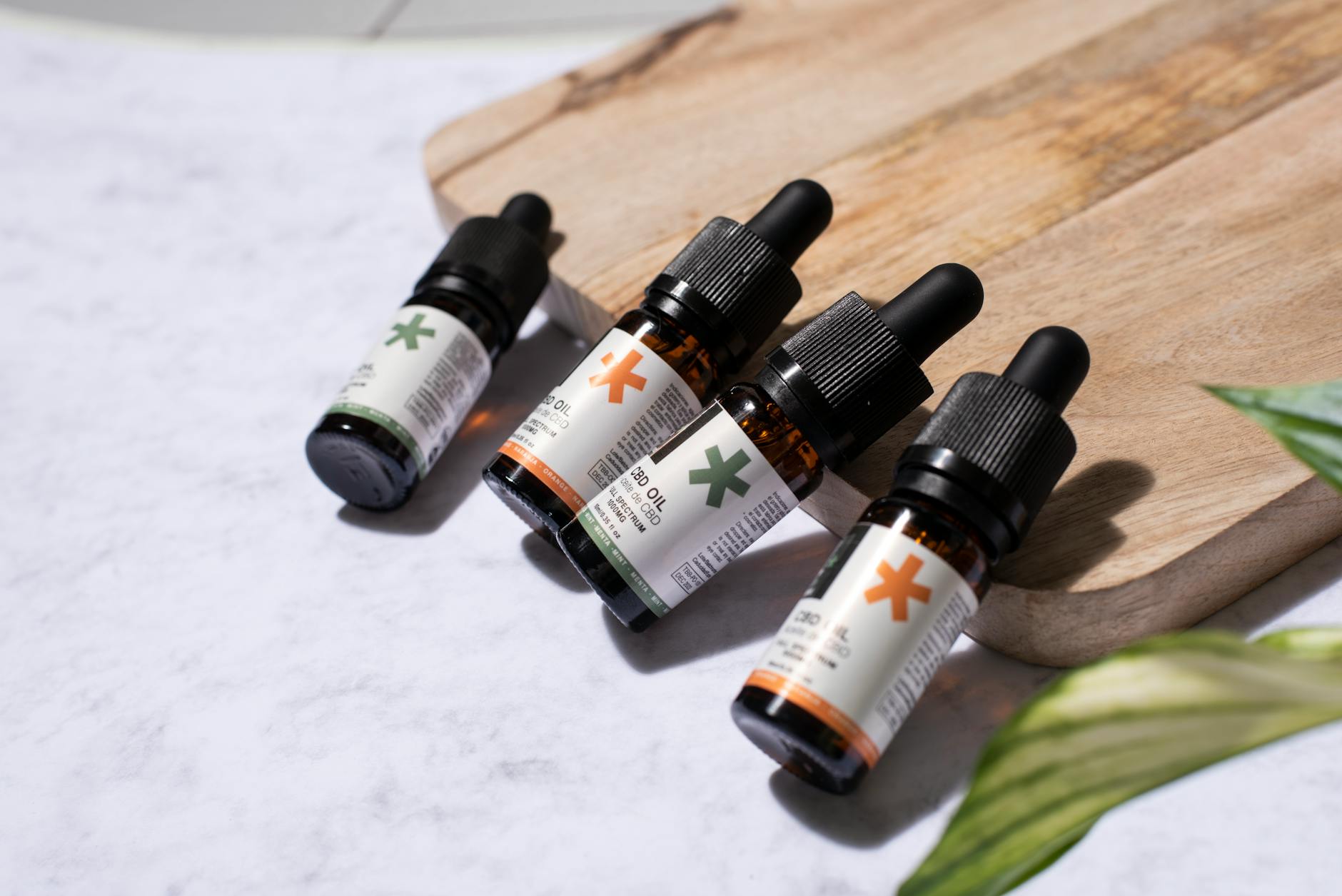
The global prescription cannabidiol market is projected to reach nearly $191 billion by 2032, representing substantial growth driven by increasing clinical adoption and regulatory approvals for CBD-based therapeutics. This expansion reflects growing evidence supporting CBD’s efficacy in treating conditions such as seizure disorders, chronic pain, and anxiety, alongside expanding healthcare provider acceptance and insurance coverage in multiple jurisdictions. As the market grows, clinicians should anticipate greater availability of standardized, pharmaceutical-grade CBD products and improved access for patients who may benefit from this therapy, though variability in formulation quality and regulatory oversight across regions remains a concern. The projected market growth also signals increased investment in clinical research and product development, which may yield additional therapeutic applications and dosing guidance. Clinicians should stay informed about FDA-approved CBD formulations and emerging evidence while remaining cautious about unregulated over-the-counter CBD products that patients may self-administer. The practical takeaway is that clinicians should familiarize themselves with legitimate prescription CBD options and evidence-based indications now, as patient demand and product availability will likely accelerate significantly in coming years.
“We’re going to see a massive expansion in CBD products over the next decade, but my concern as a clinician is that market growth will outpace our understanding of drug interactions and long-term safety profiles, leaving patients and doctors to navigate a largely unregulated landscape that looks nothing like the pharmaceutical development we’re trained in.”
💊 While market projections for prescription CBD products show substantial growth potential, clinicians should recognize that this expansion reflects commercial forecasting rather than established clinical evidence for most conditions. The projected market growth does not necessarily indicate that robust efficacy data supports widespread prescription use across diverse patient populations, and the gap between market enthusiasm and clinical evidence base remains significant for many proposed indications. Prescribers should distinguish between FDA-approved CBD products like Epidiolex, which has demonstrated efficacy in specific seizure disorders, and the broader landscape of CBD preparations with limited regulatory oversight and inconsistent quality. Key confounders affecting clinical decision-making include highly variable CBD bioavailability across formulations, potential drug-drug interactions, and the possibility that market expansion may drive off-label prescribing without adequate evidence. In practice, clinicians should maintain a conservative, evidence-based approach by reserving prescription CBD for indications with demonstrated benefit while educating patients about the distinction between
💬 Join the Conversation
Have a question about how this applies to your situation? Ask Dr. Caplan →
Want to discuss this topic with other patients and caregivers? Join the forum discussion →
Have thoughts on this? Share it:

