























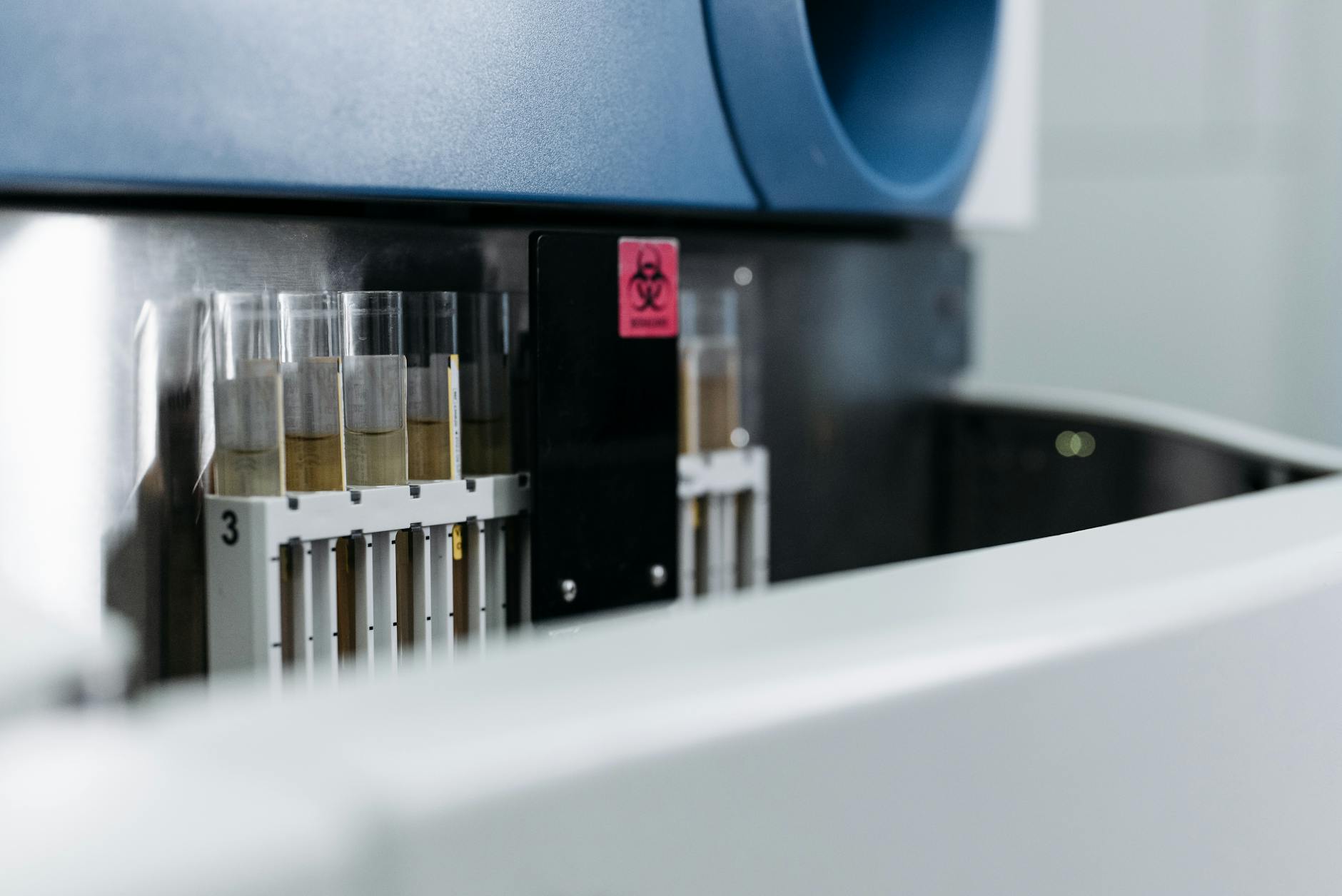
Magnetic nanoparticles anchored with zeolites: An alternative material for dispersive magnetic solid-phase extraction for cannabinoids from urine samples.

| Journal | Journal of chromatography. B, Analytical technologies in the biomedical and life sciences |
| Study Type | Clinical Study |
| Population | Human participants |
This item covers developments relevant to cannabis medicine and clinical practice. Clinicians monitoring evidence in this area should review the source material.
This study presents the development and validation of an analytical method using a magnetic sorption phase anchored with zeolites for cannabinoid extraction from urine samples of patients suspected of Cannabis sativa intoxication. High-performance liquid chromatography coupled with a diode array detector (HPLC-DAD) was employed for the identification and quantification of tetrahydrocannabinol (THC) and cannabidiol (CBD). Magnetic nanoparticles (MNPs) were synthesized using the coprecipitation method and anchored to zeolite, which was identified as the optimal natural sorbent phase. MNPs anchored with zeolites (MNPs@ZEO) were characterized using X-ray diffractometry, scanning and transmission electron microscopy, Fourier transform infrared spectroscopy (FT-IR), zeta potential, and particle size analysis. Multifactorial planning was conducted to optimize the dispersive magnetic solid-phase extraction (DMSPE) technique with MNPs@ZEO, with the best experimental condition being 15 mg of MNP
“This is a development worth tracking. The clinical implications will become clearer as more evidence accumulates.”
💬 Join the Conversation
Want to apply this research to your care?
CED Clinic translates emerging research into individualized clinical care. Dr. Caplan has treated 30,000+ patients.
Book a consultation →Have a question about how this applies to your situation? Ask Dr. Caplan →
Want to discuss this topic with other patients and caregivers? Join the forum discussion →
Have thoughts on this? Share it:
FAQ
This study item was assembled from normalized source metadata and pipeline scoring.