






















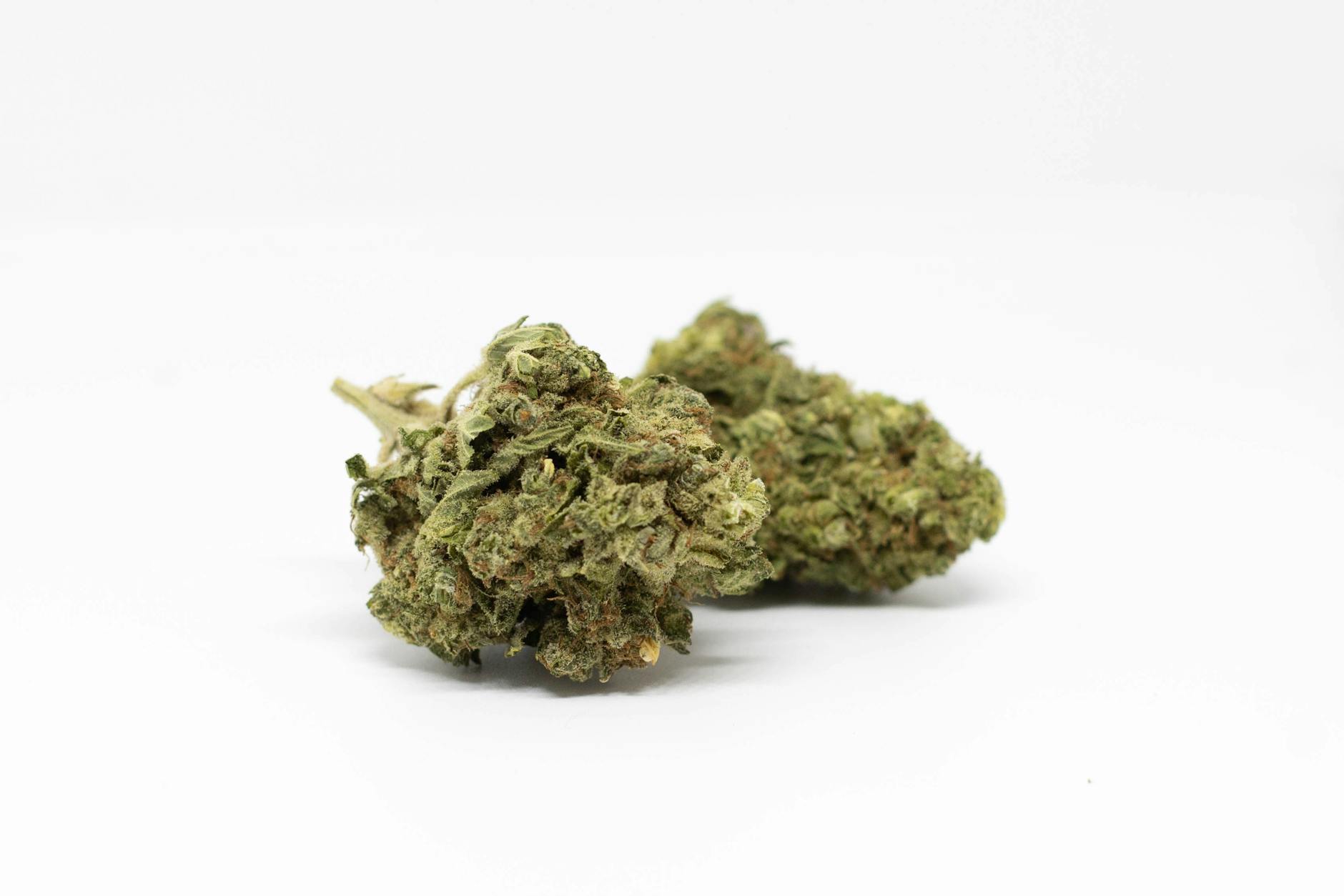

Large-scale arrests involving concentrated THC products highlight the clinical reality that patients often turn to unregulated markets when legal access is limited. The seizure of over 1000 vape cartridges underscores ongoing safety concerns about unregulated concentrate products that lack quality control or consistent dosing.
Law enforcement seized 6 pounds of cannabis flower and over 1000 THC vape cartridges in Alabama, where medical cannabis remains highly restricted. Unregulated vape products pose particular clinical risks including variable potency, contamination with pesticides or heavy metals, and the presence of unsafe additives like vitamin E acetate. The concentrated nature of these products also increases risk of cannabis use disorder and acute intoxication, especially in jurisdictions without established medical oversight.
“When patients can’t access regulated medical cannabis, they predictably turn to black market products with unknown safety profiles. This arrest pattern repeats nationwide — highlighting why clinical access pathways matter more than enforcement for patient safety.”
💬 Join the Conversation
This topic comes up in consultations often.
Dr. Caplan offers clinical context on evolving cannabis policy and its real-world implications for patients.
Book a consultation →Have a question about how this applies to your situation? Ask Dr. Caplan →
Want to discuss this topic with other patients and caregivers? Join the forum discussion →
Have thoughts on this? Share it:
Table of Contents
- FAQ
- What are the main safety concerns with cannabis vaping products?
- How can patients reduce harm when using cannabis vaping products?
- What should clinicians know about cannabis vaping safety?
- Are regulated cannabis vaping products considered safer than unregulated ones?
- What policy developments are affecting cannabis vaping safety?
- Read next
FAQ
What are the main safety concerns with cannabis vaping products?
The primary concerns involve unregulated vaping products that may contain harmful additives, contaminants, or unknown substances. These products lack quality control standards and testing requirements that regulated cannabis products must meet.
How can patients reduce harm when using cannabis vaping products?
Patients should only purchase vaping products from licensed, regulated dispensaries that provide lab testing results. Avoiding black market or unregulated products significantly reduces exposure to potentially dangerous additives and contaminants.
What should clinicians know about cannabis vaping safety?
Clinicians should educate patients about the importance of using only regulated cannabis products and be aware of symptoms related to vaping-associated lung injuries. Patients experiencing respiratory symptoms after vaping should seek immediate medical attention.
Are regulated cannabis vaping products considered safer than unregulated ones?
Yes, regulated cannabis vaping products undergo mandatory testing for pesticides, heavy metals, residual solvents, and microbials. They must meet safety standards that unregulated products do not follow, making them significantly safer options.
What policy developments are affecting cannabis vaping safety?
Emerging regulations are focusing on stricter testing requirements, clearer labeling standards, and enhanced oversight of vaping product manufacturing. These policy changes aim to improve consumer safety and reduce risks associated with cannabis vaping products.