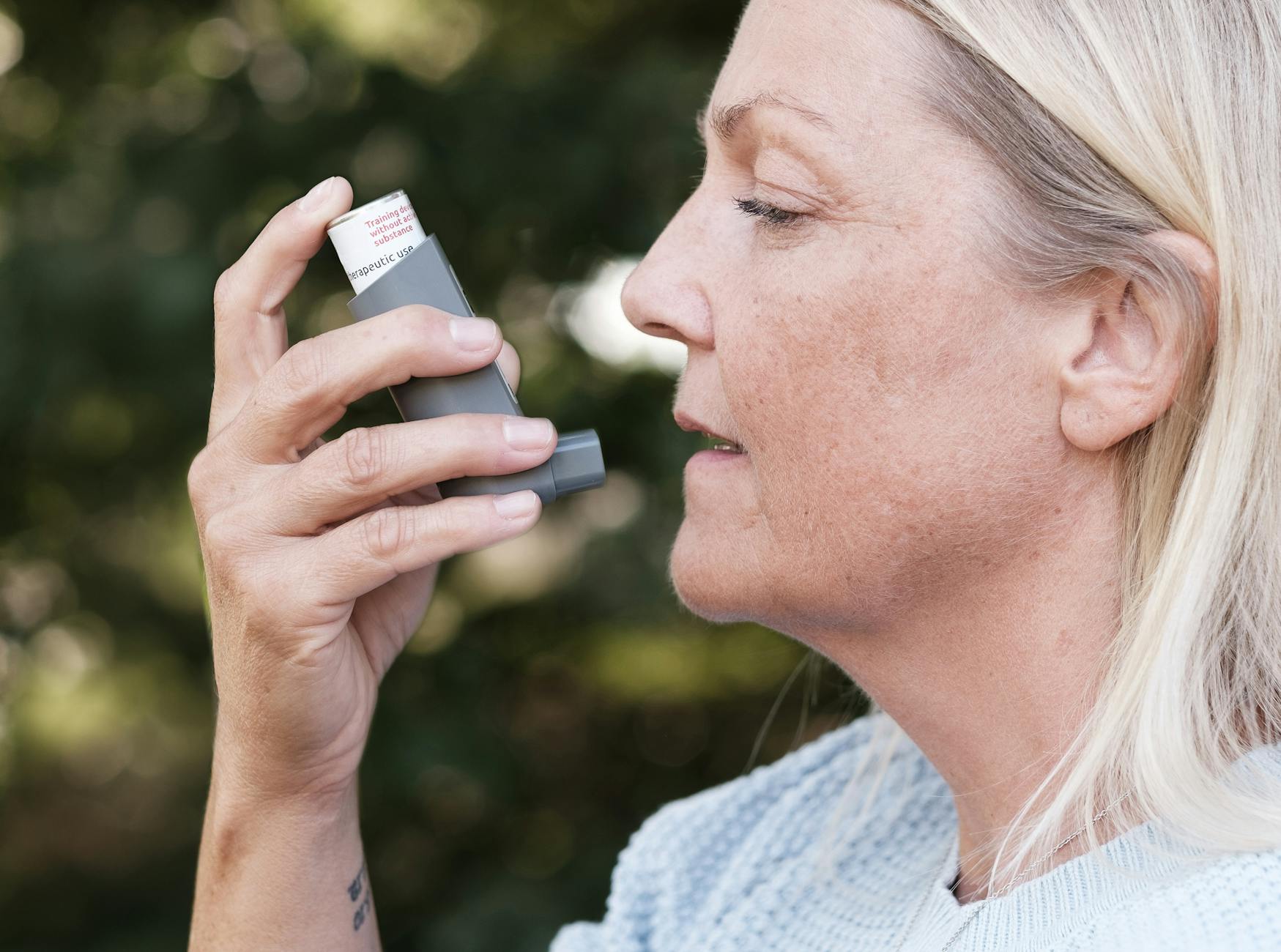
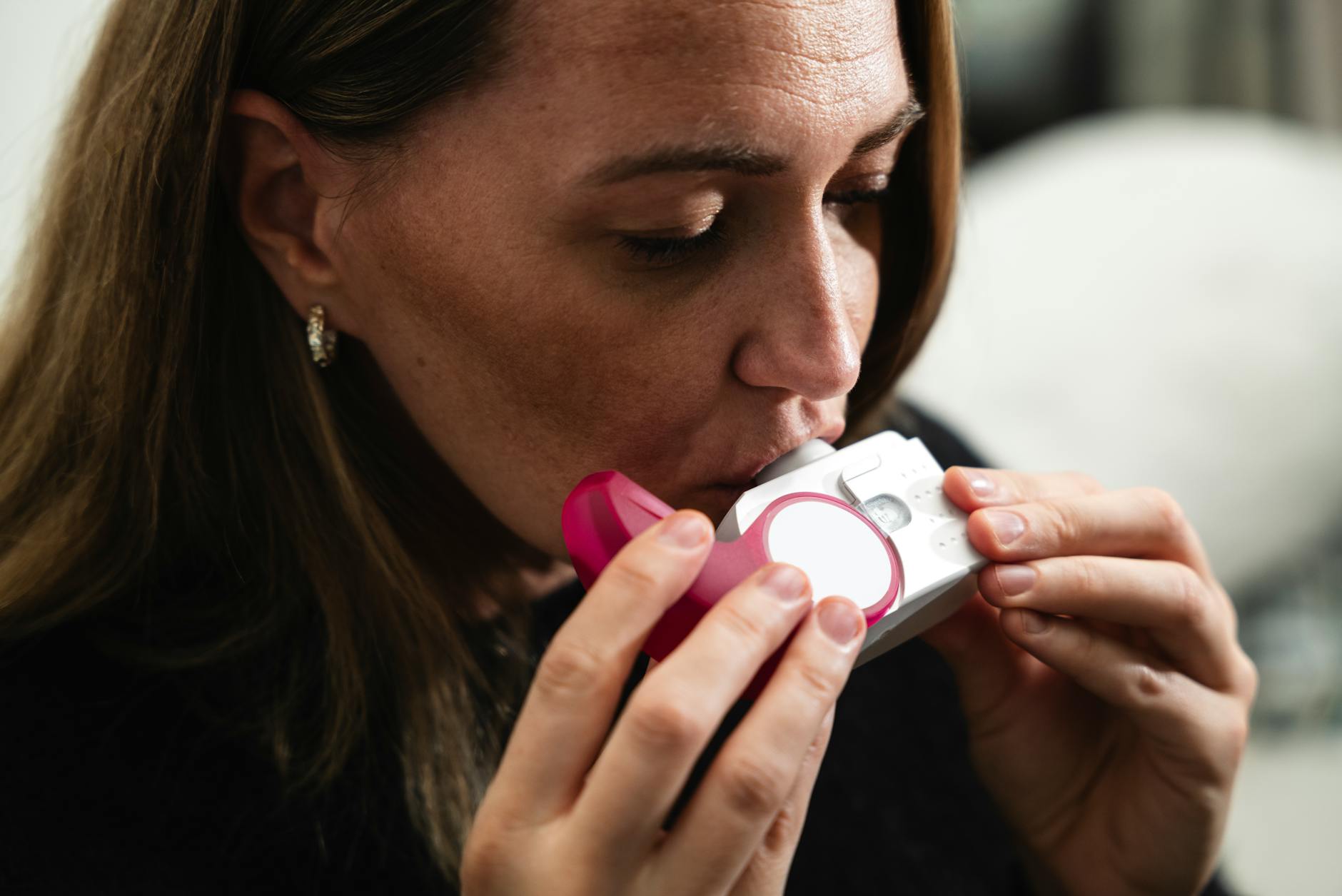
 Cannabis and the lung | European Respiratory Society” style=”width:100%;max-height:420px;object-fit:cover;border-radius:8px;display:block;” />
#50 Clinical Context
Background information relevant to the evolving cannabis medicine landscape.
I need the article summary to provide relevant sentences. Please provide the summary content from the ERJ Podcast about cannabis and the lung so I can explain its clinical significance.
# Cannabis and the Lung: Clinical Summary This European Respiratory Society podcast discusses the pulmonary effects of cannabis use, addressing a critical gap in respiratory medicine education as cannabis legalization expands globally. The content likely covers both the acute and chronic respiratory consequences of smoked cannabis, including airway inflammation, bronchitis, and potential links to obstructive airway disease, while distinguishing these risks from those associated with tobacco. For clinicians, understanding cannabis-specific lung pathophysiology is essential for accurate diagnosis and counseling, particularly as patients increasingly use cannabis for medical purposes or recreationally in jurisdictions where it is legal. The podcast provides evidence-based information that enables physicians to assess respiratory symptoms in cannabis users systematically and communicate risks without stigma. Clinicians should remain informed about cannabis pulmonology to counsel patients on harm reduction strategies, such as avoiding smoking and considering alternative consumption methods, and to screen appropriately for cannabis-related respiratory disease in their practice.
🫁 As cannabis use becomes increasingly normalized and legalized across jurisdictions, respiratory clinicians should be aware of emerging evidence regarding pulmonary effects, though significant research gaps remain regarding long-term outcomes and optimal screening approaches. The distinction between smoked, vaporized, and edible forms is clinically relevant, as combustion products may confer different risks than other consumption methods, yet most existing literature focuses on traditional smoking. Confounders such as concurrent tobacco use, frequency of consumption, underlying respiratory conditions, and variability in cannabis potency across products make it difficult to establish clear dose-response relationships in clinical populations. Given these complexities, incorporating cannabis use history into routine respiratory assessments is prudent, particularly for younger patients or those with asthma or COPD, while counseling should acknowledge both the lack of definitive safety data and the current evidence suggesting potential risks to airway and parenchymal health.
This topic comes up in consultations often.
Dr. Caplan offers clinical context on evolving cannabis policy and its real-world implications for patients.
Book a consultation →💬 Join the Conversation
Have a question about how this applies to your situation? Ask Dr. Caplan →
Want to discuss this topic with other patients and caregivers? Join the forum discussion →
Have thoughts on this? Share it:

