
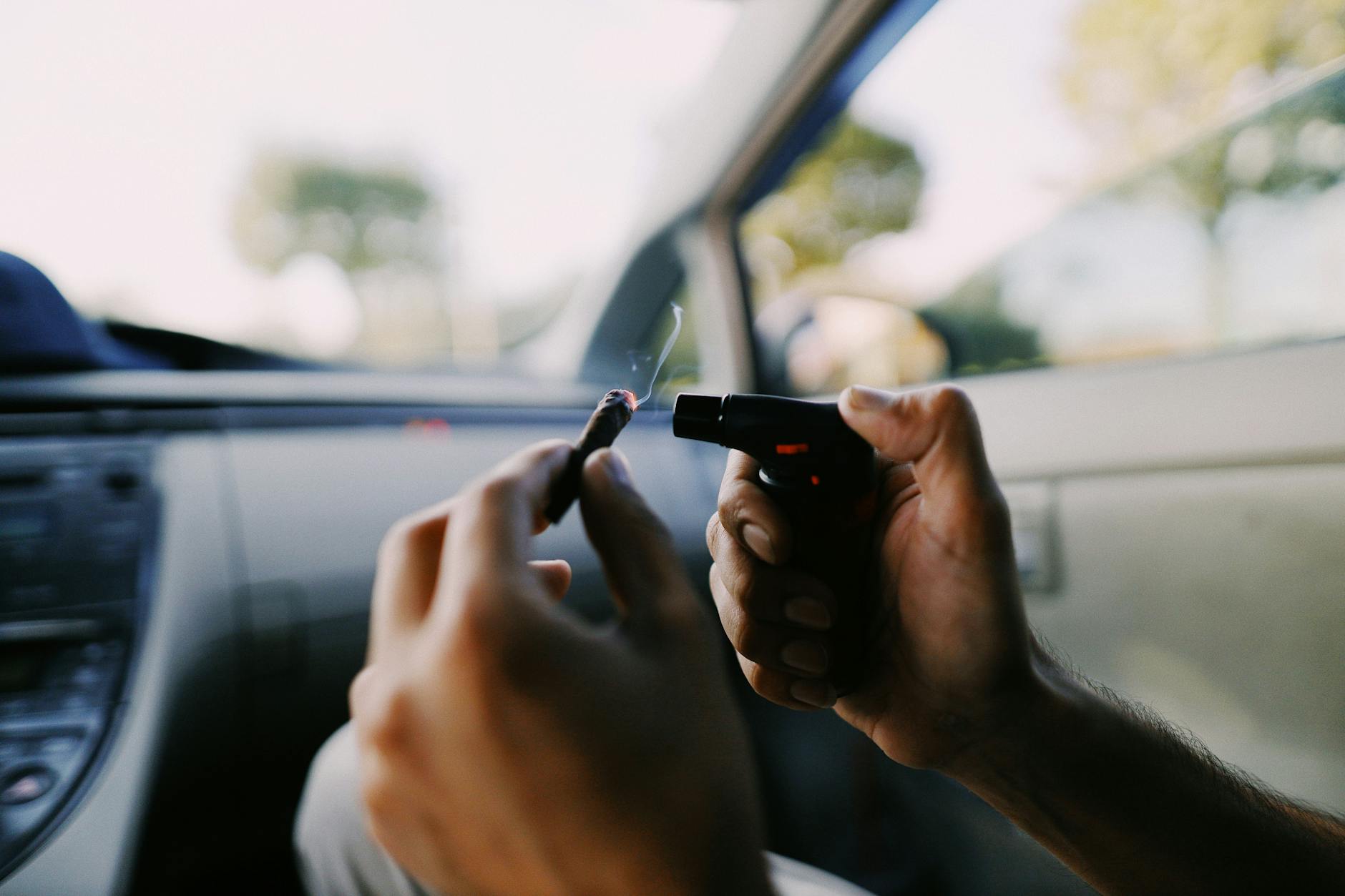
 cannabis and driving behaviours among two samples of people who regularly … – UNSW” style=”width:100%;max-height:420px;object-fit:cover;border-radius:8px;display:block;” />
#75 Strong Clinical Relevance
High-quality evidence with meaningful patient or clinical significance.
# Summary This study examined driving behaviors and impairment risk among regular cannabis users who obtained their medication through legal prescription channels in two separate cohorts. The research found that prescribed cannabis users reported variable impacts on driving ability, with some experiencing significant impairment while others reported minimal effects, suggesting substantial individual variation in cannabis-related driving safety. The findings highlight an important clinical gap: current prescribing practices lack standardized guidance on driving safety counseling and patient-specific risk assessment for those using cannabis therapeutically. Clinicians should recognize that legal prescription status does not eliminate impairment risk and that individual factors including dose, cannabinoid profile, and baseline tolerance significantly influence driving safety. Patients receiving prescribed cannabis should receive explicit counseling about the potential for impaired driving, similar to warnings provided for other CNS-active medications, and be advised to assess their individual response before operating vehicles. Healthcare providers need evidence-based frameworks to identify which patients are at highest risk for cannabis-related driving impairment so they can provide targeted safety recommendations alongside therapeutic prescriptions.
“What this research clarifies for me in clinical practice is that we need individualized impairment assessments rather than categorical restrictions, because the data shows cannabis users who are medically stable and properly dosed don’t necessarily exhibit the driving impairment we’d expect from acute intoxication, yet our legal frameworks still treat them as uniform risk.”
🚗 Clinicians prescribing cannabis should recognize that patients may underestimate impairment risk while driving, as recent research indicates that subjective feeling of impairment does not reliably predict actual driving performance in regular cannabis users. The phenomenon of tolerance to subjective effects creates a false sense of safety, potentially explaining why prescribed cannabis users in this study maintained driving behaviors despite pharmacological impairment. Important confounders include individual variability in cannabinoid metabolism, concurrent medication use, route of administration, and differences between THC-dominant and CBD-dominant products, all of which significantly affect driving safety profiles. Given these complexities, clinicians should explicitly counsel patients prescribed cannabis about driving risks, consider alternative dosing schedules that minimize driving-hour exposure, and assess baseline driving frequency and necessity before initiating therapy. A direct conversation about fitness to drive, documented in the medical record, represents an actionable safeguard that acknowledges both the therapeutic role
💬 Join the Conversation
Have a question about how this applies to your situation? Ask Dr. Caplan →
Want to discuss this topic with other patients and caregivers? Join the forum discussion →
Have thoughts on this? Share it:

