
#70 Notable Clinical Interest
Emerging findings or policy developments worth monitoring closely.
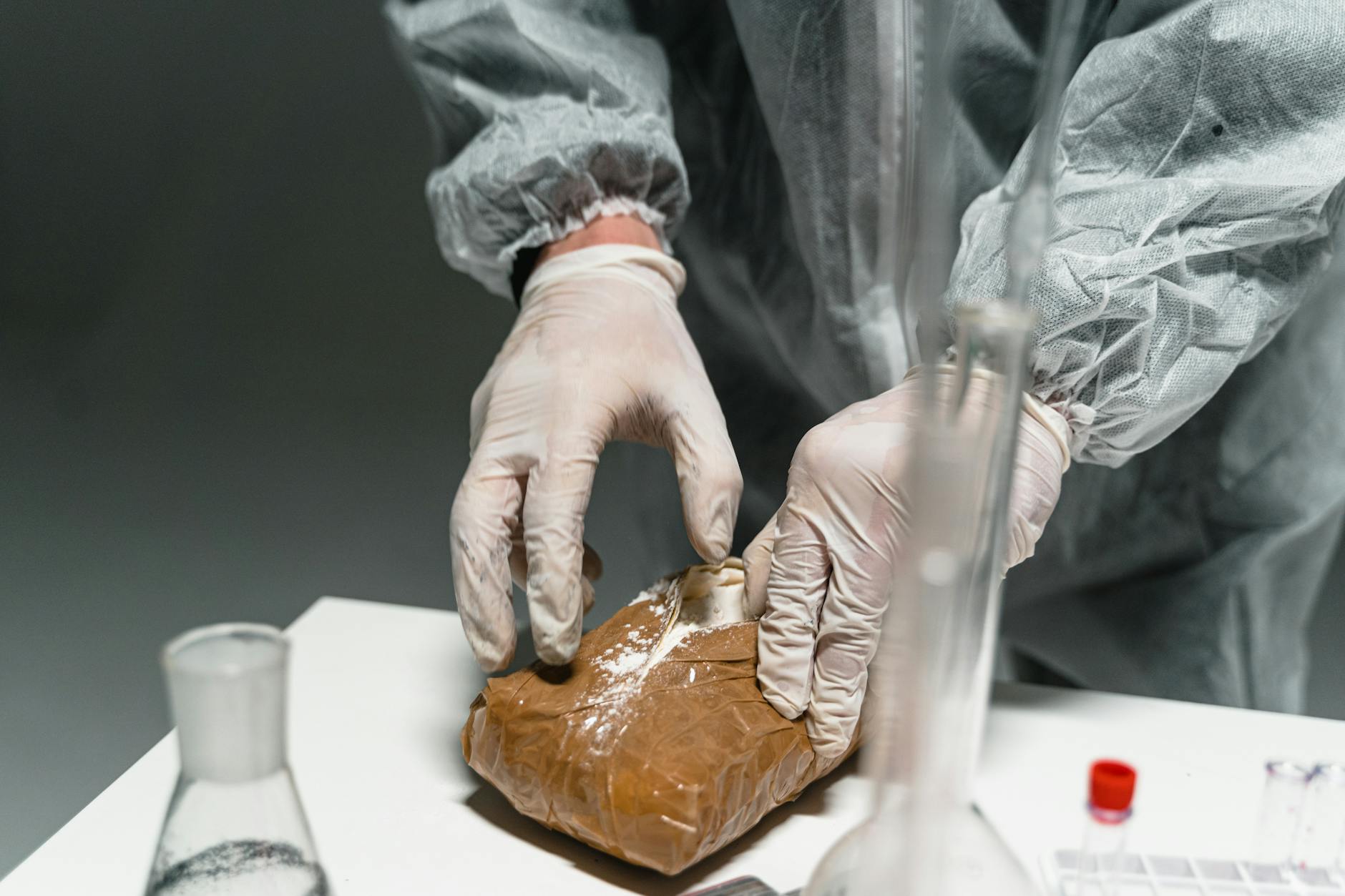
This regulatory notice documents the Drug Enforcement Administration’s placement of MDMB-4en-PINACA, a synthetic cannabinoid, into Schedule I of the Controlled Substances Act, designating it as having no accepted medical use and high abuse potential. MDMB-4en-PINACA is a designer drug chemically similar to approved cannabinoid medications but created to evade existing drug laws, and its scheduling reflects escalating public health concerns regarding synthetic cannabinoids that have caused serious adverse events including seizures, psychosis, and deaths. This action impacts clinical practice by clarifying the legal status of an emerging substance that may appear in toxicology screens or be misrepresented to patients seeking cannabis-based treatment. The scheduling reinforces the distinction between FDA-approved cannabinoid medications (such as dronabinol and nabiximols) and illicit synthetic analogs, which clinicians should understand when counseling patients about product safety and legitimate medical options. Clinicians should remain vigilant for patients presenting with acute toxicity from synthetic cannabinoids and educate patients that unregulated products, even those marketed as “legal” alternatives, carry significant medical and legal risks compared to evidence-based pharmaceutical cannabinoids.
“The DEA’s scheduling of synthetic cannabinoids like MDMB-4en-PINACA reflects a real clinical problem I see in my practice: unregulated designer compounds that are orders of magnitude more potent than plant cannabis, with unpredictable receptor binding that causes severe psychiatric and cardiovascular events we simply cannot manage safely. Until we separate legitimate cannabis medicine from the synthetic drug problem through rational scheduling and proper research access, patients who could benefit from evidence-based cannabinoid therapy get caught in the same regulatory framework as street drugs designed specifically to evade law enforcement.”
💊 The DEA’s scheduling of MDMB-4en-PINACA, a synthetic cannabinoid, into Schedule I reflects the ongoing regulatory challenge posed by designer drugs that continuously evade existing classifications through minor chemical modifications. This action is clinically relevant given the increasing frequency of synthetic cannabinoid-related emergency department visits and psychiatric presentations, which often present with more severe toxicity than natural cannabis, including acute psychosis, seizures, and cardiovascular instability. However, clinicians should recognize that scheduling decisions, while important for supply reduction, do not directly address the underlying drivers of synthetic cannabinoid use such as affordability, accessibility in unregulated markets, or underlying substance use disorders. The lag between emergence of novel compounds and regulatory action means patients may present with exposures to substances before clinical data are available, complicating management and requiring supportive care alongside poison control consultation. Practically, healthcare providers should remain vigilant for undisclosed
💬 Join the Conversation
Have a question about how this applies to your situation? Ask Dr. Caplan →
Want to discuss this topic with other patients and caregivers? Join the forum discussion →
FAQ
This News item was assembled from structured source metadata and pipeline scoring.
Have thoughts on this? Share it:

