































#78 Strong Clinical Relevance
High-quality evidence with meaningful patient or clinical significance.
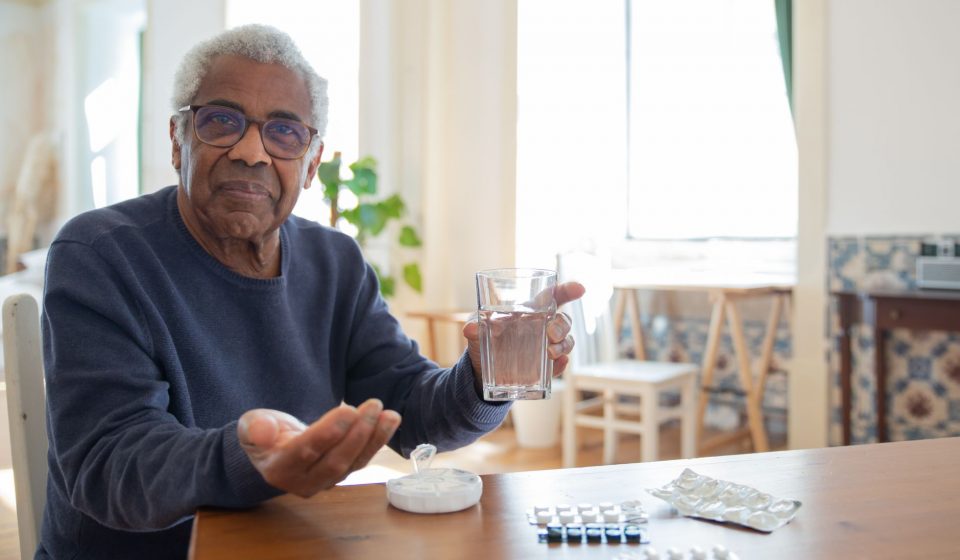
Older adults using cannabis edibles represent a growing clinical population with distinct pharmacokinetic vulnerabilities, as edibles produce delayed and prolonged effects that increase risks of overdose and falls compared to other routes of administration. Clinicians need evidence-based guidance on cannabis dosing, drug interactions, and safety monitoring in older patients who may be self-managing pain or psychiatric conditions outside traditional medical frameworks. Understanding the motivations and safety profiles of edible use in this population enables clinicians to provide informed counsel, assess risks against potential benefits, and integrate cannabis discussions into comprehensive pain and mental health management plans.
A recent medical study examined cannabis edible use among older adults, finding that this population primarily uses these products for therapeutic rather than recreational purposes, particularly for managing physical and mental pain conditions. The research highlights an important demographic shift in cannabis consumption patterns, as seniors increasingly turn to edibles as a preferred delivery method, likely due to ease of use and dosing control compared to other cannabis forms. This therapeutic motivation differs significantly from younger populations and reflects the growing acceptance of cannabis as a pain management tool in geriatric medicine. The findings underscore that older adults using edibles typically do so with genuine medical intent, often as part of managing chronic pain, anxiety, depression, or other age-related conditions. For clinicians caring for older patients, this research suggests the importance of routinely assessing cannabis use as part of comprehensive medication reviews, particularly in patients with undertreated pain or mood disorders who may benefit from this alternative. Clinicians should engage in nonjudgmental conversations about edible use with older patients and consider cannabis as a potential therapeutic option when conventional pain management has proven insufficient or poorly tolerated.
“What we’re seeing in older adults is that edibles offer a genuine therapeutic advantage for chronic pain and anxiety when other medications have failed or caused intolerable side effects, but the delayed onset and unpredictable absorption mean we absolutely must counsel patients on dosing discipline and start low, because an older person’s metabolism and fall risk make an accidental overdose far more consequential than in younger populations.”
💊 The increasing use of cannabis edibles among older adults reflects a significant clinical trend driven by inadequately managed pain and mental health symptoms, yet healthcare providers should recognize important limitations in current evidence. While older adults may experience genuine therapeutic benefit from cannabis for chronic pain and mood disorders, edibles present particular risks in this population including delayed onset of effects leading to overdosing, impaired metabolism due to polypharmacy and age-related changes, and potential drug interactions that younger users may tolerate better. The retrospective nature of most studies examining older adults’ edible use means we lack robust prospective data on safety, efficacy, and optimal dosing strategies specific to this vulnerable group. Confounders such as concurrent opioid use, cognitive status, and fall risk complicate interpretation of benefits and harms. Clinicians caring for older adults should directly ask about cannabis use including edibles, counsel on delayed onset and the risk of accidental overdose, monitor
This topic comes up in consultations often.
Dr. Caplan offers clinical context on evolving cannabis policy and its real-world implications for patients.
Book a consultation →💬 Join the Conversation
Have a question about how this applies to your situation? Ask Dr. Caplan →
Want to discuss this topic with other patients and caregivers? Join the forum discussion →
Have thoughts on this? Share it:


