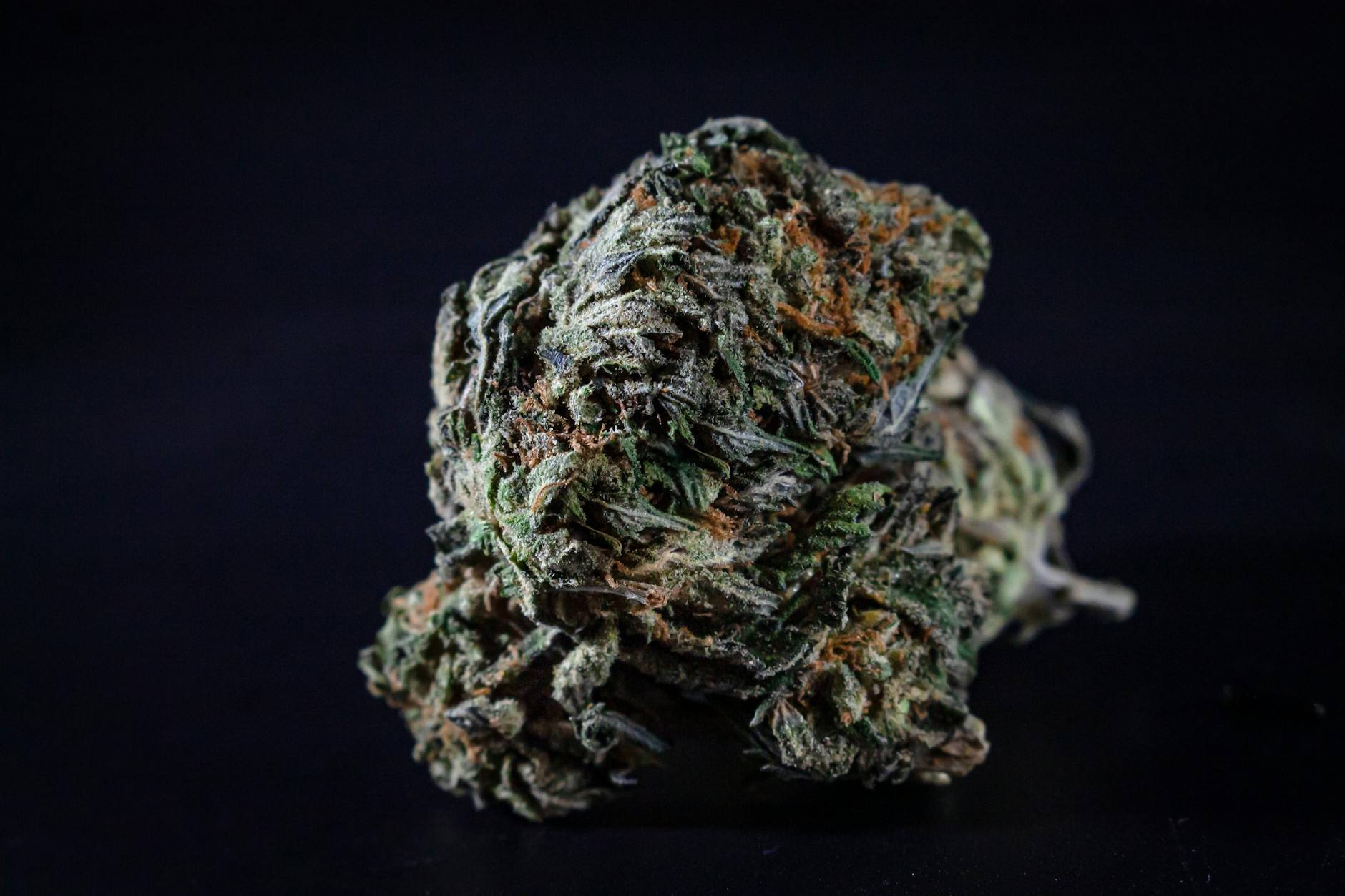
This research provides molecular evidence for cannabinoid and terpene interactions that could inform more precise dosing strategies and product selection. Understanding these binding mechanisms may help explain why some patients respond better to whole-plant preparations versus isolated compounds.
Recent research demonstrates that minor cannabinoids and terpenes can physically bind to and modulate cannabinoid receptors, providing mechanistic support for the entourage effect hypothesis. These molecular interactions suggest that cannabis compounds work synergistically rather than independently, potentially explaining observed differences in therapeutic effects between whole-plant extracts and isolated cannabinoids. The findings offer a scientific foundation for what has been largely observational clinical experience.
“This validates what many clinicians have observed — that patients often respond differently to full-spectrum products versus isolates. The challenge now is translating these molecular insights into reproducible clinical protocols.”
💬 Join the Conversation
This topic comes up in consultations often.
Dr. Caplan offers clinical context on evolving cannabis policy and its real-world implications for patients.
Book a consultation →Have a question about how this applies to your situation? Ask Dr. Caplan →
Want to discuss this topic with other patients and caregivers? Join the forum discussion →
Have thoughts on this? Share it:
FAQ
What is the entourage effect in cannabis medicine?
The entourage effect refers to the theory that cannabis compounds work better together than in isolation. This suggests that whole-plant cannabis products may provide enhanced therapeutic benefits compared to single cannabinoid formulations.
How do cannabinoid receptors affect cannabis treatment outcomes?
Cannabinoid receptors are part of the body’s endocannabinoid system and determine how cannabis compounds interact with our physiology. Understanding receptor interactions helps clinicians predict treatment responses and optimize therapeutic protocols.
What factors should guide cannabis product selection for patients?
Product selection should consider the patient’s specific condition, symptom profile, and treatment goals. Factors include cannabinoid ratios, delivery method, onset time, and the patient’s previous cannabis experience.
How should healthcare providers approach cannabis dosing?
Cannabis dosing should follow a “start low, go slow” approach, beginning with minimal doses and gradually increasing. Individual patient response varies significantly, requiring personalized titration and careful monitoring.
Why is this classified as “Notable Clinical Interest”?
This classification indicates emerging research or policy developments that warrant close attention from healthcare providers. These findings may influence future clinical practice guidelines or treatment protocols.

