#78 Strong Clinical Relevance
High-quality evidence with meaningful patient or clinical significance.
I don’t see a summary provided in your request. Could you please share the article summary so I can write the 2-3 sentences explaining its clinical relevance?
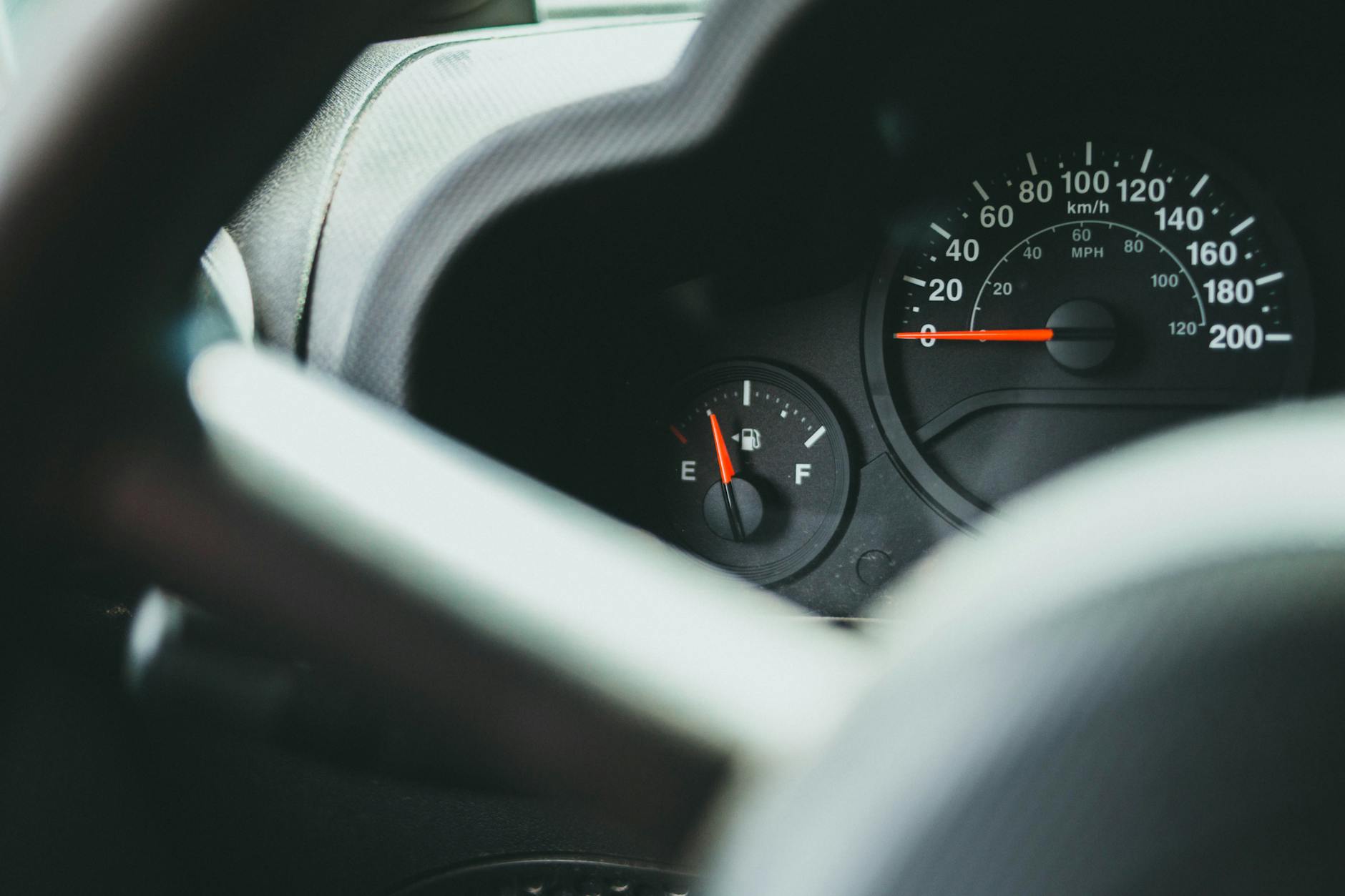
Blood and urine THC concentrations do not reliably correlate with cannabis-induced driving impairment, according to recent evidence, challenging the validity of current roadside testing and legal impairment thresholds used in many jurisdictions. Unlike alcohol, which has a well-established relationship between blood concentration and cognitive/motor impairment, THC levels vary significantly based on individual factors including frequency of use, metabolism, and route of administration, making standardized cutoff values scientifically unfounded. This disconnect has important implications for patients who use cannabis therapeutically or recreationally, as they may face legal consequences for driving based on positive tests that do not actually indicate functional impairment at the time of testing. Clinicians should counsel patients that current drug-driving legislation does not distinguish between impaired and non-impaired cannabis users, and that legal risk exists independent of actual driving ability. For clinicians and patients, the practical takeaway is that cannabis use and driving decisions should be based on individual assessment of actual impairment and local legal standards rather than assumptions about what blood or urine THC levels indicate about driving safety.
“We’ve known for years that THC blood levels don’t correlate meaningfully with impairment the way alcohol does, yet we’re still using them as the basis for DUI prosecutions and clinical monitoring, which puts both patients and the public at a disadvantage—what we really need are validated impairment tests, not proxy biomarkers that tell us someone used cannabis days or weeks ago.”
🚗 The finding that blood and urine THC concentrations poorly correlate with driving impairment has significant implications for clinicians advising patients on cannabis use and driving safety. Unlike alcohol, which shows a reasonably predictable dose-response relationship with impairment, THC’s psychoactive effects depend on individual factors including tolerance, route of administration, and time since use, making any single biomarker threshold problematic for assessing driving fitness. This evidence gap creates a clinical dilemma: while we can counsel patients that acute cannabis use impairs cognition and motor skills necessary for safe driving, we cannot reliably point to a blood THC level as a “safe” cutoff or use standard drug screening results to confirm impairment has resolved. Clinicians should counsel patients to avoid driving after any cannabis use, particularly with newer high-potency products, and recognize that a positive THC test does not indicate current impairment or recent
💬 Join the Conversation
Have a question about how this applies to your situation? Ask Dr. Caplan →
Want to discuss this topic with other patients and caregivers? Join the forum discussion →
Have thoughts on this? Share it:

