#75 Strong Clinical Relevance
High-quality evidence with meaningful patient or clinical significance.
Clinicians treating older patients can now reference robust evidence suggesting that cannabis use itself does not independently cause cognitive decline or dementia, which may inform more nuanced risk-benefit discussions with aging patients considering cannabis for pain, sleep, or other conditions. This finding is clinically significant because many providers have counseled cannabis avoidance based on presumed cognitive harms, and evidence to the contrary may shift treatment considerations for geriatric patients where cannabis might address multiple symptoms with fewer drug interactions than conventional medications.
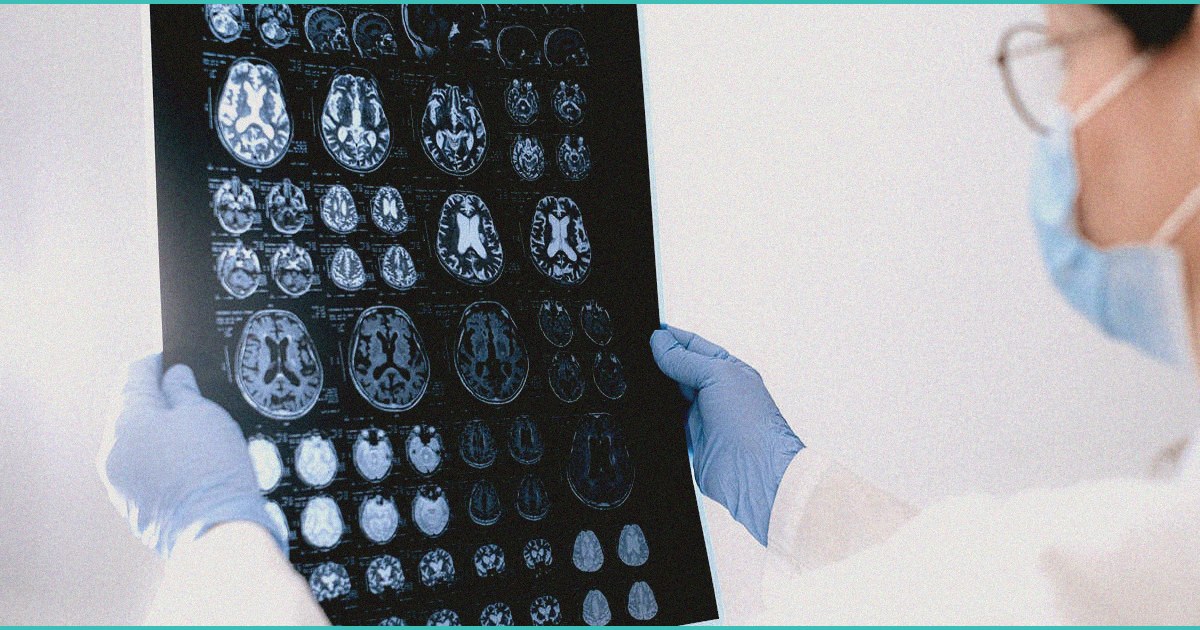
A large Israeli cohort study of over 67,000 older adults found no significant association between lifetime cannabis use and cognitive decline or dementia risk in aging populations, adding important epidemiological evidence to an understudied area of geriatric medicine. This finding contrasts with earlier concerns about cannabis-related cognitive impairment and suggests that long-term exposure in older adults may not carry the neurodegenerative risks previously hypothesized. The study’s size and longitudinal design provide clinicians with reassurance when counseling older patients who are current or former cannabis users about dementia risk, though the researchers appropriately note that additional mechanistic research is needed to understand protective or neutral pathways. These results may help reduce stigma around cannabis use in aging populations and support more nuanced discussions about risks and benefits in clinical settings. Clinicians can incorporate these findings when evaluating cognitive complaints in older cannabis users and when discussing cannabis safety with geriatric patients considering its use for pain, sleep, or other age-related conditions.
“What we’re seeing in the longitudinal data is that moderate, long-term cannabis use in older adults doesn’t appear to accelerate cognitive aging the way we once feared, which changes how I counsel patients about risk-benefit in this population, particularly those with neuropathic pain or sleep disorders where other options have failed or caused harm.”
🧠 While this large Israeli cohort study provides reassuring epidemiological evidence that lifetime cannabis use is not associated with cognitive decline or dementia in older adults, clinicians should interpret these findings cautiously given significant methodological limitations that likely underestimate potential harms. The study’s observational design cannot establish causation, relies on self-reported exposure history which may be subject to recall bias and survivorship bias, and lacks granular data on dose, duration, frequency, and route of administration—all factors that likely influence cognitive outcomes differently. Additionally, the generalizability to diverse populations, including younger adults or those with concurrent medical or psychiatric conditions, remains uncertain. In clinical practice, these findings suggest that age alone should not trigger routine cognitive screening in cannabis users, but providers should continue counseling older adults about cannabis-related risks including impaired judgment, fall risk, and potential drug interactions, while acknowledging that current evidence does not clearly link lifetime use to dementia
💬 Join the Conversation
Have a question about how this applies to your situation? Ask Dr. Caplan →
Want to discuss this topic with other patients and caregivers? Join the forum discussion →
Have thoughts on this? Share it: