






























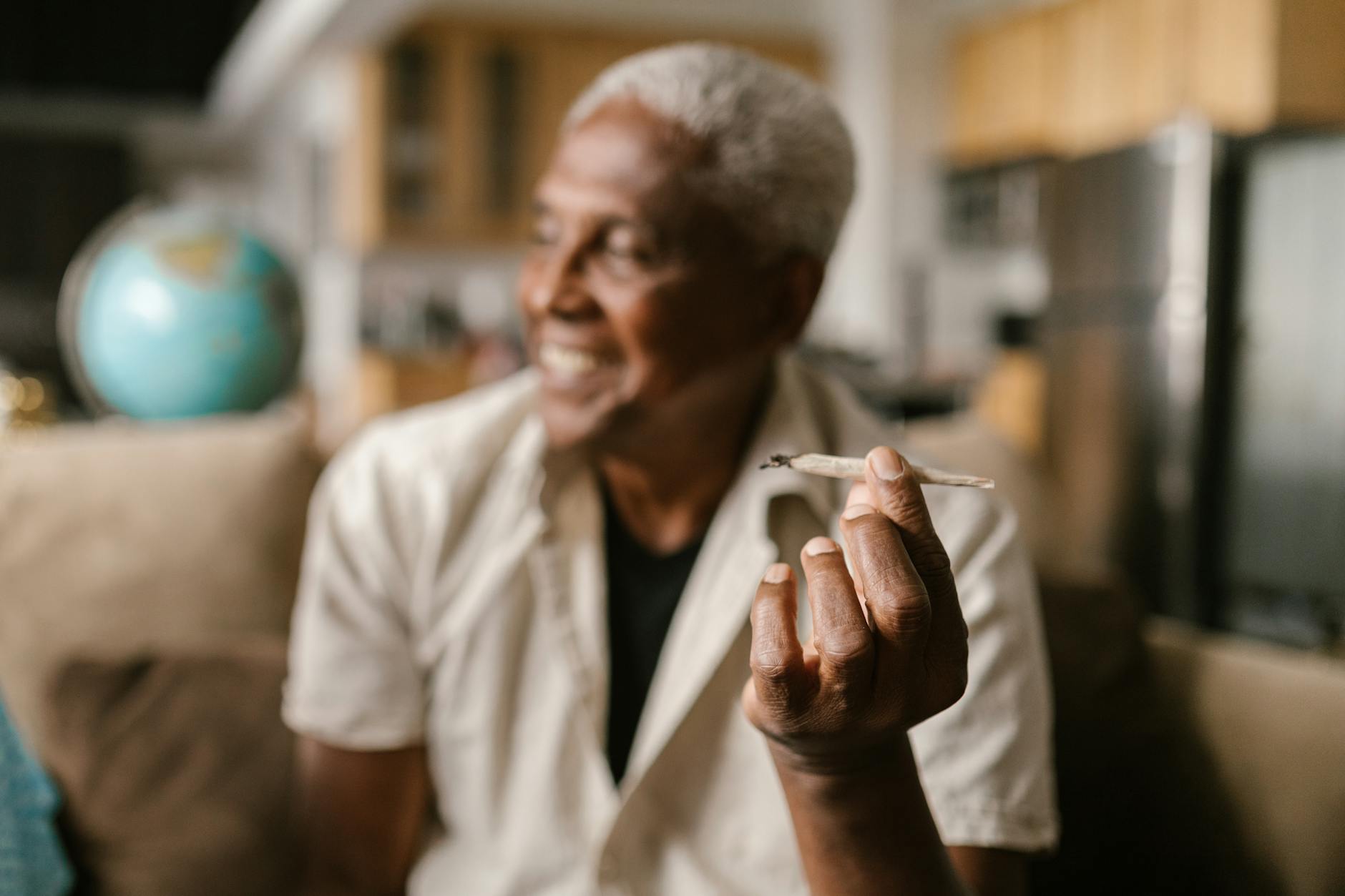

 Study Shows Lifetime Cannabis Use Not Associated with Cognitive Decline or Dementia …” style=”width:100%;max-height:420px;object-fit:cover;border-radius:8px;display:block;” />
#78 Strong Clinical Relevance
High-quality evidence with meaningful patient or clinical significance.
A longitudinal cohort study examining the relationship between lifetime cannabis use and cognitive outcomes found no significant association between cannabis exposure and cognitive decline or dementia risk in older adults, contrary to concerns raised in some prior research. The study followed participants over an extended period and controlled for multiple confounding variables including age, education, alcohol use, and other substance exposures, strengthening the reliability of findings. These results suggest that historical cannabis use alone may not be an independent risk factor for neurodegenerative disease, though the researchers appropriately noted limitations including potential selection bias and the inability to account for cannabis potency or frequency of use in earlier eras. For clinicians evaluating older patients with cognitive complaints or dementia risk, this evidence can help inform more nuanced discussions about cannabis exposure history without defaulting to cannabis as a presumptive cause of cognitive decline. However, practitioners should continue monitoring emerging evidence on current high-potency products and younger cohorts, as the long-term effects of modern cannabis formulations remain incompletely characterized. Clinicians can reassure patients that lifetime cannabis use in their history does not appear to independently predict cognitive decline, while maintaining individualized assessment of current use patterns and associated risks.
“What this study tells us is that we can stop using cognitive decline as a blanket reason to exclude cannabis from treatment discussions with our patients, particularly older adults with neuropathic pain or chemotherapy-induced nausea where the evidence for benefit is actually quite strong.”
💭 This observational study reporting no association between lifetime cannabis use and cognitive decline or dementia risk challenges the longstanding clinical concern about cannabis and neurotoxicity, though several important limitations warrant caution in clinical counseling. The study’s reliance on retrospective self-reported cannabis exposure, potential survival bias (excluding individuals with severe cognitive impairment or early mortality), and inability to distinguish between frequency, potency, age of use initiation, and route of administration mean we cannot yet confidently reassure patients about long-term cognitive safety. Additionally, this finding pertains specifically to older adults without dementia at baseline and may not apply to younger users, adolescents during critical developmental windows, or those with genetic vulnerability to cognitive disorders. While the reassuring message is tempting, clinicians should continue to counsel patients—particularly young people—about the uncertainty surrounding cannabis and brain health, maintain vigilance for individual reports of cognitive symptoms, and avoid extrapolating these
This topic comes up in consultations often.
Dr. Caplan offers clinical context on evolving cannabis policy and its real-world implications for patients.
Book a consultation →💬 Join the Conversation
Have a question about how this applies to your situation? Ask Dr. Caplan →
Want to discuss this topic with other patients and caregivers? Join the forum discussion →
Have thoughts on this? Share it: