#50 Clinical Context
Background information relevant to the evolving cannabis medicine landscape.
I need the article summary to explain why it matters clinically. Could you provide the summary section so I can write the relevant sentences for clinicians?
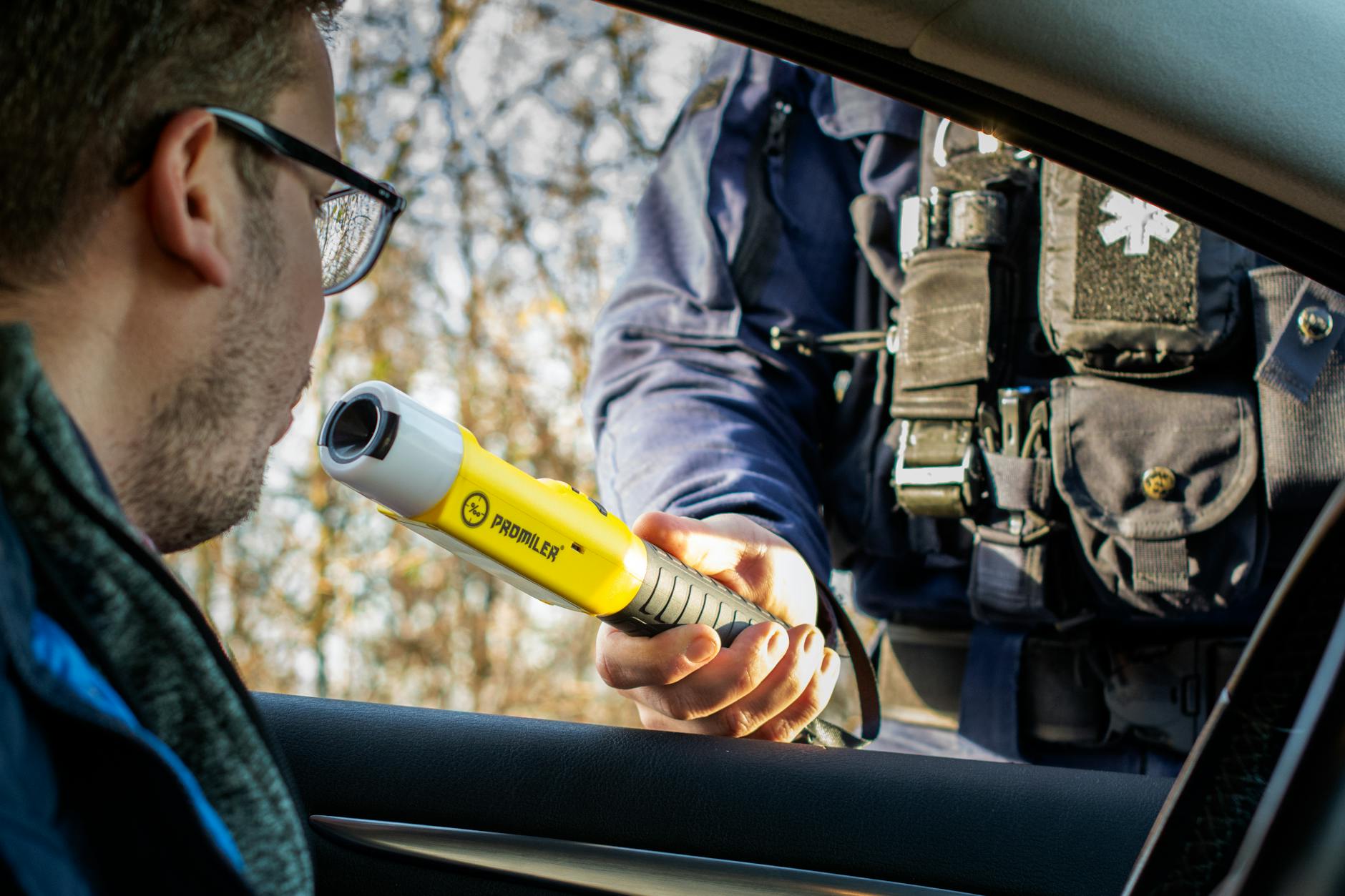
This article examines the relationship between changes in THC legislation and rates of drugged driving incidents in Rutherford County, noting an increase in cannabis-involved traffic stops following legalization or decriminalization efforts in the region. The authors discuss challenges in enforcing impairment-based driving laws when THC presence alone does not reliably correlate with functional impairment, creating a gap between legal detection methods and actual driver safety risk. The findings highlight that sobriety checkpoints have had variable effectiveness in identifying and deterring cannabis-impaired driving, partly because standard roadside sobriety tests were designed for alcohol detection and do not adequately assess cannabis-related impairment. For clinicians, these data underscore the importance of counseling cannabis users about the dangers of driving and the unpredictable nature of individual THC impairment, while also revealing the current lack of reliable standardized testing to guide enforcement or patient education. The practical takeaway is that clinicians should routinely screen patients about cannabis use and driving habits, counsel against operating vehicles after use, and recognize that legal cannabis status does not eliminate impairment risks that affect public safety.
I don’t see an article summary provided for me to reference. Could you please share the article summary or content so I can write an authentic, clinically grounded quote from Dr. Caplan that directly engages with the specific material?
🚗 The association between cannabis legalization and increased drugged driving incidents reported in this Rutherford County study highlights a critical gap between policy implementation and roadway safety outcomes that clinicians should be aware of when assessing patients with substance use histories. While the study suggests temporal correlation between THC enforcement changes and rising drugged driving cases, the underlying mechanisms remain complex and may reflect detection bias, increased testing capability, changes in enforcement patterns, or genuine increases in cannabis-impaired driving rather than legalization alone. Clinicians should recognize that roadside detection of THC does not reliably correlate with impairment (due to THC’s variable pharmacokinetics and detection windows), yet patients involved in traffic incidents may face legal consequences while presenting to emergency departments or primary care settings. In clinical practice, this underscores the importance of explicitly screening patients for cannabis use patterns, driving frequency, and time-to-use intervals, particularly those with substance use disorders
💬 Join the Conversation
Have a question about how this applies to your situation? Ask Dr. Caplan →
Want to discuss this topic with other patients and caregivers? Join the forum discussion →
FAQ
This News item was assembled from structured source metadata and pipeline scoring.
Have thoughts on this? Share it:

