#42 Clinical Context
Background information relevant to the evolving cannabis medicine landscape.
I don’t see a summary provided in your request. Please provide the article summary so I can write 2-3 sentences explaining its clinical relevance.
South Africa faces a significant gap in developing a coherent national strategy to capitalize on an estimated R40 billion hemp industry opportunity, which could substantially impact the local cannabis-derived therapeutic market and patient access to cannabinoid-based treatments. Without coordinated regulatory frameworks and industry development plans, the country risks losing economic benefits and delayed implementation of evidence-based cannabis products that could serve clinical populations, while competitors in other regions establish dominant market positions. The lack of strategic direction affects pharmaceutical manufacturers seeking to develop standardized, quality-assured cannabis medicines and clinicians who rely on regulatory clarity to safely prescribe these products to patients. A comprehensive national hemp strategy would facilitate standardized cultivation practices, quality control measures, and transparent supply chains essential for clinical-grade cannabis products entering medical practice. Clinicians should advocate for policy engagement and regulatory clarity in their jurisdictions, as coherent national strategies directly enable access to standardized cannabis therapeutics and support evidence-based prescribing practices for eligible patients.
“We’re seeing patients already self-treating with hemp products due to gaps in our conventional pharmacology, but without a coherent regulatory framework and evidence infrastructure, we’re essentially allowing an uncontrolled clinical experiment to happen in the community rather than advancing it through proper research and clinical integration.”
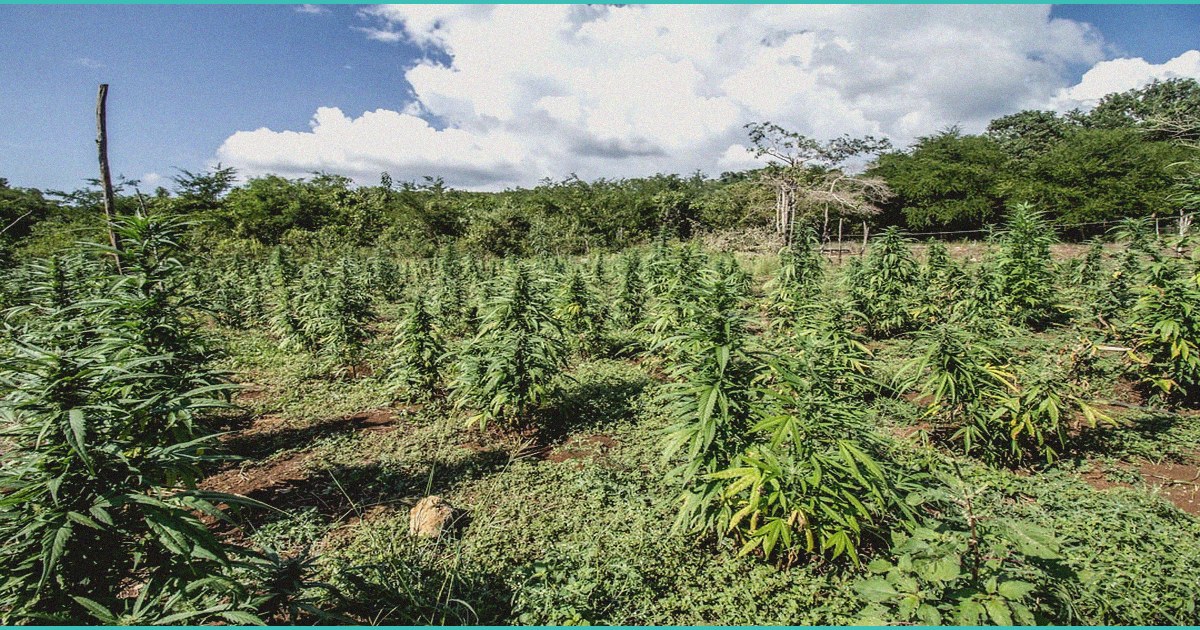
🌿 South Africa’s potential R40 billion hemp industry remains largely underdeveloped due to the absence of a coordinated national strategy, despite favorable growing conditions and global market demand. While hemp cultivation itself does not produce psychoactive effects, the regulatory ambiguity surrounding licensing, processing standards, and product classification has created barriers to agricultural and commercial development. Clinicians should recognize that hemp-derived products—including CBD oils, fibers, and seeds—are increasingly marketed to patients for various conditions, yet the fragmented supply chain and lack of quality oversight in unregulated markets present real risks of contamination, mislabeling, or inconsistent dosing that can undermine clinical judgment. The absence of coherent policy not only limits legitimate economic opportunity but also creates space for unvetted products to reach patients without proper pharmaceutical scrutiny. Healthcare providers should consider advocating for clear regulatory pathways that enable safe access to rigorously tested hemp-derived therapeut
💬 Join the Conversation
Have a question about how this applies to your situation? Ask Dr. Caplan →
Want to discuss this topic with other patients and caregivers? Join the forum discussion →
FAQ
This News item was assembled from structured source metadata and pipeline scoring.
Have thoughts on this? Share it:

