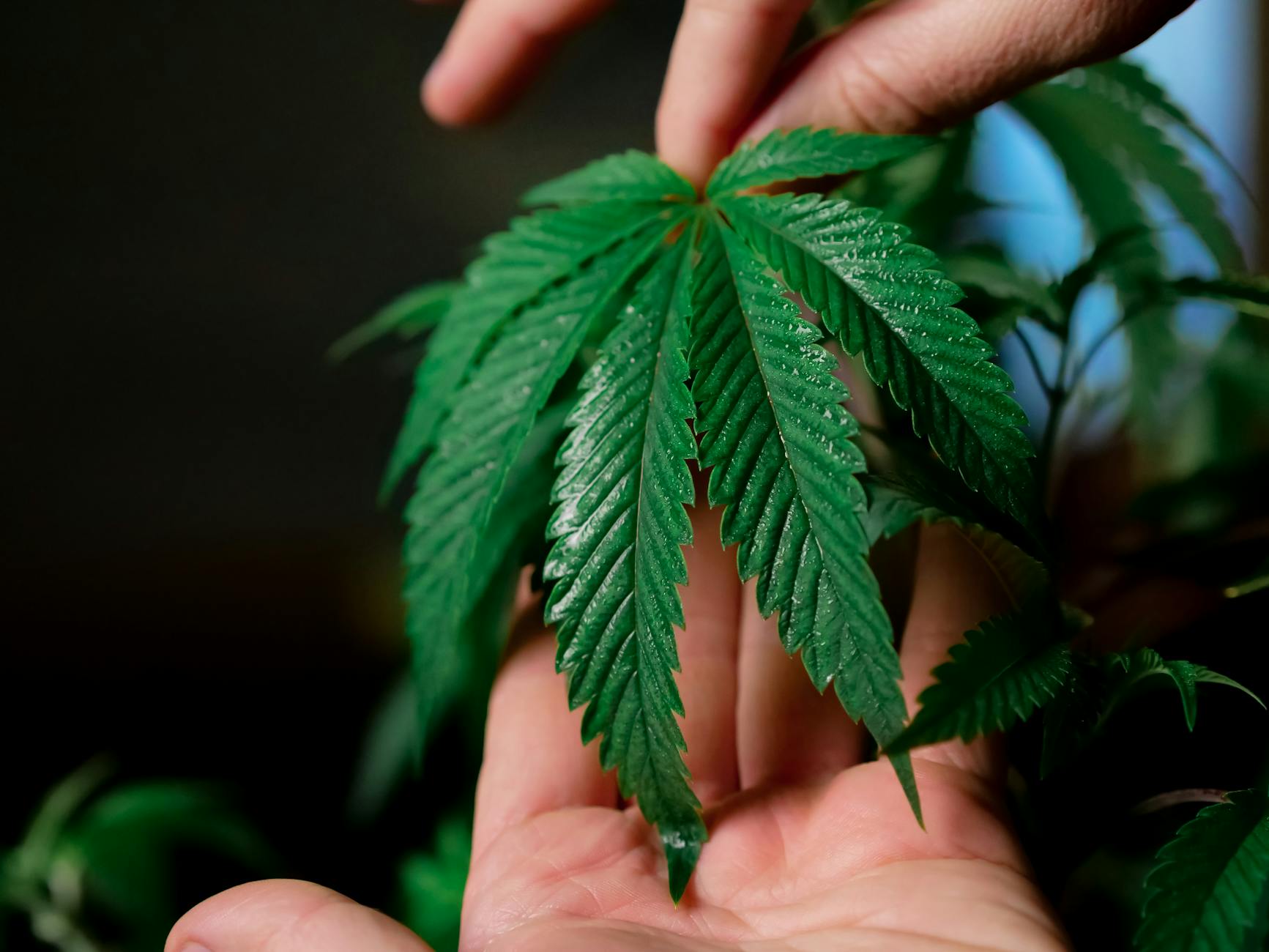
Age-dependent psychiatric risks with cannabis use directly impact how clinicians should assess and counsel patients across different life stages. Understanding these differential risk profiles is essential for evidence-based patient discussions about timing, dosing, and monitoring protocols.
Research suggests that cannabis use during adolescence and early adulthood may carry higher risks for certain psychiatric outcomes compared to adult-onset use, likely related to ongoing neurodevelopmental processes. The developing brain appears more vulnerable to cannabis-induced changes in neural circuitry, particularly in regions governing executive function and emotional regulation. However, the specific mechanisms remain incompletely understood, and individual risk factors vary considerably across patients.
“I counsel patients that cannabis isn’t pharmacologically identical across age groups — a 16-year-old’s brain responds differently than a 40-year-old’s. We need to factor developmental stage into every cannabis conversation, not just apply blanket recommendations.”
💬 Join the Conversation
Have a question about how this applies to your situation? Ask Dr. Caplan →
Want to discuss this topic with other patients and caregivers? Join the forum discussion →
Have thoughts on this? Share it:
Table of Contents
- FAQ
- What is the clinical relevance rating of this cannabis research?
- Which patient populations does this research focus on?
- What is Cannabis Use Disorder and why is it significant?
- How does cannabis use potentially affect neurodevelopment?
- What mental health considerations are associated with adolescent cannabis use?
FAQ
What is the clinical relevance rating of this cannabis research?
This study received a CED Clinical Relevance rating of #70, indicating “Notable Clinical Interest.” This classification means the findings represent emerging developments or policy changes that clinicians should monitor closely.
Which patient populations does this research focus on?
The research specifically examines adolescent populations in relation to cannabis use and mental health outcomes. This demographic is particularly important given concerns about cannabis effects on developing brains and emerging psychiatric conditions.
What is Cannabis Use Disorder and why is it significant?
Cannabis Use Disorder is a medical condition characterized by problematic cannabis use leading to clinically significant impairment or distress. It’s increasingly recognized as a serious condition requiring clinical attention, particularly among adolescents who may be more vulnerable to developing dependency.
How does cannabis use potentially affect neurodevelopment?
Cannabis use during adolescence may interfere with normal brain development, particularly in areas responsible for decision-making, memory, and emotional regulation. The adolescent brain continues developing until the mid-20s, making this population especially susceptible to cannabis-related neurodevelopmental impacts.
What mental health considerations are associated with adolescent cannabis use?
Adolescent cannabis use has been linked to increased risks of anxiety, depression, psychosis, and other psychiatric conditions. Early intervention and monitoring are crucial, as cannabis use may either contribute to or complicate existing mental health disorders in young people.