



























#75 Strong Clinical Relevance
High-quality evidence with meaningful patient or clinical significance.
Clinicians should understand that cannabis may offer measurable sleep benefits for certain patients, as documented evidence increasingly supports its efficacy for this common complaint. However, clinicians need guidance on dosing, strain selection, and patient screening criteria to recommend cannabis responsibly rather than defaulting to conventional sleep medications that carry their own risks and side effects. Given that sleep disturbance affects treatment outcomes across multiple conditions, cannabis represents a potential option that clinicians should be equipped to discuss with patients who have failed or cannot tolerate standard therapies.
A prospective study from the Philadelphia College of Osteopathic Medicine tracked sleep quality changes in medical cannabis patients over one year, finding self-reported improvements in sleep outcomes among users. This observational data adds to the growing body of evidence suggesting cannabis may have therapeutic utility for sleep disturbances, a common complaint in primary care and specialty practice. However, clinicians should note that self-reported improvements lack objective sleep architecture measures such as polysomnography, limiting the ability to determine which specific sleep parameters improved or whether effects persist long-term. The findings are relevant for patients with chronic insomnia or sleep disorders who may be considering cannabis as an adjunctive or alternative therapy, though comparative efficacy against established pharmacologic and behavioral interventions remains unclear. Practitioners should counsel patients that while subjective sleep quality may improve, cannabis use carries its own risks including dependence potential and effects on next-day cognition that must be weighed against perceived benefits. Clinicians evaluating cannabis for sleep should combine these preliminary findings with individualized assessment of patient risk factors and continued monitoring for both therapeutic response and adverse effects.
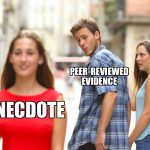
“In my practice, I’ve consistently observed that cannabis can meaningfully improve sleep onset and continuity in patients who haven’t responded to conventional interventions, though the effect is highly individual and depends on strain selection, timing, and dose. What matters most is that we’re finally collecting real longitudinal data instead of relying on anecdote, because this allows us to identify which patients are actually likely to benefit rather than trial-and-error prescribing.”
🛌 While patient-reported improvements in sleep quality among medical cannabis users are encouraging and align with anecdotal clinical experience, these findings should be interpreted cautiously given the reliance on self-reported outcomes, lack of objective sleep metrics, and potential selection bias toward users who perceive benefit. The heterogeneity of cannabis products, cannabinoid profiles, dosing regimens, and individual patient factors means that sleep outcomes may not be generalizable across populations or dosing strategies. Relevant confounders such as concurrent medication changes, underlying sleep disorder diagnosis, comorbid conditions, and expectancy effects are difficult to control in observational studies and may inflate apparent benefit. For clinicians considering cannabis as a sleep aid, current evidence suggests potential utility in select patients, but counseling should emphasize the need for objective sleep assessment before and after use, monitoring for dose-dependent effects and potential dependence, and discussion of more established first-line therapies for insom
This topic comes up in consultations often.
Dr. Caplan offers clinical context on evolving cannabis policy and its real-world implications for patients.
Book a consultation →💬 Join the Conversation
Have a question about how this applies to your situation? Ask Dr. Caplan →
Want to discuss this topic with other patients and caregivers? Join the forum discussion →
FAQ
This News item was assembled from structured source metadata and pipeline scoring.
Have thoughts on this? Share it:


