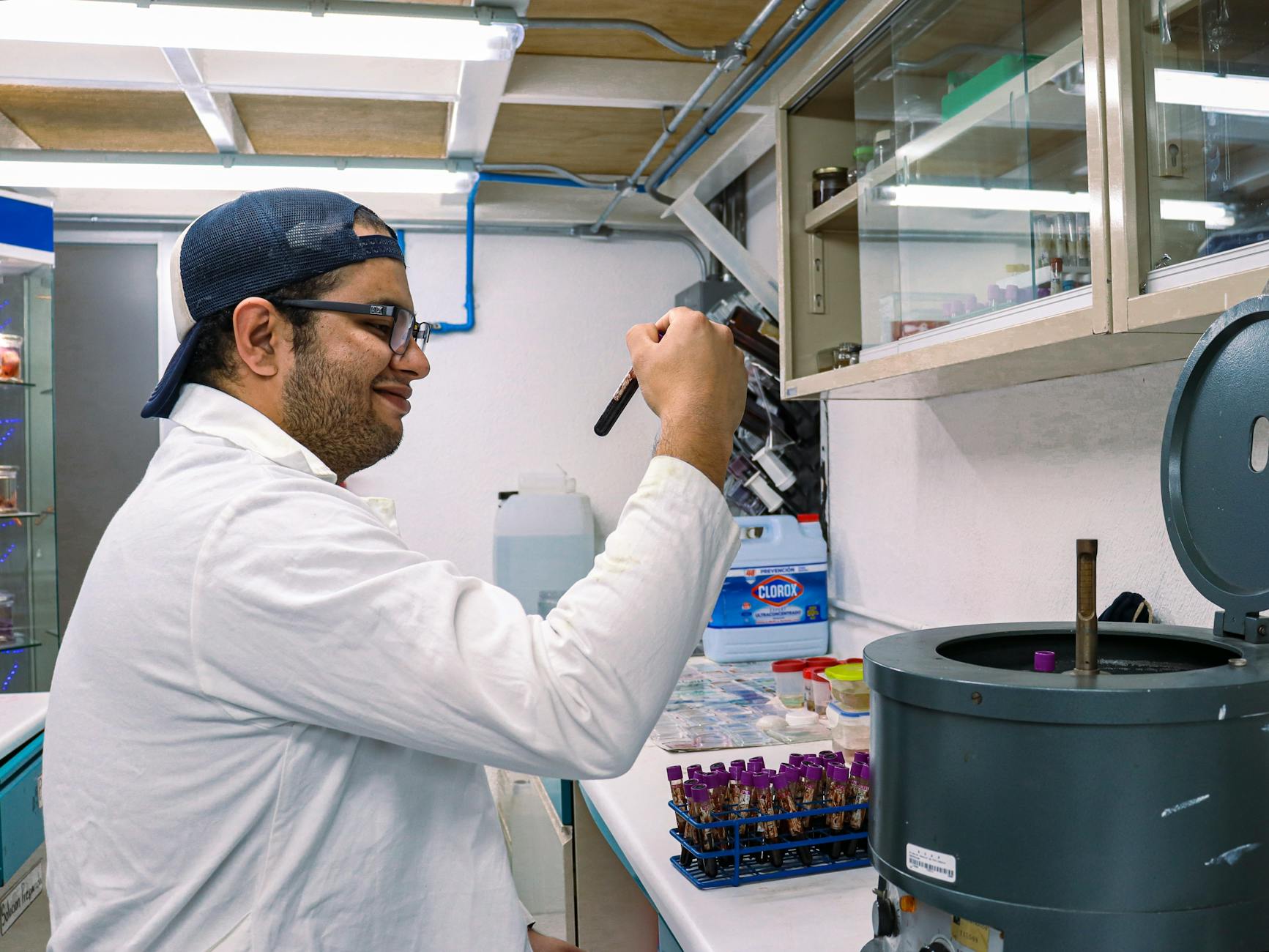
Dr. Stephanie McGrath’s appointment as the inaugural research fellow represents a significant milestone in legitimizing veterinary cannabis research within academic institutions. Her pioneering work on cannabinoids for canine epilepsy has established crucial precedent for evidence-based cannabis medicine across species.
Dr. McGrath, a veterinary neurologist at Colorado State University, has been named the first research fellow of the Institute of Cannabis Research. Her research has focused primarily on CBD efficacy for refractory epilepsy in dogs, including controlled trials that demonstrated seizure reduction with pharmaceutical-grade CBD. This appointment reflects growing institutional support for rigorous cannabis research in veterinary medicine, which often parallels and informs human applications.
“McGrath’s work bridges a critical gap between preclinical models and human application — her canine epilepsy studies provide real-world evidence that often translates more directly to human medicine than rodent studies. This fellowship signals that serious academic institutions are finally investing in the infrastructure needed for quality cannabis research.”
💬 Join the Conversation
Have a question about how this applies to your situation? Ask Dr. Caplan →
Want to discuss this topic with other patients and caregivers? Join the forum discussion →
Have thoughts on this? Share it:
Table of Contents
FAQ
What is this clinical relevance rating about?
This is CED Clinical Relevance #70, rated as “Notable Clinical Interest.” It indicates emerging findings or policy developments in cannabis medicine that are worth monitoring closely by healthcare professionals.
What medical conditions does this research focus on?
The primary focus appears to be on epilepsy treatment using CBD. The research encompasses both human and veterinary medicine applications of cannabis-based therapies.
Yes, this research includes veterinary medicine applications. The study appears to examine CBD treatments across both human and animal patients, particularly for seizure disorders.
What type of cannabis compound is being studied?
The research focuses specifically on CBD (cannabidiol). CBD is a non-psychoactive compound found in cannabis that has shown therapeutic potential for various medical conditions, particularly epilepsy.
Why is this considered clinically relevant?
This research represents emerging findings in cannabis medicine that could impact clinical practice. The “Notable Clinical Interest” rating suggests the findings may influence future treatment protocols or policy decisions regarding CBD use in epilepsy management.