



























Israeli researchers find cannabis compounds could lead to 1st drug for fatty liver disease

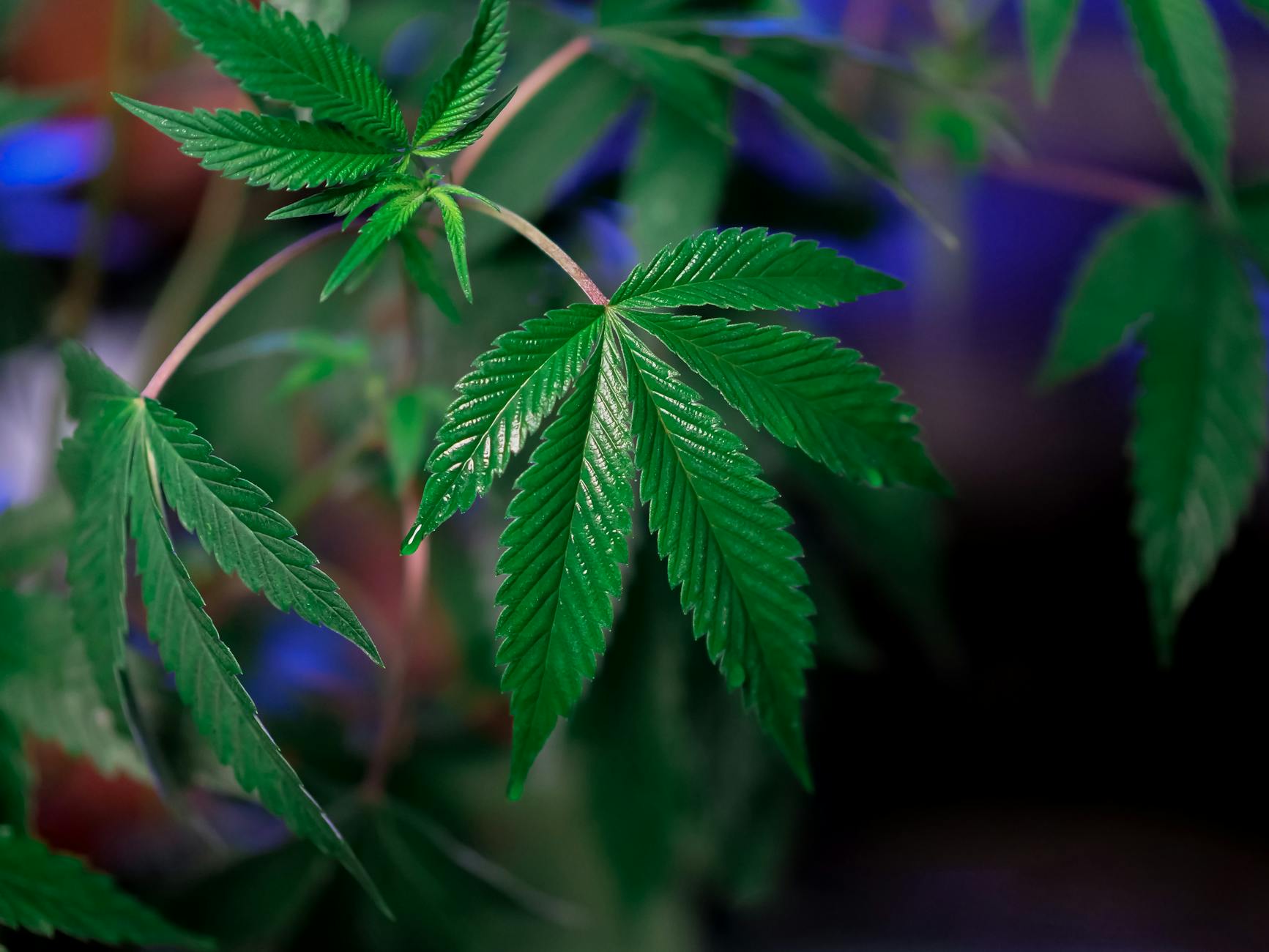 cannabis compounds could lead to 1st drug for fatty liver disease” style=”width:100%;max-height:420px;object-fit:cover;border-radius:8px;display:block;” />
#92 Landmark Clinical Evidence
Peer-reviewed human research with direct implications for cannabis medicine practice.
I need the article summary to write an evidence-grounded explanation. Could you provide the summary text that follows “Summary:”?
Israeli researchers have identified specific cannabis-derived compounds that demonstrate therapeutic potential for nonalcoholic fatty liver disease (NAFLD), a prevalent condition currently lacking FDA-approved pharmacological treatments. The study identified cannabinoid receptor agonists that improved hepatic steatosis and reduced liver inflammation in preclinical models, suggesting a novel mechanism for addressing metabolic dysfunction underlying NAFLD. These findings are significant because NAFLD affects approximately 25 percent of the global population and frequently progresses to cirrhosis, fibrosis, and hepatocellular carcinoma without intervention. The researchers’ work could eventually lead to the development of the first targeted pharmaceutical treatment for this condition, though clinical trials in human subjects would be required to establish safety and efficacy. For clinicians managing patients with NAFLD, these developments suggest that cannabis-based therapeutics may become a legitimate treatment option within the next several years, potentially offering an alternative to lifestyle modification alone. Patients with refractory fatty liver disease should remain informed that emerging cannabis-derived medications are in development, though evidence-based clinical use remains premature until human trials are completed and regulatory approval is obtained.
“We’re finally seeing rigorous mechanistic research that explains what many of my patients with metabolic syndrome have been reporting clinically, and that changes how I counsel patients with NAFLD who’ve exhausted conventional options, though we need Phase 3 data before cannabinoid therapeutics become standard of care rather than a reasonable discussion point in shared decision-making.”
? While preliminary findings from Israeli researchers suggesting cannabinoid compounds may address fatty liver disease are intriguing, clinicians should recognize that in vitro and animal model efficacy rarely translates directly to human benefit, and current evidence remains far from establishing a viable therapeutic option. The pathophysiology of non-alcoholic fatty liver disease involves multiple overlapping mechanisms including lipid metabolism, inflammation, and fibrosis, raising questions about whether targeting cannabinoid pathways alone would sufficiently address disease progression in diverse patient populations. Important confounders include the hepatic metabolism of cannabinoids themselves, variable individual responses based on genetic polymorphisms in cannabinoid receptors, and the long-term safety profile in patients who often have underlying metabolic comorbidities requiring multiple medications with potential drug interactions. Until phase II and III clinical trials demonstrate efficacy and safety in humans, cannabinoid-based therapeutics for fatty liver disease remain experimental, and clinicians
This topic comes up in consultations often.
Dr. Caplan offers clinical context on evolving cannabis policy and its real-world implications for patients.
Book a consultation →💬 Join the Conversation
Have a question about how this applies to your situation? Ask Dr. Caplan →
Want to discuss this topic with other patients and caregivers? Join the forum discussion →
Have thoughts on this? Share it: