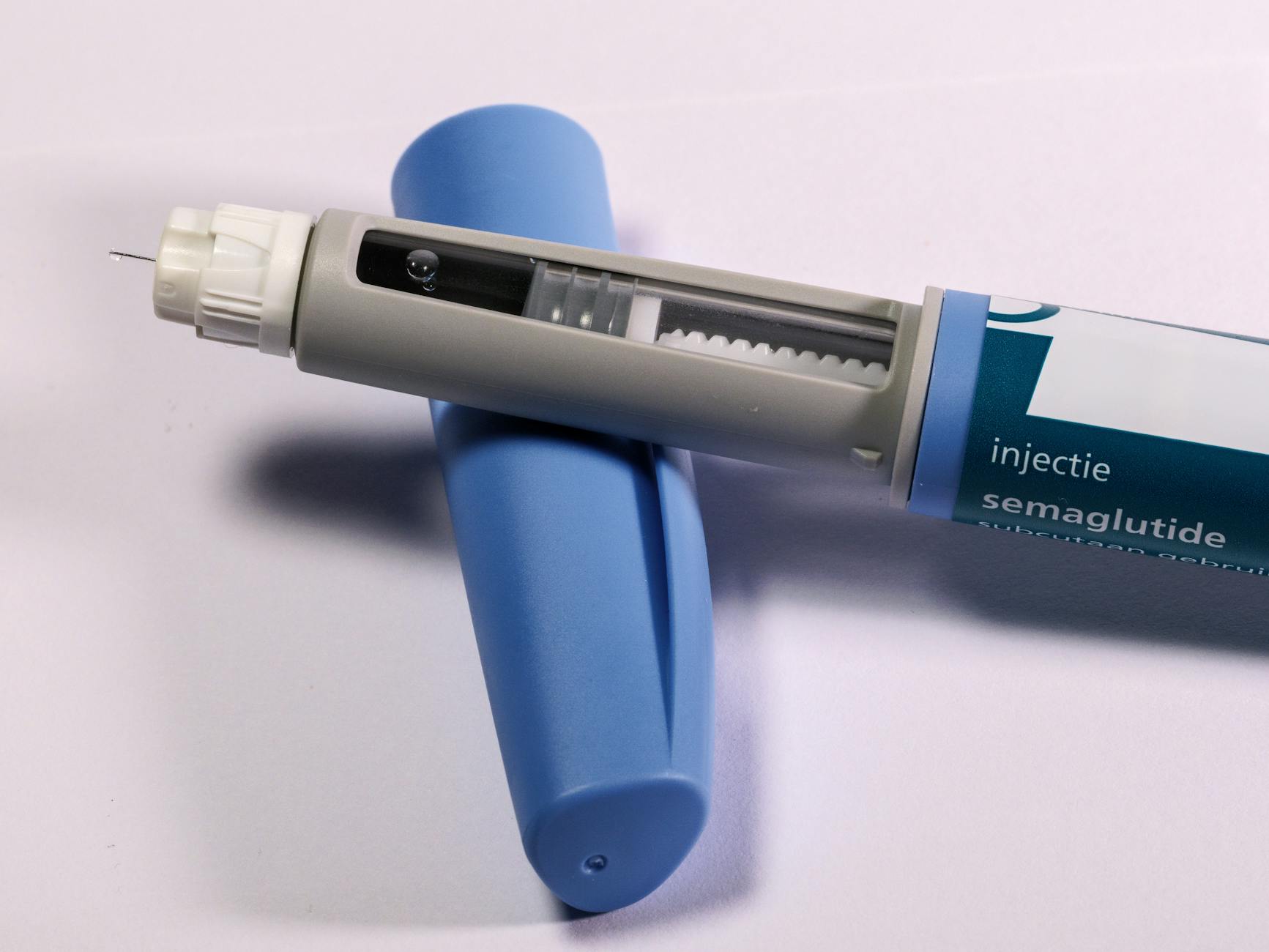
This celebrity commentary reflects the cultural polarization surrounding GLP-1 use that family medicine clinicians encounter in their patient populations, which can influence medication acceptance, adherence, and discussions about pharmacotherapy versus lifestyle modification. Understanding the social narrative around GLP-1 agents helps clinicians address misconceptions and frame these medications appropriately within evidence-based treatment algorithms for type 2 diabetes and obesity. Public figures’ statements on GLP-1 therapy often shape patient expectations and may drive inappropriate demand or conversely create hesitancy despite clinical indication.
This appears to be a celebrity opinion piece from AOL rather than a peer-reviewed clinical study. The provided abstract contains no clinical data, research methodology, patient populations, outcome measures, or scientific findings. It references only Ashley Graham’s personal views on GLP-1 medications and weight loss injections without presenting any medical evidence, efficacy data, safety information, or comparative analysis relevant to clinical practice.
Without access to the full study methodology, participant demographics, treatment protocols, or quantified results, no meaningful clinical summary can be provided. Prescribers should rely on peer-reviewed clinical trials, regulatory data, and systematic reviews of GLP-1 receptor agonists rather than celebrity commentary for evidence-based prescribing decisions regarding these medications.
If you have access to an actual clinical study or systematic review on GLP-1 medications, please provide the abstract and I can generate an appropriate physician-level summary with relevant data and clinical implications.
Clinical Takeaway
GLP-1 receptor agonists are FDA-approved medications for chronic weight management and type 2 diabetes, with demonstrated efficacy in reducing body weight and improving metabolic markers when combined with lifestyle modification. These agents work by enhancing satiety, slowing gastric emptying, and improving insulin secretion, making them evidence-based therapeutic options rather than cosmetic interventions. Public figures discussing weight loss medications may influence patient expectations and demand, requiring family physicians to maintain clear messaging about appropriate patient selection, realistic outcome timelines, and the necessity of ongoing behavioral support. When counseling patients interested in GLP-1 therapy, frame the medication as a tool that works best with sustained diet and exercise changes, not a replacement for lifestyle modification, to ensure appropriate expectations and long-term medication adherence.
“I appreciate when public figures like Ashley Graham bring attention to the GLP-1 conversation because it forces us to have more honest dialogue about weight loss medications. The reality is that these drugs are powerful metabolic tools that work best within a comprehensive lifestyle framework, not as standalone solutions or shortcuts, and that distinction matters enormously for patient expectations and long-term outcomes. What concerns me in the cultural discourse is that we sometimes polarize around either demonizing these medications or treating them as magic bullets, when the clinical truth is far more nuanced. When counseling patients, I’ve found it’s critical to explicitly discuss that weight loss with GLP-1 therapy requires sustained dietary changes and physical activity to prevent rapid regain after discontinuation, otherwise we’re just creating a new dependence paradigm rather than teaching metabolic resilience.”
💬 Join the Conversation
Have a question about how this applies to your situation? Ask Dr. Caplan →
Want to discuss this topic with other patients and caregivers? Join the forum discussion →
Have thoughts on this? Share it:
Table of Contents
- FAQ
- What are GLP-1 medications and how do they work for weight loss?
- Are GLP-1 injections only for people with diabetes?
- How much weight can I expect to lose with GLP-1 therapy?
- What are the common side effects of GLP-1 medications?
- How long do I need to take GLP-1 medication?
- Will my insurance cover GLP-1 medications for weight loss?
- Can I take GLP-1 medication if I have a history of thyroid cancer?
- What lifestyle changes should I make while taking GLP-1 medication?
- Is GLP-1 therapy safe for long-term use?
- What happens if I miss a dose of my GLP-1 injection?
FAQ
What are GLP-1 medications and how do they work for weight loss?
GLP-1 medications are injectable drugs that work by mimicking a natural hormone in your body that helps regulate blood sugar and appetite. They slow down how quickly your stomach empties and help you feel fuller longer, which can lead to reduced food intake and weight loss.
Are GLP-1 injections only for people with diabetes?
No, while these medications were originally developed for type 2 diabetes, they are now FDA-approved for weight management in people without diabetes who have obesity or are overweight with weight-related health conditions. Your doctor can determine if you are a candidate based on your individual health profile.
How much weight can I expect to lose with GLP-1 therapy?
Weight loss results vary significantly between individuals, but clinical studies show average weight loss ranging from 10 to 22 percent of body weight depending on the specific medication and dosage. Your actual results will depend on your starting weight, lifestyle changes, and how your body responds to the medication.
What are the common side effects of GLP-1 medications?
The most common side effects include nausea, vomiting, diarrhea, and constipation, particularly when starting the medication or increasing the dose. These side effects often improve over time as your body adjusts to the medication.
How long do I need to take GLP-1 medication?
GLP-1 therapy is typically a long-term treatment, and most people need to continue the medication to maintain their weight loss. If you stop taking the medication, weight often returns within months, which is why ongoing medical supervision is important.
Will my insurance cover GLP-1 medications for weight loss?
Insurance coverage varies widely depending on your specific plan and whether you have qualifying conditions like type 2 diabetes or obesity-related health problems. You should contact your insurance company directly or have your doctor’s office check your coverage eligibility.
Can I take GLP-1 medication if I have a history of thyroid cancer?
GLP-1 medications carry a warning for people with a personal or family history of medullary thyroid cancer or multiple endocrine neoplasia type 2. You must discuss your complete medical history with your doctor before starting this medication.
What lifestyle changes should I make while taking GLP-1 medication?
GLP-1 medications work best when combined with healthy eating habits, regular physical activity, and sustainable lifestyle changes. Your doctor or a registered dietitian can help you develop a plan that complements the medication’s effects.
Is GLP-1 therapy safe for long-term use?
GLP-1 medications have been used safely for diabetes management for many years, and ongoing studies continue to monitor their safety for weight loss treatment. However, like all medications, they carry potential risks and benefits that should be discussed thoroughly with your healthcare provider.
What happens if I miss a dose of my GLP-1 injection?
If you miss a dose, take it as soon as you remember unless it is close to your next scheduled dose, in which case skip the missed dose. Never take a double dose to make up for a missed one, and contact your healthcare provider if you have questions about your dosing schedule.

