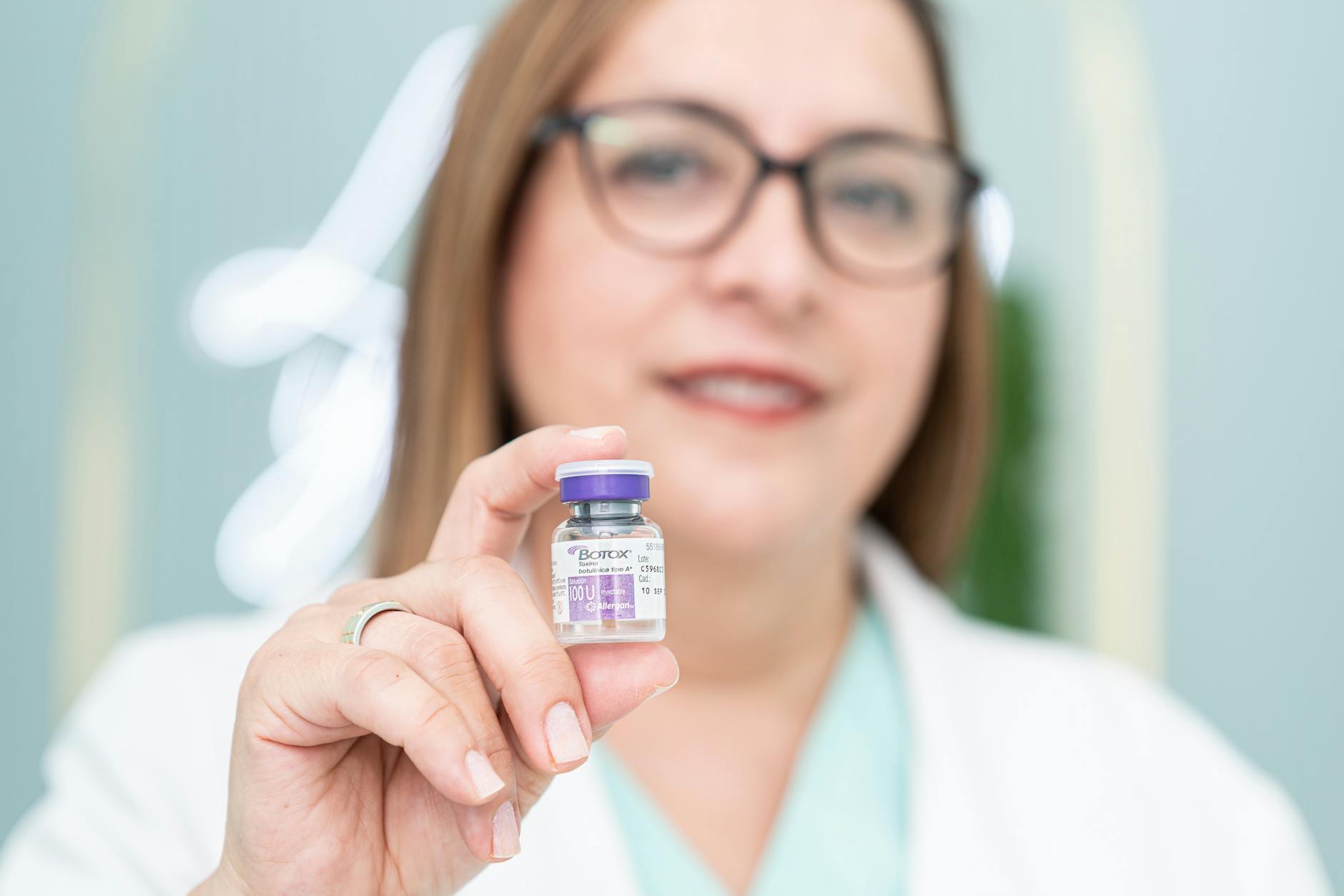
Family medicine clinicians prescribing GLP-1 therapies must understand that compounded semaglutide products lack FDA regulatory oversight for manufacturing quality, sterility, potency, and consistency, creating potential liability and clinical unpredictability compared to FDA-approved formulations like Ozempic, Wegovy, and Mounjaro. The absence of standardized pharmaceutical controls in compounded preparations increases risk of dosing variability, contamination, and adverse events that could compromise patient safety and treatment efficacy in weight management and glycemic control. This distinction is clinically relevant when counseling patients about formulation choices and documenting informed consent regarding the regulatory pathway and quality assurances of prescribed GLP-1 agents.
This study examines the IVY RX compounded semaglutide program, which provides non-FDA-approved compounded formulations of semaglutide outside the FDA’s regulatory oversight. Compounded semaglutide products lack the rigorous safety, efficacy, and quality evaluations required for FDA-approved medications. The distinction is clinically significant because FDA-approved semaglutide formulations (Ozempic, Wegovy, and Mounjaro) undergo standardized manufacturing processes with verified potency, sterility, and pyrogenicity testing. Compounded preparations operate under state pharmacy board regulations rather than federal FDA oversight, creating variability in formulation consistency, concentration accuracy, and contamination risk that is unknown to prescribers and patients.
The clinical relevance for prescribers centers on the absence of verified pharmaceutical data regarding compounded semaglutide products. FDA-approved formulations carry documented pharmacokinetic profiles, established dosing intervals, and characterized adverse event profiles from clinical trials. In contrast, compounded semaglutide lacks published bioavailability data, quality control certifications, and standardized potency assurance. Prescribers utilizing compounded semaglutide assume liability for efficacy and safety outcomes without the benefit of standardized pharmaceutical information, regulatory surveillance, or manufacturer accountability mechanisms.
For clinical practice, prescribers should recognize that patients obtaining semaglutide through compounding programs may receive products with unstandardized concentrations, variable onset and duration of action, and undocumented impurity profiles. The risk profile includes potential therapeutic failure from subpotent formulations, unexpected adverse effects from manufacturing variations or contaminants, and complications from dosing miscalibrations. Access to FDA-approved semaglutide formulations through legitimate pharmaceutical channels, including pharmaceutical assistance programs and insurance coverage optimization, remains the standard of care approach.
Clinical Takeaway
Compounded semaglutide products lack FDA evaluation for safety, effectiveness, and quality standards that apply to FDA-approved formulations like Ozempic, Wegovy, and Rybelsus. Patients using compounded GLP-1 medications may face variable potency, purity, and sterility that could affect therapeutic outcomes or increase adverse event risk. Family physicians should counsel patients that FDA-approved semaglutide products have established pharmacokinetics and dosing protocols, whereas compounded alternatives operate without comparable regulatory oversight. When discussing GLP-1 options with patients, explicitly document conversations about formulation source and regulatory status in the medical record, as this protects the practice and ensures informed consent regarding medication quality assurance differences.
“Compounded semaglutide programs like IVY RX present a significant regulatory and safety concern that I discuss openly with my patients. The FDA has not evaluated these formulations for purity, potency, or sterility, which means we’re essentially operating without the quality assurance framework that protects patients on Ozempic or Wegovy. While I understand the cost appeal for uninsured patients, I make it clear that choosing a compounded product means accepting unknown risks around consistency and contamination, and I always document this shared decision-making conversation thoroughly in the medical record.”
💬 Join the Conversation
Have a question about how this applies to your situation? Ask Dr. Caplan →
Want to discuss this topic with other patients and caregivers? Join the forum discussion →
Have thoughts on this? Share it:


Table of Contents
- FAQ
- What is the difference between FDA-approved semaglutide and compounded semaglutide?
- Is compounded semaglutide safe to use?
- Why would someone choose compounded semaglutide if it is not FDA-approved?
- Can compounded semaglutide be as effective as FDA-approved semaglutide?
- What quality control problems could occur with compounded semaglutide?
- Should I ask my doctor about compounded versus FDA-approved semaglutide?
- Are there FDA-approved alternatives to compounded semaglutide?
- What should I do if I am already taking compounded semaglutide?
- Why does the FDA regulate some medications but not others?
- How can I verify that my semaglutide is FDA-approved?
FAQ
What is the difference between FDA-approved semaglutide and compounded semaglutide?
FDA-approved semaglutide medications like Ozempic and Wegovy have undergone rigorous testing for safety, effectiveness, and quality control. Compounded semaglutide is prepared by pharmacies and has not been evaluated by the FDA, meaning there is no guarantee of its purity, potency, or sterility.
Is compounded semaglutide safe to use?
Compounded semaglutide carries unknown risks because the FDA has not verified its safety or quality. Without FDA oversight, there is no assurance that each dose contains the correct amount of medication or that it is free from contamination.
Why would someone choose compounded semaglutide if it is not FDA-approved?
Some patients choose compounded medications because they may be less expensive than FDA-approved versions or because of perceived supply shortages. However, cost savings do not guarantee safety or effectiveness.
Can compounded semaglutide be as effective as FDA-approved semaglutide?
While compounded semaglutide might contain the active ingredient, the FDA has not tested whether each batch actually works the same way as approved medications. Inconsistent dosing or quality could affect how well it works for weight loss or blood sugar control.
What quality control problems could occur with compounded semaglutide?
Compounded medications may have inconsistent potency from batch to batch, potential contamination, or incorrect concentrations of the active ingredient. These problems could make the medication less effective or potentially harmful.
Should I ask my doctor about compounded versus FDA-approved semaglutide?
Yes, you should discuss this with your doctor before starting any GLP-1 medication. Your doctor can help you understand the risks and benefits and recommend the safest option for your specific situation.
Are there FDA-approved alternatives to compounded semaglutide?
Yes, several FDA-approved GLP-1 medications are available, including Ozempic and Wegovy, which have undergone rigorous safety and effectiveness testing. Your doctor can help you determine which approved medication is best for you.
What should I do if I am already taking compounded semaglutide?
Contact your doctor to discuss your current medication and whether switching to an FDA-approved alternative is recommended. Do not stop taking your medication without medical guidance.
Why does the FDA regulate some medications but not others?
The FDA regulates manufactured medications to ensure every dose is safe, effective, and pure before patients receive it. Compounded medications prepared by individual pharmacies fall outside this oversight system.
How can I verify that my semaglutide is FDA-approved?
Ask your pharmacy or prescriber for the brand name and manufacturer of your medication, and confirm it matches FDA-approved versions like Ozempic or Wegovy. Your pharmacist can provide documentation showing the medication’s approval status.
