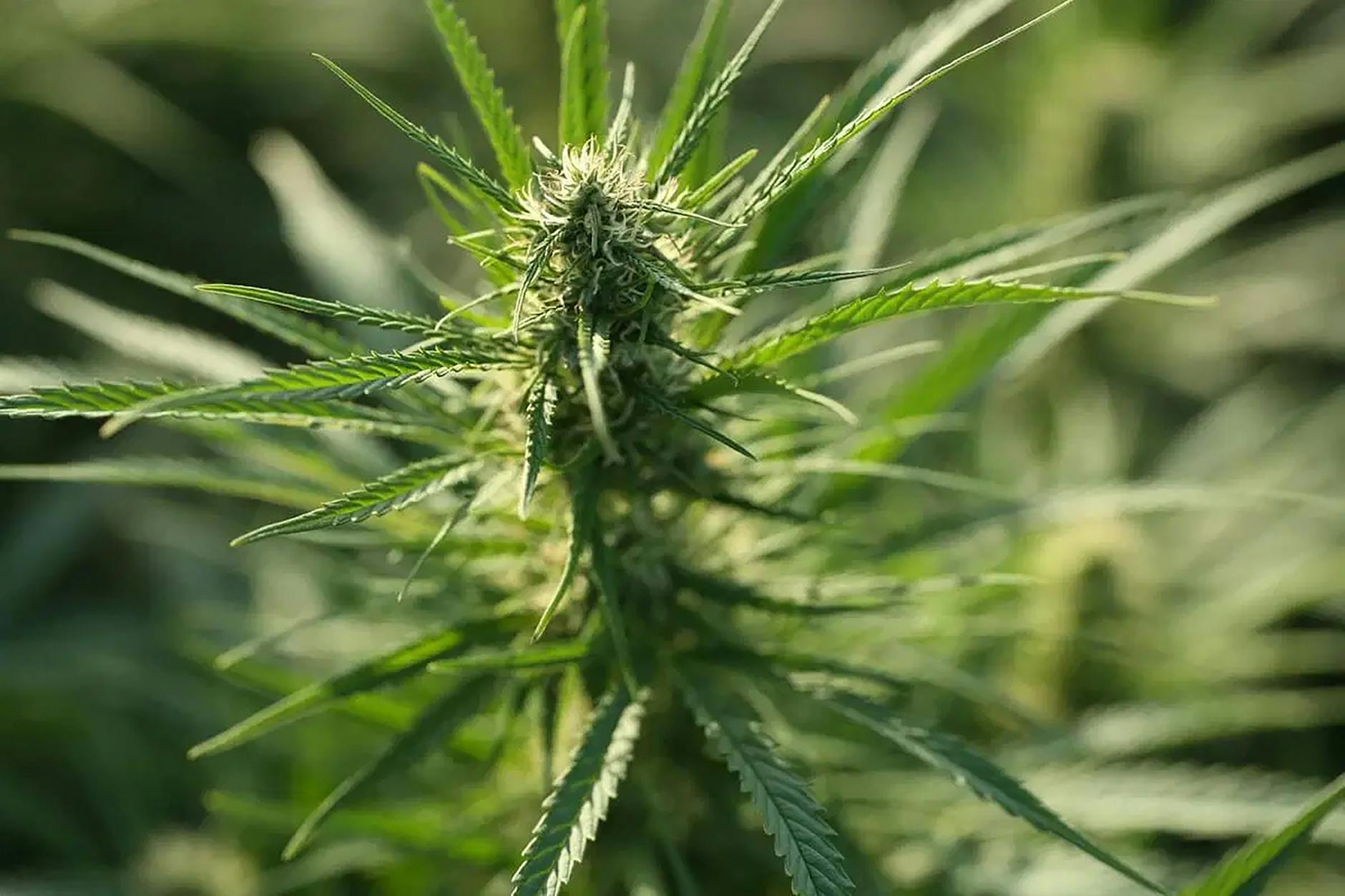
 marijuana, cannabis, or hemp – YouTube” style=”width:100%;max-height:420px;object-fit:cover;border-radius:8px;display:block;” />
#88 Strong Clinical Relevance
High-quality evidence with meaningful patient or clinical significance.
# Summary A proposed Georgia bill would narrow law enforcement’s ability to use the smell of cannabis, marijuana, or hemp as probable cause for vehicle searches and arrests, reflecting growing recognition that odor alone cannot reliably distinguish between legal hemp and illegal cannabis products. This legislative change addresses a practical problem for clinicians and patients: the legal ambiguity surrounding hemp-derived products (which may be federally compliant but contain cannabis-like compounds) versus Schedule I cannabis has created enforcement inconsistencies that complicate medical decision-making. For patients using cannabis medicinally or legally obtained hemp products, the current odor-based probable cause standard exposes them to legal jeopardy despite potential medical legitimacy or lawful possession. Clinicians should be aware that such policy changes may affect how patients interact with law enforcement and their willingness to disclose cannabis use, potentially impacting clinical history-taking and medication counseling. The bill reflects broader state-level movement toward decriminalization and clarification of cannabis versus hemp distinctions, which influences the regulatory environment in which patients access and use these products. Physicians should stay informed about evolving state cannabis laws to better counsel patients on legal protections and risks specific to their jurisdiction.
“If we’re going to decriminalize cannabis use while keeping it illegal, we need to protect patients from arbitrary law enforcement—a police officer’s subjective interpretation of plant smell shouldn’t override someone’s Fourth Amendment rights, especially when hemp and cannabis are now chemically indistinguishable to the human nose.”
🚔 The challenge of distinguishing between legal hemp and illegal marijuana based on odor alone has created significant law enforcement and clinical complications in states with cannabis legalization. Georgia’s proposed legislation to limit probable cause based on marijuana smell reflects a growing recognition that olfactory identification cannot reliably differentiate between federally legal hemp (with less than 0.3% THC) and controlled cannabis products, particularly given that both produce similar aromas and hemp cultivation has expanded dramatically since the 2018 Farm Bill. For healthcare providers, this legal shift underscores an important clinical consideration: when patients disclose cannabis use or when urine drug screens test positive for cannabinoids, clinicians cannot assume the source or THC content without direct patient history, and such distinctions may carry legal implications for patients in states with evolving cannabis regulations. The uncertainty around what patients are actually consuming and its potency has clinical relevance for assessing impairment, drug interactions,
💬 Join the Conversation
Have a question about how this applies to your situation? Ask Dr. Caplan →
Want to discuss this topic with other patients and caregivers? Join the forum discussion →
Have thoughts on this? Share it:

