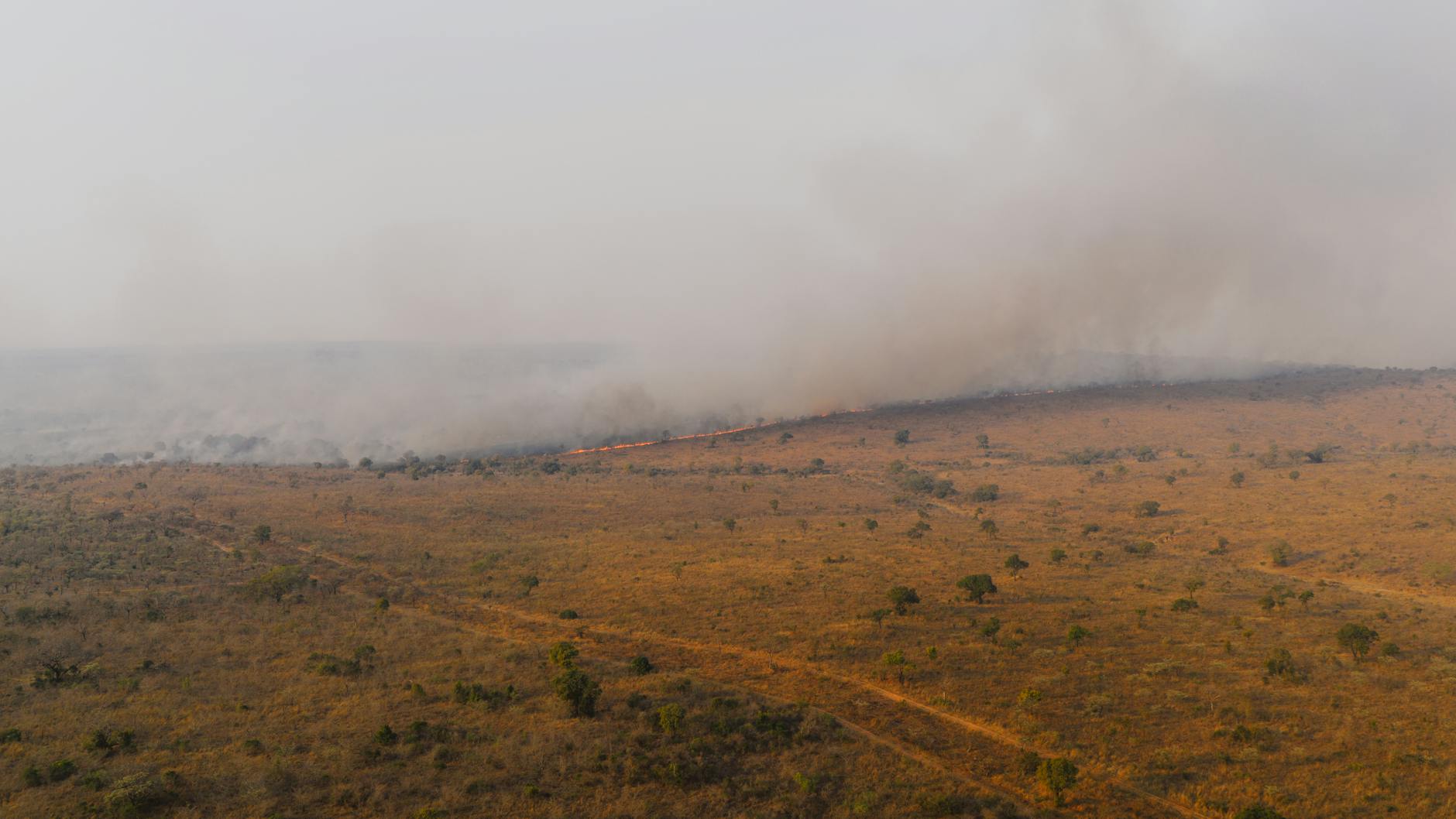
Wildfire smoke exposure significantly impacts respiratory health and can complicate cannabis treatment decisions for patients with asthma, COPD, and other pulmonary conditions. Early fire season timing requires proactive clinical planning for smoke-exposed populations who use cannabis therapeutically.
New Brunswick’s early fire season due to dry conditions creates prolonged wildfire smoke exposure risk for the population. Smoke contains particulate matter and irritants that exacerbate respiratory conditions, while cannabis inhalation methods (smoking, vaping) may compound respiratory stress. Patients with pre-existing pulmonary conditions face dual respiratory challenges when therapeutic cannabis use coincides with wildfire smoke exposure periods.
“When wildfire smoke is in the air, I counsel patients to temporarily switch from inhaled cannabis to oral or sublingual forms — the lungs don’t need additional irritants when they’re already managing particulate exposure. It’s basic respiratory protection.”
💬 Join the Conversation
Have a question about how this applies to your situation? Ask Dr. Caplan →
Want to discuss this topic with other patients and caregivers? Join the forum discussion →
Have thoughts on this? Share it:
Table of Contents
- FAQ
- What are the main respiratory health concerns related to cannabis use?
- Are there safer delivery methods for cannabis consumption?
- How does cannabis use affect people with COPD?
- What environmental factors should cannabis users consider?
- Should patients with respiratory conditions avoid cannabis entirely?
FAQ
Cannabis smoking can cause respiratory irritation and bronchitis-like symptoms similar to tobacco smoking. The combustion process produces harmful compounds that can irritate the airways and lungs.
Are there safer delivery methods for cannabis consumption?
Yes, vaporizing cannabis at lower temperatures and using non-inhalation methods like edibles or tinctures can reduce respiratory risks. These alternatives avoid the harmful combustion byproducts associated with smoking.
How does cannabis use affect people with COPD?
Cannabis smoking may worsen COPD symptoms and accelerate lung function decline. Patients with COPD should discuss safer consumption methods with their healthcare providers if considering medical cannabis.
What environmental factors should cannabis users consider?
Indoor cannabis smoking can affect air quality and expose others to secondhand smoke. Proper ventilation and consideration of others in shared spaces is important for minimizing environmental impact.
Should patients with respiratory conditions avoid cannabis entirely?
Not necessarily, but they should avoid smoking and consider alternative delivery methods. Consultation with healthcare providers is essential to weigh potential benefits against respiratory risks.