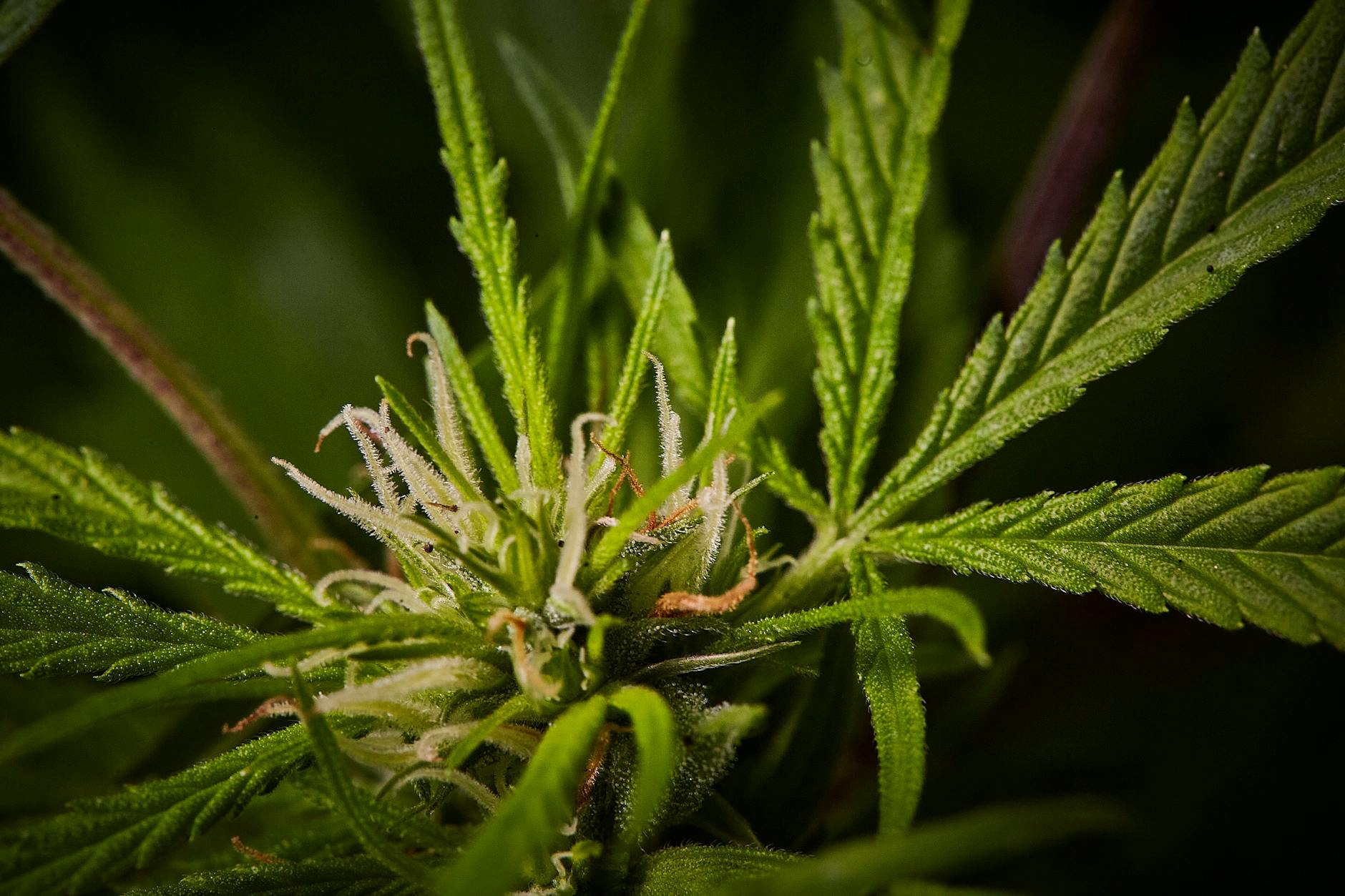
As cannabis increasingly substitutes for alcohol in consumer behavior, product purity and contamination issues become critical clinical safety concerns. Clinicians need to understand these quality control challenges to properly counsel patients and assess potential adverse effects from contaminated cannabis products.
Growing consumer preference for cannabis over alcohol has intensified focus on cannabis product purity and safety standards. Unlike pharmaceutical medications, cannabis products often lack consistent quality control measures, potentially exposing users to pesticides, heavy metals, microbials, and residual solvents. The regulatory framework for cannabis quality assurance varies significantly by jurisdiction and remains less stringent than pharmaceutical standards. This inconsistency in product quality creates clinical uncertainty when patients report adverse effects or unexpected responses to cannabis therapy.
“I tell my patients that knowing your source matters more in cannabis than almost any other therapeutic area — the difference between clean, tested products and contaminated ones can be the difference between symptom relief and symptom creation.”
💬 Join the Conversation
Have a question about how this applies to your situation? Ask Dr. Caplan →
Want to discuss this topic with other patients and caregivers? Join the forum discussion →
Have thoughts on this? Share it:
Table of Contents
- FAQ
- What is the clinical relevance rating of this cannabis news?
- What are the main safety concerns highlighted in this article?
- How does this relate to alcohol substitution therapy?
- Why is contamination a significant issue in cannabis products?
- What should healthcare providers know about cannabis product quality?
FAQ
What is the clinical relevance rating of this cannabis news?
This article has been assigned CED Clinical Relevance #70, indicating “Notable Clinical Interest.” This rating suggests the content contains emerging findings or policy developments that healthcare professionals should monitor closely.
What are the main safety concerns highlighted in this article?
The article focuses on product safety issues, particularly contamination concerns in cannabis products. Quality control measures are emphasized as critical factors for patient safety and therapeutic efficacy.
How does this relate to alcohol substitution therapy?
The article discusses cannabis as a potential alcohol substitution option. This represents an emerging area of clinical interest where cannabis products may serve as alternatives to alcohol for certain therapeutic or harm reduction purposes.
Why is contamination a significant issue in cannabis products?
Contamination in cannabis products poses serious health risks to patients and consumers. Without proper quality control measures, products may contain harmful substances that could compromise therapeutic benefits or cause adverse effects.
What should healthcare providers know about cannabis product quality?
Healthcare providers should be aware that cannabis product quality varies significantly across different sources and manufacturers. Understanding quality control standards and contamination risks is essential when discussing cannabis therapeutics with patients.

