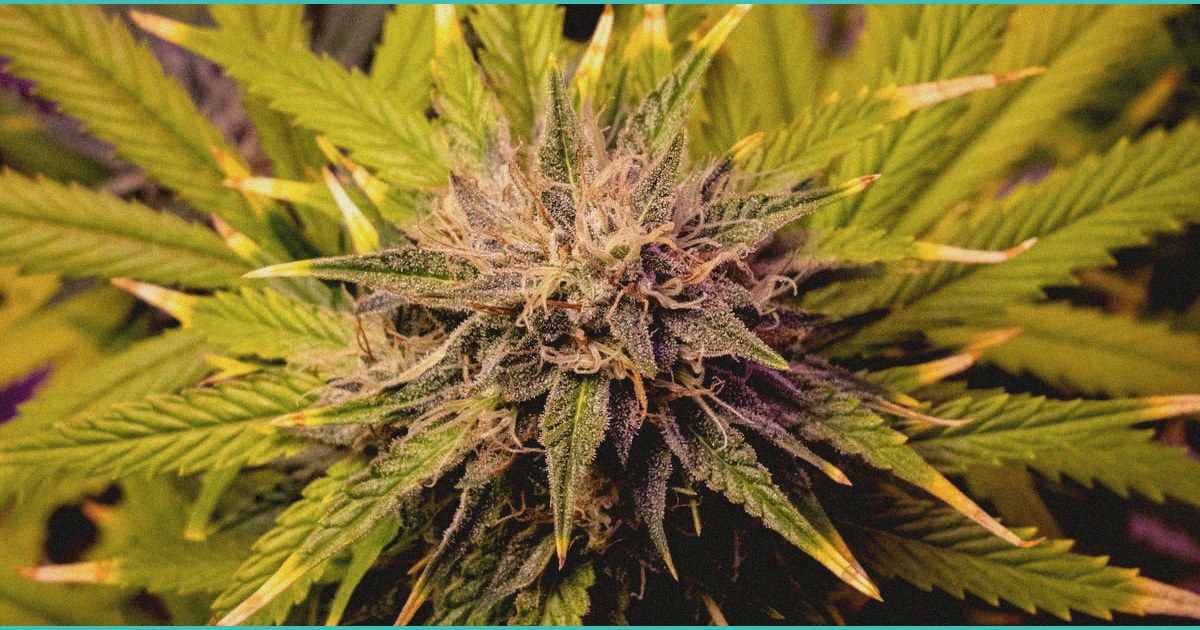
High-THC cannabis products increasingly dominate legal markets, with concentrates often exceeding 70-90% THC compared to traditional flower’s 15-25%. This concentration shift has clinical implications for psychosis risk, tolerance development, and cannabis use disorder, particularly in vulnerable populations including adolescents and those with psychiatric predispositions.
Drug policy reform advocates are exploring regulatory approaches to address concentrated THC products without reverting to criminalization. Options likely include potency caps, taxation structures based on THC content, enhanced labeling requirements, and age-based restrictions. The clinical concern centers on emerging evidence linking high-potency cannabis to increased rates of psychotic episodes and cannabis hyperemesis syndrome, though causation versus correlation remains debated. Current legal markets often lack meaningful potency regulation despite these emerging safety signals.
“We’re essentially conducting a massive uncontrolled experiment with high-potency cannabis products. While I don’t advocate returning to prohibition, the clinical reality is that 90% THC concentrates present different risk profiles than traditional cannabis flower—and our regulatory frameworks haven’t caught up to the pharmacology.”
💬 Join the Conversation
Have a question about how this applies to your situation? Ask Dr. Caplan →
Want to discuss this topic with other patients and caregivers? Join the forum discussion →
Have thoughts on this? Share it:
Table of Contents
FAQ
What is high-potency cannabis?
High-potency cannabis refers to marijuana products with elevated levels of THC (tetrahydrocannabinol), the psychoactive compound responsible for cannabis’s intoxicating effects. These products typically contain significantly higher THC concentrations than traditional cannabis strains.
How does high-potency cannabis increase psychosis risk?
Higher THC concentrations can disrupt brain function and trigger psychotic episodes, particularly in vulnerable individuals. The risk is especially pronounced in young people whose brains are still developing and those with a predisposition to mental health conditions.
Who is most at risk from high-potency cannabis use?
Adolescents and young adults face the highest risk due to ongoing brain development. Individuals with a family history of psychosis, schizophrenia, or other mental health disorders are also particularly vulnerable to adverse effects.
What are the clinical implications for healthcare providers?
Healthcare providers should screen patients for cannabis use patterns and educate them about potency-related risks. Early identification and intervention are crucial for preventing long-term mental health consequences, particularly in high-risk populations.
How might this research influence cannabis policy?
These findings may prompt policymakers to consider regulations on THC potency limits and enhanced labeling requirements. The research supports the need for evidence-based cannabis policies that prioritize public health and safety while informing consumer choices.