

















![Assay: Irreversible inhibition of rat brain cytosolic MAGL assessed as [3H] - EMBL-EBI](https://cedclinic.com/wp-content/uploads/2026/06/ced-pexels-4226264-1-150x150.jpg "Assay: Irreversible inhibition of rat brain cytosolic MAGL assessed as [3H] - EMBL-EBI 17")














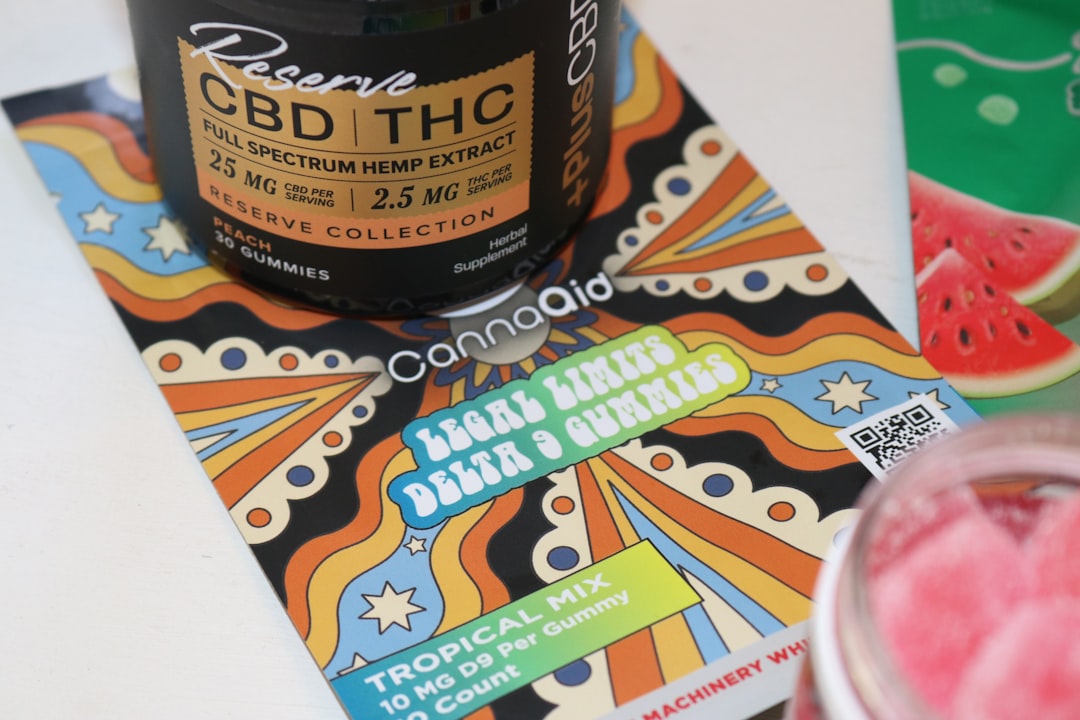

Appetite effects of CBD products are frequently reported by patients but poorly understood clinically. The distinction between CBD isolate and full-spectrum products containing trace THC may explain conflicting patient experiences with hunger and satiety.
CBD’s appetite effects appear complex and dose-dependent. Pure CBD isolate typically does not stimulate appetite and may actually suppress it through CB1 receptor antagonism. However, commercial CBD gummies often contain trace amounts of THC or other cannabinoids that could trigger hunger through CB1 activation. Patient reports of increased appetite with CBD products likely reflect product composition rather than CBD’s isolated pharmacological action.
“When patients report hunger from ‘CBD’ products, I immediately ask about the specific product composition — most commercial gummies aren’t pure CBD, and even trace THC can drive appetite in sensitive individuals.”
💬 Join the Conversation
This topic comes up in consultations often.
Dr. Caplan offers clinical context on evolving cannabis policy and its real-world implications for patients.
Book a consultation →Have a question about how this applies to your situation? Ask Dr. Caplan →
Want to discuss this topic with other patients and caregivers? Join the forum discussion →
Have thoughts on this? Share it:
Table of Contents
FAQ
What is the clinical relevance rating of this cannabis research?
This study has been assigned CED Clinical Relevance #78 with “Notable Clinical Interest” status. This indicates emerging findings or policy developments that warrant close monitoring by healthcare professionals.
What are the main cannabis compounds discussed in this research?
The research focuses on CBD (cannabidiol) and THC (tetrahydrocannabinol), which are the two primary active compounds in cannabis. These compounds have different therapeutic effects and are commonly studied for various medical applications.
How does this research relate to appetite effects?
The study examines appetite-related effects of cannabis compounds, which is a significant area of clinical interest. Cannabis has well-documented effects on appetite regulation, making this research relevant for patients with eating disorders or conditions affecting food intake.
Why is product quality highlighted as a key topic?
Product quality is crucial for medical cannabis applications as inconsistent or poor-quality products can lead to unpredictable therapeutic outcomes. Standardized, high-quality cannabis products are essential for reliable clinical results and patient safety.
What makes this cannabis news clinically significant?
This research represents emerging findings that could influence clinical practice and policy development in medical cannabis. The CED Clinic classification suggests the findings may impact how healthcare providers approach cannabis-based treatments.