



























#35 Clinical Context
Background information relevant to the evolving cannabis medicine landscape.
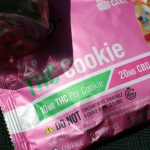
Clinicians need to understand that potential state-level variations in hemp THC regulations could create inconsistent patient access to cannabinoid products and complicate clinical counseling about product standardization and safety. If states can opt out of federal THC limits for hemp, patients may encounter widely divergent product potencies and labeling standards across state lines, making it difficult for clinicians to provide evidence-based dosing guidance or reliably counsel patients about product quality. This regulatory fragmentation could also affect research capabilities and clinical trial design for cannabinoid therapies, as the legal status of study materials would vary by jurisdiction.
A bipartisan Senate bill would allow individual states to opt out of a proposed federal redefinition of hemp that would impose stricter THC limits, potentially creating a patchwork of varying state and federal regulations. Currently, federal law defines hemp as cannabis with less than 0.3% THC by dry weight, but the proposed redefinition would lower this threshold, which could eliminate many hemp-derived cannabinoid products (such as delta-8-THC and other minor cannabinoids) from the legal market. If states gain the authority to maintain their own hemp definitions, clinicians may encounter significant variation in product legality and availability across state lines, complicating patient access and clinical counseling about hemp-derived therapeutics. This regulatory fragmentation could also create confusion regarding which products are legally dispensable in their jurisdiction and which laboratory testing standards apply, affecting quality assurance and patient safety. Clinicians should monitor their state legislature’s position on such opt-out provisions and stay informed about evolving hemp regulations, as these decisions will directly influence what cannabinoid products remain available to their patients and what counseling they can provide.
“If Congress allows states to set their own THC thresholds for hemp, we’ll finally have the regulatory clarity that patients and clinicians desperately need, but only if individual states commit to rigorous testing standards and product safety rather than a race to the bottom on potency limits.”
? As Congress considers allowing states to opt out of federal hemp THC limits, clinicians should recognize that this regulatory fragmentation will likely increase the complexity of counseling patients about cannabis products. The current patchwork of state-level THC regulations already creates confusion around product potency, labeling accuracy, and contamination risks, and further decentralization could exacerbate these issues. Clinicians should be aware that patients may obtain hemp-derived products with varying THC content depending on their location, and marketing loopholes may allow high-THC products to be sold as “hemp” in permissive states. In practice, this means providers should ask more detailed questions about the specific source, potency, and regulatory status of cannabis and hemp products their patients are using, particularly those purchasing across state lines or online. Until clearer national standards emerge, clinicians should document these conversations and consider referring patients to resources that verify third-party testing results and
💬 Join the Conversation
Have a question about how this applies to your situation? Ask Dr. Caplan →
Want to discuss this topic with other patients and caregivers? Join the forum discussion →
FAQ
This News item was assembled from structured source metadata and pipeline scoring.
Have thoughts on this? Share it: