















CBD Gummies for Social Anxiety: What the Evidence Shows and How They Fit into Daily Routines

Social anxiety disorder affects 15 million adults in the US, and patients increasingly ask about CBD gummies as a convenient, discreet delivery method. Understanding the evidence base and bioavailability limitations of oral CBD formulations is essential for appropriate clinical counseling.
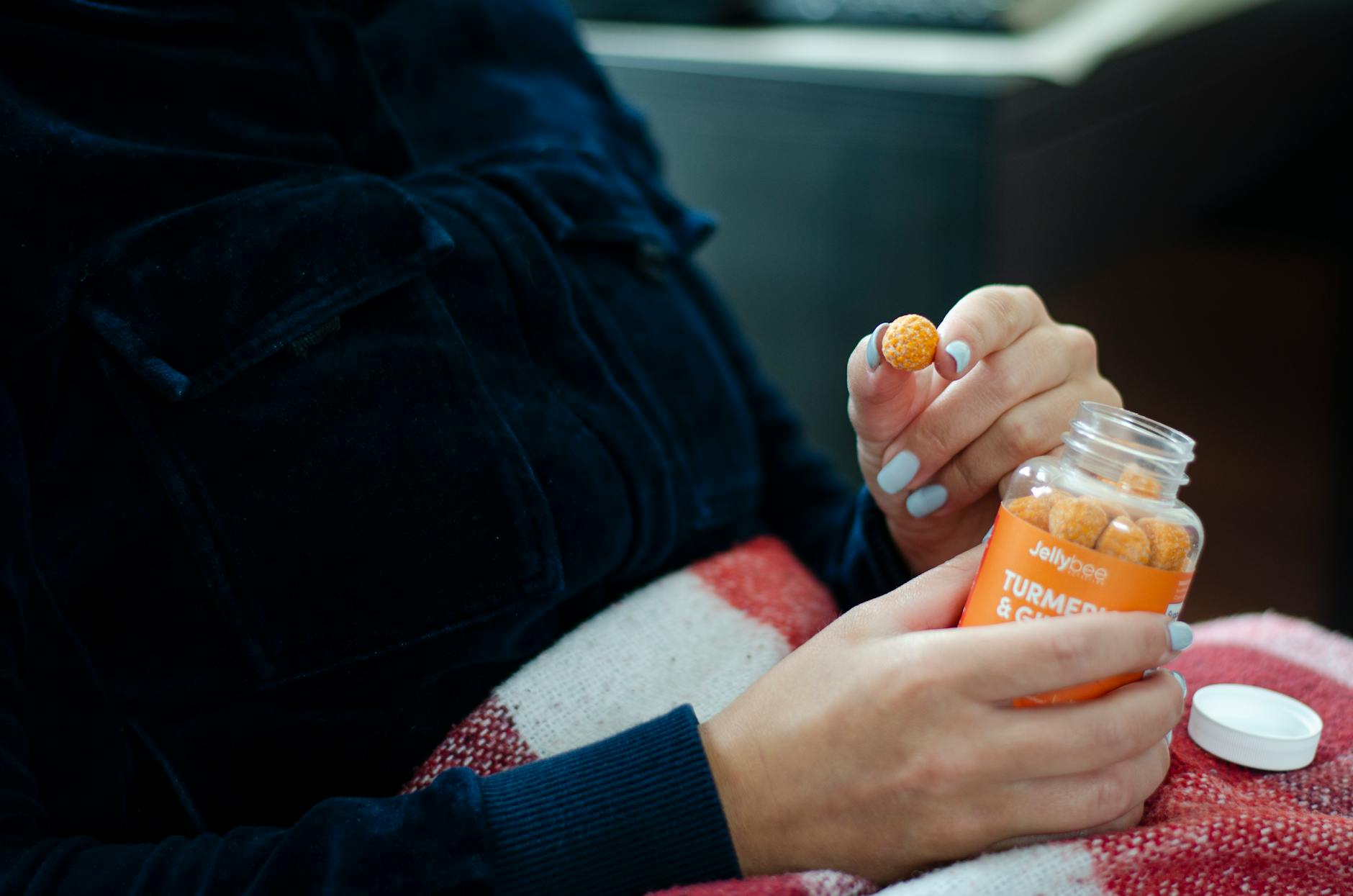
Current evidence for CBD in social anxiety comes primarily from controlled studies using sublingual or oral CBD isolate at doses of 300-600mg, showing anxiolytic effects in public speaking models. CBD gummies represent oral delivery with variable bioavailability (6-15%) due to first-pass metabolism, making dose prediction challenging. The convenience and palatability of gummies may improve adherence, but onset is delayed 1-2 hours compared to sublingual administration. Most commercial gummies contain 10-25mg CBD per serving, significantly lower than research doses.
“I counsel patients that while CBD shows promise for anxiety, gummies are essentially the least efficient delivery method we have. The doses that showed benefit in studies would require eating handfuls of typical commercial gummies—hardly practical or cost-effective.”
💬 Join the Conversation
This topic comes up in consultations often.
Dr. Caplan offers clinical context on evolving cannabis policy and its real-world implications for patients.
Book a consultation →Have a question about how this applies to your situation? Ask Dr. Caplan →
Want to discuss this topic with other patients and caregivers? Join the forum discussion →
Have thoughts on this? Share it:
Table of Contents
FAQ
CBD (cannabidiol) is a non-psychoactive compound derived from cannabis that has shown therapeutic potential for anxiety disorders. Research suggests CBD may help reduce social anxiety symptoms by interacting with the body’s endocannabinoid system and neurotransmitter pathways involved in stress response.
Oral CBD delivery typically involves oils, capsules, or edibles that are swallowed and processed through the digestive system. This method provides longer-lasting effects compared to other delivery methods, though onset may be slower due to first-pass metabolism in the liver.
What does bioavailability mean in relation to CBD treatment?
Bioavailability refers to the percentage of CBD that actually enters the bloodstream and becomes available for therapeutic use. Oral CBD generally has lower bioavailability (15-20%) compared to other methods due to digestion and liver metabolism, which affects dosing considerations.
Is this CBD research clinically significant?
This research has been classified as having “Notable Clinical Interest” with emerging findings worth monitoring closely. The clinical relevance rating suggests this represents meaningful developments in understanding CBD’s therapeutic applications for social anxiety disorders.
Patients should consult healthcare providers before using CBD for social anxiety, as dosing, drug interactions, and individual responses can vary significantly. While research is promising, CBD products should be obtained from reputable sources and used as part of a comprehensive treatment approach.