






























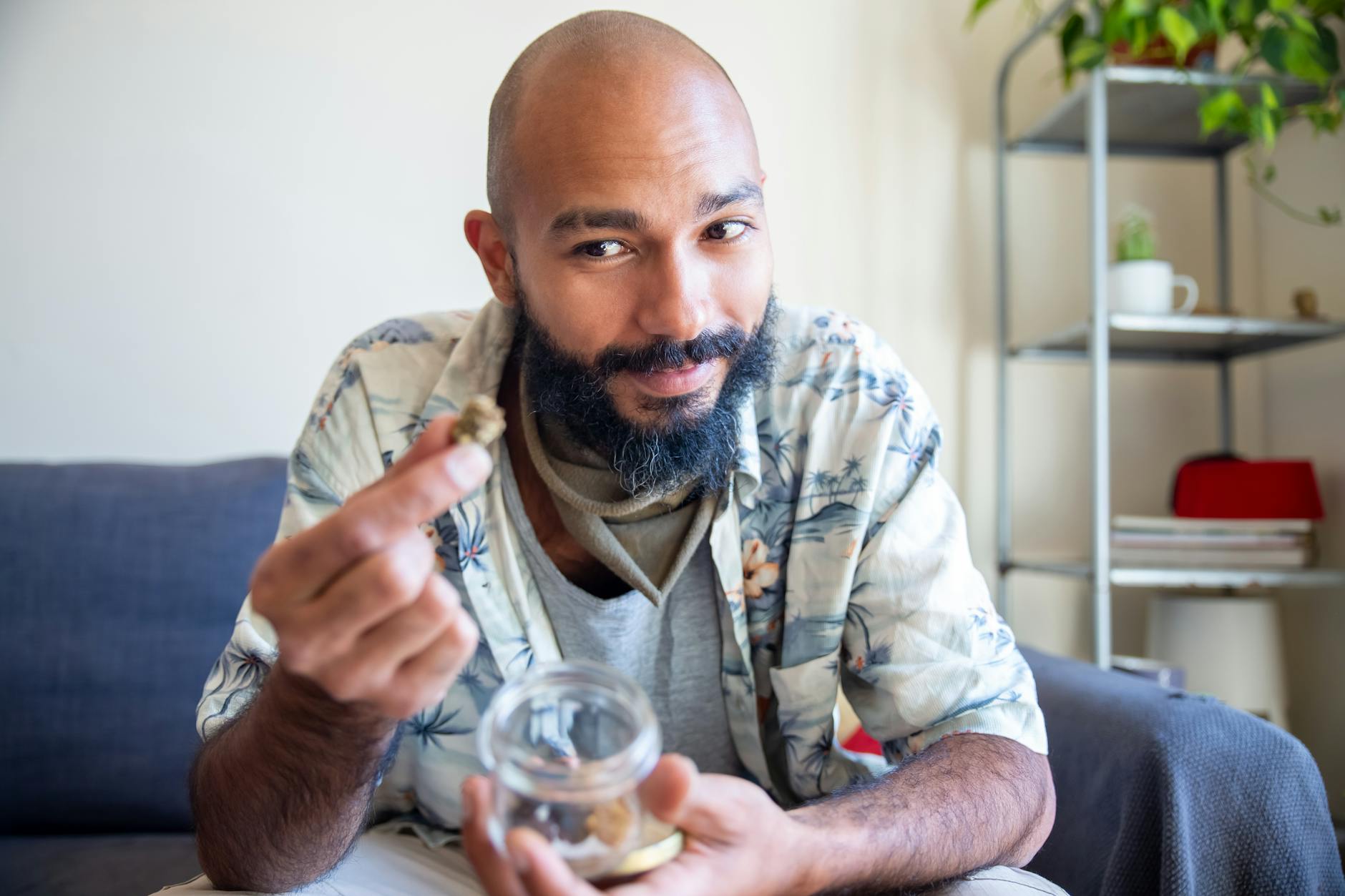
Cannabis use can negatively affect male fertility by lowering sperm count and quality …

Male fertility concerns represent a significant clinical consideration for cannabis-using patients of reproductive age. This adds to existing evidence that cannabinoids may affect reproductive endocrinology, requiring informed counseling about potential fertility impacts during treatment planning.
Cannabis use has been associated with decreased sperm concentration, motility, and morphology in multiple studies, though the clinical significance of these changes remains debated. The endocannabinoid system plays documented roles in reproductive physiology, including spermatogenesis and sperm function. However, studies show mixed results, with some indicating reversible effects and others suggesting minimal clinical impact on actual fertility outcomes. The dose-response relationship and long-term implications require further investigation.
“I counsel male patients planning conception that while cannabis may affect sperm parameters, we lack definitive data on real-world fertility outcomes. The prudent approach is a 90-day cessation period before attempting conception, given the sperm production cycle.”
💬 Join the Conversation
This topic comes up in consultations often.
Dr. Caplan offers clinical context on evolving cannabis policy and its real-world implications for patients.
Book a consultation →Have a question about how this applies to your situation? Ask Dr. Caplan →
Want to discuss this topic with other patients and caregivers? Join the forum discussion →
Have thoughts on this? Share it:
Table of Contents
FAQ
How does cannabis use affect male fertility?
Cannabis use can negatively impact male fertility by affecting sperm quality, concentration, and motility. The compounds in cannabis may disrupt hormonal balance and sperm production processes.
What specific aspects of sperm quality are affected by cannabis?
Cannabis use can reduce sperm concentration, alter sperm shape and movement, and affect overall sperm viability. These changes can significantly impact a man’s ability to conceive with a partner.
Should healthcare providers counsel male patients about cannabis and fertility?
Yes, healthcare providers should discuss cannabis use with male patients who are trying to conceive or planning to have children. Patient counseling should include information about potential reproductive health impacts and alternatives.
How long does cannabis affect sperm production?
Since sperm development takes approximately 74 days, the effects of cannabis on sperm quality may persist for several months after use. Men planning to conceive should consider this timeline when making decisions about cannabis use.
Is this research considered clinically significant?
Yes, this research has notable clinical interest as emerging findings in reproductive health. Healthcare providers should monitor these developments closely for patient care and counseling purposes.