
















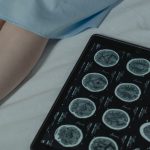












Driving impairment represents one of the most immediate safety concerns as cannabis legalization expands, yet clinical guidance remains fragmented due to inconsistent research methodologies and detection challenges. Unlike alcohol, cannabis impairment cannot be reliably measured through simple roadside testing, creating both legal and clinical assessment gaps.
Current research demonstrates measurable psychomotor impairment from acute cannabis use, particularly affecting reaction time, lane tracking, and divided attention tasks. However, impairment timing varies significantly based on consumption method, THC concentration, individual tolerance, and concurrent medications. Detection challenges persist because THC blood levels correlate poorly with functional impairment, and metabolites can remain detectable long after psychoactive effects have resolved.
“I counsel patients that any amount of THC can potentially impair driving ability, but the ‘when it’s safe’ question remains genuinely difficult to answer with precision. The safest clinical recommendation remains avoiding driving for several hours after any cannabis use, recognizing this varies considerably by individual and product.”
💬 Join the Conversation
This topic comes up in consultations often.
Dr. Caplan offers clinical context on evolving cannabis policy and its real-world implications for patients.
Book a consultation →Have a question about how this applies to your situation? Ask Dr. Caplan →
Want to discuss this topic with other patients and caregivers? Join the forum discussion →
Have thoughts on this? Share it:
Table of Contents
FAQ
What is the clinical relevance rating of this cannabis news?
This article has been assigned CED Clinical Relevance #76 with “Notable Clinical Interest” status. This indicates emerging findings or policy developments that are worth monitoring closely by healthcare professionals.
The article focuses on safety concerns, impairment issues, legal medicine aspects, and patient education related to cannabis use. These are critical areas for healthcare providers working with cannabis patients.
Why is this information important for clinicians?
This update provides essential information for healthcare providers who need to understand cannabis safety profiles and impairment effects. It helps clinicians make informed decisions about patient care and education.
How does this relate to legal medicine practice?
The legal medicine component addresses important considerations for healthcare providers regarding cannabis use documentation and patient safety protocols. This information is crucial for maintaining proper clinical and legal standards.
What should healthcare providers do with this information?
Clinicians should monitor these emerging findings closely and incorporate relevant safety and impairment information into their patient education protocols. This knowledge helps ensure comprehensive and up-to-date cannabis-related patient care.