
#50 Clinical Context
Background information relevant to the evolving cannabis medicine landscape.
I don’t see a summary provided for this article. Please provide the article summary so I can write the 2-3 sentences explaining its clinical relevance.
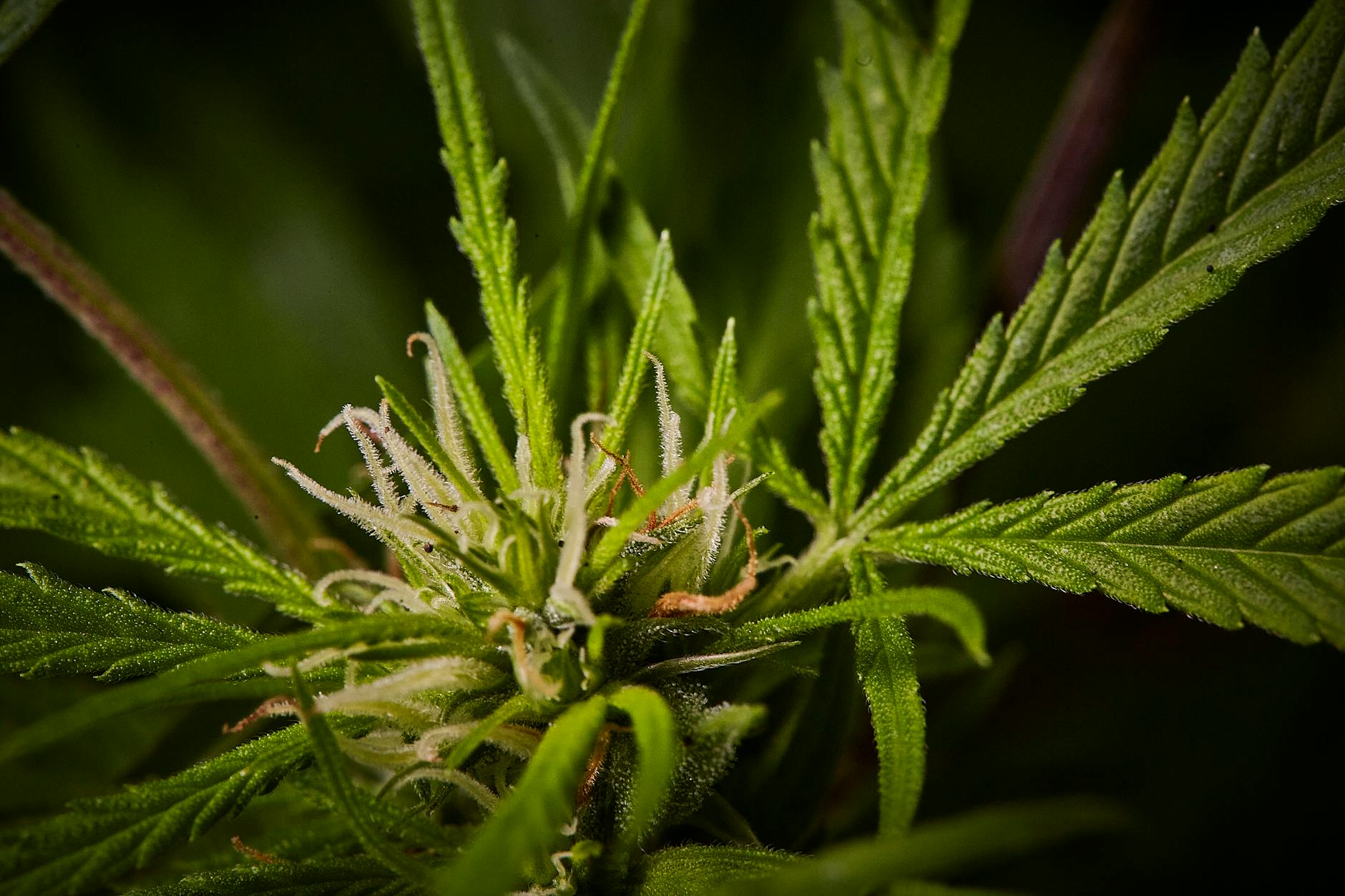
# Cannabis Cannabinoid Origins Summary Recent research elucidating the biosynthetic pathways of tetrahydrocannabinol (THC), cannabidiol (CBD), and cannabichromene (CBC) in cannabis plants provides important mechanistic understanding of how different cannabinoid profiles develop across strains and cultivars. These findings clarify the genetic and enzymatic factors that determine the ratios of psychoactive and non-psychoactive cannabinoids produced by individual plants, which has direct implications for understanding cannabinoid potency and therapeutic potential. For clinicians, knowledge of cannabinoid biosynthesis origins supports more informed discussions with patients about strain selection, expected pharmacological effects, and consistency of medicinal products. Understanding the biological basis of cannabinoid production also informs quality control standards and helps explain variability in clinical outcomes when patients switch between different cannabis sources or formulations. This foundational science strengthens the evidence base for cannabis as medicine by demonstrating that cannabinoid composition is not random but rather determined by specific plant genetics and growing conditions. Clinicians can use this information to counsel patients that standardized, laboratory-tested products with documented cannabinoid profiles offer more predictable therapeutic effects than uncontrolled plant material.
💊 Recent clarification of the biosynthetic pathways for THC, CBD, and CBC in cannabis provides valuable insights into chemotype variation, though clinicians should recognize that understanding plant chemistry does not yet fully explain therapeutic efficacy or safety profiles in individual patients. The distinction between these cannabinoids is increasingly important as patients and prescribers attempt to select products for specific conditions, but considerable inter-individual variation in metabolism, endocannabinoid tone, and drug interactions means that in vitro chemotype data may not reliably predict clinical outcomes. Current evidence remains limited regarding optimal ratios of these compounds for particular indications, and most clinical trials have employed single-cannabinoid isolates rather than whole-plant products with variable cannabinoid profiles. In practice, providers should communicate to patients that product labeling indicating CBD, THC, or CBC content reflects only one dimension of efficacy and safety, and that standardized clinical evidence for most cannabis products remains
This topic comes up in consultations often.
Dr. Caplan offers clinical context on evolving cannabis policy and its real-world implications for patients.
Book a consultation →💬 Join the Conversation
Have a question about how this applies to your situation? Ask Dr. Caplan →
Want to discuss this topic with other patients and caregivers? Join the forum discussion →
FAQ
This News item was assembled from structured source metadata and pipeline scoring.
Have thoughts on this? Share it:

