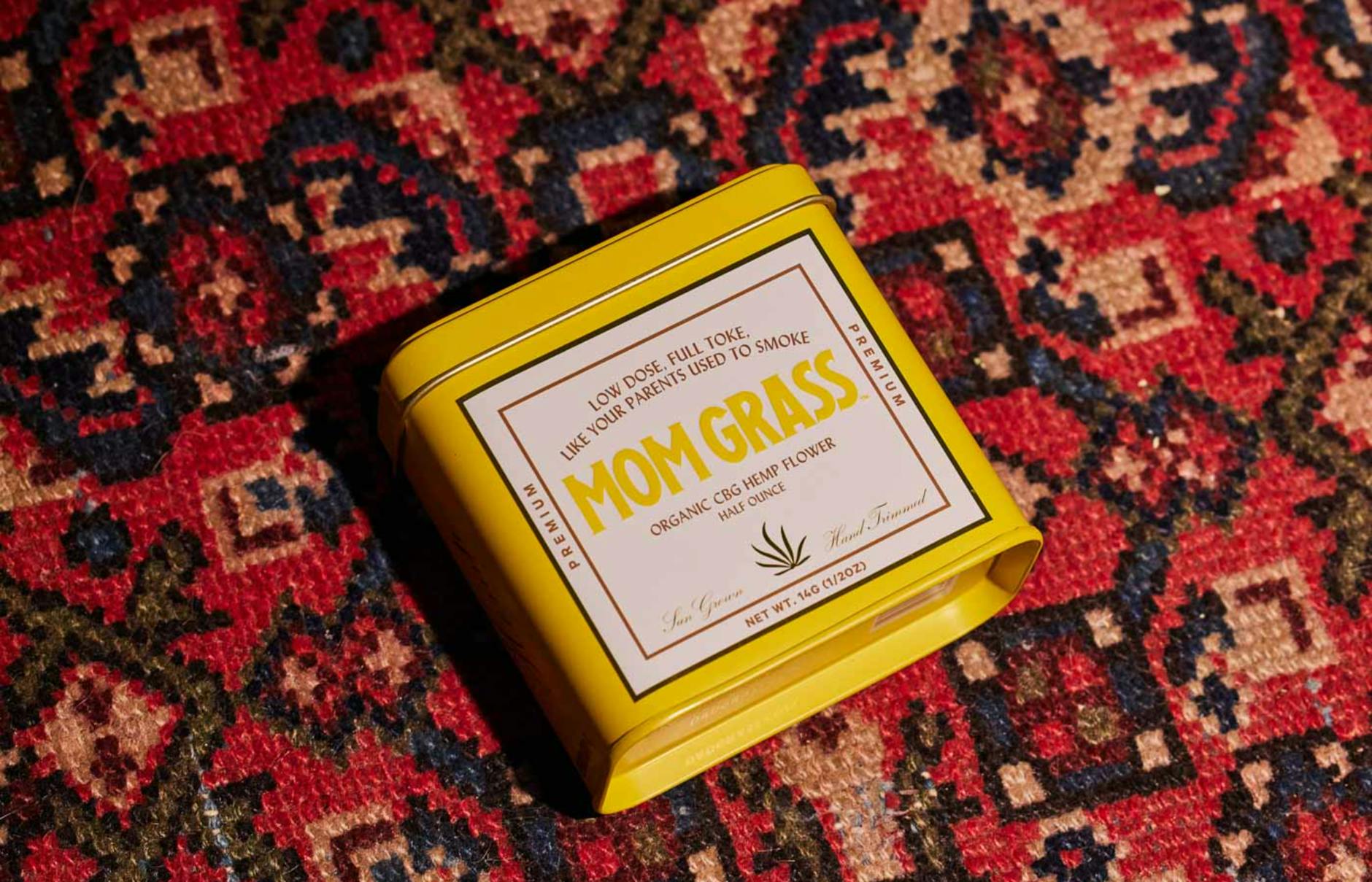
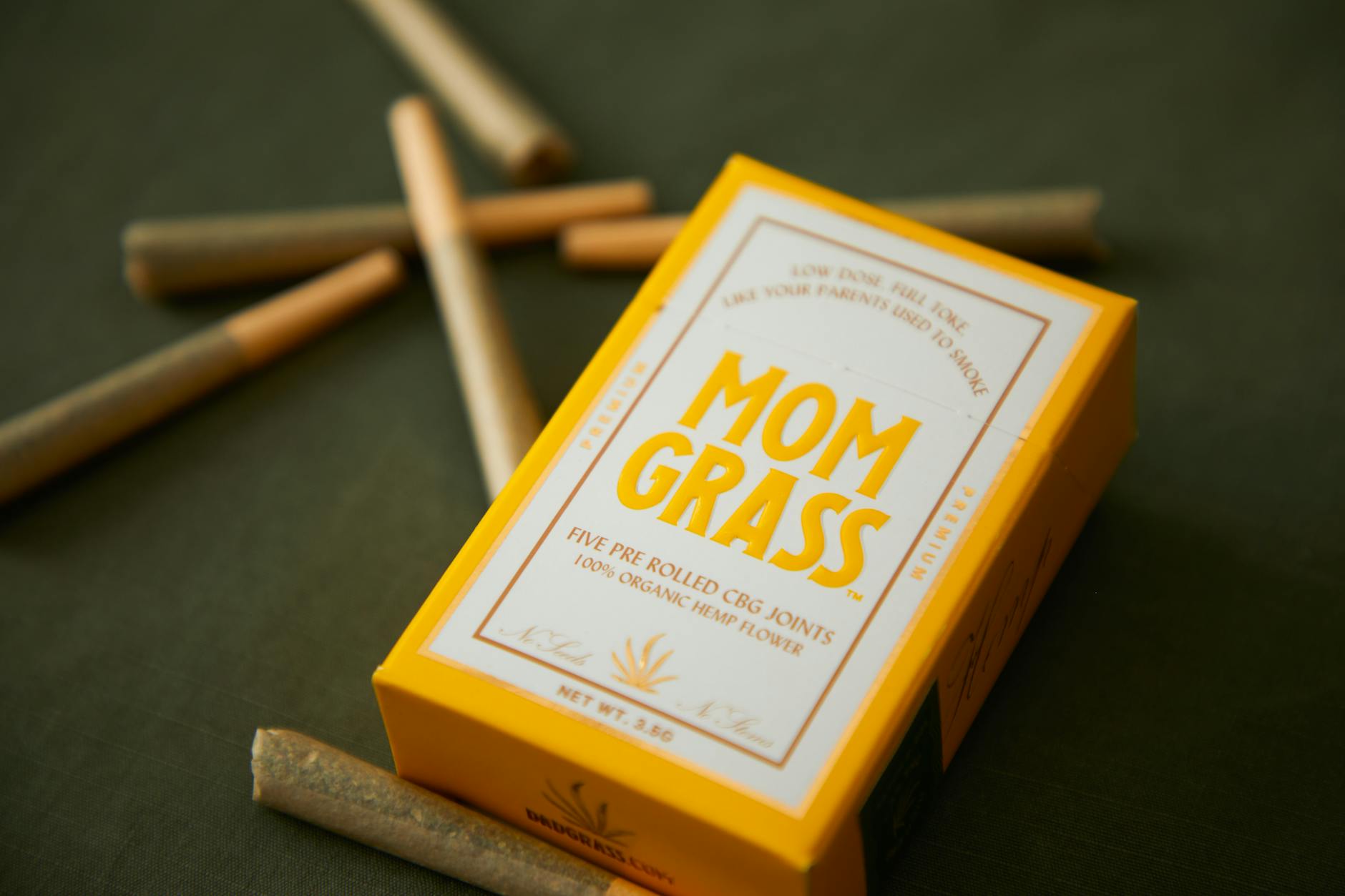
 cannabis recipe now being sold at Georgia dispensaries – WALB” style=”width:100%;max-height:420px;object-fit:cover;border-radius:8px;display:block;” />
#72 Notable Clinical Interest
Emerging findings or policy developments worth monitoring closely.
A Georgia woman’s homemade cannabis recipe has transitioned from personal use to commercial dispensary sales, raising questions about product standardization, quality control, and regulatory oversight in state-licensed cannabis markets. While the story highlights consumer interest in cannabis products developed outside traditional pharmaceutical channels, it underscores the challenge of ensuring consistent dosing, potency verification, and safety testing for products entering the legal supply chain. Dispensary-sold cannabis products must meet state regulations regarding labeling, contaminant screening, and potency disclosure, which differ significantly from home preparation methods. For clinicians recommending cannabis to patients, this development illustrates the variability in product sourcing and quality even within regulated markets, emphasizing the importance of guiding patients toward tested, labeled products rather than unregulated alternatives. Patients and providers should prioritize dispensary products with comprehensive third-party testing and clear cannabinoid content when cannabis is clinically indicated.
🏥 While consumer interest in cannabis products continues to grow, the emergence of homemade formulations entering the commercial dispensary market raises important questions about standardization, quality control, and clinical reliability that clinicians should be aware of when counseling patients. Products lacking rigorous third-party testing, standardized cannabinoid profiles, and documented manufacturing practices may pose safety concerns, particularly for patients with complex medication interactions or those relying on consistent dosing for symptom management. The anecdotal success of individual recipes does not necessarily translate to efficacy or safety across diverse patient populations, and clinicians should recognize that patient testimonials—while valuable—cannot substitute for controlled evidence regarding therapeutic outcomes and adverse effects. When patients report using or inquiring about commercially available cannabis products originating from non-traditional sources, practitioners should ask clarifying questions about product composition, labeling accuracy, and potential contaminants, and should document these conversations as part of medication reconciliation. Given the
💬 Join the Conversation
Have a question about how this applies to your situation? Ask Dr. Caplan →
Want to discuss this topic with other patients and caregivers? Join the forum discussion →
Have thoughts on this? Share it:

