
#75 Strong Clinical Relevance
High-quality evidence with meaningful patient or clinical significance.
I don’t see a summary provided in your request. Please share the article summary so I can write the clinically relevant sentences explaining why this matters for clinicians and patients.
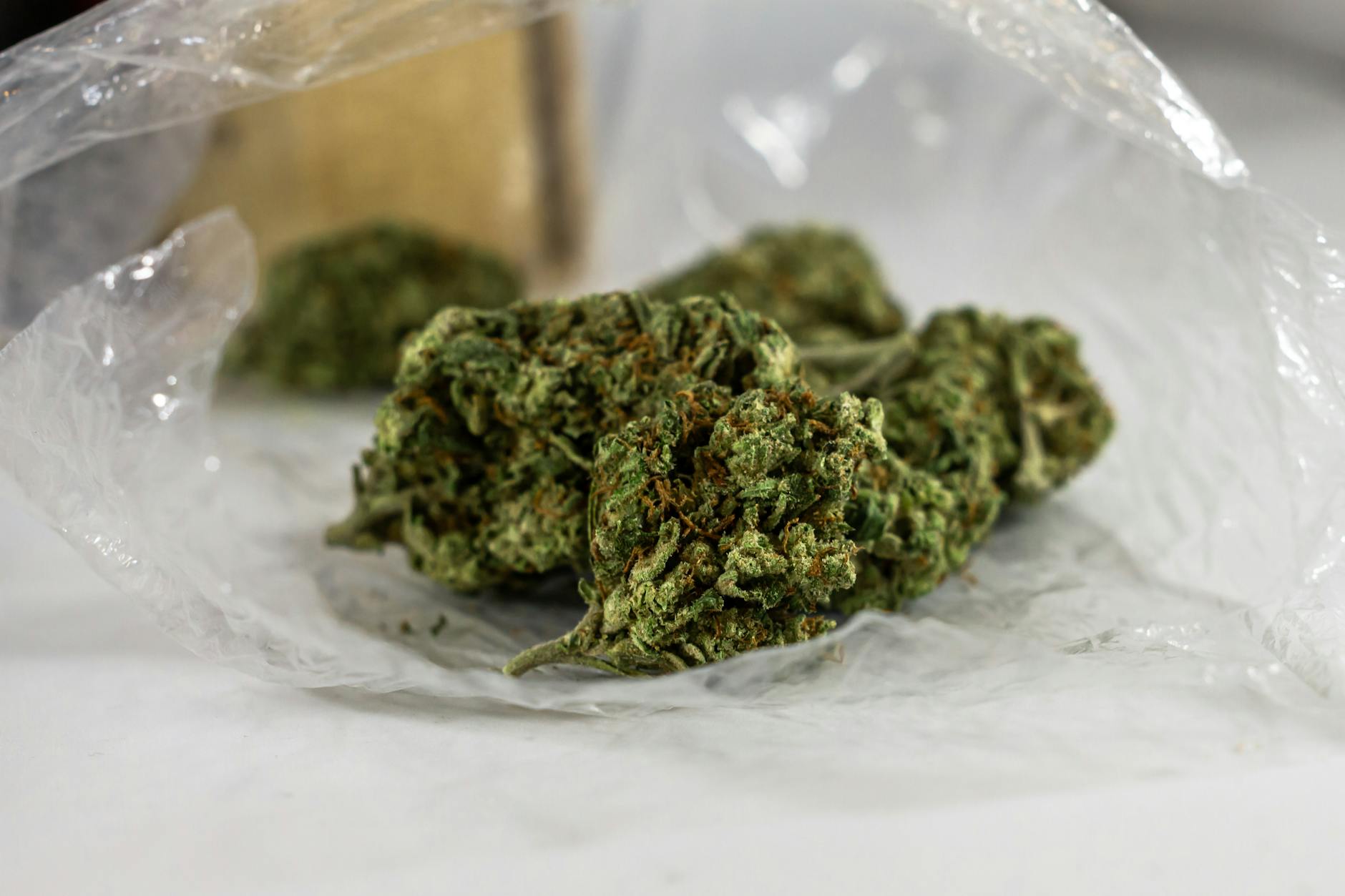
A longitudinal study examining adolescent cannabis use patterns found that teenagers who use cannabis have approximately twice the risk of developing psychosis compared to non-users, with risk escalating further among those with early onset use or frequent consumption. The research tracked developmental outcomes over several years and identified psychotic symptoms emerging in late adolescence and early adulthood, suggesting a critical window of neurobiological vulnerability during brain maturation. These findings support existing evidence that cannabis exposure during adolescence may interfere with normal neurodevelopmental processes, particularly in regions associated with psychotic symptom regulation. Clinicians should incorporate detailed cannabis use histories into psychiatric assessments of adolescent and young adult patients, particularly those with family histories of psychosis or early behavioral concerns. The study reinforces the importance of preventive counseling about cannabis risks during this vulnerable developmental period and argues for heightened clinical surveillance in users who initiated use during their teenage years. Patients and families should understand that adolescent cannabis use, contrary to common perceptions of safety, carries meaningful psychiatric risks that persist into adulthood.
“We know from longitudinal data that adolescent cannabis exposure during critical neurodevelopmental windows carries a genuine twofold increased risk for psychotic disorders, and this isn’t about scaremongering—it’s why I counsel all parents that the teenage brain isn’t simply a smaller adult brain, and delaying use until at least the mid-twenties when prefrontal development stabilizes is a conversation worth having in my office.”
💭 The association between adolescent cannabis use and increased psychosis risk reported in this study aligns with existing epidemiological evidence and highlights an important developmental vulnerability period, though clinicians should recognize that cannabis use is neither necessary nor sufficient to cause psychosis on its own. The doubling of risk, while statistically significant, must be contextualized within baseline psychosis prevalence rates and the multiple confounding variables inherent to observational research, including underlying genetic predisposition, concurrent substance use, mental health comorbidities, and socioeconomic factors that may drive both cannabis initiation and psychotic outcomes. Additionally, the study’s generalizability may be limited by population-specific factors, and the distinction between cannabis-induced psychotic symptoms and primary psychotic disorders remains clinically important for prognosis and treatment planning. For clinical practice, this evidence supports screening for cannabis use during adolescent mental health assessments and counseling patients and families about heightened
💬 Join the Conversation
Have a question about how this applies to your situation? Ask Dr. Caplan →
Want to discuss this topic with other patients and caregivers? Join the forum discussion →
Have thoughts on this? Share it:

