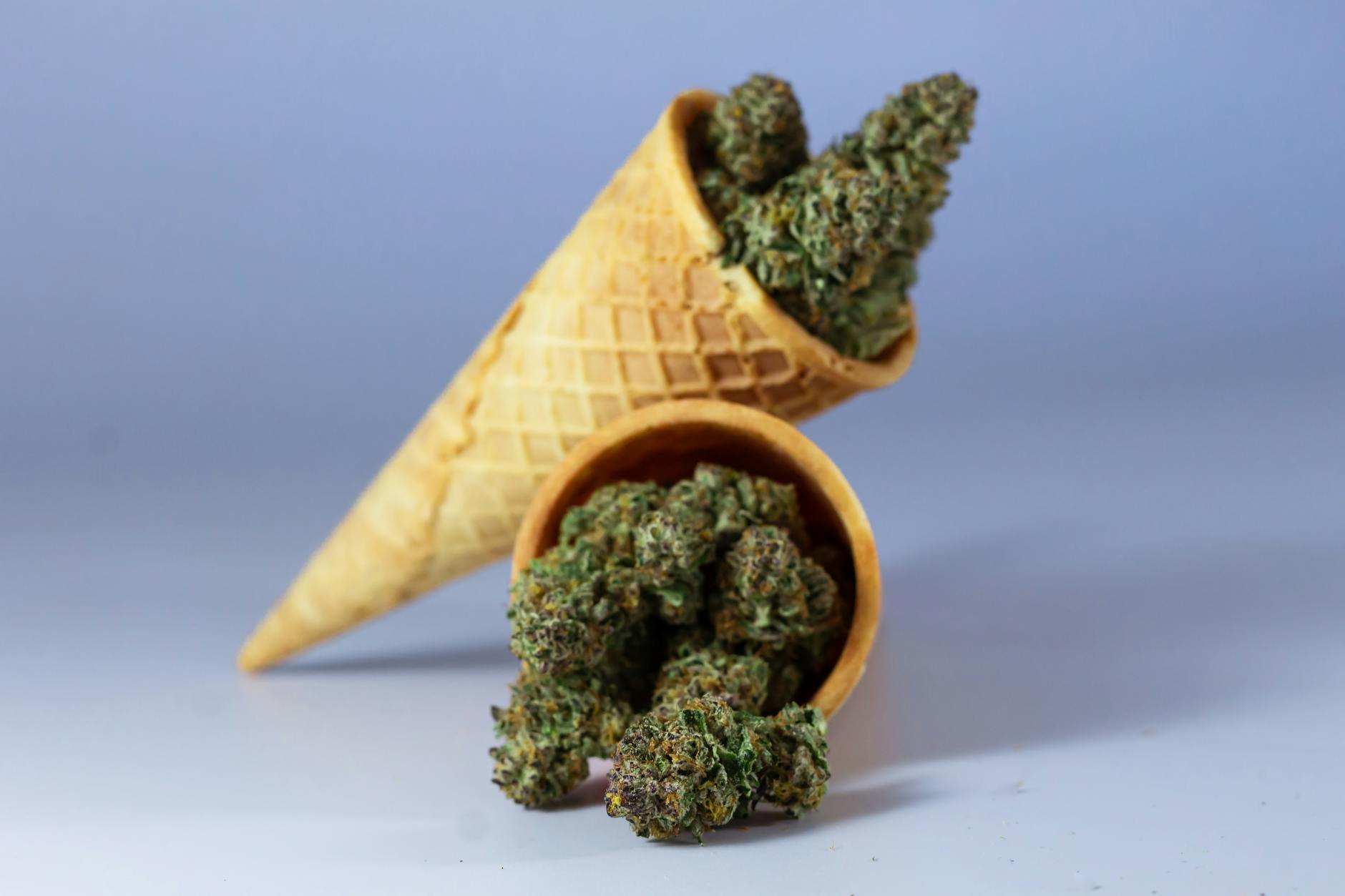
 Marijuana Edibles With More Than 10 Milligrams Of THC Fails” style=”width:100%;max-height:420px;object-fit:cover;border-radius:8px;display:block;” />
#90 Landmark Clinical Evidence
Peer-reviewed human research with direct implications for cannabis medicine practice.
I need the article summary to write meaningful sentences about clinical relevance. Could you provide the summary text?
A proposed Oregon legislative measure that would have restricted individual marijuana edible doses to a maximum of 10 milligrams of THC failed to advance, preserving the current regulatory allowance of up to 100 milligrams per serving in the state. Proponents of the stricter limit argued that lower-dose products would reduce accidental overdoses, particularly among inexperienced users and children, citing public health concerns about the potency of commercially available edibles. Opponents, including cannabis industry representatives and some patient advocates, contended that restricting dose availability would limit treatment options for patients with chronic pain, nausea, and other conditions requiring higher THC amounts for therapeutic effect. The failed restriction reflects ongoing regulatory uncertainty across states regarding optimal edible dosing standards, creating a fragmented landscape where patients and clinicians face inconsistent product availability depending on geography. Clinicians should counsel patients about dose escalation risks with edibles, the delayed onset of effects (30 minutes to 2 hours), and the importance of starting with lower doses, particularly given that Oregon’s current 100-milligram limit remains substantially higher than recommendations in many other jurisdictions. Understanding your state’s specific edible regulations and inventory will help you provide more informed guidance to patients considering cannabis for symptom management.
“When we restrict dosing below what patients actually need for therapeutic effect, we don’t eliminate cannabis use, we push people toward higher volumes of product, less precise dosing, and less reliable outcomes, which is exactly the opposite of what evidence-based medicine should accomplish.”
🔬 Oregon’s failed attempt to lower the THC limit for cannabis edibles to 10 milligrams reflects ongoing regulatory uncertainty around dosing standards that clinicians must navigate when counseling patients. The current 100-milligram limit per edible package creates significant risk for unintended overdose, particularly among naive users, adolescents, and patients with psychiatric vulnerabilities, yet lower thresholds face resistance from industry stakeholders and consumers accustomed to higher-dose products. Clinicians should recognize that edible potency and packaging vary substantially across jurisdictions, making consistent patient education challenging and potentially rendering previous counseling outdated as regulations shift. Given the absence of standardized dosing guidance comparable to pharmaceutical medications, practitioners should ask patients about specific product formulations, total consumption patterns, and frequency of use rather than relying on general cannabis quantity estimates. Until clearer regulatory consensus emerges, providers should emphasize the slow onset and prolonged
💬 Join the Conversation
Have a question about how this applies to your situation? Ask Dr. Caplan →
Want to discuss this topic with other patients and caregivers? Join the forum discussion →
Have thoughts on this? Share it:

