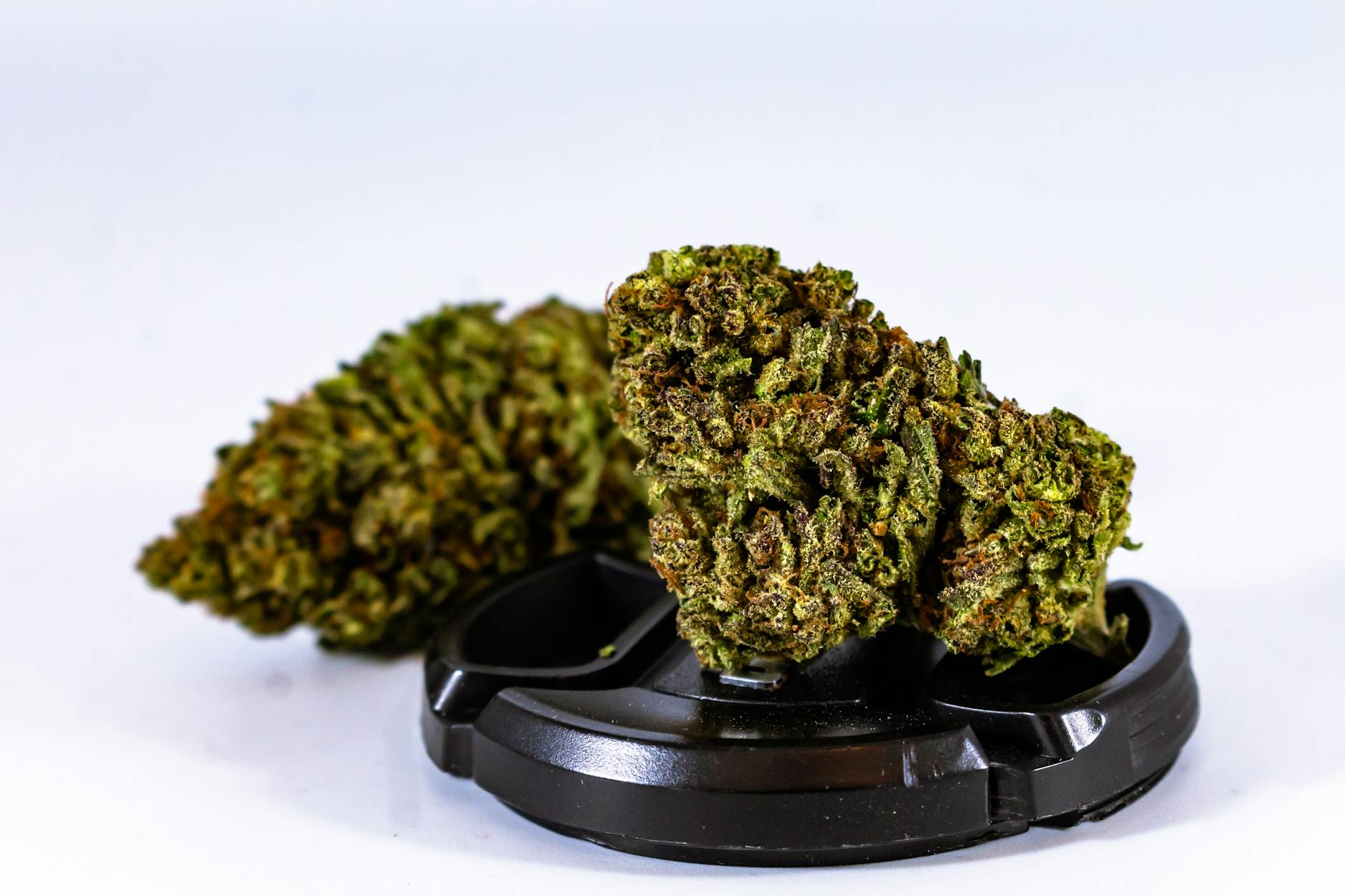
Rising THC concentrations in commercial cannabis products directly impact dosing precision and adverse event risk in medical cannabis practice. Clinicians need to understand how modern cannabis potency affects therapeutic windows and patient safety profiles compared to historical clinical data.
Cannabis THC concentrations have increased dramatically over recent decades, with many commercial products now exceeding 20-30% THC compared to historical averages of 3-5%. This concentration increase affects onset kinetics, duration of effect, and the therapeutic index for medical applications. Higher potency products may increase risk of acute intoxication, anxiety reactions, and cannabis hyperemesis syndrome, while potentially reducing the entourage effect contributions from other cannabinoids and terpenes that are proportionally diminished.
“I counsel patients that higher isn’t necessarily better — therapeutic benefit often occurs at much lower THC doses than recreational products provide. We’re essentially prescribing with products that have outpaced our clinical understanding of optimal therapeutic ranges.”
💬 Join the Conversation
Have a question about how this applies to your situation? Ask Dr. Caplan →
Want to discuss this topic with other patients and caregivers? Join the forum discussion →
Have thoughts on this? Share it:
Table of Contents
FAQ
What is the clinical relevance rating for this cannabis news?
This article has been assigned CED Clinical Relevance #70, indicating “Notable Clinical Interest.” This rating suggests the content contains emerging findings or policy developments that healthcare professionals should monitor closely.
What are the main topic areas covered in this cannabis clinical update?
The article focuses on four key areas: dosing protocols, THC-related considerations, patient safety measures, and product quality standards. These topics are particularly relevant for healthcare providers working with medical cannabis patients.
Why is this information important for clinicians?
This update provides evidence-based guidance on cannabis therapeutics that can help clinicians make informed decisions about patient care. The clinical relevance rating indicates these are emerging developments worth incorporating into practice considerations.
What does “Notable Clinical Interest” mean in this context?
“Notable Clinical Interest” is a designation for emerging findings or policy developments in cannabis medicine. It indicates that while not immediately practice-changing, these developments warrant close monitoring by healthcare professionals.
How should healthcare providers use this information?
Healthcare providers should review this information to stay current on cannabis medicine developments, particularly regarding dosing and safety protocols. This knowledge can help inform patient discussions and clinical decision-making in medical cannabis treatment.