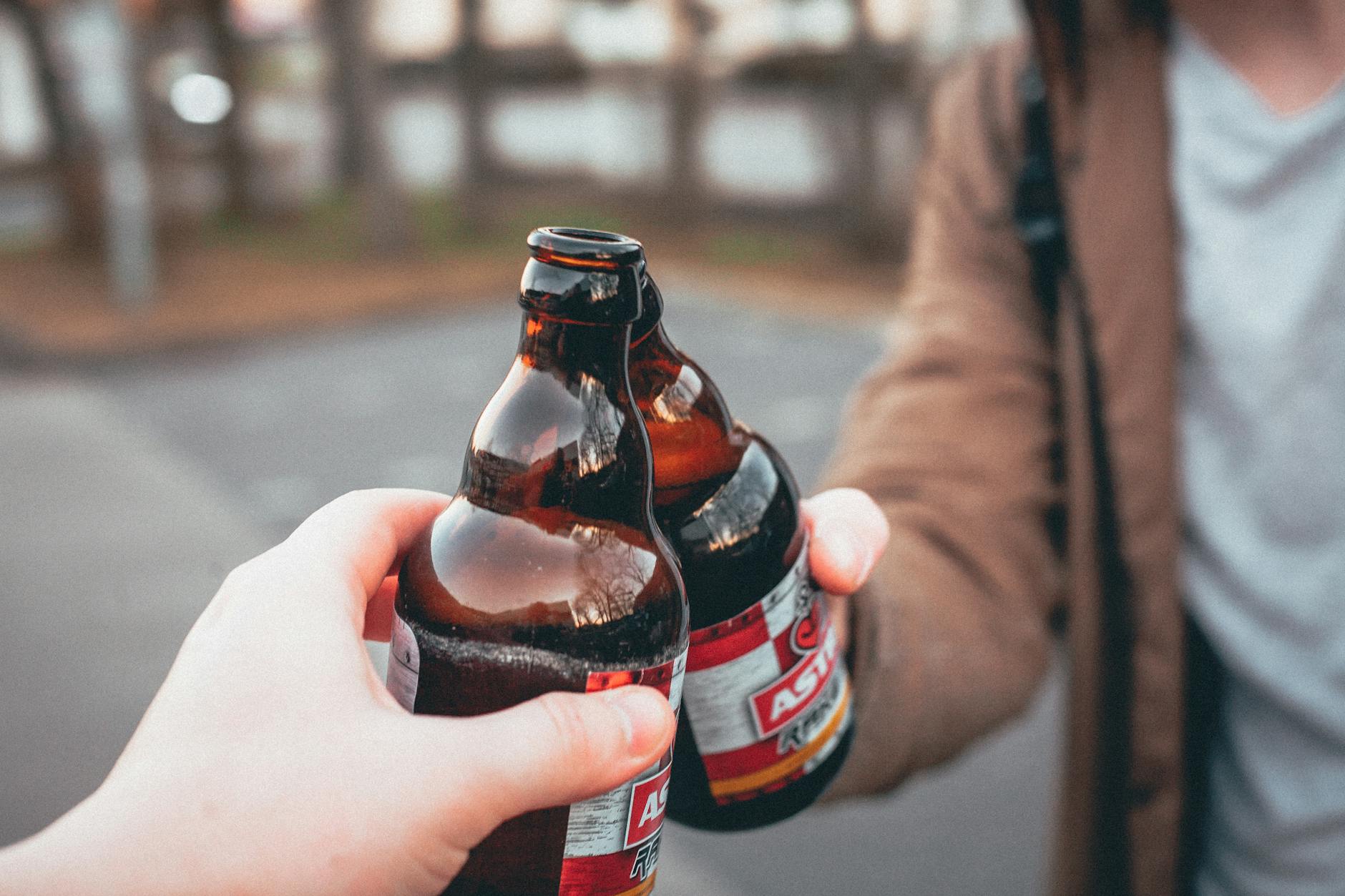
The shift from alcohol to THC beverages represents a substitution pattern with distinct clinical implications — different onset kinetics, metabolism, and interaction profiles that clinicians must understand. This trend requires updated patient counseling about onset delays, dosing variability, and the potential for overconsumption with edible/drinkable cannabis products.
Cannabis beverages are gaining market share as alcohol consumption declines, reflecting broader consumer preferences for cannabis over alcohol. THC drinks typically have delayed onset (30-90 minutes) compared to smoking (minutes) due to hepatic first-pass metabolism, creating risk for dose stacking. Unlike alcohol’s predictable dose-response curve, cannabis beverages show high inter-individual variability in absorption and effect duration. The clinical profile differs significantly from alcohol in terms of respiratory depression risk, but shares concerns about impaired driving and coordination.
“I’m seeing more patients who’ve switched from alcohol to THC drinks thinking they’re making a ‘healthier’ choice, but they’re often caught off-guard by the delayed onset and longer duration. The ‘wait two hours before redosing’ rule isn’t just good advice — it’s essential patient safety.”
💬 Join the Conversation
Have a question about how this applies to your situation? Ask Dr. Caplan →
Want to discuss this topic with other patients and caregivers? Join the forum discussion →
Have thoughts on this? Share it:
Table of Contents
- FAQ
- What makes cannabis edibles a patient safety concern?
- How do cannabis beverages differ from traditional edibles in terms of clinical considerations?
- Why is this cannabis research receiving notable clinical interest rating?
- What should healthcare providers know about substance use patterns with cannabis edibles?
- How can clinicians better counsel patients about cannabis edible safety?
FAQ
What makes cannabis edibles a patient safety concern?
Cannabis edibles present unique safety challenges due to delayed onset of effects, which can lead to accidental overconsumption. Patients may not feel effects for 30 minutes to 2 hours, potentially leading them to consume additional doses before the initial dose takes effect.
How do cannabis beverages differ from traditional edibles in terms of clinical considerations?
Cannabis beverages may have different absorption rates and onset times compared to solid edibles, potentially affecting patient dosing strategies. The liquid form may also influence how quickly THC is absorbed in the digestive system, requiring different patient counseling approaches.
Why is this cannabis research receiving notable clinical interest rating?
This research addresses emerging findings in cannabis medicine that healthcare providers need to monitor closely. The clinical relevance rating indicates these developments could impact patient care decisions and treatment protocols.
What should healthcare providers know about substance use patterns with cannabis edibles?
Healthcare providers should understand that edibles may appeal to patients who prefer not to smoke or vape cannabis. The discrete nature and delayed effects of edibles can also influence usage patterns and potential for misuse.
How can clinicians better counsel patients about cannabis edible safety?
Clinicians should emphasize the importance of “start low and go slow” dosing with edibles, waiting at least 2 hours before taking additional doses. Patient education should include information about delayed onset times and the importance of storing edibles safely away from children and pets.