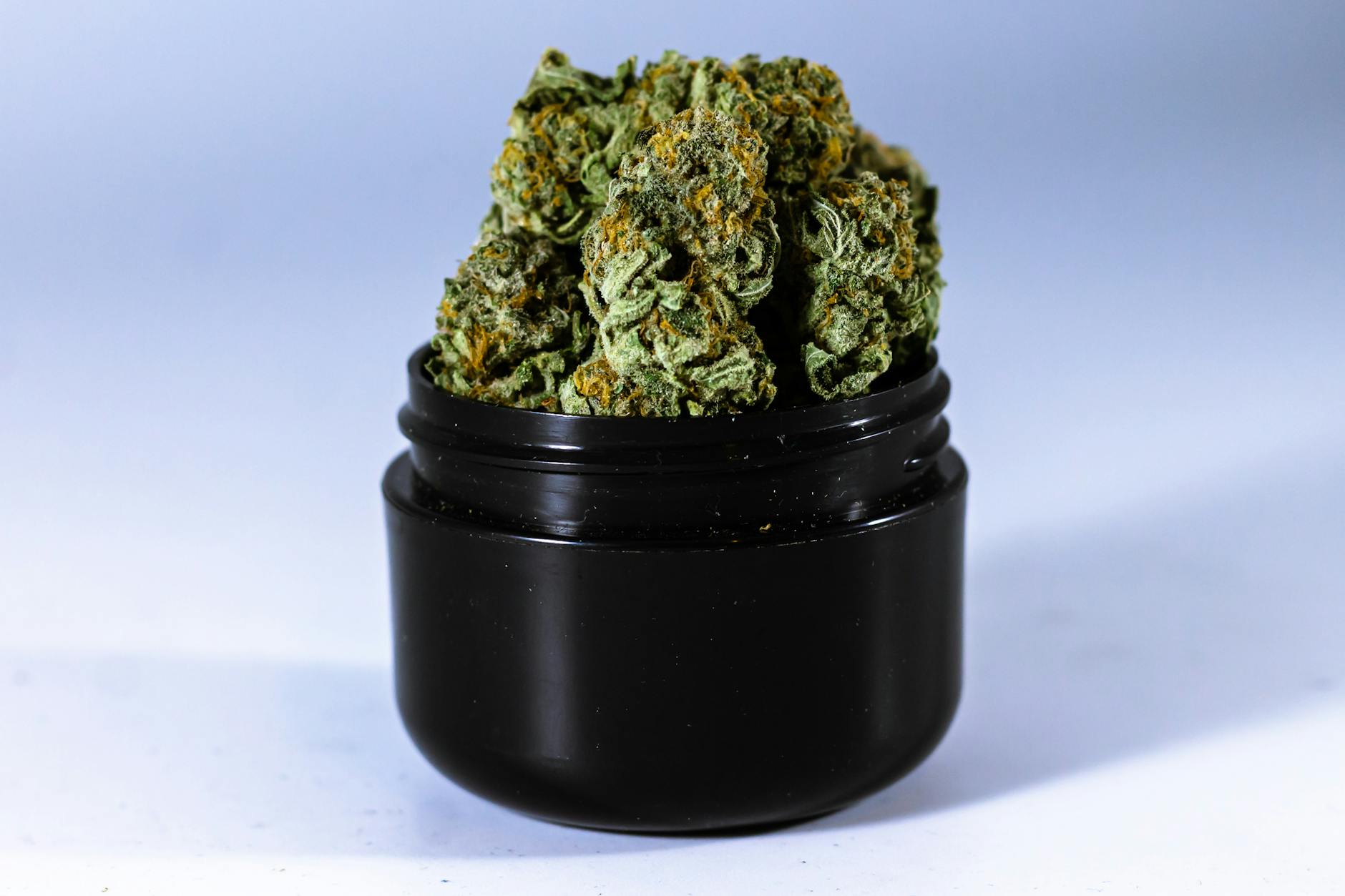
This regulatory change affects patient access to hemp-derived cannabinoids in smokeable form, potentially disrupting established therapeutic regimens. Clinicians in Texas need to understand the distinction between hemp and marijuana products to properly counsel patients on legal alternatives and dosing transitions.
Texas is implementing a ban on smokeable hemp products effective March 31, 2024, while maintaining legality of other hemp-derived cannabinoid formulations like oils, edibles, and topicals. The distinction centers on delivery method rather than cannabinoid content, as hemp products must still contain less than 0.3% delta-9 THC by dry weight. This regulatory approach reflects ongoing policy tensions between federal hemp legalization and state-level concerns about psychoactive potential and public health messaging around smoking.
“I’m seeing more patients who rely on smokeable hemp for rapid onset symptom relief, particularly for anxiety and pain. The key clinical question isn’t the legality—it’s helping these patients transition to alternative delivery methods that maintain therapeutic efficacy without compromising their treatment goals.”
💬 Join the Conversation
Have a question about how this applies to your situation? Ask Dr. Caplan →
Want to discuss this topic with other patients and caregivers? Join the forum discussion →
Have thoughts on this? Share it:
Table of Contents
FAQ
What is the clinical relevance rating of this cannabis news?
This article has been assigned CED Clinical Relevance #70, indicating “Notable Clinical Interest.” This rating suggests emerging findings or policy developments that are worth monitoring closely by healthcare professionals.
What medical conditions does this cannabis research relate to?
Based on the topic tags, this research appears to focus on anxiety and pain management applications. These are two of the most commonly studied therapeutic uses for cannabis and hemp-derived products in clinical settings.
Is this about marijuana or hemp?
This article specifically focuses on hemp, as indicated by the “Hemp” tag. Hemp-derived products typically contain lower levels of THC and are subject to different regulatory frameworks than marijuana.
What type of cannabis development is being discussed?
This appears to be related to policy developments in the cannabis/hemp space, as indicated by the “Policy” tag. The article likely covers regulatory changes or new guidelines affecting hemp-based medical products.
Why should clinicians pay attention to this information?
As an emerging finding with notable clinical interest, this information could impact clinical practice or patient care decisions. Healthcare providers should monitor these developments to stay informed about changing regulations and therapeutic applications of hemp-derived treatments.