























Study Finds Veterans With SUD Used Cannabis to Alleviate Pain, Anxiety, and Improve Poor …

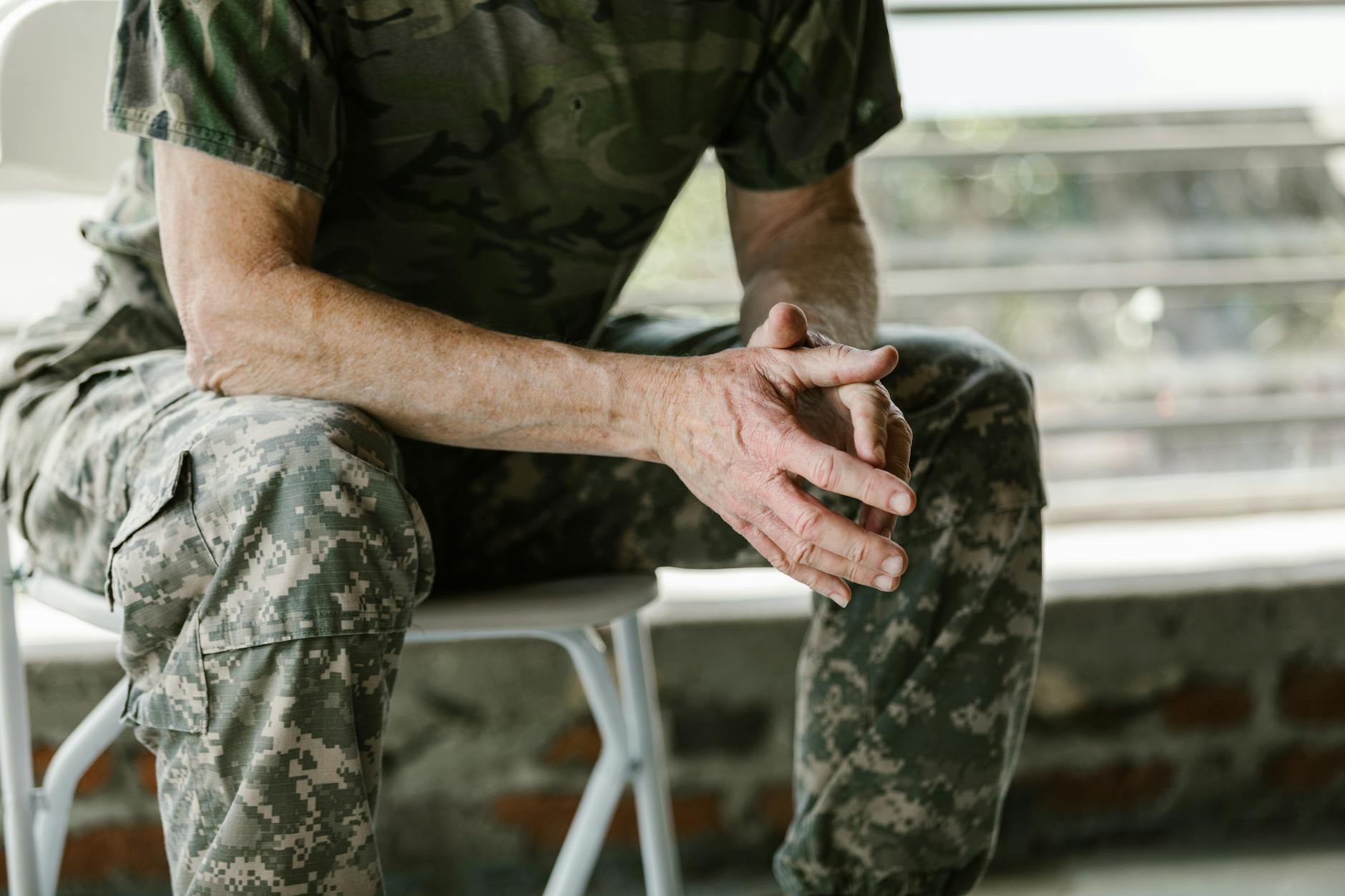 Study Finds Veterans With SUD Used Cannabis to Alleviate Pain, Anxiety, and Improve Poor …” style=”width:100%;max-height:420px;object-fit:cover;border-radius:8px;display:block;” />
#72 Notable Clinical Interest
Emerging findings or policy developments worth monitoring closely.
I don’t see the article summary provided in your message. Please share the full summary so I can write the clinically relevant sentences explaining why this matters for practitioners and patients.
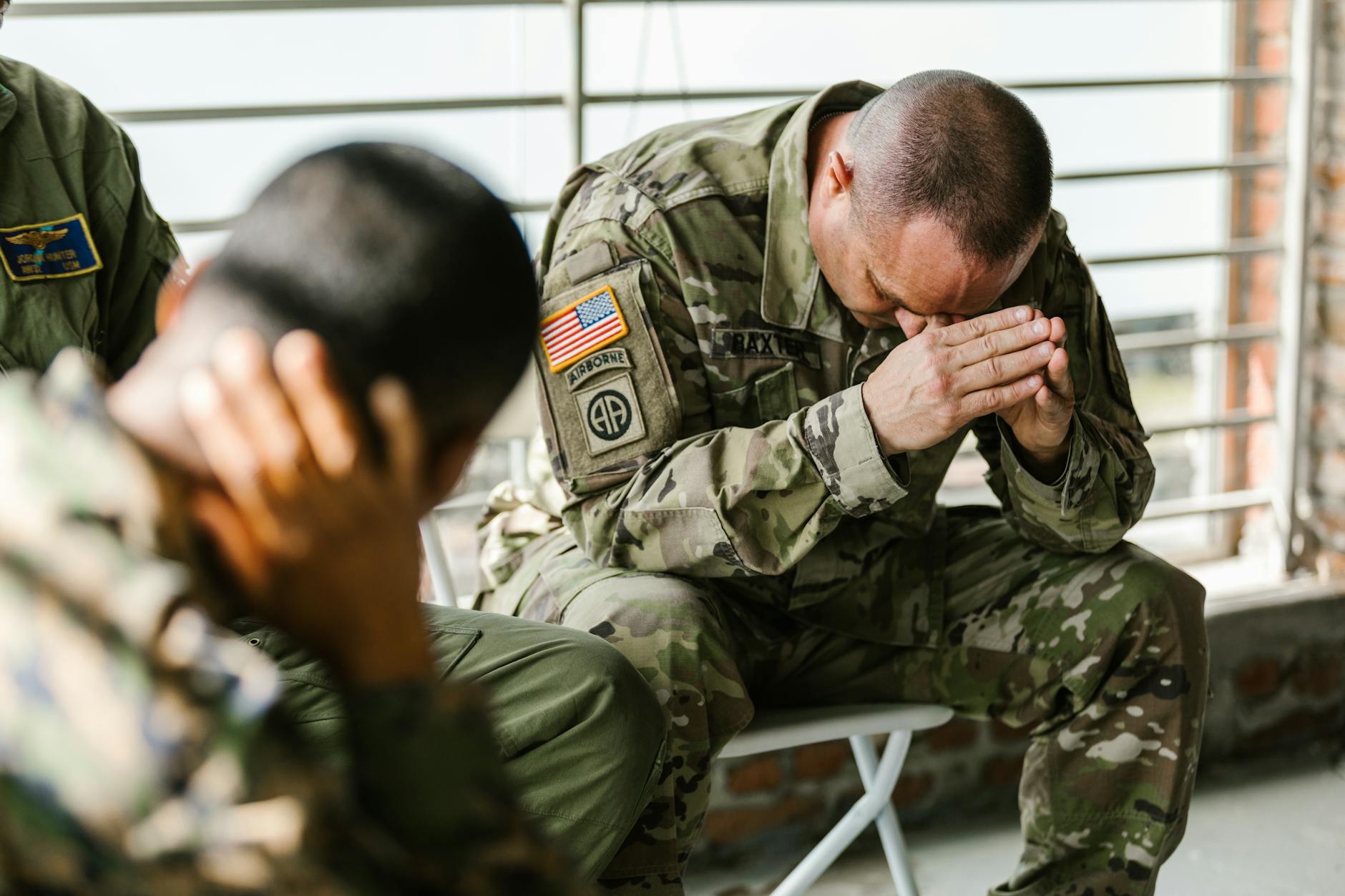
A qualitative study of veterans with substance use disorder found that cannabis use was primarily motivated by self-treatment of pain, anxiety, and sleep disturbance rather than recreational purposes, suggesting these patients perceived cannabis as a therapeutic alternative to manage multiple comorbid symptoms. The findings highlight a significant gap between patient-perceived benefits and current evidence-based treatment options available within the Veterans Health Administration, where cannabis remains federally prohibited despite growing clinical interest in its analgesic and anxiolytic properties. This disconnect is particularly relevant for the veteran population, who experience elevated rates of chronic pain, post-traumatic stress disorder, and insomnia alongside substance use disorders, creating complex treatment challenges. Clinicians caring for veterans with these comorbidities should recognize that cannabis use may reflect unmet treatment needs and an attempt at symptom self-management, warranting comprehensive assessment of underlying pain and anxiety rather than dismissal as purely addictive behavior. The study underscores the importance of developing integrated, evidence-based pain and anxiety management protocols that can compete with cannabis as a therapeutic option for this vulnerable population. For practitioners, this research suggests the need to engage veterans in open conversations about cannabis use as a potential indicator of inadequately treated pain, anxiety, or sleep disorders requiring multimodal conventional interventions.
“What we’re seeing in this veteran population is a rational self-medication pattern, not addiction-seeking behavior, which means we need to stop treating cannabis use in these patients as a compliance problem and start treating it as clinical information about what their bodies are telling us they need.”
🎖️ A study examining cannabis use among veterans with substance use disorder found that patients reported using cannabis primarily to manage pain, anxiety, and sleep disturbance, suggesting potential self-medication patterns rather than recreational use. While these patient-reported benefits align with some emerging evidence for cannabis in pain and anxiety management, clinicians should recognize that self-reported symptom relief does not establish efficacy and may reflect placebo effects, symptom fluctuation, or substitution of one substance for another. Veterans with concurrent substance use disorder represent a particularly vulnerable population with complex pharmacological and psychiatric needs, and cannabis use in this context carries additional risks including potential gateway effects, cognitive impacts, and complications in addiction recovery. The lack of standardized dosing, quality control, and drug-drug interactions with other medications or treatments further complicates clinical decision-making. Providers caring for veterans should conduct thorough substance use histories that specifically address cannabis, assess underlying pain and psychiatric symptoms systematically
This topic comes up in consultations often.
Dr. Caplan offers clinical context on evolving cannabis policy and its real-world implications for patients.
Book a consultation →💬 Join the Conversation
Have a question about how this applies to your situation? Ask Dr. Caplan →
Want to discuss this topic with other patients and caregivers? Join the forum discussion →
Have thoughts on this? Share it: