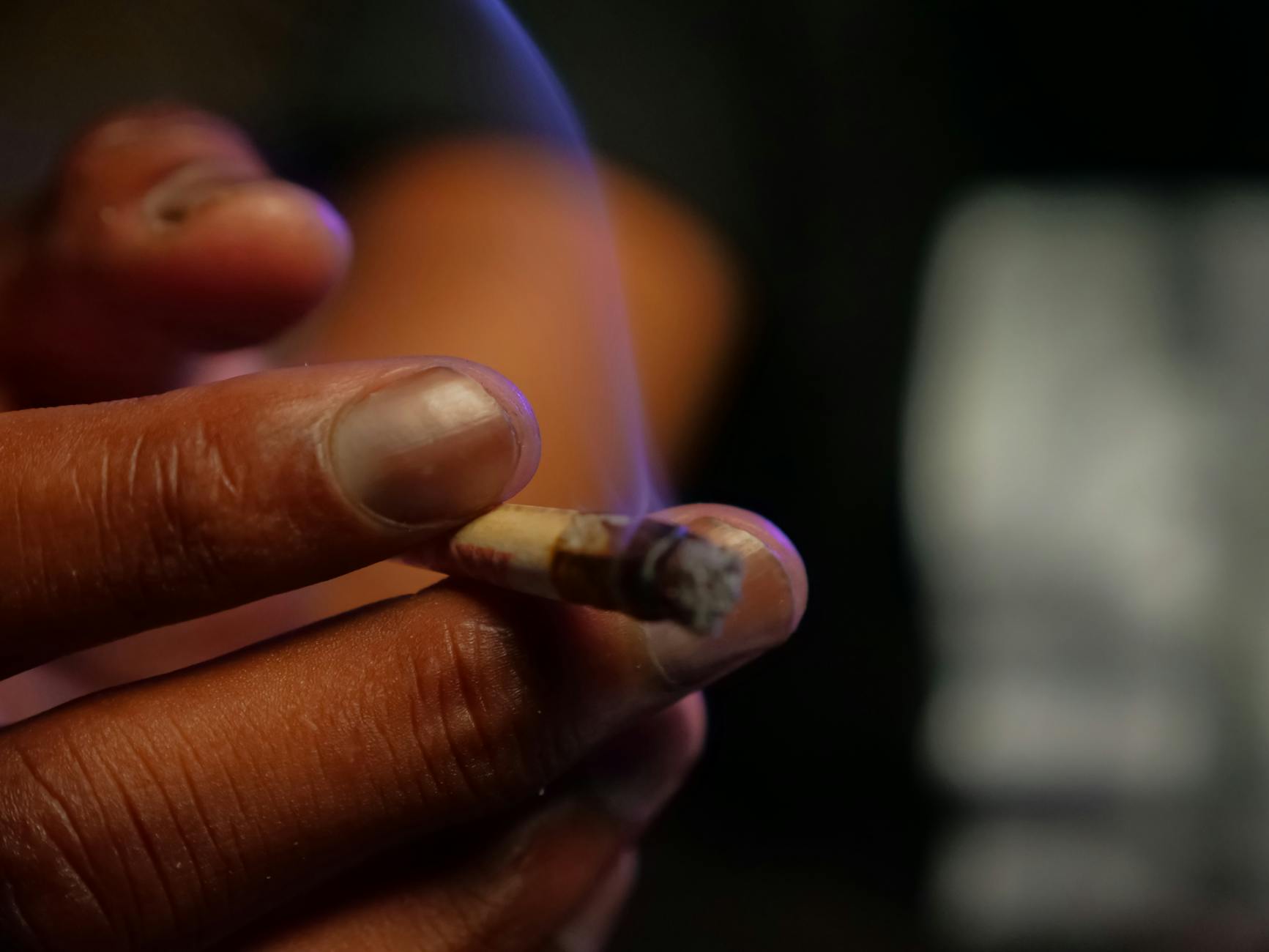
Route of administration directly impacts therapeutic outcomes, bioavailability, and adverse effects in cannabis medicine. Policy restrictions on smoking may force patients toward less familiar delivery methods, potentially disrupting established therapeutic regimens and requiring clinical guidance on alternative routes.
A state-level ban on smoking cannabis is scheduled to take effect, which would restrict this common route of administration while presumably maintaining access to other delivery methods like vaporization, edibles, and tinctures. Smoking provides rapid onset (2-5 minutes) and high bioavailability but carries respiratory risks. Alternative routes offer different pharmacokinetic profiles: vaporization maintains rapid onset with reduced combustion byproducts, while oral preparations have delayed onset (30-120 minutes) but longer duration of effects.
“When patients lose access to their familiar route, we often see disrupted symptom control and increased anxiety about their treatment. The key is proactive education about equivalent dosing across different delivery methods before the policy takes effect.”
💬 Join the Conversation
Have a question about how this applies to your situation? Ask Dr. Caplan →
Want to discuss this topic with other patients and caregivers? Join the forum discussion →
Have thoughts on this? Share it:
Table of Contents
- FAQ
- What is the clinical relevance rating of this cannabis news?
- What main topics does this cannabis article cover?
- Why is this considered “emerging findings” in cannabis medicine?
- What type of healthcare professionals should pay attention to this information?
- How does this relate to clinical cannabis practice?
FAQ
What is the clinical relevance rating of this cannabis news?
This article has been assigned CED Clinical Relevance #70, which indicates “Notable Clinical Interest.” This rating suggests the content contains emerging findings or policy developments that healthcare professionals should monitor closely.
What main topics does this cannabis article cover?
Based on the visible tags, this article covers policy developments, route of administration considerations, dosing guidelines, and patient care aspects related to cannabis medicine. These are key areas that impact clinical practice and patient outcomes.
Why is this considered “emerging findings” in cannabis medicine?
The article is marked as “New” and classified under emerging findings because it likely presents recent developments in cannabis policy or clinical practice. Such updates are important for healthcare providers to stay current with evolving cannabis medicine standards.
What type of healthcare professionals should pay attention to this information?
Healthcare providers involved in cannabis medicine, including physicians, pharmacists, and other clinicians prescribing or managing medical cannabis patients should monitor this information. The clinical relevance rating indicates it’s worth professional attention for patient care decisions.
How does this relate to clinical cannabis practice?
This information appears to address practical aspects of medical cannabis including administration methods, dosing strategies, and patient care protocols. These elements are essential for safe and effective clinical cannabis implementation in healthcare settings.