
#70 Notable Clinical Interest
Emerging findings or policy developments worth monitoring closely.
I don’t see an article summary provided for me to analyze. Please share the summary text, and I’ll write 2-3 sentences explaining its clinical relevance.
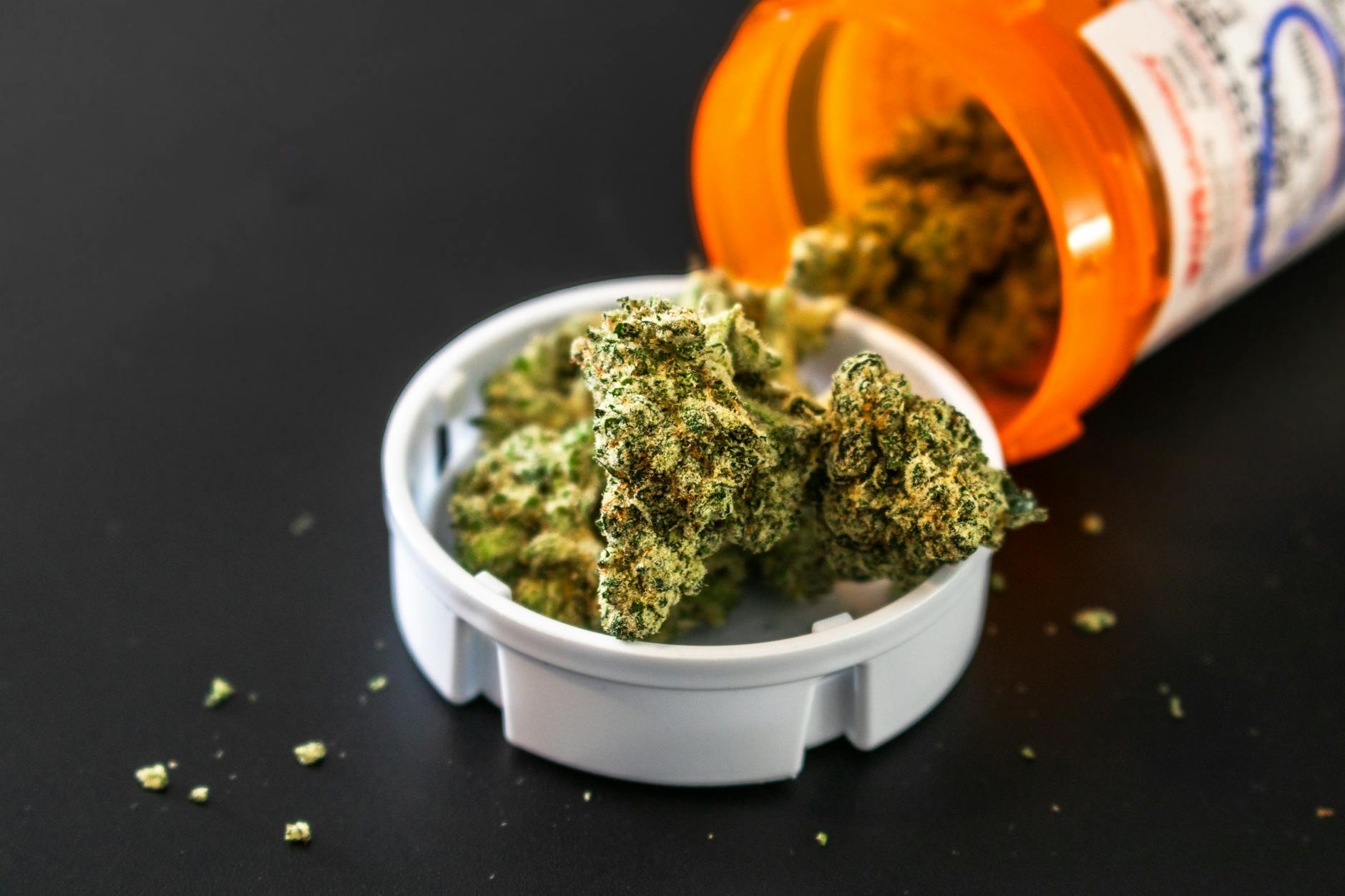
# Clinical Summary The U.S. Drug Enforcement Administration has temporarily placed bromazolam, a benzodiazepine-like designer drug, into Schedule I controlled substances, effectively classifying it alongside cannabis and other substances with no accepted medical use. This action addresses the emerging public health threat posed by bromazolam, which has appeared in illicit drug markets and counterfeit pharmaceutical products, particularly in combination with other substances including cannabis. The temporary scheduling provides immediate regulatory control while the DEA determines whether permanent scheduling is warranted, reflecting growing concerns about novel psychoactive substances that mimic benzodiazepine effects but lack established safety or efficacy data. Clinicians should be aware that patients may encounter bromazolam in unregulated cannabis products, designer drug formulations, or counterfeit medications, potentially leading to unpredictable toxicity and drug interactions. This scheduling reinforces the importance of thorough substance use screening and counseling about the risks of unregulated cannabis and designer drug products. Practitioners should educate patients that illicit or unverified cannabis products may be adulterated with dangerous synthetic substances like bromazolam, underscoring the value of regulated, tested products and evidence-based prescribing when cannabis is medically indicated.
“Without access to rigorous clinical data on cannabinoid interactions with novel benzodiazepines like bromazolam, we’re essentially flying blind when patients present with polysubstance use involving cannabis and these emerging drugs, and that gap in our pharmacological understanding directly impacts how I counsel patients about real harm reduction.”
🧠 This temporary scheduling of bromazolam, a designer benzodiazepine analog, reflects the ongoing challenge of synthetic drugs that evade regulatory oversight by chemically modifying controlled substances. Clinicians should be aware that bromazolam and similar novel benzodiazepine analogs may appear in urine drug screens as false positives or may not be detected at all depending on the assay used, complicating toxicological assessment and overdose management. The pharmacological properties of these compounds are often poorly characterized, making it difficult to predict their potency, duration, or interaction potential with other depressants, particularly relevant given the concurrent opioid crisis. Healthcare providers should maintain a high index of suspicion for novel sedative use in patients presenting with unexplained sedation, respiratory depression, or seizures, and consider routine inquiry about “research chemicals” or “legal highs” as part of substance use screening. Documentation
💬 Join the Conversation
Have a question about how this applies to your situation? Ask Dr. Caplan →
Want to discuss this topic with other patients and caregivers? Join the forum discussion →
Have thoughts on this? Share it: